English
 русский
 عربى
عربى


12-Cavity PET Preform Mold(Mould)
The 12-Cavity PET Preform Mold is a high-quality, durable solution designed to m...


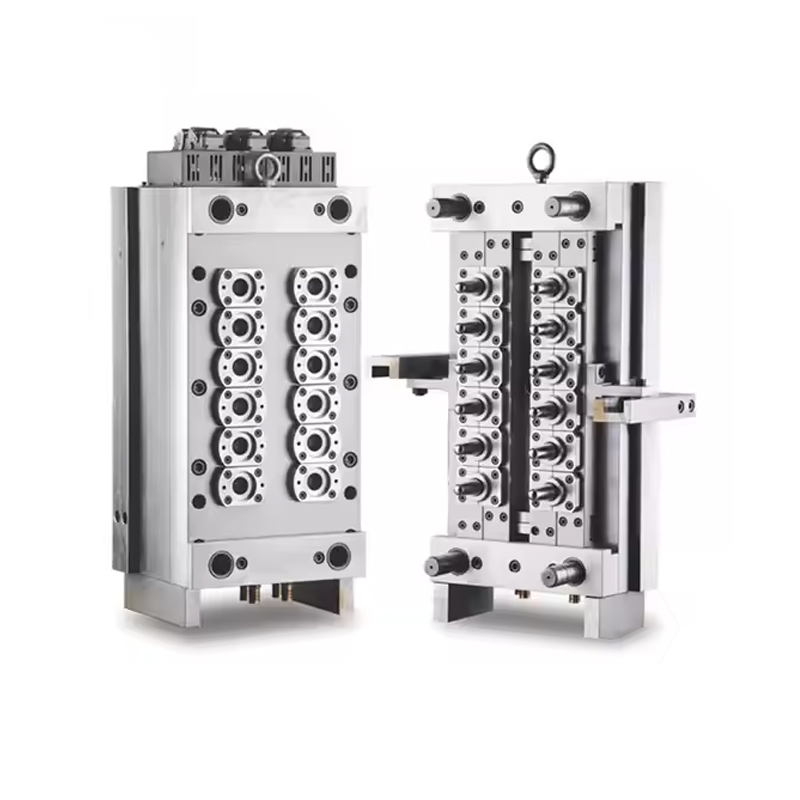
The 12-Cavity PET Preform Mold is a high-quality, durable solution designed to m...
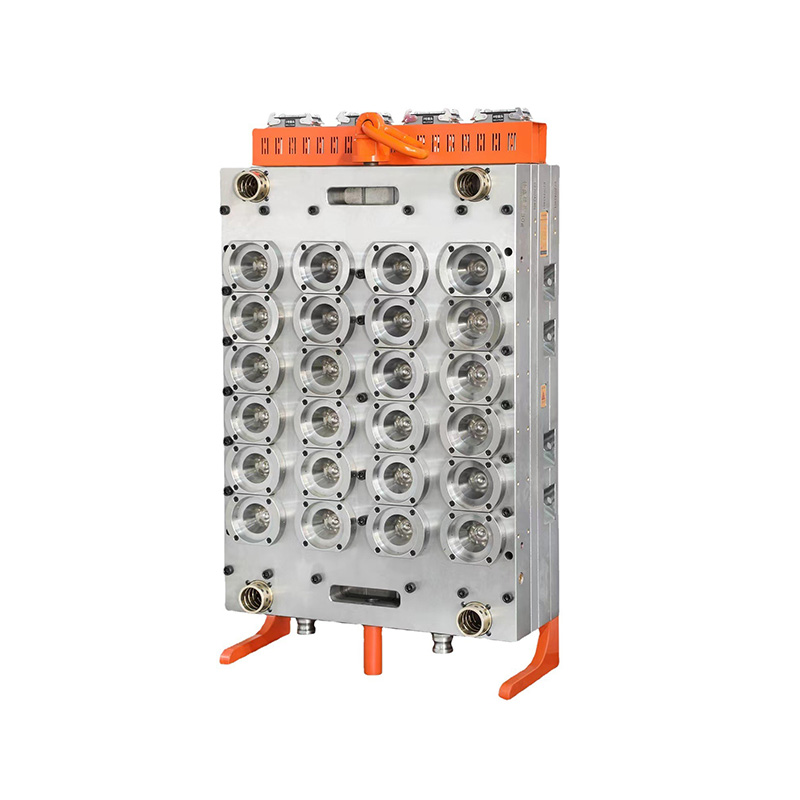
The 24-cavity preform mold is a handy tool for turning out PET bottle preforms. ...
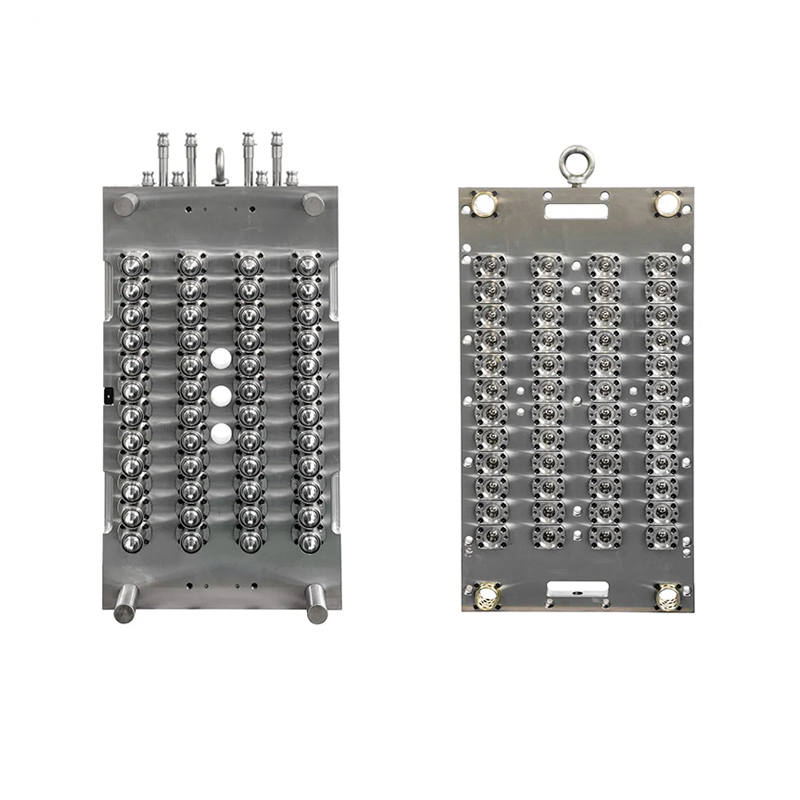
The Qihong 48-Cavity Preform Mold(Mould) is the ideal choice for high-volume PET...
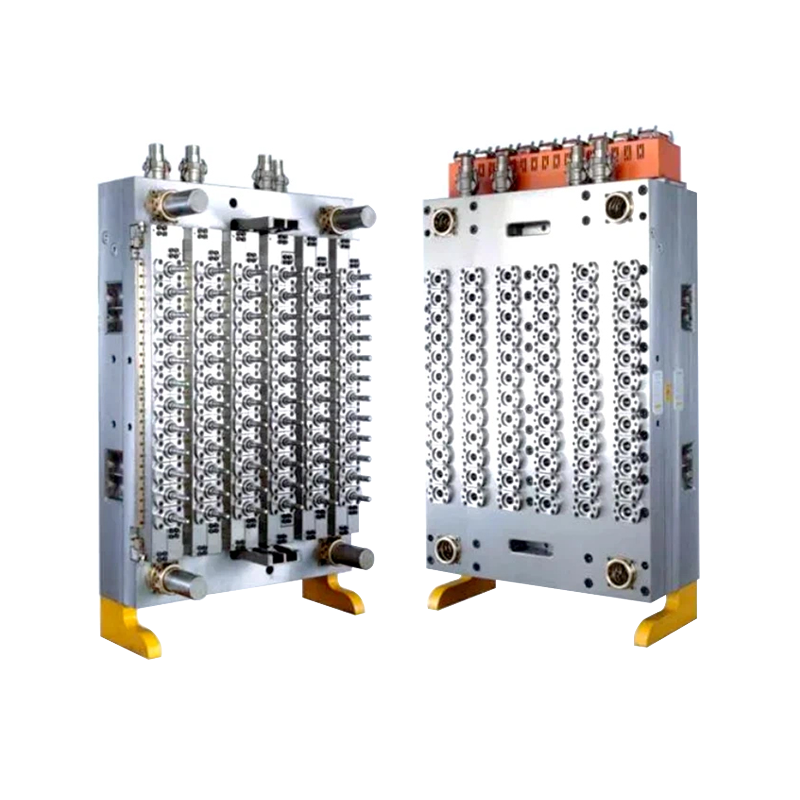
The 72-Cavity Preform Mold(Mould) is a solid, no-nonsense choice when you need t...
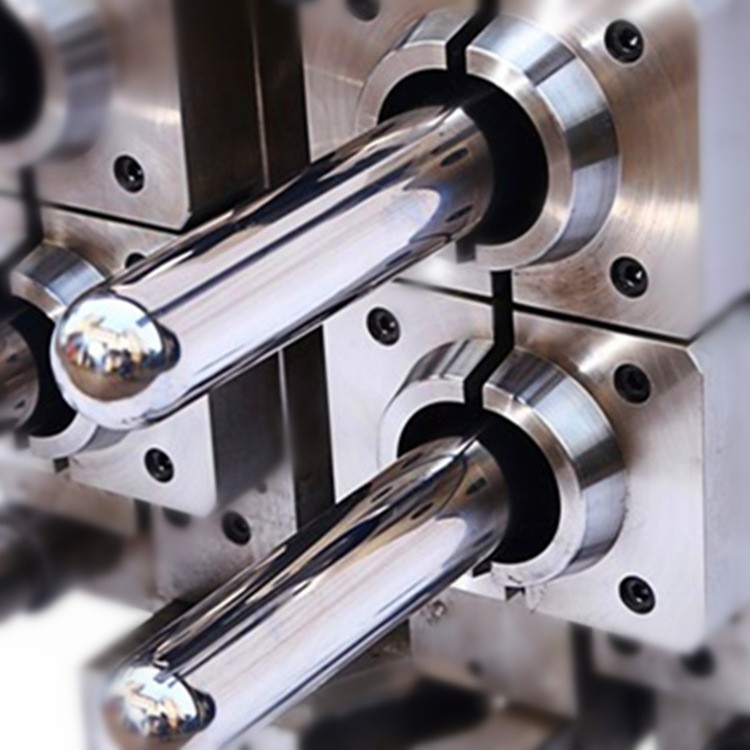
Mould Specifications Product : Preform Mould Brand : Taizhou QihongMould C...
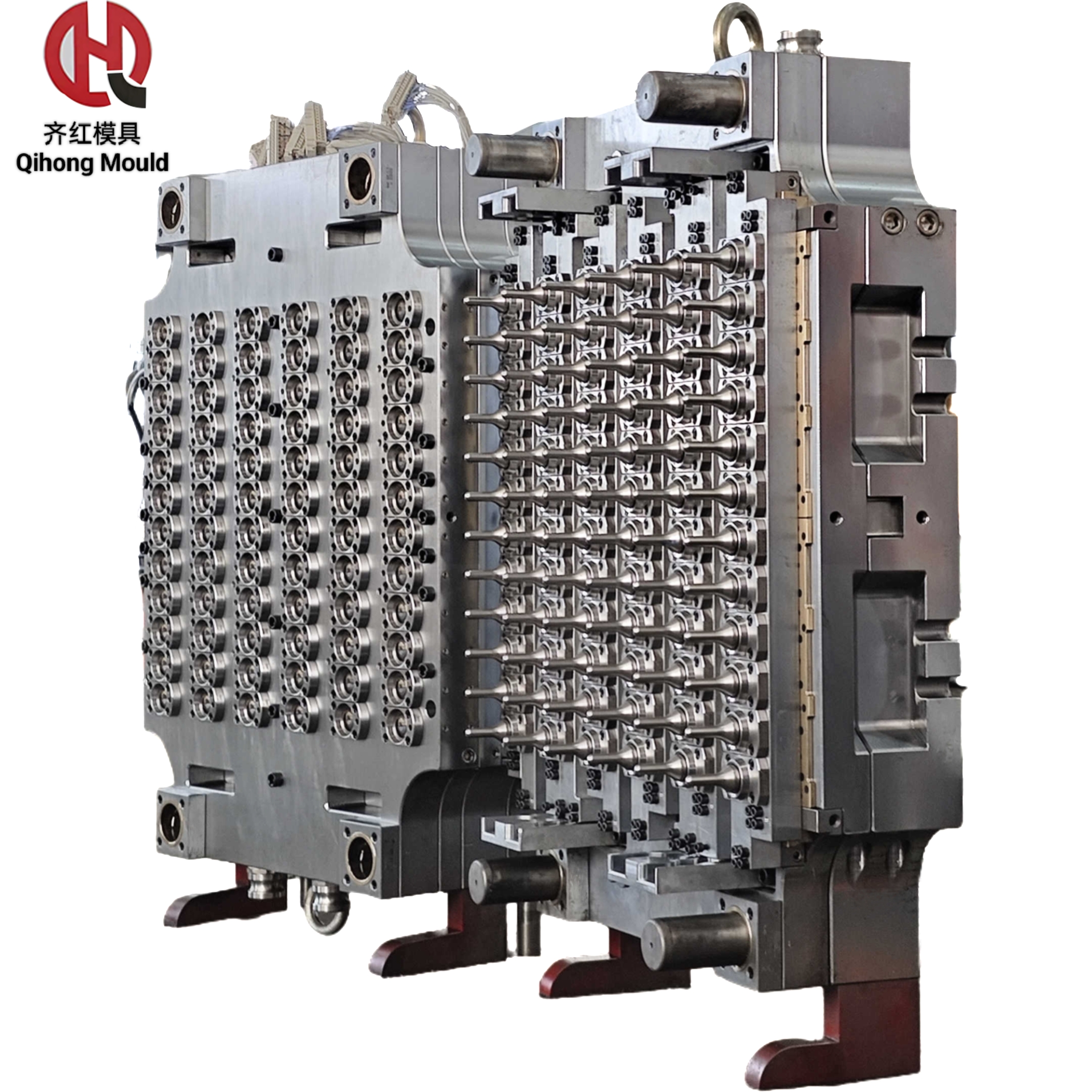
PET Preform Mold Design focuses on high precision structure and stable productio...
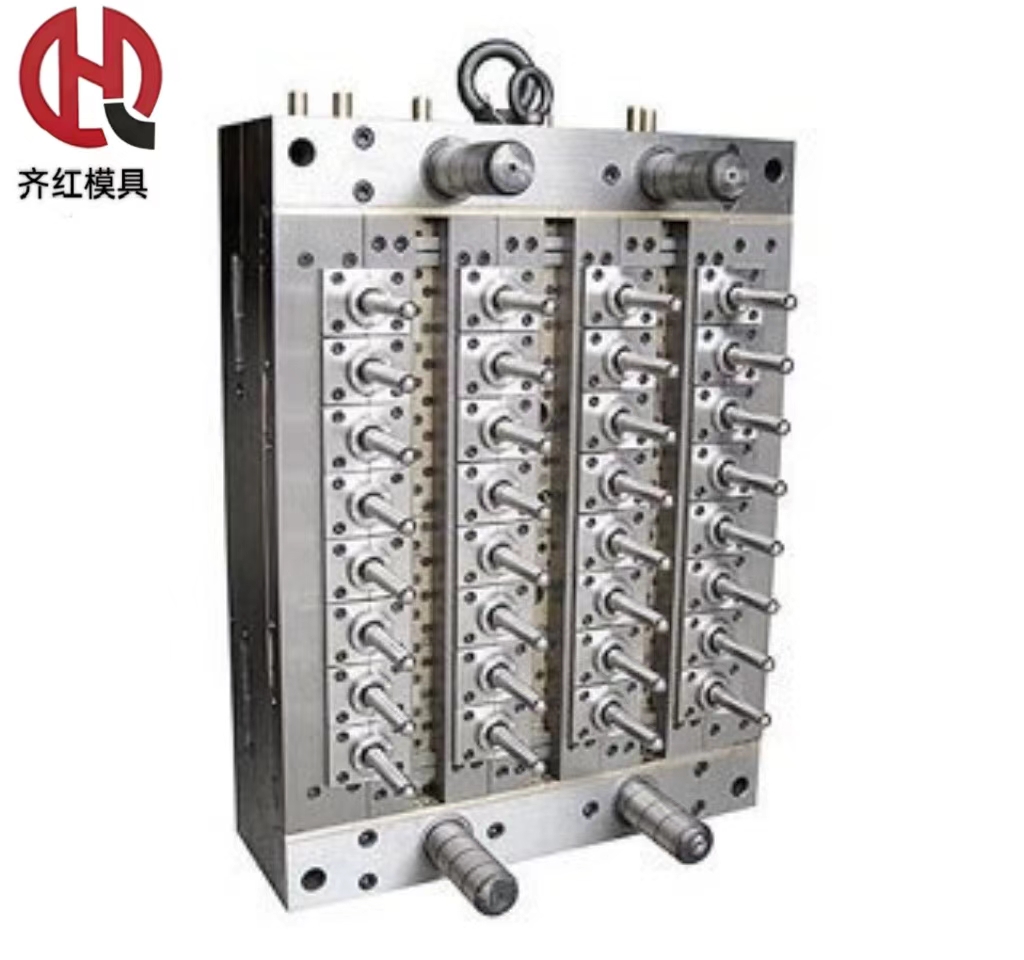
Custom Made Plastic Molds are designed for high precision and flexible plastic p...
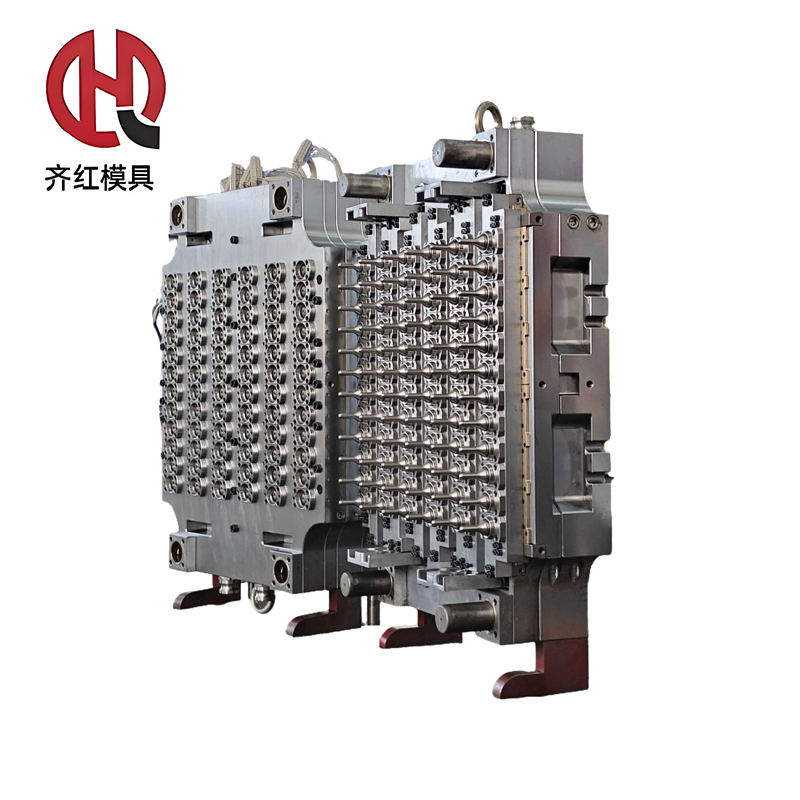
Standardization of mold partsHigh-precision processing equipment is used to ensu...
Plastic Preform Moulds are specialized tools used in the production of plastic preforms, which are the intermediate products created before molding them into final containers such as bottles. These molds are primarily used in the injection molding process and are most commonly used for producing PET preforms, typically used in the packaging of beverages, cosmetics, and pharmaceuticals.
The process starts with the injection molding of plastic into the mold cavity, where the material is heated and injected under high pressure to form the preform. The preform is then cooled, solidified, and ejected from the mold. Once the preform is created, it can be reheated and blow-molded into its final shape in a separate blow molding process.
Plastic Preform Moulds are essential tools in manufacturing preforms, which are critical to the final production of plastic containers. Their precision, efficiency, and customizability make them a key component of the plastic bottle manufacturing process.

Hot runner preform mold systems are used in many forming environments where repe...
View MoreWhy do buyer expectations matter so much in preform mould supply? In bottle pack...
View MoreWhy does PET Preform Mold Manufacturers operation need steady control? In bottl...
View MoreIn many cases, the search for a custom injection mould manufacturer does not sta...
View MoreEfficiency, consistency, and cost-effectiveness have become essential in the competitive packaging industry. Plastic preform moulds are a critical factor in achieving these objectives, enabling precise, high-quality bottle production at scale. By reducing cycle times and minimizing material waste, the right moulds can transform a production line, ensuring both reliability and profitability. Are you fully utilizing your plastic preform moulds to maximize output and maintain consistent quality across every batch?
Plastic preform moulds are precision-engineered tools used to create PET preforms—the intermediary products that later undergo blow molding to become finished plastic bottles. These moulds determine the exact shape, weight, neck finish, and structural strength of every preform, making them one of the most critical components in the bottle-making process.
Their primary function is to inject molten PET material into multiple cavities under controlled temperature and pressure. Once cooled, the moulds release perfectly shaped preforms that maintain consistent wall thickness, clarity, and dimensional accuracy. High-quality moulds ensure stable production output, minimize defects, and support long-term manufacturing efficiency.
By enabling consistent replication of thousands or even millions of identical preforms, plastic preform moulds form the foundation of reliable and scalable bottle production across industries such as beverages, cosmetics, pharmaceuticals, and household chemicals.
A durable plastic preform mould is built from multiple coordinated components, each designed to withstand high pressure, repeated cycles, and prolonged heat exposure. The primary components include:
Hot Runner System (if applicable): Delivers molten PET into each cavity, maintaining temperature uniformity.
To achieve durability and dimensional stability, manufacturers typically use premium materials such as:
These material choices directly impact service life, maintenance frequency, and production speed. When engineered correctly, a mould can withstand millions of cycles while maintaining exceptional accuracy and performance.
Selecting the right mould type is essential for achieving production efficiency and cost control. Plastic preform moulds generally fall into the following categories:
Designed for low-volume or specialized production, single-cavity options offer:
They are ideal for small businesses, custom bottle projects, or testing new preform designs.
Common in medium to large-scale manufacturing, multi-cavity moulds significantly increase output. Available in configurations ranging from 4, 8, 16, 24, 48, 72, 96, or more cavities, they deliver:
High-performance cooling systems and advanced hot runners are often integrated to support fast cycle times.
Choosing between these mould types depends on production scale, product specifications, and long-term cost strategies.
Enhanced Production Speed – Reducing Cycle Times and Improving Throughput
Plastic preform moulds are engineered to deliver rapid and stable production cycles, a key advantage for manufacturers aiming to maximize output. Advanced cooling channels, optimized cavity designs, and precise temperature control systems work together to shorten each injection cycle.
Faster cooling combined with efficient material flow means more preforms can be produced in less time—without compromising quality. This increase in throughput directly boosts factory productivity and ensures consistent supply for high-demand industries such as bottled water, beverages, pharmaceuticals, and household chemicals.
For manufacturers targeting high-volume operations, choosing the right multi-cavity mould can significantly reduce downtime, stabilize output levels, and support long-term production growth.
Consistent Quality and Precision – Maintaining Uniform Bottle Dimensions and Strength
Quality consistency is one of the most critical requirements in bottle manufacturing, and plastic preform moulds play a central role in achieving it. High-precision tooling ensures that every preform produced meets exact dimensional tolerances, resulting in bottles that are uniform in weight, wall thickness, neck finish, and mechanical strength.
This consistency is essential for:
By maintaining structural reliability across every batch, manufacturers can reduce the risk of defects, avoid production interruptions, and uphold strong product quality in the final bottles.
Cost-Effectiveness – Minimizing Material Waste, Energy Efficiency, and Long-Term Savings
Cost control is a major factor in modern bottle production, and a well-engineered plastic preform mould offers clear economic advantages. High cavity accuracy minimizes PET material waste by preventing excessive flash, inconsistencies, or defective molding.
Efficient cooling systems also contribute to lower energy usage, helping production lines operate more sustainably and economically. Additionally, durable mould materials extend service life, reducing the frequency of repairs, replacements, and downtime.
Over time, these factors combine to deliver substantial savings in materials, labor, and energy—making plastic preform moulds one of the most cost-efficient investments for long-term manufacturing.
Cavity Design and Number – Single vs. Multi-Cavity Impact on Production Efficiency
The cavity configuration of a plastic preform mould has a direct influence on production speed, operational cost, and output quality. Single-cavity moulds are typically used for specialized bottle designs or small-scale production. They offer maximum precision and simplified maintenance, making them ideal for manufacturers producing limited SKU varieties or testing new preform specifications.
In contrast, multi-cavity moulds—ranging from 4 to more than 96 cavities—are built for high-volume operations. Their design allows simultaneous production of multiple preforms in each injection cycle, dramatically increasing throughput. However, achieving consistent dimensions across all cavities requires advanced machining accuracy, balanced PET flow channels, and optimized temperature control. A professionally engineered multi-cavity system helps maintain uniform weight, wall thickness, and neck finish, ensuring mass production stability without sacrificing quality.
Selecting the right cavity number depends on production goals, available injection machine capacity, and long-term cost efficiency strategies.
Material Selection – Choosing the Right Steel or Alloy for Durability and Accuracy
The durability and performance of a plastic preform mould rely heavily on the materials used in its construction. High-grade steels and specialized alloys must withstand repeated high-pressure injections, temperature fluctuations, and continuous mechanical stress.
Common material choices include:
The selected material directly impacts mould longevity, maintenance frequency, and preform consistency. High-quality steel not only ensures accuracy across millions of cycles but also reduces long-term operational costs by minimizing downtime and ensuring stable performance.
Cooling System Design – Efficient Cooling for Faster Cycle Times and Improved Quality
The cooling system is one of the most critical elements of a plastic preform mould. Since PET must cool rapidly and uniformly to form a stable preform, efficient cooling channels are essential for maintaining short cycle times and high production quality.
A well-designed cooling system provides:
Advanced mould designs often incorporate optimized water channel layouts or high-conductivity metal inserts to maximize heat transfer. When the cooling system performs efficiently, manufacturers benefit from higher throughput, lower energy consumption, and consistently high-quality preform output.
Beverage Industry – PET Bottles for Water, Juice, and Soda
The beverage industry represents the largest and most demanding market for plastic preform moulds. High-speed production lines require moulds that offer precision, durability, and excellent temperature stability. Preforms produced through advanced mould systems are used to create PET bottles for water, fruit juices, carbonated drinks, sports beverages, and ready-to-drink teas.
Because beverage bottles must be lightweight yet structurally strong, preform moulds must ensure:
Whether the requirement is for standard bottle formats or custom-designed beverage packaging, the quality of the preform mould significantly influences the final bottle performance.
Cosmetic and Pharmaceutical Packaging – Small-Volume Precision Moulds
Cosmetic and pharmaceutical products often require smaller, more complex containers with precise aesthetic and dimensional standards. In these sectors, plastic preform moulds play a critical role in delivering:
Precision moulds enable manufacturers to achieve high-end packaging designs that enhance brand identity while maintaining strict functional requirements.
Emerging Applications – Specialty Containers and Eco-Friendly Packaging
As packaging trends evolve, plastic preform moulds are increasingly used for innovative and sustainable solutions. Growing applications include:
Manufacturers seeking to reduce carbon footprint benefit from moulds engineered for high efficiency, optimized resin distribution, and compatibility with recyclable PET materials.
Benefits of Working with Experienced Manufacturers – Reliability, Reduced Downtime, and Long-Term Value
Choosing the right plastic preform mould supplier directly affects production efficiency, quality stability, and long-term operational costs. Experienced manufacturers bring deep technical expertise, advanced machining capabilities, and a strong understanding of industry requirements.
A reliable mould supplier ensures:
This level of expertise reduces the risk of production interruptions, improves overall line efficiency, and enhances return on investment. Taizhou Qihong Mold Co., Ltd. is exactly this type of Plastic Preform Mould Supplier.
As a professional plastic preform mould manufacturer, Taizhou Qihong Mold Co., Ltd. delivers high-performance mould solutions designed for demanding industrial applications. By choosing our moulds, you benefit from:
Our technical team works closely with clients to optimize mould design, improve blowing performance, and support long-term production success.

WhatsApp:+(86) 13957659071 / +(86) 18158637057 / +(86) 15395760157


ADD:Baige Science and Technology Park, Huangyan District, Taizhou City, Zhejiang Province, China.