English
 русский
 عربى
عربى

Bottle Cap Mold(Mould)
A Bottle Cap Mold is a precision tool used in the manufacturing of bottle caps. ...
See Details


In bottle packaging production, preform moulds sit at the starting point of the whole system. Every bottle shape begins here, so the mould quality influences everything that comes after.
Buyers usually do not focus only on the mould itself. They think about the full production chain. A small issue in the mould stage can later show up in filling, sealing, or final packaging performance.
Because of this, expectations are often shaped by real production pressure rather than abstract specifications. Buyers want stability, predictability, and fewer surprises during long production runs.
Consistency is often the first concern. Buyers expect each cavity in the mould to behave in a similar way during production cycles.
When consistency is stable, production runs smoothly. When it is not, variations start to appear in preform shape or surface condition.
From a buyer's point of view, consistency usually means:
Even small differences can matter when production volumes are high. A stable mould reduces adjustment work later in the line.
A preform mould is not used for a short time. It is expected to support continuous production over extended periods.
Buyers often look beyond initial performance. They care about how the mould behaves after repeated cycles, long operation hours, and routine handling.
Long-term reliability usually includes:
In practical terms, buyers prefer equipment that behaves the same way today and after extended production time.
Factories rely entirely on steady molding work to keep daily manufacturing on track. Any short pause in production messes up delivery timelines, wastes raw materials and creates hold-ups for all follow-up manufacturing steps.
People buying molds want equipment they can run nonstop without constant breakdowns or stops to fix issues.
You can judge reliable production performance by these points:
When the whole system runs steadily, workers don't waste hours tweaking settings. They can focus fully on keeping output numbers consistent.
How smooth preforms are directly changes the look and functionality of the bottles made from them. Even preforms with perfectly correct shapes will cause trouble in later steps if their surfaces have uneven flaws.
Customers check these surface details carefully before confirming orders:
Good surface texture isn't just for a nicer-looking product. It also lets preforms stretch and shape properly during blow molding later on.
Design capability is one of the most important expectations. Buyers often want mould manufacturers who can understand both structure and production needs.
A good design is not only about shape. It also involves how material flows, how cavities are arranged, and how cooling behaves during production.
Buyers typically expect:
Design decisions made early often influence performance throughout the entire production lifecycle.
Communication is often underestimated, but it plays a major role in cooperation between buyers and manufacturers.
Buyers expect clear responses during different stages, from initial inquiry to production follow-up.
Good communication usually means:
When communication is stable, trust builds naturally over time. Misunderstandings are reduced, and production planning becomes easier.
Different production lines often require different mould structures. Buyers rarely look for identical solutions.
Instead, they expect flexibility in design and production planning.
Customization expectations may include:
The ability to adjust design according to real needs is often seen as a key strength in mould manufacturing relationships.
Production schedules are often fixed in advance. Any delay in mould delivery can affect the entire downstream process.
Because of this, timing is a sensitive expectation area.
Buyers usually focus on:
Even when quality is acceptable, delays can create pressure in later stages of production planning.
Buyers take a factory's quality inspection rules as a sign of its overall management standards. They want every production link to be watched closely, instead of letting product quality depend on random luck.
They don't only focus on checking finished goods at the last step. Uniform quality control across the whole production process matters more to them.
These are the main standards buyers hold:
Complete and orderly inspection systems make buyers feel more secure to keep cooperating for years.
When clients buy molds, they calculate costs based on long-term use instead of short-term production volume, so mold durability is counted into their investment plan.
They hope molds can keep stable performance after countless production cycles without fast aging and performance loss.
Their core demands cover these points:
Molds with long service life help factories arrange production plans steadily and cut unpredictable operational risks.
Even a well-designed mould will require maintenance during its lifecycle. Buyers often consider how easy it is to maintain performance over time.
Maintenance expectations may include:
When maintenance is easier, production downtime can be reduced, and system stability improves.
During long-term use, unexpected situations may appear. Buyers often evaluate how quickly and clearly manufacturers respond to such situations.
This includes:
Fast reaction alone is not enough. Buyers also value clear reasoning and practical solutions.
Preform moulds do not operate alone. They are part of a larger production system that includes injection machines, cooling systems, and downstream processing.
Buyers expect manufacturers to understand this wider context.
System awareness usually includes:
This broader understanding helps align mould performance with real production needs.
When viewed together, buyer expectations are not abstract ideas. They are practical requirements formed from daily production experience.
They focus on:
These expectations shape how preform mould manufacturer is evaluated in real industrial environments.
Rather than isolated features, buyers tend to look at how everything works together during continuous operation.
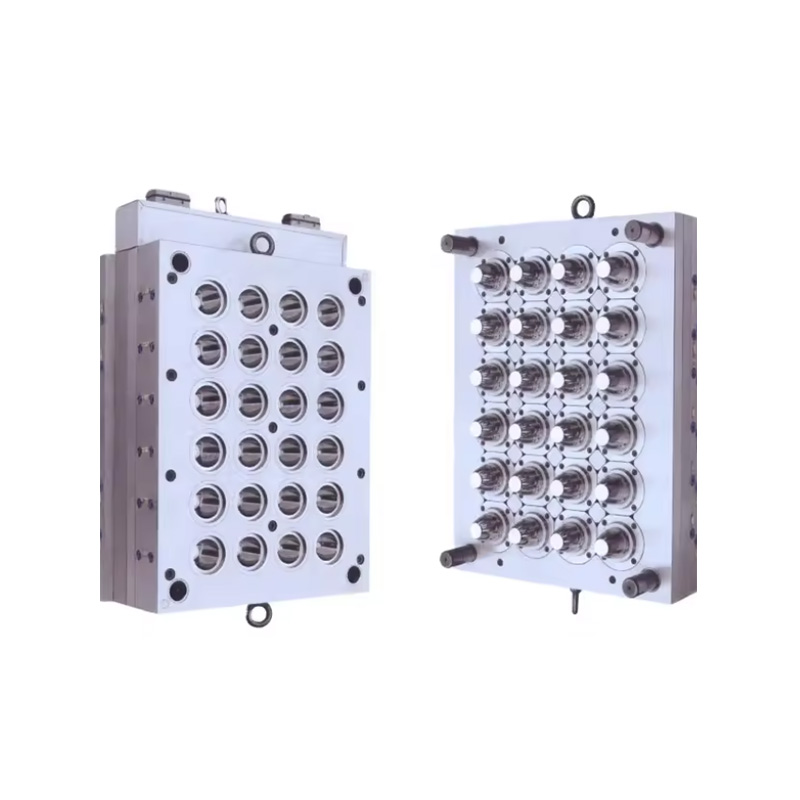
A Bottle Cap Mold is a precision tool used in the manufacturing of bottle caps. ...
See Details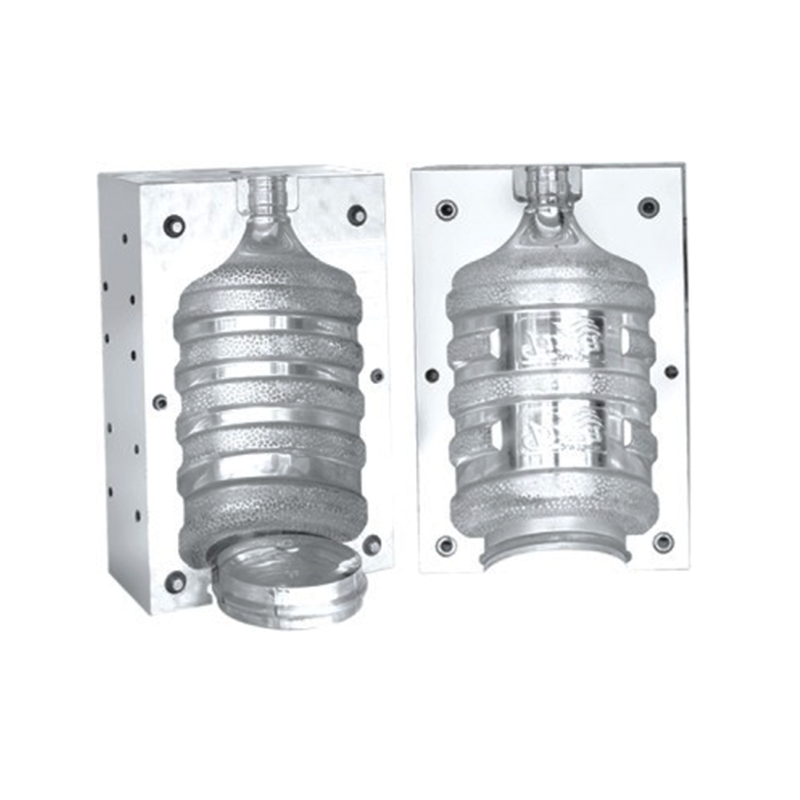
This Five Gallons Bottle Mold(Mould) comes straight out of Taizhou, Zhejiang—bui...
See Details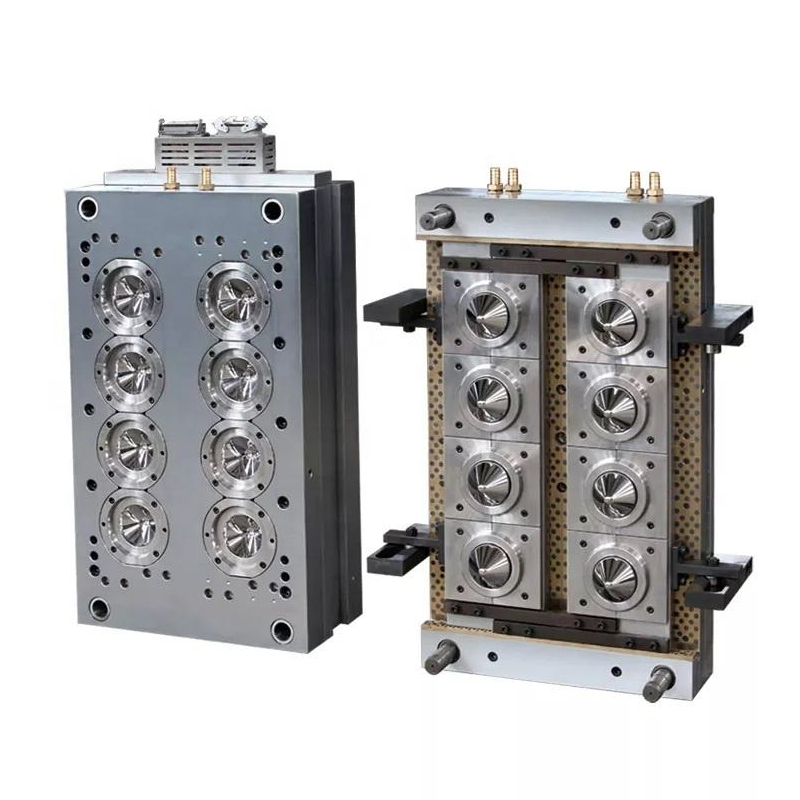
The 8-cavity wide-mouth mold is designed to produce plastic containers with larg...
See Details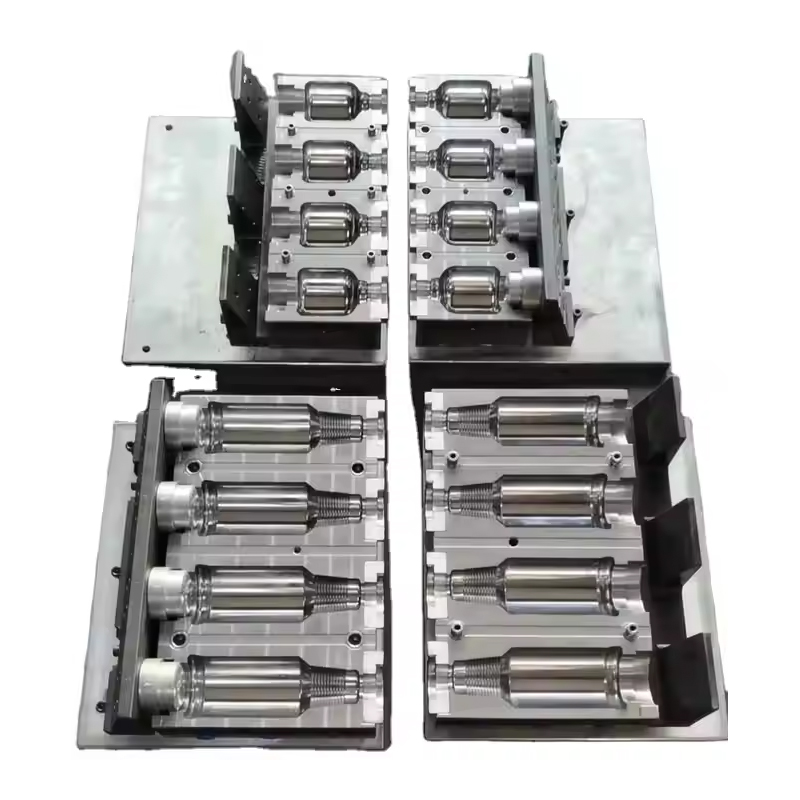
Our Cosmetic Bottle Mold is engineered for precision, reliability, and durabilit...
See Details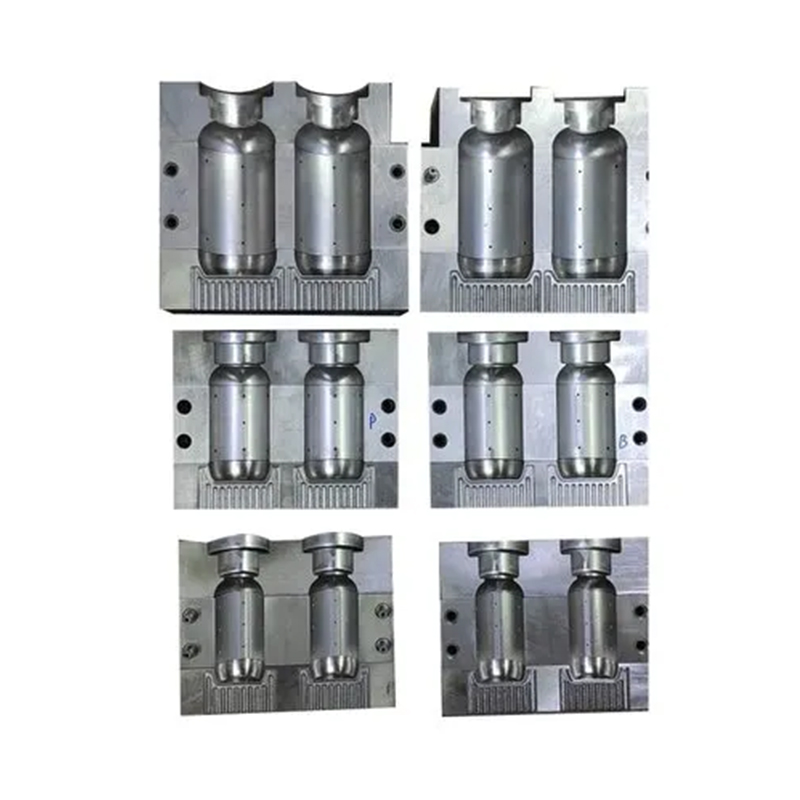
Medicine bottle molds are specialized tools designed for the efficient productio...
See Details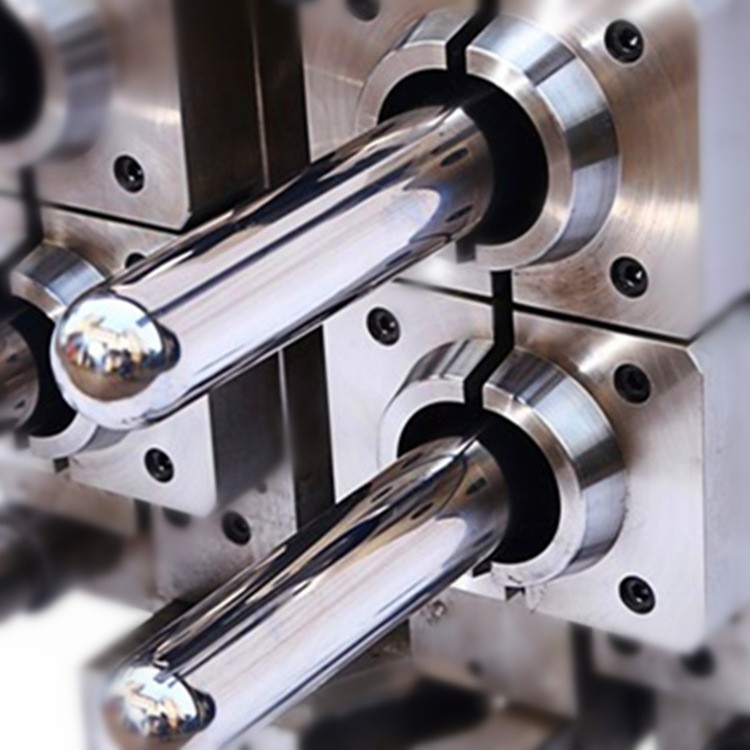
Mould Specifications Product : Preform Mould Brand : Taizhou QihongMould C...
See Details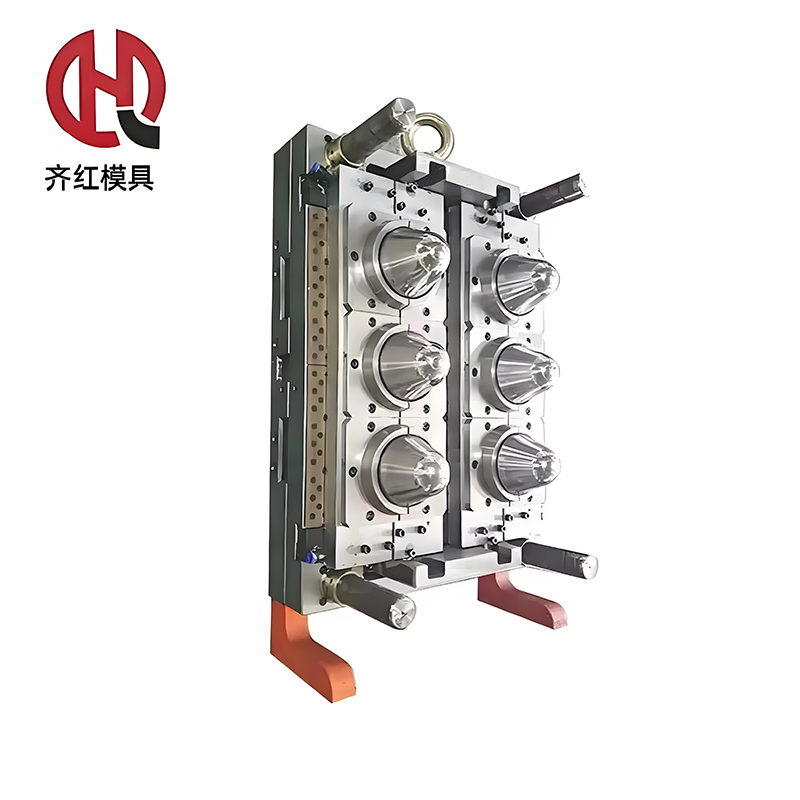
Water and beverage preform mold, Edible oil preform mold, Preform Mold for cosme...
See Details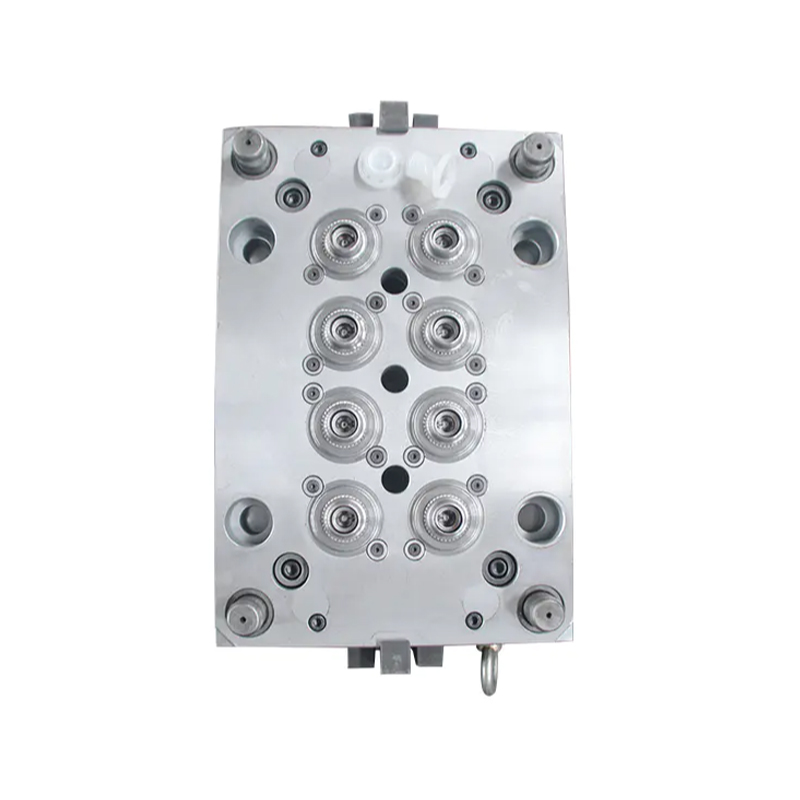
Spout Cap Mould is a EVA inner part of oil cap, match for 42mm pull out closure....
See Details
WhatsApp:+ (86) 13957659071 / + (86) 18158637057

E-Mail:[email protected]

ADD:Baige Science and Technology Park, Huangyan District, Taizhou City, Zhejiang Province, China.