English
 русский
 عربى
عربى

48-Cavity Preform Mold(Mould)
The Qihong 48-Cavity Preform Mold(Mould) is the ideal choice for high-volume PET...
See Details


In many cases, the search for a custom injection mould manufacturer does not start with a clear checklist. It often begins with a need. A product idea, a production plan, or a change in supply. From that point, options appear quickly, yet the differences between them are not always obvious.
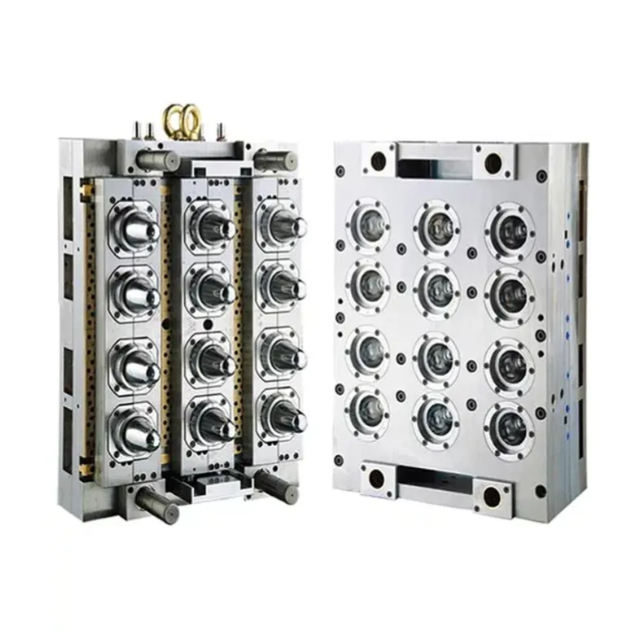
Some manufacturers present detailed introductions. Others keep things simple. At a glance, they may seem similar. The real differences tend to appear later, during conversations, small adjustments, and how each side responds when something unexpected comes up.
Choosing a partner in this field is not only about comparing offers. It is about understanding how work will actually unfold once the project begins.
The first few exchanges often carry more meaning than expected.
Some manufacturers respond with short answers. Others take time to ask questions. Not all questions are technical. Some are about use, expectations, or how the product will be handled later. These details may seem unrelated at first, yet they often shape the process.
Clarity matters here. When responses are easy to follow, it reduces the need to repeat the same points. It also creates a sense of direction. Both sides know what is being discussed and what still needs to be decided.
There is also a rhythm to communication. Long gaps can slow momentum. Overly frequent messages can create noise. A steady pace tends to work better. It allows space for thinking while keeping the process active.
In many situations, the tone of early communication reflects how future cooperation will feel.
Design conversations can vary widely, even when the project scope is similar.
In some cases, discussions move smoothly. Suggestions are practical. Adjustments feel natural. There is a sense that both sides are working toward the same goal.
In other cases, the process feels heavier. Small changes require long explanations. Simple questions lead to unclear answers. This can slow progress before production even begins.
A manufacturer who engages with the design tends to focus on usability. They may point out areas that could affect handling or consistency. These observations are often based on experience rather than theory.
It is not about taking control of the design. It is about making sure the design works well in real production conditions.
When manufacturers explain their workflow, the details they choose to mention can be revealing.
Some describe a clear sequence of steps. Each stage connects to the next. There is a sense of order. Even without technical terms, the process feels structured.
Others speak in general terms. The steps are less defined. It becomes harder to understand how work will move forward once it starts.
A well-organized workflow does not need to sound complex. In fact, the clearer it is, the easier it becomes to follow.
Buyers often notice this during discussions. If the process can be explained simply, it usually means it has been thought through carefully.
Production is not a single moment. It is a series of repeated actions.
Small habits inside a workshop can shape outcomes over time. Tools placed in consistent positions. Materials prepared before they are needed. Tasks arranged in a way that avoids unnecessary movement.
These details rarely appear in formal presentations. They are part of daily routines.
When operations are organized, work flows with fewer interruptions. Workers spend less time adjusting and more time continuing.
On the other hand, disorganized environments tend to create small delays. Searching for tools, waiting for instructions, or repeating steps. These moments may seem minor, yet they accumulate.
Observing how a manufacturer describes or presents their daily operation can provide useful insight.
Consistency does not always come from complex systems. It often grows from simple, repeatable actions.
Clear instructions help reduce variation. When each task follows a known pattern, results become more stable.
Training also plays a role. Workers who understand the process tend to make fewer adjustments during production. They know what to expect and how to respond.
Monitoring is usually quiet. It happens in the background. Small changes are noticed early, before they turn into larger issues.
These practices are not dramatic. Yet they create a steady environment where production can continue without frequent interruptions.
Lead time is often one of the first points discussed. It is also one of the easiest to misunderstand.
A shorter timeline may seem attractive, but it raises questions. How is that time managed? What happens if changes are needed? Is there room for adjustment?
A slightly longer timeline, when clearly explained, can feel more reliable. It reflects a plan rather than a promise.
Consistency matters here. When timelines are followed as discussed, trust builds naturally. Delays, even small ones, can affect planning on the buyer's side.
It is helpful to look beyond the number itself. Understanding how time is organized often gives a clearer picture than the timeline alone.
Cost is often the starting point, but it rarely tells the full story.
An initial quote may look appealing. Over time, additional adjustments, repeated work, or delays can change the overall cost.
Some manufacturers explain their pricing in a straightforward way. This makes it easier to understand what is included and what may change.
Others provide limited detail. This can lead to uncertainty later, especially when modifications are required.
A balanced view of cost considers stability. Predictable expenses over time often support smoother cooperation than a lower starting figure.
No project moves forward without adjustments.
Changes can come from design updates, production needs, or unexpected situations. The way a manufacturer responds to these moments often reveals their working style.
Some teams approach changes calmly. They look for ways to adapt without disrupting the entire process. Communication remains clear. Steps are adjusted with minimal confusion.
In other cases, changes create tension. Delays increase. Communication becomes less consistent.
Flexibility is not about making large changes quickly. It is about handling small shifts in a way that keeps the process moving.
This ability becomes more important as projects develop.
Not every detail appears in formal discussions.
A quick response to a minor question. A clear explanation of a small issue. A willingness to adjust a detail without hesitation. These moments often reveal more than prepared presentations.
They show how a manufacturer approaches daily work. Whether they pay attention to small tasks. Whether they value clarity.
Over time, these small interactions form a pattern. That pattern often reflects how larger parts of the project will be handled.
Confidence rarely comes from a single factor.
It builds through a combination of observations. Clear communication, practical design input, organized workflow, and steady responses to changes.
Taking time during the selection process helps. Rushing often hides important details.
Some buyers prefer to compare multiple manufacturers through direct interaction. This provides a clearer sense of how each one works.
Simple comparisons can be useful:
| Area Observed | What Stands Out | What It Suggests |
|---|---|---|
| Communication | Clear or unclear responses | Ease of coordination |
| Design discussion | Practical or general input | Depth of engagement |
| Workflow explanation | Structured or vague | Process organization |
| Response to change | Calm or reactive | Flexibility in practice |
These observations do not require complex evaluation. They come from paying attention to how work is presented and discussed.
In many cases, cooperation continues beyond a single project.
Familiarity develops over time. Communication becomes more direct. Fewer explanations are needed.
Trust grows through repeated interactions. When expectations are met consistently, both sides work with more confidence.
There is also room for adjustment. As projects continue, processes can be refined. Small improvements are made based on experience.
This gradual development often leads to a more stable working relationship, where efficiency improves naturally through shared understanding.
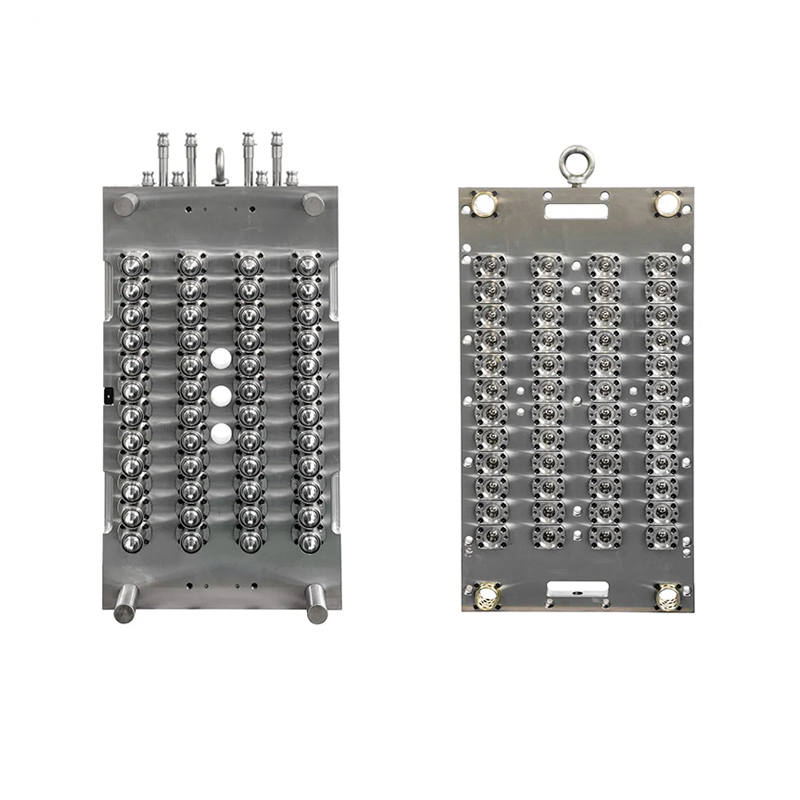
The Qihong 48-Cavity Preform Mold(Mould) is the ideal choice for high-volume PET...
See Details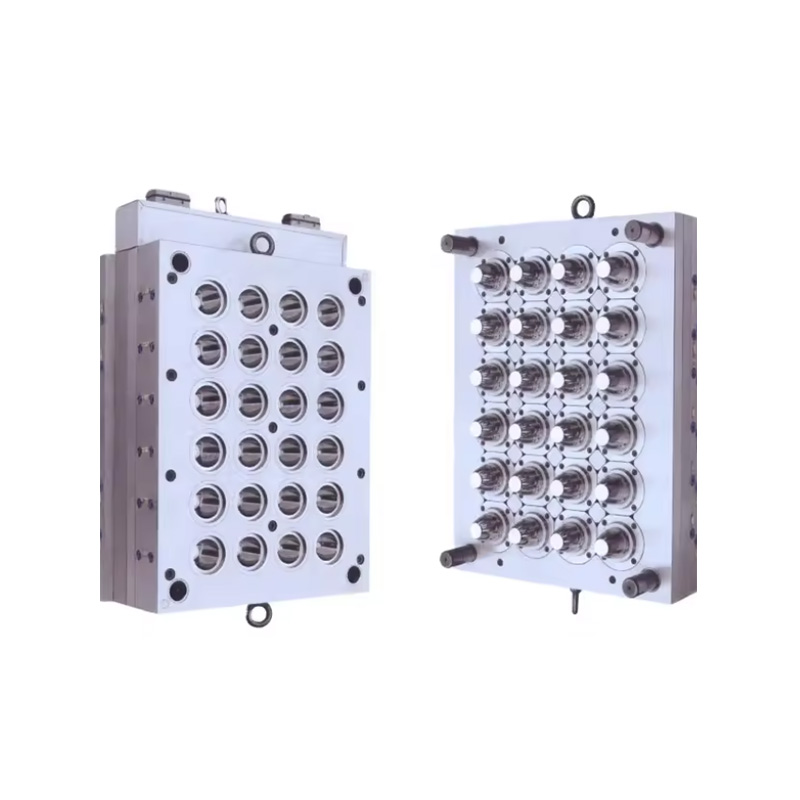
A Bottle Cap Mold is a precision tool used in the manufacturing of bottle caps. ...
See Details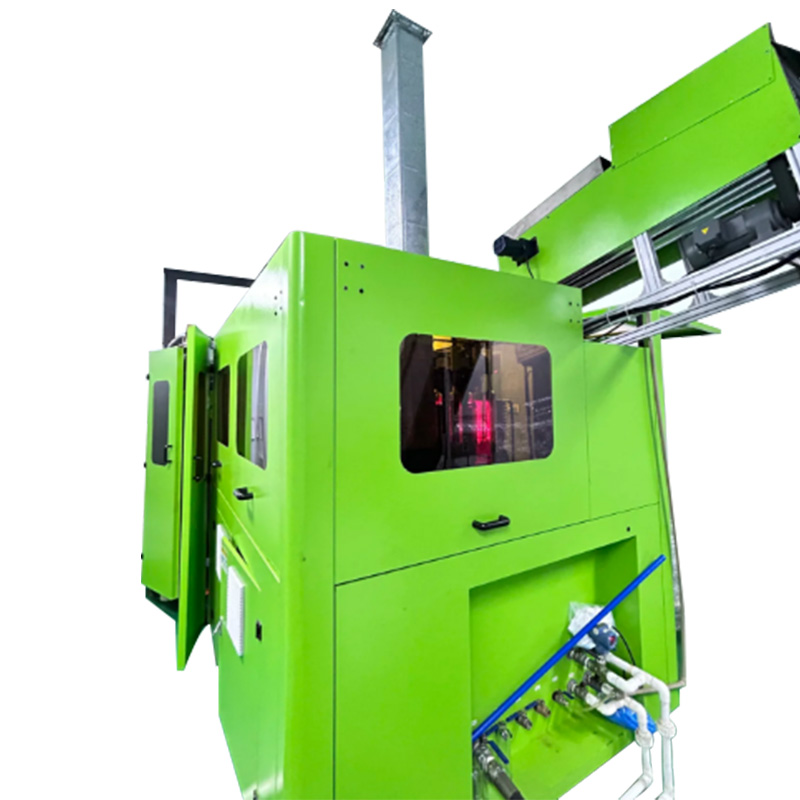
Automatic blowing machines are essential equipment in modern bottle manufacturin...
See Details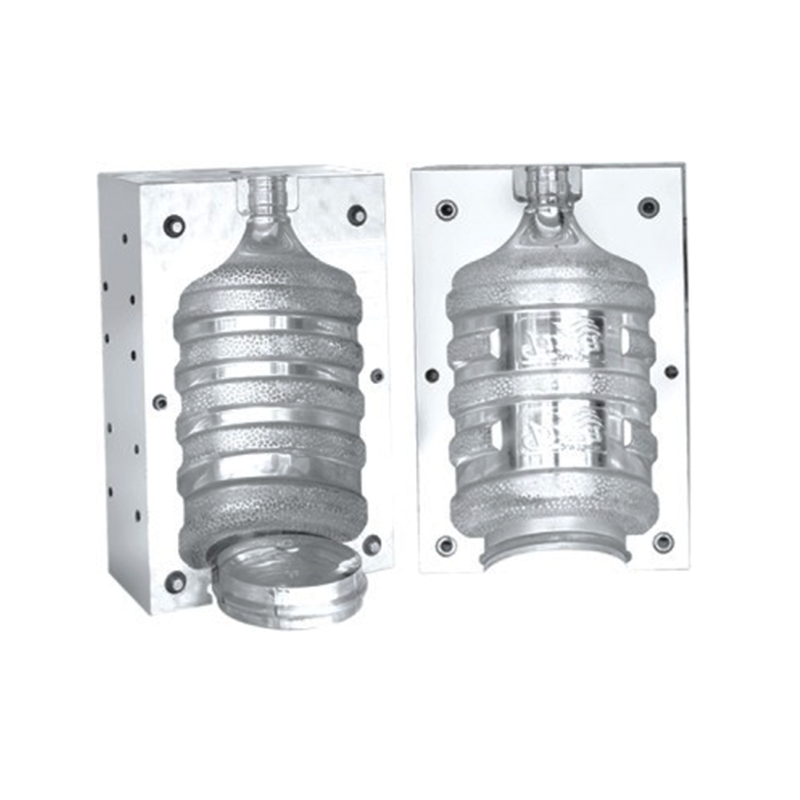
This Five Gallons Bottle Mold(Mould) comes straight out of Taizhou, Zhejiang—bui...
See Details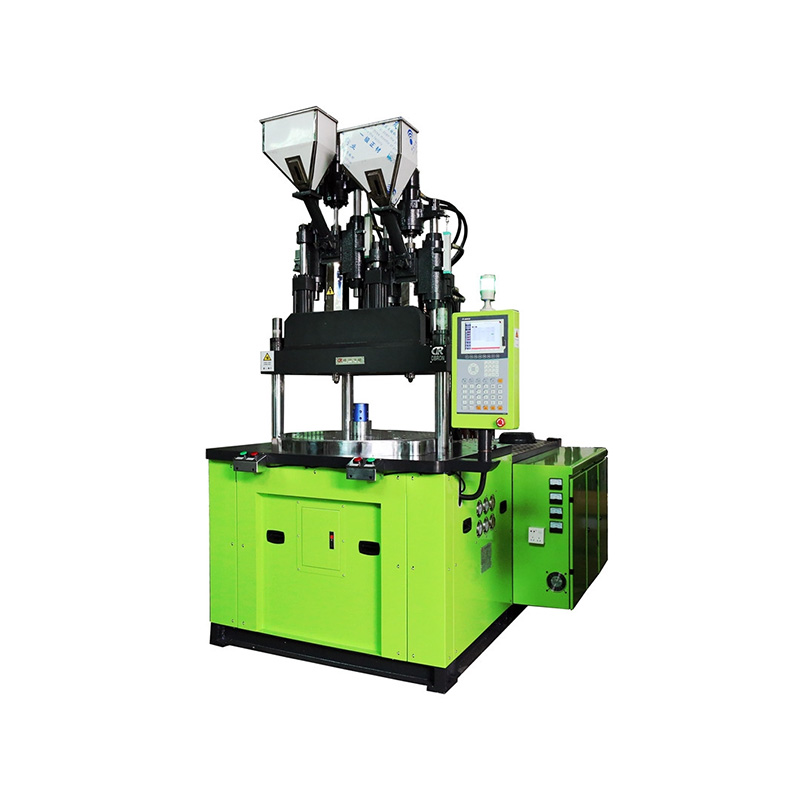
An Injection Molding Machine is an essential industrial tool used for producing ...
See Details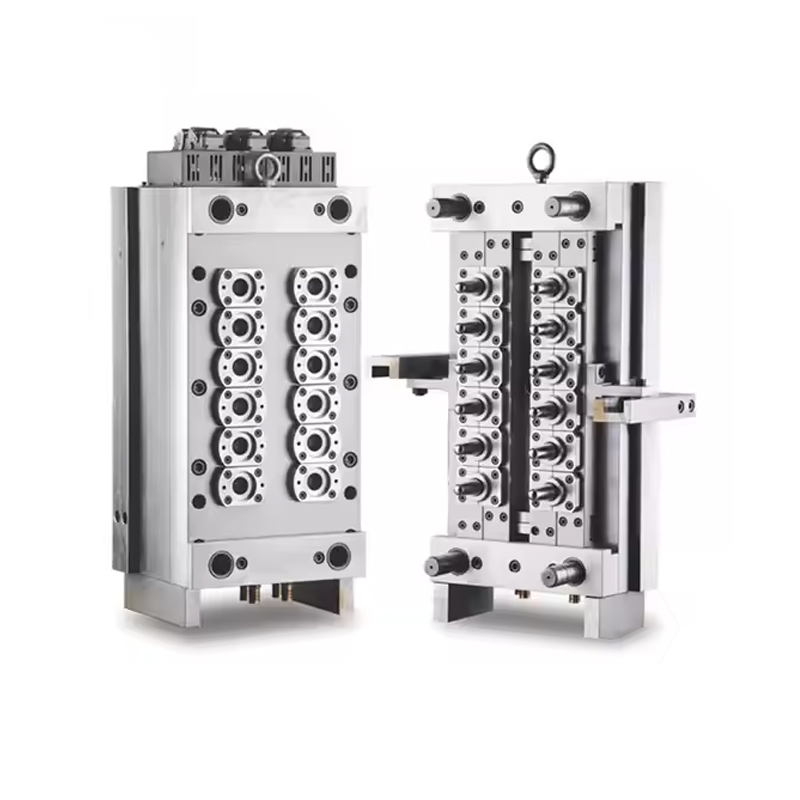
The 12-Cavity PET Preform Mold is a high-quality, durable solution designed to m...
See Details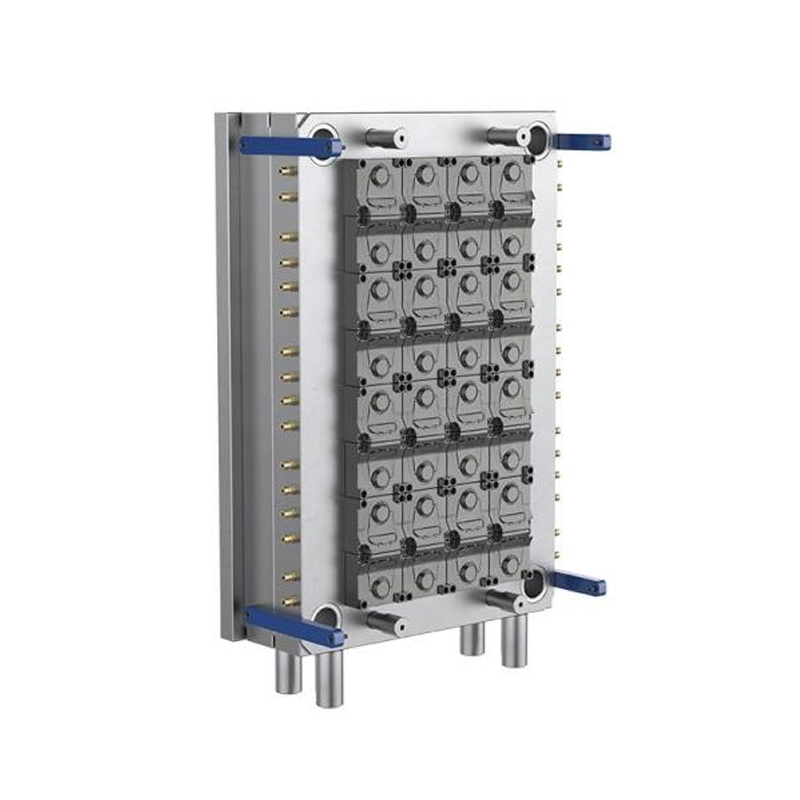
A Handle Mold is a specialized mold used in the manufacturing of plastic handles...
See Details
Plastic Cap Mould is designed for high precision plastic cap production. The Chi...
See Details
WhatsApp:+ (86) 13957659071 / + (86) 18158637057

E-Mail:[email protected]

ADD:Baige Science and Technology Park, Huangyan District, Taizhou City, Zhejiang Province, China.