English
 русский
 عربى
عربى

24-Cavity Preform Mold(Mould)
The 24-cavity preform mold is a handy tool for turning out PET bottle preforms. ...
See Details


Walk into a mold workshop early in the day, and the pace feels steady but not rushed. Machines run, people move between stations, tools are arranged within reach. Nothing looks dramatic, yet everything is connected. That quiet coordination often says more about efficiency than any number on a report.
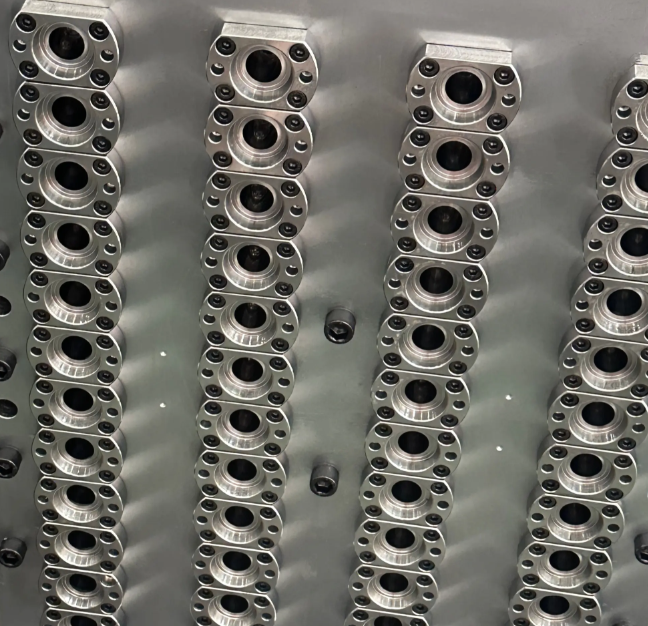
For preform mold maker , efficiency is rarely about pushing speed to the limit. It is about keeping the process flowing without friction. When one step slows down, the effect spreads. When each step fits well with the next, production feels almost effortless.
What makes this possible is not a single change. It is a series of small decisions made across design, planning, and daily work.
Efficiency often takes shape long before the first mold is produced. It begins when a project is still an idea.
Many teams spend time reviewing how a mold will be built before work starts. They think about how parts will come together, how they will be handled, and how easy it will be to adjust later. These early discussions may seem slow, but they prevent delays later.
A design that looks simple on paper can become difficult during production. Extra adjustments, repeated checks, and small corrections all take time. When those issues are reduced early, the entire process moves more smoothly.
There is also a practical side. Clear preparation reduces hesitation. Workers do not need to stop and rethink each step. They can follow a path that already makes sense.
Once production begins, design choices start to show their impact.
Some molds are easier to handle. Parts fit together without forcing. Adjustments are minimal. These details may not stand out at first glance, but they change how work feels during the day.
A well-considered structure reduces interruptions. Workers do not need to pause to fix alignment or deal with unexpected issues. The process continues with fewer breaks.
There is also the question of maintenance. Designs that allow quick access make routine checks faster. This keeps machines running without long pauses.
Over time, these small advantages build into a noticeable difference. Production feels stable. Output becomes more predictable.
Even if you have a good design ready, things will drag if the work process isn't sorted out properly.
It's common to see problems on site. One work area might wait around because supplies haven't arrived, while another team finishes up early with nothing left to do. Workers end up stuck, not knowing whether to carry on or pause. All these small waits add up over time.
A well thought-out workflow gets rid of this confusion. Tasks are arranged in a sensible order, so work keeps moving steadily. Everyone at each step knows exactly what to do next.
Many workshops keep things simple and practical. They line up materials in the order they're needed, and group tools by different jobs. Workers can get started straight away, without having to keep asking others for directions.
Talking things through in time also helps a lot. When the team shares news quickly, they can steer clear of hold-ups. A quick chat early on can stop longer work stops from happening later.
Equipment plays a central role, but how it is managed makes a difference.
Machines that run without interruption support a steady rhythm. When a machine stops unexpectedly, the impact spreads across the line. Workers adjust their pace, and schedules shift.
To avoid this, many mold makers rely on routine checks. These checks are not complicated. They focus on keeping equipment in working condition and catching small issues early.
Another point is how machines are used during the day. Overloading one machine while others remain idle creates imbalance. A more even distribution of tasks keeps production stable.
Setup time also affects efficiency. When switching between tasks takes too long, time is lost. Reducing that transition time allows work to continue with fewer gaps.
There is a common belief that consistency requires extra time. In practice, it often saves time.
When results are consistent, fewer corrections are needed. Workers do not need to redo tasks or adjust settings repeatedly. The process becomes smoother.
Many workshops rely on simple routines. These routines guide how tasks are performed. They are not rigid rules but shared habits.
Training supports this approach. When workers understand not just what to do, but why it matters, they make fewer mistakes. This reduces interruptions.
Observation also helps. Small changes in output can signal a problem early. Addressing it quickly prevents larger disruptions.
Waste is not always obvious. It often hides in small details.
A piece of material used slightly larger than needed may not seem important. Over time, it adds up. The same is true for repeated adjustments or unnecessary movement.
Time can also be wasted in less visible ways. Waiting for instructions, searching for tools, or repeating unclear steps all slow down progress.
Reducing waste begins with awareness. When teams notice these patterns, they can adjust their approach.
Here is a simple view of how waste appears and how it is handled:
| Daily Situation | What It Causes | How Teams Respond |
|---|---|---|
| Extra material used | More handling steps | Adjust usage habits |
| Repeated corrections | Slower workflow | Improve clarity in tasks |
| Waiting between jobs | Idle time | Improve coordination |
| Searching for tools | Interruptions | Organize workspace |
None of these changes are dramatic. Yet together, they make production more efficient.
Processes are designed on paper, but they are carried out by people.
Workers notice things that plans may miss. A tool placed slightly out of reach. A step that takes longer than expected. A pattern that repeats during the day.
When workers share these observations, improvements become practical. Small adjustments can be made without changing the entire system.
Clear roles also help. When each person knows their responsibility, tasks move without confusion. There is less overlap and fewer delays.
Experience matters as well. Over time, workers develop a sense of rhythm. They know when to prepare for the next step and when to adjust their pace.
Efficiency grows from that familiarity.
Production work is never static. Orders change all the time, product designs get revised, and new work requirements keep coming up.
Work methods that are too stiff can hardly cope with these shifts. By contrast, flexible ways of working make adjustments much simpler.
Most mold factories set up their workflows to adapt easily. They don't follow fixed working steps, so they can make changes without halting ongoing work.
Looking ahead also helps a lot. If the team anticipates possible changes, they can prepare materials and adjust schedules ahead of time.
Smooth communication matters greatly as well. Timely and clear information helps all staff adjust quickly. This avoids misunderstandings and keeps production on track.
Being flexible will not slow down work. On the contrary, proper management can actually boost overall efficiency.
Not all improvements are visible right away. Many develop over time.
A slightly better arrangement of tools. A clearer instruction for a task. A smoother handoff between steps. These changes are easy to overlook, yet they shape daily work.
Teams that review their process regularly tend to notice these details. They do not wait for major problems. They look for small ways to improve.
There is also a cultural aspect. When workers feel involved in improvement, they pay more attention to how work is done. This awareness leads to steady progress.
Efficiency, in this sense, is not a fixed goal. It is an ongoing process shaped by daily actions.
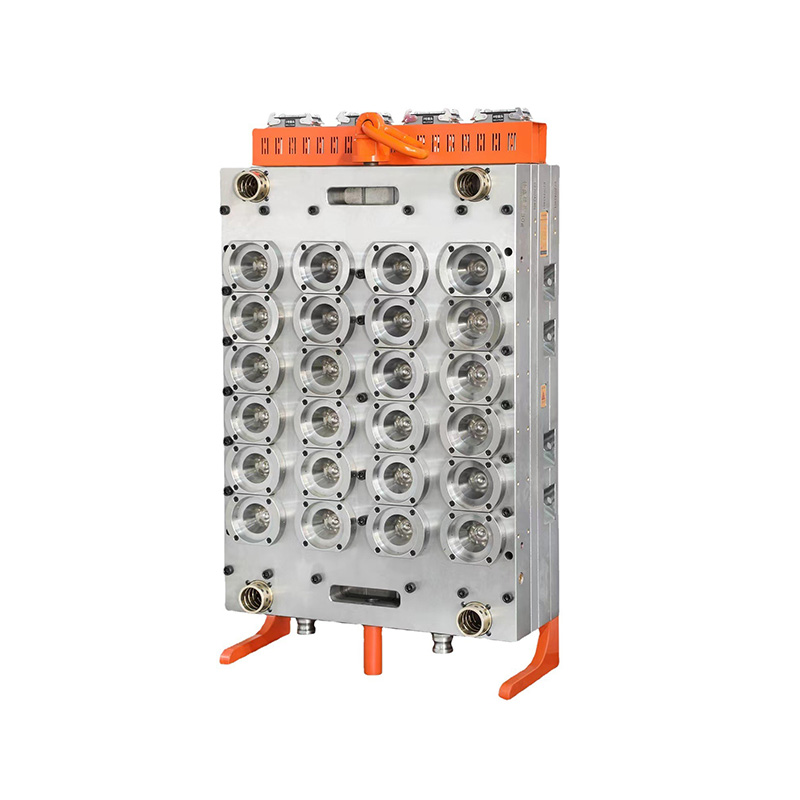
The 24-cavity preform mold is a handy tool for turning out PET bottle preforms. ...
See Details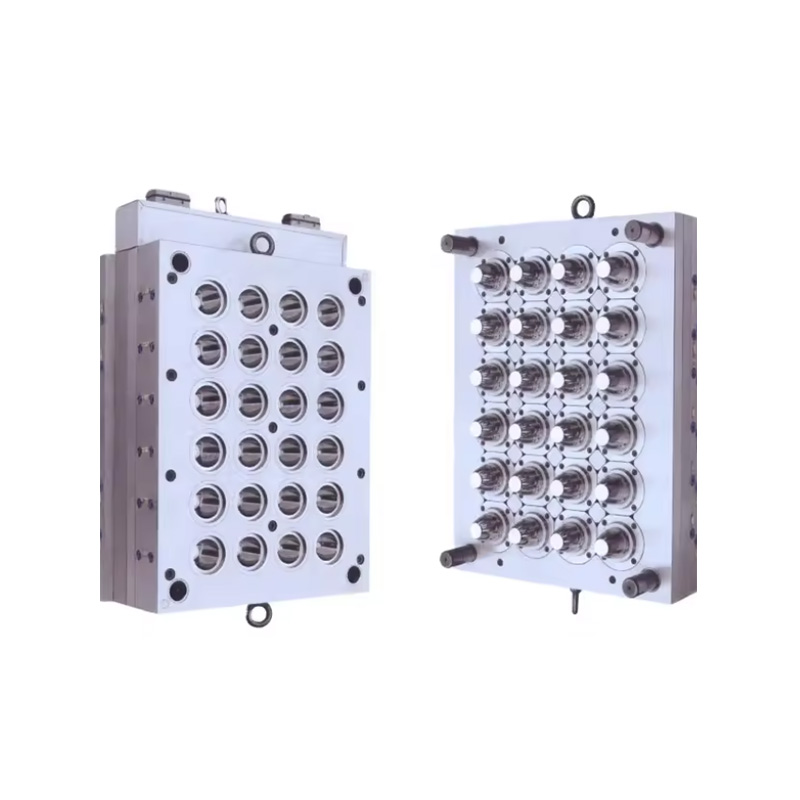
A Bottle Cap Mold is a precision tool used in the manufacturing of bottle caps. ...
See Details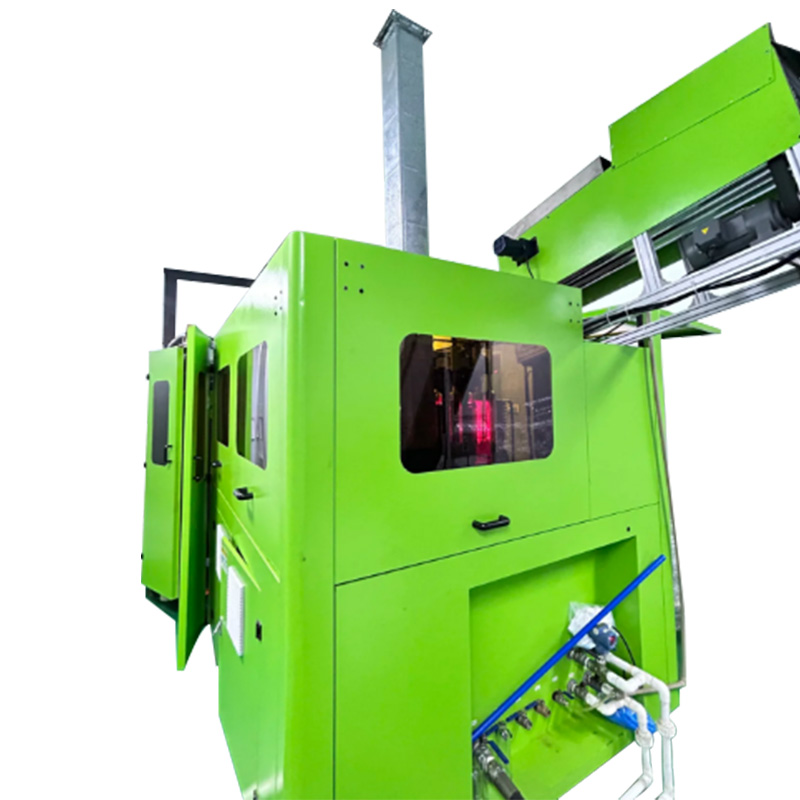
Automatic blowing machines are essential equipment in modern bottle manufacturin...
See Details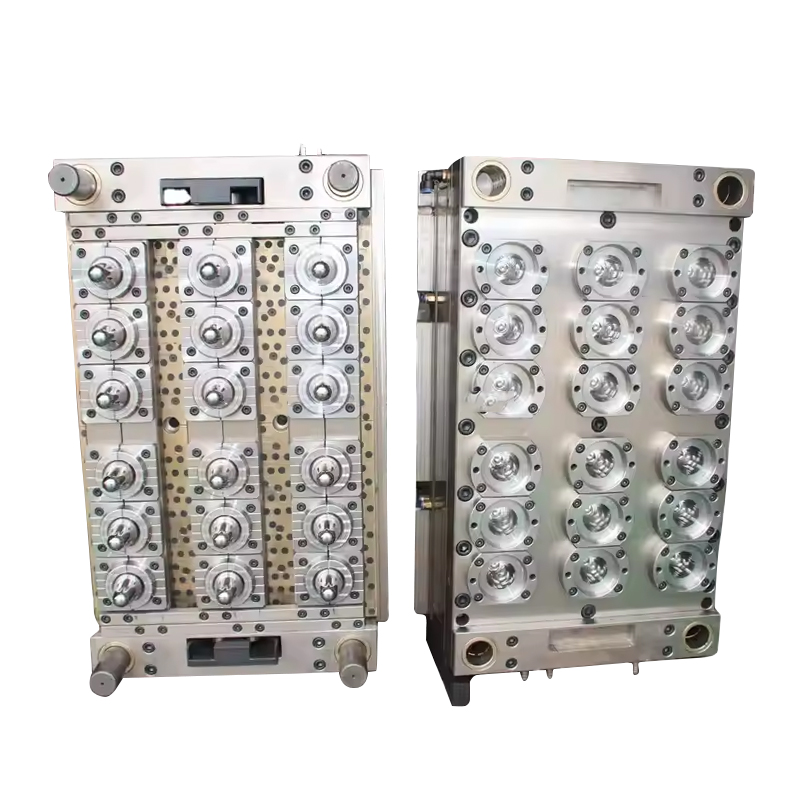
The 18-cavity wide-mouth mold is a high-efficiency tool specifically designed fo...
See Details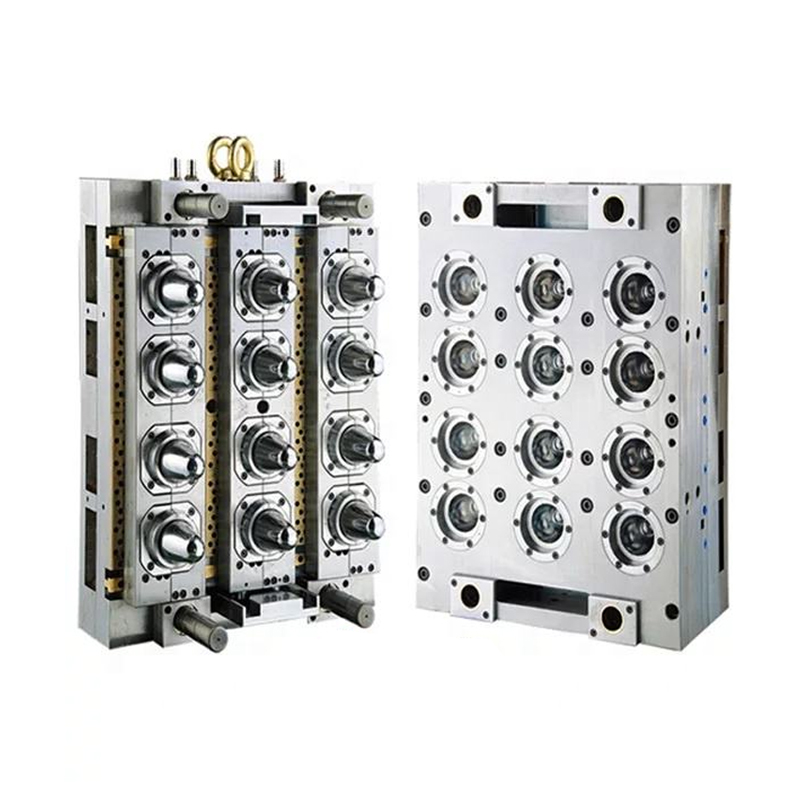
The 12-Cavity Wide-Mouth Mold(Mould) is made for manufacturers running wide-mout...
See Details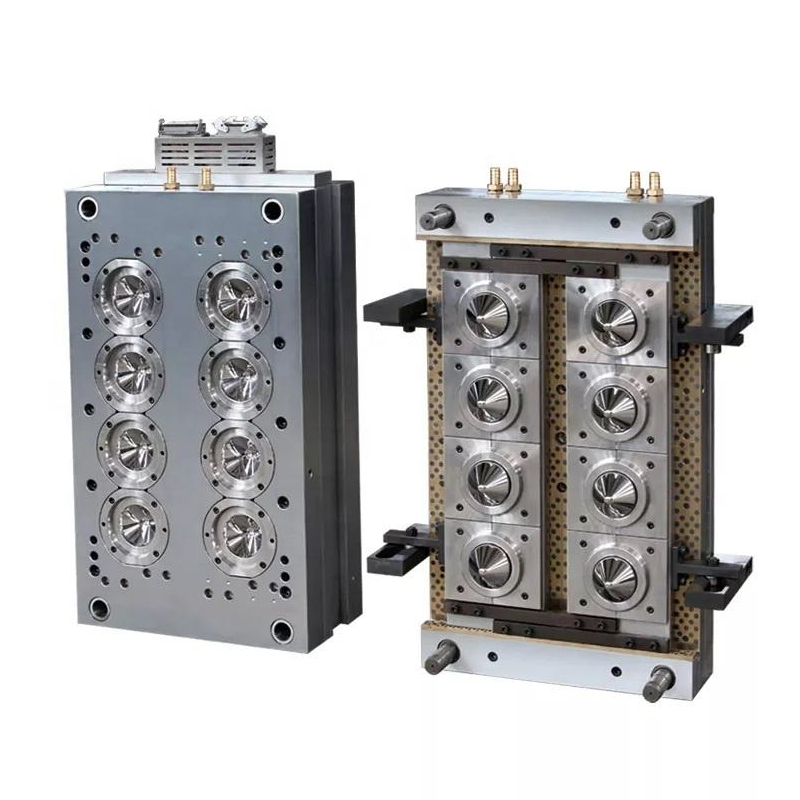
The 8-cavity wide-mouth mold is designed to produce plastic containers with larg...
See Details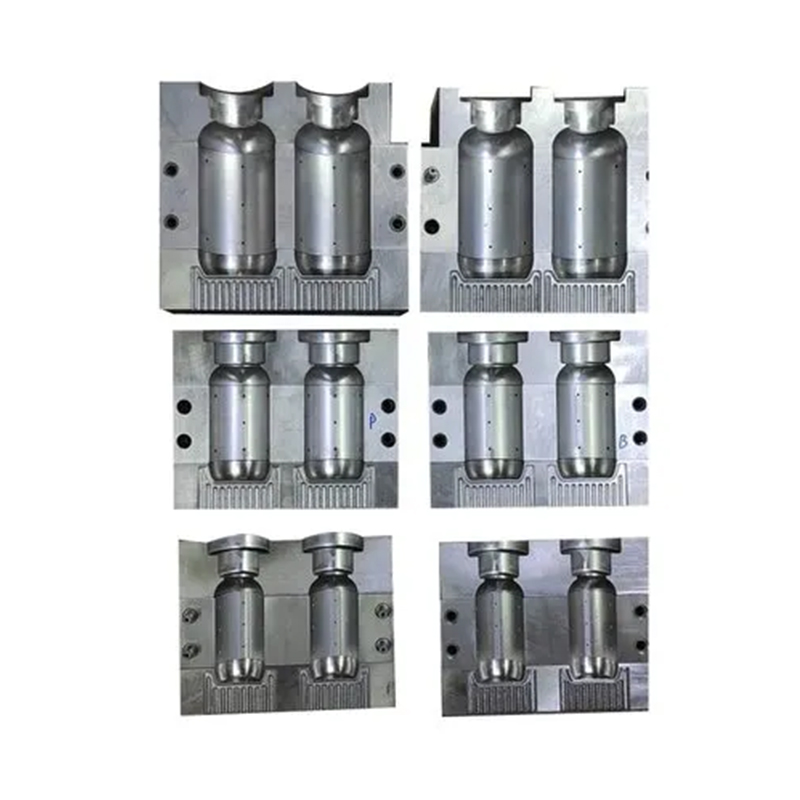
Medicine bottle molds are specialized tools designed for the efficient productio...
See Details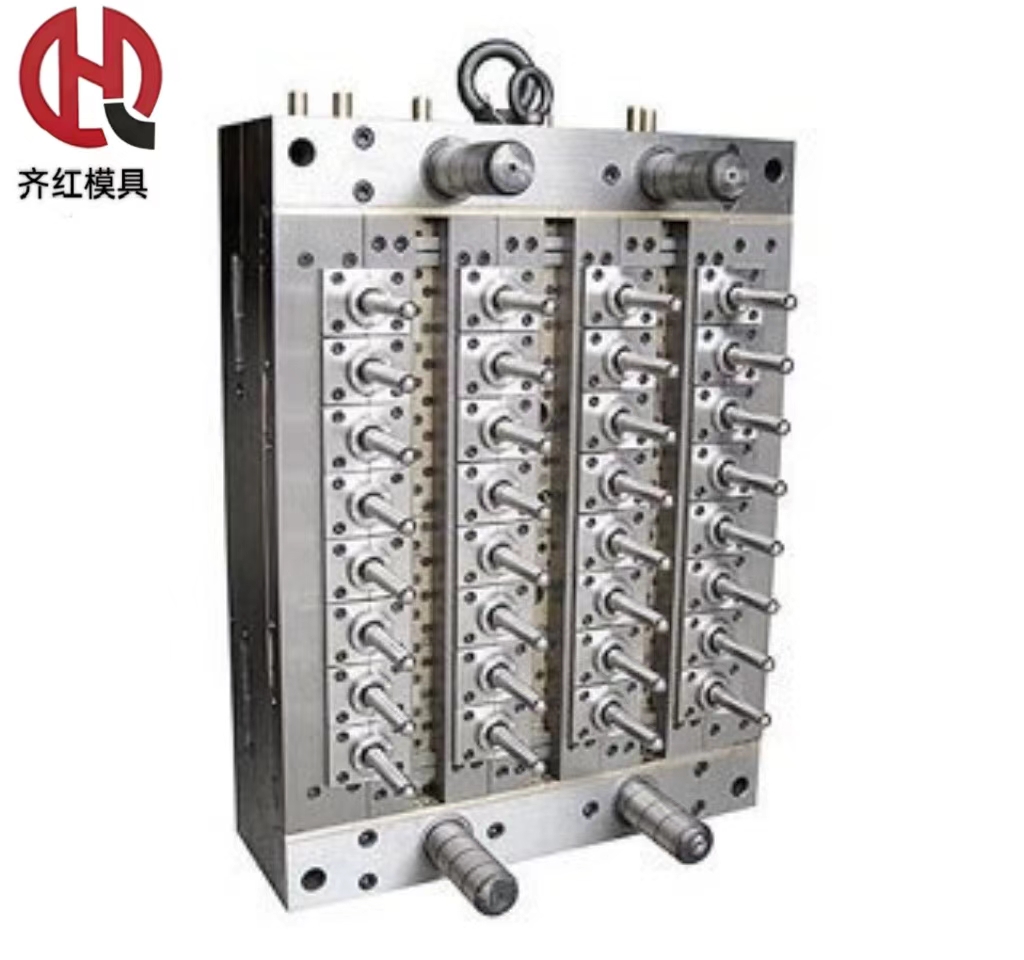
Custom Made Plastic Molds are designed for high precision and flexible plastic p...
See Details
WhatsApp:+ (86) 13957659071 / + (86) 18158637057

E-Mail:[email protected]

ADD:Baige Science and Technology Park, Huangyan District, Taizhou City, Zhejiang Province, China.