English
 русский
 عربى
عربى

24-Cavity Preform Mold(Mould)
The 24-cavity preform mold is a handy tool for turning out PET bottle preforms. ...
See Details


Hot runner preform mold systems are used in many forming environments where repeatability and surface consistency matter. At first sight, the structure looks fixed and mechanical. Once operation begins, the real behavior is shaped by something less visible. Temperature becomes the quiet factor that influences almost every stage of the process.
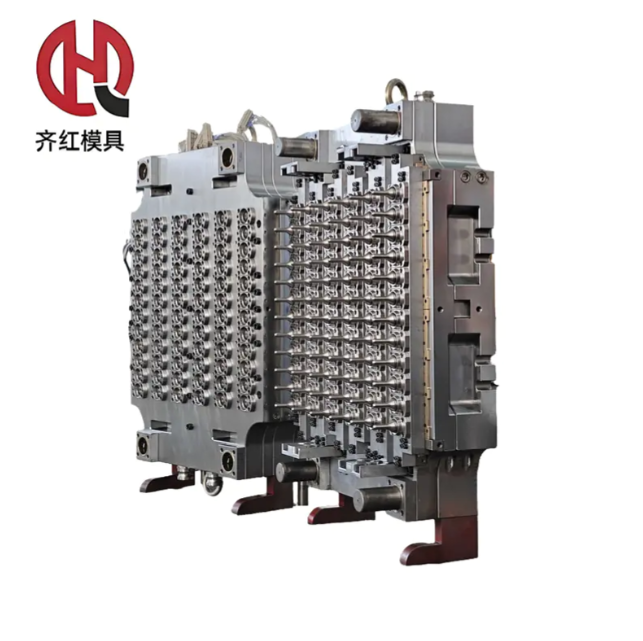
Heat is never still inside the system. It shifts across zones. It reacts to timing, surrounding conditions, and continuous use. Even when the setup looks stable from the outside, small variations inside can still exist. These variations may not stop production, but they slowly change how the material behaves.
In many industrial observations, temperature is not treated as a single setting. It is more like a living balance. When that balance drifts, the whole process begins to respond in subtle ways.
Inside a hot runner system, material is in a constant state of movement. It is guided, shaped, and transferred under controlled conditions. Temperature determines how smoothly this movement happens.
When heat is balanced, the material flows in a calm and steady way. It spreads evenly through available space. The surface forms with fewer interruptions. Each cycle feels similar to the one before it.
When temperature shifts even slightly, the movement pattern can change. Some parts respond faster. Others slow down. The difference may seem small, but it affects how the material settles inside the mold.
Over time, repeated small differences become noticeable. They do not appear all at once. They build slowly through continuous operation.
A mold system is designed to behave as a connected space. Each section is expected to respond in a similar way. Temperature imbalance breaks this expectation.
One area may hold slightly more heat. Another may cool faster than intended. These differences change how the material moves through each section.
In warmer zones, the material tends to flow with less resistance. In cooler zones, movement slows down slightly. This creates uneven distribution inside the cavity.
At first, the difference is subtle. The output still looks acceptable. Over time, however, repeated cycles begin to show variation. Some areas appear more uniform than others.
This imbalance does not come from a single event. It develops through repeated exposure to inconsistent conditions.
Long production cycles require steady internal conditions. When temperature is not stable, the system continuously adjusts itself.
These adjustments are not visible, but they influence flow behavior. Material may respond differently from one cycle to another.
Some cycles may fill smoothly. Others may show slight hesitation in certain areas. The difference may not stop production, but it introduces variation.
Over time, this variation becomes part of the output pattern. It may appear as small differences in surface consistency or overall shape behavior.
The system does not fail immediately. Instead, it adapts to changing conditions.
Surface consistency is often the first visible sign of internal behavior. Even small thermal changes can leave a trace.
When temperature is stable, the surface tends to form evenly. The texture feels consistent across different areas.
When temperature varies, small differences begin to appear. One section may look smoother. Another may appear slightly uneven or less refined.
These changes are not always obvious at first glance. They become clearer when multiple products are observed side by side.
Surface variation is not only a visual issue. It reflects how the material behaved during formation.
Heating receives most of the attention, but cooling plays an equally important role in shaping final behavior.
Once material enters the mold, it begins to settle. Cooling determines how this settling happens.
If cooling is balanced, all sections stabilize at a similar rate. The shape remains consistent.
If cooling is uneven, different areas settle at different speeds. Some parts become stable earlier. Others remain slightly active for longer.
This difference can create subtle internal tension. It may not appear immediately, but it influences long-term stability.
Heating and cooling are connected. When one is inconsistent, the other cannot fully compensate.
Small changes are often underestimated. In a short cycle, they may not seem important. Over many cycles, they begin to accumulate.
A slight difference in heat distribution may change how material flows repeatedly. A small cooling delay may influence how surfaces settle again and again.
These effects do not appear suddenly. They build through repetition.
After extended use, the system may begin to reflect these patterns. Some areas may consistently behave differently from others.
This is why temperature control is treated as an ongoing responsibility rather than a one-time adjustment.
Temperature imbalance usually does not appear directly. It shows itself through indirect behavior during operation.
Some early signs include:
These signs are often easy to overlook. They do not interrupt production. They simply indicate that internal balance is shifting.
Recognizing them early helps prevent long-term inconsistency.
Flow stability depends on how consistently material moves through the mold. Temperature is one of the main factors shaping this movement.
When thermal conditions are balanced, material moves in a steady path. It fills space evenly and settles without interruption.
When temperature varies, flow becomes less predictable. Some sections fill faster. Others lag slightly behind.
This creates internal variation. Even if the final product looks similar, the internal structure may not be uniform.
Flow behavior and temperature behavior are closely linked. One directly influences the other.
Hot runner systems operate in repeated cycles. Each cycle includes heating, movement, and cooling phases.
If temperature remains stable, each cycle behaves in a similar way. If not, small differences appear between cycles.
These differences may not be visible immediately. Over time, however, they create a pattern.
Some cycles may produce slightly different surface behavior. Others may show variation in settling time.
Repeated cycles turn small thermal changes into long-term behavior trends.
| Condition type | Early observation | Long-term behavior pattern |
|---|---|---|
| Stable heat balance | Even material flow | Consistent output behavior |
| Slight heat variation | Minor flow differences | Subtle surface inconsistency |
| Uneven temperature zones | Localized filling changes | Repeated variation in sections |
| Cooling delay difference | Slow settling in some areas | Long-term structural variation |
| Continuous fluctuation | Cycle inconsistency | Patterned output differences |
Temperature settings for production systems can't just be set once and left unattended throughout the process. Consistent oversight is needed for the entire runtime of operations.
Working conditions inside the system gradually shift with continuous use. The processing performance of materials will change after repeated molding and flow cycles. Meanwhile, external ambient temperature and environment fluctuations will also upset the internal thermal balance of the equipment.
If operators fail to keep checking and adjusting parameters, tiny temperature deviations will gradually accumulate and worsen over time. The whole system will adapt to these irregular fluctuations, breaking the stable operating state required for production.
Keeping a close eye on temperature status allows staff to make timely, minor tweaks. These small calibrations sustain stable thermal conditions during long-duration production runs and keep material flow and molding performance consistent.
In actual production work, temperature regulation is not an independent, one-time task. It is a core part of daily operational routines that needs sustained focus.
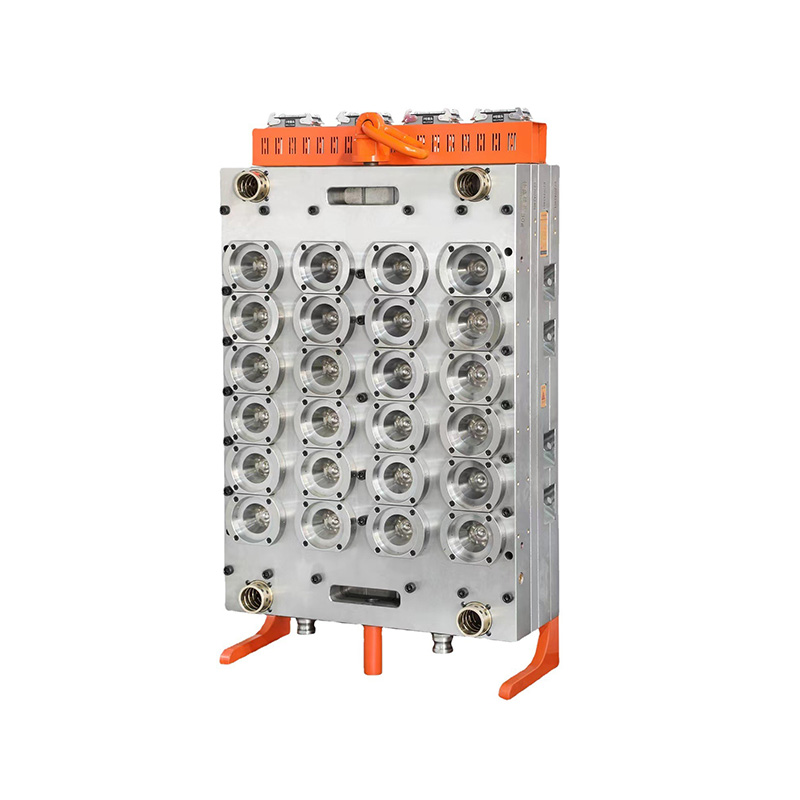
The 24-cavity preform mold is a handy tool for turning out PET bottle preforms. ...
See Details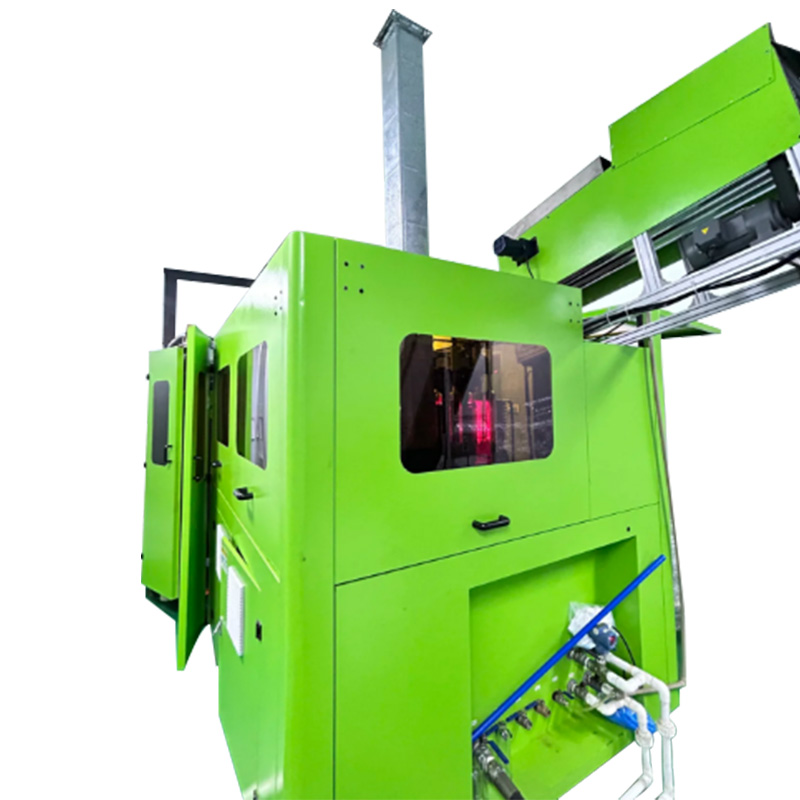
Automatic blowing machines are essential equipment in modern bottle manufacturin...
See Details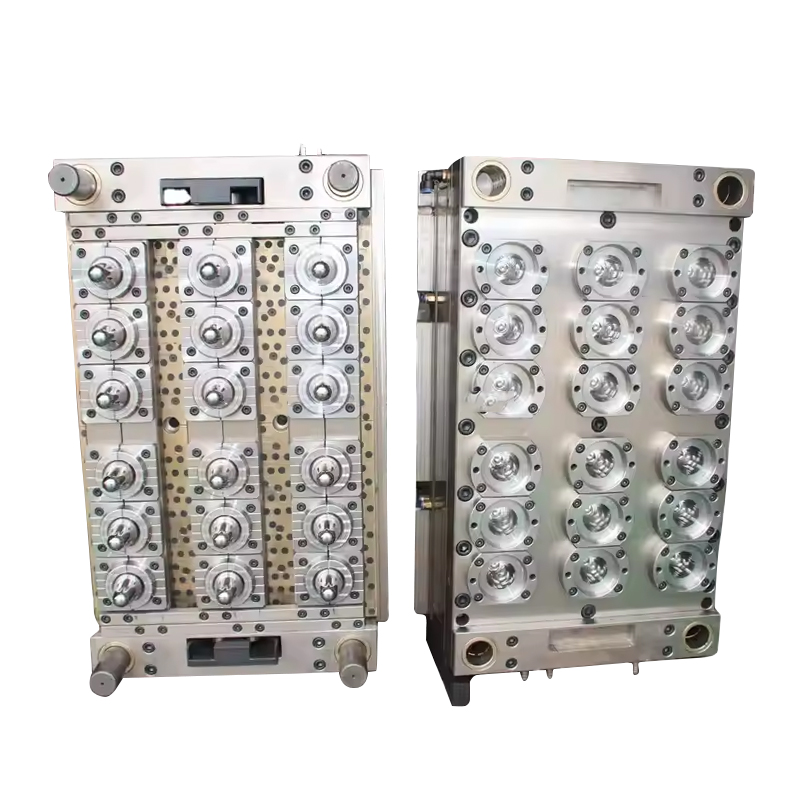
The 18-cavity wide-mouth mold is a high-efficiency tool specifically designed fo...
See Details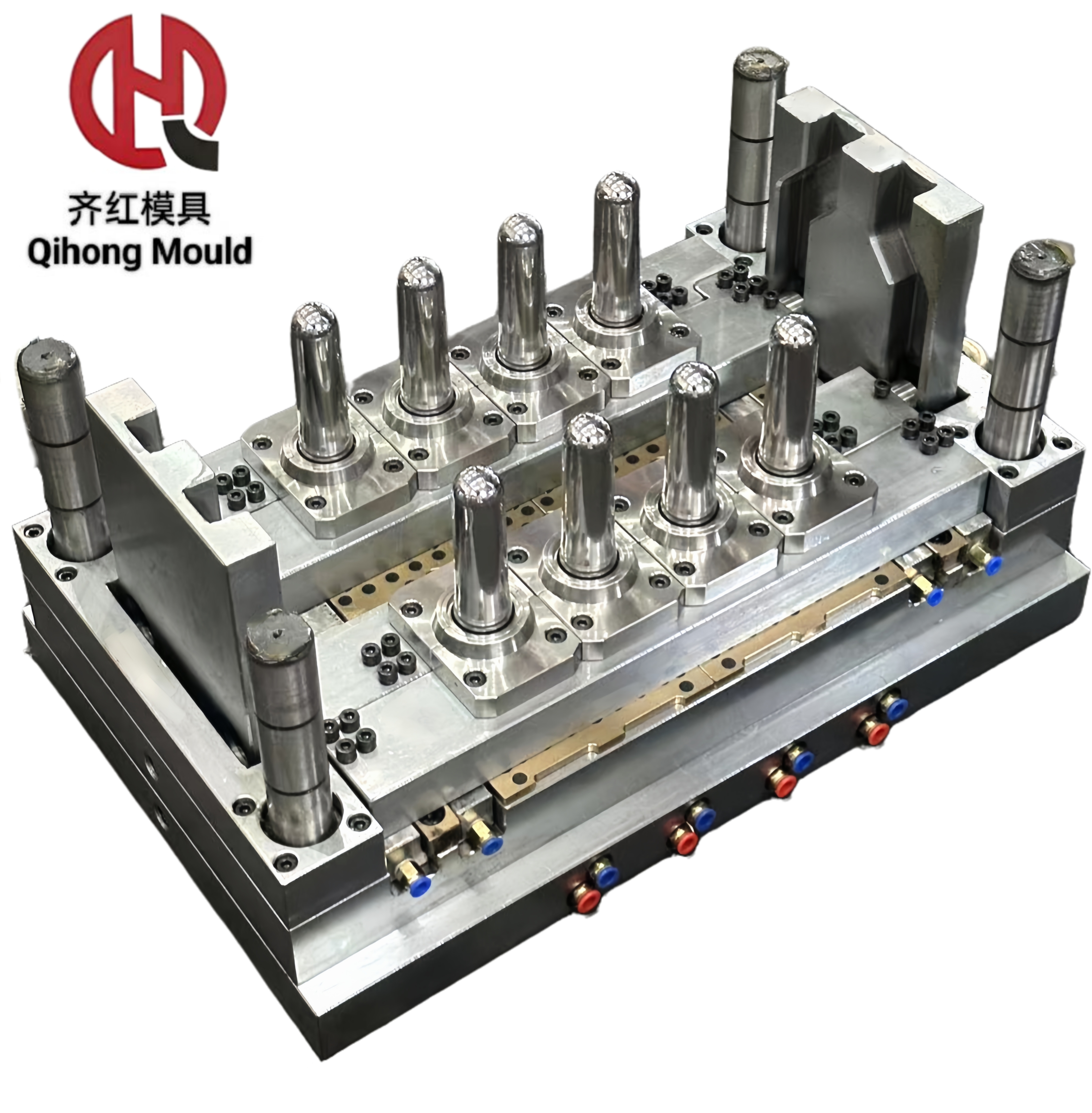
Jar Preform Mold is designed for accurate and efficient production of plastic pr...
See Details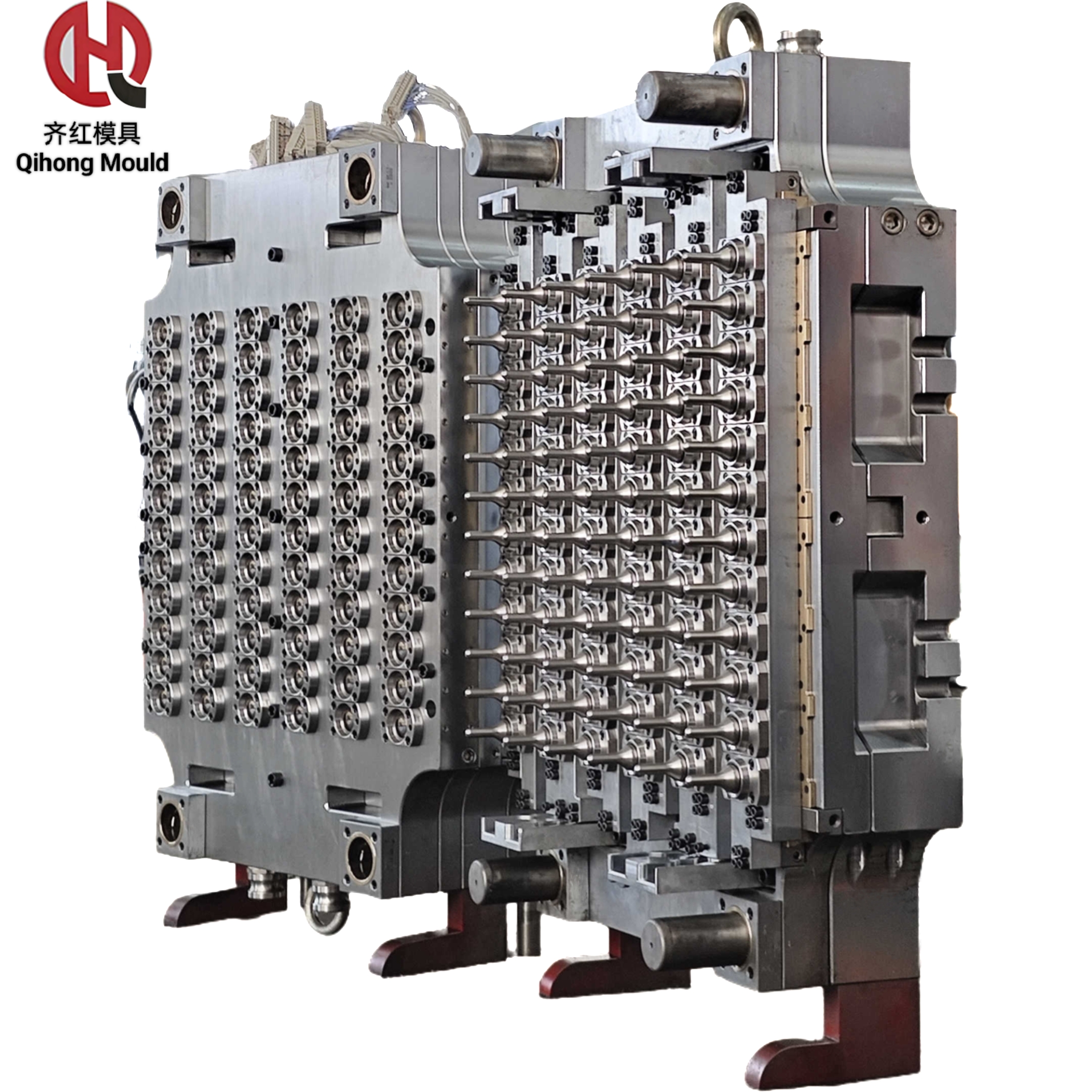
PET Preform Mold Design focuses on high precision structure and stable productio...
See Details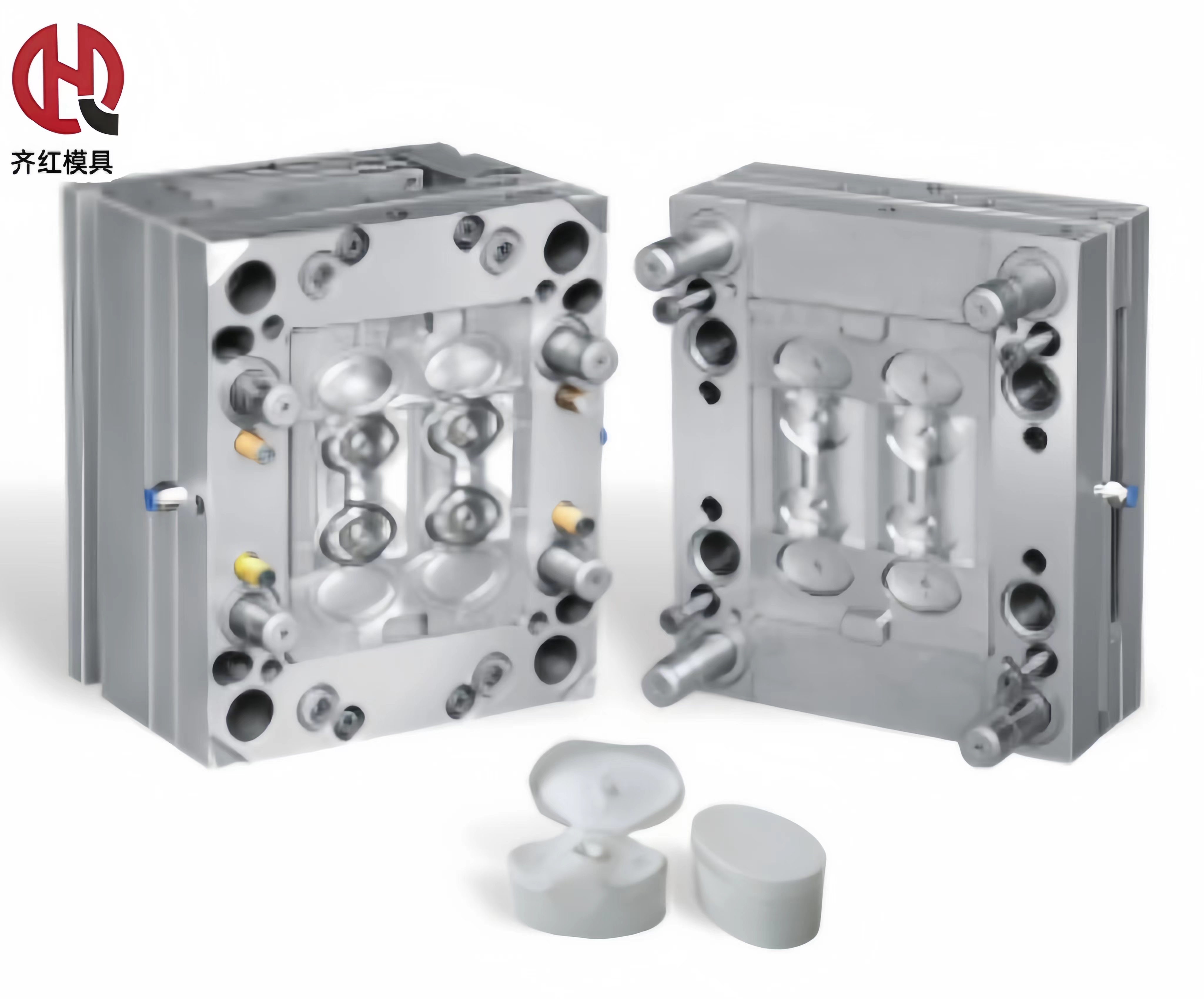
Plastic Cap Mould is designed for high precision plastic cap production. The Chi...
See Details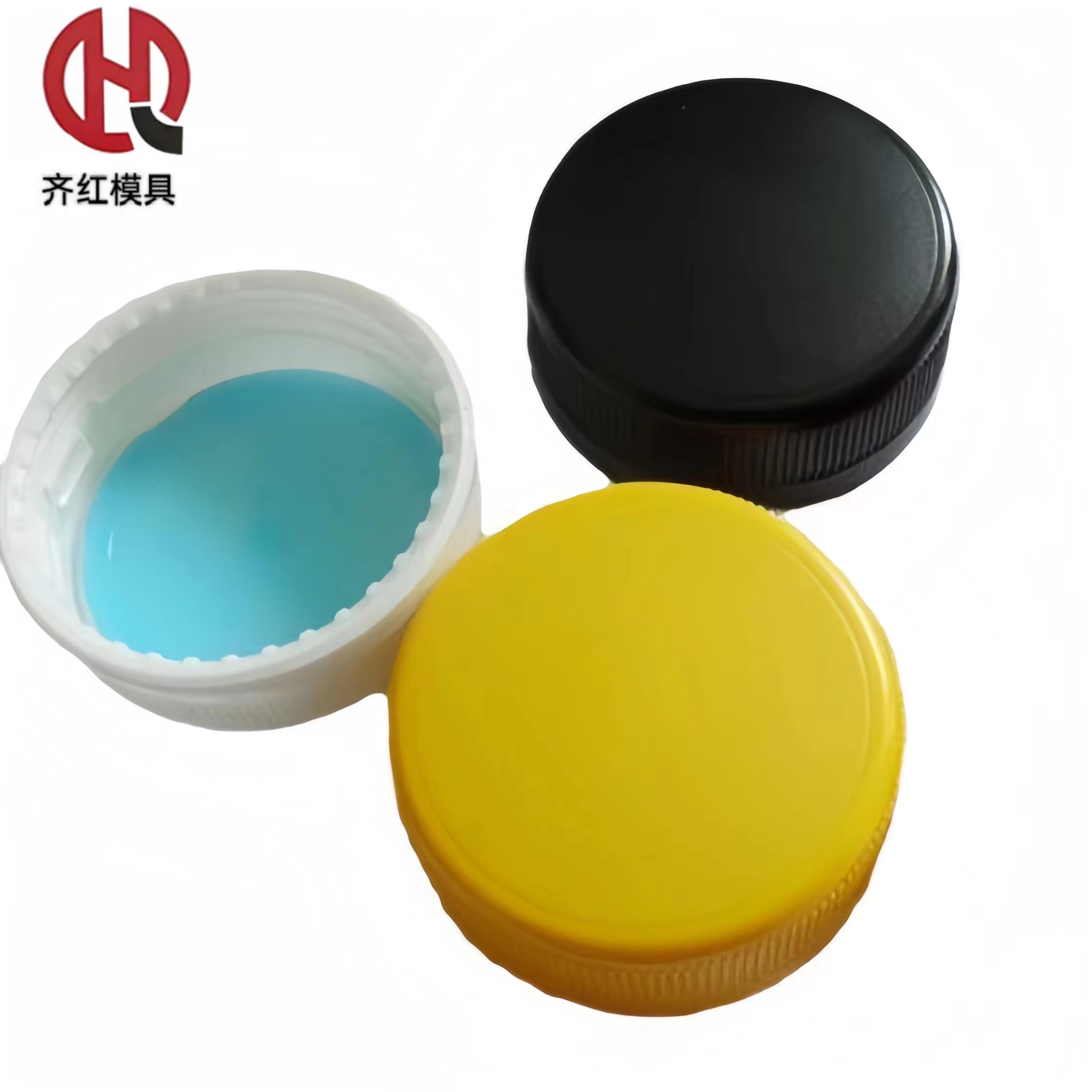
Mould Specifications Product : Cap Mould Brand : Taizhou QihongMould Co.,L...
See Details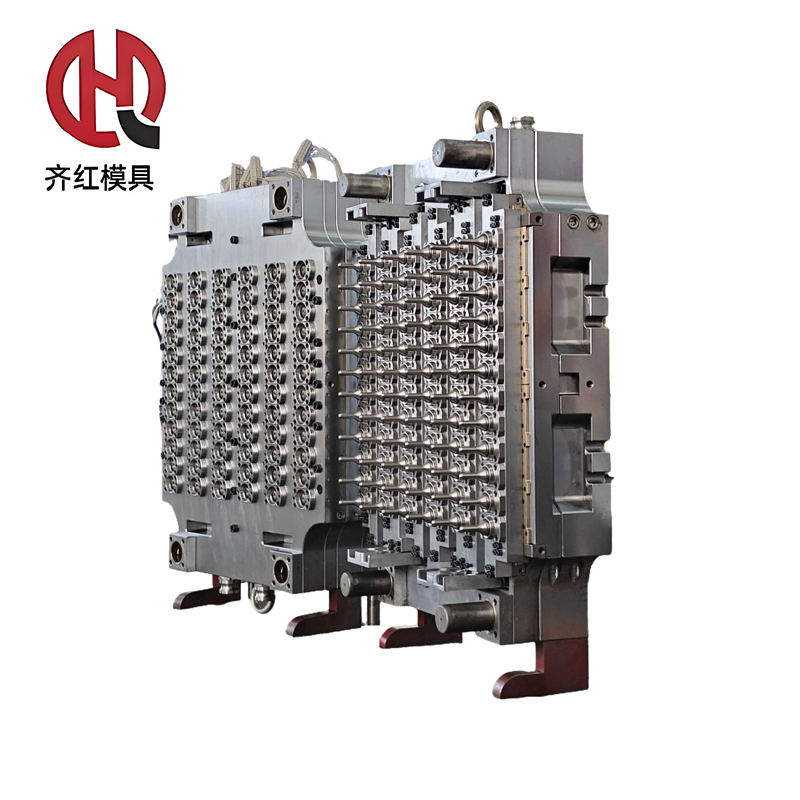
Standardization of mold partsHigh-precision processing equipment is used to ensu...
See Details
WhatsApp:+ (86) 13957659071 / + (86) 18158637057

E-Mail:[email protected]

ADD:Baige Science and Technology Park, Huangyan District, Taizhou City, Zhejiang Province, China.