English
 русский
 عربى
عربى


Full Range Of Automatic Blowing Machine
Automatic blowing machines are essential equipment in modern bottle manufacturin...
See Details


Preform Mould plays a central role in achieving consistent bottle production. These molded pieces serve as the foundation for each bottle, determining wall thickness, shape, and overall structure. Even small deviations in preform quality can lead to differences in expansion, final dimensions, and appearance. Understanding how preform quality influences downstream production is essential for manufacturers aiming to maintain efficiency, reduce waste, and deliver uniform bottles.
A preform is not just a starting piece—it is the blueprint for the bottle's final form. Several factors define its importance:
Wall Thickness: Uniform walls ensure even stretching during blowing, preventing weak spots.
Surface Smoothness: Any roughness can cause uneven expansion or visual defects.
Dimensional Accuracy: Correct lengths, diameters, and neck finishes ensure bottles fit caps and labeling machinery.
Variations in any of these aspects can result in bottles with inconsistent volume, weight, or shape, affecting both quality and production speed.
Small issues at the preform stage can magnify during bottle production:
Uneven Expansion: Thin areas stretch faster, thick areas resist, creating irregular shapes.
Material Waste: Extra plastic may be needed to compensate for defects, increasing cost.
Production Delays: Irregular preforms may require adjustments, slowing the line.
Quality Inconsistency: Bottles may fail to meet design standards, causing scrap or rework.
| Problem | Possible Cause | Impact on Production |
|---|---|---|
| Uneven wall thickness | Mold wear, cooling variation | Irregular bottle shapes |
| Surface imperfections | Mold defects, handling issues | Visual defects, weak points |
| Dimensional deviation | Measurement error, process variation | Poor cap fit, increased scrap |
Consistency starts even before production begins. Practical strategies include:
Mold Maintenance: Regularly inspect and polish molds to prevent surface irregularities.
Cooling Control: Ensure all preforms cool evenly to avoid warping or shrinkage.
Injection Monitoring: Adjust temperature, pressure, and material flow to maintain uniform weight.
Inspection Routines: Conduct regular visual checks and measure critical dimensions to catch early defects.
High-quality preforms help maintain smooth production lines:
Stable Line Speed: Consistent preforms reduce the need for adjustments.
Lower Scrap Rate: Uniform bottles result in fewer rejects.
Predictable Quality: Bottles meet specifications for weight, volume, and appearance.
Reduced Maintenance Stress: Reliable preforms reduce wear on machinery.
Material choice and preform design directly affect final bottle consistency:
Resin Selection: Different plastics have unique flow and stretching properties. Selecting the right one minimizes defects.
Wall Profile: Gradual thickness variation can control expansion and ensure uniform bottles.
Neck Finish and Length: Proper design allows accurate cap fitting and machine compatibility.
Manufacturers should combine suitable materials with precise mold design and process control for optimal results.
Proactive monitoring helps avoid downstream problems:
Weight Checks: Track preform weight for deviations.
Dimensional Verification: Use calipers and gauges to measure length, diameter, and neck finish.
Visual Inspection: Detect scratches, bubbles, or other surface defects.
Process Analysis: Monitor temperature, pressure, and cooling to catch trends.
| Detection Method | Purpose |
|---|---|
| Weight tracking | Identify material flow issues |
| Caliper measurements | Ensure dimensional accuracy |
| Visual inspection | Catch surface imperfections |
| Process monitoring | Prevent variations before expansion |
Even with careful practices, some challenges occur:
| Problem | Likely Cause | Suggested Action |
|---|---|---|
| Drifting preform weight | Material flow variation | Adjust injection parameters |
| Warped bottles | Uneven cooling | Check cooling channels, adjust settings |
| Surface blemishes | Mold damage or handling | Polish mold, review handling |
| Cap misalignment | Dimensional deviation | Inspect and correct mold setup |
Operational Stability: Smooth production with fewer interruptions.
Cost Efficiency: Reduced material waste and lower scrap rates.
Product Consistency: Reliable output improves packaging, labeling, and customer satisfaction.
Equipment Longevity: Reduced stress on machines and less frequent maintenance.
Regular Maintenance: Polishing, inspection, and adjustment of molds preserve preform quality.
Operator Training: Proper handling reduces errors during production.
Process Optimization: Maintain consistent injection, cooling, and material flow.
Spare Parts Ready: Replace worn components promptly to prevent downtime.
The quality of preforms determines not only the uniformity of bottles but also efficiency, material usage, and operational reliability. Manufacturers who focus on mold care, precise process control, and early defect detection achieve smoother production lines, reduced waste, and more predictable outcomes. Reliable preforms are the foundation of successful bottle manufacturing, ensuring consistent products while optimizing resources and reducing operational risk.
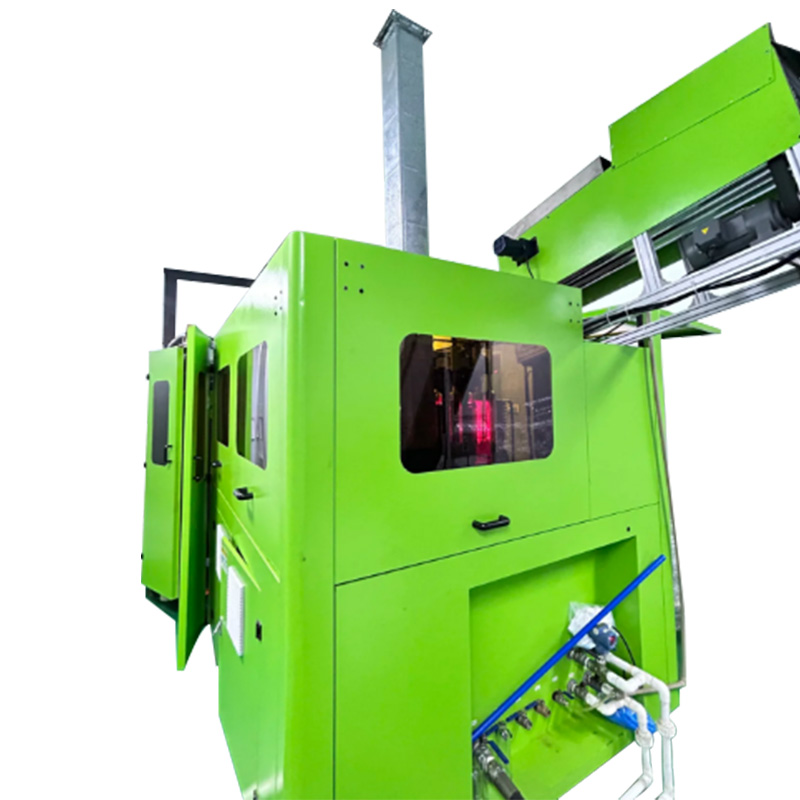
Automatic blowing machines are essential equipment in modern bottle manufacturin...
See Details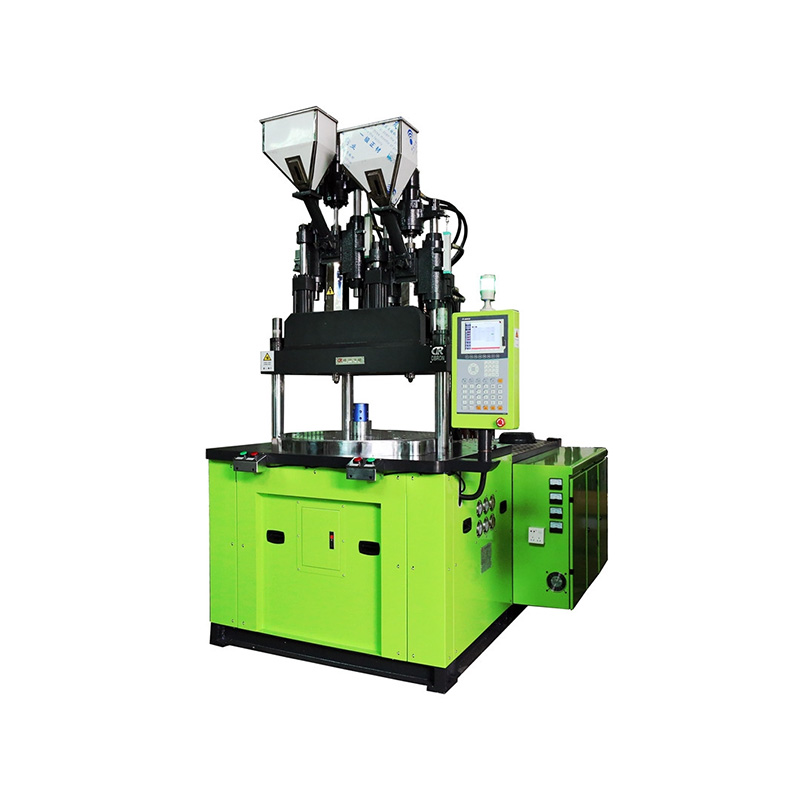
An Injection Molding Machine is an essential industrial tool used for producing ...
See Details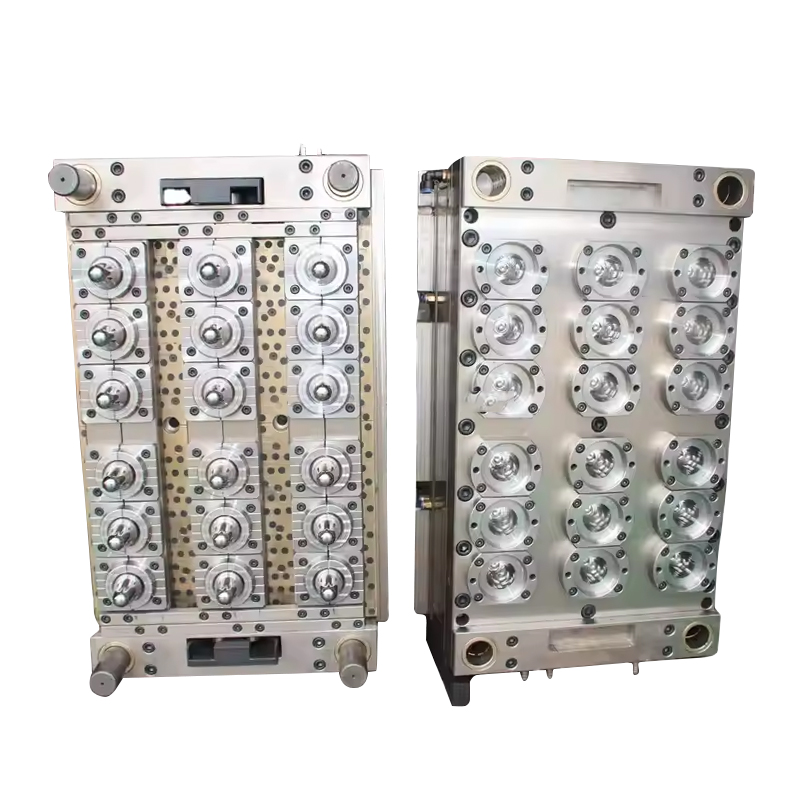
The 18-cavity wide-mouth mold is a high-efficiency tool specifically designed fo...
See Details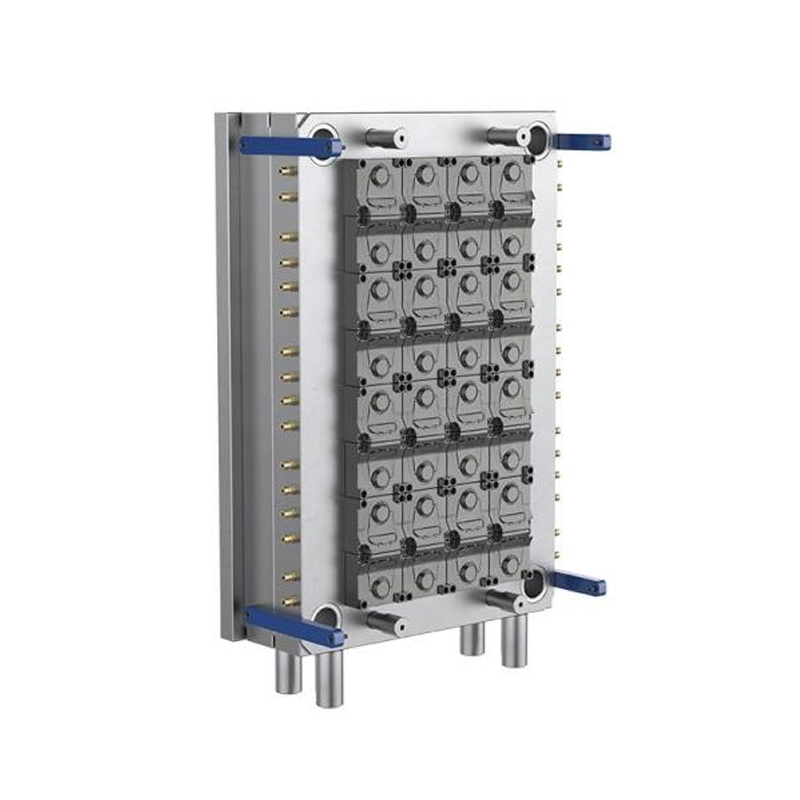
A Handle Mold is a specialized mold used in the manufacturing of plastic handles...
See Details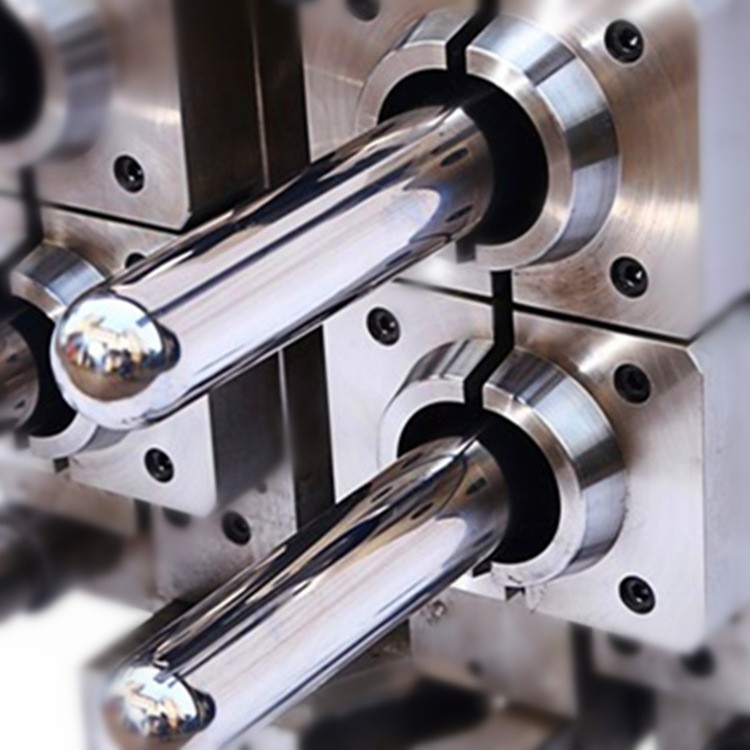
Mould Specifications Product : Preform Mould Brand : Taizhou QihongMould C...
See Details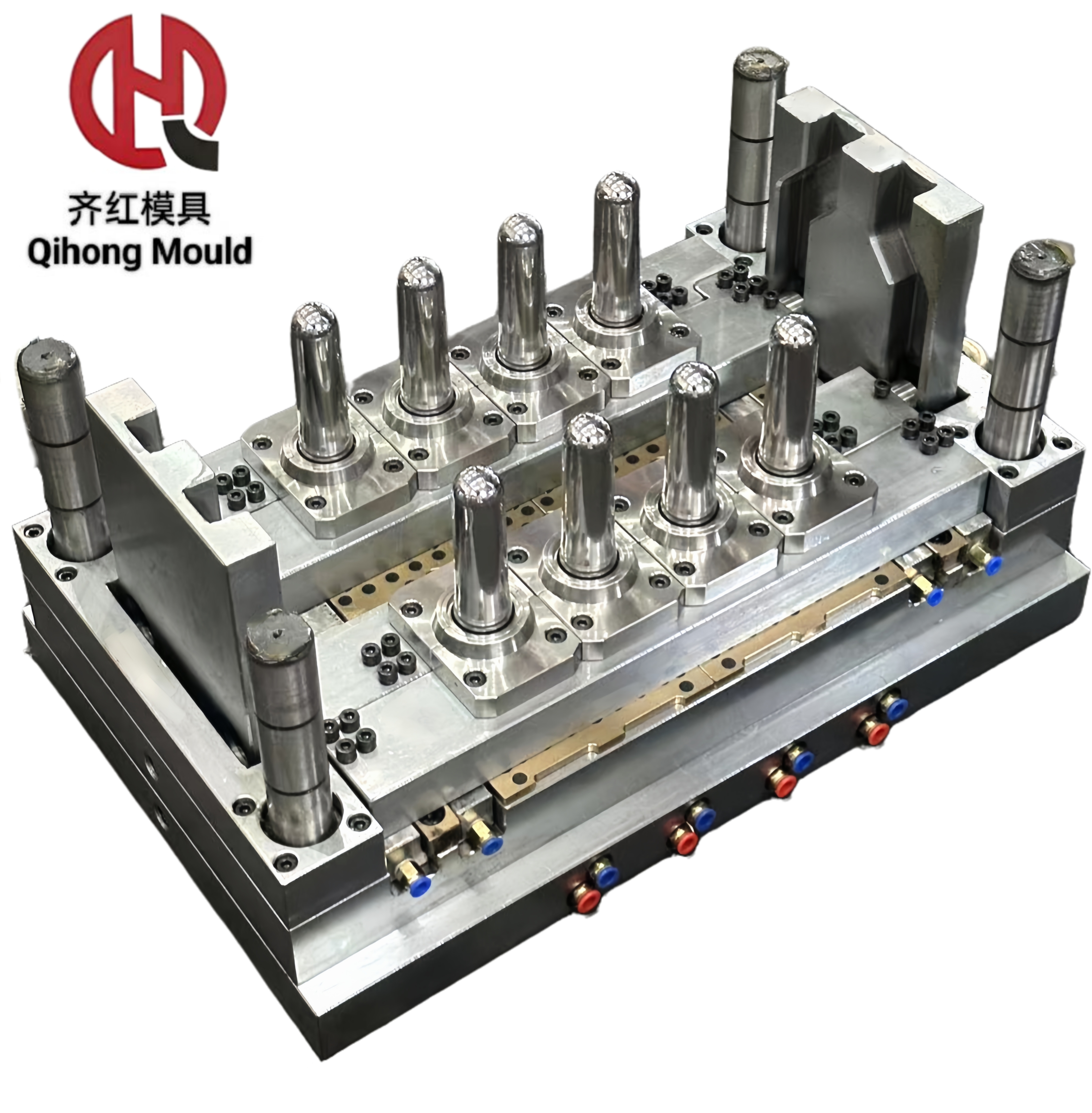
Jar Preform Mold is designed for accurate and efficient production of plastic pr...
See Details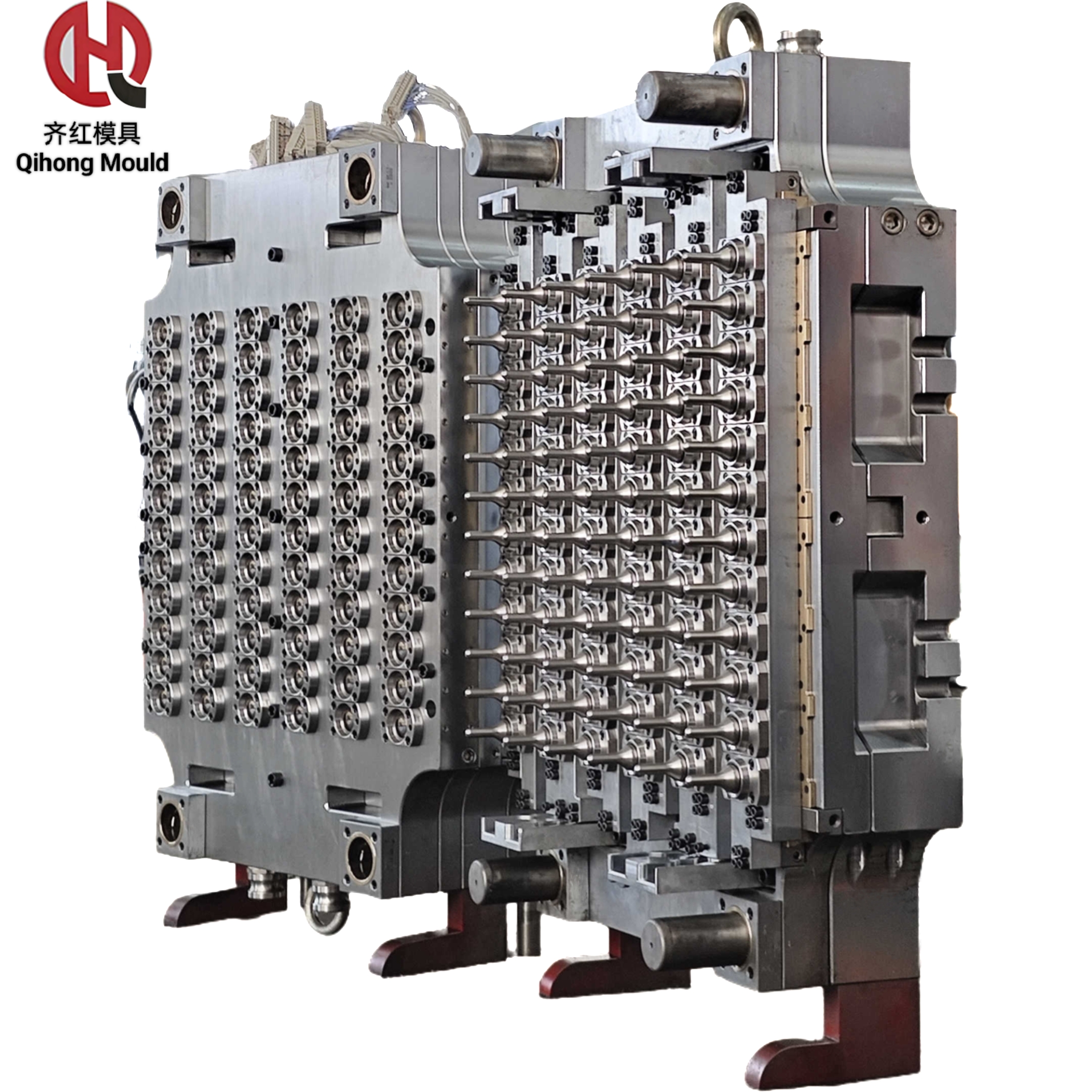
PET Preform Mold Design focuses on high precision structure and stable productio...
See Details
Standardization of mold partsHigh-precision processing equipment is used to ensu...
See Details
WhatsApp:+(86) 13957659071 / +(86) 18158637057 / +(86) 15395760157


ADD:Baige Science and Technology Park, Huangyan District, Taizhou City, Zhejiang Province, China.