English
 русский
 عربى
عربى


48-Cavity Preform Mold(Mould)
The Qihong 48-Cavity Preform Mold(Mould) is the ideal choice for high-volume PET...
See Details


In modern manufacturing, moulds are essential tools that shape raw material into precise components. Reliability of these tools directly affects cost efficiency, product quality, and production timelines. For manufacturers in packaging, consumer goods, and automotive parts, maintenance is not optional but a structured responsibility. Extending the operational lifespan of a mould requires a balanced approach involving cleaning, inspection, lubrication, and proper storage.
Several conditions determine how long a mould can remain in reliable service:
Surface wear – Constant contact with molten material gradually changes the cavity structure.
Heat fluctuations – Excessive thermal cycling stresses metal surfaces and accelerates fatigue.
Lubrication practices – Moving elements without lubrication may cause galling or premature failure.
Storage environment – Humidity and poor handling can trigger corrosion.
When these factors are controlled, long-term reliability becomes achievable.
A mould functions optimally when small steps are followed consistently. Below is a breakdown of activities that can be scheduled for reliability.
| Frequency | Activity | Objective |
|---|---|---|
| Each Cycle | Remove residue and clean cavity | Prevent material buildup and defects |
| Daily | Check alignment of guides and pins | Avoid uneven stress on mould parts |
| Weekly | Lubricate moving sections | Reduce friction and extend service life |
| Monthly | Inspect cooling channels | Maintain stable processing temperature |
| Quarterly | Re-polish surfaces if scratches appear | Preserve surface finish |
This schedule can be adapted to production volume, as high-output operations may require shorter intervals.
Cleaning Methods
Use non-abrasive tools to avoid scratching.
Avoid strong chemicals that may react with base metals.
Compressed air can be used for vent channels but should be dry and filtered.
Lubrication
Apply a thin, even coat to sliders, pins, and other moving parts.
Use appropriate grease or oil that is compatible with processing temperatures.
Excess lubrication should be removed to avoid contamination.
Cooling and Heating
Maintain steady temperature transitions.
Gradual heating before operation and controlled cooling after shutdown reduce stress.
Blocked cooling lines must be cleared promptly to ensure proper circulation.
Q: Why should moulds be cleaned after every cycle?
A: Residues can harden and alter cavity dimensions. Even thin layers affect surface finish and accuracy.
Q: What is the risk of skipping alignment checks?
A: Misalignment increases stress on guide pins and can deform cavities, reducing precision.
Q: How does the environment affect storage?
A: High humidity encourages corrosion. A dry, controlled space with rust-preventive coating ensures safer storage.
Using metal tools for cleaning, which often leaves scratches.
Allowing water to remain in cooling lines during storage.
Relying only on emergency repairs instead of planned inspections.
Ignoring small surface marks, which may expand into larger problems.
Below is a summary list designed as a quick reference for factory teams:
Wipe cavities and runners clean after use.
Record lubrication intervals.
Check venting points for obstructions.
Inspect moving sections for unusual resistance.
Apply protective coating before long-term storage.
Store moulds off the ground on stable racks.
Different industries emphasize different maintenance aspects:
Packaging production – High cycle frequency requires strict daily cleaning.
Automotive components – Precision parts demand dimensional checks more often.
Consumer goods – Surface polish is important for appearance, requiring more frequent finishing.
Recognizing these variations helps companies adapt their own framework instead of using a generic plan.
When a structured maintenance plan is followed, manufacturers experience:
Reduced downtime
Lower repair costs
Consistent part quality
Longer service intervals between refurbishments
Such outcomes contribute to stable production planning and reliable delivery schedules.
Plastics Mould maintenance is both a technical and organizational task. Daily cleaning, scheduled inspections, controlled storage, and staff training are the pillars of reliability. Instead of treating care as an afterthought, it should be an integral part of production strategy. By respecting these principles, moulds remain efficient tools that continue to serve across extended cycles, reducing waste and supporting consistent manufacturing results.
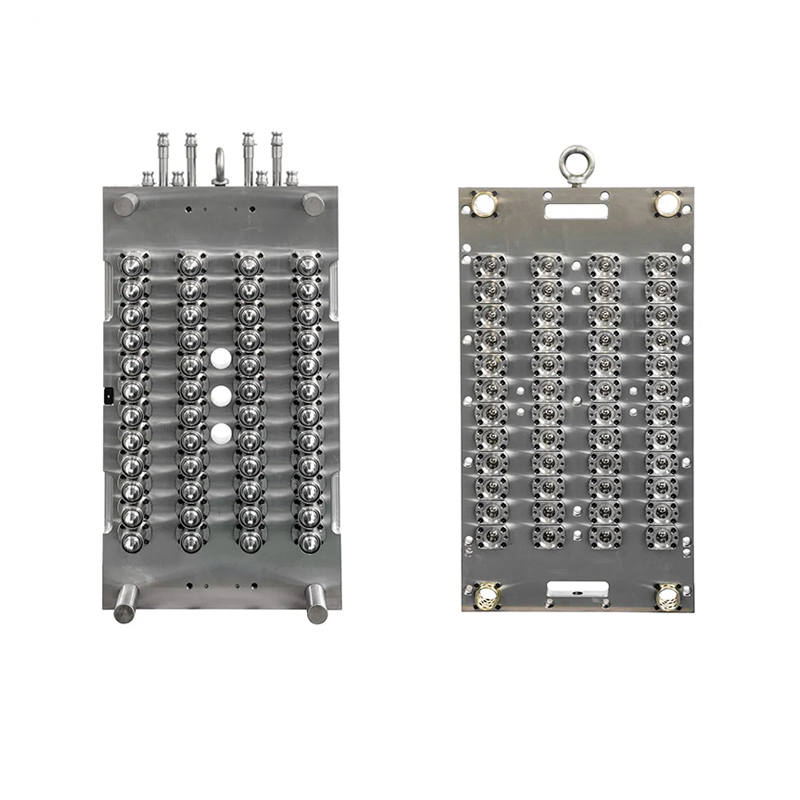
The Qihong 48-Cavity Preform Mold(Mould) is the ideal choice for high-volume PET...
See Details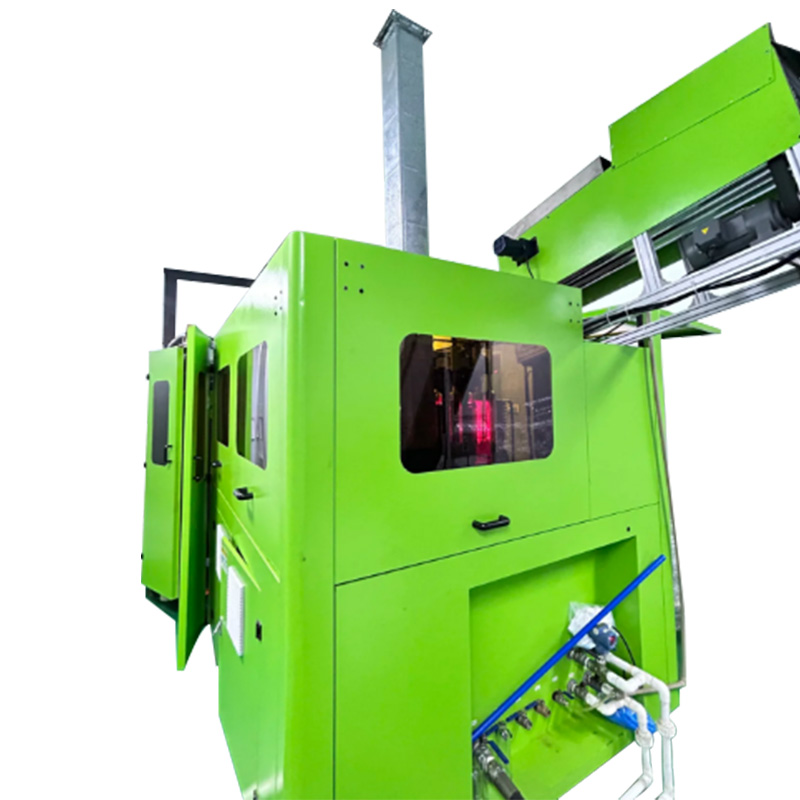
Automatic blowing machines are essential equipment in modern bottle manufacturin...
See Details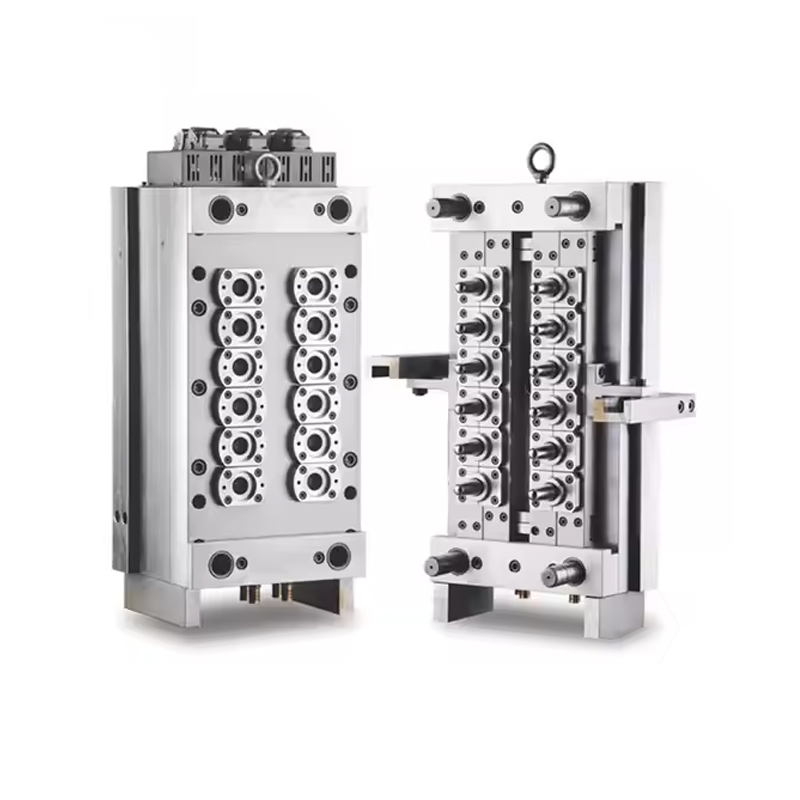
The 12-Cavity PET Preform Mold is a high-quality, durable solution designed to m...
See Details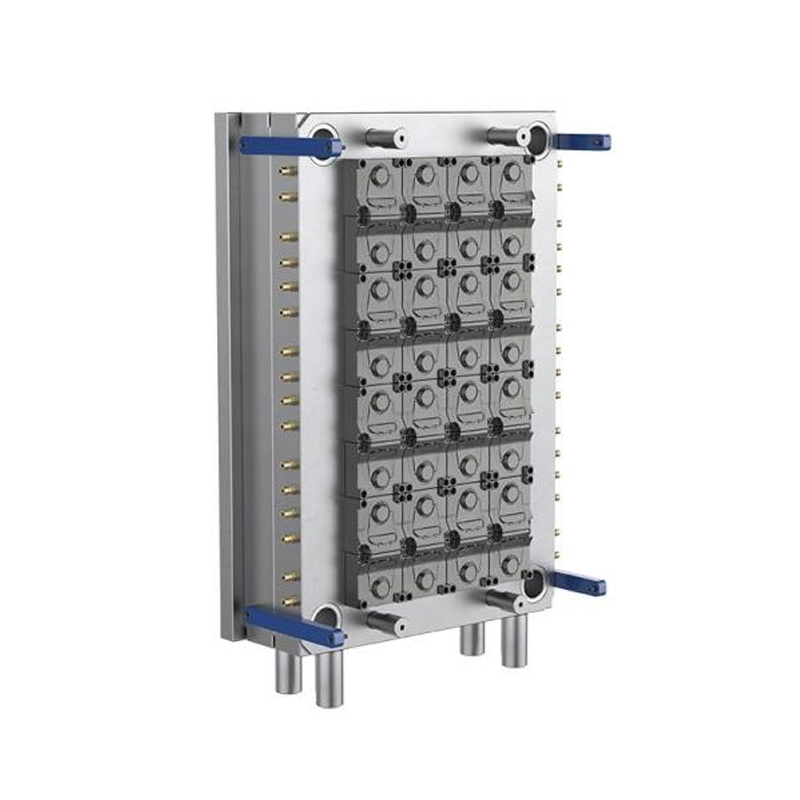
A Handle Mold is a specialized mold used in the manufacturing of plastic handles...
See Details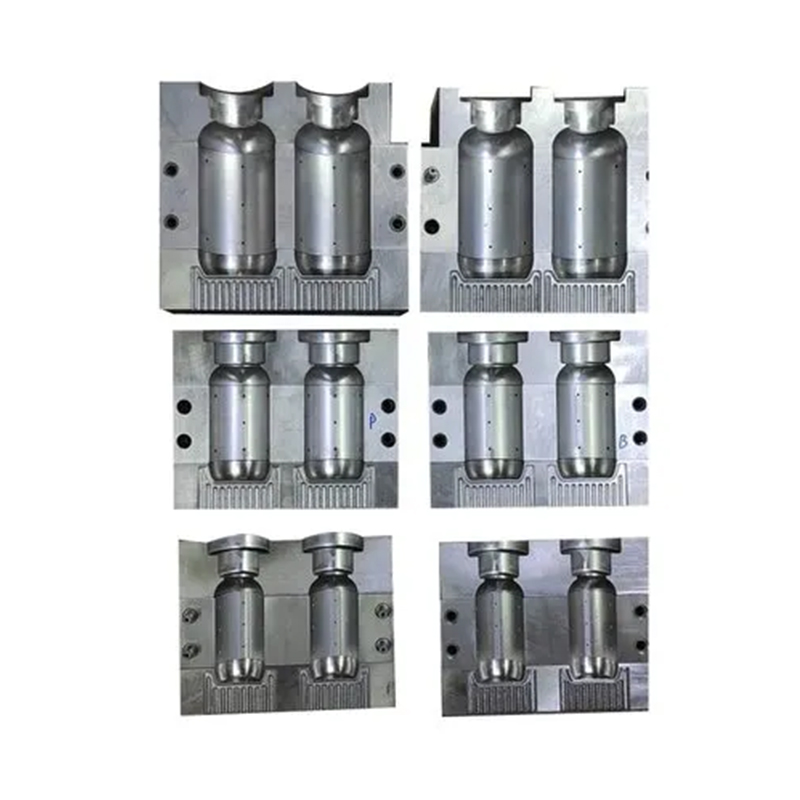
Medicine bottle molds are specialized tools designed for the efficient productio...
See Details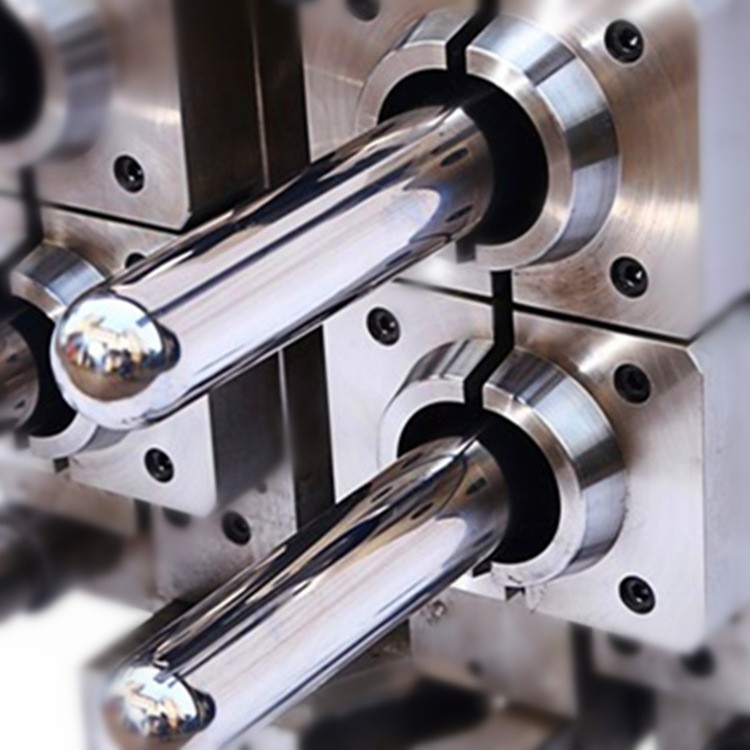
Mould Specifications Product : Preform Mould Brand : Taizhou QihongMould C...
See Details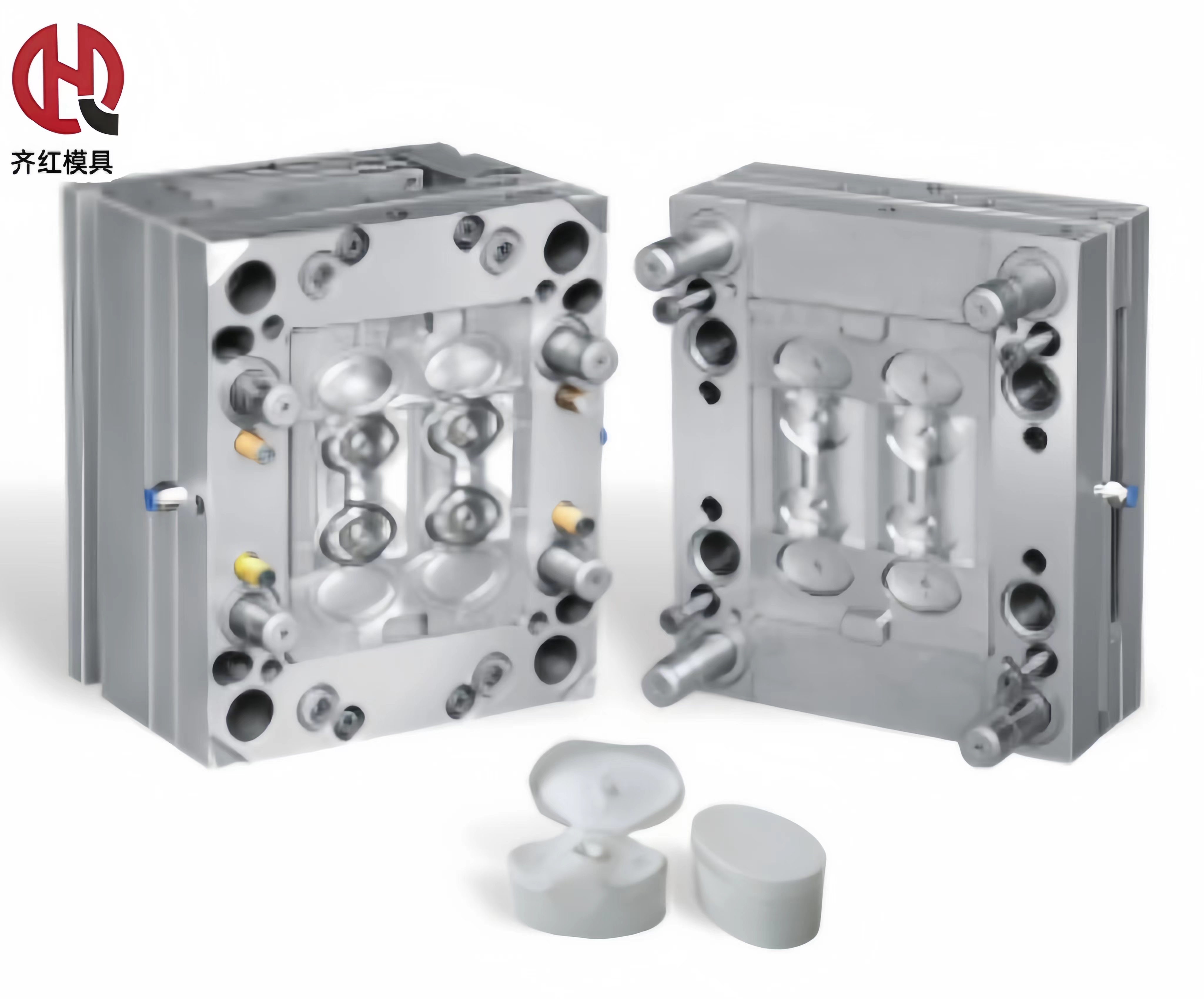
Plastic Cap Mould is designed for high precision plastic cap production. The Chi...
See Details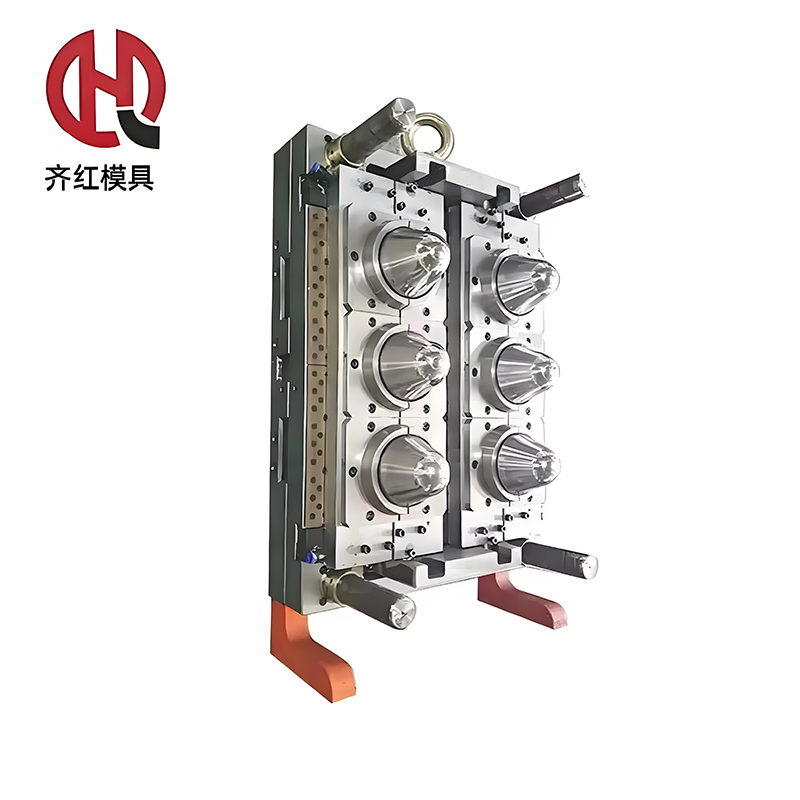
Water and beverage preform mold, Edible oil preform mold, Preform Mold for cosme...
See Details
WhatsApp:+(86) 13957659071 / +(86) 18158637057 / +(86) 15395760157


ADD:Baige Science and Technology Park, Huangyan District, Taizhou City, Zhejiang Province, China.