English
 русский
 عربى
عربى


48-Cavity Preform Mold(Mould)
The Qihong 48-Cavity Preform Mold(Mould) is the ideal choice for high-volume PET...
See Details


The injection molding industry is experiencing a shift as sustainable and bio-based materials gain wider adoption. With growing environmental concerns and stricter regulations on plastics, manufacturers are exploring greener alternatives. Bio-based plastics and recycled resins now offer opportunities for eco-friendly production without compromising product quality or performance. Companies that embrace these materials are not only reducing environmental impact but also meeting increasing market demand for responsible manufacturing practices.
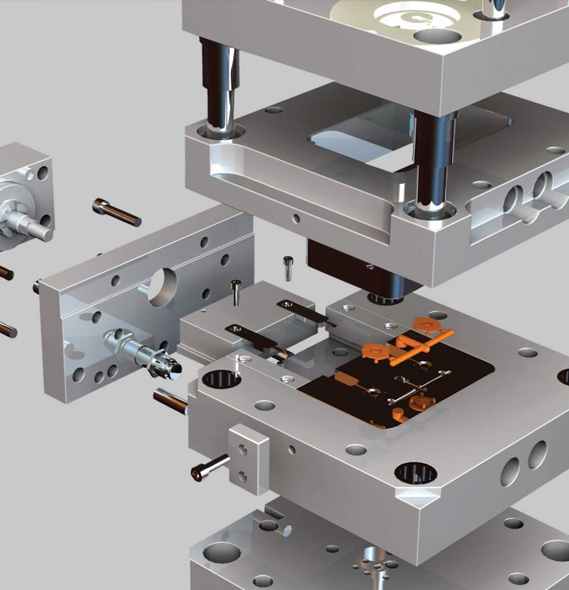
Traditionally, injection molding relied heavily on petroleum-based plastics, prized for durability and versatility but contributing to long-term environmental challenges, such as plastic waste accumulation and carbon emissions. The industry is increasingly turning to bio-based materials such as polylactic acid (PLA), polyhydroxyalkanoates (PHA), and other biodegradable polymers. Recycled PET and other post-consumer resins are also gaining traction, supporting circular economy initiatives while reducing dependence on virgin plastics. While these materials offer comparable mechanical properties, they often require careful process adjustment and thorough testing to ensure consistent performance.
Innovations in sustainable materials are reshaping injection molding:
Transitioning to sustainable materials presents technical hurdles that must be carefully managed:
Sustainable materials are being adopted across multiple sectors:
Global demand for bio-based plastics in injection molding is growing steadily. Regulatory pressures, such as bans on certain single-use plastics, combined with consumer preference for eco-friendly products, are driving investment and innovation. Companies integrating sustainable materials benefit from enhanced brand reputation, access to green markets, and long-term cost savings through reduced material consumption and waste. Market analyses indicate that sustainable injection molding solutions could account for a growing share of the industry’s revenue in the next decade.
The adoption of bio-based and recycled materials has significant environmental and social benefits:
The future of injection molding lies in combining innovative materials with advanced production technologies. Research into high-performance biodegradable polymers continues, aiming to match or exceed the durability and usability of conventional plastics. Integration with smart manufacturing and Industry 4.0 practices allows for real-time monitoring and optimization, improving efficiency while ensuring environmental compliance. Regional policies, supply chain improvements, and global sustainability initiatives will further accelerate the adoption of bio-based and recycled materials, making them a core part of the injection molding industry.
Taizhou Qihong Mold Co., Ltd. recognizes the growing importance of sustainable materials and is committed to supporting manufacturers in adopting environmentally friendly solutions. By embracing innovation, green technologies, and bio-based materials, the injection molding industry is moving toward a more responsible, efficient, and sustainable future. Companies that invest in these practices not only reduce environmental impact but also gain a competitive edge in a market increasingly driven by sustainability and consumer awareness.
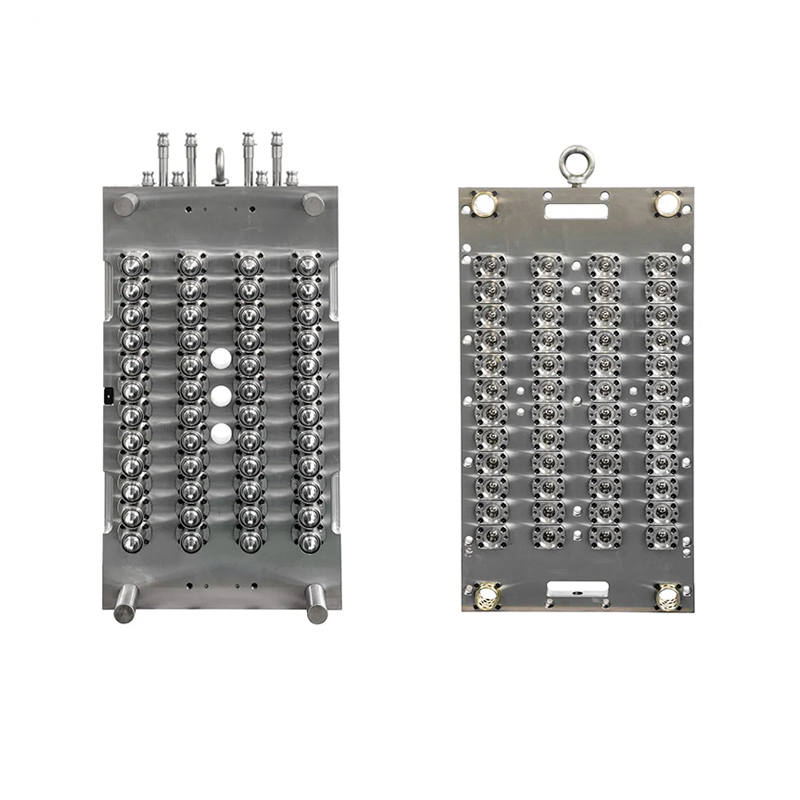
The Qihong 48-Cavity Preform Mold(Mould) is the ideal choice for high-volume PET...
See Details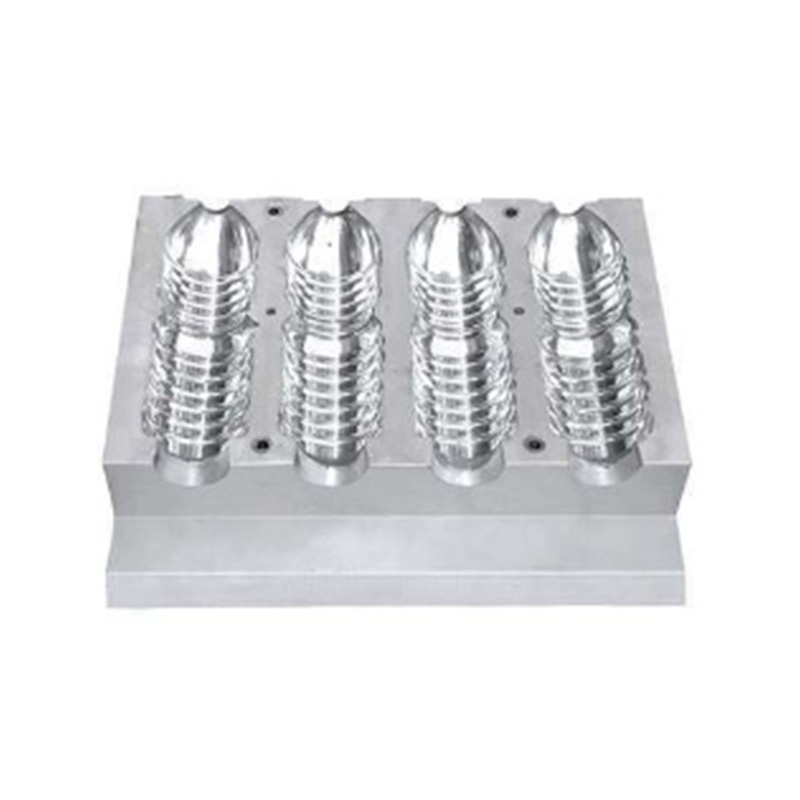
Product Name: Water/Beverage Bottle Mold A Water/Beverage Bottle Mold is a speci...
See Details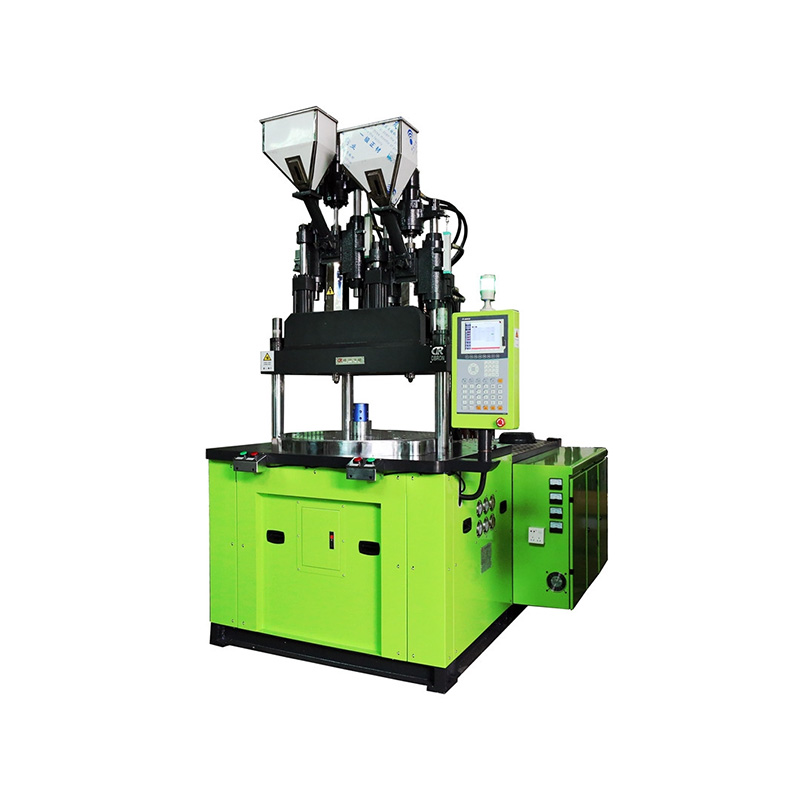
An Injection Molding Machine is an essential industrial tool used for producing ...
See Details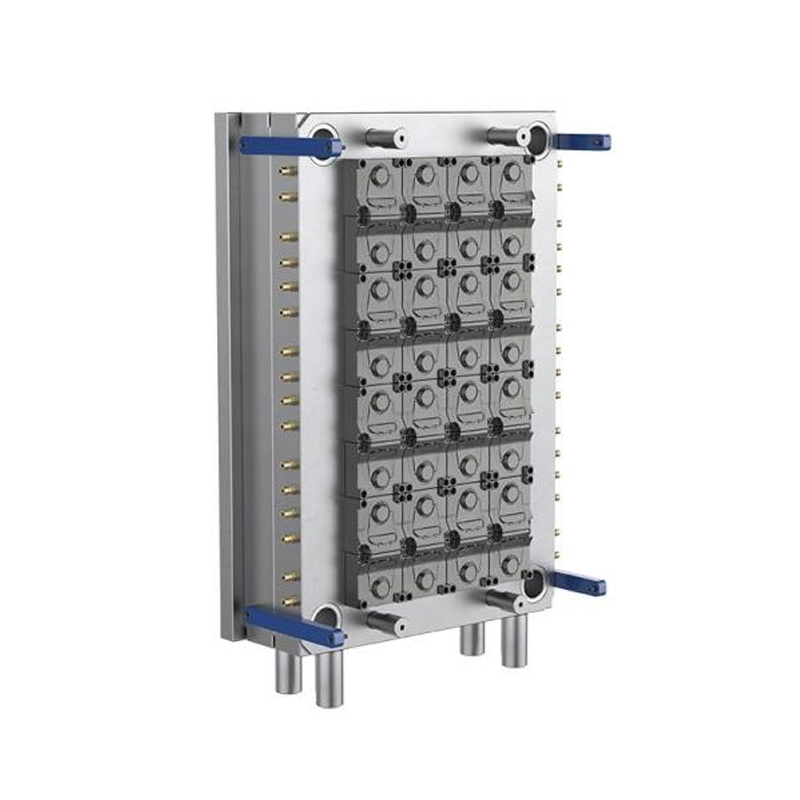
A Handle Mold is a specialized mold used in the manufacturing of plastic handles...
See Details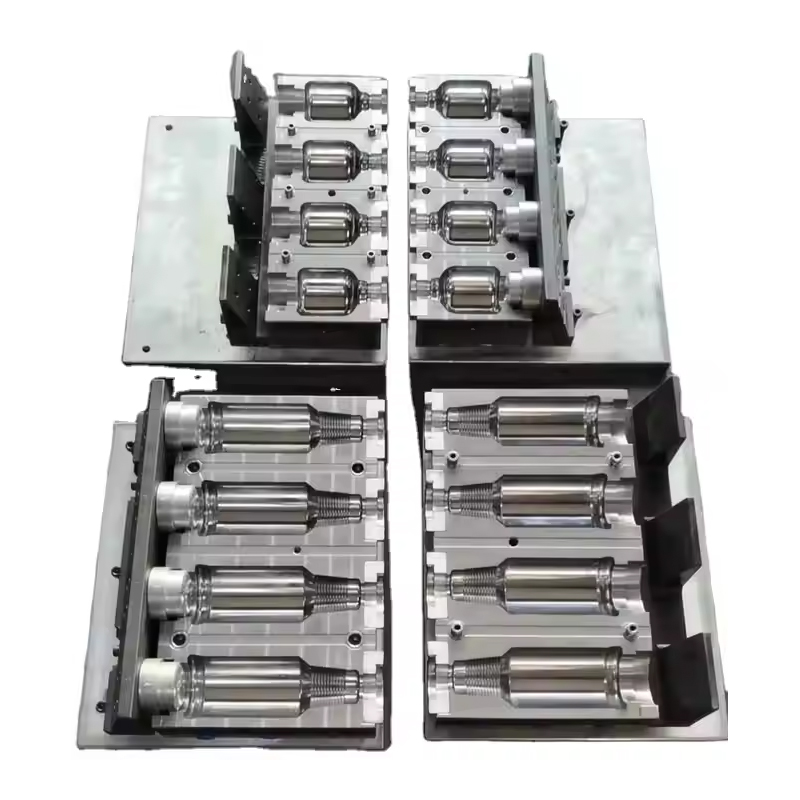
Our Cosmetic Bottle Mold is engineered for precision, reliability, and durabilit...
See Details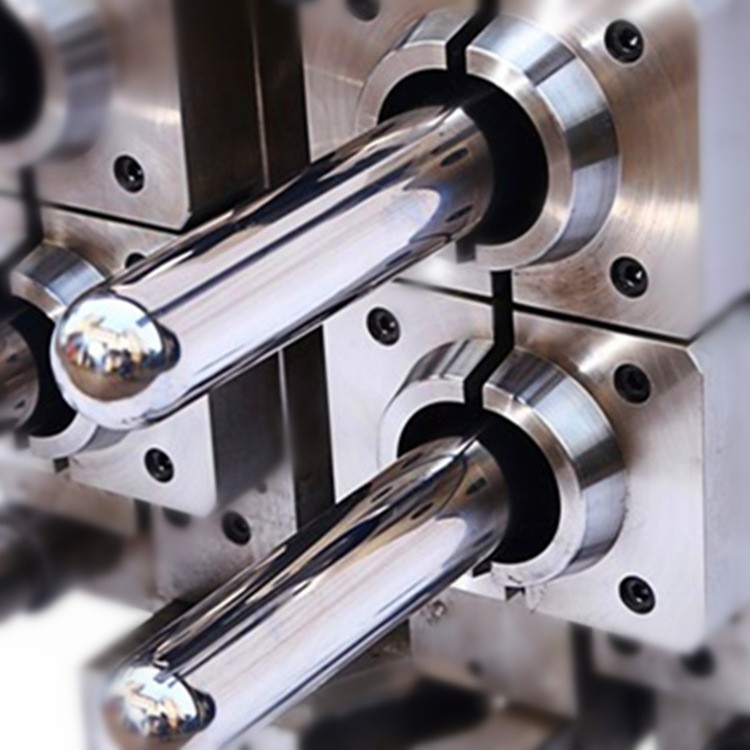
Mould Specifications Product : Preform Mould Brand : Taizhou QihongMould C...
See Details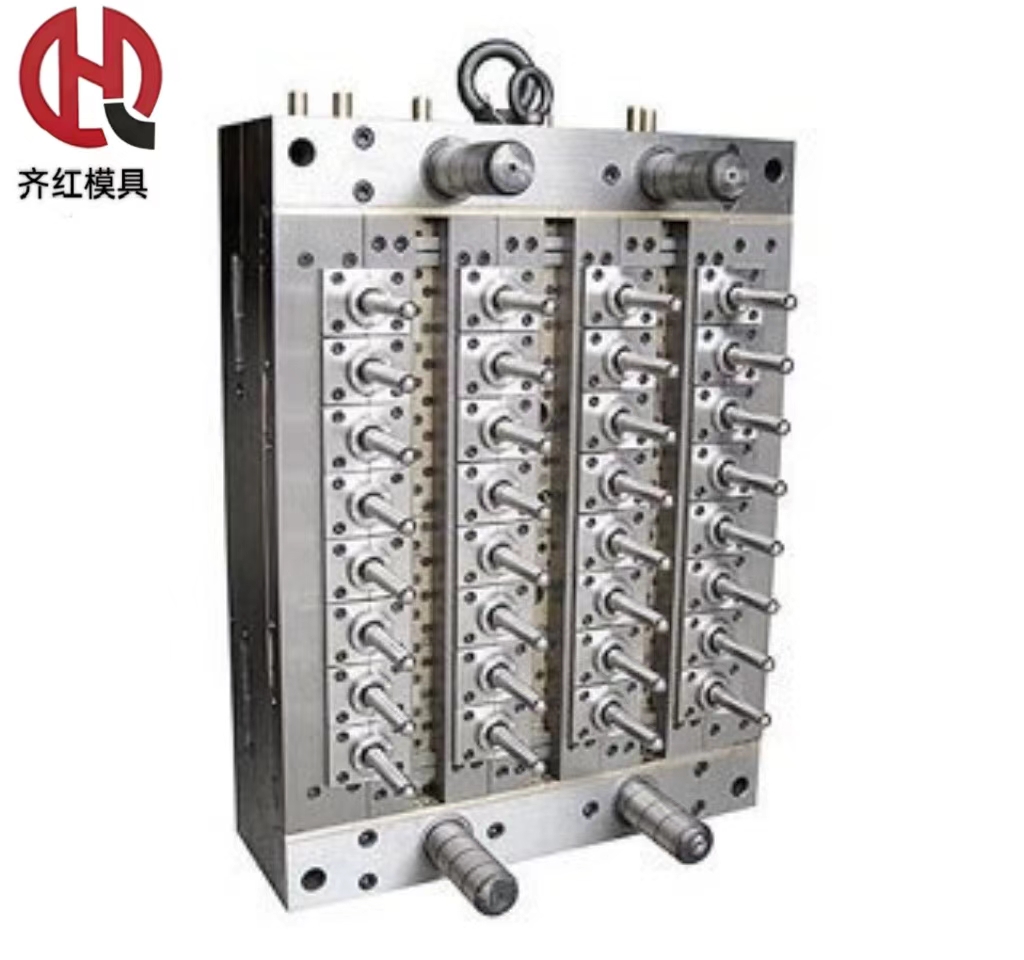
Custom Made Plastic Molds are designed for high precision and flexible plastic p...
See Details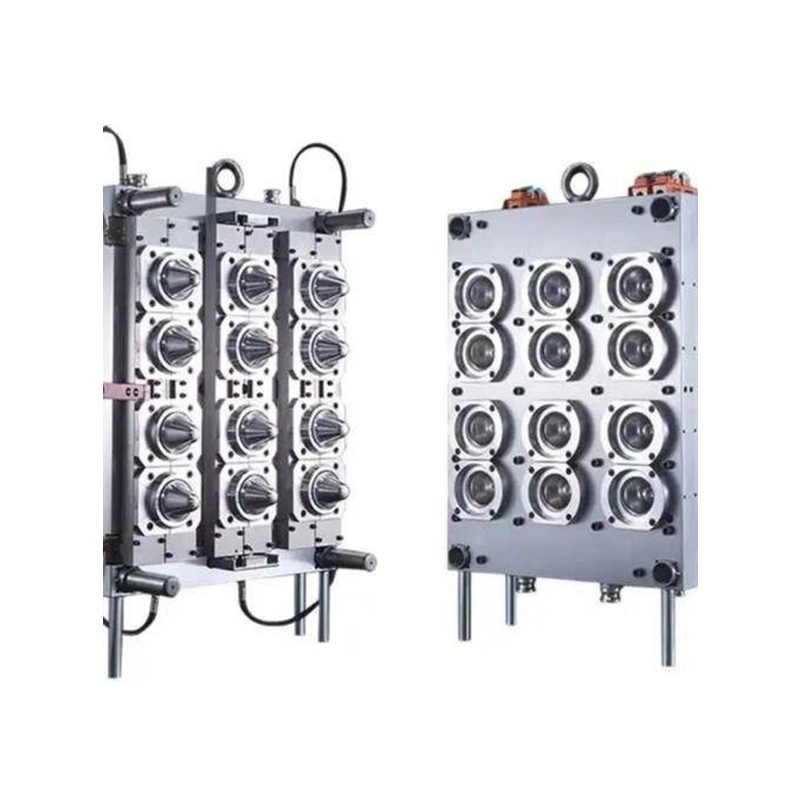
The 12 Cavities Wide Mouth Preform Moulds from Qihong are practical tools for pr...
See Details
WhatsApp:+(86) 13957659071 / +(86) 18158637057 / +(86) 15395760157


ADD:Baige Science and Technology Park, Huangyan District, Taizhou City, Zhejiang Province, China.