English
 русский
 عربى
عربى


48-Cavity Preform Mold(Mould)
The Qihong 48-Cavity Preform Mold(Mould) is the ideal choice for high-volume PET...
See Details


In packaging production, a small plastic preform often carries a much larger responsibility than it appears. It becomes bottles, containers, and storage formats used across daily supply chains. The quality of that final product starts much earlier, inside a mould cavity that shapes it.
Preform Mould Manufacturer sits at a point where small variations matter. A slight shift in shape. A minor inconsistency in surface. A small change in cooling behavior. These details do not stay small for long. They travel forward into every stage that follows.
Precision is not a decorative idea here. It is part of how the system stays stable.
Precision in this context is not about perfection in theory. It is about repeatable consistency in practice.
A preform mould must shape each unit in a way that remains stable across long production cycles. The cavity, the alignment, and the forming surface all need to work in harmony.
When precision is maintained, the output feels uniform. When it drifts, even slightly, differences begin to appear.
Those differences may show up as:
At first, these changes may seem minor. Over time, they influence how the final container behaves in real applications.
Plastic preforms are rarely used on their own. They are only one step in a longer process. After molding, they are reheated, stretched, and formed into bottles or containers.
This means any early variation is carried forward.
A small imbalance in thickness can affect how material stretches later. A subtle inconsistency in shape can influence how it fits into forming equipment. Once amplified, these small differences become visible.
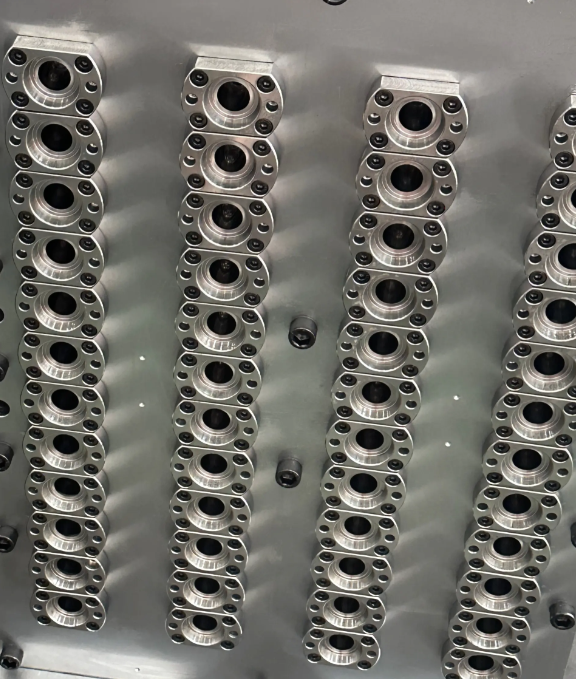
It is similar to drawing a line. A slight tilt at the beginning becomes more noticeable as the line extends.
Precision helps keep that early line steady.
Various parts inside a preform mold coordinate closely with one another. Every production cycle demands precise positioning of all components. Even a tiny positional offset will alter the flow path of raw materials.
Accurate mold alignment ensures steady molding operation. Preforms can be demolded effortlessly, keeping uniform dimensions and shapes across all finished pieces.
Once alignment goes off track, noticeable manufacturing issues will emerge:
Such problems rarely show up right away. They worsen step by step over time, so early inspection and troubleshooting are essential.
Keeping molds perfectly aligned relies far more on routine preventive maintenance than later adjustments.
The internal surface of a mould defines the outer surface of the preform. Any mark, unevenness, or irregularity can transfer directly.
A smooth and stable surface supports clean formation. Material flows evenly and settles without interruption.
When the surface condition changes, results follow:
Surface changes often develop slowly. They can come from repeated use, handling, or environmental exposure.
Routine observation helps keep these changes under control before they influence output.
Temperature inside a mould system is not static. It shifts during each cycle. It rises, stabilizes, and cools again.
Precision in design helps manage this movement.
When temperature distribution is balanced, material behaves predictably. It fills cavities in a consistent way and cools at a stable rate.
When temperature balance is uneven, variations appear:
These variations may not be visible immediately after production. They often appear later in downstream processing.
Stable temperature behavior supports consistent shape formation.
Every mould experiences contact during production. Over time, this contact creates gradual change.
Wear does not happen suddenly. It develops in layers.
Early signs may include:
As wear continues, these signs become more noticeable.
Precision depends not only on initial design but also on how the mould maintains its shape over time.
Common observation points include:
| Area of Wear | Possible Impact on Output |
|---|---|
| Cavity edges | Shape variation |
| Surface contact | Texture inconsistency |
| Alignment points | Dimensional drift |
| Moving interfaces | Release resistance |
Monitoring these areas helps maintain long-term stability.
Efficiency is often linked to speed, but in mould manufacturing, stability plays a larger role.
When precision is high, cycles run with fewer interruptions. Adjustments are less frequent. Output remains consistent across long runs.
When precision decreases, small issues begin to interrupt flow:
These interruptions reduce smooth operation.
Precision supports efficiency by reducing uncertainty in each cycle.
Loss of precision does not create a single failure point. It creates a pattern of small inconsistencies.
These may include:
The effect often spreads gradually through production stages.
A mould that was once stable may begin to require more attention. Small adjustments become more frequent. Output becomes less predictable.
The challenge is not sudden failure. It is gradual drift.
Precision is not only built during manufacturing. It is also maintained during operation.
Daily practices play a quiet role:
These actions are simple but consistent.
They help identify early changes before they affect larger batches.
Experience also plays a role. Operators often notice subtle shifts that are not immediately visible in measurements.
The structural design scheme determined in the mold development stage will continuously affect its operating accuracy and stability for years after it is put into production.
The following design characteristics are essential for maintaining long-term operational precision:
- Robust and reliable overall structure that resists deformation
- Scientifically arranged internal flow channels with balanced force distribution
- Reasonably distributed maintenance ports to facilitate daily inspection and repair
- Optimized contact surface design to minimize wear and positional deviation
Molds designed with inspection convenience and operational practicability in mind can maintain stable performance for a longer time. Such structures allow maintenance personnel to quickly troubleshoot slight wear, offset and other minor problems before precision drift appears.
In comparison, overly complex and enclosed structural designs hinder daily inspection. Tiny defects are easily concealed and accumulate over time, gradually wearing away the original high precision of the mold.
High-precision mold performance is never limited to strict manufacturing tolerance standards. More importantly, the overall structure must be easy to inspect, troubleshoot and maintain routinely to sustain stable accuracy during long-term industrial use.
In high-volume environments, small variations repeat many times.
A minor inconsistency in one cycle becomes multiplied across thousands of units. This amplification effect makes early control essential.
Stable precision helps reduce:
In systems running continuously, stability becomes more valuable than occasional correction.
Each cycle depends on the previous one. That chain makes precision a central factor.
Preforms are not final products. They move into stretching, forming, and filling stages.
Any variation introduced early can influence these later steps.
If a preform has uneven thickness, it may stretch unevenly. If shape consistency is unstable, forming may require adjustments.
Downstream systems often rely on predictable input. Precision at the mould stage supports that expectation.
It reduces the need for constant recalibration later in the process.
Changes in precision do not always appear clearly at first. They are often detected through patterns.
Common signals include:
These signals tend to appear slowly.
Tracking them over time helps identify when attention is needed.
Preform moulds operate in repetition. Each cycle depends on the same conditions being maintained.
Precision ensures that repetition remains stable.
It connects design, operation, and maintenance into one continuous process. When any part of that chain shifts, the output reflects it.
That is why precision is not treated as a single specification. It is treated as an ongoing condition that shapes every stage of production.
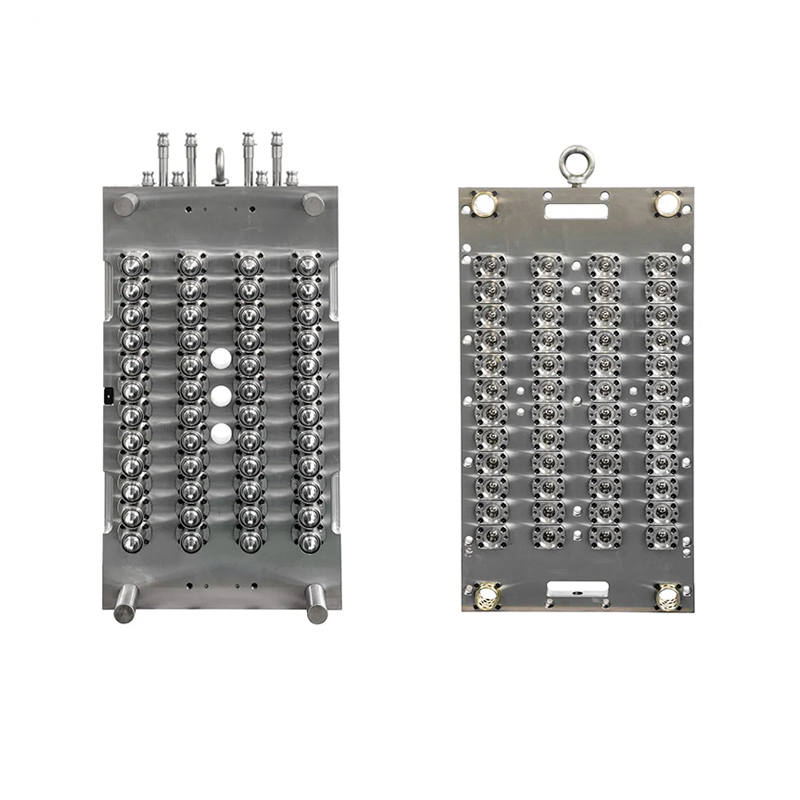
The Qihong 48-Cavity Preform Mold(Mould) is the ideal choice for high-volume PET...
See Details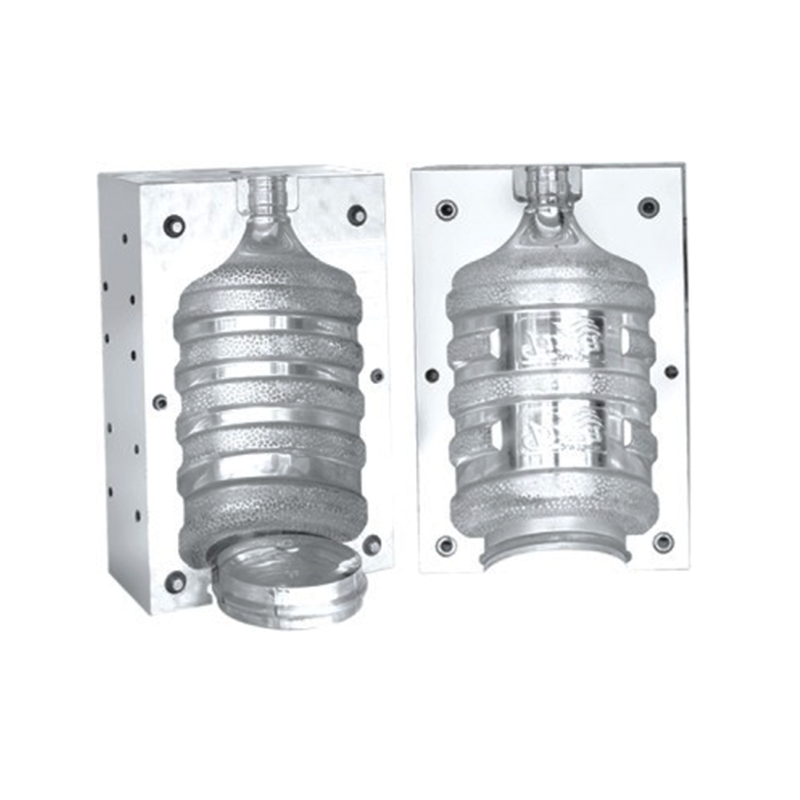
This Five Gallons Bottle Mold(Mould) comes straight out of Taizhou, Zhejiang—bui...
See Details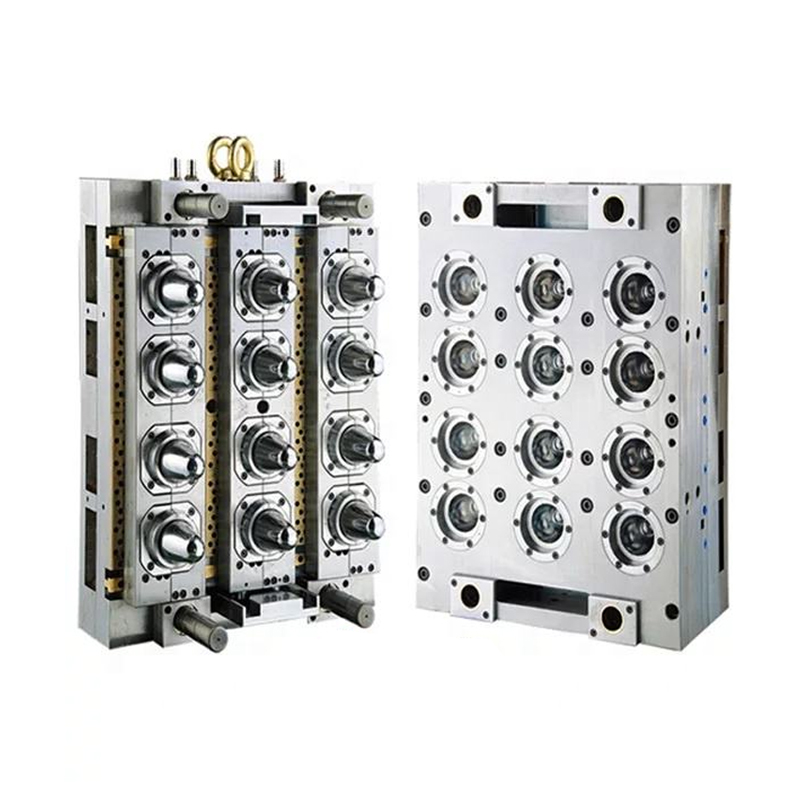
The 12-Cavity Wide-Mouth Mold(Mould) is made for manufacturers running wide-mout...
See Details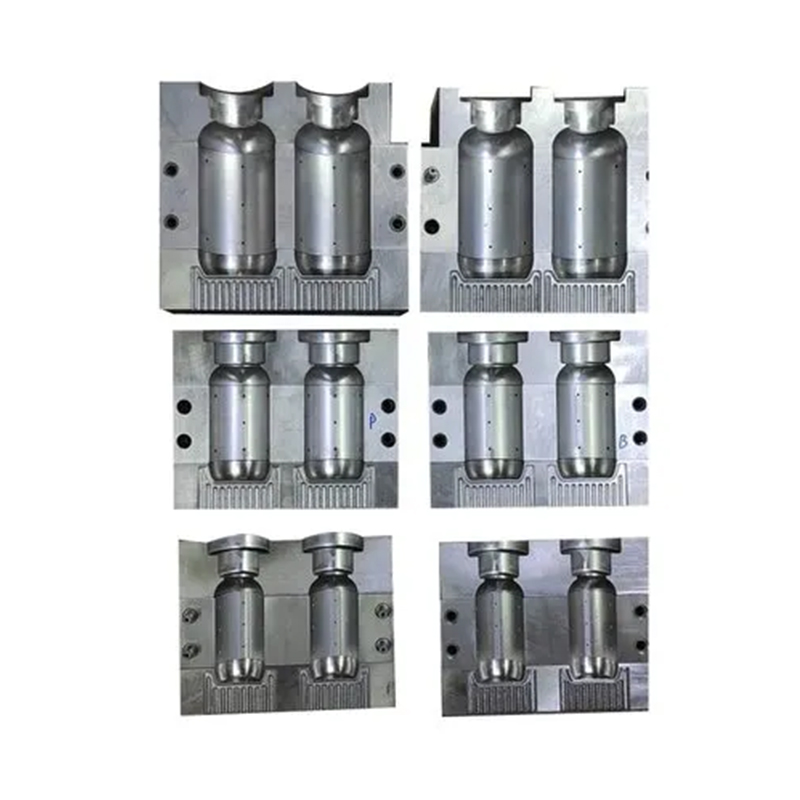
Medicine bottle molds are specialized tools designed for the efficient productio...
See Details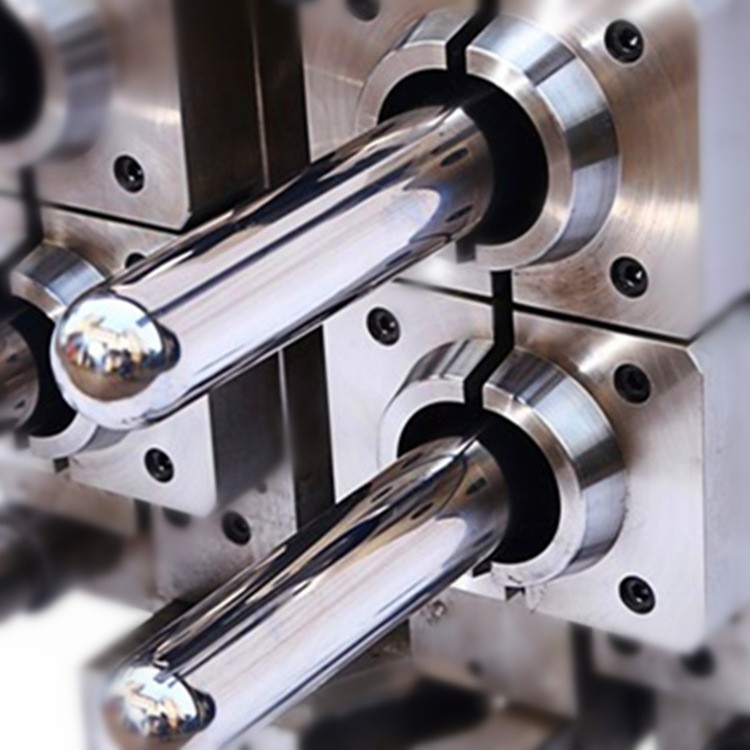
Mould Specifications Product : Preform Mould Brand : Taizhou QihongMould C...
See Details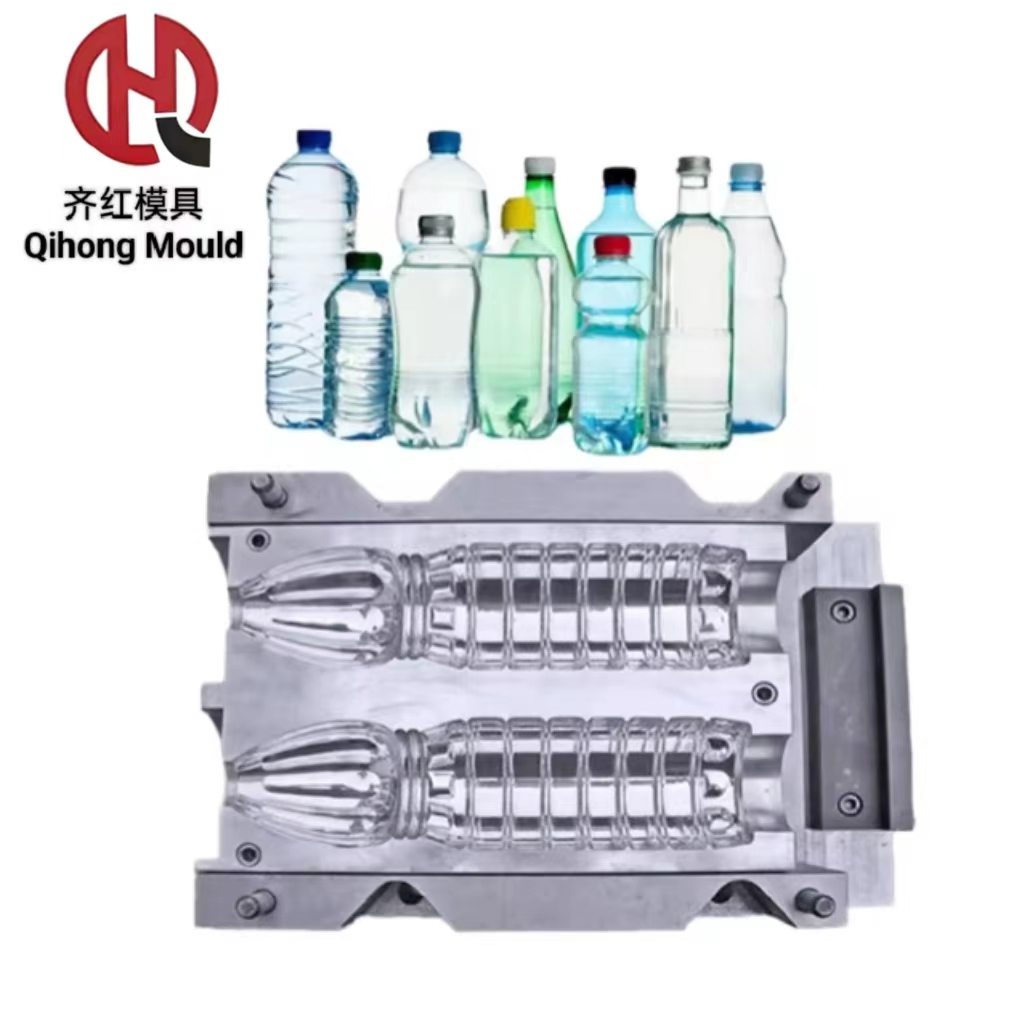
Mould Specifications Product : Blowing Mould Brand : Taizhou QihongMould C...
See Details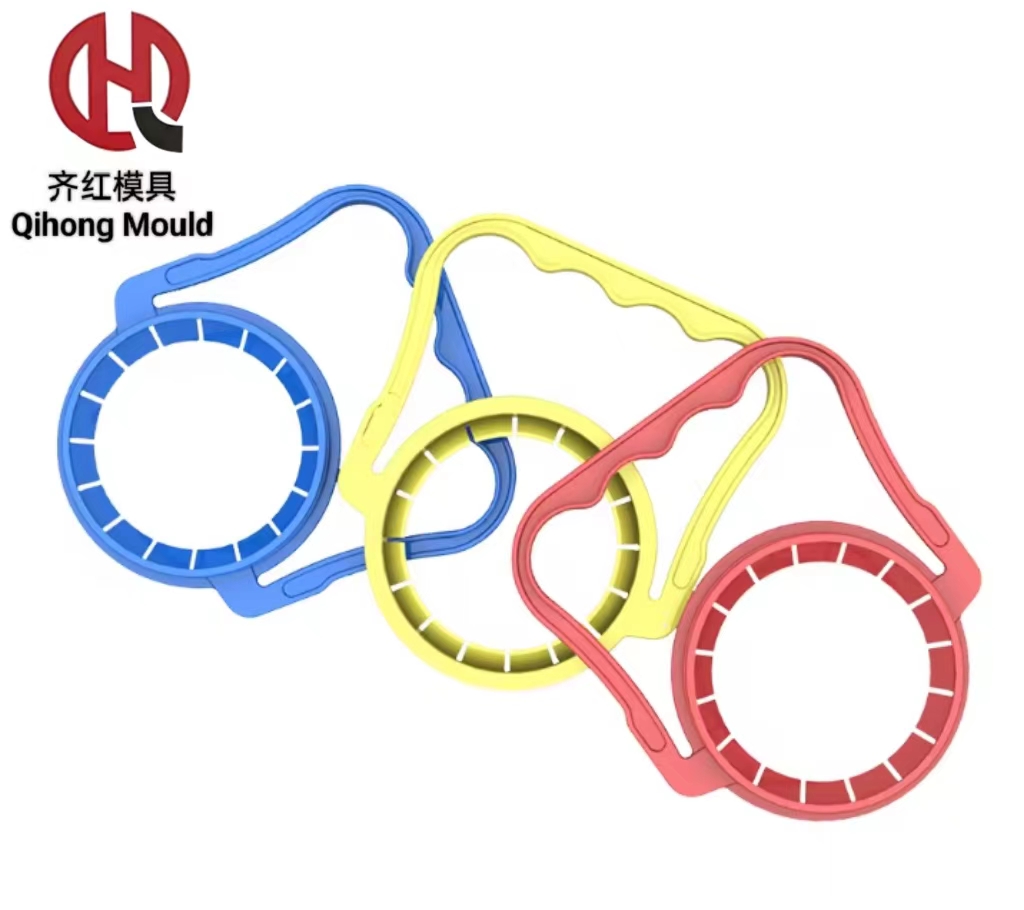
Mould Specifications Product : Plastic Handle Mould Brand : Taizhou Qihong...
See Details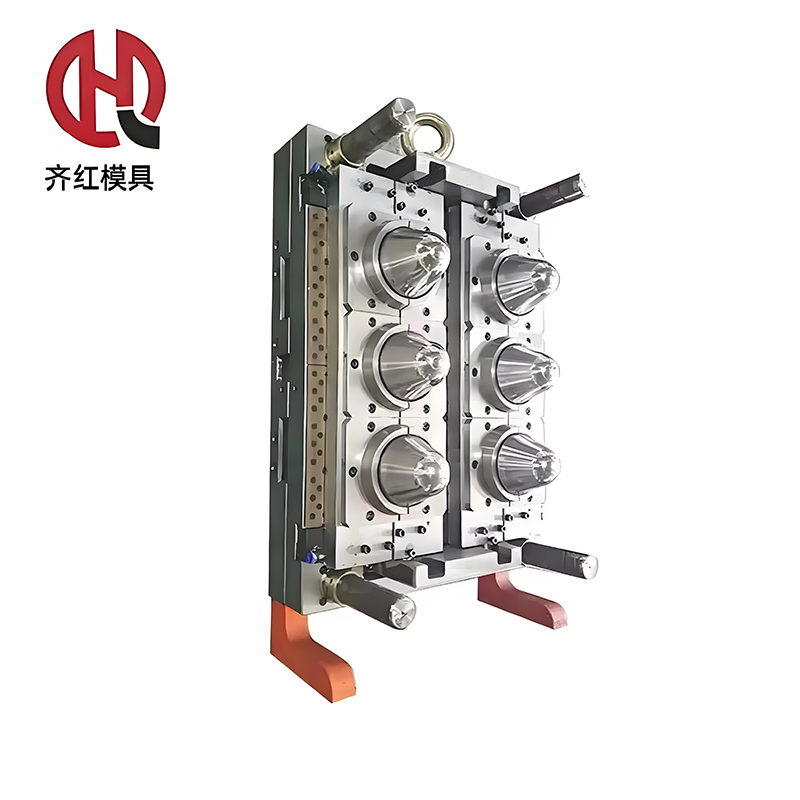
Water and beverage preform mold, Edible oil preform mold, Preform Mold for cosme...
See Details
WhatsApp:+(86) 13957659071 / +(86) 18158637057 / +(86) 15395760157


ADD:Baige Science and Technology Park, Huangyan District, Taizhou City, Zhejiang Province, China.