English
 русский
 عربى
عربى


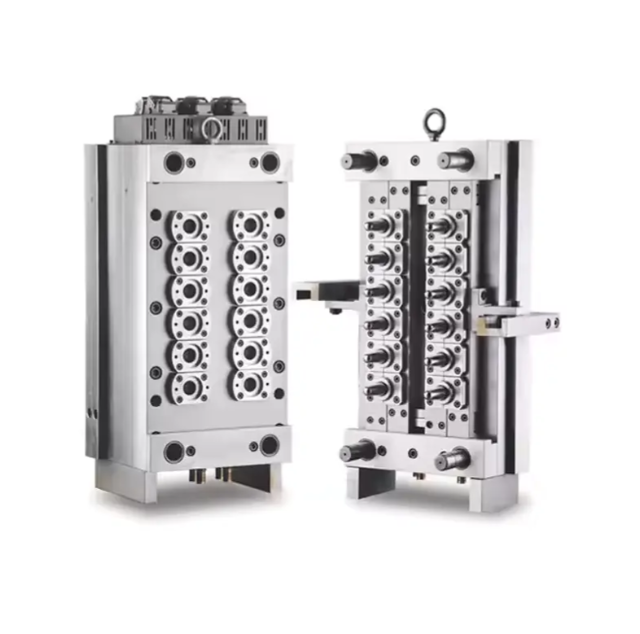
Bottle Cap Mold(Mould)
A Bottle Cap Mold is a precision tool used in the manufacturing of bottle caps. ...
See Details


Plastic bottle mould manufacturers are not always visible in the final product, but their influence runs through almost every packaged liquid people use daily. From drinks on store shelves to cleaning liquids at home, the bottle shape begins long before filling starts. It starts with mould design, structural planning, and production coordination.
Different industries depend on this process in different ways. Some focus on high-speed production stability. Others care more about shape variation or user handling. What connects them is the need for consistent containers that can support both production and real-world use.
Plastic bottles are one of the most flexible packaging forms. They are light, easy to transport, and adaptable in shape. But what makes them truly scalable is mould-based production.
A mould defines:
Because of this, industries that rely on liquid or semi-liquid products often build their packaging systems around moulded bottles. Once a mould is stable, it can support large-scale production without changing the core design.
Even small adjustments in mould structure can influence filling speed, sealing behavior, or stacking performance. That is why mould manufacturers are often involved early in product planning rather than only at the production stage.
Several industries rely heavily on bottle mould systems because they deal with continuous packaging needs. Among them, a few stand out due to volume, consistency requirements, or product diversity.
This is one of the most visible users of plastic bottle moulds. Water, soft drinks, juices, and similar products all depend on stable bottle design for mass production.
In this sector, consistency is more important than complexity. Production lines often run continuously, so even small variations in bottle shape can interrupt filling or labeling processes.
One key requirement is stable structural behavior during transport. Bottles need to hold shape when stacked, moved, or stored for long periods. Another is compatibility with automated filling systems, where even minor differences can affect flow timing.
This category includes edible oils, sauces, dairy liquids, and similar products. Unlike beverages, these containers often deal with different flow characteristics and usage patterns.
Bottle design in this industry tends to focus on controlled pouring and safe storage. The shape must support practical handling, especially in kitchen environments where grip and flow control matter.
In many cases, mould design is adjusted to balance two needs at once:
This balance makes mould accuracy important, even when bottle appearance is not the main focus.
Shampoos, lotions, body wash, and skincare products rely heavily on plastic bottle moulds. In this industry, packaging is not only functional but also part of product identity.
Unlike industrial packaging, this sector often uses a wider range of shapes and surface styles. Mould manufacturers play a role in turning design concepts into repeatable production forms.
In practice, two points often matter most:
Because these products are handled directly by consumers, even small differences in shape or dispensing behavior can be noticeable.
Cleaning liquids and detergents also depend on plastic bottle mould systems. These products are usually used repeatedly and stored in different environments, from kitchens to industrial spaces.
Durability becomes a key factor here. Bottles must remain stable even after repeated squeezing or handling. They also need to maintain structure during storage, especially when exposed to varying temperatures.
Mould design in this sector often focuses on long-term stability rather than visual variation. Once a design is established, it is usually used for long production cycles with minimal change.
This industry has stricter expectations for container consistency. Liquid medicines, supplements, and healthcare solutions require stable and controlled packaging.
Bottle mould design here is closely linked to safety and accuracy. Even small variations in shape can affect dosage behavior or sealing performance.
A common requirement is uniform output across long production runs. This ensures that every container behaves the same way during filling, storage, and use. In this context, mould precision supports not only production efficiency but also product reliability.
Bottle mould suppliers deliver far more than finished tooling based on customer drawings; their design and build choices directly decide how seamlessly downstream production lines keep running after formal mass production kicks off.
Uniform finished dimensions are non-negotiable for high-volume factory runs. Even tiny dimensional deviations from one bottle to another can throw off automated filling nozzles or throw labeling positioning out of sync, triggering intermittent line halts.
Two core advantages brought by well-engineered moulds prove critical on actual shop floors:
These two perks minimise unplanned downtime and let production maintain an uninterrupted pace over long working shifts.
Packaging specs shift widely from one industry to the next, and even brands inside the same field often need custom bottle contours or functional tweaks for different product ranges.
Cosmetic containers are commonly crafted for comfortable handheld use, whereas drink bottles get engineered to stack securely inside cartons and warehouse racks. Household detergent packaging prioritises sturdy build and easy gripping over eye-catching exterior styling.
That's why adaptable mould development is so valuable. Fabricators tweak their mould layouts around these real-world demands:
Customised design isn't just for better shelf looks; it optimises every step as goods travel from factory floor all the way to retail storage.
When factories ramp up production volumes across various sectors, manufacturers start hunting for moulds capable of steady, identical output. Lengthy mass production runs cannot afford erratic material forming, so reliable mould sets grow more sought-after.
Suppliers making Plastic Preform Moulds Supplier get judged mainly by how their tooling holds up through nonstop manufacturing. Tiny dimensional flaws might stay hidden at trial production, yet they gradually surface once the equipment runs thousands of continuous cycles.
That explains why factory buyers prioritize long-run dependability over fast initial output. A mould keeping consistent results for months on end brings far more commercial value than options that work flawlessly only for the first few batches.
Products end up used in totally separate markets, yet nearly all businesses making liquid packaging share one core need: reliably churning out containers with uniform dimensions every single run.
Plastic bottle mould equipment fulfills this fundamental requirement. No matter the end goods—beverage bottles, cosmetic jars, household detergent containers or medical liquid packaging—the core manufacturing logic stays unchanged: convert fixed mould geometry into identical finished products.
Differences only emerge in practical application details:
Thanks to this shared underlying technical framework, mould producers can cater to clients spanning diverse fields simultaneously.
Packaging market demands keep updating year by year, which directly pushes mould engineers to refine their design approach. Brands constantly seek a middle ground between faster production speeds, convenient end-use experience and stable mass manufacturing.
Modern mould development no longer centers merely on a container's outer appearance; designers must factor in real-world practical factors:
These multi-angle design checks bridge conceptual packaging design and actual factory production performance.
Bottle mould makers stay deeply involved in this ongoing upgrade cycle, consistently backing packaging businesses that depend on repeatable, stable container manufacturing year-round.
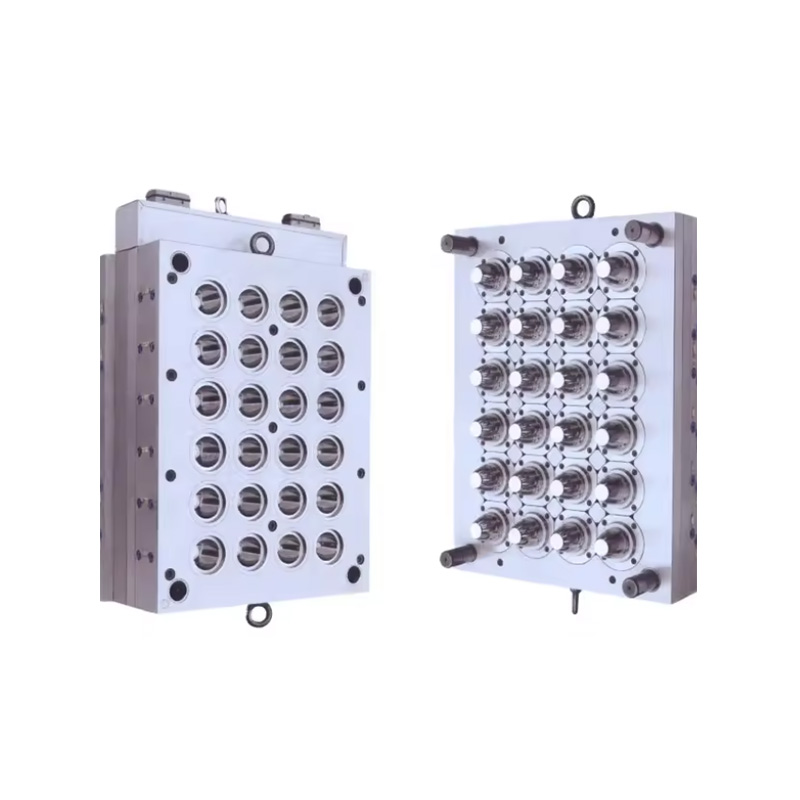
A Bottle Cap Mold is a precision tool used in the manufacturing of bottle caps. ...
See Details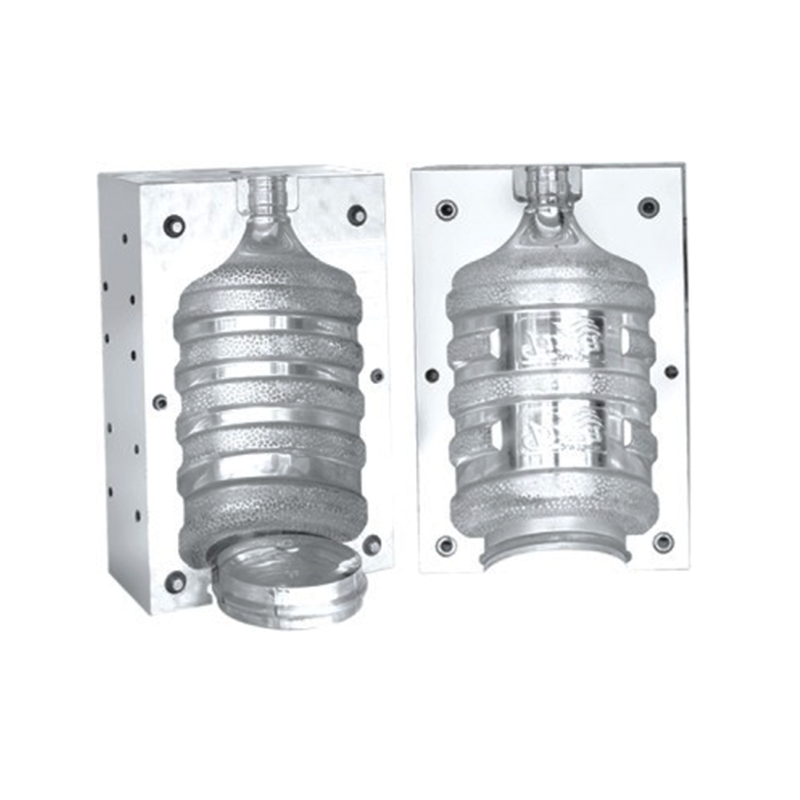
This Five Gallons Bottle Mold(Mould) comes straight out of Taizhou, Zhejiang—bui...
See Details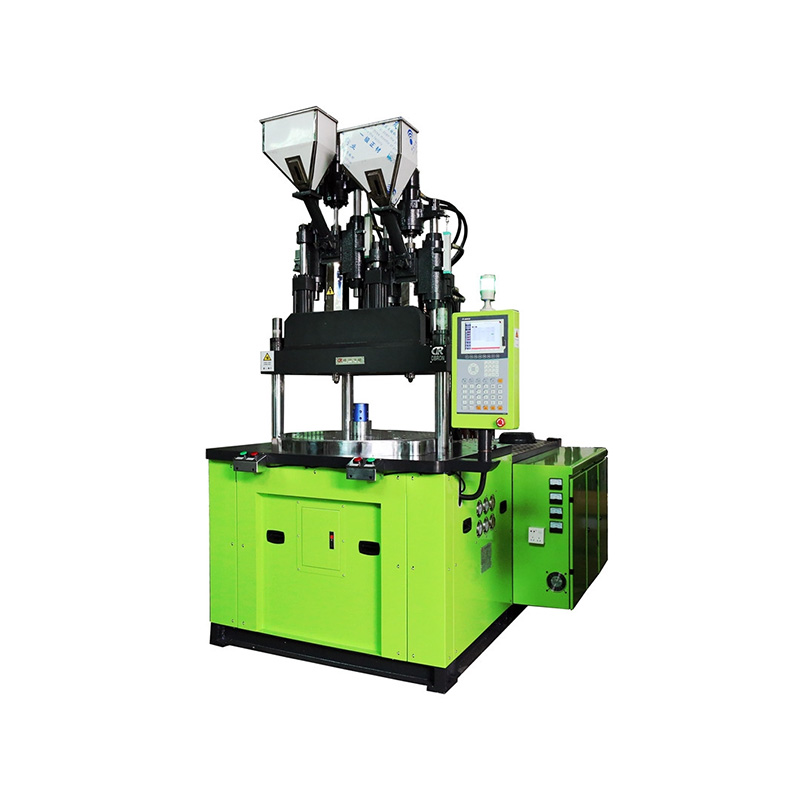
An Injection Molding Machine is an essential industrial tool used for producing ...
See Details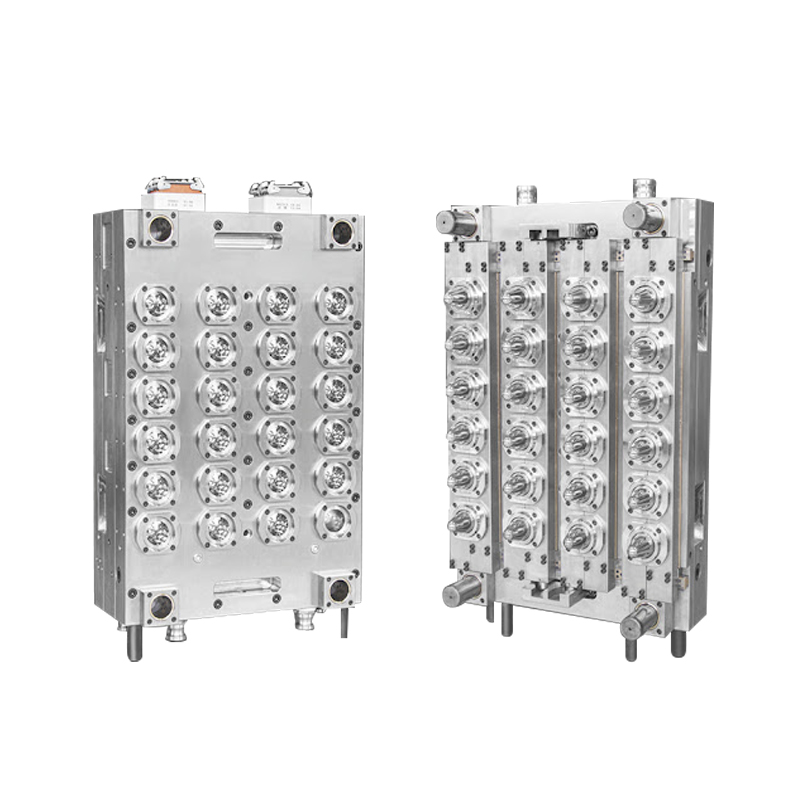
The 24-cavity wide-mouth mold is a precision tool designed for producing wide-mo...
See Details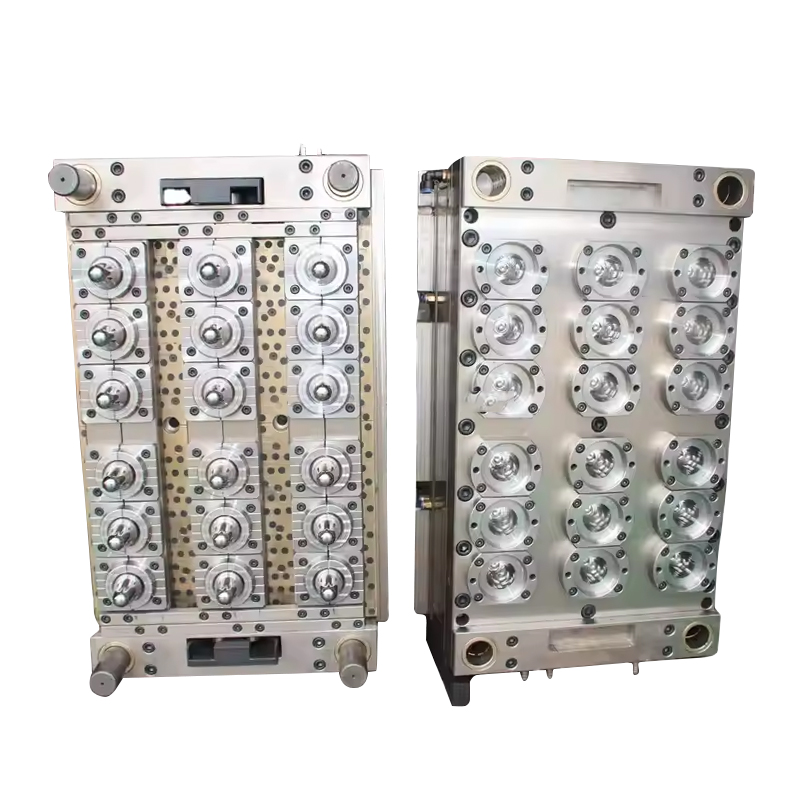
The 18-cavity wide-mouth mold is a high-efficiency tool specifically designed fo...
See Details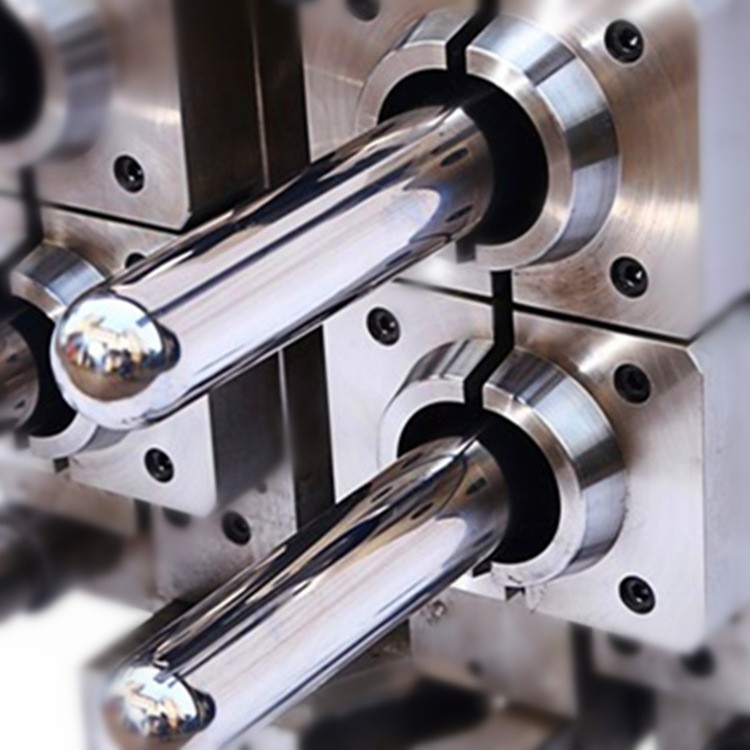
Mould Specifications Product : Preform Mould Brand : Taizhou QihongMould C...
See Details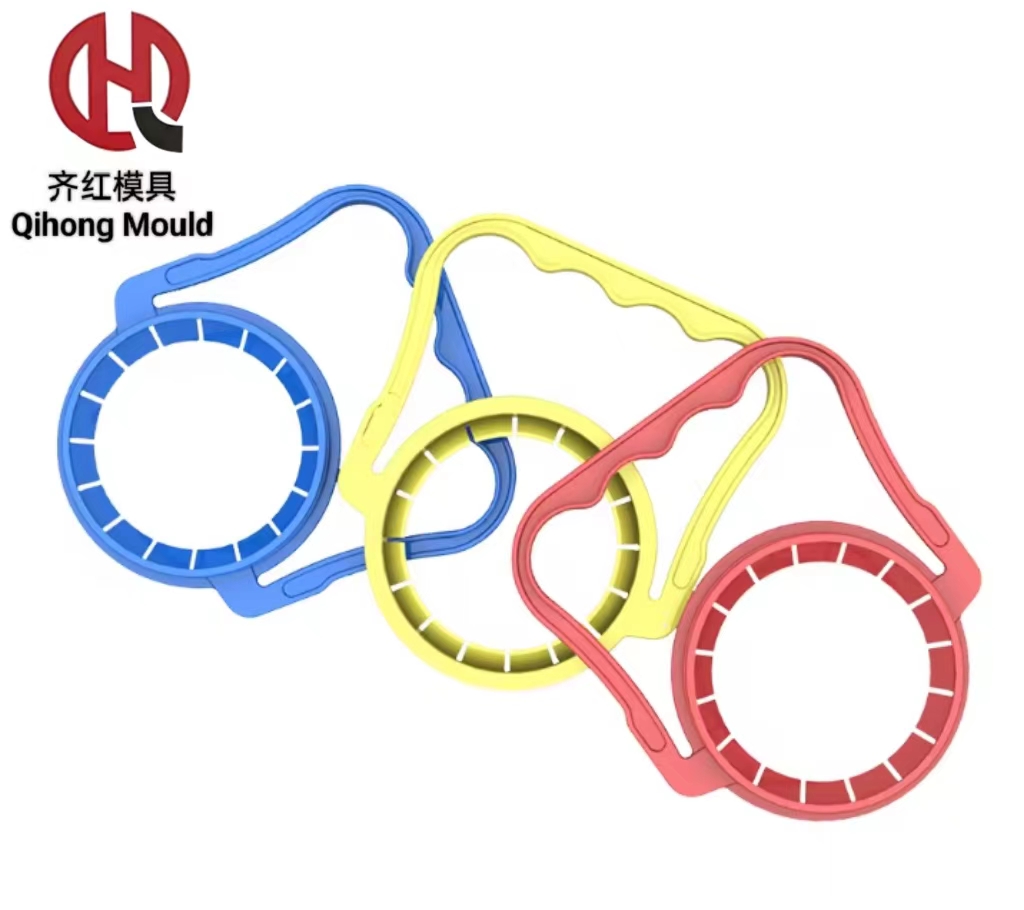
Mould Specifications Product : Plastic Handle Mould Brand : Taizhou Qihong...
See Details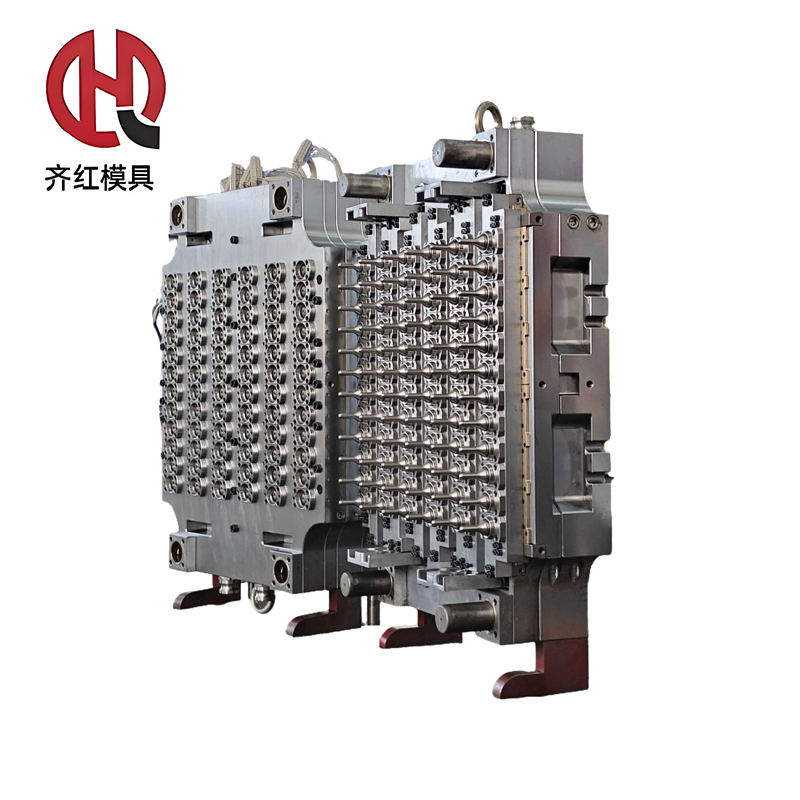
Standardization of mold partsHigh-precision processing equipment is used to ensu...
See Details
WhatsApp:+(86) 13957659071 / +(86) 18158637057 / +(86) 15395760157


ADD:Baige Science and Technology Park, Huangyan District, Taizhou City, Zhejiang Province, China.