English
 русский
 عربى
عربى

48-Cavity Preform Mold(Mould)
The Qihong 48-Cavity Preform Mold(Mould) is the ideal choice for high-volume PET...
See Details


Metal Water Bottle Mold are not something that appears ready at the start. They are built step by step, and each step changes how the final bottle will behave later on the production line. In actual factories, this process is usually slow, careful, and often adjusted along the way rather than strictly fixed from beginning to end.
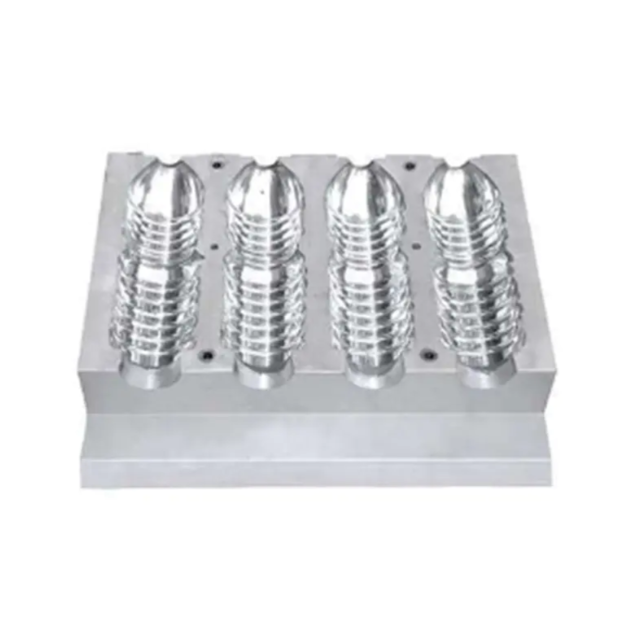
What matters most is not only the final shape, but whether the mold can keep producing stable bottles after repeated use.
It does not start with metal cutting. It starts with understanding what kind of bottle will be produced.
Before anything physical happens, there is usually a long period of thinking around how the bottle should behave in real use. Some bottles need easy gripping. Some need stable stacking. Some need smooth filling without splashing.
At this stage, people usually look at:
There is often back-and-forth discussion here. Small shape decisions can affect the whole production flow later, so changes are common before anything is made.
Once the design is confirmed, metal materials are selected and prepared. This part may sound simple, but in real workshops it is very practical work.
The material is checked, cleaned, and cut into workable blocks. Nothing is rushed because any hidden flaw in the base material can later show up as inconsistency in production.
At this point, the focus is not on appearance. It is more about whether the material behaves in a stable and predictable way during later shaping.
After preparation, the actual forming process begins. This is where the inside of the mold slowly takes shape.
Instead of shaping everything in one go, it is done in stages. Material is removed step by step, and after each stage, the structure is checked again.
In real factory work, this usually includes:
It is normal for changes to happen during this stage. The mold often "reveals" small issues only after partial shaping, so adjustments are part of the process rather than exceptions.
Inside the mold, surface quality directly affects how the bottle looks and behaves. If the surface is not smooth enough, the bottle may show marks or release unevenly.
So workers do not treat surface finishing as a final step only. It happens gradually while shaping is still going on.
Typical work includes smoothing inner walls, adjusting transitions, and removing small irregular marks left during machining.
It may sound repetitive, but in practice it is more like refining than polishing. The goal is not just smoothness, but consistency across the whole cavity.
A mold is not always a single solid piece. It is usually made from several sections that must fit together very precisely.
During assembly, these parts are slowly aligned and checked. Even if each part is made correctly, the overall structure still depends on how well they fit together.
In actual workshops, technicians often:
This stage is very sensitive. A tiny mismatch here can affect how bottles form later, even if everything else is correct.
Before a mold is put into full use, it is usually tested in real working conditions. This is where hidden issues sometimes appear.
The mold is run through repeated cycles, and each cycle is observed. Not just the first one, but many in a row.
People usually watch:
If something feels off, it is not ignored. It is adjusted and tested again. This back-and-forth testing is normal and expected.
Once a mold enters production, it is used repeatedly. Over time, small wear naturally appears, but the goal is to keep that change slow and controlled.
In practice, long-term performance depends on:
Factories usually notice problems not suddenly, but gradually. For example, bottles may start showing slight differences after long production periods rather than immediately.
Not all bottle molds are the same. Some are simple, while others have more detailed shapes or special functions.
Simple molds usually move faster through production steps. Complex ones take more time because they need more checking, more adjustments, and more repeated testing.
In real manufacturing, complexity often shows up in:
There is no fixed rule. It depends on how detailed the final bottle design is.
When multiple molds are made for similar use, consistency becomes important. Even small differences can affect production lines later.
To handle this, manufacturers try to keep process steps as stable as possible. They repeat similar methods, check results at key stages, and compare output between molds.
What they are really trying to avoid is variation that only appears after production has already started.
Metal water bottle mold manufacturing is not something that ends once a single mold is finished. It is more like a repeating process that improves slowly over time.
Small changes in design thinking, shaping methods, and testing habits keep appearing as production needs change.
It is less about one perfect method and more about adjusting until the mold behaves in a stable and predictable way in real factory conditions.
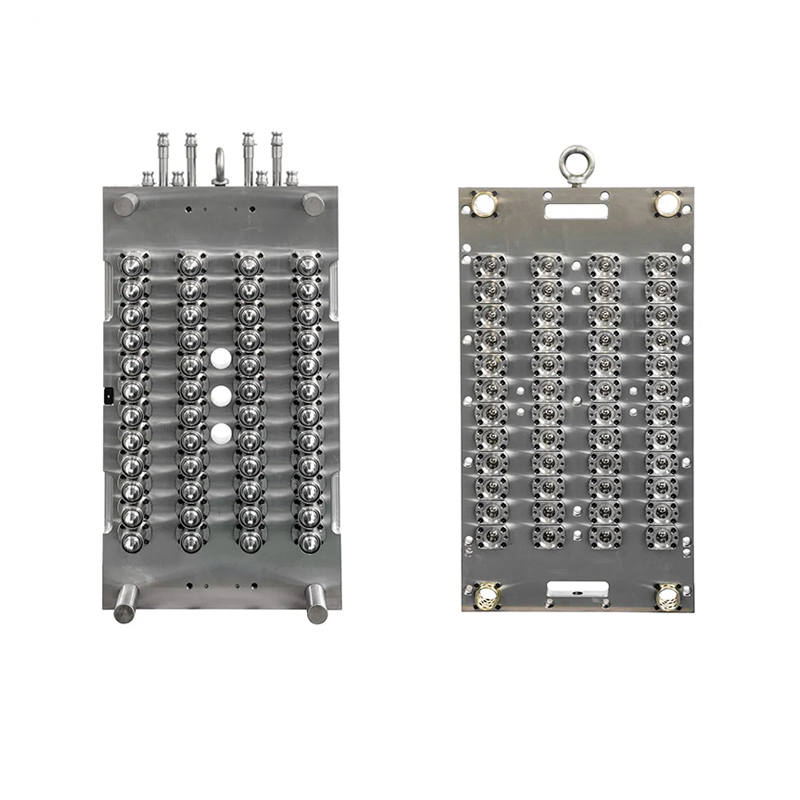
The Qihong 48-Cavity Preform Mold(Mould) is the ideal choice for high-volume PET...
See Details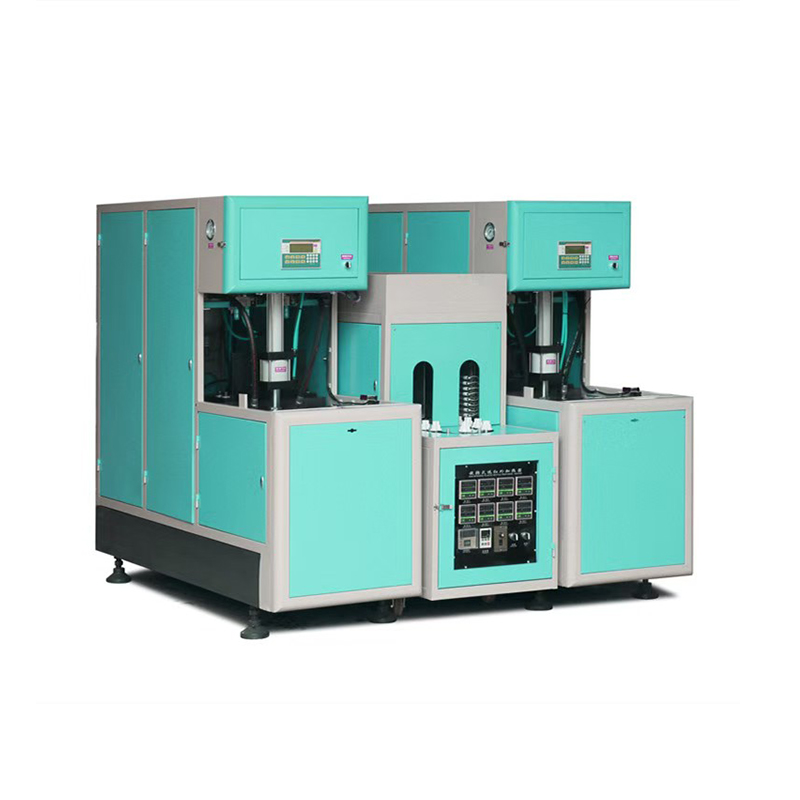
Semi-Automatic Blowing Machines are specialized machines used in the production ...
See Details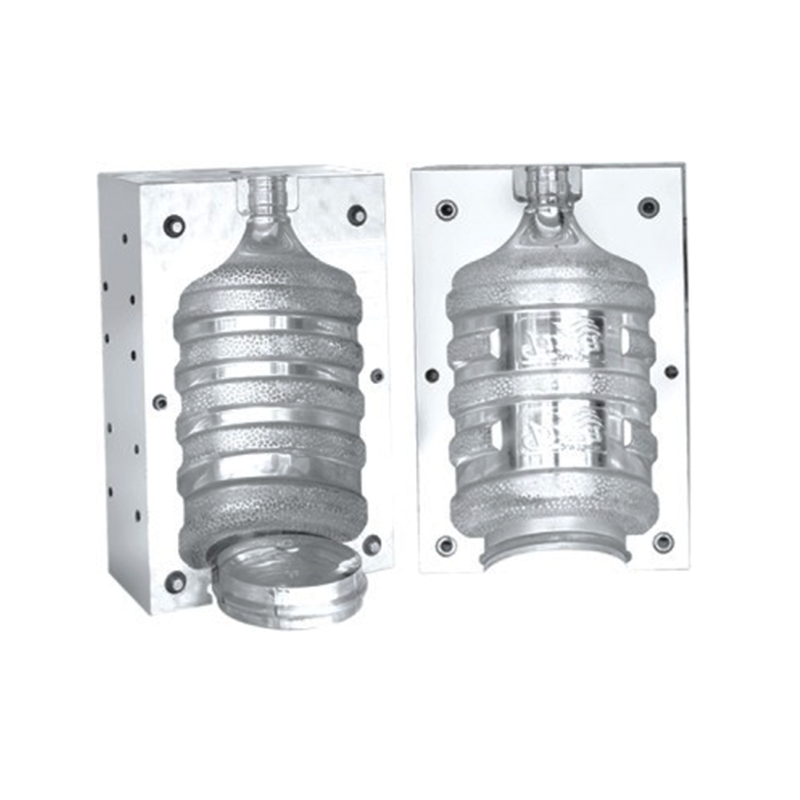
This Five Gallons Bottle Mold(Mould) comes straight out of Taizhou, Zhejiang—bui...
See Details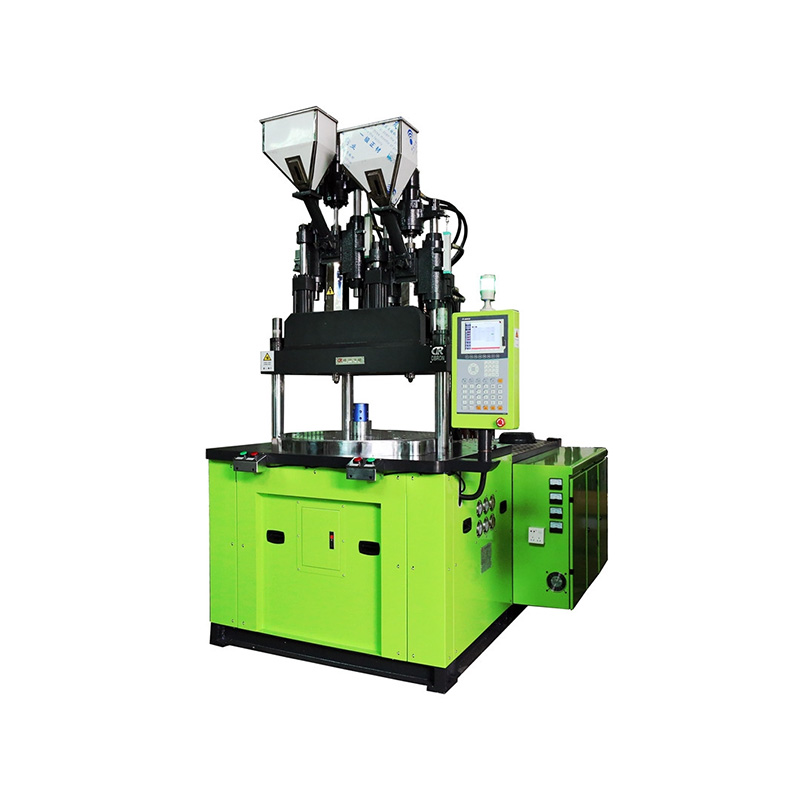
An Injection Molding Machine is an essential industrial tool used for producing ...
See Details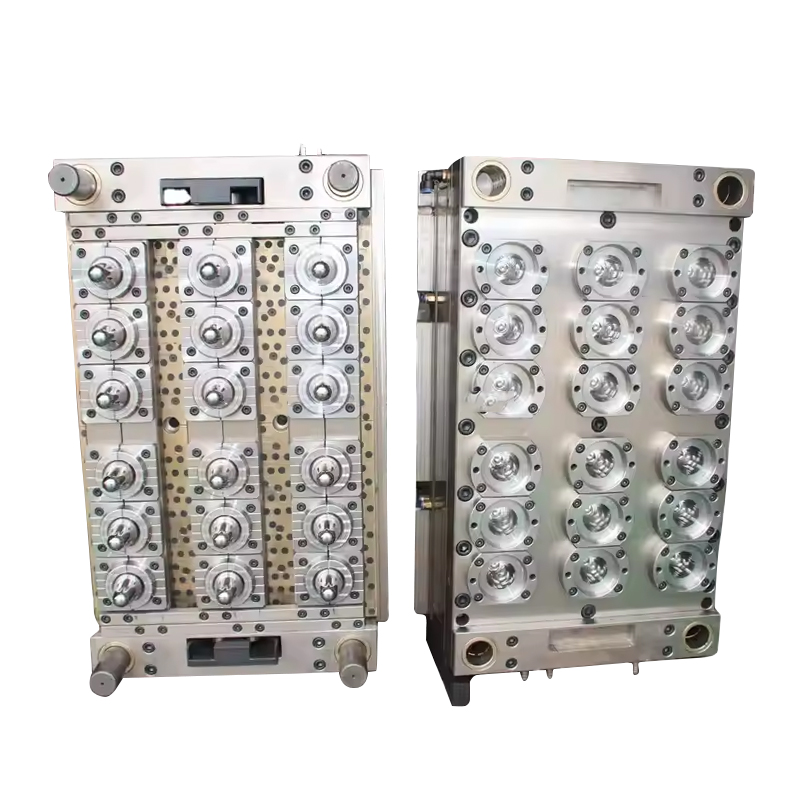
The 18-cavity wide-mouth mold is a high-efficiency tool specifically designed fo...
See Details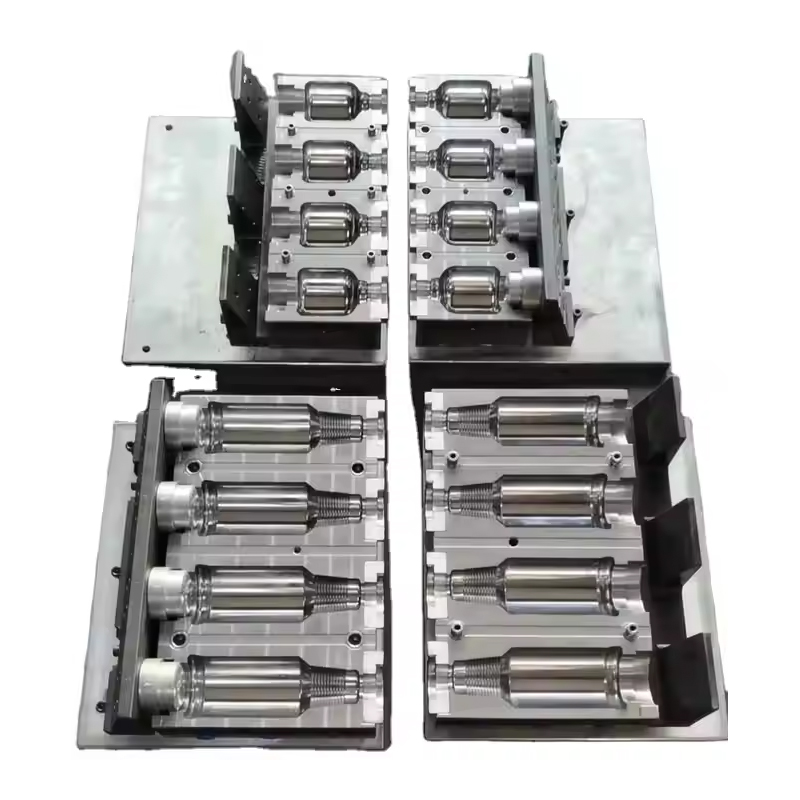
Our Cosmetic Bottle Mold is engineered for precision, reliability, and durabilit...
See Details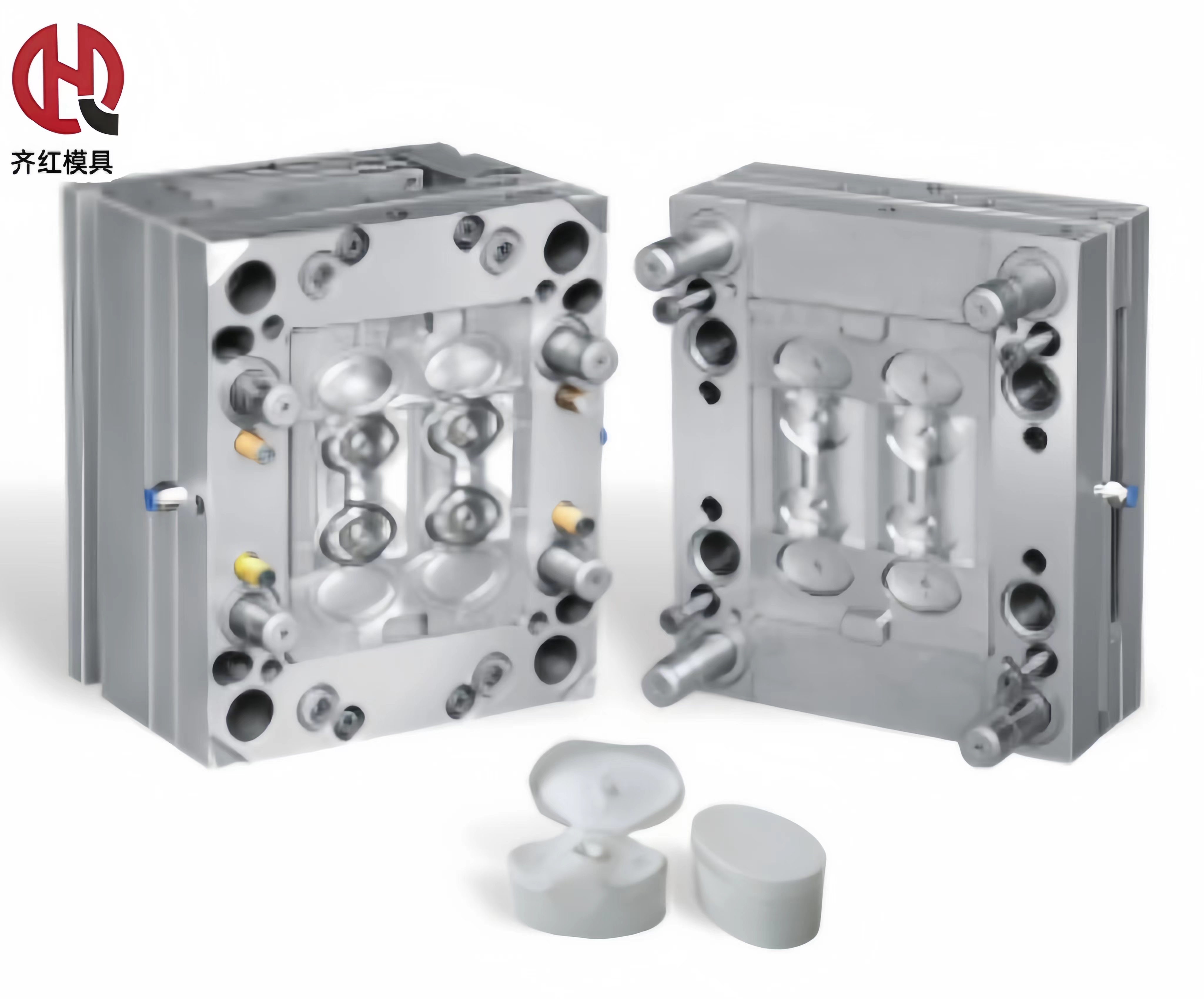
Plastic Cap Mould is designed for high precision plastic cap production. The Chi...
See Details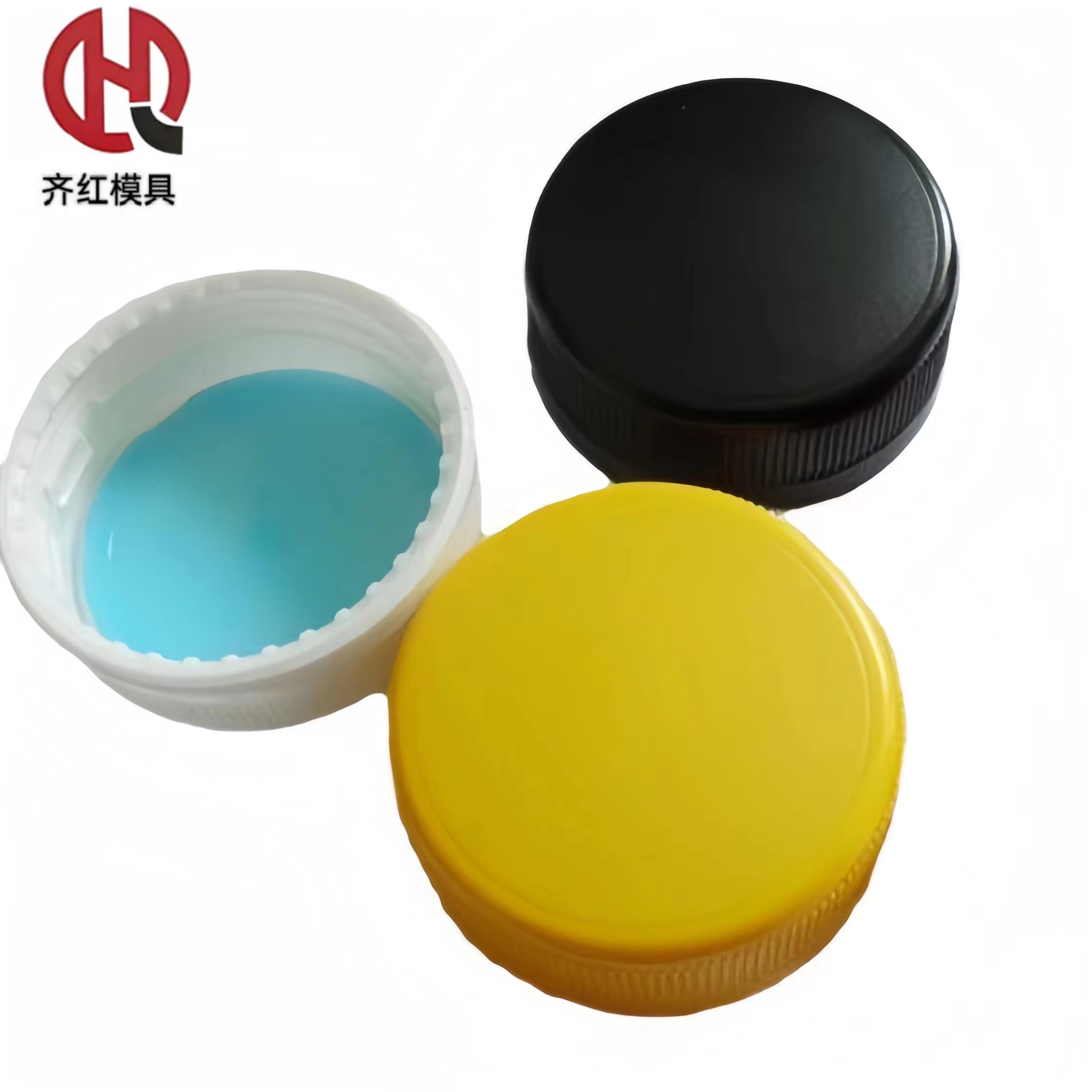
Mould Specifications Product : Cap Mould Brand : Taizhou QihongMould Co.,L...
See Details
WhatsApp:+ (86) 13957659071 / + (86) 18158637057

E-Mail:[email protected]

ADD:Baige Science and Technology Park, Huangyan District, Taizhou City, Zhejiang Province, China.