English
 русский
 عربى
عربى

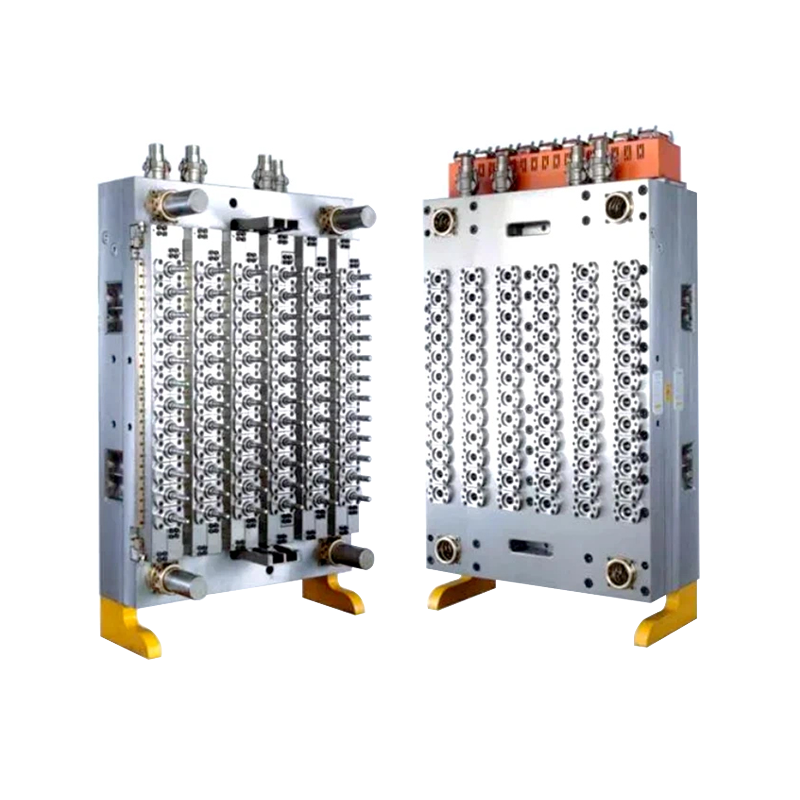
72-Cavity Preform Mold(Mould)
The 72-Cavity Preform Mold(Mould) is a solid, no-nonsense choice when you need t...
See Details


Plastic injection cap mold design is rarely one fixed pattern reused everywhere. Even when the base idea looks similar, the details shift depending on where the cap will be used, how it will be handled, and what kind of environment it must function in.
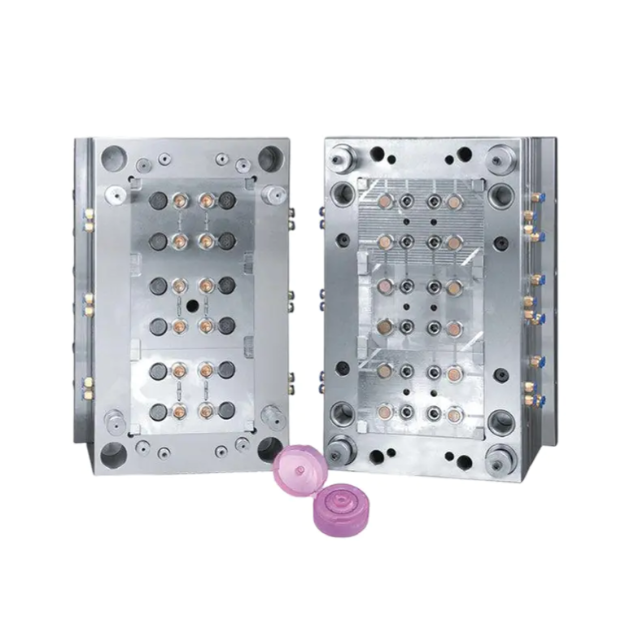
At first glance, a cap is just a closing component. But in practice, it connects with packaging systems, user behavior, storage conditions, and product safety expectations. These differences quietly shape how molds are designed and adjusted.
Instead of a single standard approach, mold design becomes a response to application needs.
A cap is not an isolated part. It interacts with bottles, liquids, transportation, and end users. Each of these interactions places different expectations on the final shape.
A simple closure used for light handling may not behave the same way in a system that experiences pressure changes or repeated opening cycles. Even storage time can influence how the design is approached.
This is why mold design cannot remain identical across applications. The structure must reflect how the product will be used in real conditions.
Small differences in use often lead to noticeable differences in design logic.
Bottle shape and container structure play a strong role in mold variation.
Some containers are narrow and require precise alignment during sealing. Others are wider and focus more on stability during handling. The interface between cap and container changes the expectations placed on the mold.
Even slight differences in neck structure can influence how the cap fits, locks, or releases. These changes are reflected back into mold design decisions.
In practical terms, the mold must match not just the cap shape, but the entire closing relationship.
What goes inside the container often matters more than the container itself.
Different contents behave differently over time. Some remain stable. Others may react to temperature or movement. These behaviors influence how tightly a cap should seal and how it should open.
A product that requires long-term sealing may need a different structural approach compared to one designed for frequent opening.
This is not about adding complexity, but about matching function with behavior. The mold becomes part of that adjustment process.
User interaction is one of the most direct influences on mold design.
Some caps are designed for quick opening. Others require controlled pressure or specific motion. The feel of opening and closing is not accidental. It is shaped through design decisions that are reflected in the mold.
In many cases, small structural changes are introduced to guide user behavior without needing instructions.
The way a cap feels in the hand often determines whether the design is considered practical in its application.
Not all production environments operate under the same conditions.
Some production lines focus on continuous high-volume output. Others prioritize flexibility for different product types. These differences influence mold structure and complexity.
A mold used in a stable, repetitive production setting may be designed for consistency and long cycles. A mold used in flexible environments may need to adapt more easily to variation.
Even handling and maintenance expectations can shift design choices.
The production environment becomes part of the design input, not just the background.
Sealing behavior is one of the most sensitive parts of cap design.
Some applications require tight sealing to reduce leakage risk. Others require easier release for frequent access. The balance between these two needs affects how the mold is structured.
Small variations in internal shape can change how pressure is distributed when the cap is closed. This directly affects performance in real use.
Because sealing is not only about structure but also about interaction, mold design often reflects a careful balance rather than a fixed rule.
Caps and containers often travel long distances before reaching end users.
During transport, vibration, stacking, and temperature changes can affect packaging systems. These conditions influence how secure the closure must be.
In some cases, caps need to maintain stability under repeated movement. In others, they must preserve freshness over extended storage periods.
These practical conditions feed back into mold design decisions, even if they are not visible in the final product.
| Application factor | Influence on mold design behavior |
|---|---|
| Container shape | Adjusts fit and alignment structure |
| Product type | Affects sealing and opening behavior |
| User interaction | Shapes usability and grip design |
| Production flow | Influences mold stability and cycle design |
| Storage conditions | Impacts closure tightness and durability |
| Transport environment | Affects structural resistance needs |
Different applications often involve different material behaviors during use.
Some caps need to remain firm over time. Others must tolerate repeated opening without deformation. These expectations influence how the mold is shaped and balanced.
Material response during cooling and forming also interacts with mold structure. Even small differences in cooling behavior can affect final consistency.
Because of this, mold design is not only about shape but also about how the material behaves during formation.
Off-the-shelf mold solutions perform reliably under fixed working conditions, but every production site has its own unique setups.
Different industries, packaging workflows and product handling procedures all bring different operational needs. In most cases, we don't need to redo the entire structure — just fine-tune certain parts and fitting sizes.
These targeted changes help the mold fit perfectly with on-site requirements, even for the smallest details that matter a lot.
We never use a single standard mold for all applications. Every design is adjusted to fit the actual working routines on the production line.
Thanks to this flexibility, cap molds can deliver stable performance in diverse production scenarios.
Molds are made to support continuous production, and designers always take long-term service life into full consideration.
The caps produced need to keep their shape and normal function after long-term use, which decides how to arrange stress points inside the mold structure.
Frequent opening actions, exposure to different environments and long storage will gradually cause wear and deformation. For this reason, we optimize the overall structure of the mold to resist such impacts.
The final design prioritizes consistent performance after repeated use, rather than only focusing on the appearance of newly made products.
Plastic injection cap mold design is shaped by a combination of practical needs rather than a single standard rule.
Each application introduces its own set of conditions. Container shape, product behavior, user expectations, production environment, and logistics all interact in different ways.
Because these factors rarely stay the same across industries, mold design naturally evolves from case to case.
Variation is not an exception in this field. It is part of how the system adapts to real-world use.
The 72-Cavity Preform Mold(Mould) is a solid, no-nonsense choice when you need t...
See Details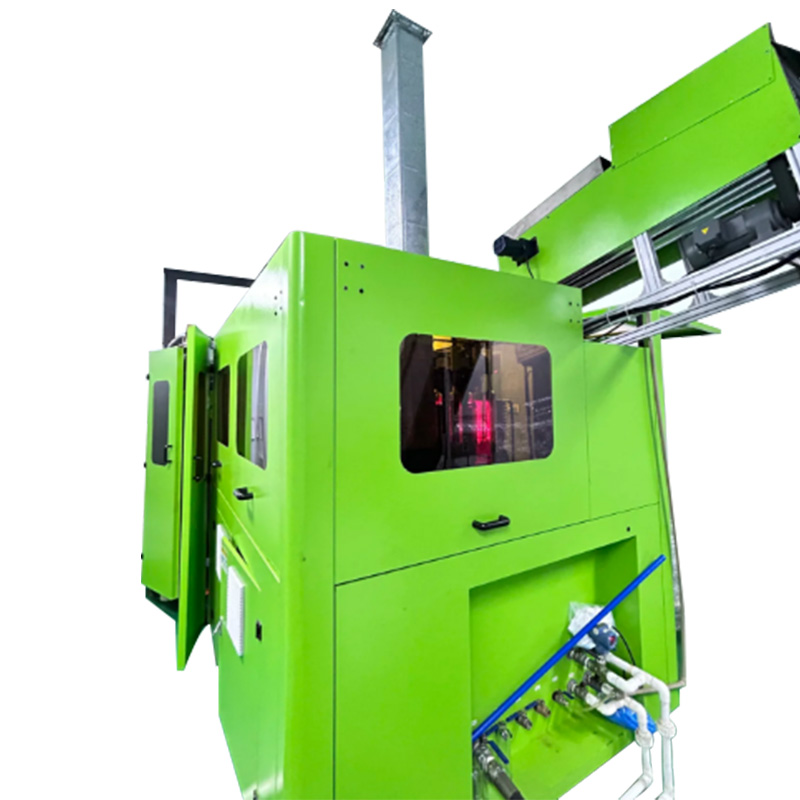
Automatic blowing machines are essential equipment in modern bottle manufacturin...
See Details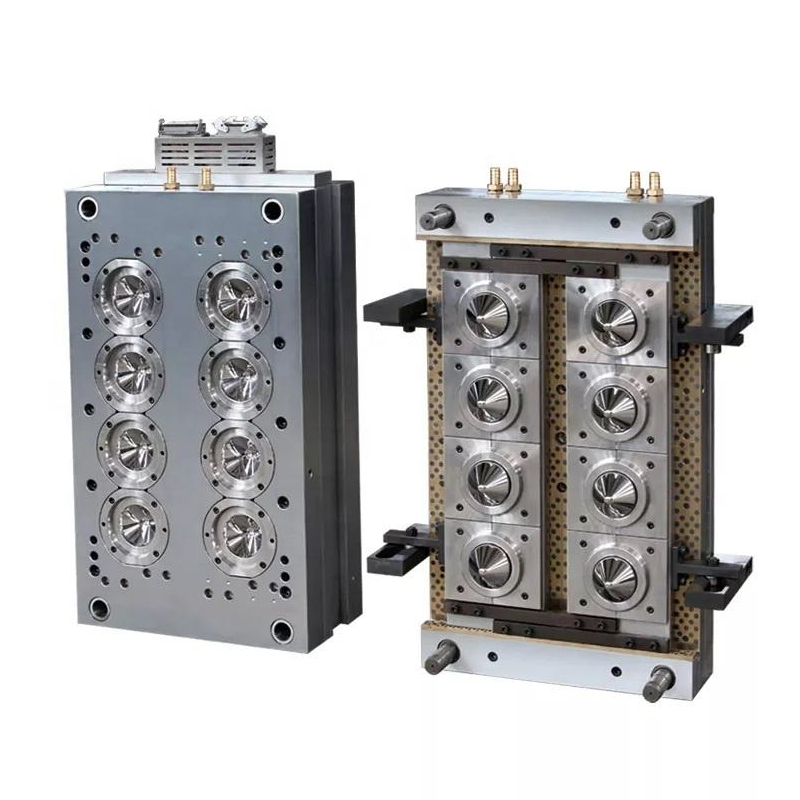
The 8-cavity wide-mouth mold is designed to produce plastic containers with larg...
See Details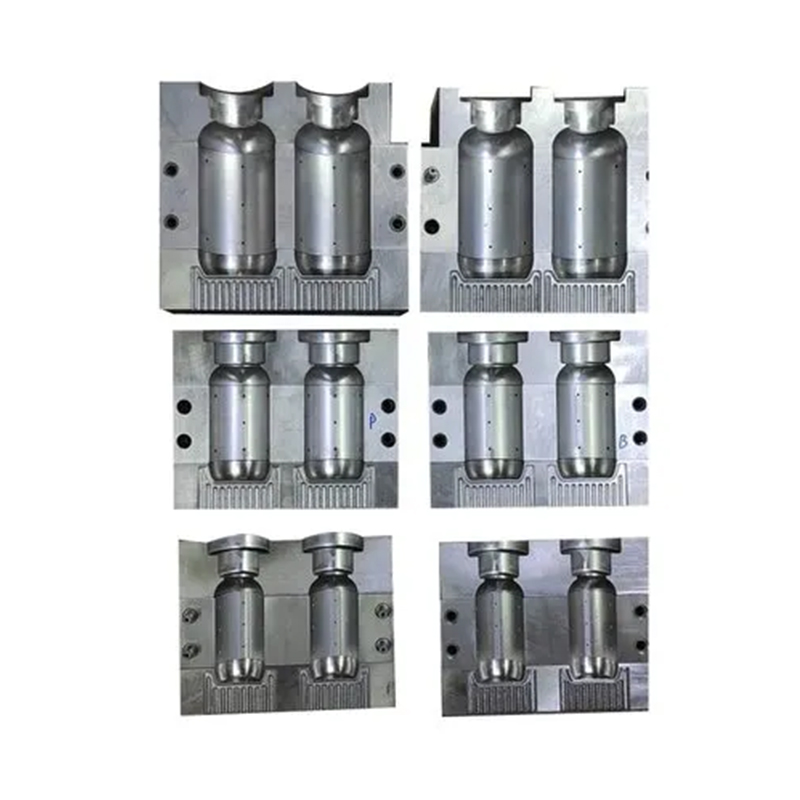
Medicine bottle molds are specialized tools designed for the efficient productio...
See Details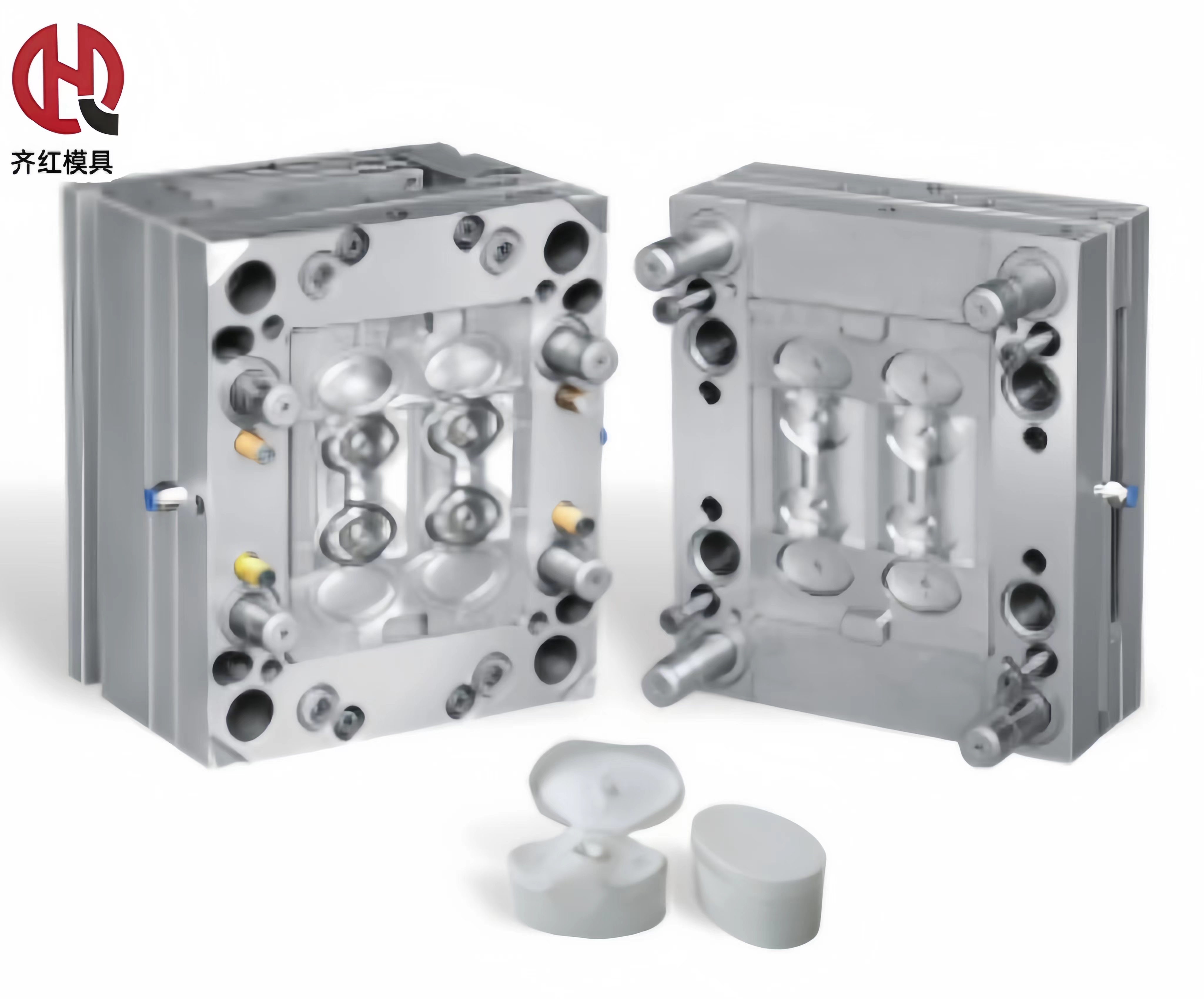
Plastic Cap Mould is designed for high precision plastic cap production. The Chi...
See Details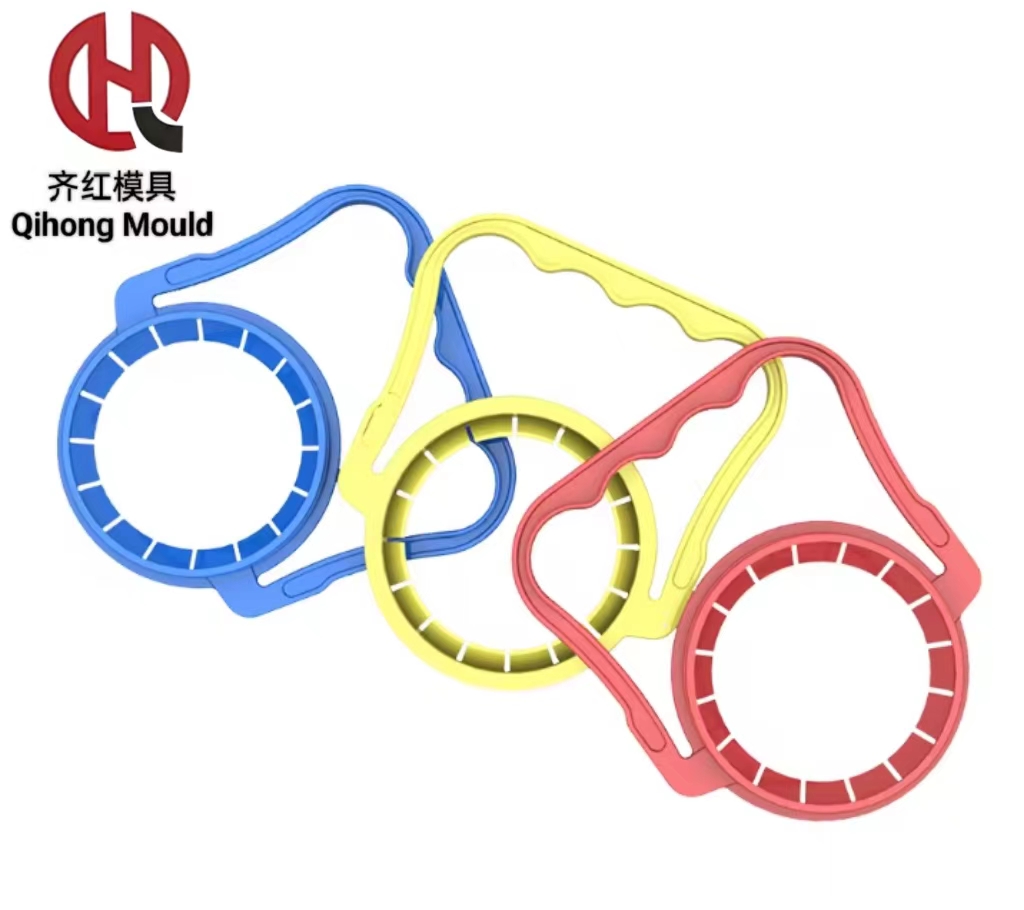
Mould Specifications Product : Plastic Handle Mould Brand : Taizhou Qihong...
See Details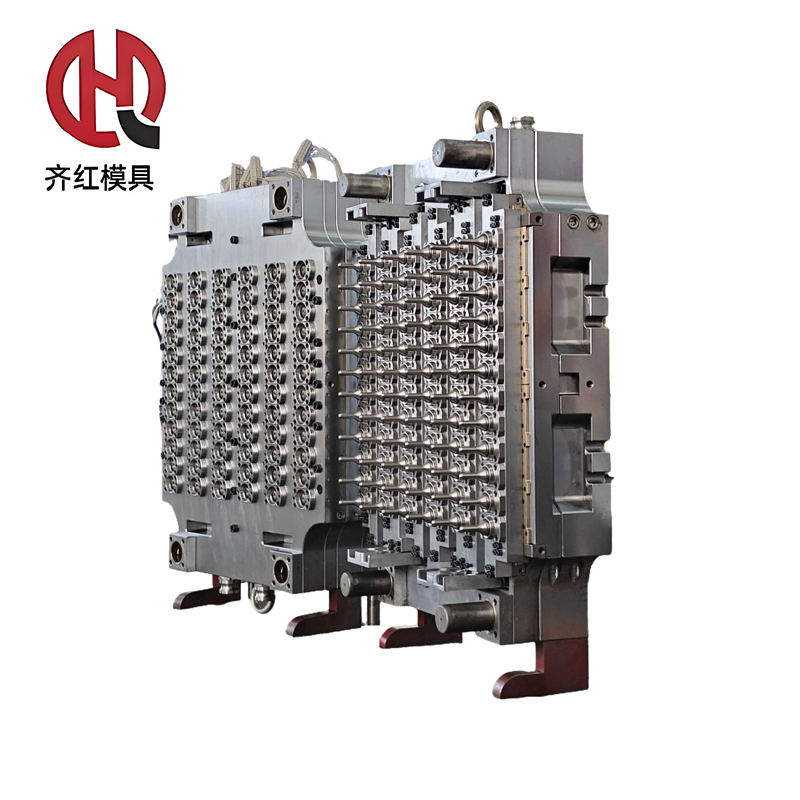
Standardization of mold partsHigh-precision processing equipment is used to ensu...
See Details
The 12 Cavities Wide Mouth Preform Moulds from Qihong are practical tools for pr...
See Details
WhatsApp:+ (86) 13957659071 / + (86) 18158637057

E-Mail:[email protected]

ADD:Baige Science and Technology Park, Huangyan District, Taizhou City, Zhejiang Province, China.