English
 русский
 عربى
عربى


Water/Beverage Bottle Mold(Mould)
Product Name: Water/Beverage Bottle Mold A Water/Beverage Bottle Mold is a speci...
See Details


In many packaging workshops, small details shape the entire workflow. A cap may look simple at a glance. It fits in the hand. It seals a bottle. It moves along a line without much attention. Yet behind that object sits a mold that works through long cycles, often without pause.
When something goes wrong, the issue rarely stays small. A slight change in shape or surface can affect sealing, stacking, or even transport. Operators notice patterns. A batch feels different. A line slows down. The mold becomes the quiet center of attention.
This has led many manufacturers to look more closely at recurring problems. Not as isolated events, but as signals. Each issue tells a story about design, handling, or daily use.
A mold is expected to repeat the same action again and again. That repetition is where strength is tested. Even stable systems shift under long use.
Several factors often play a role:
A Cap Mould does not fail all at once. It changes in small ways. A surface may lose its smoothness. A moving part may not align as before. These shifts are easy to miss at the start.
Over time, they shape the outcome of each cycle.
One of the most visible issues is inconsistency. Caps from the same batch may look similar but behave differently. Some fit tightly. Others feel loose.
This often relates to how the mold guides the forming process.
Possible causes include:
These factors do not always appear together. Sometimes a small shift in alignment can lead to noticeable differences.
To reduce this risk:
Consistency often depends on attention to small details.
Surface quality affects both appearance and function. Marks, dull areas, or uneven finishes can signal deeper issues.
Common reasons include:
A surface that once produced smooth caps may gradually change. Residue can build up in areas that are hard to see. This alters how material flows and settles.
A simple routine can help:
| Issue Type | Possible Cause | Preventive Action |
|---|---|---|
| Dull Surface | Residue on mold | Regular cleaning |
| Flow Marks | Uneven movement | Check process stability |
| Minor Scratches | Surface wear | Inspect and polish surfaces |
The table does not cover every case. It offers a way to connect visible signs with possible actions.
Wear is gradual. It does not announce itself. It shows through changes in output.
Edges may soften. Surfaces may lose their original finish. Moving parts may not slide as smoothly as before.
This can lead to:
Avoiding wear is not possible. Managing it is.
Practical steps include:
Some facilities track changes in product quality to detect early signs. A slight shift in fit or feel can signal that attention is needed.
Temperature plays a quiet role. It shapes how material behaves inside the mold. Small changes can lead to noticeable effects.
When temperature control is uneven, issues may include:
These outcomes often appear gradually. A line that runs smoothly one day may show variation the next.
To keep conditions stable:
Consistency in temperature supports consistency in output.
After forming, the cap must leave the mold cleanly. This step is easy to overlook until something goes wrong.
Ejection problems can include:
These issues often relate to how the cap interacts with the mold surface.
Possible reasons:
To reduce these problems:
A clean release helps maintain both shape and surface quality.
Contamination does not always come from outside. It can develop during production.
Sources may include:
These elements can settle on mold surfaces. Over time, they affect how material flows and forms.
The result may include:
Maintaining a clean working environment supports mold performance. It also reduces the need for frequent intervention.
Maintenance is often seen as a separate task. In practice, it is part of daily production.
A mold that receives regular attention tends to behave more predictably. Small issues are easier to manage when they are detected early.
Common maintenance actions include:
These steps do not require complex tools. They rely on consistency.
A simple checklist can guide routine work:
| Maintenance Area | Action | Frequency Style |
|---|---|---|
| Surface Cleaning | Remove residue | After production runs |
| Alignment Check | Inspect moving parts | Regular intervals |
| Output Review | Compare cap consistency | Ongoing observation |
| Component Review | Look for signs of wear | Periodic |
Such routines help connect daily work with long-term performance.
The overall design of a mold plays a decisive role in how well it holds up through years of continuous production. Some mold structures are built with practicality in mind, making routine upkeep quick and straightforward. In contrast, poorly thought-out designs lead to constant maintenance work and frequent part fixes over time.
Three key design features are critical to a mold's long-term operational stability:
- A streamlined, logical structural layout
- Unobstructed access for regular cleaning and routine inspections
- Perfect matching and seamless cooperation between all installed components
When mold parts are easy to reach and check, teams spend far less time on downtime repairs, and daily maintenance tasks become much more manageable for on-site staff.
When designing new molds or auditing old equipment, technical teams always prioritize real production needs over short-term performance gains. They do not only focus on how well a mold works initially. Instead, they prioritize consistent, reliable operation that can last through long-term, high-frequency use.
Mold breakdowns almost never occur without warning. In most cases, small, noticeable changes will appear long before serious equipment failures force production stops.
Frontline operators need to stay vigilant and watch out for these minor abnormal conditions during daily operation:
- Small gaps and misalignment when fitting mold lids and covers
- Inconsistent or degraded surface finish on finished products
- Stiffer, less flexible movement and increased resistance during mold operation
These subtle irregularities are easy to overlook, so they can only be caught by experienced, careful operators who are familiar with the equipment's normal running state.
Tracking mold conditions does not require complicated paperwork or sophisticated recording systems. Simple shift log notes are enough. Operators only need to briefly write down any abnormal situations they notice during their shifts.
Over time, these accumulated daily records make it easy to identify when recurring issues start and track how these minor problems gradually worsen to cause major faults.
A mold's working condition is not solely determined by its original manufacturing quality. Daily operating habits and on-site workflow standards also have a huge impact on its service life and stability.
Several on-site operational details are worth strict attention:
- Gentle, standardized operation during mold installation and disassembly
- Proper storage of idle molds in a dry, suitable environment
- Smooth collaboration and consistent operation standards among all team members
Treating molds with care in every operation can effectively extend their overall service life. Standard shift handover procedures also ensure every operator follows the same working standards, avoiding inconsistent operation that wears down equipment.
Fine-tuning daily operational routines can greatly reduce unnecessary friction and wear on molds. This not only cuts down mold failure rates but also helps boost the overall efficiency and continuity of daily production work.
To bring these points together, the following table links common issues with practical responses:
| Problem Type | Likely Cause | Suggested Response |
|---|---|---|
| Shape Inconsistency | Misalignment or wear | Inspect alignment regularly |
| Surface Marks | Residue or friction | Clean and polish surfaces |
| Sticking During Eject | Surface condition changes | Maintain smooth release areas |
| Warping | Temperature variation | Stabilize operating conditions |
| Frequent Interruptions | Gradual wear or buildup | Increase inspection frequency |
This overview does not cover every situation. It offers a starting point for observation and response.
In many cases, large failures begin as small changes. A slight shift in alignment. A thin layer of residue. A minor variation in temperature.
These changes are easy to overlook. Yet they influence each cycle.
Addressing them early can reduce larger disruptions later. It also supports a more stable workflow.
Attention, rather than complexity, often shapes outcomes in mold performance.
Experience builds over time. Operators learn how a mold behaves under normal conditions. They recognize when something feels different.
This awareness supports early action. It reduces reliance on reactive fixes.
Sharing experience within a team also matters. Observations from one shift can help another. Patterns become easier to identify when they are discussed openly.
In this way, knowledge becomes part of the process, not separate from it.
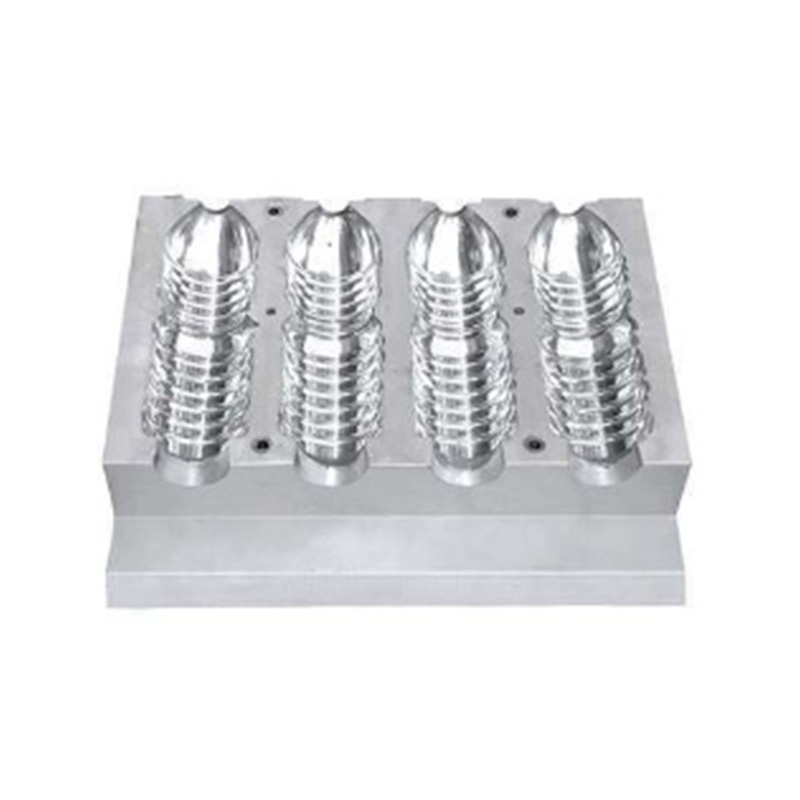
Product Name: Water/Beverage Bottle Mold A Water/Beverage Bottle Mold is a speci...
See Details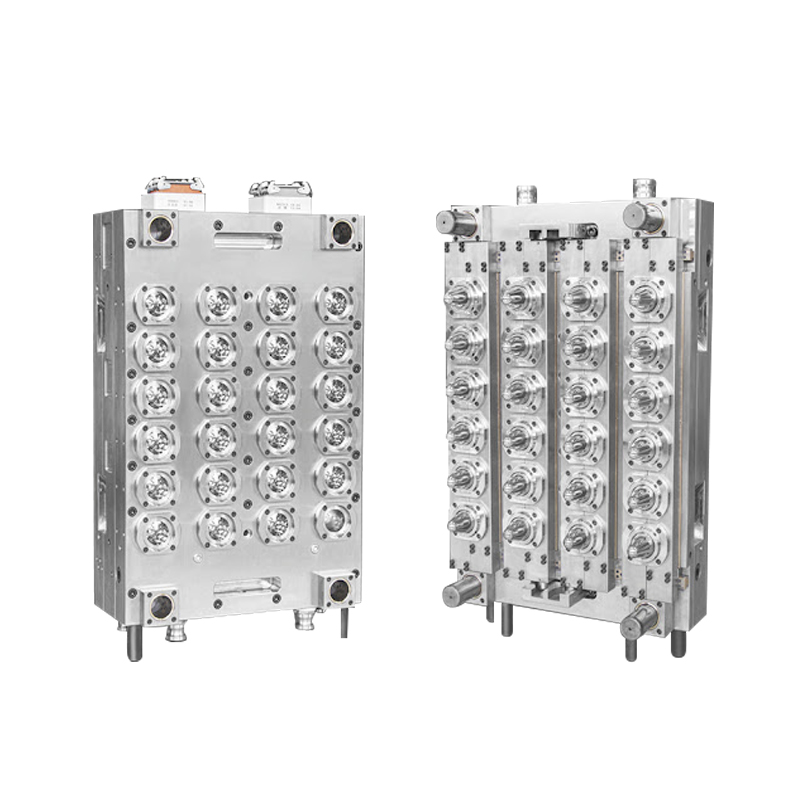
The 24-cavity wide-mouth mold is a precision tool designed for producing wide-mo...
See Details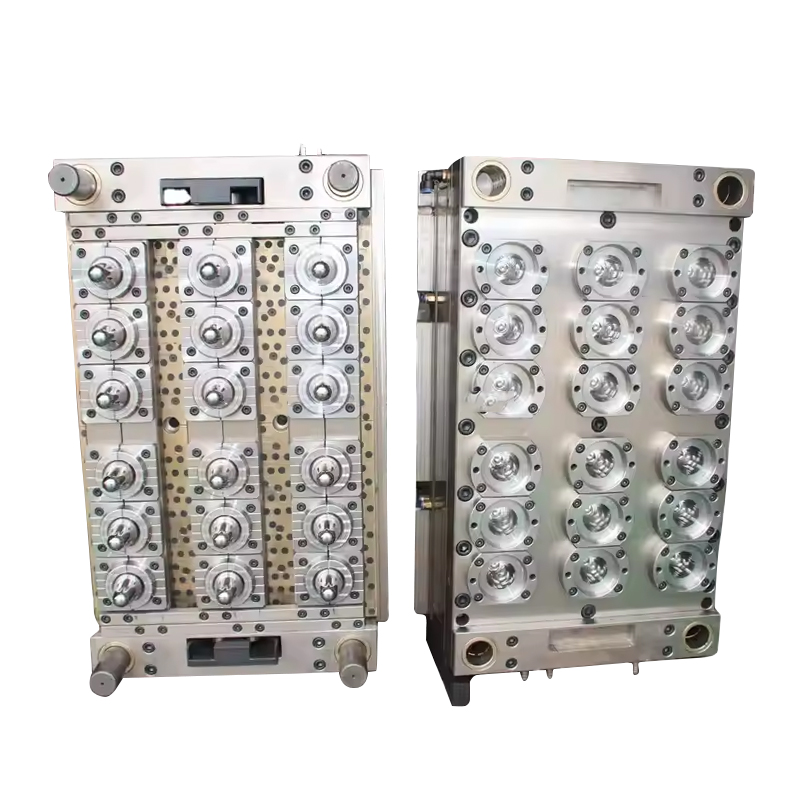
The 18-cavity wide-mouth mold is a high-efficiency tool specifically designed fo...
See Details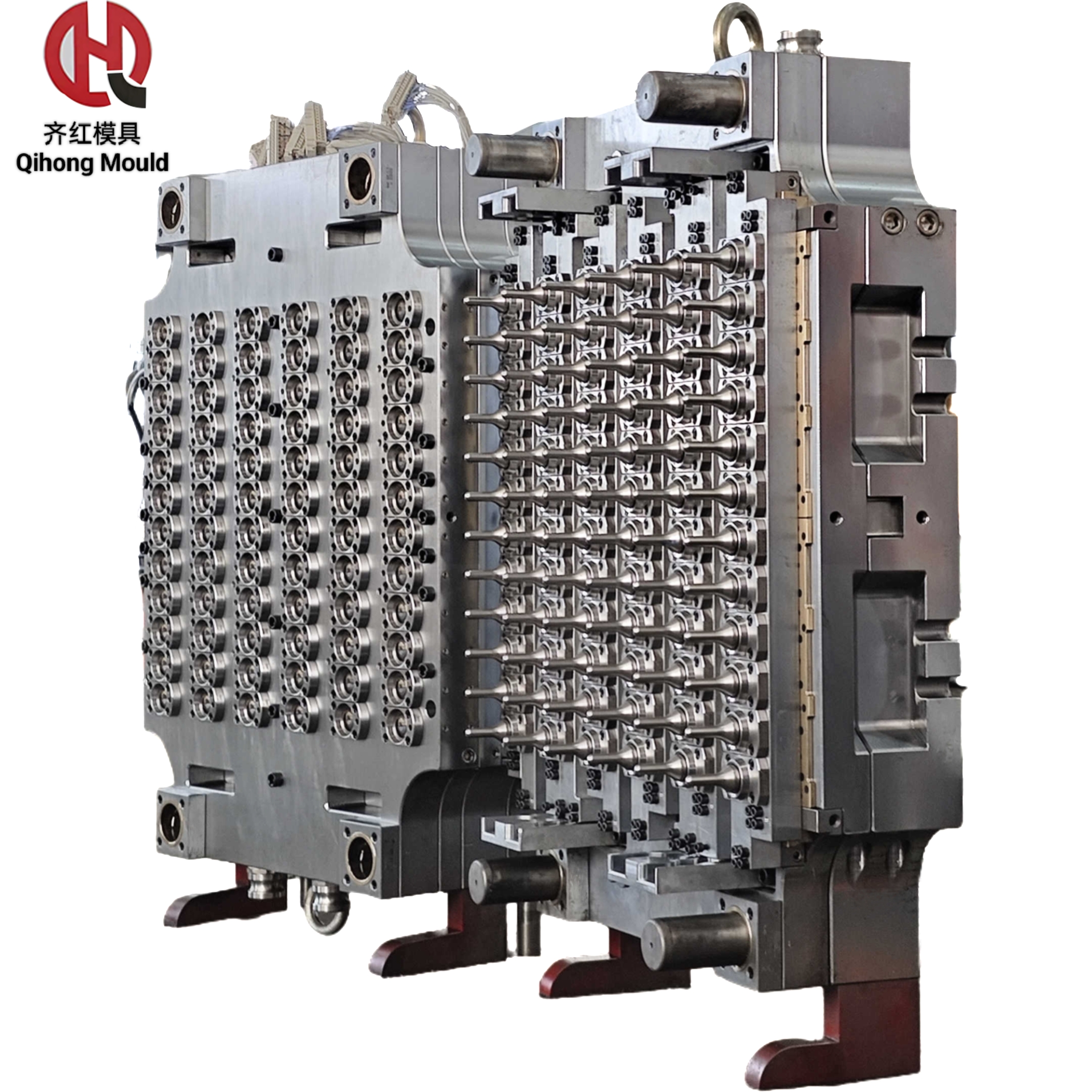
PET Preform Mold Design focuses on high precision structure and stable productio...
See Details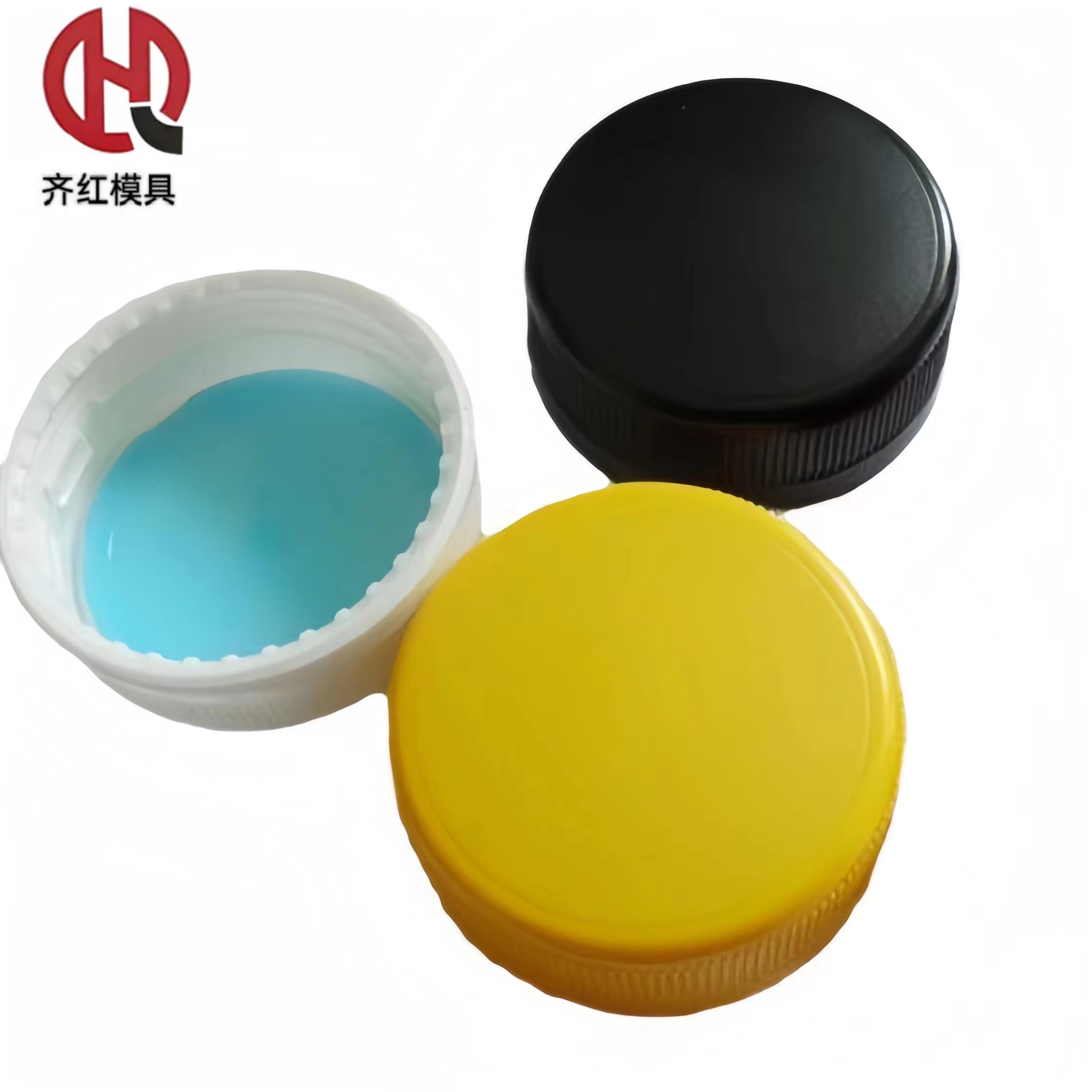
Mould Specifications Product : Cap Mould Brand : Taizhou QihongMould Co.,L...
See Details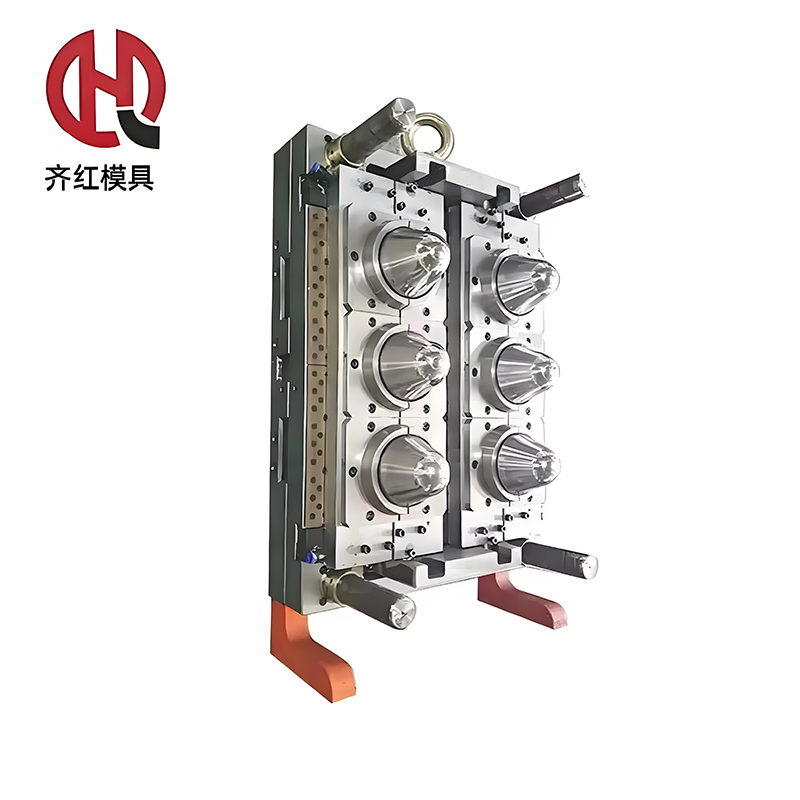
Water and beverage preform mold, Edible oil preform mold, Preform Mold for cosme...
See Details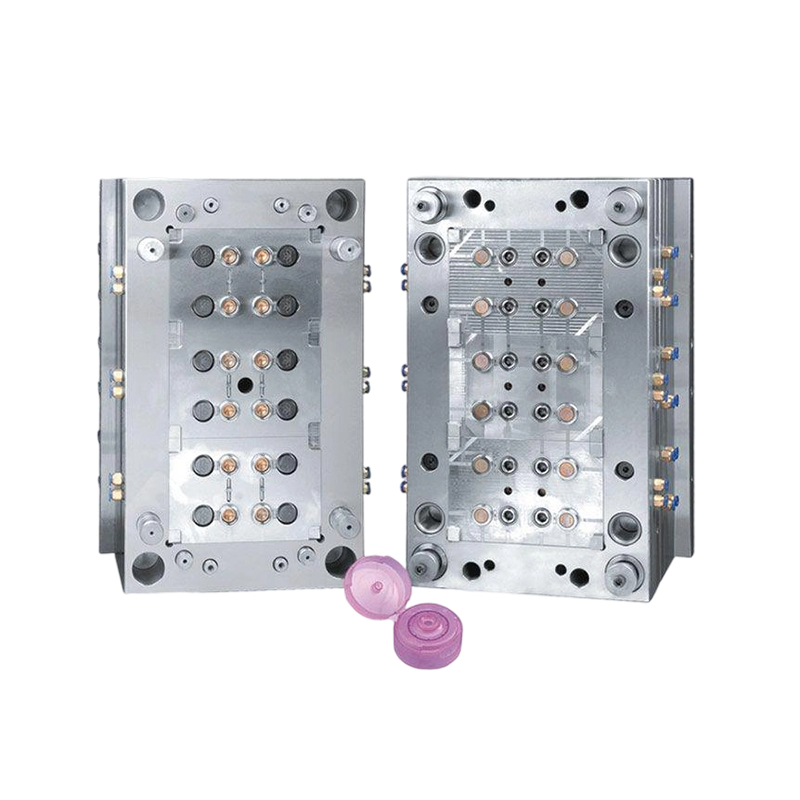
Flip Top Cap also know as Flip Top Caps & Cap mould Stopper Cap is one of ty...
See Details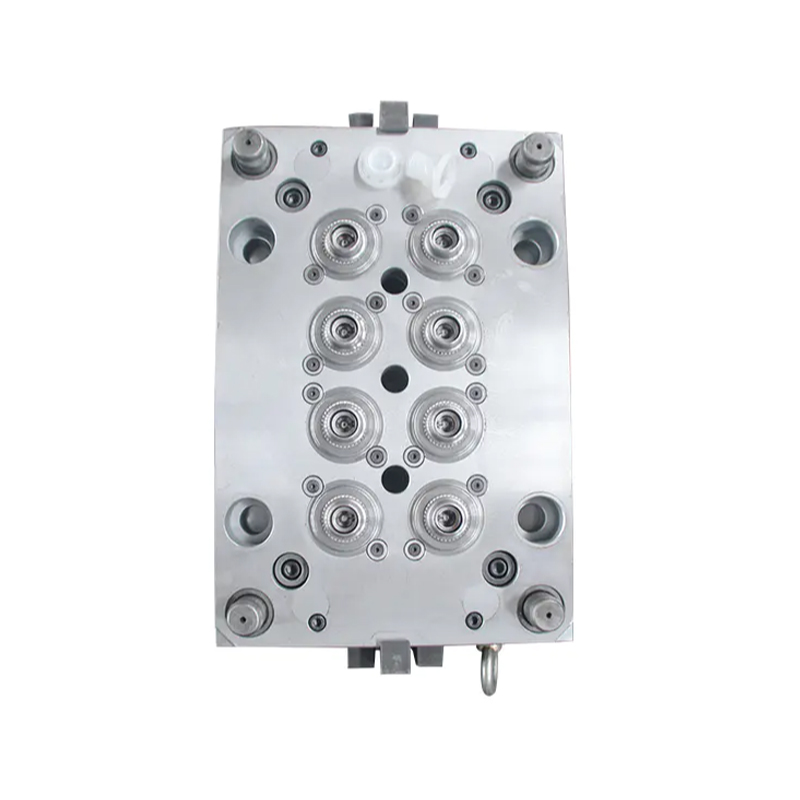
Spout Cap Mould is a EVA inner part of oil cap, match for 42mm pull out closure....
See Details
WhatsApp:+(86) 13957659071 / +(86) 18158637057 / +(86) 15395760157


ADD:Baige Science and Technology Park, Huangyan District, Taizhou City, Zhejiang Province, China.