English
 русский
 عربى
عربى


Bottle Cap Mold(Mould)
A Bottle Cap Mold is a precision tool used in the manufacturing of bottle caps. ...
See Details


Preform blowing is a production process that often looks simple from the outside. A small preform goes in, and a finished bottle comes out. But between those two points, the material goes through a series of controlled changes.
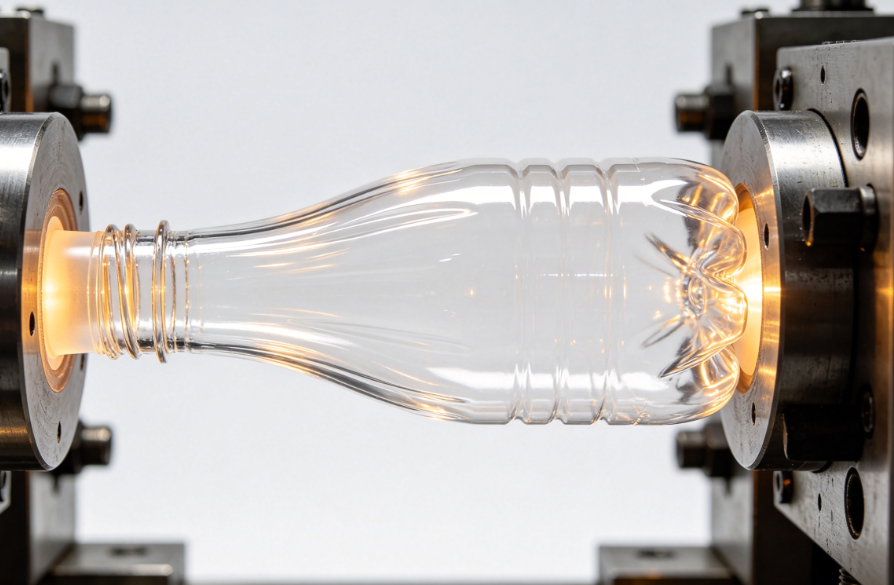
What happens inside the system is not a single transformation. It is a chain of gradual adjustments. Temperature shifts, material softening, stretching, shaping, and cooling all overlap in a continuous rhythm.
Instead of isolated actions, it behaves more like a flowing cycle where each stage quietly prepares the next one.
A preform is the starting point of the whole process. It does not look like a bottle yet. It is a compact, solid piece that already contains the basic structure of the final shape.
The reason production starts here is consistency. When every preform is similar, the later transformation becomes more predictable.
Before anything else begins, preforms are usually sorted and checked. This step doesn't seem important at first glance, but it helps avoid interruptions later in the process.
In real production environments, a stable beginning often makes the rest of the cycle easier to manage.
Heating is the stage where the material starts to respond.
The preform slowly moves from a rigid state into a softer, more flexible condition. It does not melt completely. Instead, it reaches a controlled state where it can be reshaped without losing structure.
This part of the process is more delicate than it looks. Even small differences in heat distribution can change how the material behaves later.
In practice, operators often pay attention to how evenly the material reacts rather than how fast it heats up. Some areas may soften slightly earlier than others, and that difference matters in later shaping.
Heating is less about intensity and more about balance.
Once the material becomes flexible, it needs to be placed correctly before shaping begins.
Positioning sounds simple, but it directly affects alignment inside the mold. If the preform is slightly off, the final bottle may not form evenly.
At this point, the system holds the material in place. It waits in a stable position before the next stage begins.
This moment is often quiet in the process, but it connects preparation with transformation.
Stretching happens before the actual bottle shape is formed.
The softened material is gently extended. This is not a forceful movement. It is a controlled adjustment that helps distribute material more evenly.
Without this step, some parts of the bottle might become too thick while others become too thin.
Stretching helps the internal structure settle into a more balanced arrangement before air shaping begins.
It is a subtle step, but it plays a big role in final uniformity.
After stretching, air is introduced into the system.
This is the moment when the bottle shape becomes visible.
The air pushes the softened material outward until it matches the mold. The mold itself does not create the shape directly. It simply defines the boundary.
Several small factors affect this stage:
Even though the shaping happens quickly, it depends heavily on everything that came before it.
After forming, the material still holds heat and slight flexibility.
Cooling brings the structure into a stable condition. Without it, the bottle could shift slightly after leaving the mold.
This step is gradual rather than sudden. The material slowly becomes more rigid until the shape is fully fixed.
Cooling is often underestimated, but it is what locks the final structure into place.
The process can be understood more clearly when broken down into stages. Each step connects naturally to the next.
| Stage | What happens | Role in the process |
|---|---|---|
| Preform preparation | Raw preforms are sorted and checked | Ensures consistent starting condition |
| Heating | Material becomes flexible | Prepares for shaping |
| Positioning | Preform is aligned in mold area | Ensures correct placement |
| Stretching | Material is gently extended | Improves internal distribution |
| Air shaping | Air expands material into mold | Defines bottle shape |
| Cooling | Shape becomes stable | Fixes final structure |
| Release | Bottle is removed from mold | Completes cycle |
The key idea is continuity. Each stage prepares the next rather than standing alone.
Once cooling is complete, the bottle is removed from the mold.
At this point, the shape is already fixed, but handling still matters. Smooth release helps maintain surface quality and prevents small distortions.
After release, the bottle moves into the next stage of production, which may include inspection or packaging.
Even the final movement is part of maintaining consistency.
Inspection usually happens after forming.
It is not a separate system but part of the flow. Bottles are checked for shape consistency, surface condition, and general stability.
The purpose is not only to find defects, but also to keep the production rhythm steady. Small variations are identified early before they move further down the line.
Preform blowing is not a collection of individual actions. It is a connected sequence.
Heating affects flexibility. Stretching affects distribution. Air shaping depends on both. Cooling depends on all previous conditions.
If one stage changes, the rest of the system responds naturally.
This dependency is what keeps the process stable across continuous production cycles.
Several factors work together during production:
None of these works alone. The final result is shaped by how they interact.
Instead of thinking of preform blowing as separate steps, it is easier to see it as a continuous flow.
Each stage prepares the next. Each adjustment affects what follows. The system works because everything stays connected rather than isolated.
That connection is what keeps production steady over long cycles.
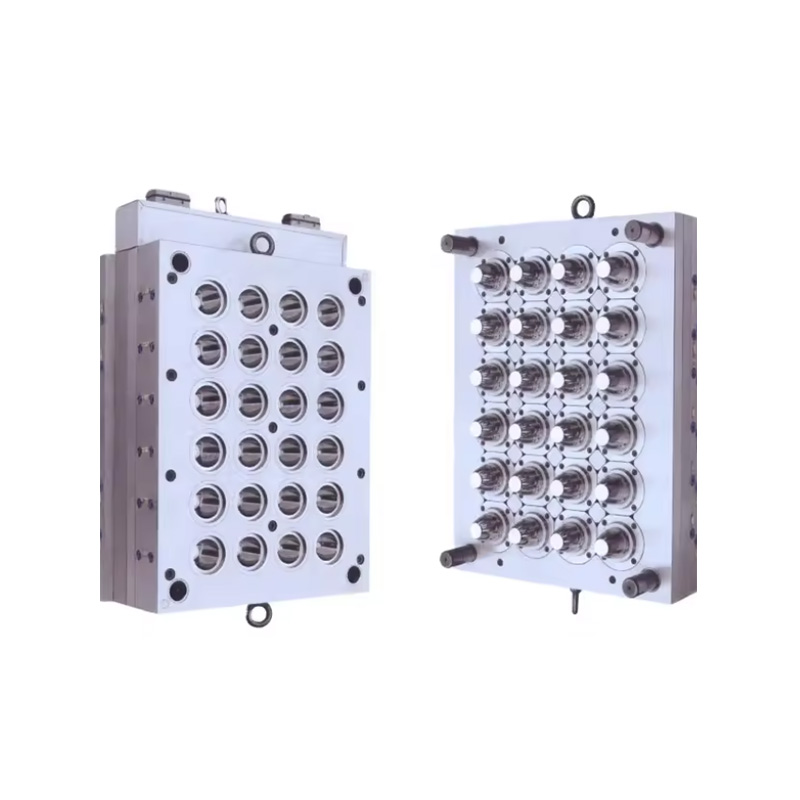
A Bottle Cap Mold is a precision tool used in the manufacturing of bottle caps. ...
See Details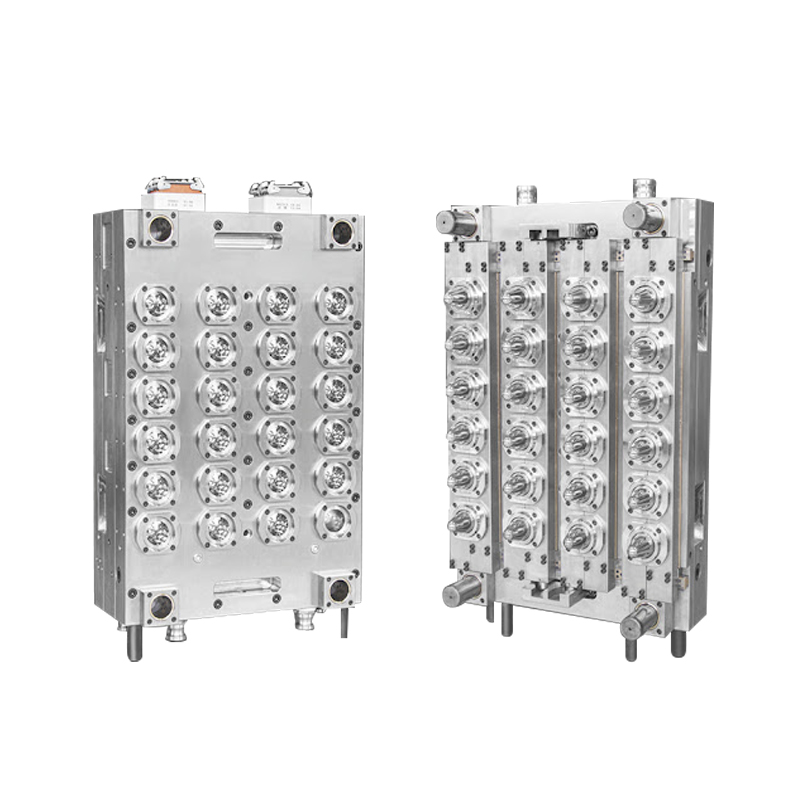
The 24-cavity wide-mouth mold is a precision tool designed for producing wide-mo...
See Details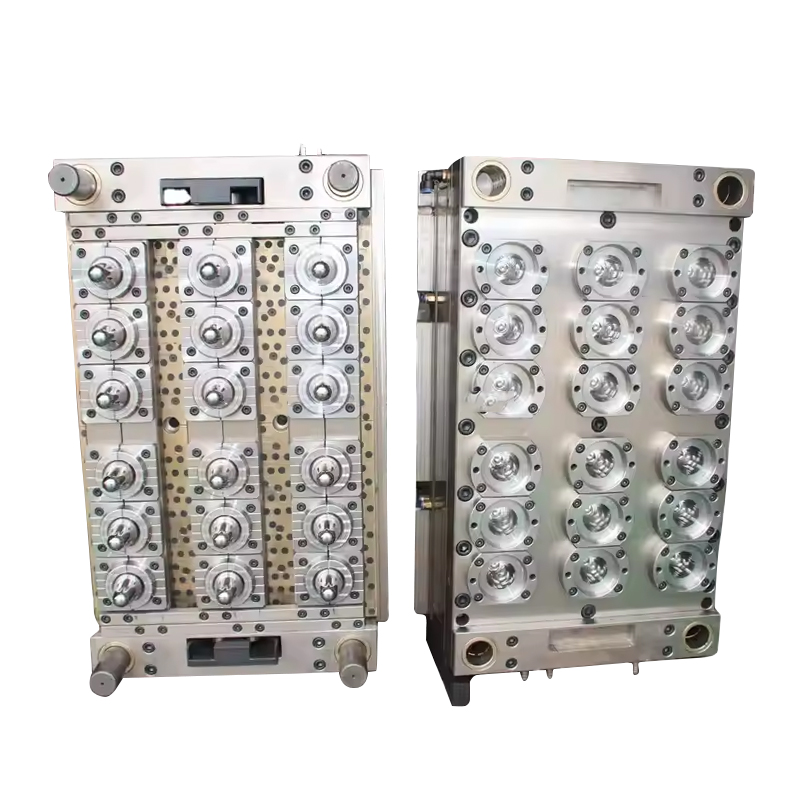
The 18-cavity wide-mouth mold is a high-efficiency tool specifically designed fo...
See Details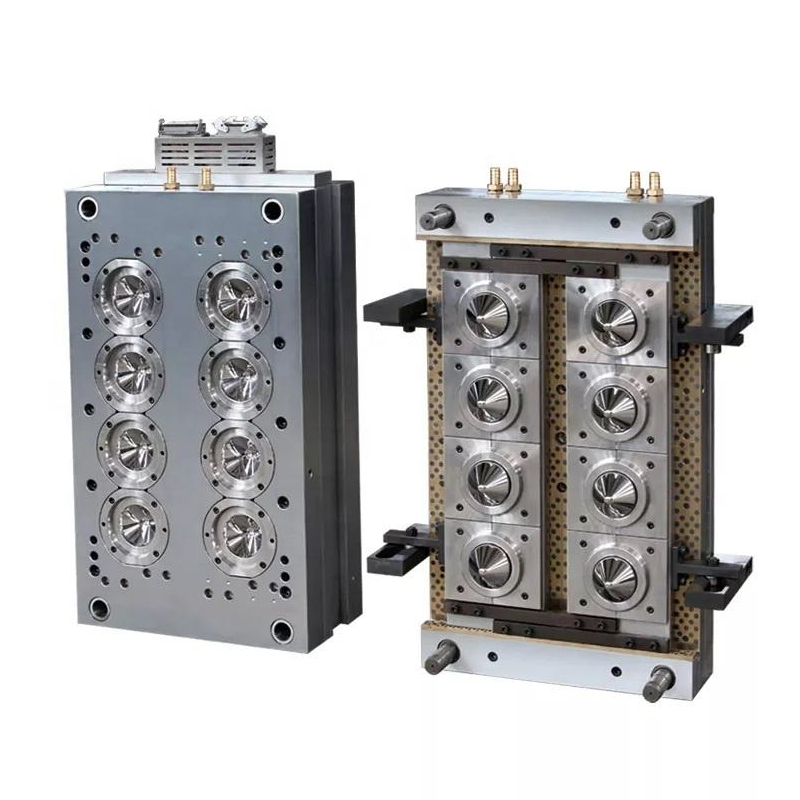
The 8-cavity wide-mouth mold is designed to produce plastic containers with larg...
See Details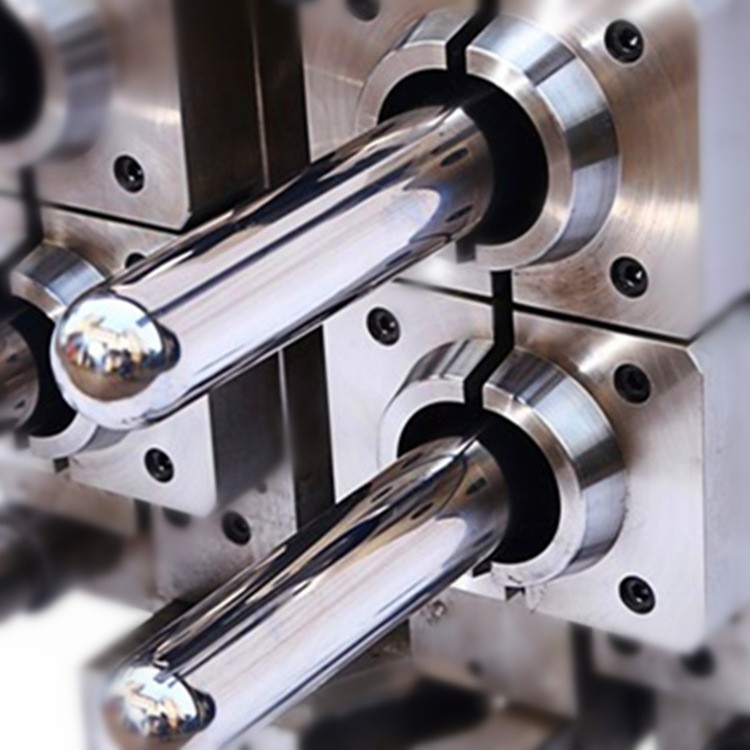
Mould Specifications Product : Preform Mould Brand : Taizhou QihongMould C...
See Details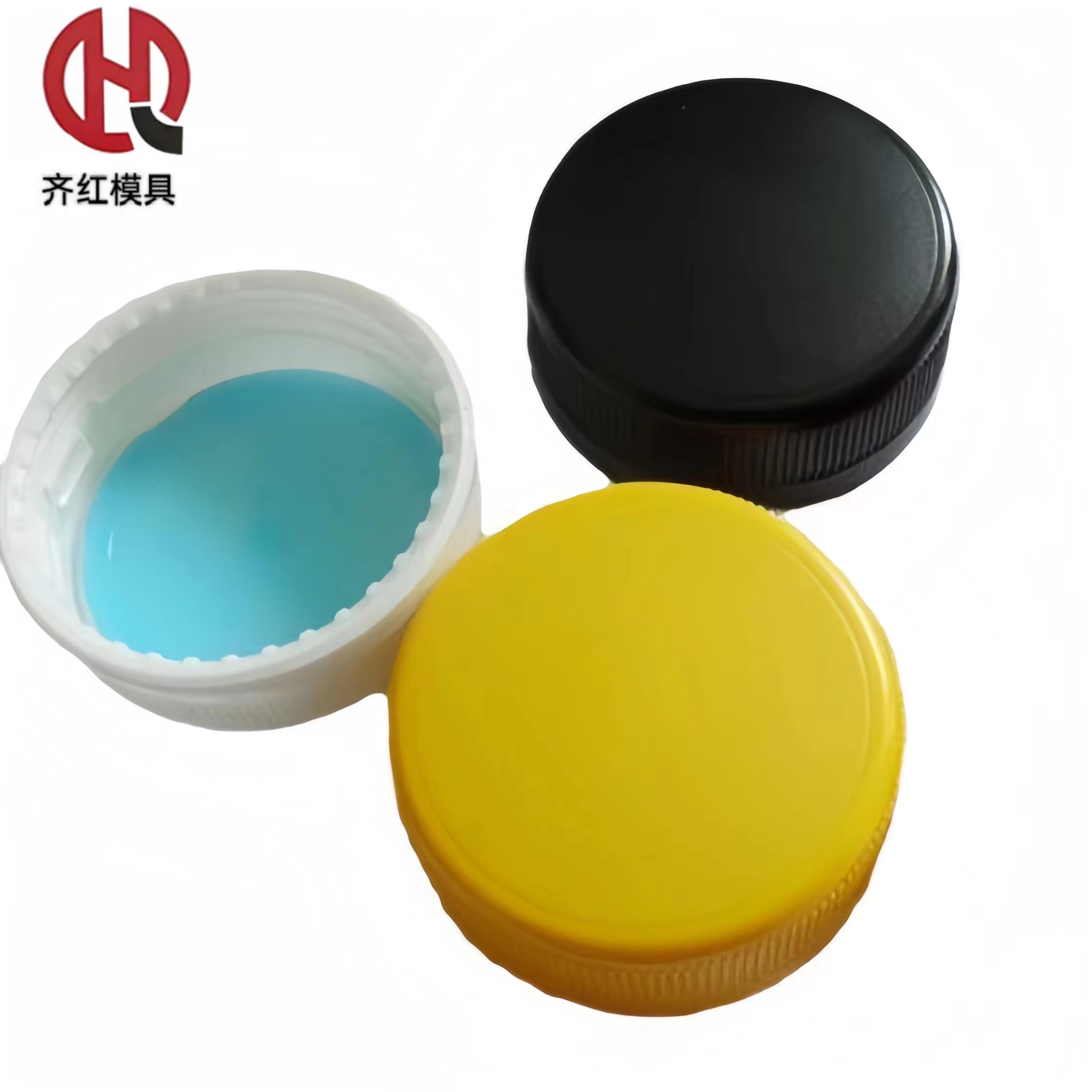
Mould Specifications Product : Cap Mould Brand : Taizhou QihongMould Co.,L...
See Details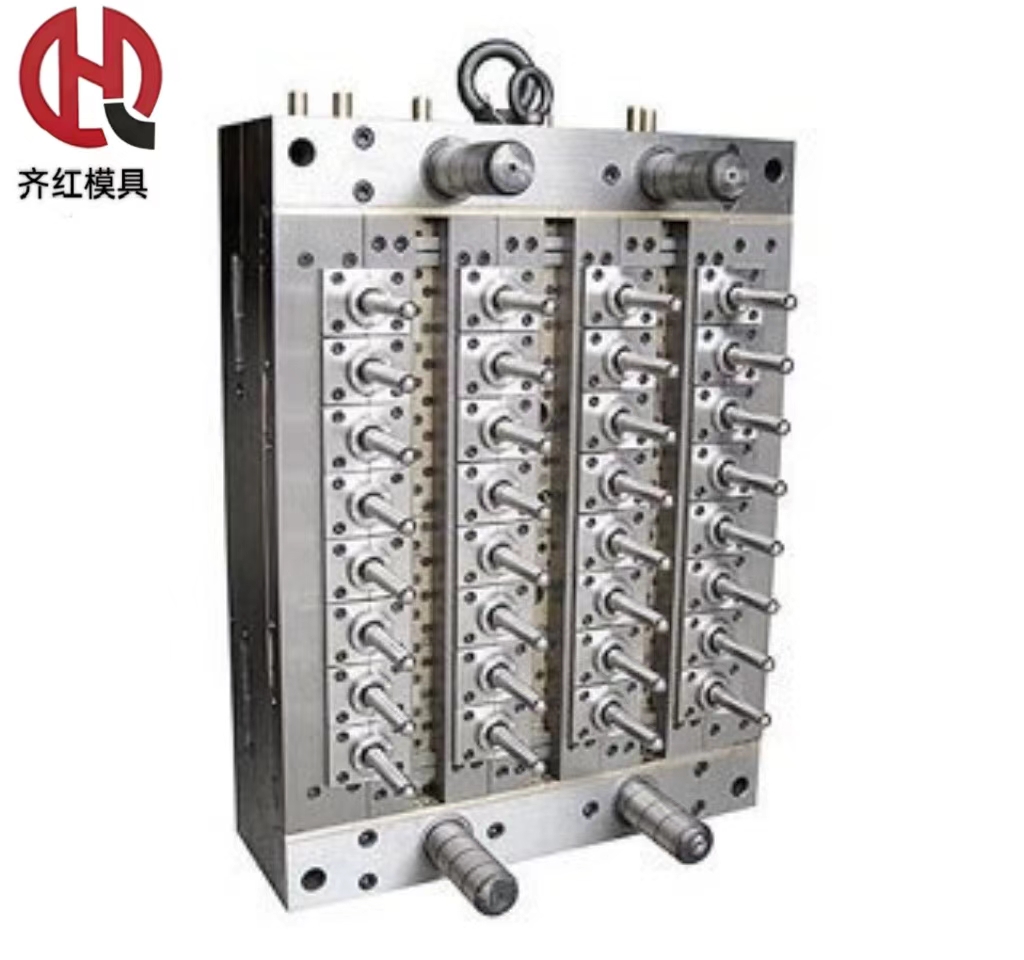
Custom Made Plastic Molds are designed for high precision and flexible plastic p...
See Details
Water and beverage preform mold, Edible oil preform mold, Preform Mold for cosme...
See Details
WhatsApp:+(86) 13957659071 / +(86) 18158637057 / +(86) 15395760157


ADD:Baige Science and Technology Park, Huangyan District, Taizhou City, Zhejiang Province, China.