English
 русский
 عربى
عربى


Semi-Automatic Blowing Machine
Semi-Automatic Blowing Machines are specialized machines used in the production ...
See Details


Blowing Pet Bottle Machine sits in a space where simple-looking products come from a tightly controlled process. A bottle seems light, transparent, and ordinary. The environment that produces it is not.
Heat, movement, pressure, and timing all interact inside the system. None of these elements works alone. They overlap, shift, and repeat. Safety becomes the quiet framework that keeps everything aligned.
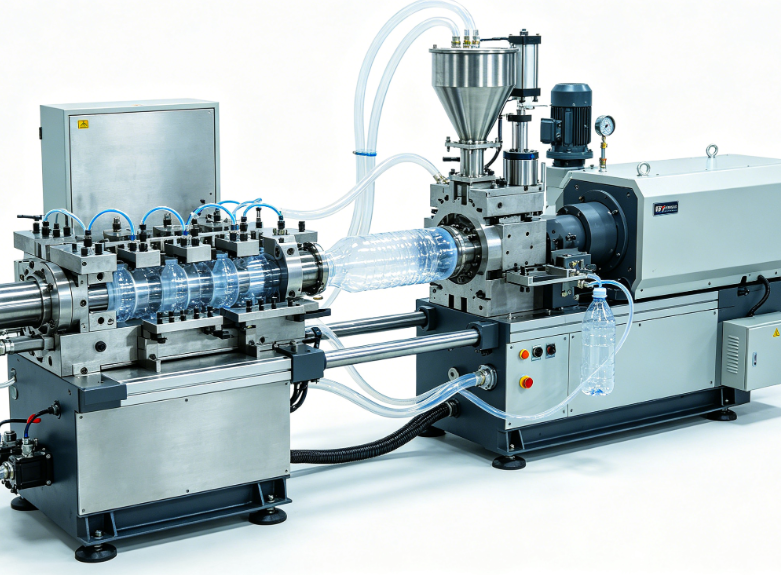
It is not only about avoiding accidents. It is also about keeping the process steady enough that output does not drift or fluctuate. In real production settings, safety and stability often sit on the same line.
At a distance, the process can feel predictable. Material enters, forms, and exits. But inside the cycle, conditions change quickly. Surfaces warm up. Components move in rhythm. Air pressure builds and releases within short intervals.
These changes create a working environment that demands awareness. Not constant alarm, but steady attention.
One important point is that risk is not always visible. A system may look calm while still holding energy in temperature or pressure. That hidden state is where many safety considerations begin.
Operators learn to read the process in layers rather than moments. Sound, timing, movement speed, and surface behavior all become small signals.
Heat is part of shaping PET material into form. Without controlled temperature, the material would not become flexible enough for shaping. That makes heating a necessary step rather than an optional one.
The safety side of temperature is less about the presence of heat and more about how it is managed over time.
Some parts of the system heat up quickly. Others retain warmth longer than expected. This uneven behavior means surfaces cannot be treated as identical during or after operation.
In practical environments, attention is usually given to:
A common habit in stable environments is to allow natural cooling time before interaction. This reduces rushed movement and lowers the chance of contact with unexpected heat retention.
Temperature awareness is not dramatic. It is quiet and continuous.
Air pressure is used to shape material inside molds. It works quickly and with force, even if that force is contained.
Unlike temperature, pressure is not something you can sense visually. It exists inside controlled pathways, hidden behind structure and timing.
The safety consideration comes from energy release. When pressure is active, the system is holding potential force. When it is released, that force changes direction and form.
This is why certain habits become standard in operation:
Even when the process is routine, pressure should always be treated as active. Not dangerous in isolation, but sensitive when combined with movement or timing errors.
PET bottle blowing systems run in repeated cycles. Parts open and close in predictable sequences. At first glance, repetition can create a sense of safety through familiarity.
But repetition does not mean inactivity. Each cycle still involves movement, alignment, and transition.
Safety considerations here focus on timing and distance. The system does not pause for manual interaction unless it is designed to do so.
In practice, operators develop an understanding of rhythm:
This rhythm becomes part of daily awareness. Interrupting it without timing awareness can lead to unnecessary risk.
Even small gestures, like reaching into a space too early, can conflict with mechanical motion that has not fully stopped.
Before any shaping occurs, PET material exists in a prepared form. It may look stable, but its behavior depends on storage and handling conditions.
Material that has been exposed to unstable surroundings may not respond evenly during processing. That uneven response can create inconsistencies later in the cycle.
From a safety perspective, handling matters because it reduces uncertainty.
Common points of attention include:
The goal is not perfection in storage, but consistency. When material behaves predictably, operators can focus more on process control rather than correction.
Machines do not operate alone. Human interaction remains part of the workflow, even in automated environments.
Safety is often defined less by equipment and more by habits built around it.
These habits are not complicated. They are usually small and repeated:
Over time, these actions become automatic. That automatic behavior is what keeps daily operation stable.
In many environments, safety does not depend on occasional decisions. It depends on repeated patterns that reduce uncertainty.
The physical arrangement of equipment influences how people move around it. Layout is not just about efficiency. It is also about separation of active and inactive zones.
When systems are arranged clearly, movement becomes more predictable. Operators know where interaction is safe and where it is not.
Typical layout considerations include:
A well-organized layout reduces unnecessary crossing of paths. It also helps avoid rushed movement during busy production periods.
In many cases, layout design quietly determines how safe daily operation feels.
Maintenance introduces a different type of risk profile. Unlike production, where cycles are controlled, maintenance involves direct interaction with components.
Before any maintenance activity, systems must be fully stabilized. That means stopping movement and ensuring no stored energy remains active.
Safe maintenance behavior often includes:
Maintenance is not only corrective. It is preventive. Regular attention reduces the chance of unexpected behavior during future cycles.
A well-maintained system tends to behave more predictably, which directly improves safety conditions.
The surrounding space matters more than it seems. Lighting, airflow, cleanliness, and movement space all contribute to safe operation.
A cluttered environment creates distraction. Poor lighting reduces visibility of system behavior. Narrow walkways increase the chance of accidental contact.
In contrast, a structured environment supports clear observation and controlled movement.
Simple environmental practices often include:
The environment becomes part of the safety system, even without mechanical involvement.
Workflow design connects machines, materials, and people into a sequence. When this sequence is clear, operation becomes easier to follow.
Uncertainty is one of the main contributors to safety issues. When people are unsure about timing or direction of movement, hesitation or rushed action can occur.
Structured workflow reduces that uncertainty by defining:
This clarity allows operators to focus on timing rather than decision-making during motion.
Automation reduces manual intervention, but it does not remove human involvement. Operators still observe, adjust, and respond.
Training helps build familiarity with system behavior. It focuses on recognizing patterns rather than memorizing steps.
Key areas often emphasized include:
Training works best when it is practical and repeated over time. It becomes part of instinct rather than instruction.
Long-term safety is not built from a single system or rule. It is formed through repetition of small, stable actions across time.
Equipment design provides structure. Workflow provides order. Human habits provide consistency.
When these elements align, the system becomes easier to manage. Not because risks disappear, but because they become predictable.
In PET bottle blowing, safety is less about isolated control and more about continuous balance between heat, pressure, movement, and human awareness.
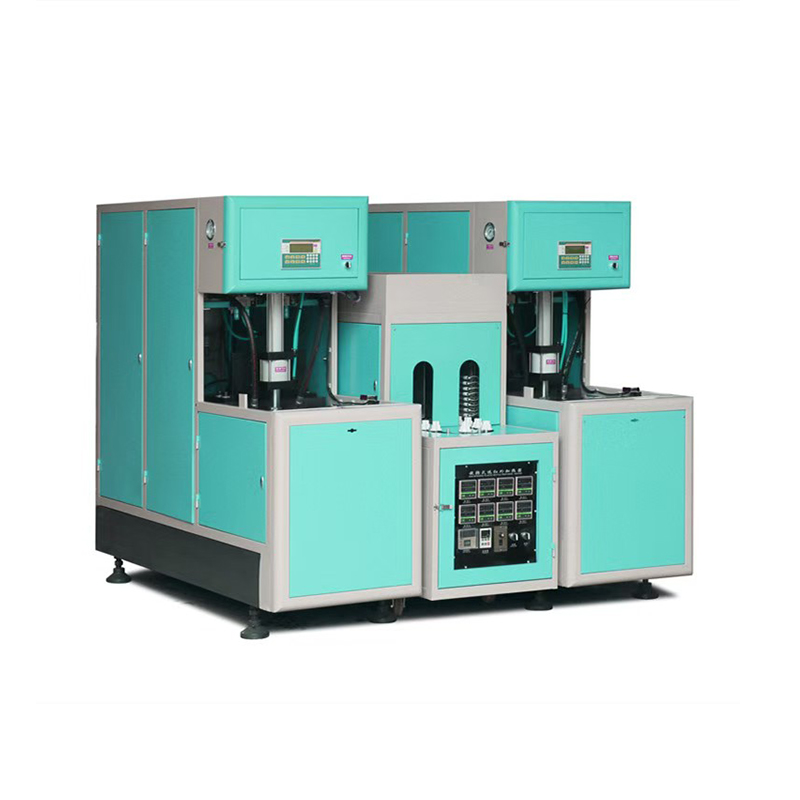
Semi-Automatic Blowing Machines are specialized machines used in the production ...
See Details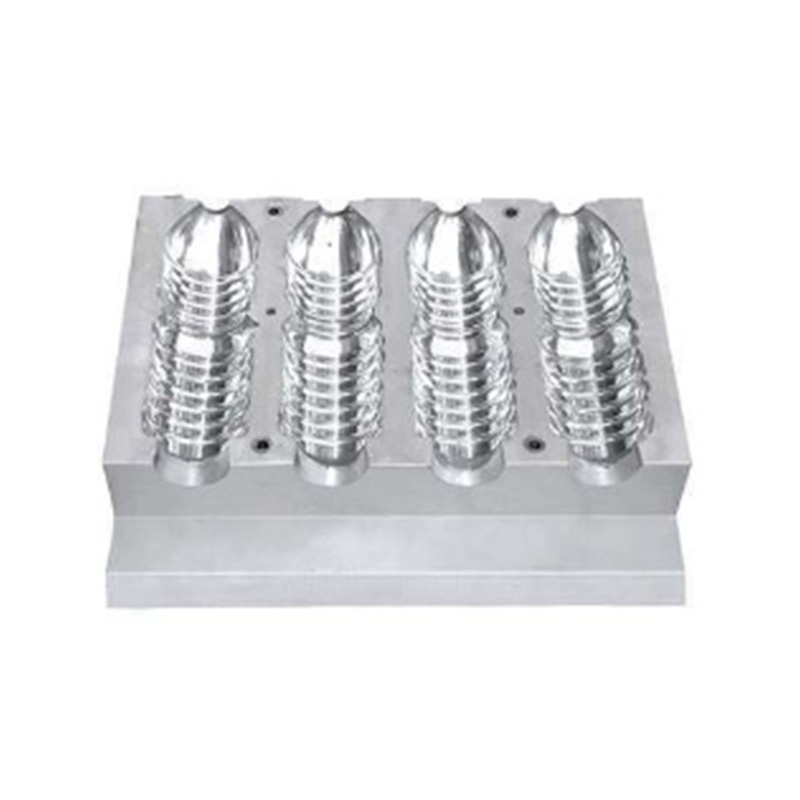
Product Name: Water/Beverage Bottle Mold A Water/Beverage Bottle Mold is a speci...
See Details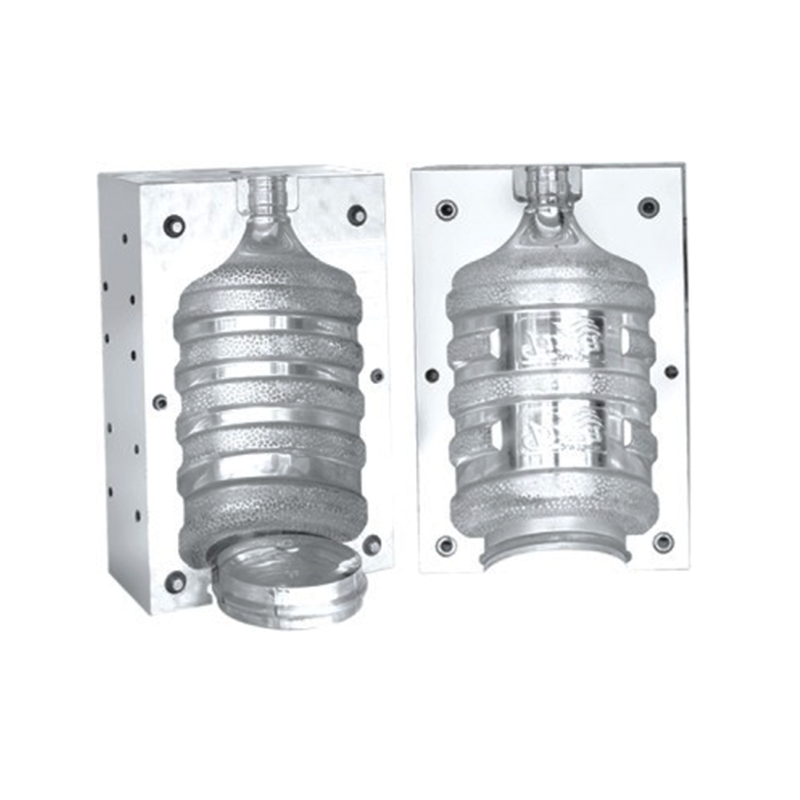
This Five Gallons Bottle Mold(Mould) comes straight out of Taizhou, Zhejiang—bui...
See Details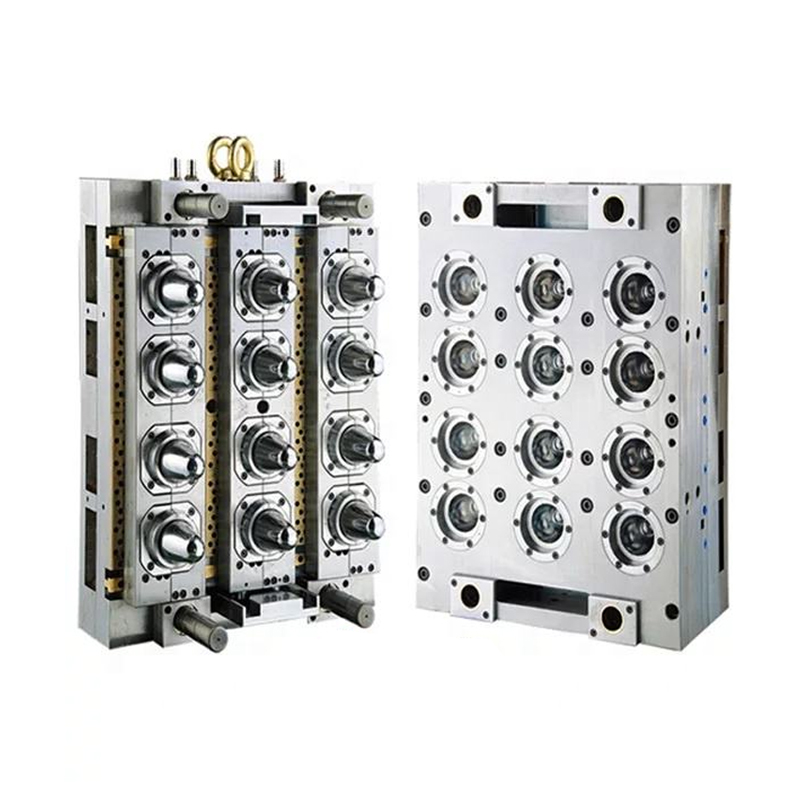
The 12-Cavity Wide-Mouth Mold(Mould) is made for manufacturers running wide-mout...
See Details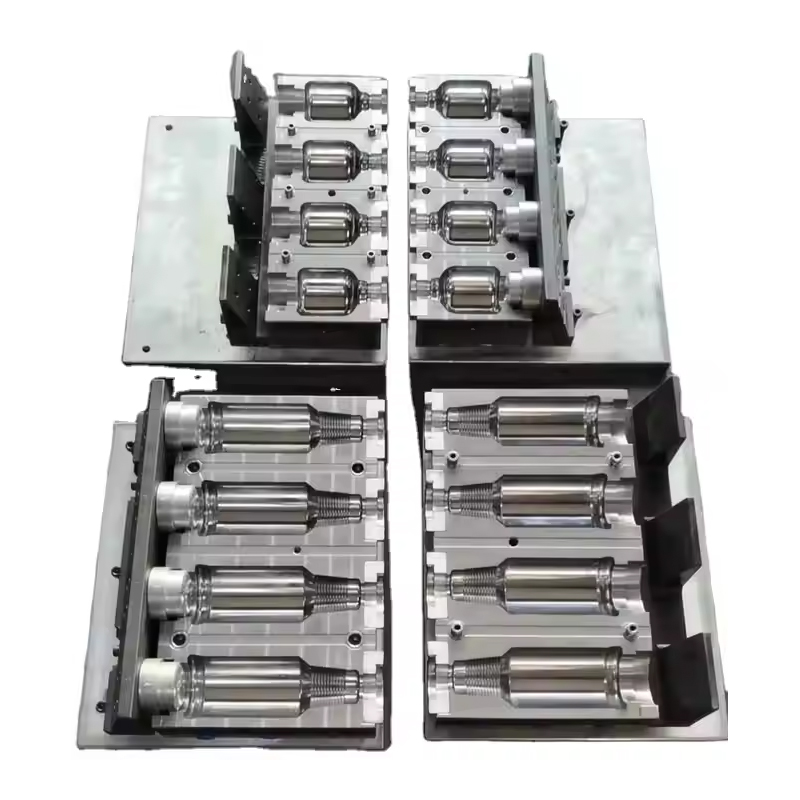
Our Cosmetic Bottle Mold is engineered for precision, reliability, and durabilit...
See Details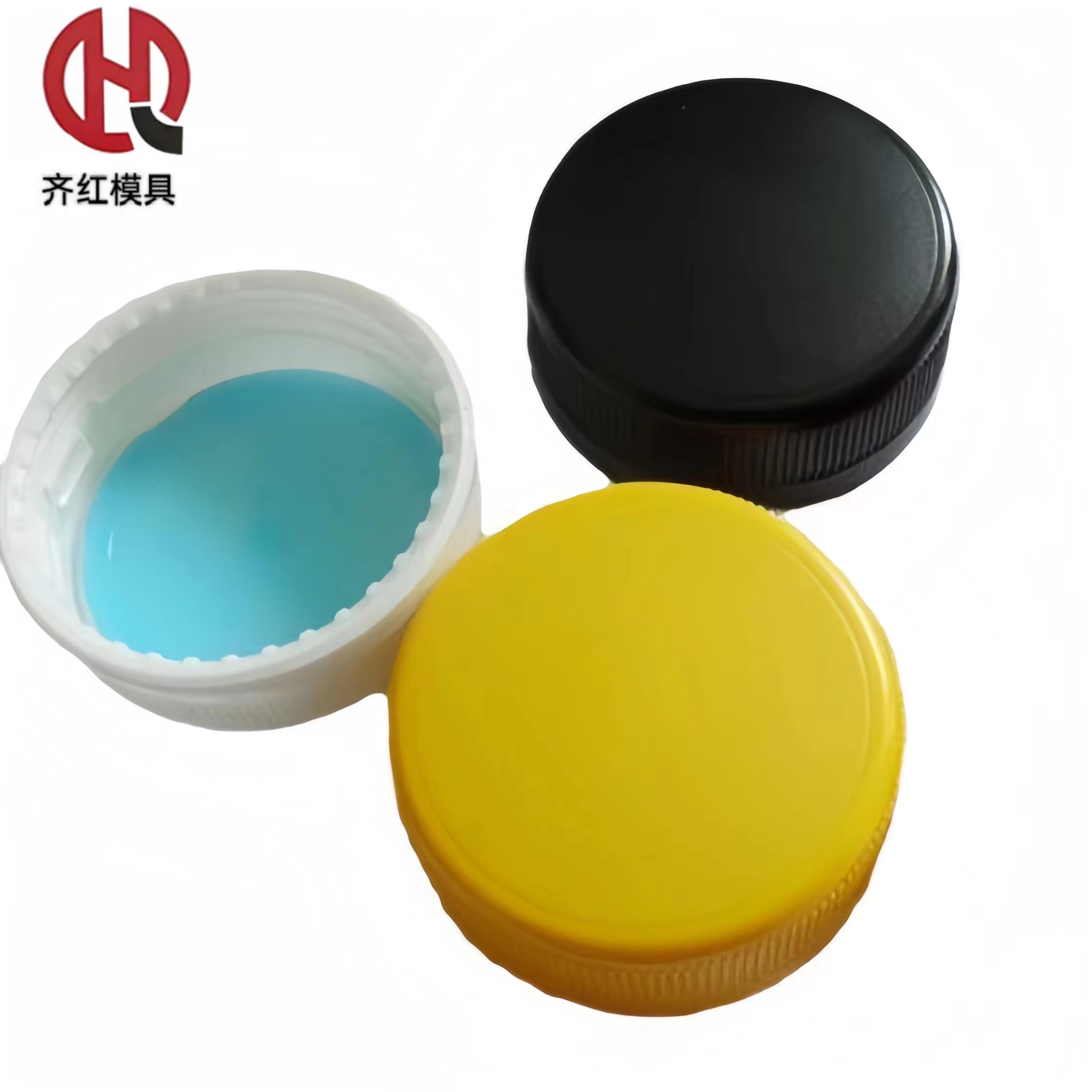
Mould Specifications Product : Cap Mould Brand : Taizhou QihongMould Co.,L...
See Details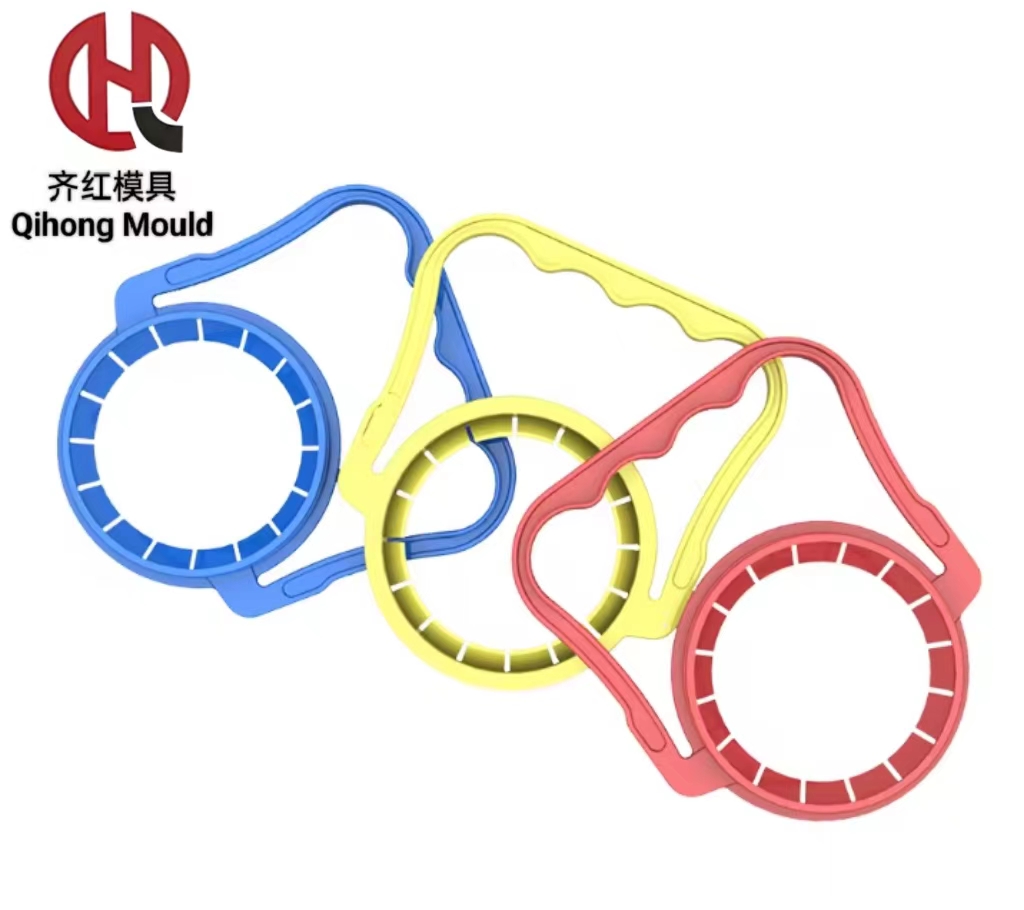
Mould Specifications Product : Plastic Handle Mould Brand : Taizhou Qihong...
See Details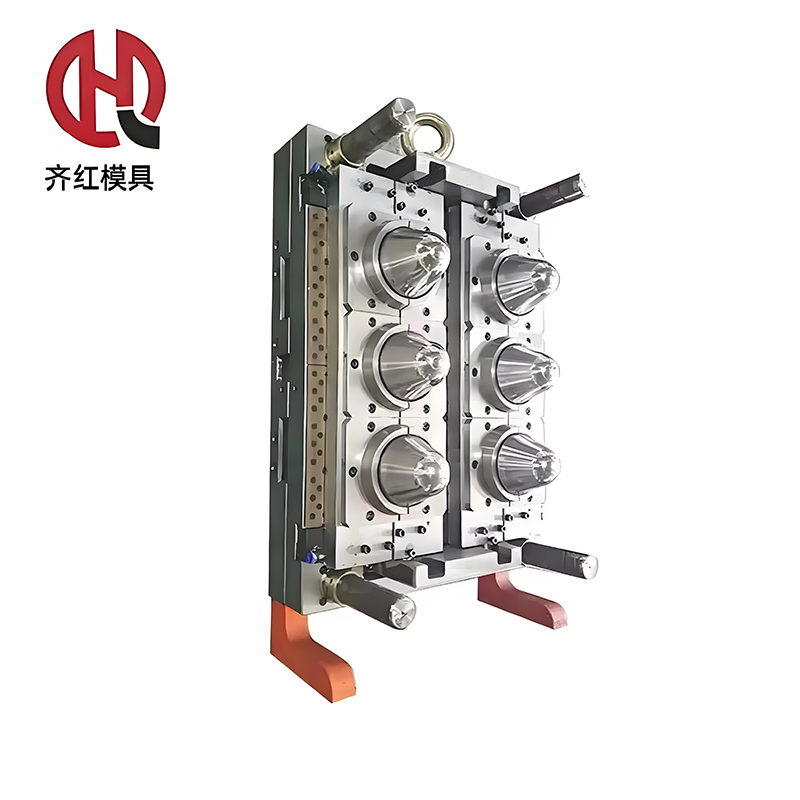
Water and beverage preform mold, Edible oil preform mold, Preform Mold for cosme...
See Details
WhatsApp:+(86) 13957659071 / +(86) 18158637057 / +(86) 15395760157


ADD:Baige Science and Technology Park, Huangyan District, Taizhou City, Zhejiang Province, China.