English
 русский
 عربى
عربى


Full Range Of Automatic Blowing Machine
Automatic blowing machines are essential equipment in modern bottle manufacturin...
See Details


Walk through almost any production area where liquid products are packed, and you will notice a common detail. Bottles. They look simple, yet they carry cleaning agents, industrial liquids, agricultural solutions, and many other chemical-based products.
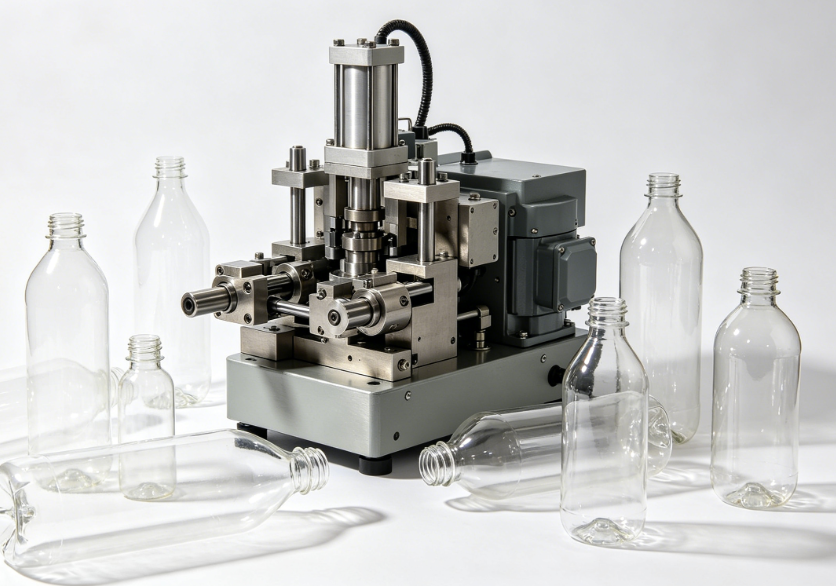
Behind many of these containers is a chemical bottle blowing machine . It shapes plastic into bottles through a controlled forming process. The result is not just a container, but a structure designed for handling, storage, and transport.
Different industries use this equipment for different reasons. The demand is not limited to one sector. It spreads across many areas where liquid chemicals need safe packaging.
At a basic level, chemical products need containers that do not react with their contents. They also need to stay stable during movement and storage.
Glass can be too heavy. Metal can be too costly or unsuitable for some liquids. Plastic bottles formed through blowing offer a practical middle ground.
The machine allows manufacturers to shape bottles in a controlled way. This means they can adjust size, thickness, and form depending on what the product needs.
That flexibility is why the same type of machine appears in very different industries.
One of the most visible users is the cleaning and household products sector. Bottles for detergents, disinfectants, and surface cleaners are everywhere.
These products are often used daily. That means the packaging must handle frequent opening, closing, and pouring.
A blown bottle helps keep shape under repeated use. Handles, grips, and pouring shapes can be built into the design. This makes the product easier to use in real conditions.
There is also a practical side. Cleaning products are produced in large volumes. The machine supports steady output without changing the bottle quality from batch to batch.
Industrial chemicals are stored and transported in more demanding environments. These may include liquids used in manufacturing, surface treatment, or maintenance processes.
The bottles must remain stable during stacking and transport. They may sit in warehouses or move between sites.
In this setting, consistency matters more than appearance. If one bottle is slightly different from another, handling becomes less predictable.
Blow molding helps reduce that variation. Each bottle follows the same forming pattern, which keeps shape and strength more uniform across production.
Agriculture uses a wide range of liquid products. Fertilizers, plant treatments, and protective solutions all need packaging that can handle outdoor conditions.
These bottles often travel long distances. They may be exposed to sunlight, heat, and movement during transport.
Blown plastic bottles are widely used because they can be shaped for practical handling. Some designs include wider grips. Others focus on stacking efficiency.
In farming environments, packaging is not just storage. It is part of daily work. A bottle needs to be easy to carry and pour, even in less controlled settings.
In healthcare and laboratory environments, chemical bottles serve a more controlled purpose. They are used for cleaning agents, preparation liquids, or testing solutions.
Here, consistency becomes especially noticeable. Workers rely on predictable containers. A change in shape or weight can slow down routine handling.
Blow molded bottles help maintain that consistency. Each unit follows the same forming process, which reduces variation.
In these environments, packaging also supports clear identification. Shape and design often help distinguish different types of liquids.
Automotive workshops and manufacturing spaces also use chemical products in bottle form. These include cleaning fluids, lubricants, and surface treatments.
The bottles must handle repeated use. They may be squeezed, poured, or stored in tight spaces.
Durability is important here. A bottle that deforms too easily becomes inconvenient. One that is too rigid may be hard to use.
Blow molding allows a balance between structure and flexibility. Handles or controlled shapes are often added to improve handling in busy work areas.
Even though the machine is the same, the final bottles are not. Each industry shapes its packaging differently.
Some focus on narrow bottles for controlled pouring. Others prefer wide containers for faster use. Some add handles. Others prioritize stacking.
A simple comparison:
| Industry type | Packaging focus |
|---|---|
| Cleaning products | Ease of use and frequent handling |
| Industrial chemicals | Stability and durability |
| Agriculture | Transport and outdoor use |
| Healthcare | Consistency and clarity |
| Automotive | Handling in workspaces |
The machine adapts to these needs without changing its core function.
No matter the industry, consistency is what keeps packaging reliable. When bottles are uniform, handling becomes easier.
Workers do not need to adjust to differences. Storage systems become simpler. Transport is more predictable.
Inconsistent bottles may look similar at first, but small differences can affect stacking or pouring.
Blow molding reduces this problem by repeating the same forming process each time. The result is a steady output that supports daily operations.
Many of these industries work with continuous demand. Cleaning products, agricultural liquids, and industrial chemicals are rarely produced in small one-off batches.
The machine supports this steady flow. Once set up, it can produce large numbers of bottles without changing the basic structure.
What matters here is rhythm. Production does not stop and start frequently. It runs in a steady cycle.
That makes it suitable for industries where packaging demand does not fluctuate too much.
Even though production is continuous, products are not all the same. Different liquids require different bottle shapes.
This is where flexibility becomes useful. The same machine can produce multiple bottle designs with adjustments.
Some changes are small, like shape or grip. Others involve capacity or closure style.
This ability to shift between designs allows industries to adapt packaging without changing equipment.
Chemical products always involve some level of safety consideration. Even common household liquids can cause issues if stored incorrectly.
A well-formed bottle reduces risk. It holds its shape, resists leakage, and supports controlled pouring.
Blow molding helps create this stability. The structure is formed evenly, which reduces weak points.
In industries where safety matters, packaging is part of the protection system, not just a container.
At first glance, cleaning products and industrial chemicals seem very different. Agriculture and healthcare also operate in separate environments.
Yet their packaging needs overlap. They all require containers that are stable, consistent, and adaptable.
Chemical bottle blowing machines sit quietly in the middle of this need. They do not change the product inside. They simply shape how it is carried and used.
Over time, this shared requirement is what keeps the technology present across so many industries, even when the products themselves are not connected.
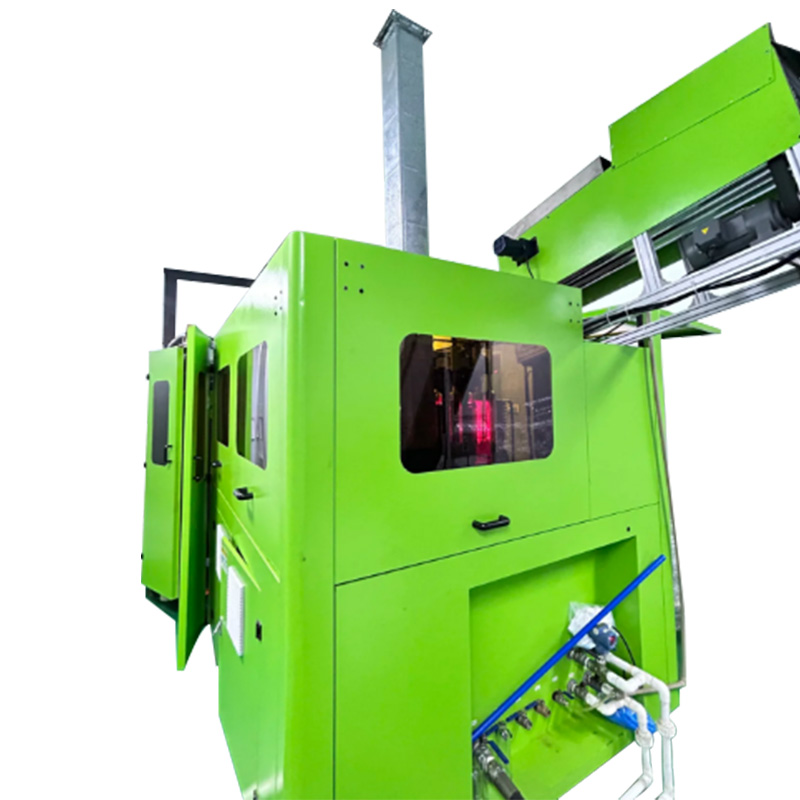
Automatic blowing machines are essential equipment in modern bottle manufacturin...
See Details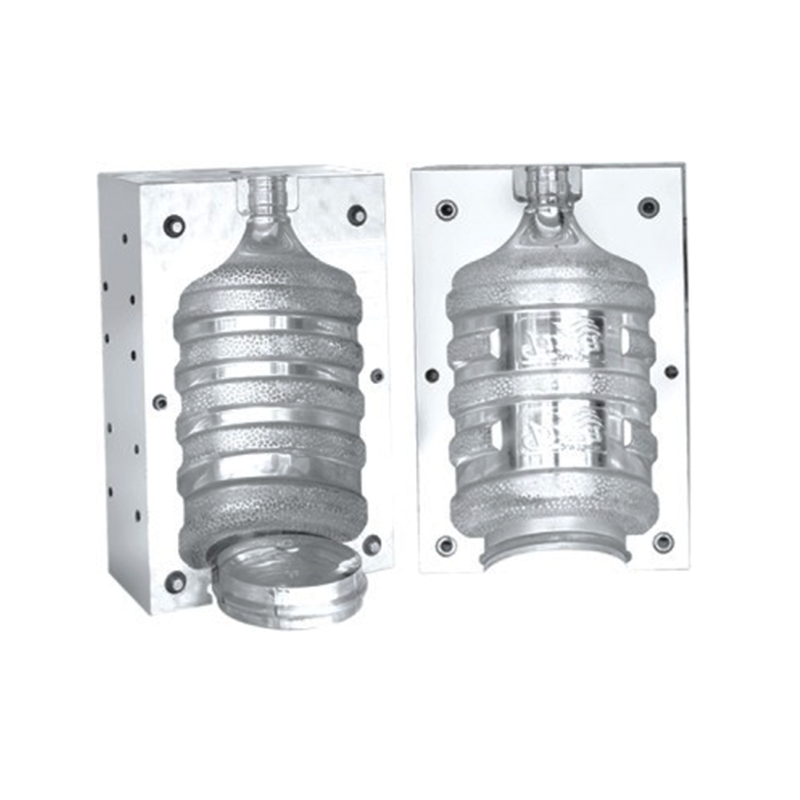
This Five Gallons Bottle Mold(Mould) comes straight out of Taizhou, Zhejiang—bui...
See Details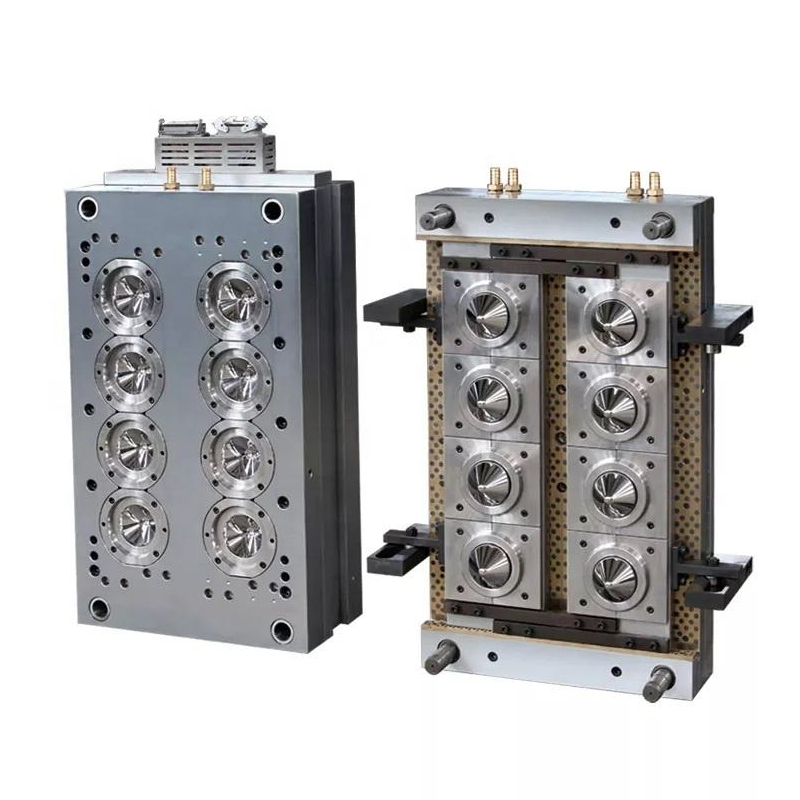
The 8-cavity wide-mouth mold is designed to produce plastic containers with larg...
See Details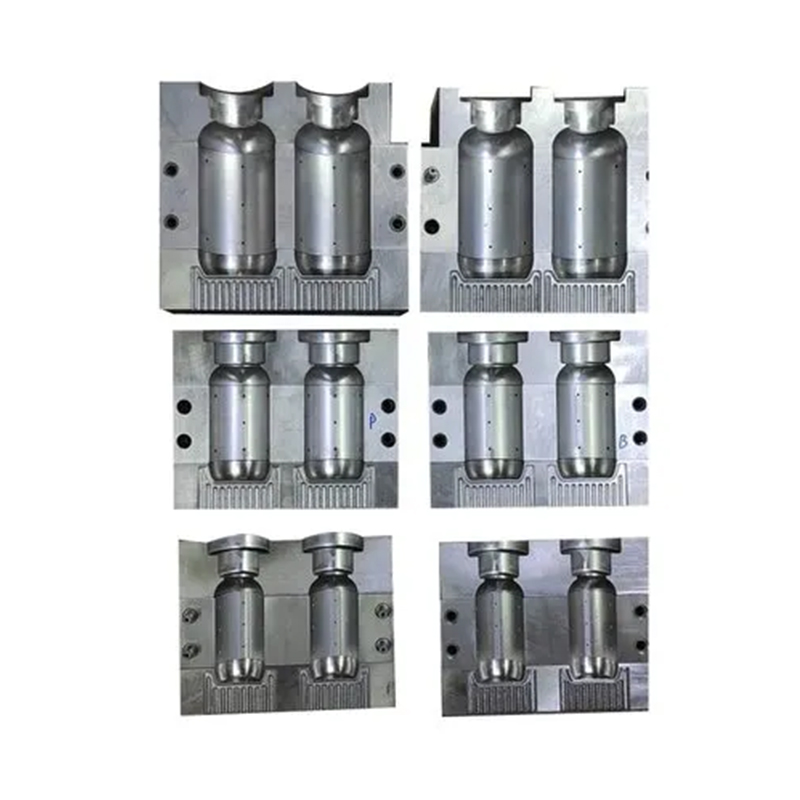
Medicine bottle molds are specialized tools designed for the efficient productio...
See Details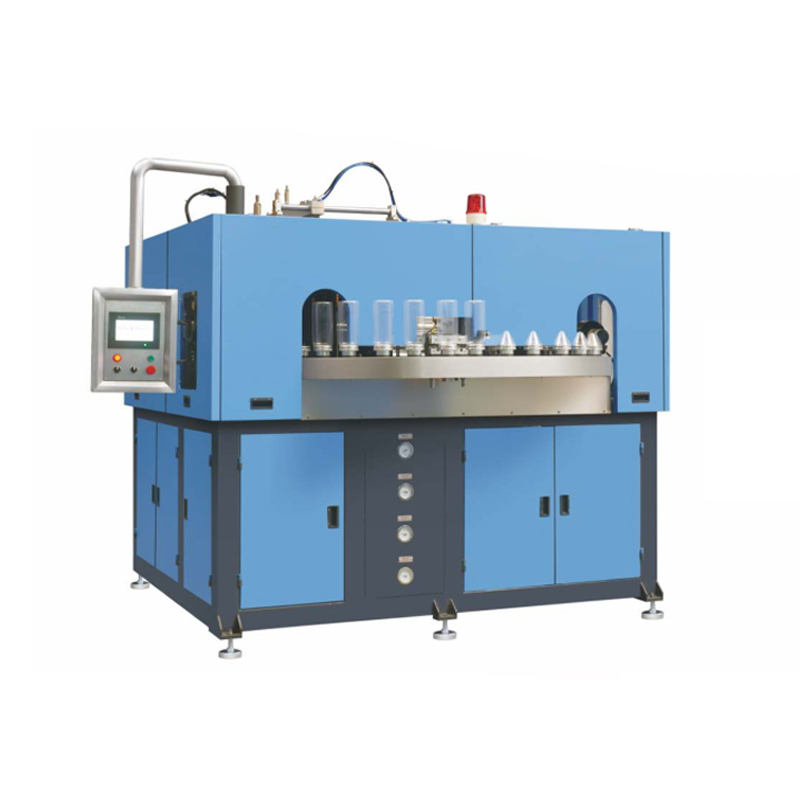
The hand-feeding blowing machine is an efficient tool designed for producing hig...
See Details
Mould Specifications Product : Preform Mould Brand : Taizhou QihongMould C...
See Details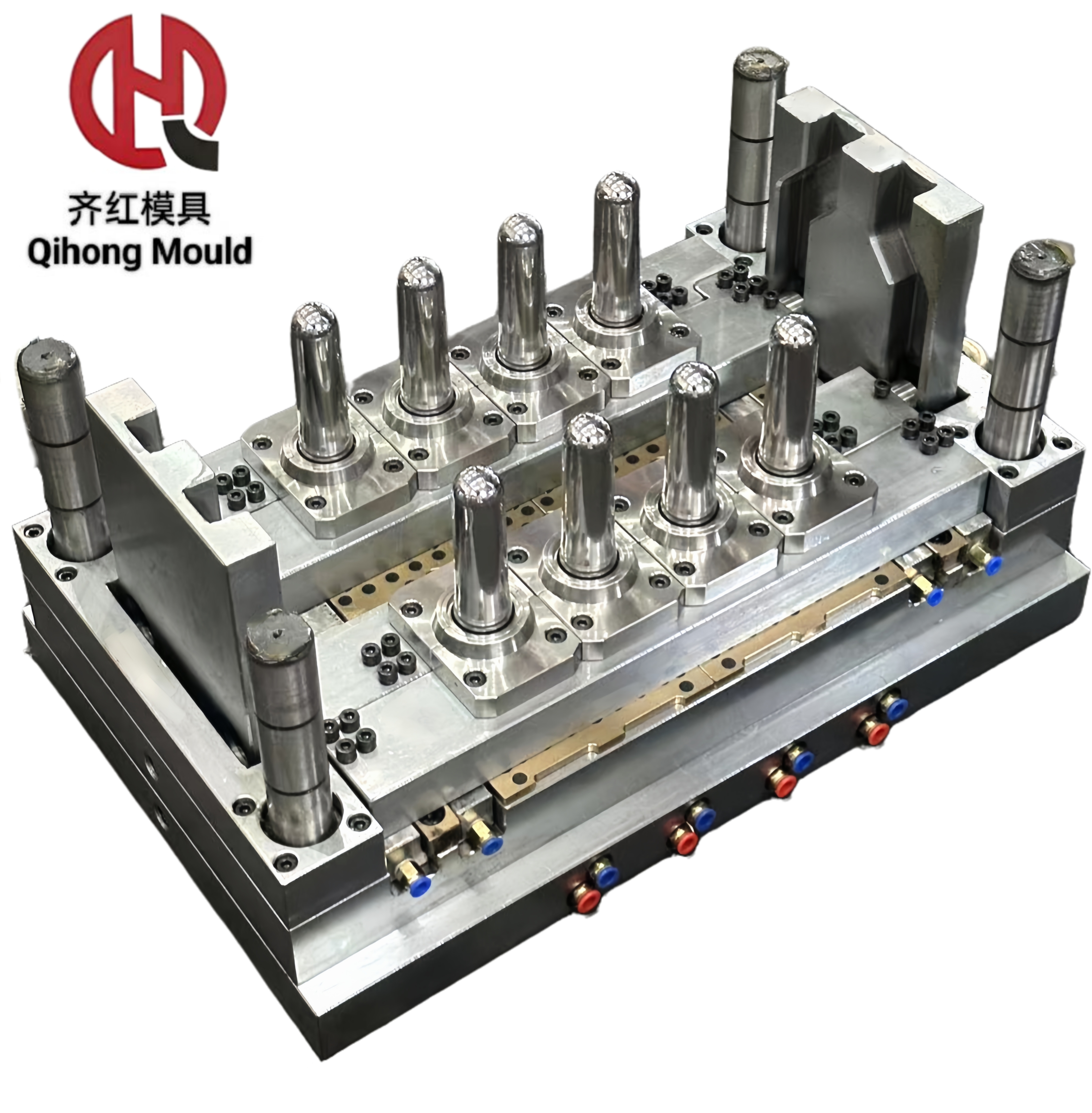
Jar Preform Mold is designed for accurate and efficient production of plastic pr...
See Details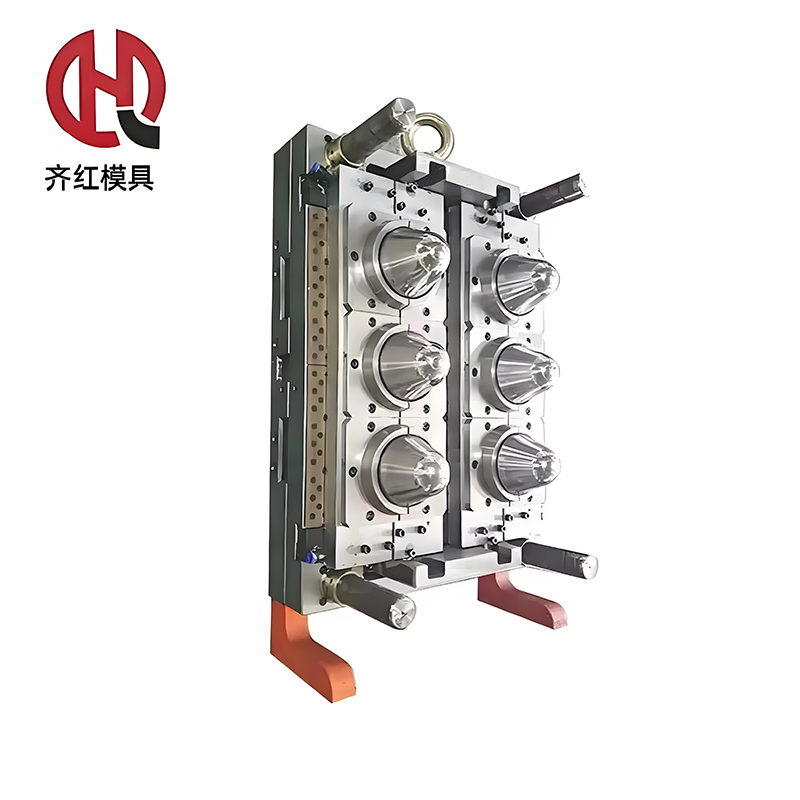
Water and beverage preform mold, Edible oil preform mold, Preform Mold for cosme...
See Details
WhatsApp:+(86) 13957659071 / +(86) 18158637057 / +(86) 15395760157


ADD:Baige Science and Technology Park, Huangyan District, Taizhou City, Zhejiang Province, China.