English
 русский
 عربى
عربى


Five Gallons Bottle Mold(Mould)
This Five Gallons Bottle Mold(Mould) comes straight out of Taizhou, Zhejiang—bui...
See Details


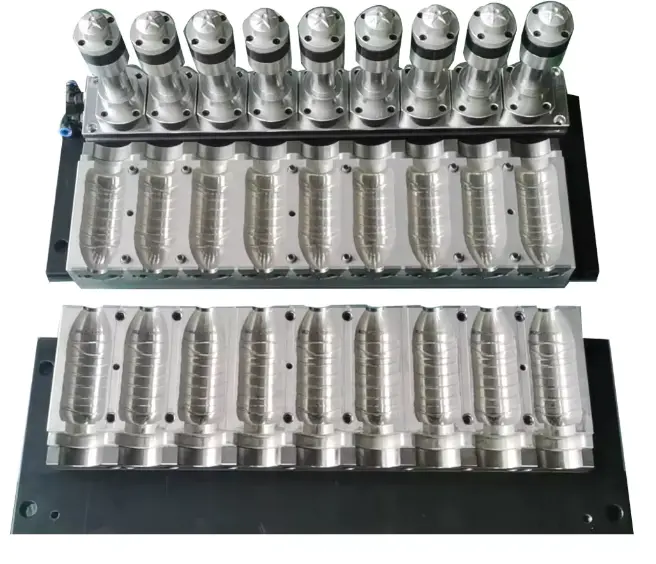
Bottles are everywhere in daily life. From water to cleaning liquids, almost all of them rely on a shaping process that looks simple but actually needs real care. The Bottle Blowing Mould sits right at the heart of this process. It quietly decides the shape, the smoothness, and the consistency of every single bottle.
Most people only notice the bottle at the end. They never think about the tool behind it. But a mould that isn't stable can turn even good material into uneven or flawed bottles.
In industry talks, companies like Taizhou Qihong Mold Co., Ltd. often come up when people discuss mould design. It shows how much attention is now going to both the small details and long-term reliability, not just how the bottle looks.
A Bottle Blowing Mould is basically a hollow shape. It helps soft material form into a complete bottle. Unlike cutting or stamping, it uses air to push the material outward until it matches the cavity exactly.
The process is simple in idea. First you heat the material until it softens. Then you place it inside the mould cavity. Next you push air in to expand it. Finally you let it take the shape of the mould.
This method works really well for hollow items, especially bottles. It creates smooth surfaces on the inside and outside at the same time. The mould itself does not move much. It just holds everything in place while the material expands.
Even though a mould looks simple from the outside, it has several parts working together.
The outer shell holds the whole structure and keeps the mould aligned. The inner cavity shapes the bottle's body. The neck area controls the opening, which is important for sealing. The base section shapes the bottom and allows the bottle to stand steady. And the cooling paths remove heat so the material solidifies properly.
Each part affects the final result. If one part is off, it can change the bottle's shape or quality. Everything works together like a small system.
The process follows a few clear steps. It is simple, but timing and care really matter.
You start by preparing the preform – that small tube-like starting piece. Then you heat it to soften the material so it can stretch. Next you place it in the mould and position the preform inside the cavity. After that you blow air to push the material outward until it fills the mould completely. Once it's full you cool it so the bottle solidifies. Finally you remove the finished bottle.
This cycle repeats continuously in production. Smooth transitions between each step help keep every bottle consistent.
Even if the steps are clear, results can change depending on a few key points.
Temperature matters a lot. Too hot and the material stretches unevenly. Too cold and it may fail to form properly. Air pressure must stay steady for even shaping. Mould alignment is also important – it must close properly to prevent leaks. And timing counts too. Rushing or delaying any step can affect the bottle.
Adjusting these factors keeps production steady. It ensures the bottles look right and function as intended.
Not all moulds are the same. Different needs call for different designs.
Some are single cavity and make one bottle at a time. Others are multi-cavity and can form several bottles at once. There are also shape variations like round, square, or custom designs. Size differences range from small containers to larger bottles.
Producers pick the type based on what they need. This flexibility allows the same basic method to serve many industries and purposes.
A Bottle Blowing Mould Manufacturer does more than just make shapes.
They design moulds that match the bottle's needs exactly. They choose materials that can last through many cycles. They keep dimensions accurate so every bottle stays consistent. And they test and adjust the moulds before full production starts.
Attention to small details here prevents issues later. Even slight errors can affect the finished product.
The mould is directly linked to what the bottle looks like and how it performs.
A clean cavity gives a smooth surface on the bottle. Even shaping avoids weak spots in the wall thickness. Bottles from the same mould look alike because of shape consistency. And the neck precision helps with proper sealing and everyday usability.
The quality really starts from the mould itself. If the mould works well, the bottle is more likely to be reliable and consistent.
The way a mould is designed can make a big difference in how fast bottles are made and how steady the whole production line feels. A good mould keeps everything running smoothly and cuts down on interruptions.
For example, the number of cavities matters a lot. More cavities mean you can produce more bottles in one go, but they also need tighter control to keep quality the same. Cooling efficiency is another key point. Faster cooling shortens the cycle time without hurting the bottles. A stable structure reduces unwanted movement, so you get fewer defects and less rework. And simple handling helps too — when the preform is easy to place and the finished bottle is easy to remove, you save time on every cycle.
Even small improvements in mould design can bring a noticeable change in daily output.
Taking good care of the mould helps it last longer and keeps the bottles looking and feeling consistent. Maintenance doesn't have to be complicated at all.
Regular cleaning is important because it removes any residue that could affect the surface quality of the bottles. You should also check the alignment often to make sure the mould closes properly every time. It's wise to inspect for wear — small scratches or dents can get worse if you leave them. And always keep the mould dry, since moisture can lead to corrosion or cause material to stick.
Simple habits like these often prevent bigger headaches later. A well-maintained mould can stay useful for many thousands of production cycles.
Even a well-made mould can run into some challenges during real production. Most of these issues are not serious if you catch them early.
Uneven bottle shape can appear when air pressure or temperature is not quite right. Surface marks on the bottle often come from scratches or leftover residue inside the cavity. Cooling problems are another common one — if cooling is too slow, the bottle may deform after it comes out. Sometimes the material sticks to the mould and needs careful removal.
Most manufacturers already plan for these situations and build in ways to adjust the process quickly when needed.
Different products need different kinds of bottles, and that directly affects the mould you choose.
Beverage bottles usually call for clear, smooth surfaces and consistent necks that work well with caps. Household cleaning liquids often need thicker walls or special shapes for easy handling. Personal care products may require custom shapes or smaller sizes. Industrial packaging, on the other hand, tends to need heavier-duty bottles with stronger bases.
The mould has to fit the purpose. One single mould rarely works perfectly for every type of product.
Bottle designs keep changing, and the moulds have to keep up with them.
These days there is more demand for lighter bottles, which means the mould needs to shape the material precisely so weak spots don't appear. Faster production is also a big focus, so better cooling systems and air flow help shorten cycle times. New surface treatments on the mould can reduce wear and give the bottles clearer finishes. And tighter tolerances are becoming common because everyone wants every bottle to look and perform exactly the same.
Manufacturers are paying attention to both appearance and durability, which makes the moulds more reliable over time.
Even with a strong mould, a few small habits can make it last much longer.
Clean it gently using soft cloths instead of anything rough. Avoid strong chemicals that might damage the surface. Keep the mould properly lubricated if the maker recommends it. And when it's not in use, store it in a dry, stable place.
Following these simple tips helps maintain good performance and reduces unexpected downtime on the line.
A Bottle Blowing Mould Manufacturer does more than just deliver the tool. They can offer real support that helps you use the mould for a long time.
They often give guidance on proper installation and alignment. They can share advice on choosing the right materials for your specific production needs. Many also provide tips on adjusting air pressure and temperature for the best results. And when needed, they can help with maintenance and minor repairs.
When the user and manufacturer work closely together, production stays smoother and more consistent.
Certain features make a mould last longer and perform better in everyday use.
A strong outer shell holds the shape and prevents warping, which keeps the bottles consistent. A smooth inner cavity allows even expansion and gives the bottle a clean surface, so you see fewer defects and scratches. Precise neck alignment controls the opening and sealing, making sure caps fit well and there are no leaks. Efficient cooling paths remove heat quickly, which shortens cycle time and helps the bottle keep its shape. And an easy handling design makes placement and removal smoother, saving time and reducing wear.
All these features work together to keep production steady and every bottle uniform.
| Feature | Purpose | Benefit |
|---|---|---|
| Strong outer shell | Holds the mould firmly and prevents warping | Keeps every bottle consistent in shape and size |
| Smooth inner cavity | Allows the material to expand evenly and creates a clean surface | Reduces defects and scratches on the bottle |
| Precise neck alignment | Controls the opening and sealing area accurately | Helps caps fit well and prevents leaks |
| Efficient cooling paths | Removes heat from the bottle quickly | Shortens cycle time and keeps the bottle shape stable |
| Easy handling design | Makes it simple to place the preform and remove the finished bottle | Saves time on each cycle and reduces wear on the mould |
From the moment you heat the preform until you take out the finished bottle, every step depends on the mould. A stable mould helps keep the shape and size the same across all bottles. It reduces the number of defective pieces. It allows faster production without losing quality. And it makes it easier to switch between different bottle types with only small adjustments.
Even small details in design and daily care can make a real difference in how things run on the factory floor.
Looking ahead, improvements will likely focus on a few key areas.
New materials that resist wear and corrosion for even longer periods. Ways to achieve faster cycle times without sacrificing quality. Better adaptability so the same mould can handle new shapes and sizes more easily. And designs that need simpler maintenance and offer a longer overall service life.
The main goal stays the same — produce bottles that look good and work well, while keeping the mould reliable for a long time.
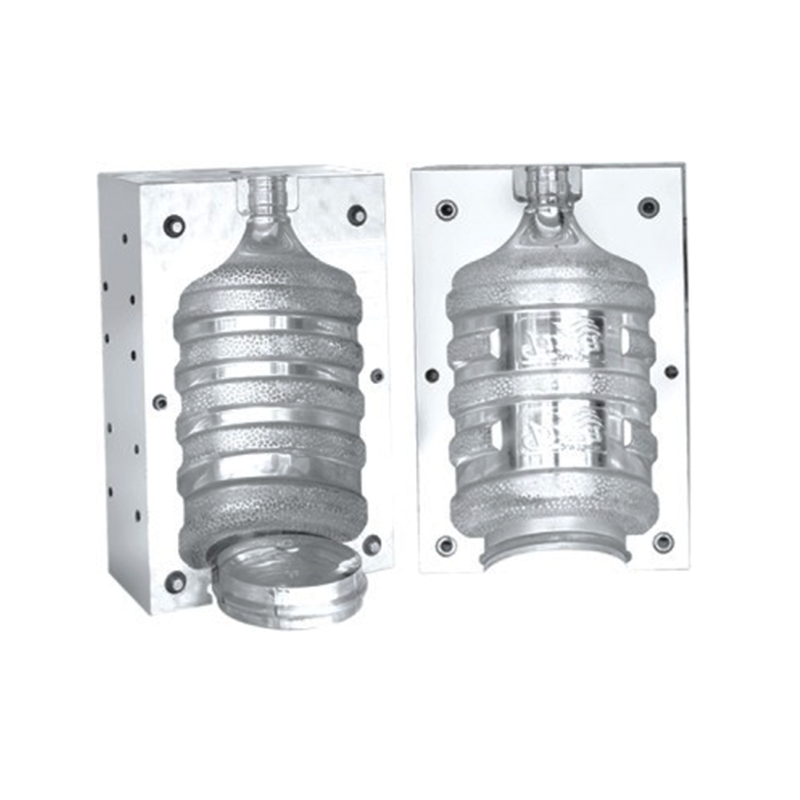
This Five Gallons Bottle Mold(Mould) comes straight out of Taizhou, Zhejiang—bui...
See Details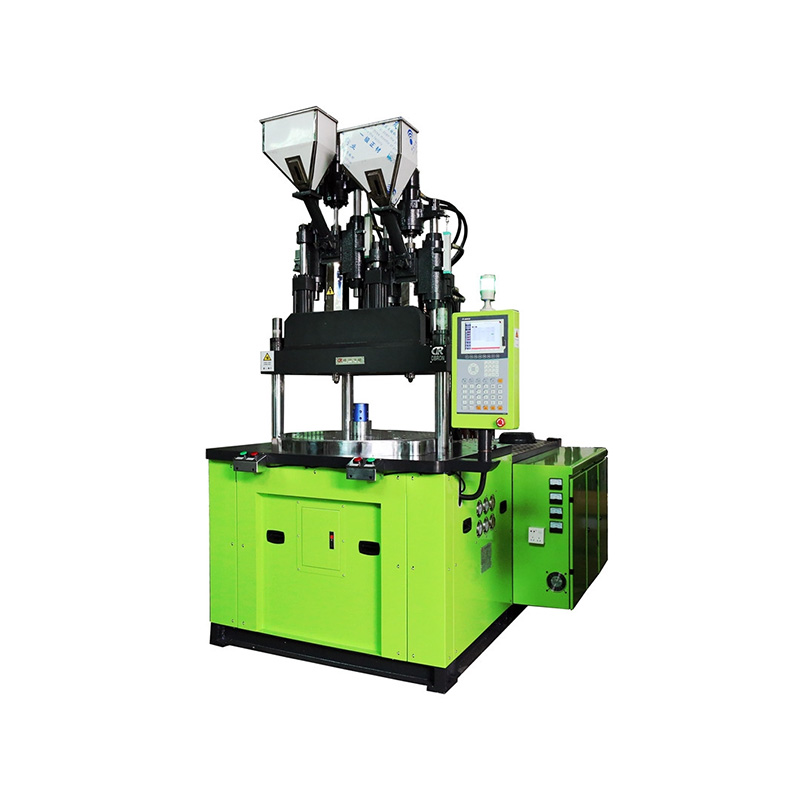
An Injection Molding Machine is an essential industrial tool used for producing ...
See Details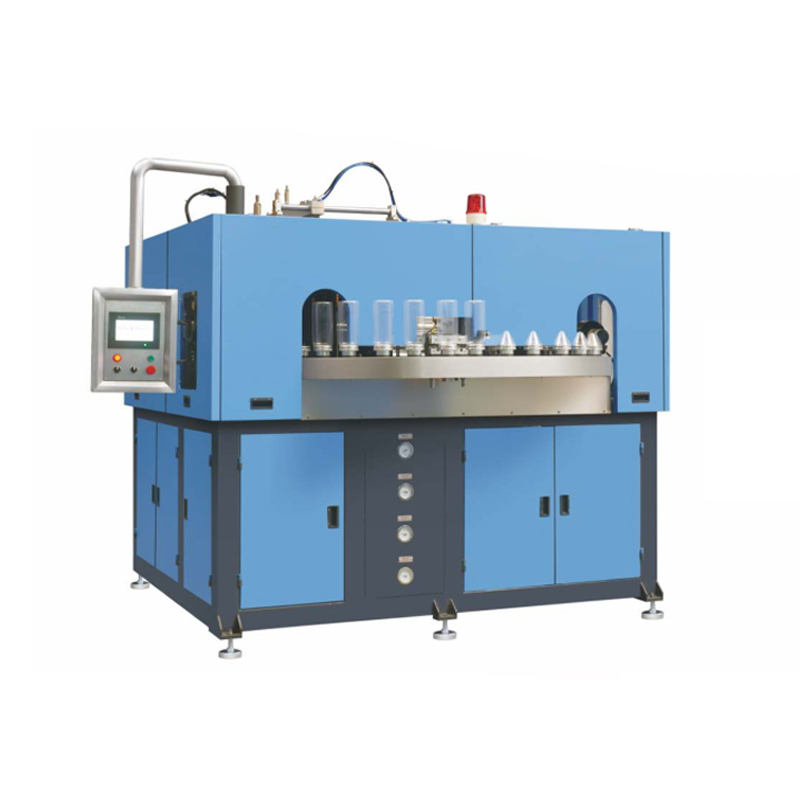
The hand-feeding blowing machine is an efficient tool designed for producing hig...
See Details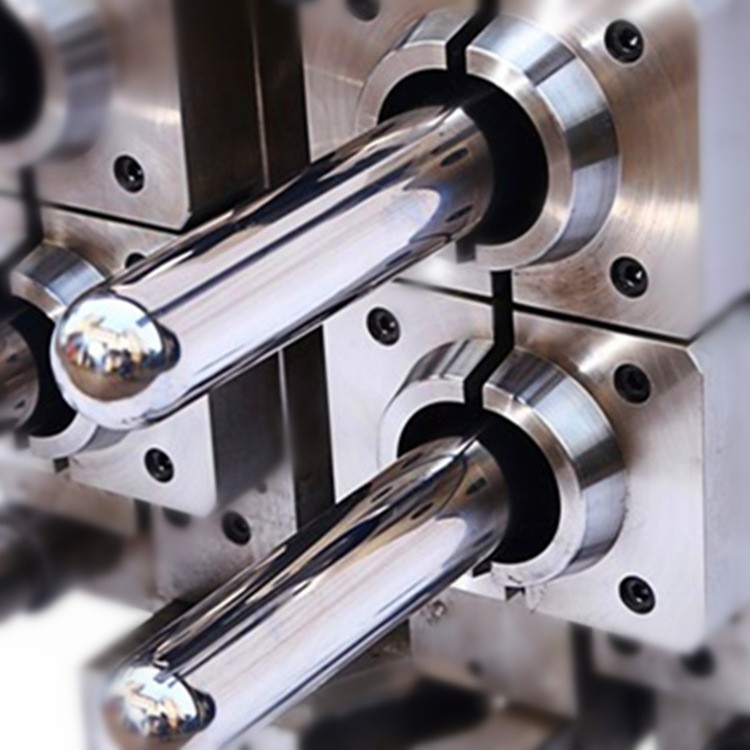
Mould Specifications Product : Preform Mould Brand : Taizhou QihongMould C...
See Details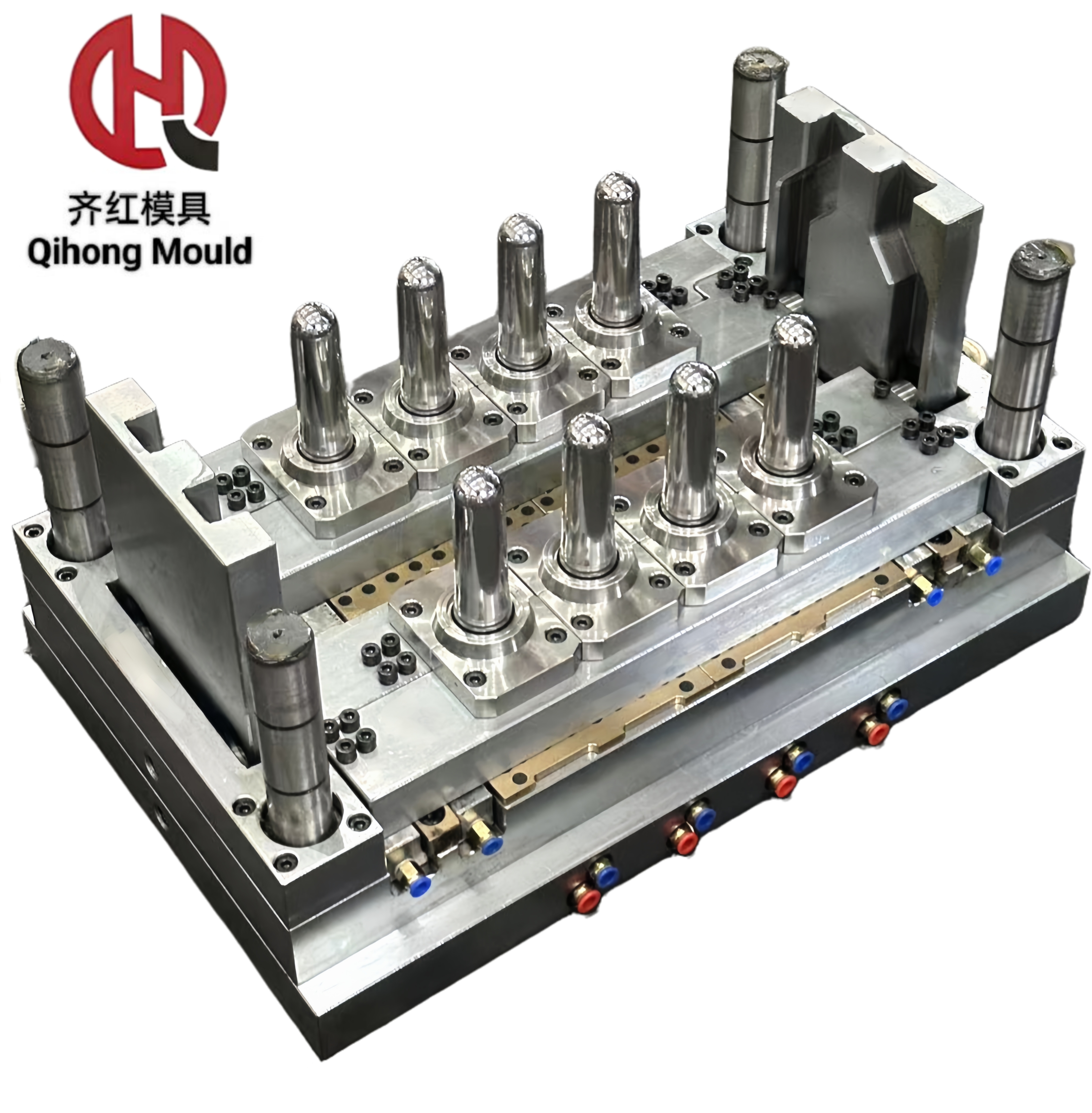
Jar Preform Mold is designed for accurate and efficient production of plastic pr...
See Details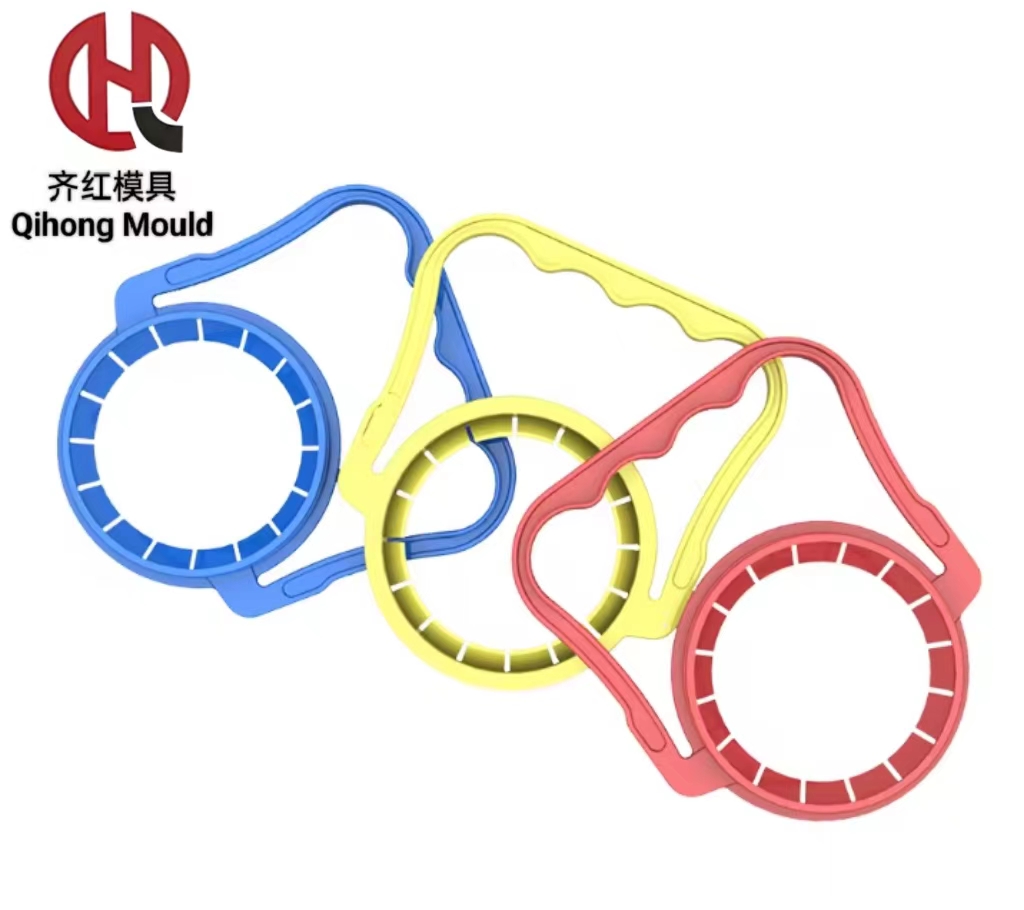
Mould Specifications Product : Plastic Handle Mould Brand : Taizhou Qihong...
See Details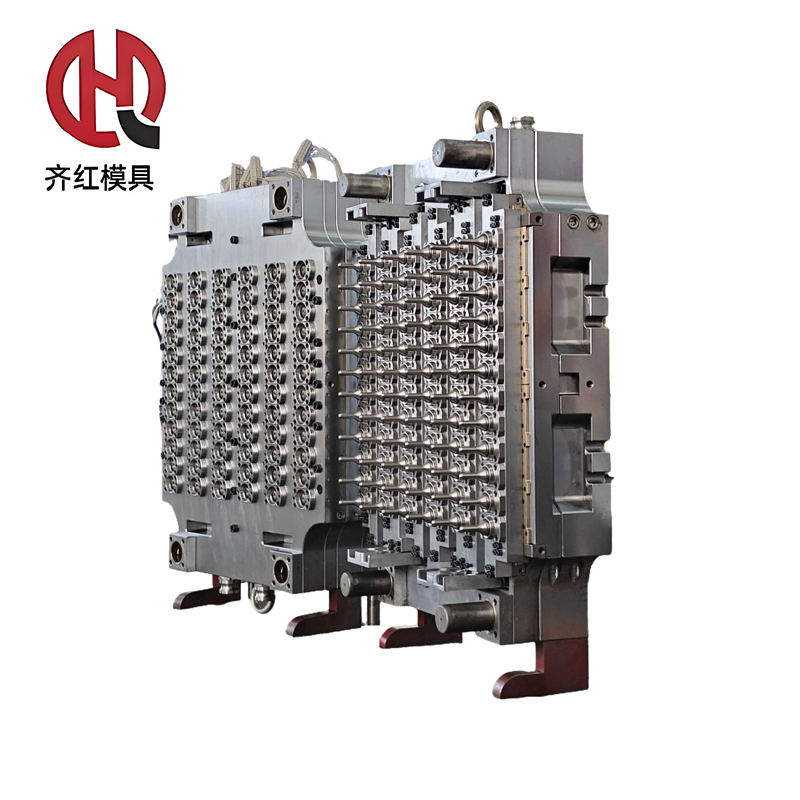
Standardization of mold partsHigh-precision processing equipment is used to ensu...
See Details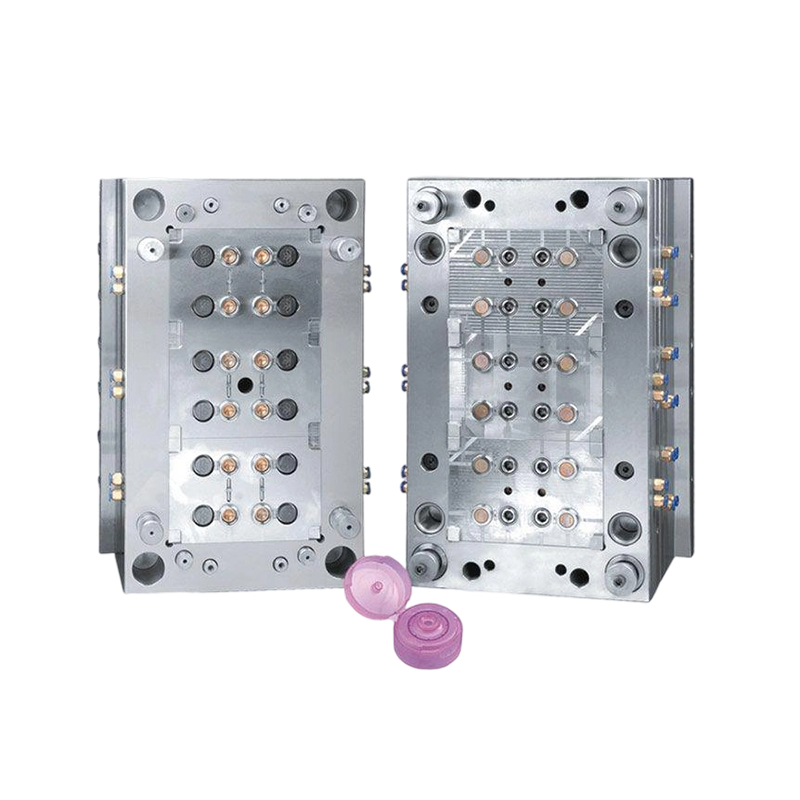
Flip Top Cap also know as Flip Top Caps & Cap mould Stopper Cap is one of ty...
See Details
WhatsApp:+(86) 13957659071 / +(86) 18158637057 / +(86) 15395760157


ADD:Baige Science and Technology Park, Huangyan District, Taizhou City, Zhejiang Province, China.