English
 русский
 عربى
عربى


24-Cavity Preform Mold(Mould)
The 24-cavity preform mold is a handy tool for turning out PET bottle preforms. ...
See Details


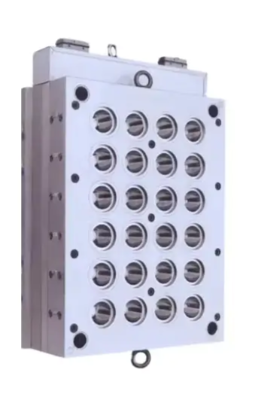
A Bottle Blowing Mould is basically the metal tool that shapes a heated plastic preform (or parison in some processes) into a finished bottle by blowing air inside it. It might look straightforward — two halves clamp shut, air puffs in, plastic stretches and hugs the mould walls — but getting it right makes or breaks smooth, high-volume runs. The big deal is how the material flows and distributes during that stretch and blow phase. If flow isn't even, you end up with bottles that have thin weak spots in walls, thick heavy bottoms, uneven surfaces, or bottles that warp after cooling.
Why does material flow matter so much? It directly hits bottle quality and production efficiency.
A solid flow setup saves headaches, shortens cycles, and keeps the line humming without constant tweaks.
Natural collaborations between factories and manufacturers, like the services offered by Taizhou Qihong Mold Co., Ltd. , show how expertise and experience together improve efficiency, product quality, and production reliability.
In blow molding — especially stretch blow for PET bottles or extrusion blow — the material doesn't just sit there. It starts as a heated preform or tube, then gets stretched (often with a rod) while air blows it outward to fill the mould.
Key paths the material takes:
Material properties play into this big time. Thicker, higher-viscosity stuff flows slower and might not reach far corners before cooling starts. If it cools unevenly, you get air traps, thin walls, or bubbles. In multi-cavity setups, the headache multiplies — every cavity needs the same amount at roughly the same time, or some bottles come out short-shot or overpacked.
Stuff that influences flow speed:
Good runner/gate layout cuts turbulence, keeps flow smooth, and helps everything balance out.
A bunch of mould parts team up to control how material spreads and sets.
Little changes — like tweaking gate size or runner path — can fix big problems. A good Bottle Blowing Mould Supplier runs simulations or tests to nail these before cutting steel.
Here's a quick rundown of how they impact flow:
| Design Element | Effect on Flow | Production Consideration | Notes |
|---|---|---|---|
| Runner Shape | Speed and balance | Must avoid turbulence | Longer runners may reduce flow speed |
| Gate Size | Even cavity filling | Needs careful positioning | Too small gates may cause defects |
| Cooling Channels | Uniform solidification | Reduces warping | Placement critical near thick areas |
| Cavity Geometry | Material distribution | Influences wall thickness | Complex shapes need extra gates |
Multi-cavity moulds crank out several bottles per cycle — great for speed and cost when volumes are high. But uneven flow hits harder here. One cavity fills fast while another lags? You get a batch of mismatched bottles — some thin-walled and weak, others heavy or deformed.
Balancing is everything:
Suppliers use flow analysis software to predict issues upfront. That way, they avoid waste from uneven runs and keep quality tight.
The plastic itself — usually PET for bottles — dictates a lot about flow behavior.
Operators tweak machine settings — pressure, timing, heat — to stabilize things. A reliable Bottle Blowing Mould Supplier helps pick the sweet spot for temp, pressure, and blow timing so flow stays consistent run after run.
Bottom line: Good material flow in a blowing mould isn't flashy, but it's what turns raw plastic into reliable, good-looking bottles without wasting time or material. Get the design balanced, and production just flows smoother.
These days, factories have a bunch of practical tools and tech to make material flow better inside Bottle Blowing Moulds. They help catch problems early, cut down defects, and keep runs smooth — especially with multi-cavity moulds where balancing everything is trickier.
Using this stuff means less scrap, bottles with more even walls, and easier balancing in multi-cavity setups. It's a big help for keeping quality steady without endless trial runs.
Even a well-designed mould needs regular care to keep flow reliable. Small issues add up quick, and in multi-cavity moulds one problem can ruin a whole batch.
Stick to a simple maintenance routine, and you'll get steady flow, longer mould life, and fewer unexpected stops.
Flow issues tend to show up in the same usual spots. Once you know them, fixing is straightforward.
Practical fixes include:
These tweaks improve bottle consistency and keep the line from shutting down too often.
When flow is smooth and even, the whole process feels easier.
Bottles end up with uniform wall thickness — no weak thin areas that might burst, no heavy thick spots wasting material.
A solid Bottle Blowing Mould Supplier builds this into the design from the start. Their experience means less trial-and-error, steadier production, and bottles that perform reliably all the way to the end user.
Flow optimization keeps getting smarter and more efficient. A few things on the horizon:
Teaming up with knowledgeable suppliers makes it easier to bring these new ideas in without big risks — they test, guide, and keep things practical.
No mould runs perfectly forever on its own. Even great designs need expert hands to stay at their best.
Skilled Bottle Blowing Mould Suppliers spot the small stuff — a gate that needs widening, a runner path to reroute, a cooling line to shift. These little changes can smooth out flow a lot.
They help keep multi-cavity moulds balanced so every bottle comes out matching.
Their know-how cuts downtime — fewer test shots, less wasted material, faster fixes when something goes off.
For example, working with a company like Taizhou Qihong Mold Co., Ltd. makes a difference. They specialize in preform and blowing moulds for beverages, oils, cosmetics, and more. Known for reliable quality, good efficiency, and durable tools, they don't just sell moulds — they guide on flow tweaks, maintenance routines, and upgrades. Partnering with experienced folks like them means steadier production, more consistent bottles, and way fewer headaches overall. Good mould plus good support is what really keeps things running smooth.
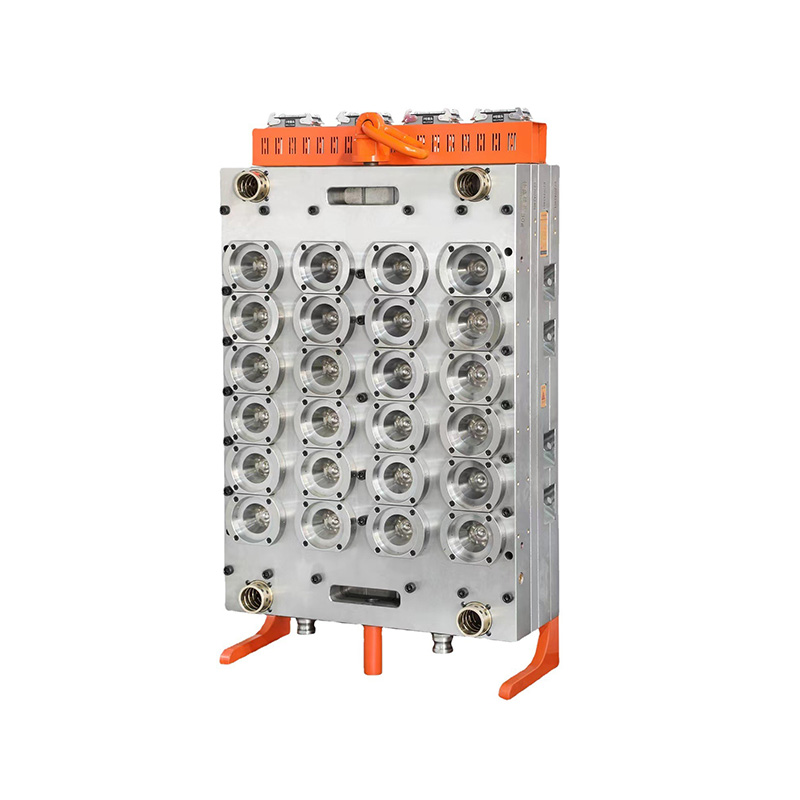
The 24-cavity preform mold is a handy tool for turning out PET bottle preforms. ...
See Details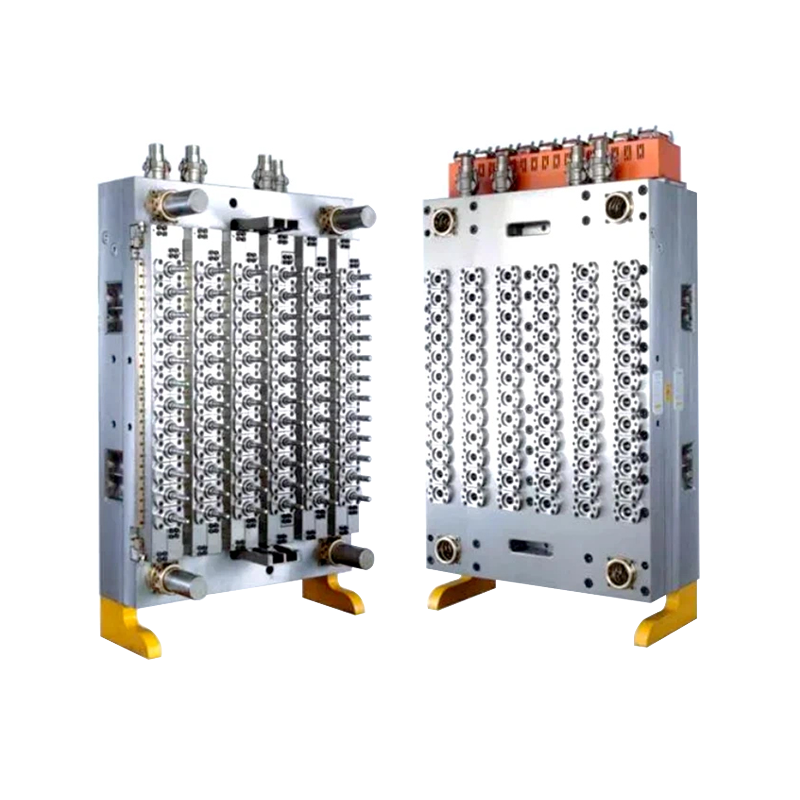
The 72-Cavity Preform Mold(Mould) is a solid, no-nonsense choice when you need t...
See Details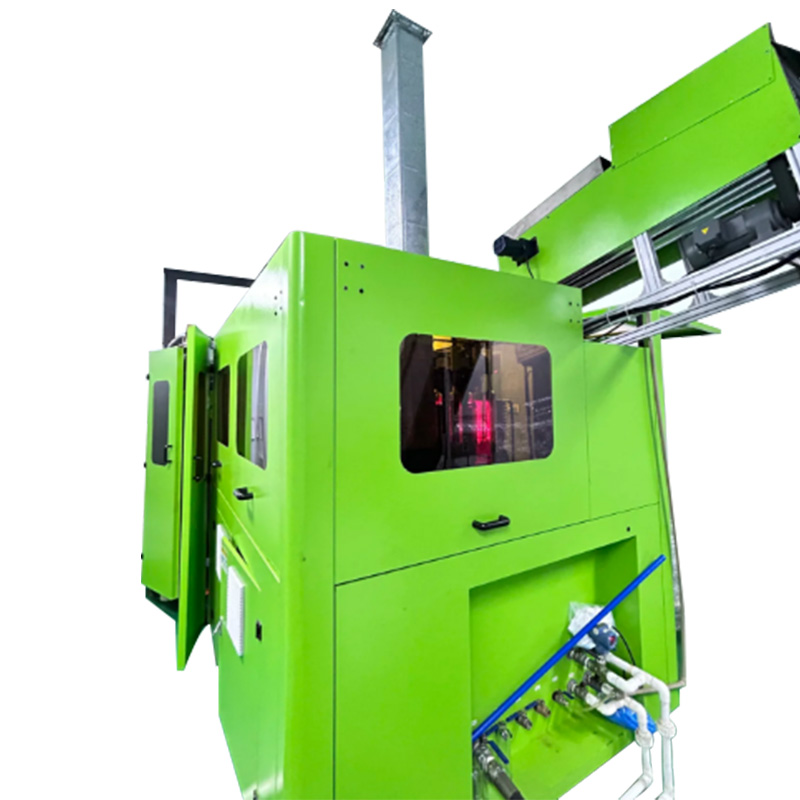
Automatic blowing machines are essential equipment in modern bottle manufacturin...
See Details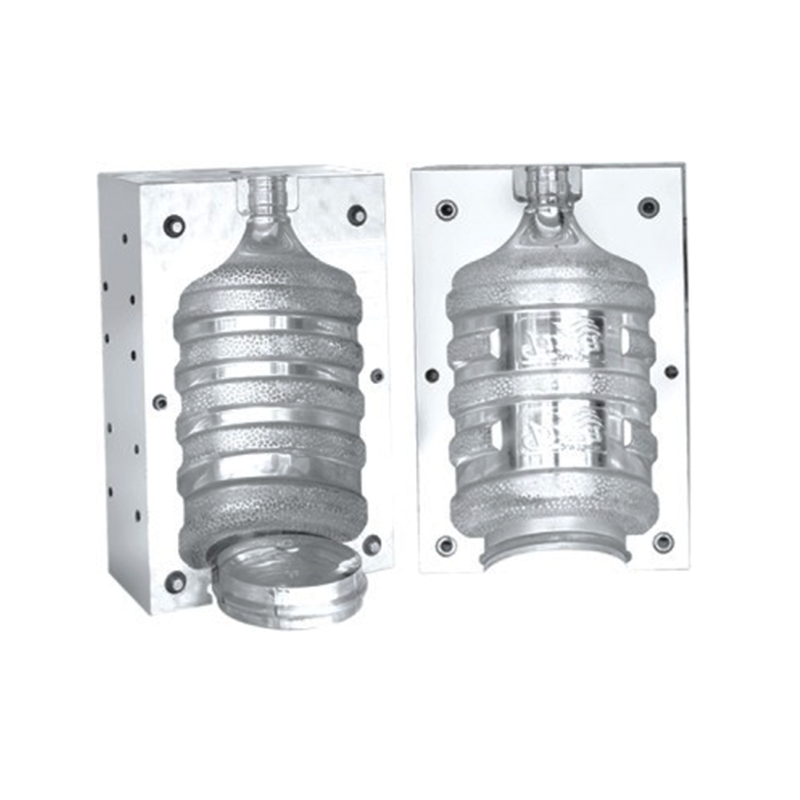
This Five Gallons Bottle Mold(Mould) comes straight out of Taizhou, Zhejiang—bui...
See Details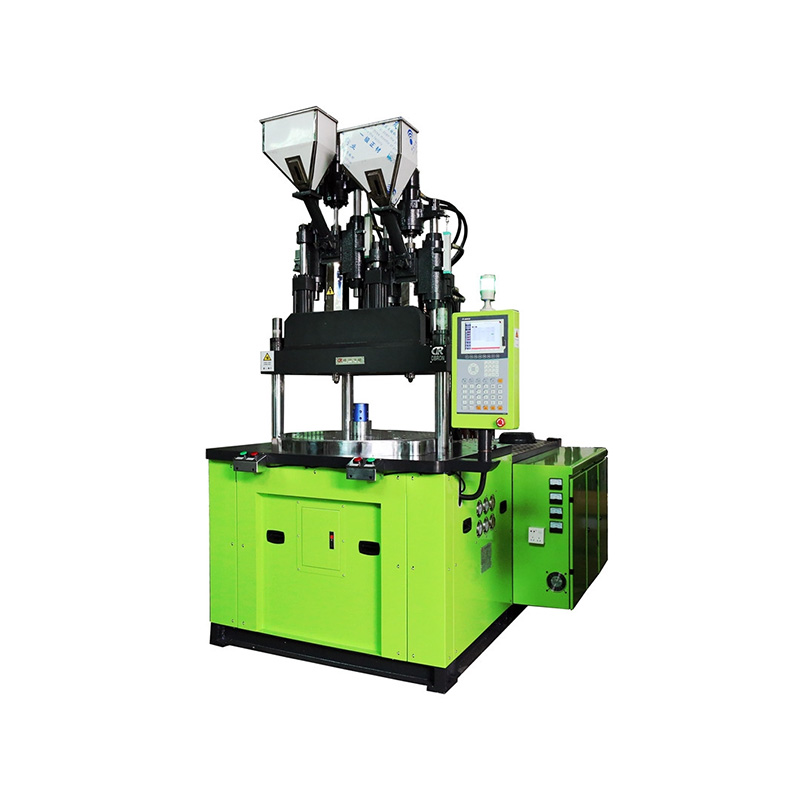
An Injection Molding Machine is an essential industrial tool used for producing ...
See Details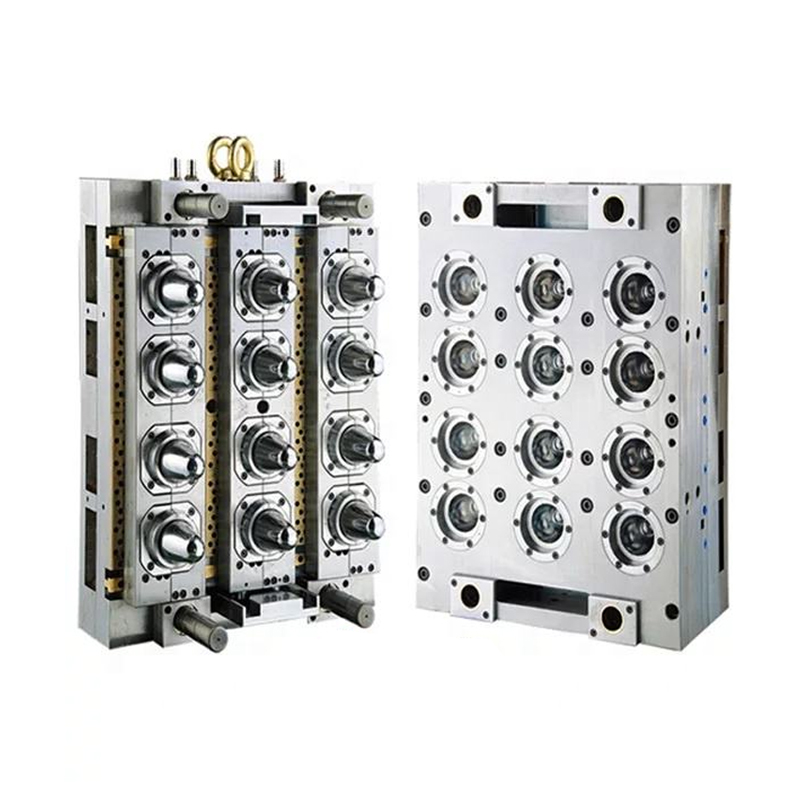
The 12-Cavity Wide-Mouth Mold(Mould) is made for manufacturers running wide-mout...
See Details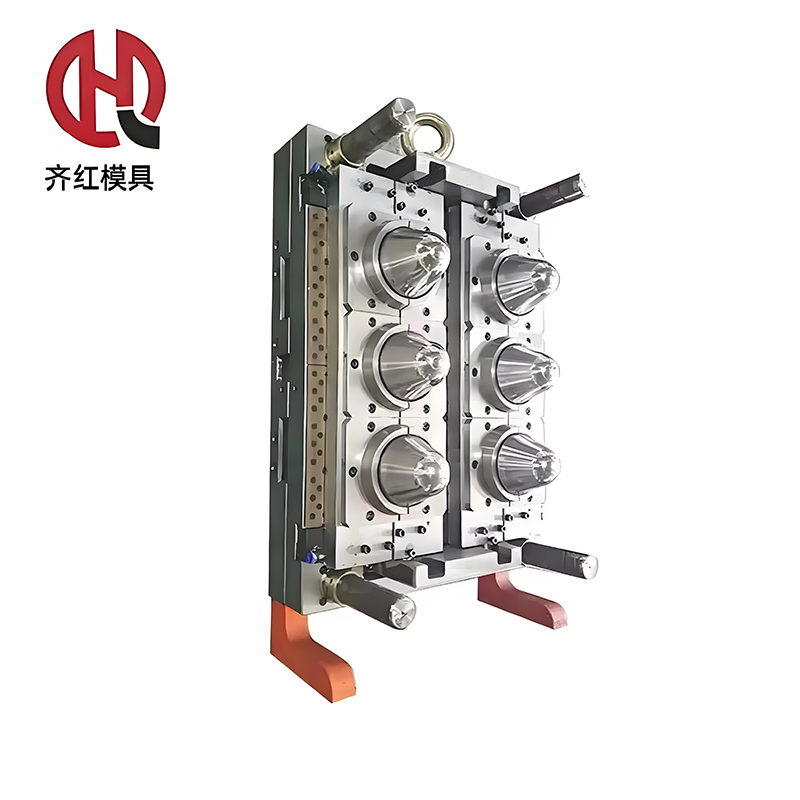
Water and beverage preform mold, Edible oil preform mold, Preform Mold for cosme...
See Details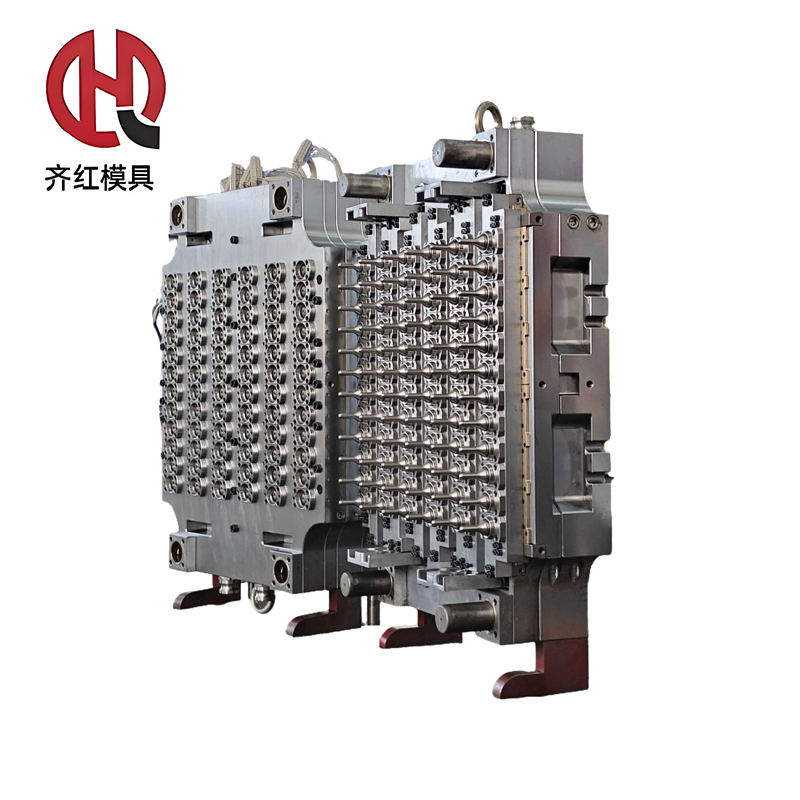
Standardization of mold partsHigh-precision processing equipment is used to ensu...
See Details
WhatsApp:+(86) 13957659071 / +(86) 18158637057 / +(86) 15395760157


ADD:Baige Science and Technology Park, Huangyan District, Taizhou City, Zhejiang Province, China.