English
 русский
 عربى
عربى


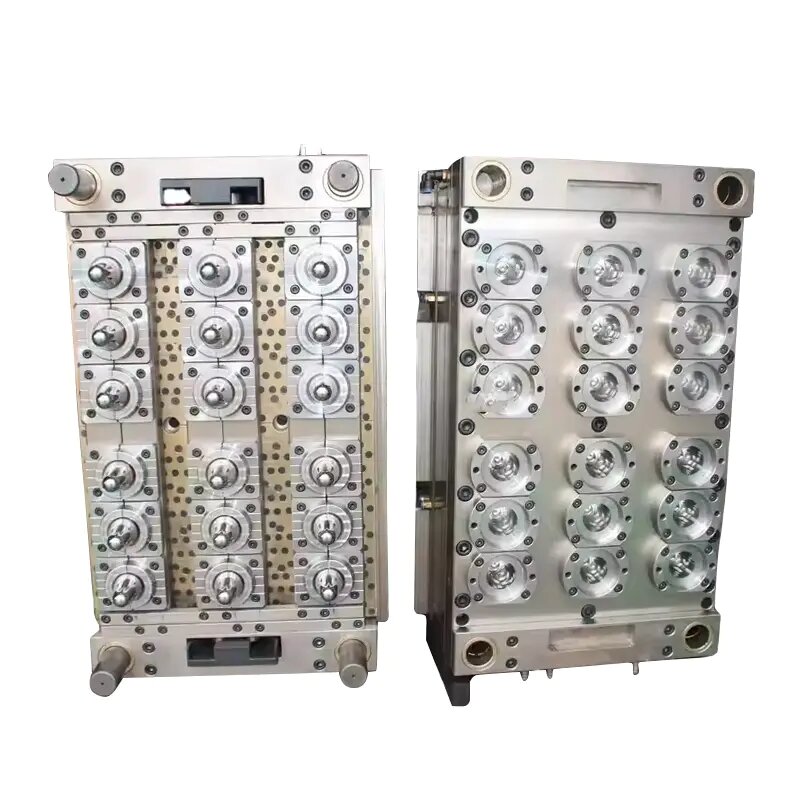
72-Cavity Preform Mold(Mould)
The 72-Cavity Preform Mold(Mould) is a solid, no-nonsense choice when you need t...
See Details


Mould technologies play a huge role in modern manufacturing, even if most people never think about them. Pretty much every plastic item you use — bottles, phone cases, car bumpers, toys — starts life inside a mould. The mould shapes the hot material, cools it just right, and spits out parts that are basically identical every time. Without good mould tech, mass production would be slow, expensive, and full of mistakes.
These days, moulds do way more than just hold shape. They control how the plastic flows in, how fast it cools, and where any weak spots might show up. A tiny tweak — like shifting a gate or adding better cooling lines — can cut waste, speed up cycles, or fix defects that were driving everyone nuts. Factories rely on them to hit tight tolerances and keep lines running smooth. Bad mould design? You get jams, uneven parts, or constant tweaks that kill efficiency.
Materials have come a long way too. Most moulds use tough steels or alloys that handle heat and pressure over thousands of cycles. Some get special coatings to fight wear, reduce sticking, or handle high temps better. That means less downtime for repairs and longer life overall.
Efficiency ties right back to smart design. A well-thought-out mould wastes less material, shortens each cycle, and delivers parts that fit and look perfect right off the bat. It's quiet work behind the scenes, but it's what keeps big runs affordable and reliable.
"Cavity" is just the fancy word for the hollow spot inside the mould where the actual part gets formed. One cavity = one part per shot. Two cavities = two parts at once. More cavities mean cranking out multiples every cycle.
Higher cavity counts boost output big time. You get way more pieces without running the machine longer. But it's not automatic — everything has to balance. The plastic has to reach every cavity evenly through runners and gates. If one fills slower, you end up with warped parts, short shots, or ones that don't match the rest.
Cooling plays a part too. Each cavity might cool a bit differently if channels aren't planned right. One part shrinks more, another stays bigger — headaches for assembly later.
Small shops often stick with 1-2 cavities. Easier to set up, cheaper to fix, and flexible if designs change. Big factories go for 8, 16, or more to feed high demand fast. More cavities ramp up speed but add complexity — tighter design work, more monitoring, and careful balancing to avoid issues.
Multi-cavity moulds aren't just single ones copied over and over. They're built as one precise system with cores for inside shapes, cavities for the outside, runners to carry molten plastic, gates where it enters each spot, and ejectors to pop parts out clean.
Everything has to line up perfectly. Misalignment in one spot can mess up all the parts in a cycle. Steel alloys handle the heat and pressure repeats. Coatings help with release and wear.
Runners and gates get special attention — they need to feed each cavity at the same speed and pressure. Poor placement means uneven filling, flash, or sink marks.
Here's a quick look at how cavity numbers shift things:
More cavities push for symmetry in layout so flow stays even. Designers use flow simulations to test it before cutting steel.
| Cavity Number | Production Focus | Design Complexity | Typical Use Case |
|---|---|---|---|
| 1 | Flexibility | Low | Small workshops or prototypes |
| 4 | Balanced output | Medium | Moderate-scale production |
| 8+ | High efficiency | High | Mass production in large factories |
Cavity count touches the whole process, not just how many parts come out.
More cavities = more parts per cycle, which means higher throughput without extra machine time. That drops cost per piece once volumes climb. But setup takes longer upfront — building and balancing a high-cavity mould is more involved.
Material flow has to be dead even. Uneven runners or gates lead to defects across the board, wasting shots and material. Good design keeps everything consistent.
Cycle times might stretch a little with bigger moulds (more plastic to inject, longer recovery), but overall you produce way more in the same shift.
Maintenance gets trickier too. One bad cavity can force a full stop for fixes. Regular checks and cleaning keep things steady and cut scrap.
The payoff? Smoother workflow, less waste, fewer errors when tuned right. Manufacturers who specialize in Various Cavity Numbers Moulds help dial in runner layouts, cooling, and balancing so factories hit their targets without constant fighting.
Multi-cavity moulds are not without problems. Even a well-planned mould can encounter issues. Warping is one of them. When cavities cool at slightly different rates, parts can bend or twist. Uneven filling is another challenge. Some cavities may fill faster, others slower, leaving weak spots or surface imperfections.
Gate placement and runner design are practical solutions. Proper gates help material flow evenly. Adjusting cooling channels ensures every cavity reaches a similar temperature. Sometimes small tweaks during production make a big difference.
Maintenance is also important. Tiny misalignments, unnoticed cracks, or worn surfaces can affect all cavities. Regular checks and adjustments keep moulds working smoothly. Skilled Various Cavity Numbers Moulds Manufacturers often provide guidance to minimize defects and maintain reliable production.
Multi-cavity moulds appear in many industries. Anywhere consistent shapes and repeated output are needed, these moulds show their value. Automotive parts are a typical example—small components, connectors, and housings often come from multi-cavity moulds. Consumer products, like containers, toys, and kitchen items, also use them. Packaging, especially bottles and caps, relies heavily on multi-cavity designs.
High-demand items benefit most. Single or dual-cavity moulds are still used for prototypes, small runs, or specialized parts. But large-scale production often requires eight cavities or more. The choice depends on how many parts are needed, the material type, and the quality expected.
Manufacturers do more than supply moulds. They assist with design, testing, and workflow optimization. For multi-cavity moulds, they collaborate closely to adjust runners, gates, and cooling channels. Their experience helps prevent problems before full production begins.
Some offer flow simulations and trial runs. These predict how material behaves in each cavity and ensure all parts meet standards. Technical support can save time, reduce errors, and improve consistency.
Professional Various Cavity Numbers Moulds Manufacturers often provide advice on improving durability and efficiency. Their insights help factories design new products or refine existing ones, making production smoother and more reliable.
Technology is transforming mould design. Computer-aided design allows precise modelling of cavities, gates, and cooling channels. Simulation software predicts material flow, cooling patterns, and potential shrinkage.
Cooling systems have become smarter. Some use channels that adjust for material flow, keeping temperature consistent across all cavities. Automation has also grown. Machines can fill, cool, and eject parts with minimal human input.
These innovations reduce defects, improve production speed, and extend mould life. High-cavity moulds can now produce many parts without compromising quality. Modern factories increasingly rely on these tools to stay efficient and competitive.
Energy use is a major concern in modern production. Multi-cavity moulds consume more power, from heating to injection to cooling. Efficient designs reduce energy use while keeping output high.
Waste reduction is closely linked. Properly balanced cavities and optimized runners mean less leftover material. That cuts recycling needs and material costs.
Sustainable materials and coatings also play a role. Eco-friendly choices help reduce environmental impact. Factories that combine operational efficiency with environmental care benefit both production and sustainability.
The future of moulds is tied to efficiency, precision, and sustainability. High-cavity moulds may become standard in industries demanding speed and uniformity.
Automation and AI may further improve design and monitoring. Simulation tools could predict wear, maintenance needs, and material behavior before production starts. Cooling channels and material flow might be optimized even further.
As production needs grow, collaboration with experienced manufacturers will remain essential. Their expertise ensures moulds are reliable, efficient, and capable of meeting evolving demands.
Even the best moulds need support. Skilled manufacturers provide expertise in testing, maintenance, and process optimization. They help balance cavities, adjust material flow, and refine cooling channels.
This support keeps production consistent and reduces downtime. Factories can adapt to new products or changes in demand faster. Manufacturers also share practical knowledge. They know which designs last longer, which materials are more reliable, and how to avoid common problems.
Collaborations like those offered by Taizhou Qihong Mold Co., Ltd. demonstrate how combining manufacturing expertise with design experience improves efficiency, product quality, and long-term reliability.
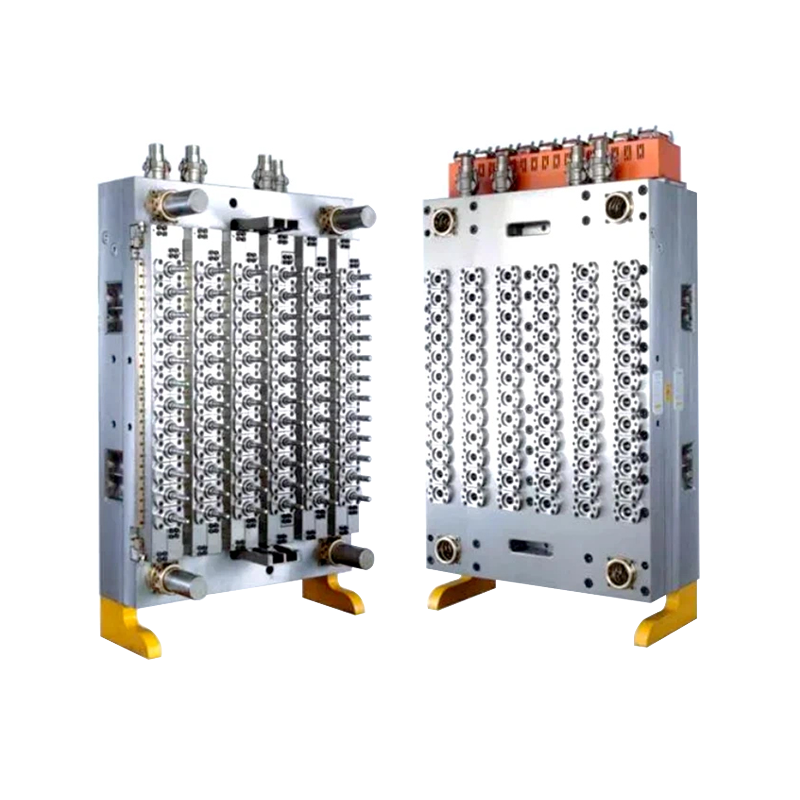
The 72-Cavity Preform Mold(Mould) is a solid, no-nonsense choice when you need t...
See Details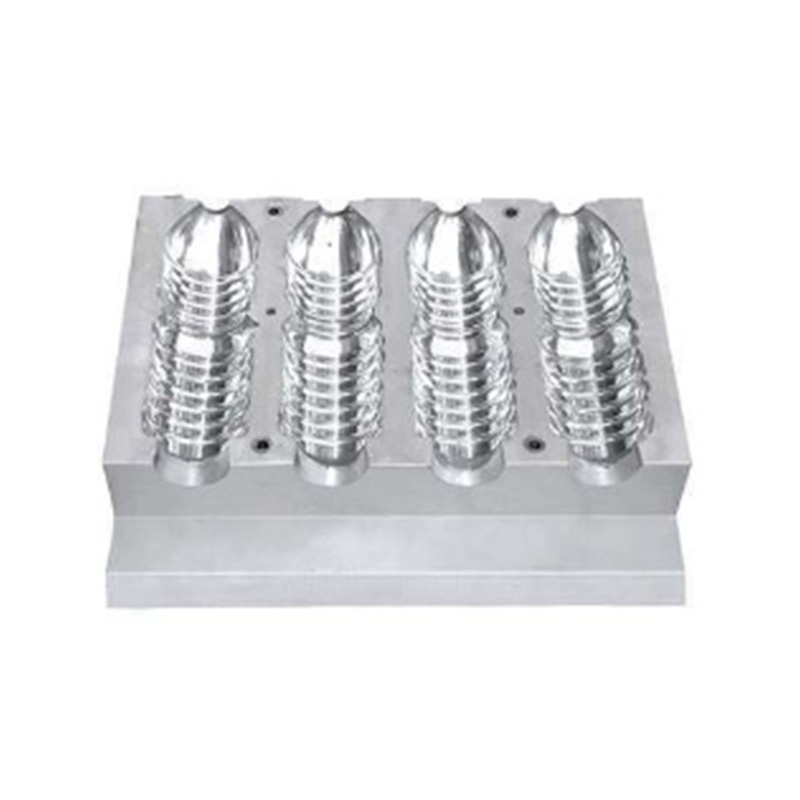
Product Name: Water/Beverage Bottle Mold A Water/Beverage Bottle Mold is a speci...
See Details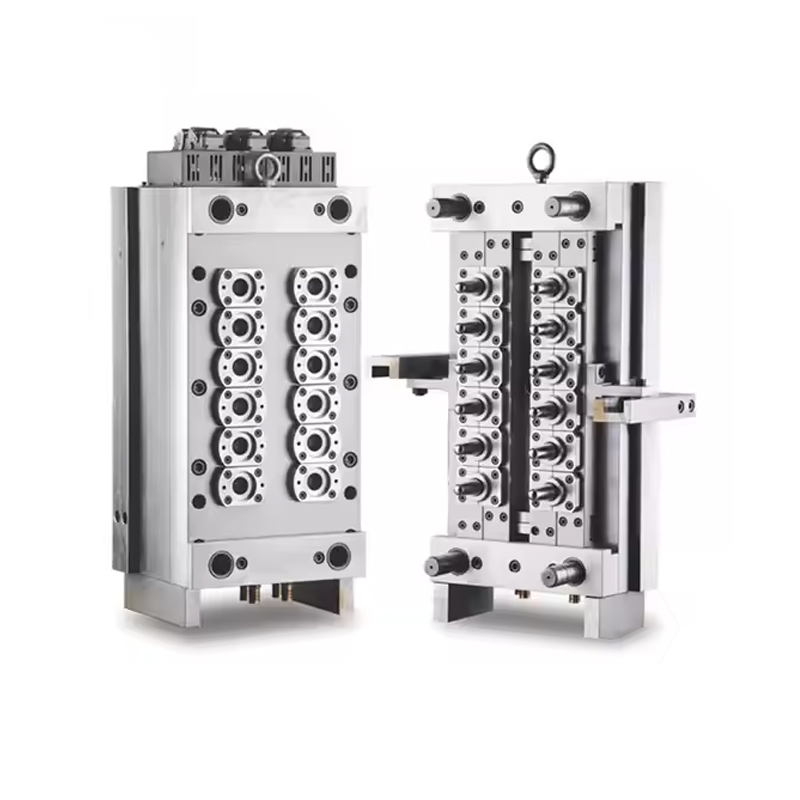
The 12-Cavity PET Preform Mold is a high-quality, durable solution designed to m...
See Details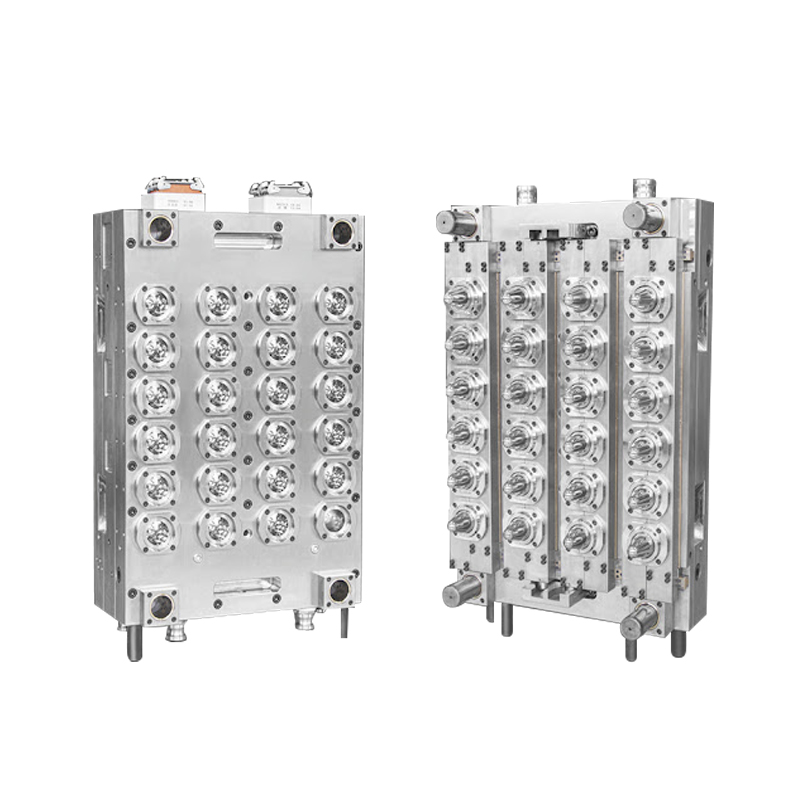
The 24-cavity wide-mouth mold is a precision tool designed for producing wide-mo...
See Details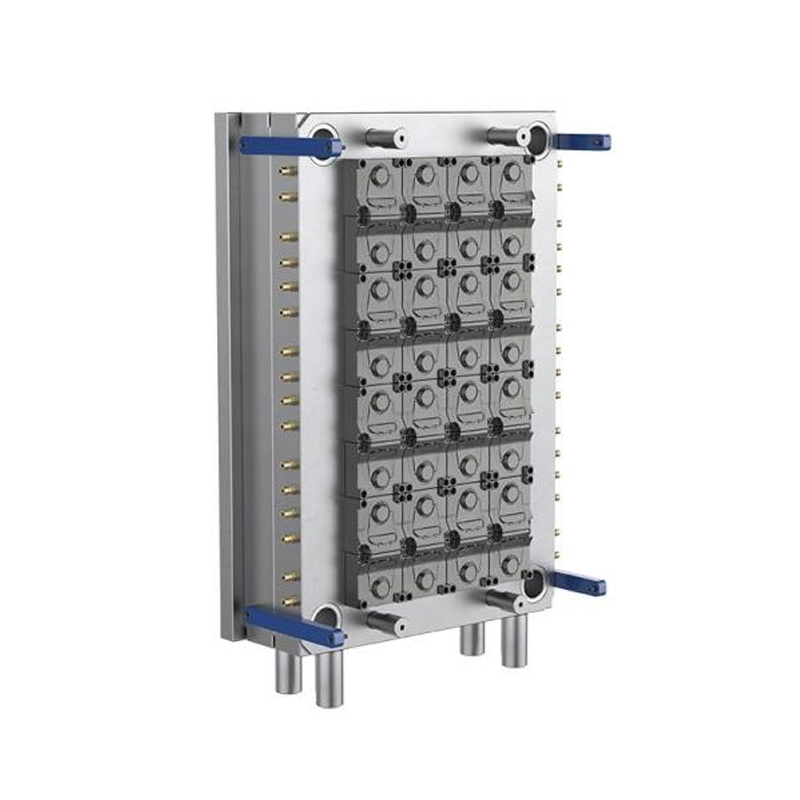
A Handle Mold is a specialized mold used in the manufacturing of plastic handles...
See Details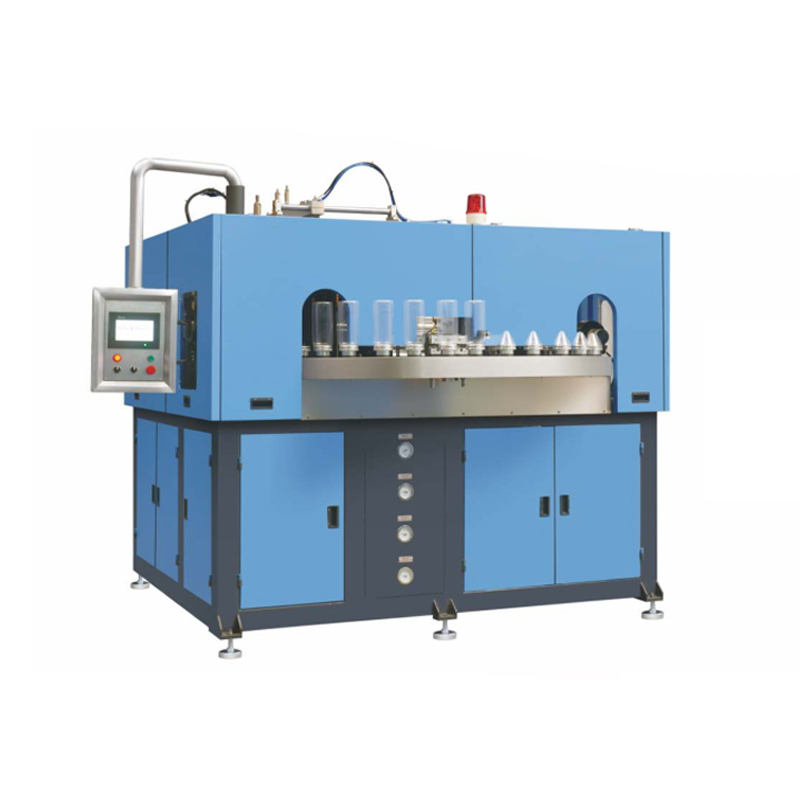
The hand-feeding blowing machine is an efficient tool designed for producing hig...
See Details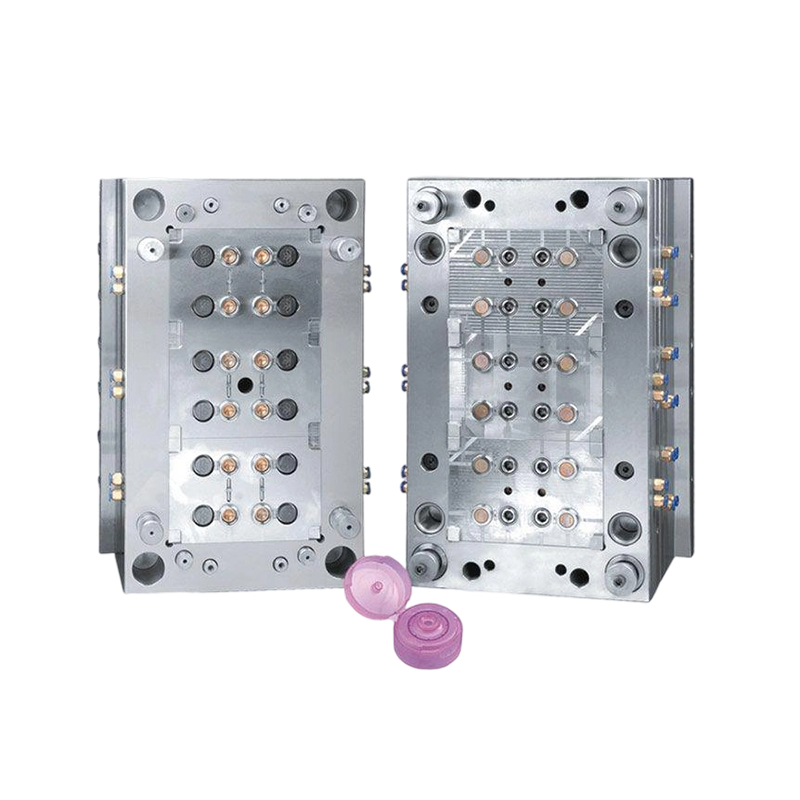
Flip Top Cap also know as Flip Top Caps & Cap mould Stopper Cap is one of ty...
See Details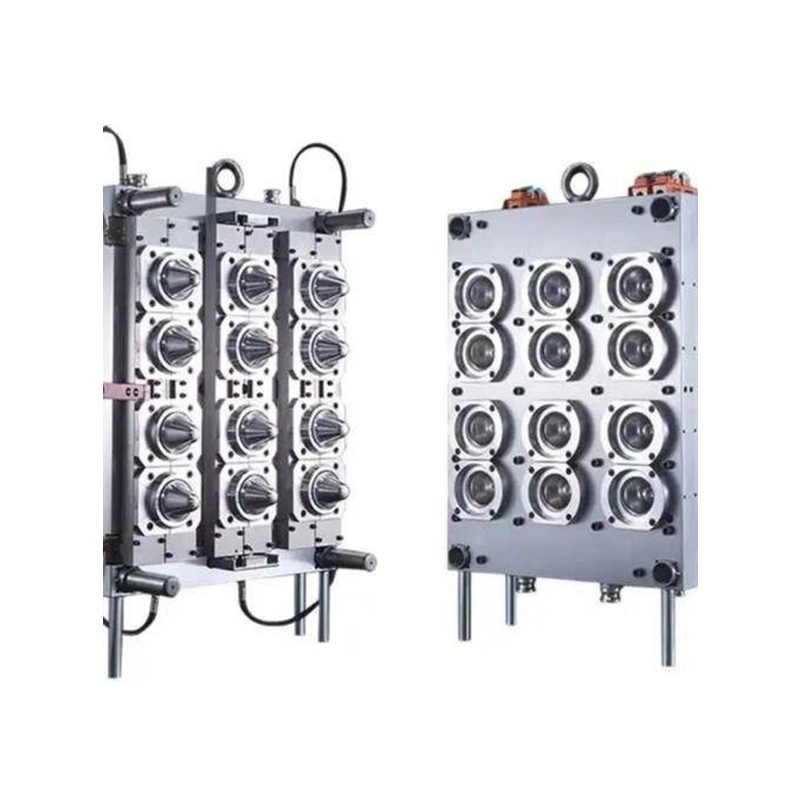
The 12 Cavities Wide Mouth Preform Moulds from Qihong are practical tools for pr...
See Details
WhatsApp:+(86) 13957659071 / +(86) 18158637057 / +(86) 15395760157


ADD:Baige Science and Technology Park, Huangyan District, Taizhou City, Zhejiang Province, China.