English
 русский
 عربى
عربى


24-Cavity Preform Mold(Mould)
The 24-cavity preform mold is a handy tool for turning out PET bottle preforms. ...
See Details


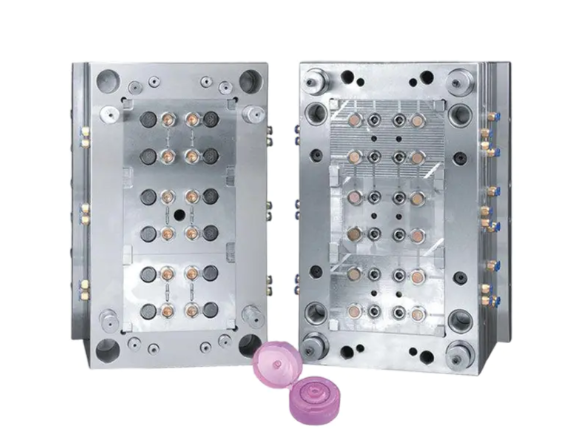
Caps may be small, but in everyday packaging, they play a surprisingly big role. On the surface, they look simple. But the mould that produces them? That's a whole different story. It's a piece of engineering that can make or break the rhythm of a production line.
For factories running day-in, day-out operations, the choice of a Cap Mould affects more than just the final product. It impacts:
A good mould helps the line keep moving. A poorly designed one? It can halt the process completely.
At its core, a Cap Mould is about shaping plastic. Melted plastic flows in, and the mould gives it form – threads, walls, sealing surfaces. Simple? Not quite.
The mould must ensure that:
And all of this has to survive thousands of cycles without warping.
Daily production adds extra demands:
Even tiny misalignments can snowball into bigger problems – defective caps, machine stoppages, extra labor. Cap Moulds that take thermal expansion, wear resistance, and even pressure distribution into account are the ones that survive. They maintain output and keep the line steady.
Stability is the first rule of daily production. The mould base must support every moving and fixed part evenly. Why? Because misaligned components can cause:
Even pressure is key. If some cavities fill faster than others, you end up with:
Robust support inside the mould ensures smooth plastic flow and consistent quality.
Moving parts, like sliders and cores, take repeated stress. Choosing strong materials and wear-resistant surfaces keeps these parts working for longer. And smooth ejectors? They prevent caps from sticking or getting bent during removal.
Plastic needs to cool quickly and evenly after injection. Uneven cooling can mean:
Balanced cooling channels help maintain uniform temperature. Strategic placement ensures no area overheats or lags. This keeps the mould ready for the next cycle and keeps production steady.
Good cooling doesn't just protect quality – it maintains production rhythm. Fast, even cooling allows shorter cycles without sacrificing the product. Slow or uneven cooling? That's when lines pause, operators intervene, and efficiency drops.
| Cooling Considerations | Impact on Production |
|---|---|
| Uniform temperature | Prevents warping and dimensional errors |
| Balanced cooling channels | Ensures consistent cycle times |
| Efficient heat removal | Supports longer uninterrupted runs |
| Easy maintenance access | Reduces downtime for cleaning or repairs |
Daily production really hinges on how easy it is to keep molds in good shape. A Cap Mould that's hard to check, clean, or maintain can quickly become a headache, slowing down the entire line. That's why access points for routine checks and cleaning are so important. They save time, reduce frustration, and prevent little issues from snowballing into major problems.
Replaceable parts make a noticeable difference as well. Inserts, cores, ejector pins—if these can be swapped out quickly when worn, production doesn't have to stop. For factories running multiple shifts, this kind of flexibility is a lifesaver. You don't wait for hours to replace one small component. Production keeps moving almost uninterrupted.
Wear-prone areas deserve special attention too. Parts that take repeated contact, high pressure, or friction should be reinforced or made from strong, durable materials. Even small design tweaks, like easy-to-reach lubrication points, can significantly extend mold life. Over months and years, these small details add up, keeping production smooth, predictable, and worry-free.
Having a strong relationship with your Cap Mould Supplier can make a real difference. Early discussions during the design phase are critical. Talking about cycle times, machine limits, material behavior, and production expectations ensures the mold is built to work in real-world conditions, not just on paper.
Feedback from the production floor is priceless. Notes on minor misalignments, ejector performance, cooling efficiency, or subtle defects can guide tweaks that improve mold performance. Suppliers who actually listen and respond help prevent recurring issues and keep the line running smoothly.
Long-term collaboration adds even more value. As new cap designs are introduced or processes change, a trusted supplier can adapt molds without compromising stability. Over time, this partnership ensures reliable, high-quality output, reduces stress on operators, and maximizes overall efficiency.
A Cap Mould must work seamlessly with the machines it's paired with. Different injection machines, automation setups, and production speeds require molds that fit into each environment smoothly. Proper alignment reduces stress on both the mold and the machine, preventing unnecessary breakdowns or downtime.
Flexibility for multiple cap designs is a bonus. Sometimes a single mold needs to make caps of different shapes or sizes. Molds that allow adjustments without hurting performance keep quality consistent for every design.
Integration with the production line is also crucial. Conveyors, packaging systems, and capping machines all interact with the molded caps. A well-designed mold helps products move smoothly from one step to the next, reducing jams or misalignment. When every part flows together, the line maintains a steady, predictable rhythm.
The materials chosen for a Cap Mould make a huge difference in performance and lifespan. Molds operate under constant pressure, high temperatures, and repeated motion. Strength, stability, and wear resistance are essential to maintain cavity precision and surface quality.
Balance is important too. Strong materials are great, but they must also allow precise machining. Accurate threads, smooth surfaces, and polished cavities are critical for producing caps that fit and seal properly. Achieving this balance ensures molds last long and keep producing high-quality closures, even under continuous, heavy production.
Packaging and closure manufacturing is always evolving. High-volume production now demands molds that maintain quality under faster cycles, higher pressure, and increasing automation. Stability, cooling efficiency, and mechanical reliability are more important than ever.
Automation has raised the stakes. Modern production lines often run with minimal human intervention. Even small imperfections can multiply over thousands of cycles, causing defects or machine issues. Molds built to perform consistently under these conditions are highly valued.
Advances in mold engineering continue to expand design possibilities. Optimized cooling systems, improved surface treatments, and wear-resistant materials all contribute to long-term reliability. Factories working with experienced Cap Mould Suppliers can adopt these innovations, keeping production smooth, predictable, and cost-effective.
So, what really makes a Cap Mould suitable for daily production? It's a combination of factors working together:
In short, a well-designed mold supports every step—from injection and cooling to ejection and transfer—reducing interruptions, protecting quality, and keeping daily production moving efficiently. Thoughtful design, durable materials, and careful engineering create molds that work reliably every day.
Taizhou Qihong Mold Co., Ltd. provides solutions that take all these factors into account. Practical design, robust materials, and precise engineering help production facilities achieve stable, continuous operation, ensuring every shift runs smoothly and every cap meets the highest standards.
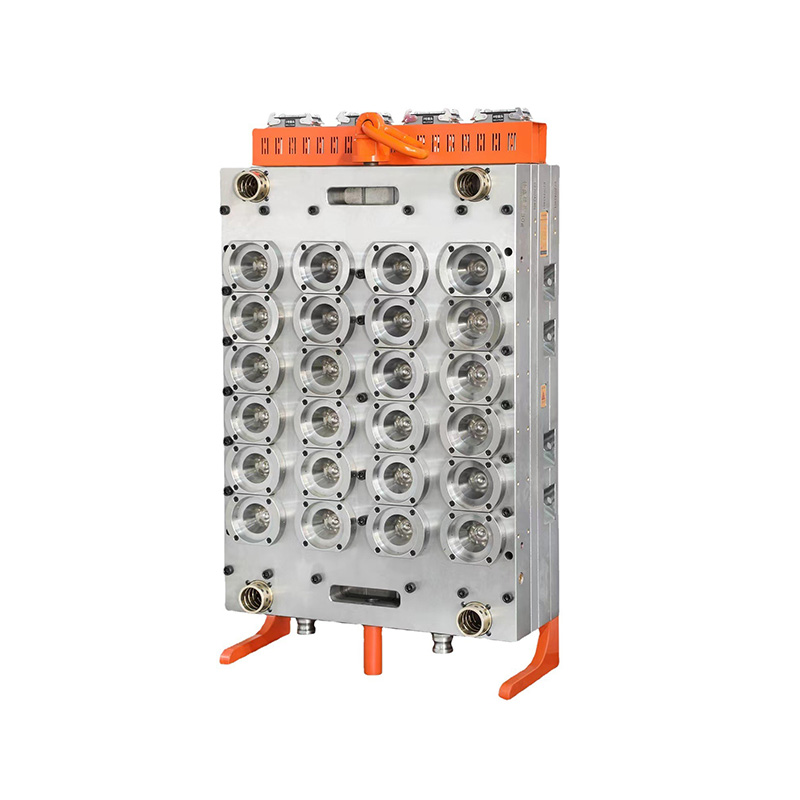
The 24-cavity preform mold is a handy tool for turning out PET bottle preforms. ...
See Details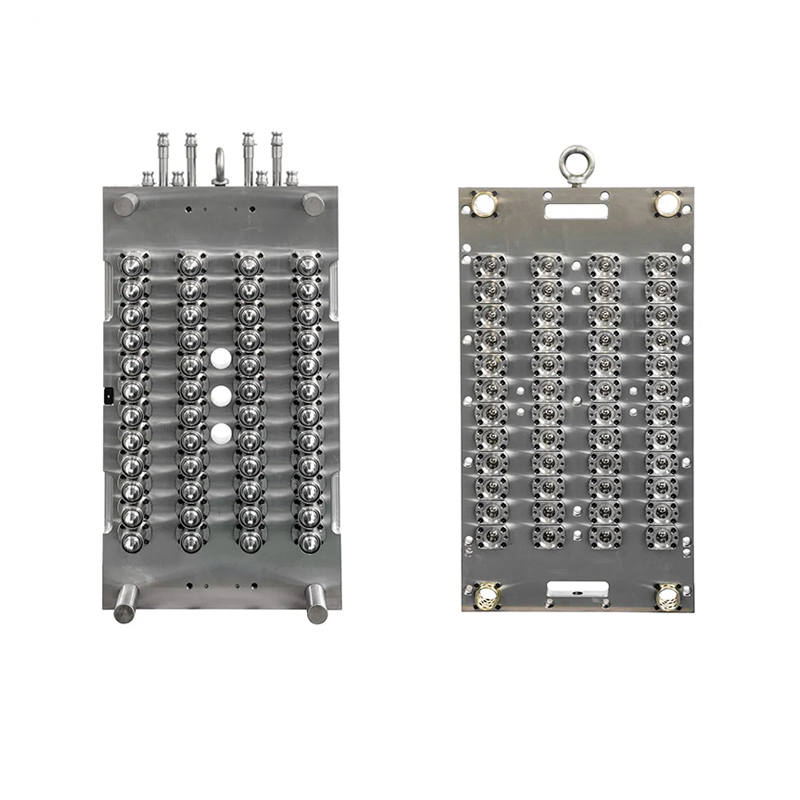
The Qihong 48-Cavity Preform Mold(Mould) is the ideal choice for high-volume PET...
See Details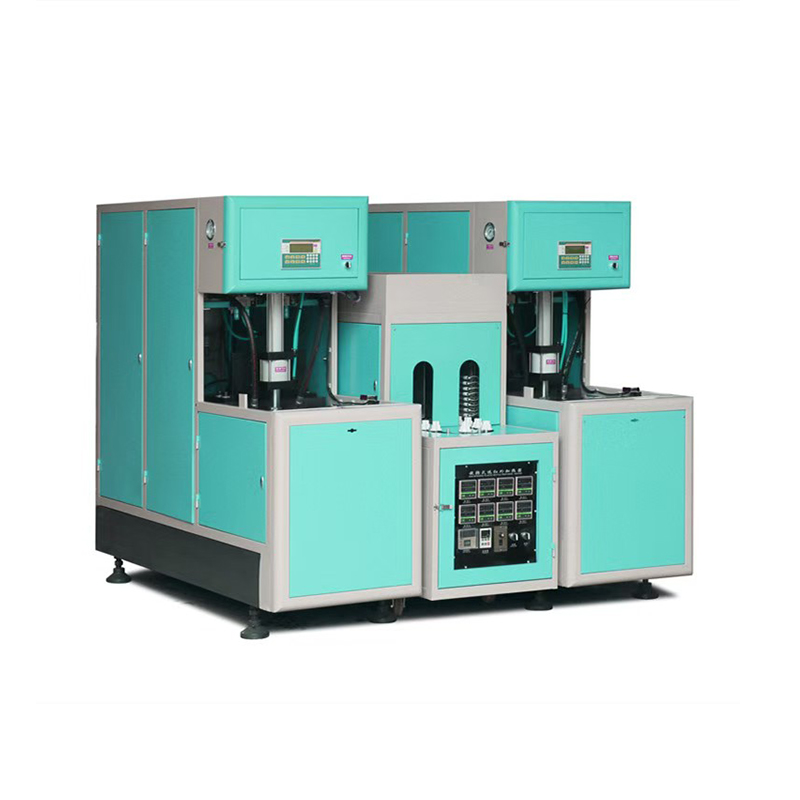
Semi-Automatic Blowing Machines are specialized machines used in the production ...
See Details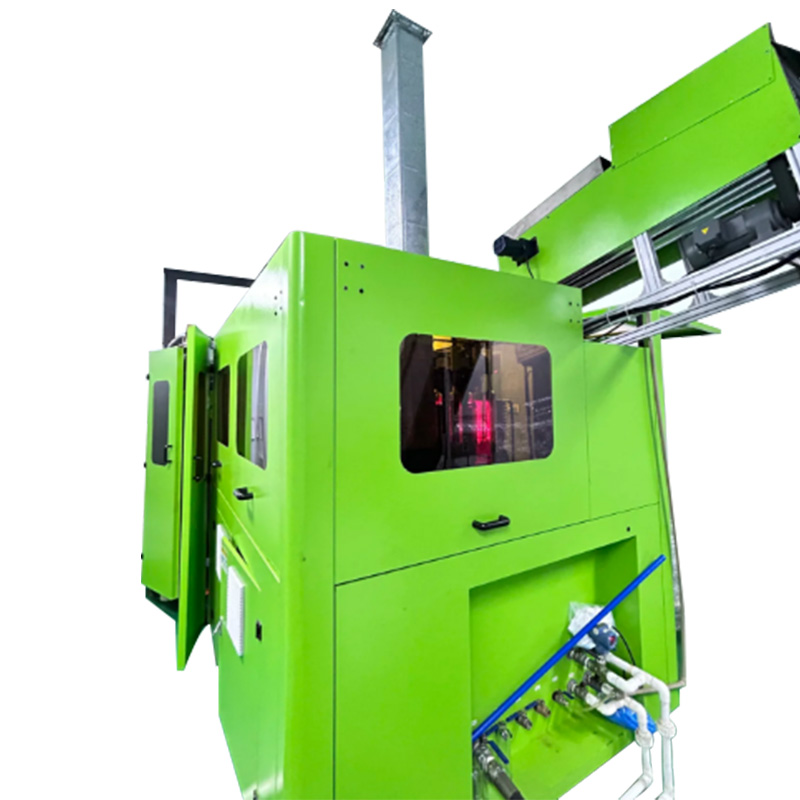
Automatic blowing machines are essential equipment in modern bottle manufacturin...
See Details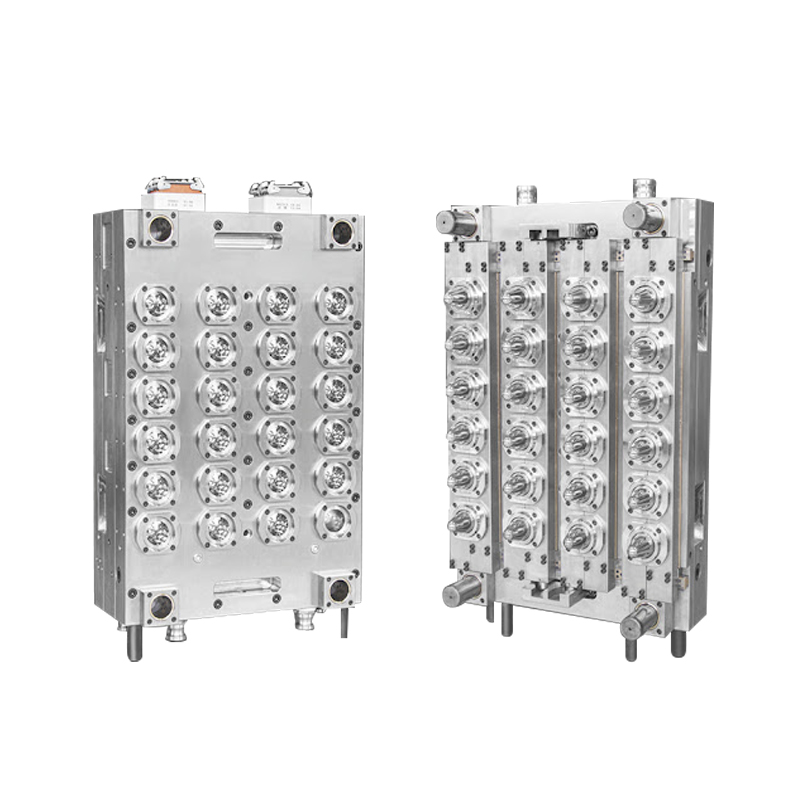
The 24-cavity wide-mouth mold is a precision tool designed for producing wide-mo...
See Details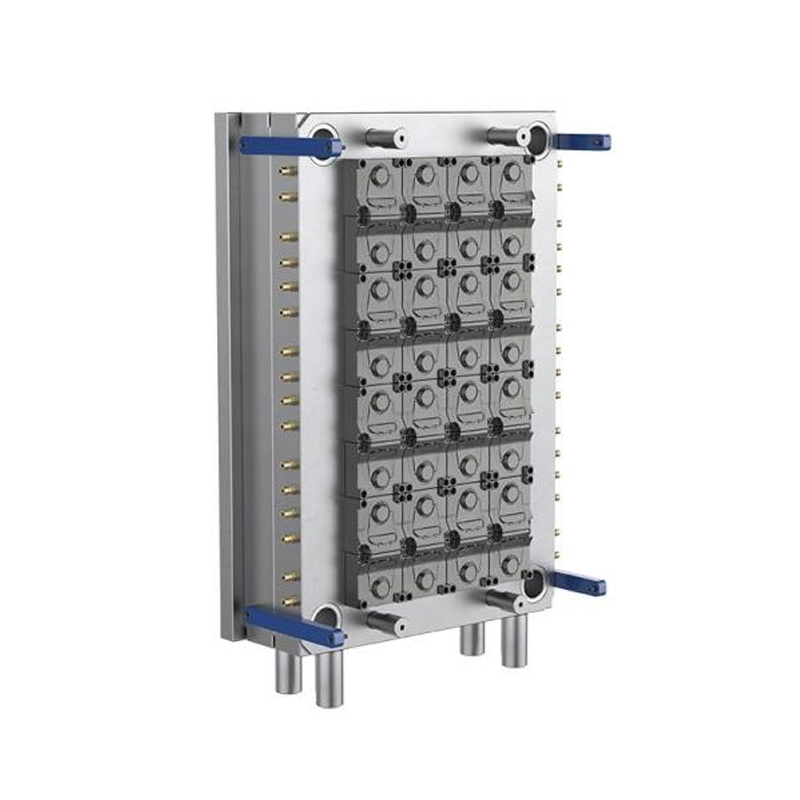
A Handle Mold is a specialized mold used in the manufacturing of plastic handles...
See Details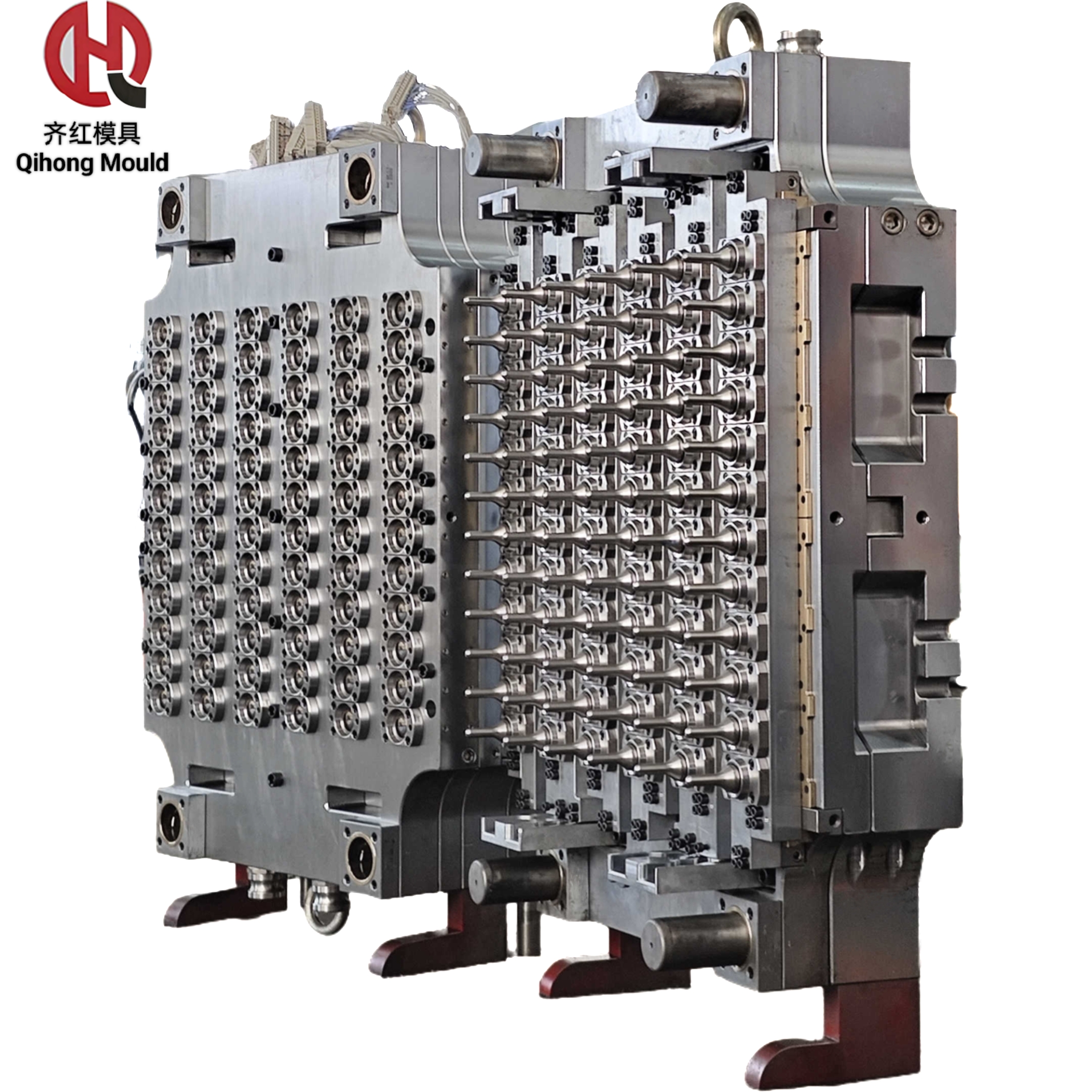
PET Preform Mold Design focuses on high precision structure and stable productio...
See Details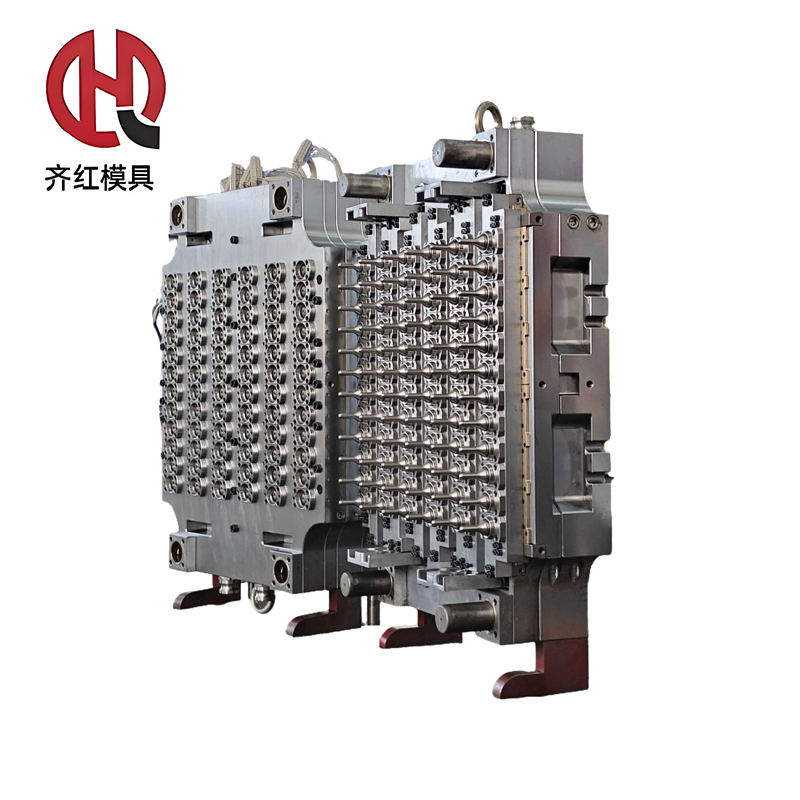
Standardization of mold partsHigh-precision processing equipment is used to ensu...
See Details
WhatsApp:+(86) 13957659071 / +(86) 18158637057 / +(86) 15395760157


ADD:Baige Science and Technology Park, Huangyan District, Taizhou City, Zhejiang Province, China.