English
 русский
 عربى
عربى


Bottle Cap Mold(Mould)
A Bottle Cap Mold is a precision tool used in the manufacturing of bottle caps. ...
See Details


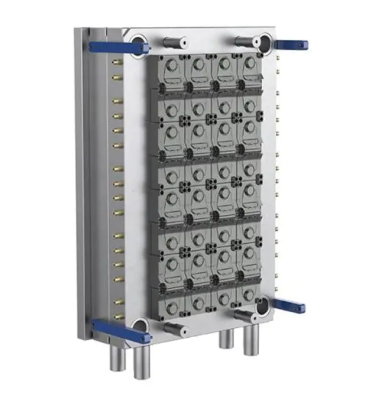
Handles are part of many everyday products. People see them on containers, tools, small machines, storage boxes, and many other items used at home or in workplaces. The shape may look simple, yet the production behind it requires careful planning. A well-designed Handle Mold plays a central role in that process, and the material used to build the mold affects nearly every stage of manufacturing.
A mold must perform the same task again and again. Material flows into the cavity, pressure rises, heat spreads through the mold body, and the formed handle cools before it is released. Then the process repeats. Over time, these cycles place stress on the structure of the mold. If the material cannot handle those conditions, small changes may appear. Edges may soften, surfaces may wear, and dimensions may slowly drift away from their intended shape.
Material choice therefore becomes more than a technical decision. It influences stability, production rhythm, and even the appearance of the final handle.
Several practical reasons explain why this decision matters so much.
The mold must keep the same shape through repeated production cycles. A stable material helps maintain accurate cavity geometry.
The inside surface of the mold directly affects the texture of the molded handle. Materials that polish well and resist scratching help keep surfaces smooth.
Heat moves through the mold during production. Materials with balanced thermal properties help distribute heat more evenly.
A durable mold material reduces the risk of early wear and structural damage.
Even small material differences can lead to noticeable changes in production results. A mold built from a softer material may machine easily, yet it might lose surface quality sooner during operation. A harder material might offer longer durability, but it requires more careful processing during manufacturing.
Another point worth considering is the environment where the mold will work. Some production spaces remain dry and stable, while others may experience humidity or temperature shifts. Under those conditions, certain materials perform better than others.
Because of these factors, the early stage of mold design usually includes discussions about material selection. Designers, machinists, and production staff may all take part in the decision. Their goal is simple: create a Handle Mold that stays reliable during continuous production.
In some manufacturing circles, experience shared across mold workshops has shown that careful planning at the beginning often prevents complications later. Conversations within mold manufacturing networks, including facilities associated with Taizhou Qihong Mold Co., Ltd., often emphasize that thoughtful material selection helps maintain steady production quality over time.
Behind the simple shape of a handle lies a mold that must meet several functional requirements. These requirements are not always visible in the final product, but they influence how smoothly production runs day after day.
A reliable mold needs to handle pressure, temperature change, friction, and repeated mechanical movement. Each factor affects the material and structure of the mold.
Some requirements stand out more clearly than others.
Structural Stability During Repeated Production
A mold experiences mechanical stress during every cycle. Material enters the cavity, pressure builds, the part forms, and the mold opens again. The cycle repeats continuously.
Because of this constant activity, the internal structure must remain stable.
If the material lacks sufficient strength, small distortions can appear. These changes might be minor at first. Yet over time they may affect the shape of the cavity and the accuracy of the handle being produced.
Structural stability often depends on several elements:
When these elements work together, the Handle Mold can maintain stable geometry during long production periods.
Another point relates to fatigue. Repeated stress may gradually weaken certain materials. Materials chosen for mold construction therefore need both strength and resilience.
Not only rigid. Also able to absorb stress without cracking.
The surface inside the mold determines how the molded handle will look and feel. Smooth cavities tend to produce clean surfaces. Scratches or imperfections on the mold may transfer to the final product.
That is why surface quality receives careful attention during mold manufacturing.
Several characteristics influence surface performance:
Some handles require a glossy finish. Others benefit from a slight texture that improves grip. In both cases, the mold surface must maintain its condition through continuous operation.
If the material surface wears too quickly, the product appearance may change over time. Maintaining a durable surface helps keep production consistent.
Heat management is another important aspect of mold performance.
During molding, hot material enters the cavity and transfers heat to the mold body. That heat must move away from the cavity so the handle can cool and keep its shape.
The speed and balance of heat transfer influence several things:
Materials that distribute heat more evenly help prevent localized hot spots. Uneven cooling may cause distortion or surface marks on the handle.
Cooling channels inside the mold also help control temperature. The surrounding material must allow heat to travel efficiently toward those channels. If heat remains trapped in certain areas, the production cycle may become less stable.
For this reason, thermal behavior becomes one of the key considerations when selecting mold materials.
Friction occurs whenever the molded handle contacts the cavity surface. Additional contact happens when the product is released from the mold during ejection.
Over many cycles, this friction can gradually wear the surface.
A material with good wear resistance helps prevent several problems:
Once wear begins, it may continue slowly across the cavity surface. This can affect both the shape and the appearance of the molded handle.
Strong resistance to abrasion helps the mold maintain accuracy for a longer time. In addition, materials with good toughness reduce the risk of micro-cracks that might expand under stress.
When durability and surface stability work together, the Handle Mold can remain reliable throughout extended production periods.
Several types of materials are commonly used in mold construction. Each category offers its own advantages and limitations. Engineers usually consider the production conditions, handle design, and expected workload before deciding which material suits the mold best.
Although designs vary from one project to another, certain material groups appear frequently in mold workshops.
Tool Steel Materials
Tool steel has long been a familiar choice in mold manufacturing environments. Its popularity comes from a combination of strength, hardness, and stability.
A mold made from tool steel can withstand repeated production cycles without easily losing its shape. The material supports precise machining and allows detailed cavity structures to be created.
Some practical advantages of tool steel include:
Because of these properties, tool steel often appears in molds used for continuous production.
At the same time, machining tool steel requires careful processing. Cutting tools must handle the hardness of the material, and proper heat treatment helps balance its internal structure.
When processed correctly, tool steel can support long-term use and maintain reliable mold geometry.
Alloy Steel Materials
Alloy steel expands the properties of basic steel by adding selected elements during material production. These additions improve toughness and resistance to deformation.
For molds with complex shapes, alloy steel offers practical advantages. It can maintain dimensional stability even when the cavity contains detailed curves or deeper sections.
Alloy steel also provides a balanced combination of strength and machinability. Engineers can shape intricate features while still maintaining structural durability.
Common reasons designers select alloy steel include:
In many molds, alloy steel appears in structural plates, cavity blocks, or core sections where additional strength is useful.
Stainless Steel Materials
Stainless steel is valued for its resistance to corrosion. In environments where humidity may vary, this property helps maintain mold integrity.
The surface of stainless steel tends to resist oxidation and environmental damage. This helps preserve the cavity finish and maintain consistent product appearance.
Some production conditions make stainless materials particularly suitable. For example:
While stainless steel may require careful machining, its durability under certain environmental conditions makes it a practical choice for specific mold designs.
Aluminum-Based Materials
Aluminum materials provide a different set of characteristics compared with steel options.
One advantage is weight. Aluminum molds are much lighter than steel molds. This can simplify installation, adjustment, and maintenance.
Machining aluminum is also easier. Cutting operations move faster, and complex shapes can often be produced with less effort. Because of this, aluminum materials are sometimes used when rapid mold preparation is required.
Another useful property is heat transfer. Aluminum can move heat away from the cavity relatively quickly. Faster cooling may help stabilize the molding cycle.
However, aluminum surfaces generally wear faster than hardened steel. For this reason, aluminum molds are more commonly used in situations such as:
When the application suits its properties, aluminum can offer a practical and efficient solution for mold construction.
Although the main body of a mold often relies on steel or aluminum, additional materials sometimes play a supporting role. These secondary materials usually appear in specific sections where extra thermal performance or localized strength is needed.
By combining different materials within the same structure, designers can improve the balance between cooling efficiency, durability, and structural stability.
Copper-Based Alloys
Copper alloys are known for their ability to conduct heat effectively. In mold design, this characteristic becomes useful in areas where temperature control is especially important.
Some cavity regions may hold heat longer than others. By placing copper alloy inserts near those areas, heat can move away more quickly. This helps the handle cool evenly and reduces the chance of uneven shrinkage.
Typical applications of copper alloy inserts include:
When installed carefully, copper alloys help maintain consistent temperature distribution inside the mold.
Beryllium Copper Materials
Certain copper alloys combine strong heat transfer with improved mechanical strength. These materials are sometimes used in mold areas where both durability and thermal performance are required.
Complex handle designs may include narrow grooves or deep cavity features. Heat may concentrate in these locations. Materials with strong thermal conductivity help maintain balanced cooling.
Because these materials also offer reasonable strength, they can support delicate cavity sections without easily deforming.
For practical reasons, such materials are usually used as inserts rather than forming the entire mold body.
Composite Material Combinations
In some mold designs, multiple materials work together within the same structure. Each material contributes a different advantage.
A simple combination might involve:
This layered approach allows engineers to adjust the performance of specific mold regions without redesigning the entire structure.
The result is often a more balanced Handle Mold, capable of maintaining stability, cooling efficiency, and durability during repeated production cycles.
Material selection forms the foundation of mold design, but surface treatments add another level of protection. After machining operations are completed, the outer layer of the mold can be modified to improve durability and resistance to wear.
In many workshops, these treatments are part of the finishing process carried out in a Handle Mold Factory. By adjusting surface characteristics, manufacturers can help the mold perform more reliably during long production runs.
Several treatment approaches are commonly used.
Heat Treatment Processes
Heat treatment involves carefully heating and cooling the mold material in a controlled environment. This process changes the internal structure of the metal.
The result is often improved hardness and stronger resistance to deformation.
After heat treatment, the mold body becomes better prepared to withstand repeated pressure during production cycles. The material structure stabilizes, reducing the chance of distortion.
Another benefit is the reduction of internal stress. During machining, certain stresses may develop inside the material. Heat treatment helps balance those stresses and improves structural stability.
Surface Hardening Techniques
Surface hardening focuses on strengthening the outer layer of the mold while leaving the interior relatively tough and resilient.
This combination offers two advantages:
During molding operations, the cavity surface encounters repeated contact with material and moving components. A hardened surface slows down the wear process and helps preserve the original cavity shape.
Because the inner structure remains flexible enough to absorb stress, the mold becomes less prone to cracking.
Protective coatings add a thin layer to the mold surface. Although the coating layer may be small, it can influence how the mold behaves during production.
These coatings often help reduce friction between the cavity surface and the molded handle. Lower friction may make it easier for the finished handle to release from the mold.
Coatings may also help protect the surface from environmental factors. In workshops where humidity fluctuates, protective layers reduce the risk of oxidation.
Over time, these treatments help maintain surface stability and extend the operational life of the Handle Mold.
Choosing the right material for a mold rarely happens in a hurry. In most workshops the decision takes time. Engineers talk with machinists, designers check drawings again, and production staff share practical experience. A Handle Mold has to work steadily for long periods, so the material must match the real production situation.
Several everyday factors usually guide the decision.
Production workload
Some molds run almost constantly. Others operate only from time to time. The difference matters.
A mold that works continuously needs stronger resistance to wear and stress. The cavity surface must stay stable even after many cycles. If the material is too soft, edges may slowly change shape and the molded handles will begin to vary.
When the mold is used only occasionally, the situation can be different. In those cases manufacturers sometimes prefer materials that are easier to machine or modify.
In simple terms:
Shape of the handle
Not every handle design is simple. Some shapes include curved lines, recessed areas, or textured sections for grip.
Complex shapes require materials that hold fine details well. Small features inside the cavity must remain sharp over time. Otherwise the final handle may gradually lose its intended appearance.
Design complexity often affects both the mold structure and the material used to build it.
Working temperature and pressure
During molding, heated material fills the cavity and pushes against the mold surface. Heat spreads through the mold body and pressure presses against the walls of the cavity.
If the material cannot tolerate these conditions, slight deformation may occur. Even small changes can affect product quality.
Because of this, materials are chosen with attention to stability under both pressure and temperature variation.
Maintenance and repair
No mold runs forever without attention. Surfaces may need polishing, parts may need adjustment, and sometimes minor repairs are required.
Materials that allow easier polishing or repair can simplify maintenance. This is helpful for molds that remain in service for long periods.
A balanced choice often works best. Durable enough for production, yet still manageable when maintenance becomes necessary.
Once a material has been selected, the next stage begins. Raw metal must be shaped into a functioning mold. Inside a Handle Mold Factory, this process usually moves step by step rather than all at once.
Raw material inspection
Before machining begins, the metal blocks are normally inspected. Technicians check whether the material surface looks uniform and free from obvious flaws.
Even simple visual checks can help avoid problems later. If cracks or irregularities exist in the base material, they may affect the mold after machining.
This early step often saves time in the long run.
Machining the basic structure
After inspection, the material is cut and shaped. Large machines remove excess metal to create the rough structure of the mold.
Gradually the shape becomes clearer.
First the outer form is prepared.
Then the cavity and core areas begin to appear.
Later the finer details are added.
Patience matters during this stage. Rushing the work may affect the accuracy of the final mold.
Finishing and surface preparation
When the cavity shape is nearly complete, attention turns to the surface.
Polishing improves smoothness and helps the mold release the finished handle more easily. Some molds require a mirror-like finish. Others need a light texture.
Both require careful handling.
Technicians often move step by step with finer polishing tools until the surface reaches the required condition.
Assembly of mold components
A mold is rarely a single piece of metal. It usually consists of several components working together.
During assembly, technicians check alignment carefully. The cavity must meet the core precisely when the mold closes. Even small misalignment may affect the shape of the molded handle.
Moving parts also need to slide smoothly. Guides and support elements help keep the structure stable during repeated operation.
Final inspection
Before production begins, the assembled mold is checked again.
Technicians may look at:
These checks help ensure the mold can start production without unexpected problems.
Different materials provide different advantages during mold production. Some are chosen for strength, while others help improve cooling or simplify machining.
The following table gives a general overview of commonly used material categories and the roles they often play in a Handle Mold structure.
| Material Category | Main Characteristics | Typical Role in Mold Structure |
|---|---|---|
| Tool steel | Strong and resistant to wear | Core sections and cavity blocks |
| Alloy steel | Balanced strength and toughness | Structural plates and support areas |
| Stainless steel | Good resistance to environmental effects | Mold surfaces in humid environments |
| Aluminum materials | Easy to machine and lighter in weight | Prototype molds or shorter production runs |
| Copper-based alloys | Very effective heat transfer | Inserts near areas requiring faster cooling |
A mold operates inside a working environment, and that environment can influence how the material behaves.
Temperature in the workshop may change during the day. Machines run for long periods, and sometimes moisture appears on metal surfaces when the air cools.
These small conditions may slowly influence mold materials.
For example:
Because of these factors, workshop conditions matter almost as much as the material itself.
A Handle Mold that works in a clean and stable environment usually maintains its condition longer than one exposed to fluctuating conditions.
Good housekeeping inside the workshop often helps extend mold life.
Heat management plays an important role in mold performance. When hot material fills the cavity, heat spreads through the mold body and eventually dissipates through cooling channels.
If heat leaves the cavity evenly, the handle cools in a balanced way. When heat accumulates in certain areas, the shape of the handle may change slightly.
Material selection can influence this process.
Materials with suitable thermal behavior help distribute heat more evenly. Some areas of the mold may also contain inserts made from materials that transfer heat more quickly.
Together, these features help maintain a steady production rhythm.
Even well-built molds benefit from regular attention. Maintenance does not always involve complex procedures. Often it consists of simple habits carried out consistently.
Technicians may perform tasks such as:
Small maintenance routines can prevent larger problems from developing.
When wear appears early, it can be corrected quickly. Waiting too long may allow the damage to spread.
For that reason, many workshops treat maintenance as part of normal production rather than as an occasional repair task.
Material development continues quietly in the background of many industries. Improvements in metal processing and manufacturing techniques gradually introduce new possibilities for mold construction.
Some newer alloys aim to combine several useful properties at once. Strength, toughness, and machinability may all be balanced more carefully than before.
These materials may allow molds to maintain their structure longer while still being manageable during machining.
Another change involves combining materials more creatively. Instead of building the entire mold from a single material, designers may divide the structure into sections.
For example:
This layered approach can improve the overall balance of the mold.
Manufacturing rarely stands still. New equipment, improved machining techniques, and changing production needs continue to influence mold design.
Material selection evolves along with these changes.
Some manufacturers are looking for materials that provide strong durability but remain easier to process. Others focus on improving heat balance within the mold so that production cycles remain stable.
Hybrid structures may also become more common. By combining different materials in different areas, designers can adapt the mold to specific production conditions.
Experience from daily production still plays a large role. Over time, technicians and engineers develop a clear understanding of how materials behave inside a mold.
Through practical knowledge, careful machining, and routine maintenance, a Handle Mold can remain a dependable tool for producing consistent handles across many types of products.
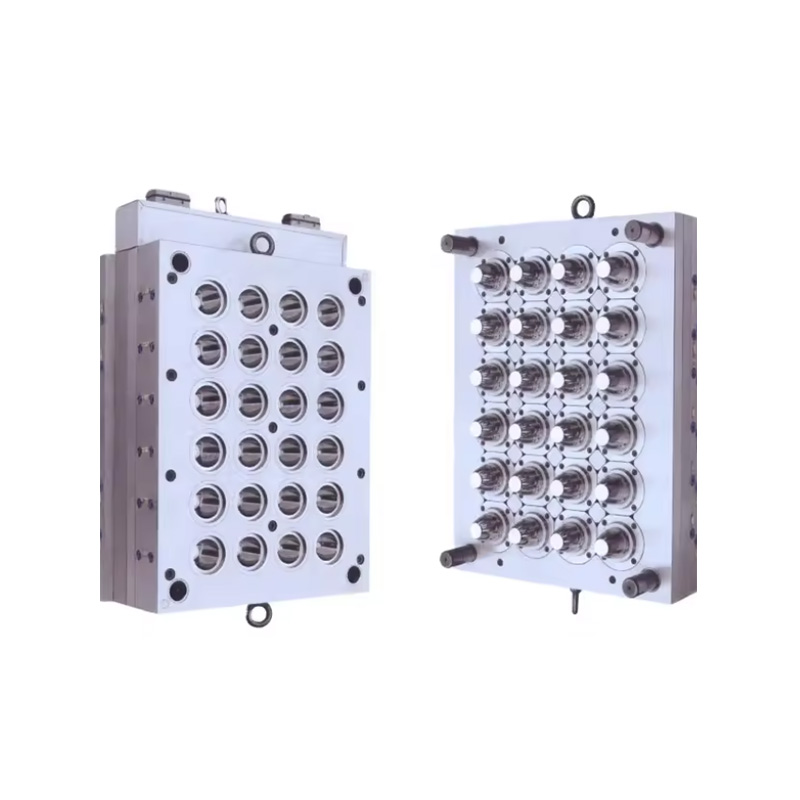
A Bottle Cap Mold is a precision tool used in the manufacturing of bottle caps. ...
See Details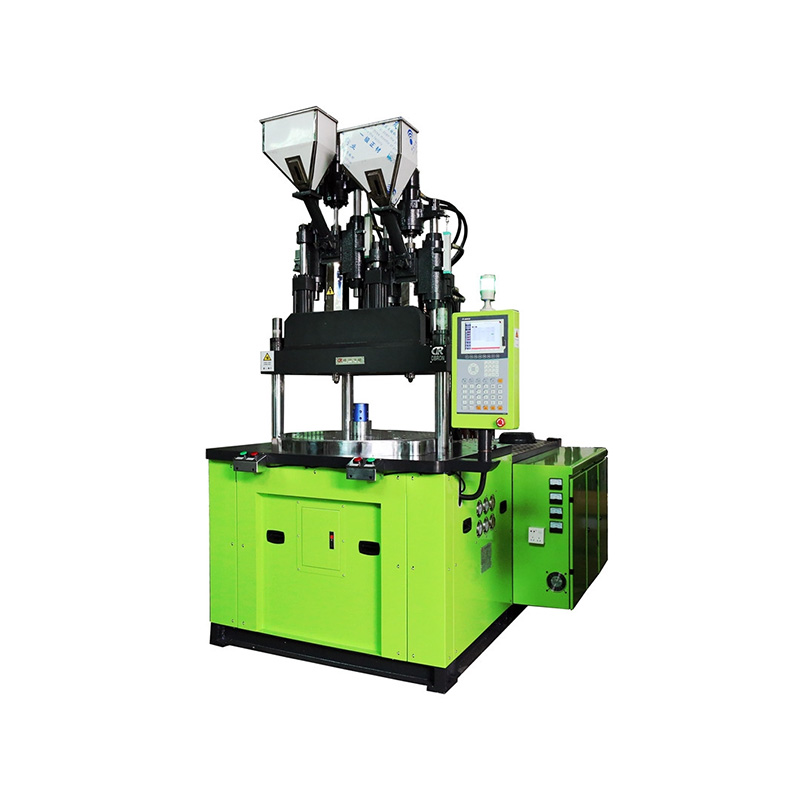
An Injection Molding Machine is an essential industrial tool used for producing ...
See Details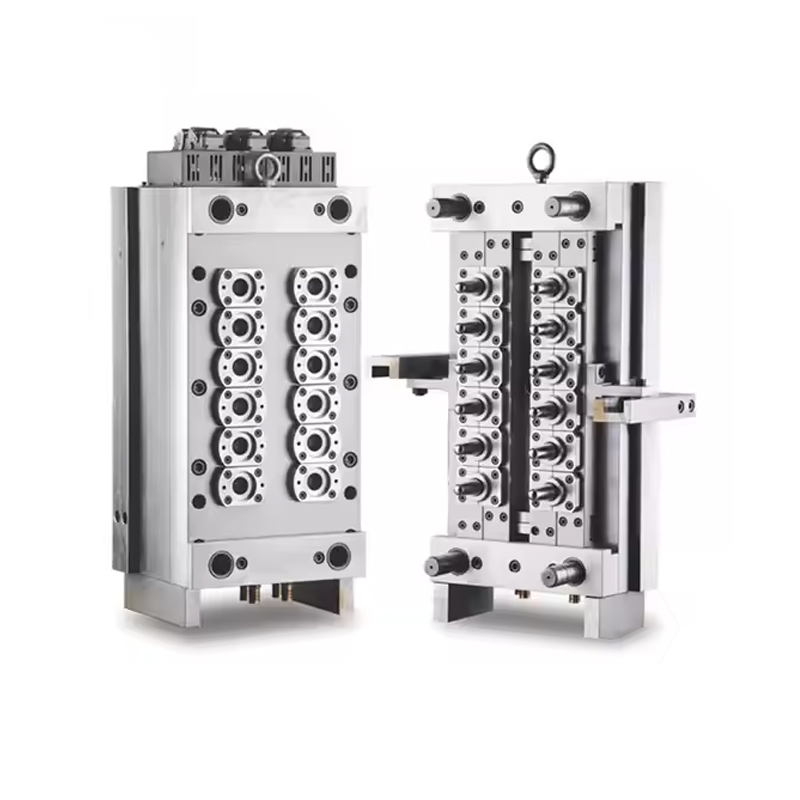
The 12-Cavity PET Preform Mold is a high-quality, durable solution designed to m...
See Details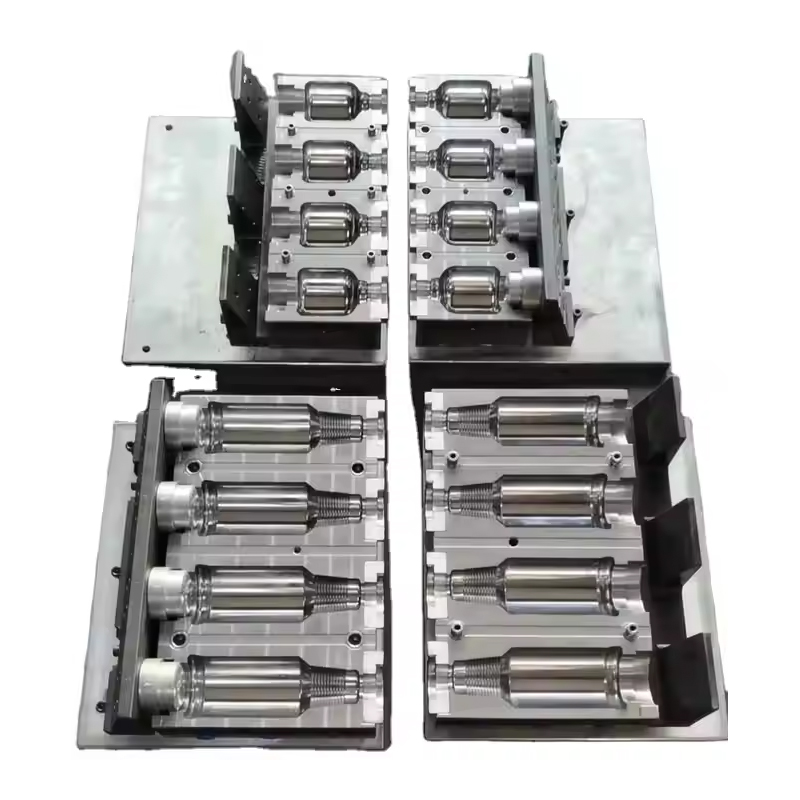
Our Cosmetic Bottle Mold is engineered for precision, reliability, and durabilit...
See Details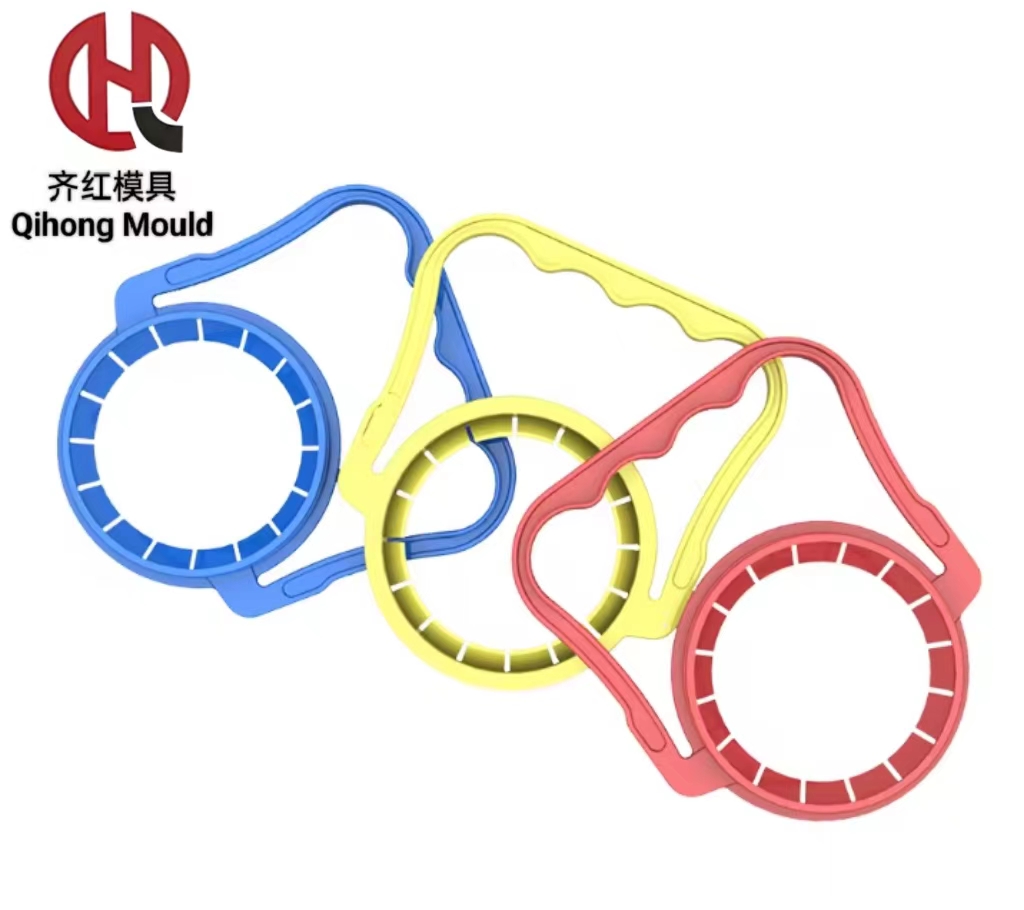
Mould Specifications Product : Plastic Handle Mould Brand : Taizhou Qihong...
See Details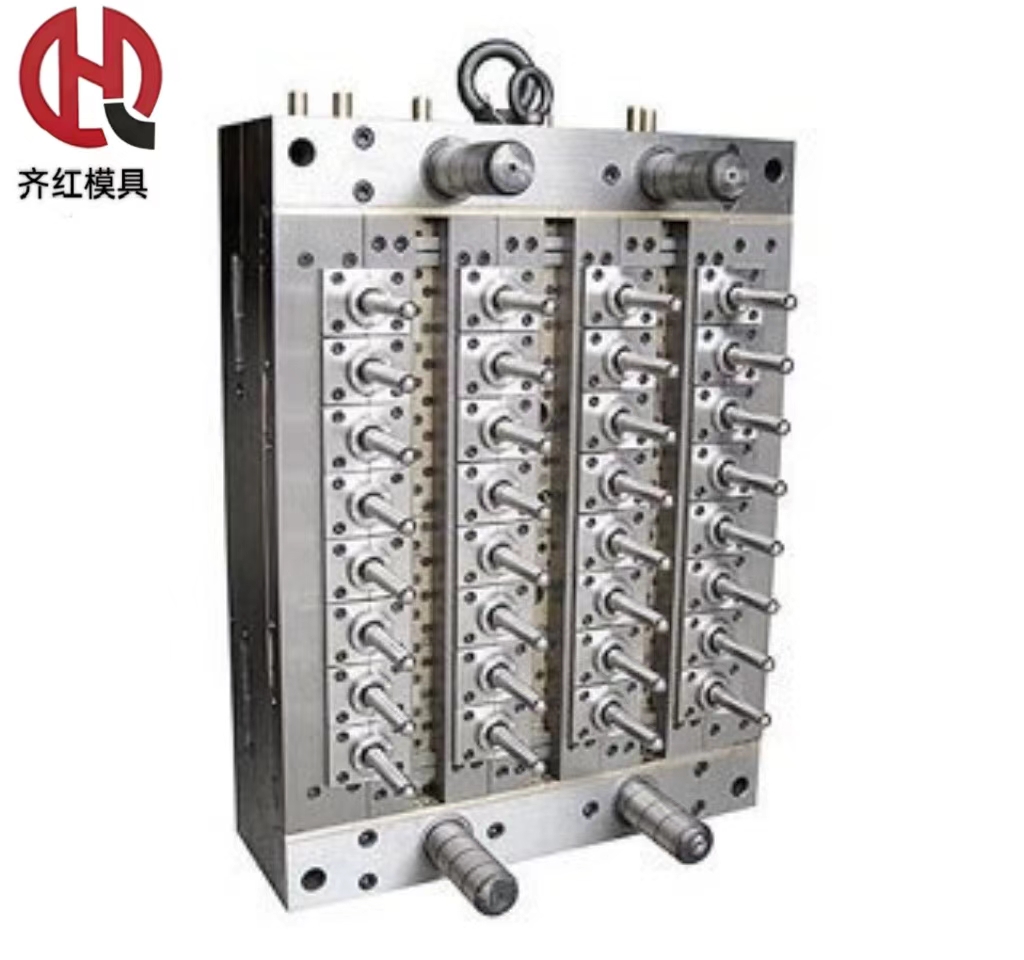
Custom Made Plastic Molds are designed for high precision and flexible plastic p...
See Details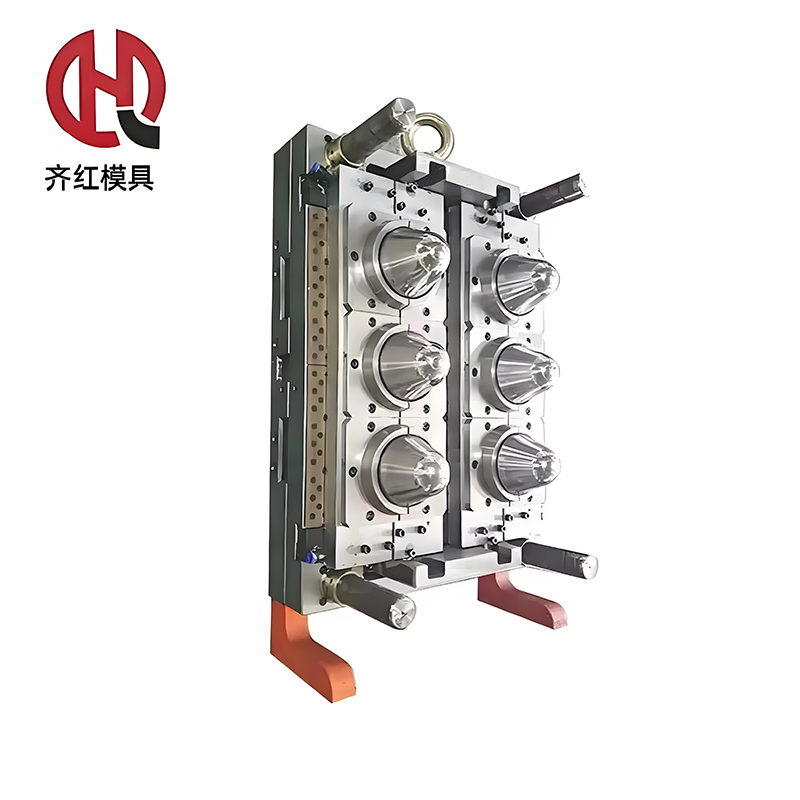
Water and beverage preform mold, Edible oil preform mold, Preform Mold for cosme...
See Details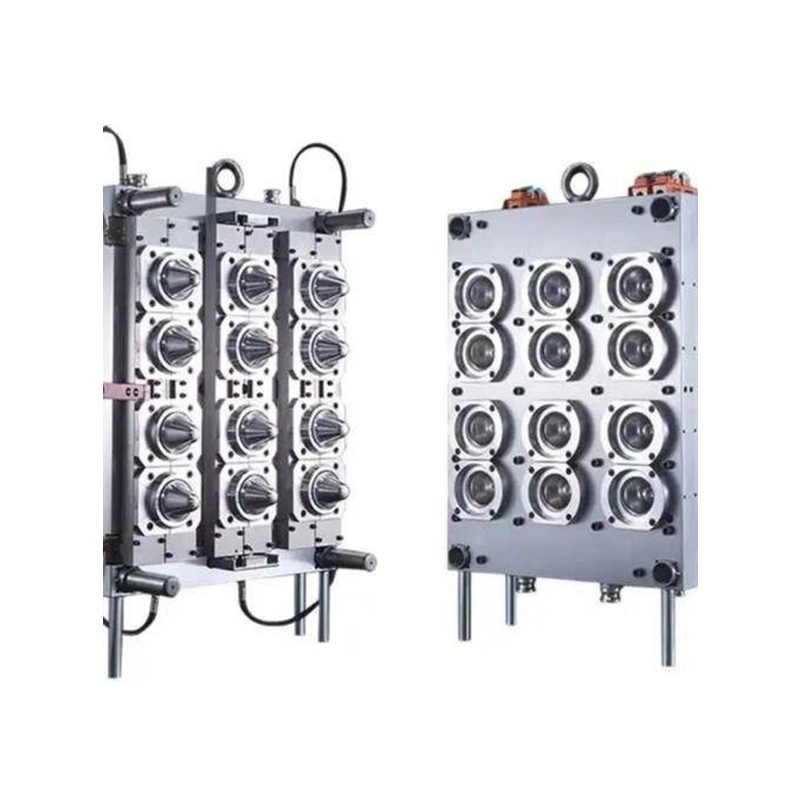
The 12 Cavities Wide Mouth Preform Moulds from Qihong are practical tools for pr...
See Details
WhatsApp:+(86) 13957659071 / +(86) 18158637057 / +(86) 15395760157


ADD:Baige Science and Technology Park, Huangyan District, Taizhou City, Zhejiang Province, China.