English
 русский
 عربى
عربى


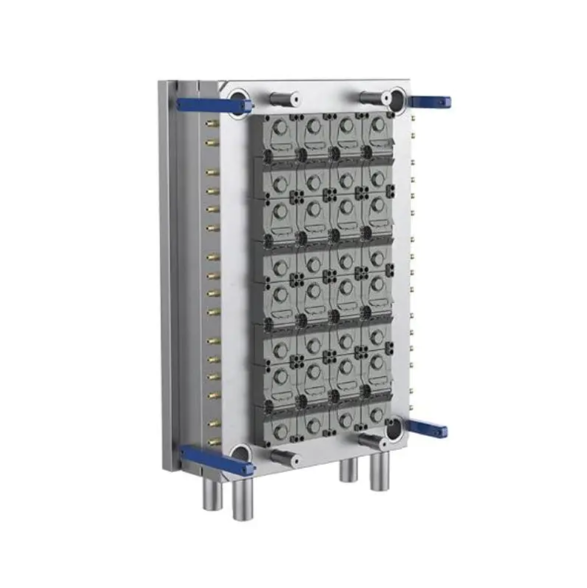
48-Cavity Preform Mold(Mould)
The Qihong 48-Cavity Preform Mold(Mould) is the ideal choice for high-volume PET...
See Details


Handles are often the first thing you touch when using a product. Could be a kitchen utensil, a piece of luggage, or even a simple container. How the handle feels can change the whole experience. Some handles feel awkward, tiring, or just wrong. Others fit right in your hand, making the task feel easy.
Comfort isn't just about softness or shape. It's also about how the hand fits, how pressure spreads across your fingers, and how easy it is to control the item. When a handle is used a lot, these things matter even more. Small differences in shape, curve, or surface can make a big difference.
Behind this, the mold matters. A handle is made with a mold that shapes every curve and contour. Factories, like Handle Mold Factory setups, make sure these molds produce the same feel every time. Even small changes in a mold can make the handle feel different.
People may not notice this at first. But when a handle is off, it shows. Designing handles is a mix of comfort, materials, and production. Done right, it feels natural in your hand.
A Handle Mold is more than a hollow shape for plastic or metal. Think of it as a plan that turns design ideas into something you can touch. Several things need attention to make the handle feel right.
Factories focus on these details. Even small mold adjustments can change usability. The goal is a mold that produces handles reliably and keeps the intended feel.
Designers and engineers usually work together. Designers focus on comfort and look. Engineers make sure the mold can actually be made. The result is a handle that fits, feels right, and works well.
Ergonomics is all about designing things to fit people. For handles, it means less strain, better control, and comfort for different hand sizes.
Think of a ladle. A thin handle makes your hand tired fast. A heavy or unbalanced one is hard to lift. The right design spreads weight naturally, fits fingers, and keeps the wrist relaxed.
Other things matter too:
Even small tweaks change how a handle feels. Two similar handles can feel totally different. Good ergonomic molds make sure the design actually works for people.
Factories also need to match design and production. A Handle Mold Factory ensures grooves and curves stay consistent while keeping comfort.
Material makes a huge difference. Hard plastic, soft plastic, metal, rubber — each feels different. Surface finish, smoothness, coating — all affect comfort.
Soft-touch materials cushion your hand. Hard ones give control but can feel stiff. Textures prevent slipping, especially when hands are wet.
| Material Type | Typical Surface Feel | Comfort Effect | Common Usage |
|---|---|---|---|
| Soft-touch Plastic | Smooth, cushioned | Reduces hand fatigue | Kitchen utensils, tools |
| Rigid Plastic | Firm, solid | Stable, precise control | Luggage handles, containers |
| Metal | Cool, firm | Durable, can feel heavy | Tools, outdoor gear |
| Rubber Coating | Slightly textured | Non-slip grip, absorbs shock | Sports equipment, handles |
Factories need to think about materials when designing molds. The same mold may need slight changes for different materials. This ensures the handle feels right no matter what it's made of. Comfort and usability come from matching design and material carefully.
Precision is not just about looks. It affects comfort directly. Small changes in curve, thickness, or angle can make a handle uncomfortable.
A Handle Mold Factory often checks molds multiple times — prototypes first, then quality control during production. Careful work keeps handles comfortable and long-lasting.
Handles are not just for holding. They guide how a product works. Think about a suitcase. A handle that wobbles or tilts can make dragging it annoying. A firm, well-shaped handle makes it easy to maneuver even on uneven surfaces.
Same with kitchen tools. A spoon or knife handle that's uncomfortable changes the way you cut or scoop. You might grip tighter than necessary, strain your wrist, or just stop using it as often. Good Handle Mold design avoids that.
Some points to keep in mind:
Designers and factories need to think of function first, then comfort. Sometimes the two compete. A slightly bigger handle may improve control but reduce portability. That's where a Handle Mold Factory ensures the design stays practical while maintaining usability.
Even small tweaks in the mold can change function. A small angle here, a subtle groove there — they all matter. The goal is that the handle feels right while helping the product perform its job.
Handle design is quietly evolving. Innovations don't always mean flashy changes. Often, it's subtle adjustments that make life easier.
For example:
Factories adopt these innovations carefully. The mold has to be reliable first. Comfort comes next, but without sacrificing consistency or durability.
Sometimes innovation is small but impactful. A tiny ridge might guide fingers better. A softer curve might reduce strain on the wrist. These changes are subtle, but noticeable once you use the handle.
Sustainability is increasingly part of the conversation. Handles use plastic, metal, or composites — all of which can impact the environment. Factories and designers consider how to reduce waste and make materials last longer.
Some ways sustainability shows up:
This doesn't mean compromising comfort. A handle can feel good and still be eco-friendly. Thoughtful design and careful mold production allow both. Factories may tweak mold angles or wall thickness slightly to save material while keeping the handle usable.
The balance is subtle. Comfort, durability, and sustainability need to work together. A well-made handle can last longer, feel better, and create less waste.
Handles are everywhere. And each type of product has its own requirements.
Each industry affects mold design. A single mold cannot cover all uses. Factories often produce specialized molds for different products. Adjustments in shape, size, and texture ensure that a handle is comfortable and practical in its intended context.
Even within a single category, small differences matter. A slightly longer handle on a pan might make stirring easier for some users. A thicker grip on a hammer might reduce fatigue. These details show why precision in Handle Mold Factory production matters so much.
Handle Mold design might seem like a minor detail. But it touches every interaction a user has with a product. A poorly designed handle frustrates, tires, or even risks safety. A thoughtful design makes daily tasks smoother and more enjoyable.
Comfort, usability, and performance all start at the mold. Every curve, angle, and surface finish contributes to how the handle feels. Factories play a crucial role in turning designs into real products. Without precise molds, even the best ergonomic plan could fail.
In the end, good handles don't call attention to themselves. They just work. Your hand feels natural holding the product, the wrist moves freely, and tasks feel effortless. That subtle power comes from careful design and mold production.
Products that succeed in comfort and usability are often the result of meticulous Handle Mold design. Even small details — a ridge here, a curve there — influence how a user experiences the item. Thoughtful design and accurate factory production combine to create handles that feel like they were made just for your hand.
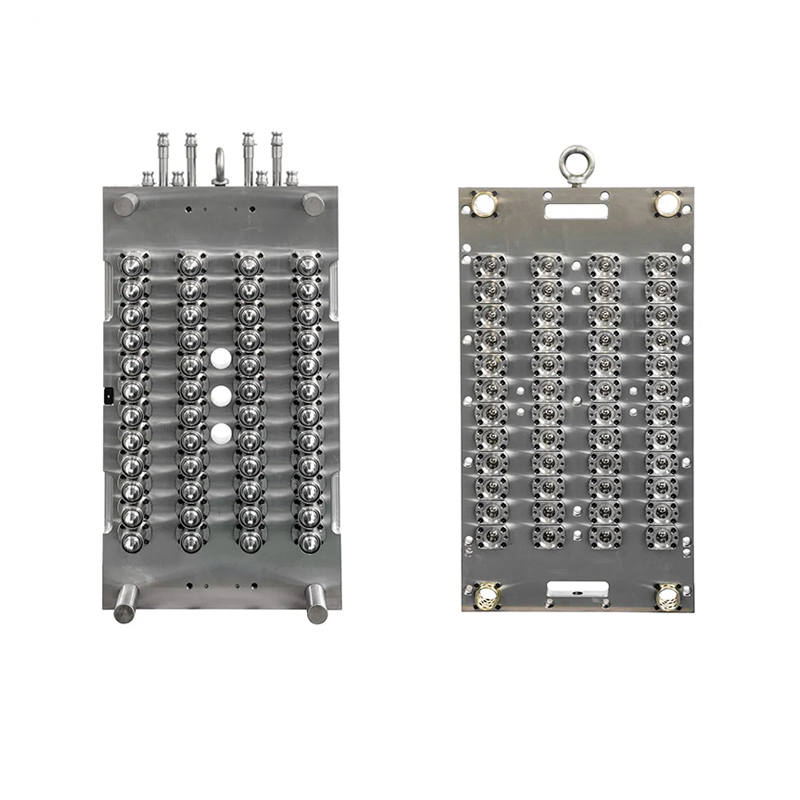
The Qihong 48-Cavity Preform Mold(Mould) is the ideal choice for high-volume PET...
See Details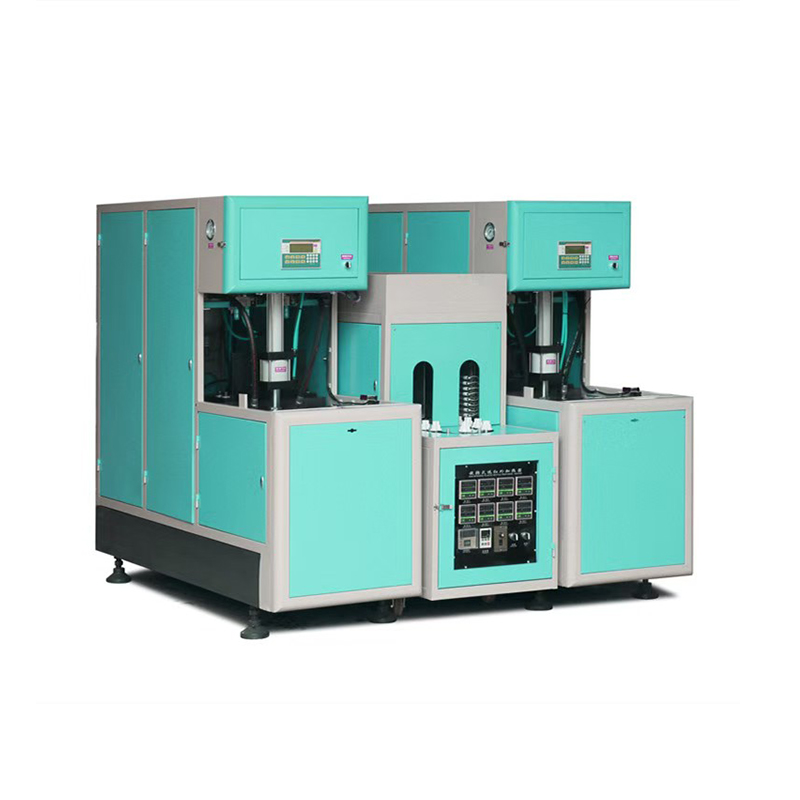
Semi-Automatic Blowing Machines are specialized machines used in the production ...
See Details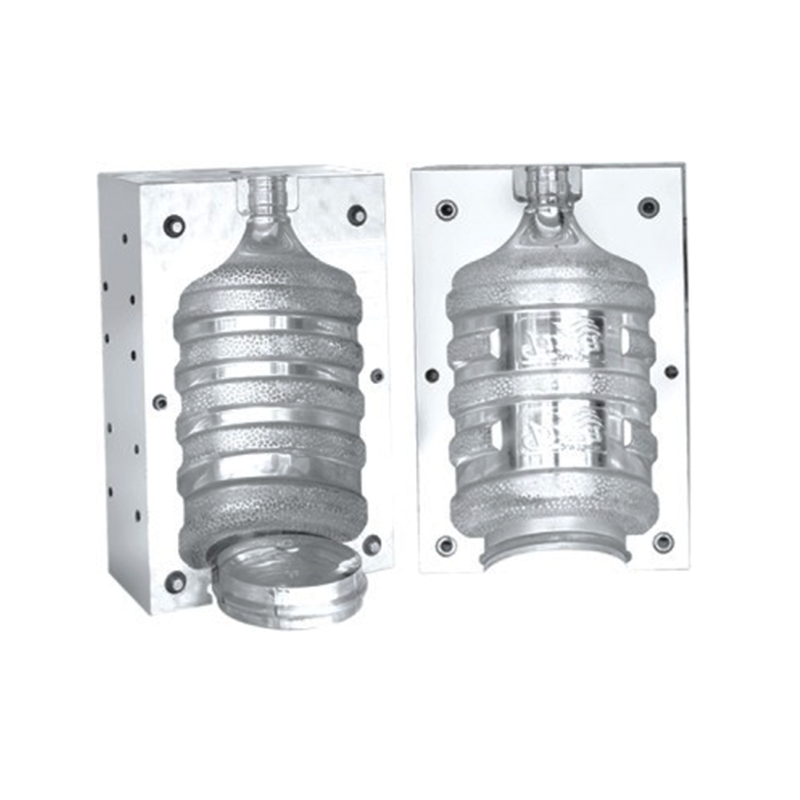
This Five Gallons Bottle Mold(Mould) comes straight out of Taizhou, Zhejiang—bui...
See Details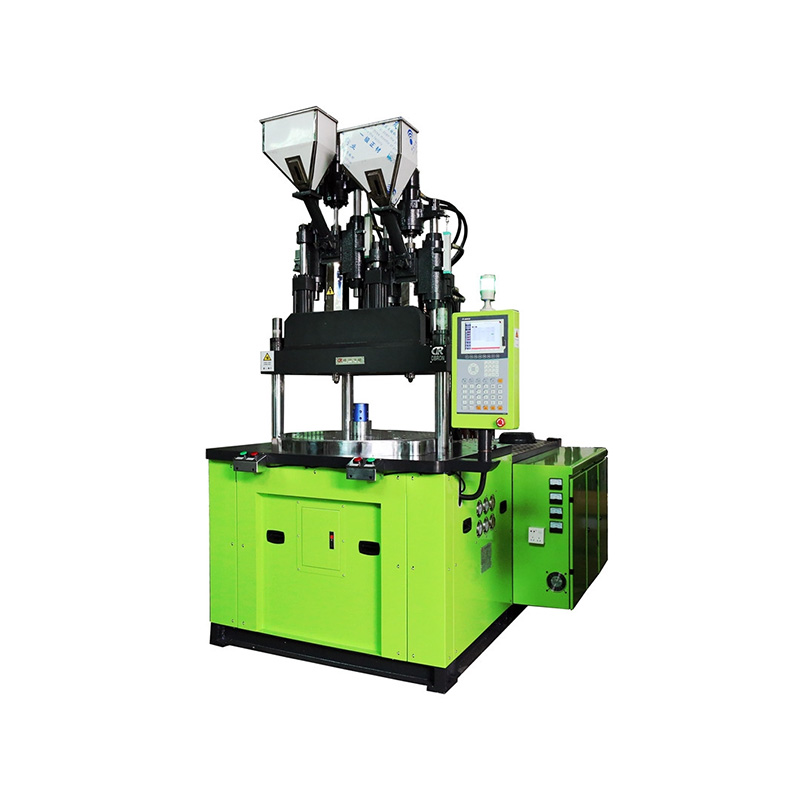
An Injection Molding Machine is an essential industrial tool used for producing ...
See Details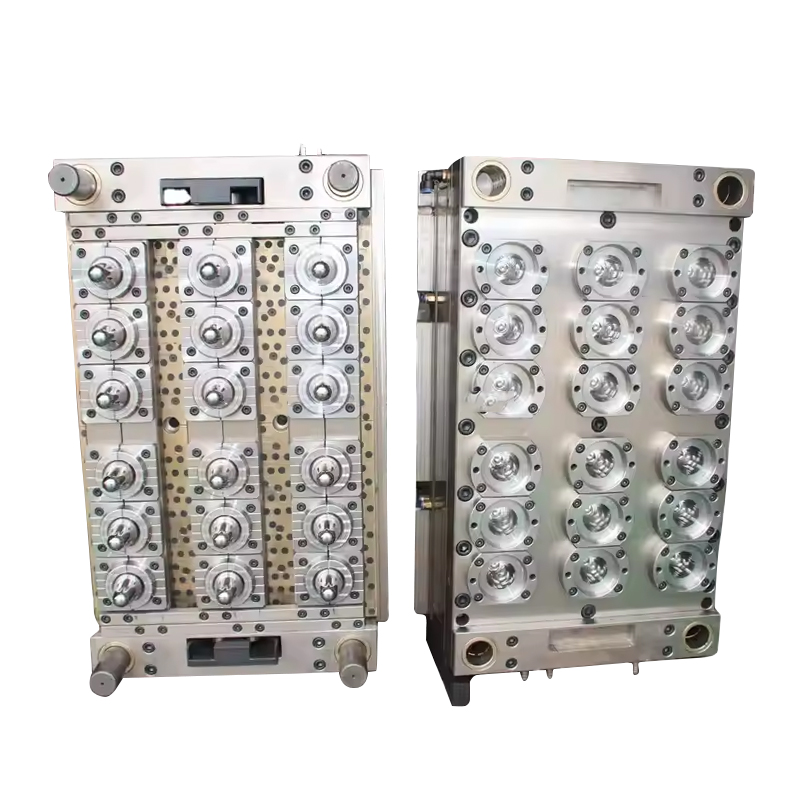
The 18-cavity wide-mouth mold is a high-efficiency tool specifically designed fo...
See Details
Mould Specifications Product : Preform Mould Brand : Taizhou QihongMould C...
See Details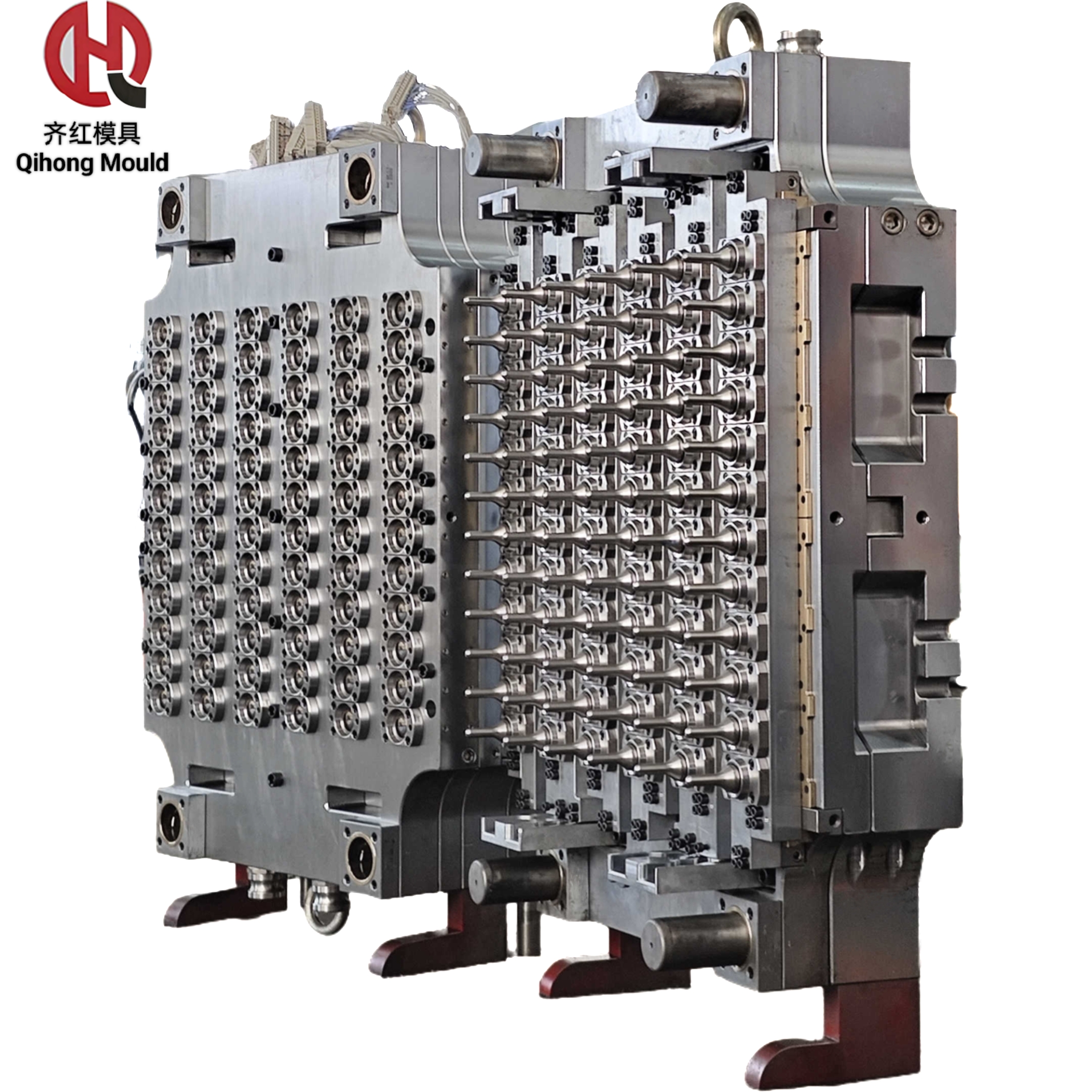
PET Preform Mold Design focuses on high precision structure and stable productio...
See Details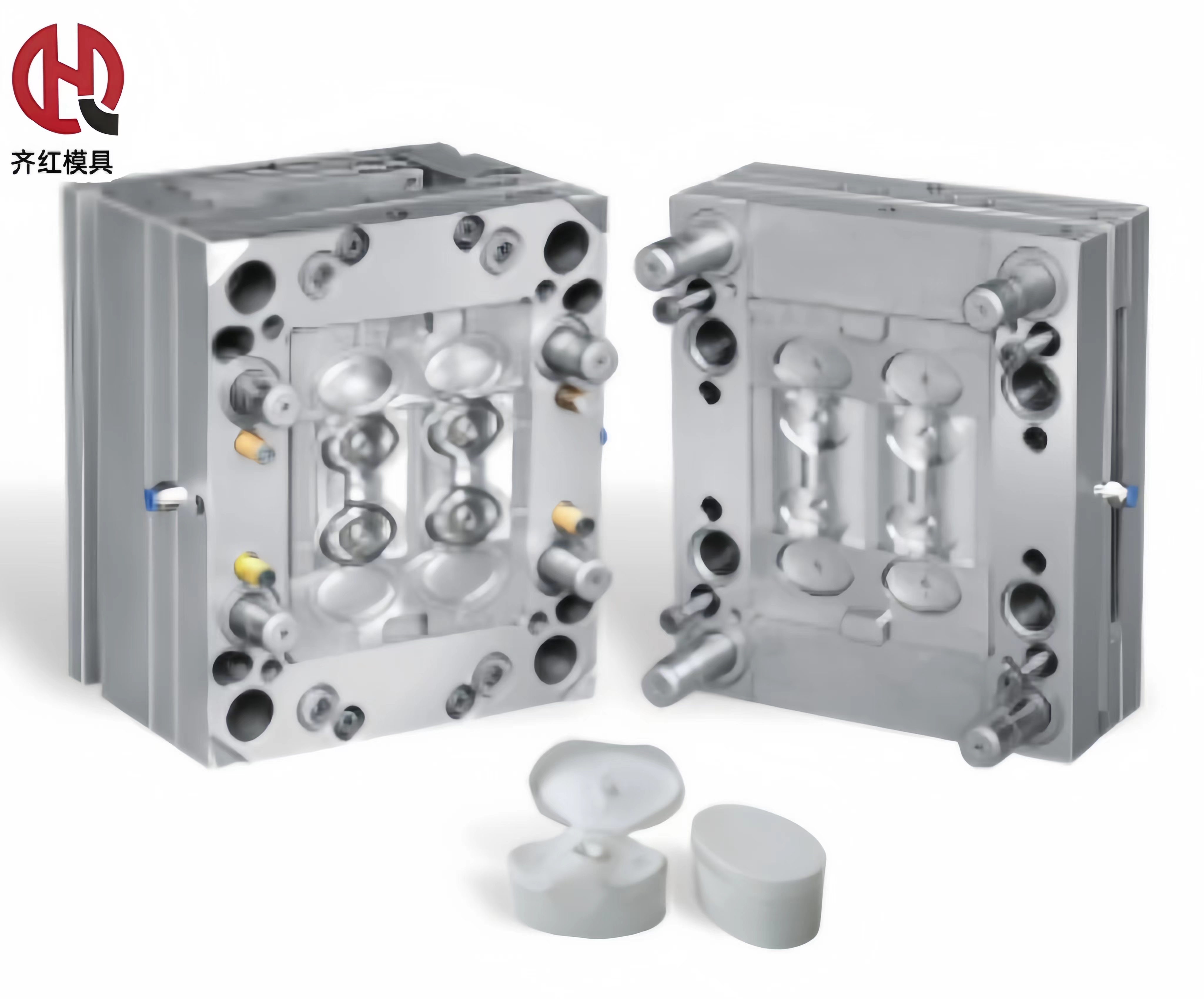
Plastic Cap Mould is designed for high precision plastic cap production. The Chi...
See Details
WhatsApp:+(86) 13957659071 / +(86) 18158637057 / +(86) 15395760157


ADD:Baige Science and Technology Park, Huangyan District, Taizhou City, Zhejiang Province, China.