English
 русский
 عربى
عربى


Full Range Of Automatic Blowing Machine
Automatic blowing machines are essential equipment in modern bottle manufacturin...
See Details


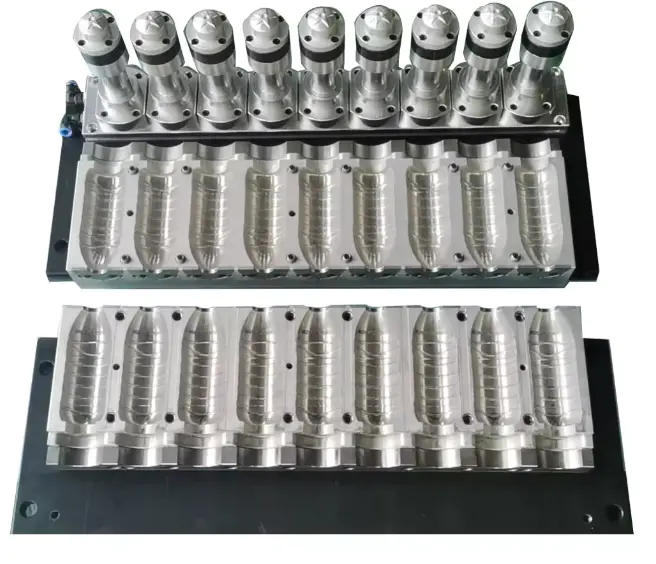
Bottles are more than simple containers. Their shape affects how they feel in hand, how they stack on shelves, and even how people think about the product inside. A sturdy, square bottle can seem reliable. A slender, curved bottle can feel elegant or modern.
The shape doesn't happen by chance. It comes from the mould. A Bottle Blowing Mould is more than a hollow form. It guides the plastic, determines thickness, and controls the final silhouette. Tiny changes in a mould. Small tweaks. They can make a big difference in how the bottle looks or feels.
The work of shaping bottles is subtle. Not just heat and pressure. Precision and timing matter. That's where experience counts.
The mould defines the bottle's skeleton. When molten plastic hits the cavity, it flows along the contours. The mould sets the neck, base, and body.
Material choice matters too. Steel moulds last longer, handle high pressure. Aluminum cools faster, but can wear sooner. Every choice affects the bottle's final look.
Shaping a bottle is a mix of control and natural plastic behavior. It starts with a preform, a small test-tube shaped piece. Heat softens it. Air pressure expands it into the mould. Then it cools and hardens.
Even small changes in pressure or heat can shift the bottle's profile. A little more air can make it fuller. Slower heating can prevent thin spots.
| Step | Purpose | Effect on Bottle |
|---|---|---|
| Heating | Soften preform | Plastic becomes soft and stretchable |
| Blowing | Shape bottle | Expands to match mould contours |
| Cooling | Harden form | Keeps final bottle shape |
Simple steps, but delicate balance. Timing and pressure matter.
A Bottle Blowing Mould Manufacturer can create many shapes without changing the material.
Multi-cavity moulds can make several bottles at once. Inserts can change volume or shape without a full new mould. Gives flexibility. Efficiency stays high.
Plastic type interacts with mould design. Different plastics flow differently. That changes the shape outcome.
Choosing mould and material together is key. Smooth bottles need polished moulds and flowing plastics. Textured bottles may use materials that hold shape easily.
Moulds are not static. Technology improves them. Precision, durability, control. Modern moulds can include cooling channels. Plastic hardens evenly. Reduces warping.
Some moulds even have sensors for pressure or temperature. Allows small adjustments. Keeps bottles consistent, no matter the shape. Simple or complex, every bottle looks right.
Designing a mould is not always easy. Every new bottle shape comes with its own set of problems. How do you keep the walls the same thickness? How do you stop the bottle from warping? How do you make sure it stands steady on the table?
Some bottle designs look simple on paper, but they turn out to be quite tricky in real production. A bottle with thin curves or a very narrow neck can stretch unevenly. The plastic may become too thin in some places and too thick in others. This directly affects how strong the bottle will be.
Cooling is another big challenge. As the plastic cools and hardens, it shrinks a little. If the mould is not designed to handle this shrinkage properly, the bottles can come out slightly deformed. Flat sides may look wavy, and round bottles can turn slightly oval. Experienced mould makers usually know these issues in advance and plan for them.
Efficiency is important too. Multi-cavity moulds can produce more bottles at once and save time, but they also make things more complicated. The air channels, heating zones, and cooling paths all need very careful planning. A small misalignment in any part can ruin several bottles in one cycle.
Designing moulds is a mix of art and science. You have to find the right balance. The final shape of the bottle depends on understanding how the plastic behaves under pressure, heat, and timing.
A Bottle Blowing Mould Manufacturer does much more than just build the mould. They help turn bottle ideas into something that actually works on the production line.
Good collaboration with bottle brands is very important. Manufacturers can suggest small changes in the design that make the bottle stronger or easier to produce, without changing the way it looks.
Experience really counts here. Skilled manufacturers know which shapes might stretch unevenly or need extra cooling in certain areas. They also understand how to keep the quality consistent from the first bottle to the ten-thousandth.
Today's bottles are not just about shape — they also need to be more sustainable. Good mould design can help reduce material waste. Even small adjustments in wall thickness or cavity shape can save a lot of plastic when you produce thousands of bottles.
Some moulds are specially designed to work with recycled plastics. These materials flow and shrink a bit differently, so the mould needs to be adjusted accordingly.
Energy efficiency matters as well. Shorter cycle times mean less electricity is used. Well-designed cooling channels and optimized heating zones allow the plastic to harden faster without losing its shape.
More and more manufacturers realize that efficiency and sustainability go together. A well-thought-out mould can save material, time, and energy, while still making bottles that are strong and practical to use.
Bottle shapes keep changing. People now want ergonomic designs that are comfortable to hold, along with unique and eye-catching forms. Mould technology is adapting to meet these new demands.
New materials give designers more flexibility. Moulds are starting to use stronger alloys, improved cooling systems, and even sensors that provide real-time feedback during production.
Another interesting development is modular moulds. With interchangeable inserts and adjustable cavities, brands can test new shapes without having to build an entirely new mould every time. This speeds up innovation and lowers costs.
At the end of the day, the relationship between the mould and the plastic material remains the most important part. No matter how technology advances, the basic principles stay the same: good control of flow, pressure, and cooling decides how the final bottle turns out.
With careful design, real experience, and close attention to detail, manufacturers can keep producing bottles that are functional, nice to look at, and efficient to make. Every new mould opens up new possibilities, and every bottle carries the story of careful shaping behind it.
Taizhou Qihong Mold Co., Ltd. has earned a good reputation for making precise and reliable moulds. Whether the bottle shape is simple or quite complex, their moulds help bottles come out uniform and stable. This precision reduces waste and helps avoid unnecessary production delays.
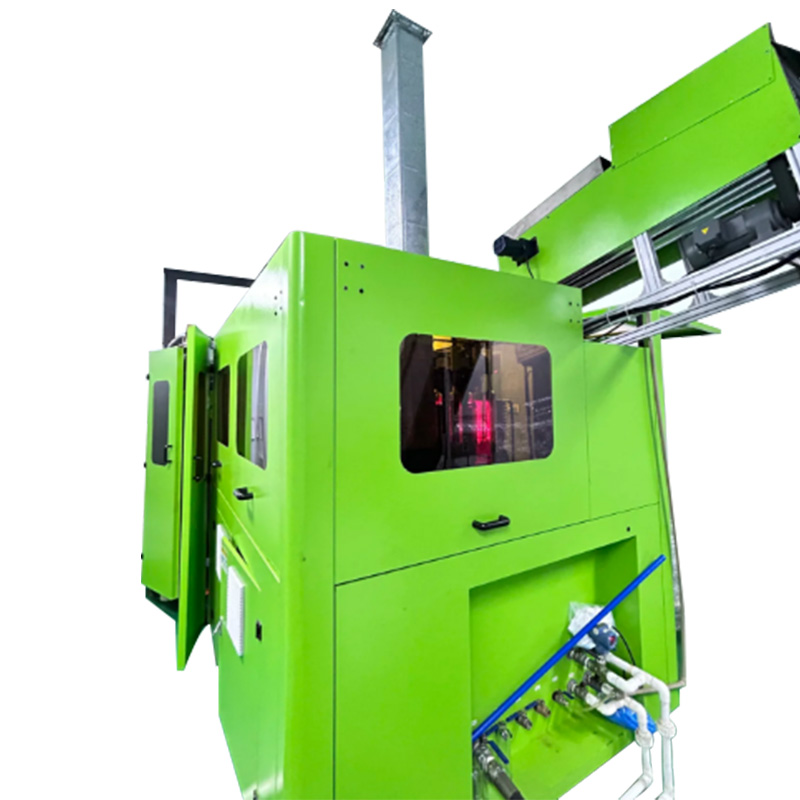
Automatic blowing machines are essential equipment in modern bottle manufacturin...
See Details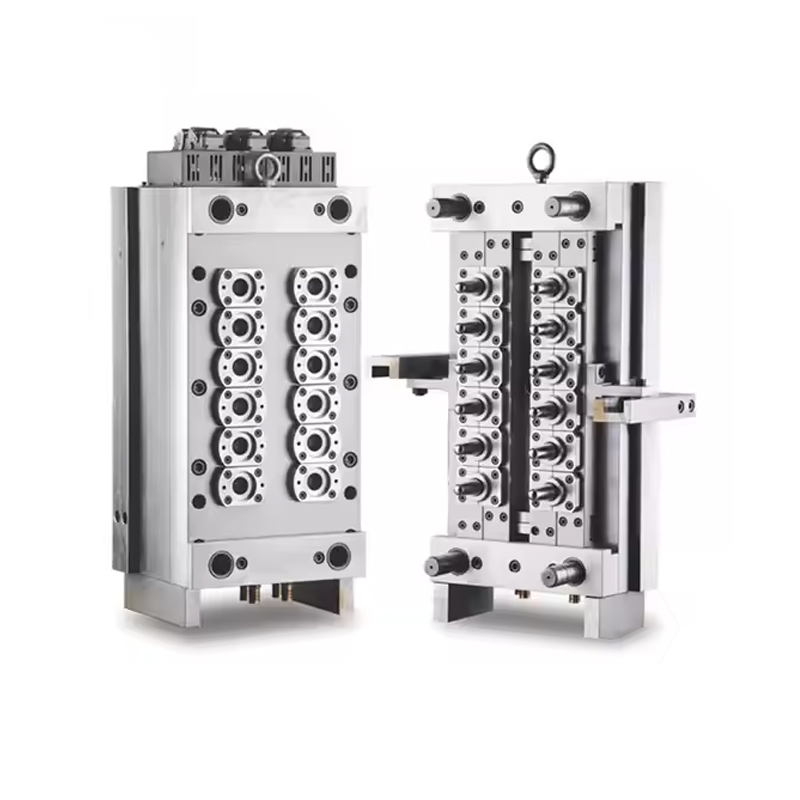
The 12-Cavity PET Preform Mold is a high-quality, durable solution designed to m...
See Details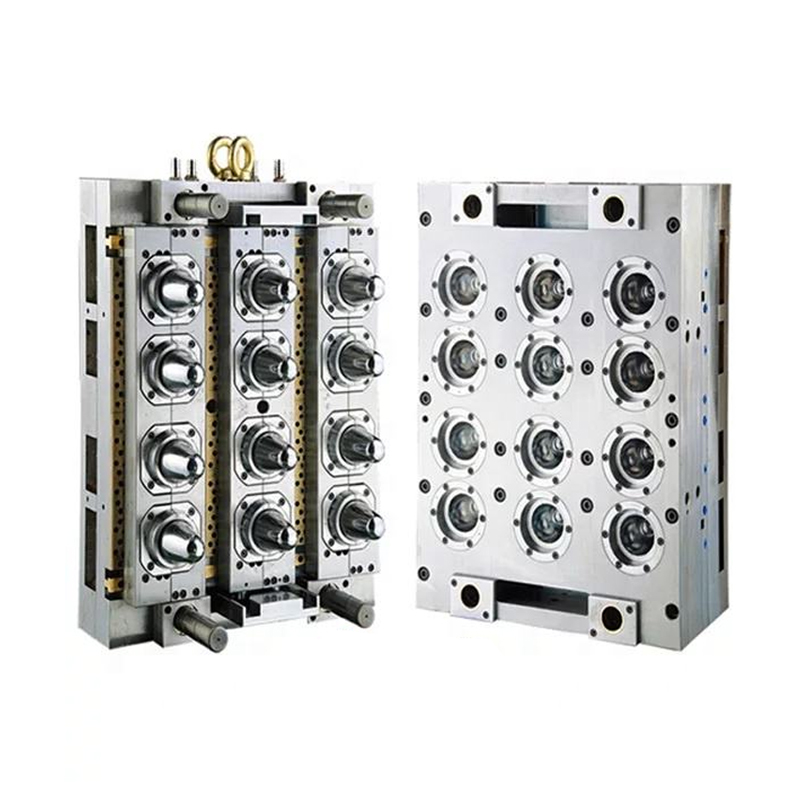
The 12-Cavity Wide-Mouth Mold(Mould) is made for manufacturers running wide-mout...
See Details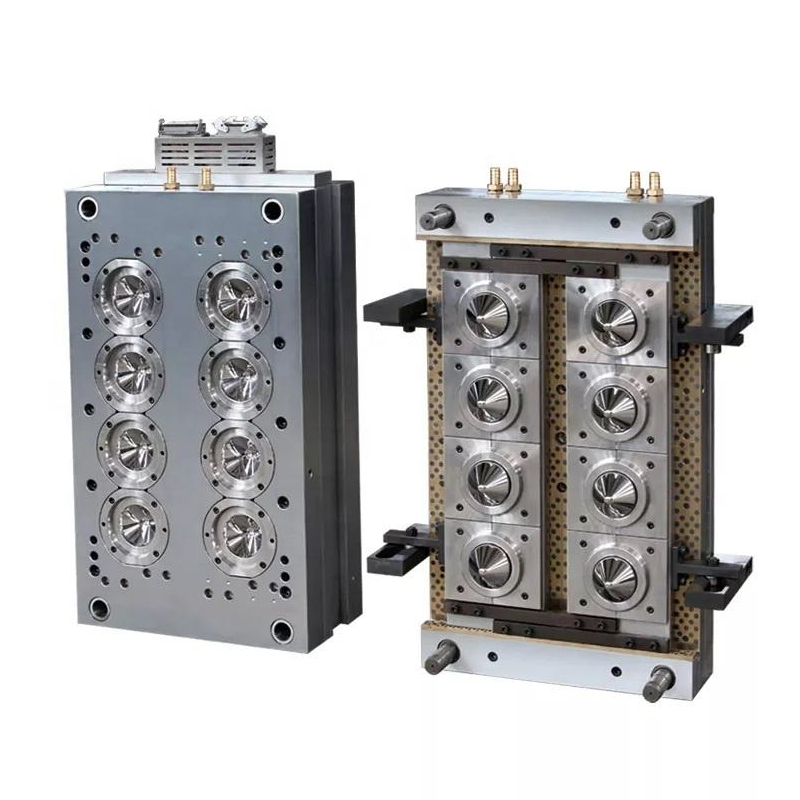
The 8-cavity wide-mouth mold is designed to produce plastic containers with larg...
See Details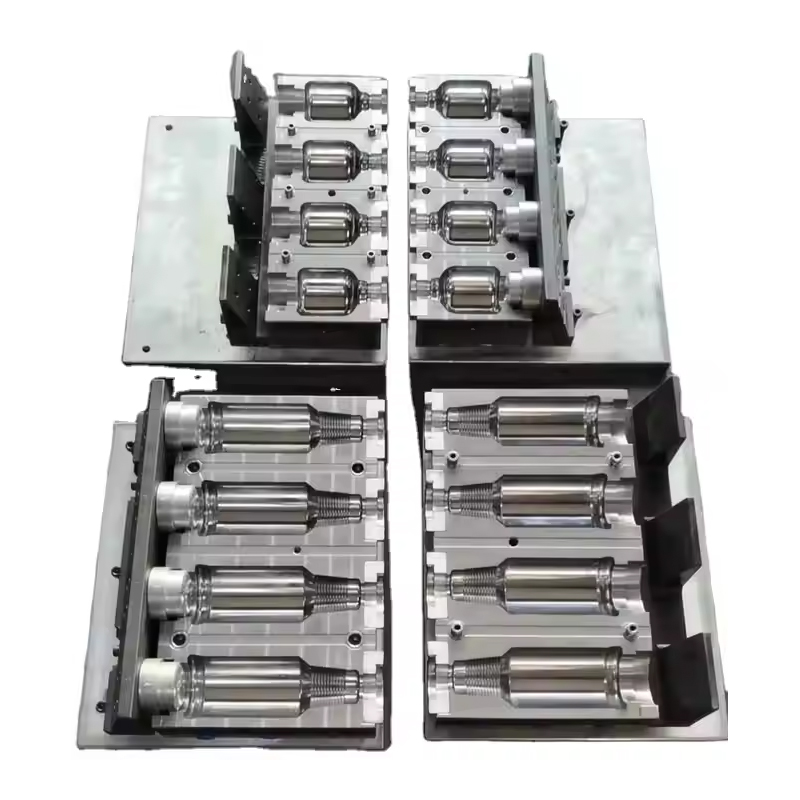
Our Cosmetic Bottle Mold is engineered for precision, reliability, and durabilit...
See Details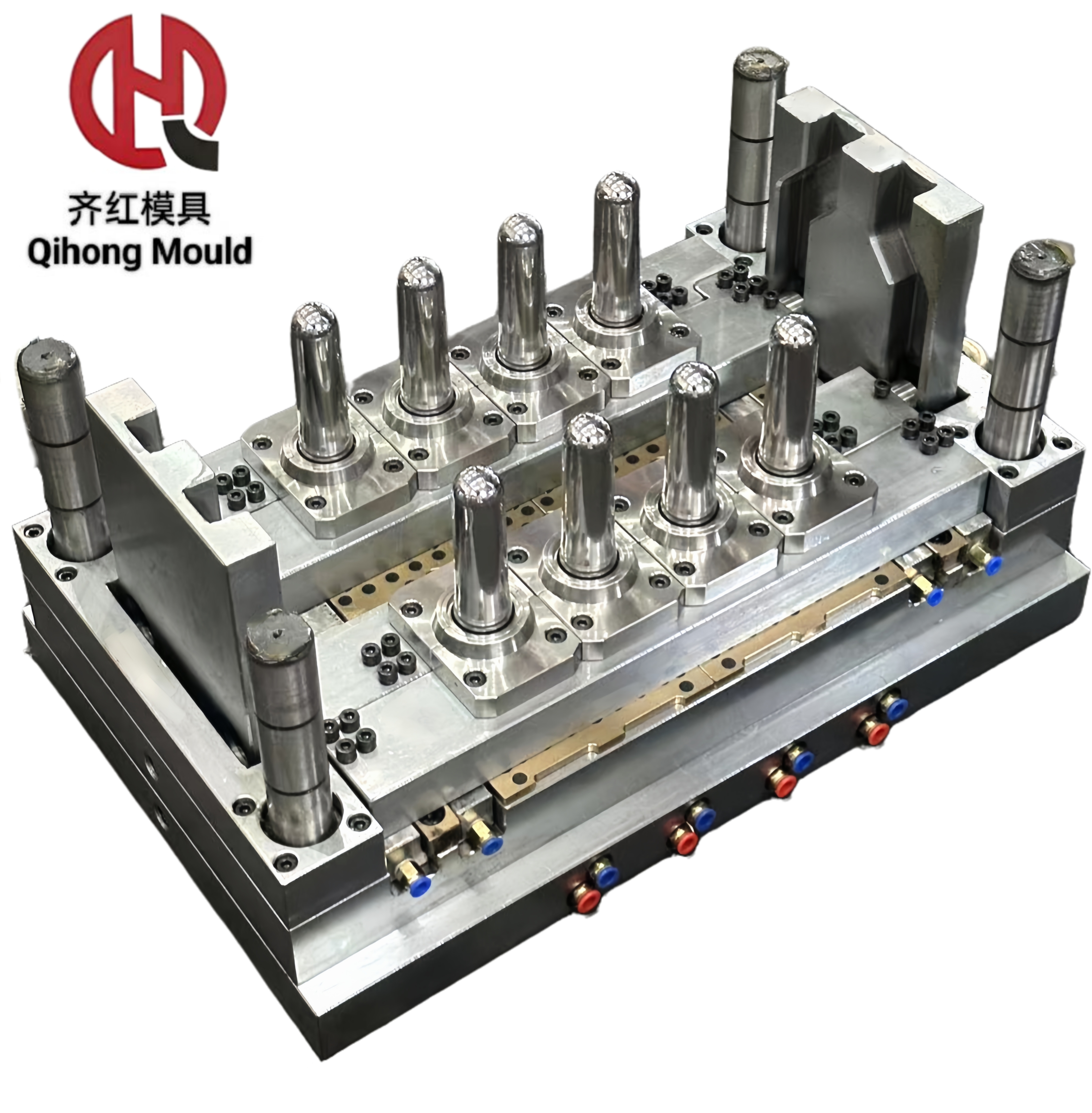
Jar Preform Mold is designed for accurate and efficient production of plastic pr...
See Details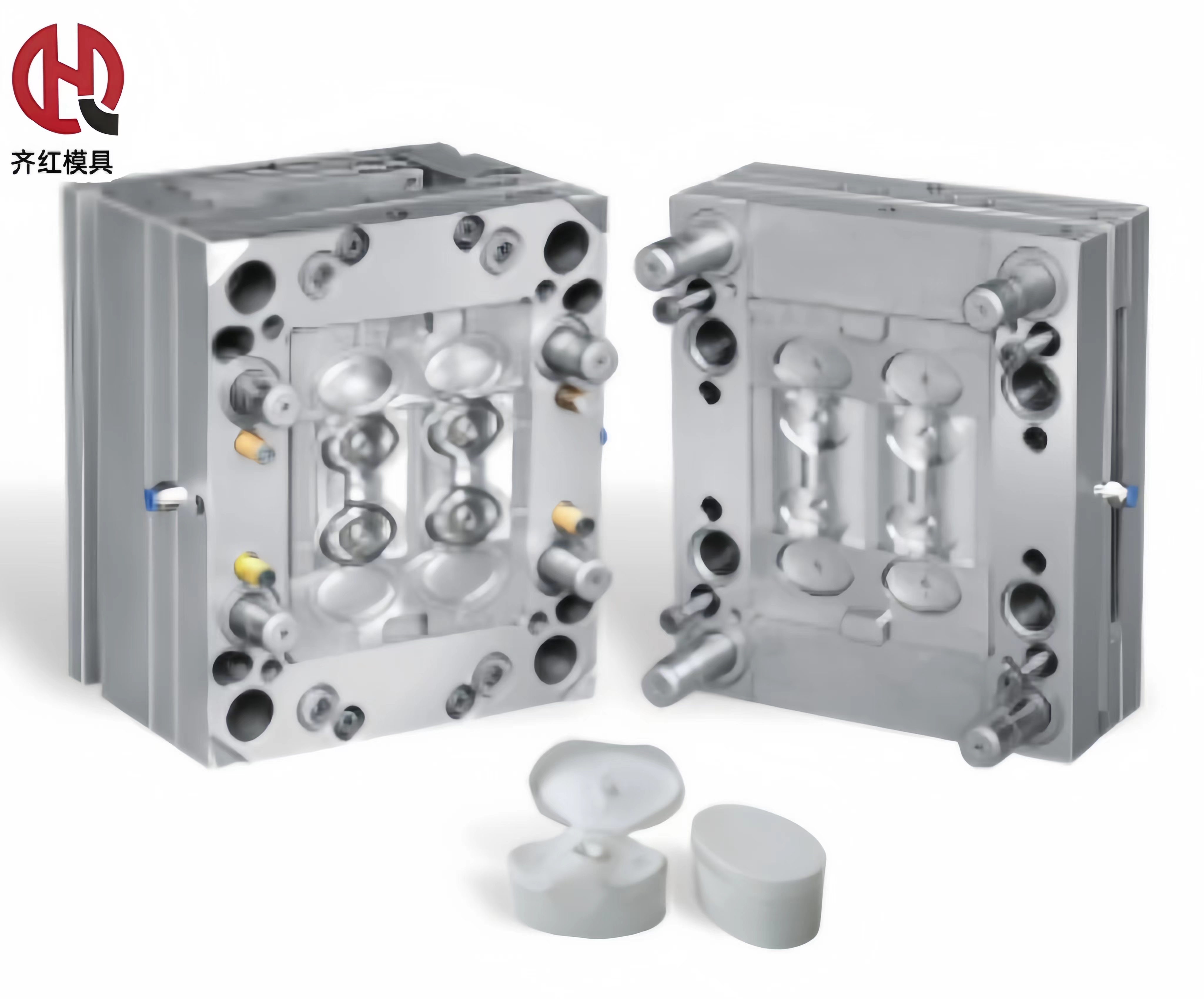
Plastic Cap Mould is designed for high precision plastic cap production. The Chi...
See Details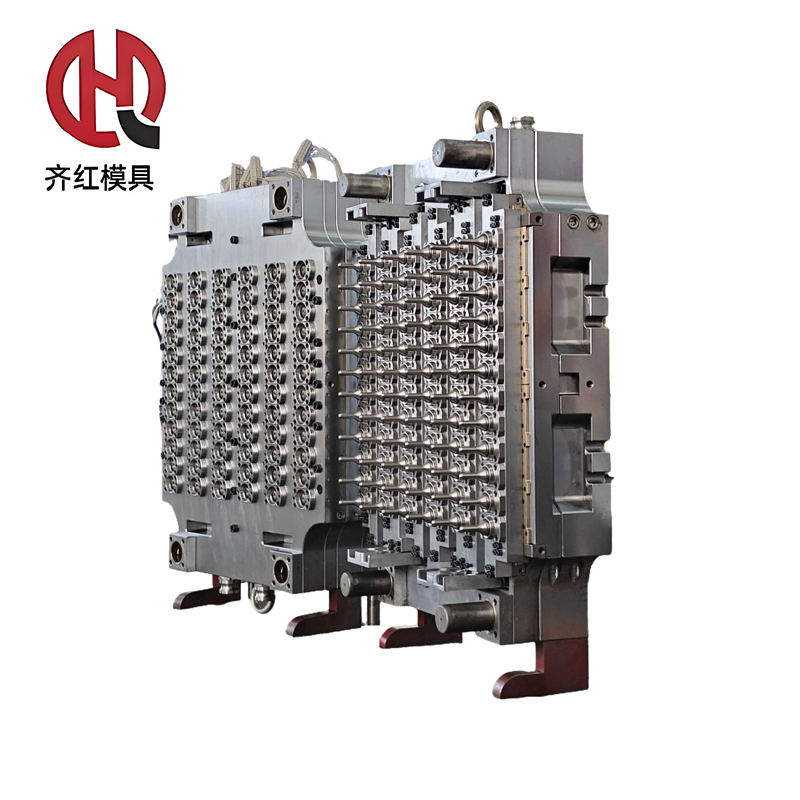
Standardization of mold partsHigh-precision processing equipment is used to ensu...
See Details
WhatsApp:+(86) 13957659071 / +(86) 18158637057 / +(86) 15395760157


ADD:Baige Science and Technology Park, Huangyan District, Taizhou City, Zhejiang Province, China.