English
 русский
 عربى
عربى


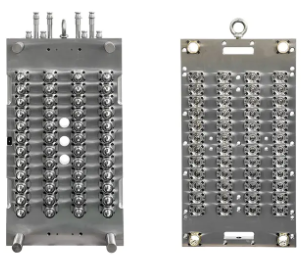
72-Cavity Preform Mold(Mould)
The 72-Cavity Preform Mold(Mould) is a solid, no-nonsense choice when you need t...
See Details


Handle Mold production often looks simple from the outside, but most of the important control work happens in very small details. A slight shift in alignment, or a barely visible gap between contact surfaces, can already change the final handle shape in subtle ways.
Precision refers to how closely the mold matches the intended design. Tolerance is the small range that allows slight differences during production. In theory, this range gives flexibility. In practice, if it is not managed carefully, it slowly affects consistency over time.
In daily operation, a Handle Mold Supplier usually focuses less on single outputs and more on whether results stay stable across repeated cycles. One stable piece is not enough; what matters is whether the same behavior continues over time.
Typical points that are often checked include:
At first glance, these may seem like small details. But in real production, they gradually shape overall performance.
When precision starts to drift, the change is usually felt inside the mold before anything becomes visible on the surface. The two halves may still close, but the contact is no longer perfectly even.
That small difference is enough to change how material flows inside the cavity. Instead of moving evenly, the material may slow down in one area and move faster in another. Over time, this creates a quiet imbalance in the final shape.
Some typical signs include:
The mold still functions, so the issue is not obvious at first. But the internal balance has already shifted. A Handle Mold Supplier usually tries to catch these changes early, before they start affecting larger batches.
Even very small tolerance differences can influence how a Handle Mold behaves over time. The effect is not immediate. It builds gradually through repeated use.
A slight mismatch between mold surfaces can change how pressure spreads during forming. Some areas take more load, while others receive less. This uneven condition slowly affects both cooling and final shaping.
The progression is often like this:
| Tolerance Condition | Mold Behavior | Output Behavior |
|---|---|---|
| Stable alignment | Smooth internal flow | Consistent shape formation |
| Slight deviation | Mild imbalance in flow | Small surface variation |
| Ongoing shift | Uneven pressure response | Noticeable inconsistency |
A Handle Mold Supplier usually works to stop this early, rather than correcting it after it spreads.
Design is where most of the stability is decided. Even before any machining starts, design choices already influence how the mold will behave in real use.
A Handle Mold is not only about shape. It is also about how material moves, how pressure spreads, and how different parts support each other during operation.
During design, attention is usually given to:
A Handle Mold Supplier often reviews these points more than once. Small adjustments at this stage can prevent larger problems later during production.
The aim is not complexity, but balance. A structure that is well balanced usually behaves more predictably in real conditions.
Material choice plays a quiet but important role in precision control. Different materials respond differently when exposed to pressure, heat, and cooling.
Some materials shrink slightly after forming, while others stay closer to their original size. Even small differences like this can affect final dimensional accuracy.
In Handle Mold production, material behavior often influences:
A Handle Mold Supplier usually considers material and structure together. If they are not aligned well, even a well-designed mold can behave unpredictably over time.
Machining is the stage where design becomes physical. Even with stable drawings, real cutting and shaping always introduce small variations.
Tool wear, movement accuracy, and setup conditions all play a part. Each factor may be small, but together they can slowly affect precision.
During machining, common focus points include:
A Handle Mold Supplier usually checks these stages step by step. Waiting until the end can make small deviations harder to correct.
Once machining is complete, assembly brings everything together. Even if each part is accurate on its own, the way they fit together determines final performance.
If alignment is slightly off, the mold may still close, but internal pressure will no longer be evenly distributed. This affects how material fills the cavity.
During assembly, attention is usually placed on:
A Handle Mold Supplier often treats this stage carefully because it directly influences real production behavior, not just theoretical design.
Temperature changes are part of normal operation, but they still affect precision in subtle ways. Materials expand when heated and contract when cooled.
Inside a Handle Mold, this can lead to:
A Handle Mold Supplier often considers heat flow as part of overall stability design.
With continuous use, every Handle Mold slowly changes. Wear does not appear suddenly; it builds step by step.
Typical long-term changes include:
After machining and assembly, measurement becomes a quiet but very important step. It does not change the mold directly, but it helps confirm whether everything is staying within a stable range.
In Handle Mold work, measurement is not only about checking size. It is more about understanding whether the structure still behaves as expected after each adjustment.
Some common focus points include:
A Handle Mold Supplier usually relies on repeated inspection rather than a single check. One result only shows a moment; repeated checks show the trend.
Surface finish is often the first thing people notice, even if they do not look at the mold itself. What feels smooth or uneven on a finished handle often comes from very small differences inside the mold surface.
If precision is stable, the material flows evenly and the surface stays consistent. If there is even a slight mismatch, the surface may start to feel different from one area to another.
This can appear as:
Handle Mold Supplier experience often shows that surface quality is rarely a separate issue. It usually reflects what is happening inside the mold structure.
When a Handle Mold has multiple cavities, the system becomes more sensitive to small changes. Each cavity must behave in a similar way, even under repeated pressure and flow.
If one cavity shifts slightly, the difference may not be obvious at first. But over time, variation between outputs becomes easier to notice.
Typical challenges include:
A Handle Mold Supplier often treats multi-cavity systems with extra attention because even small imbalance can affect overall uniformity.
Before physical production starts, digital modeling plays a quiet but important role. It helps show how the structure might behave under different conditions.
Instead of focusing only on shape, modeling helps simulate movement, pressure flow, and stress distribution inside the mold structure.
This allows early adjustments such as:
Even after careful design and machining, the surrounding environment still has a quiet influence on performance.
Temperature changes, air exposure, and general working conditions can slowly affect how the mold behaves over time.
Possible effects include:
Consistency is not the result of one single step. It comes from how each stage connects with the next one.
Key points that influence consistency:
A Handle Mold Supplier usually focuses on keeping these steps connected, rather than treating them separately.
When precision control becomes weak, the issues are not always immediate. They often appear slowly, and only become visible after repeated use.
Some typical challenges include:
Experience in Handle Mold production is often reflected in how small details are handled. It is less about large changes and more about noticing early signals.
A Handle Mold Supplier with practical experience usually focuses on:
Maintenance is often seen as routine work, but in Handle Mold systems, it plays a direct role in keeping precision stable.
Without regular attention, small wear or misalignment can slowly grow. With proper care, those changes can be slowed down.
Maintenance activities often include:
Every time a Handle Mold is used, it goes through pressure, heat, and movement. One cycle does not change much, but repeated cycles gradually shape the structure.
Over time, this may lead to:
Looking at Handle Mold development overall, precision and tolerance control continue to influence how designs and processes evolve.
There is a steady movement toward:
Instead of focusing only on shape, attention gradually shifts toward long-term stability and repeat performance.
For a Handle Mold Supplier, this means keeping all stages connected—design, machining, assembly, and use—so that small differences do not grow into larger variation.
Handle Mold performance is rarely shaped by one factor alone. It is usually the result of many small elements working together.
Precision gives direction. Tolerances provide space. But what matters most is how both are managed across time, cycles, and real use conditions.
When they drift, the changes may not appear immediately, but they slowly become part of the final output behavior.
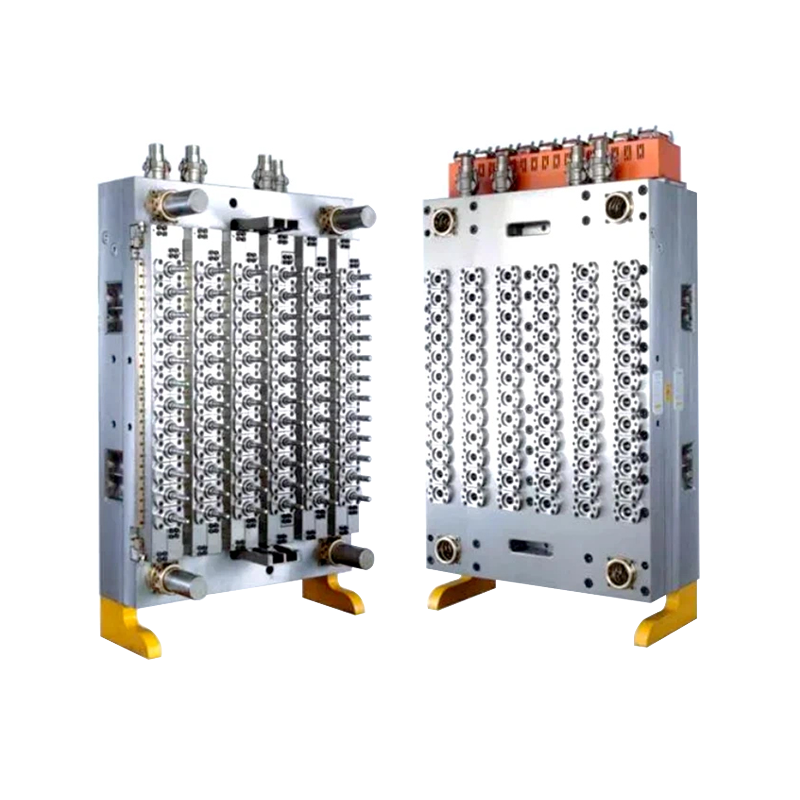
The 72-Cavity Preform Mold(Mould) is a solid, no-nonsense choice when you need t...
See Details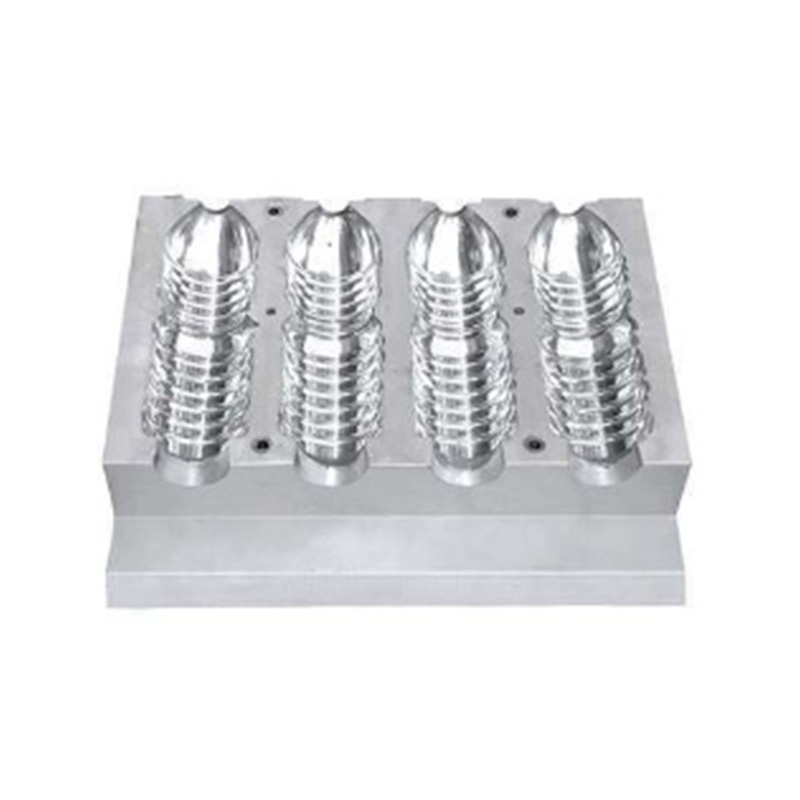
Product Name: Water/Beverage Bottle Mold A Water/Beverage Bottle Mold is a speci...
See Details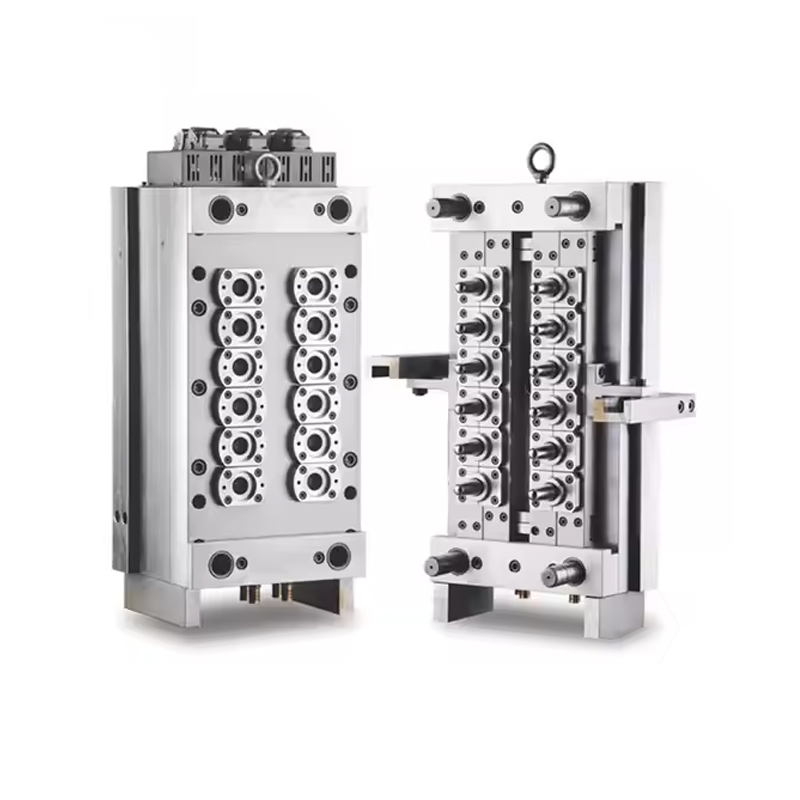
The 12-Cavity PET Preform Mold is a high-quality, durable solution designed to m...
See Details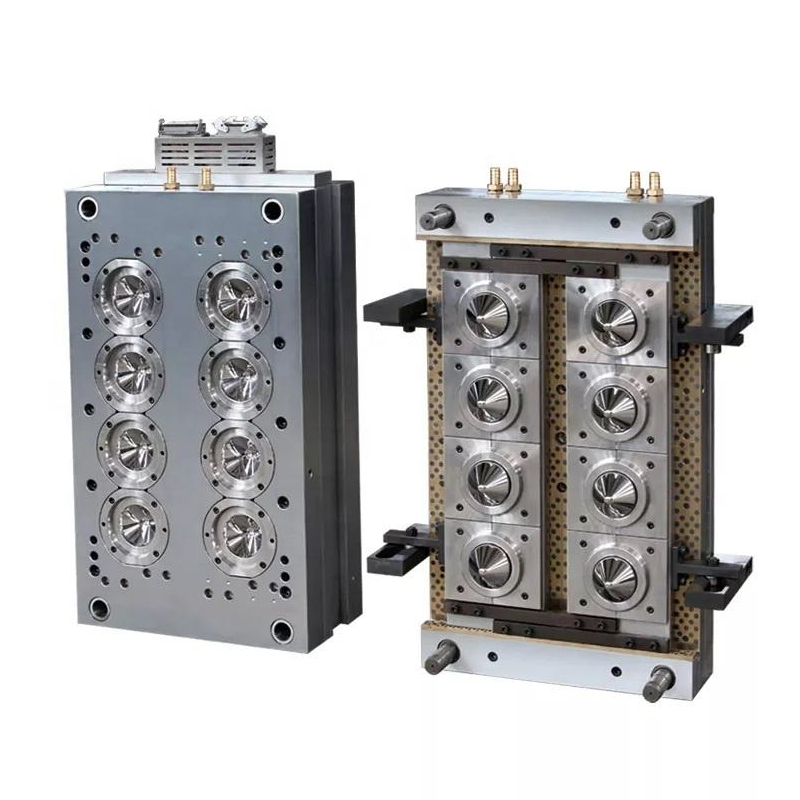
The 8-cavity wide-mouth mold is designed to produce plastic containers with larg...
See Details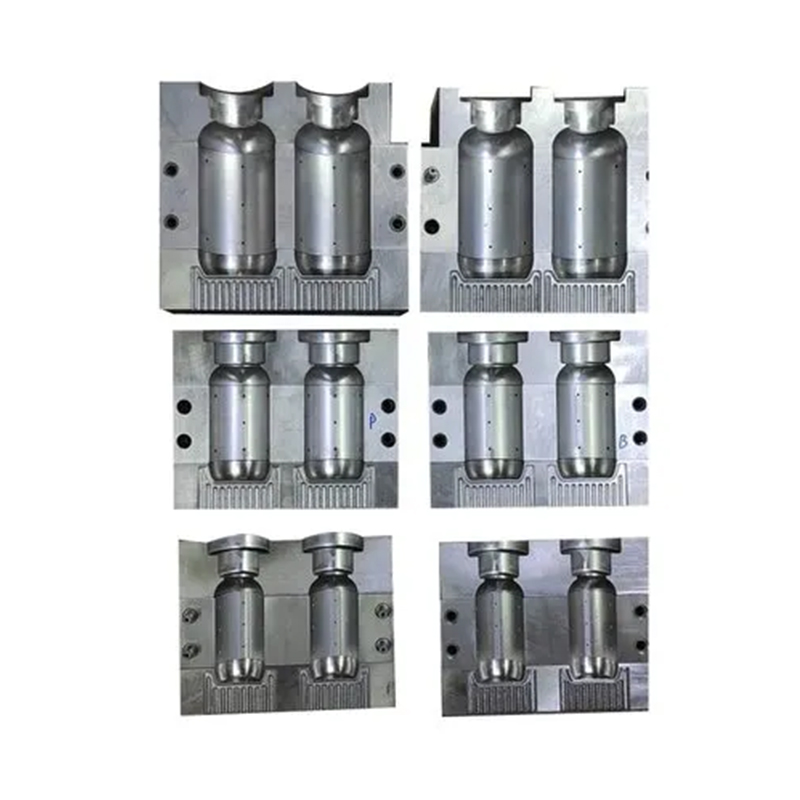
Medicine bottle molds are specialized tools designed for the efficient productio...
See Details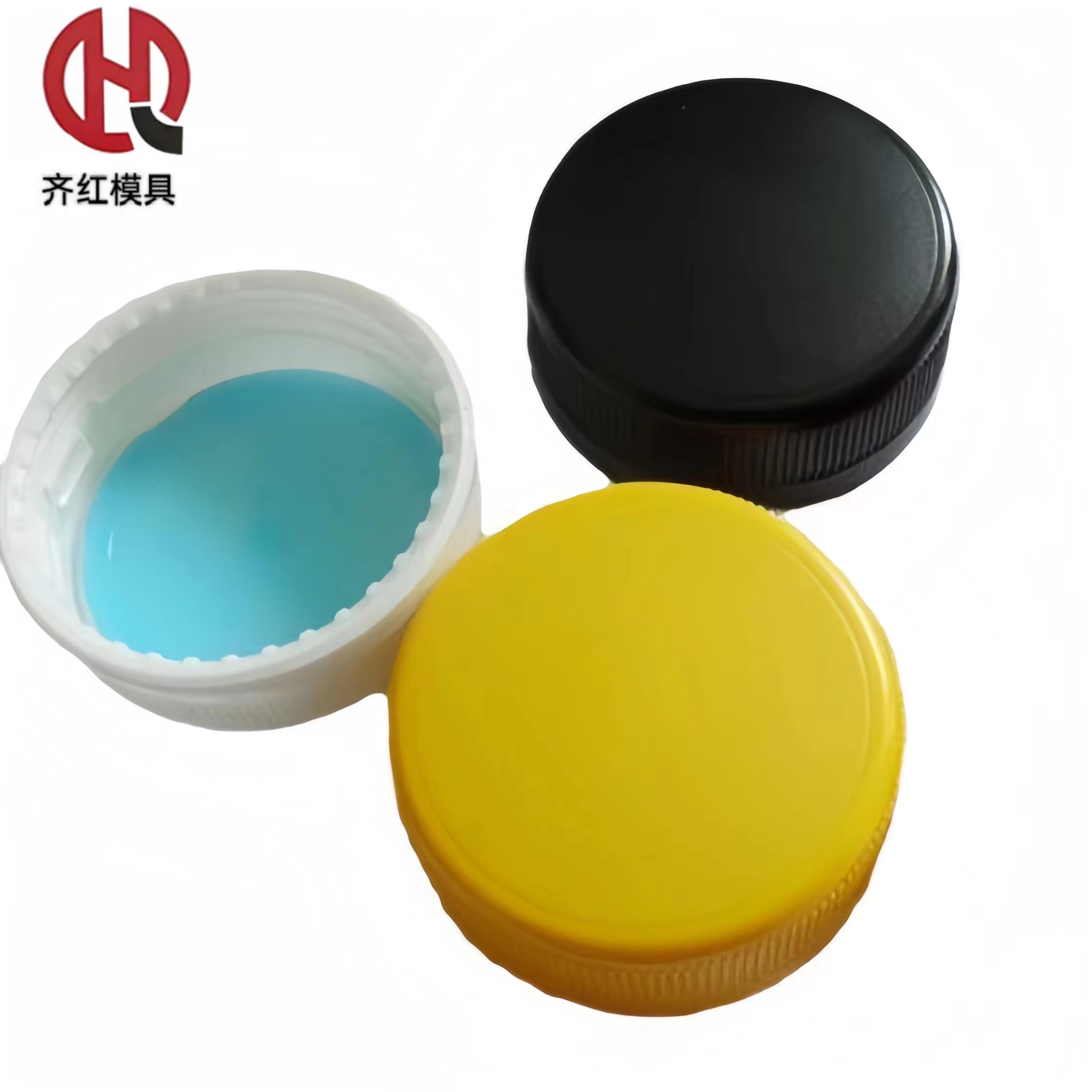
Mould Specifications Product : Cap Mould Brand : Taizhou QihongMould Co.,L...
See Details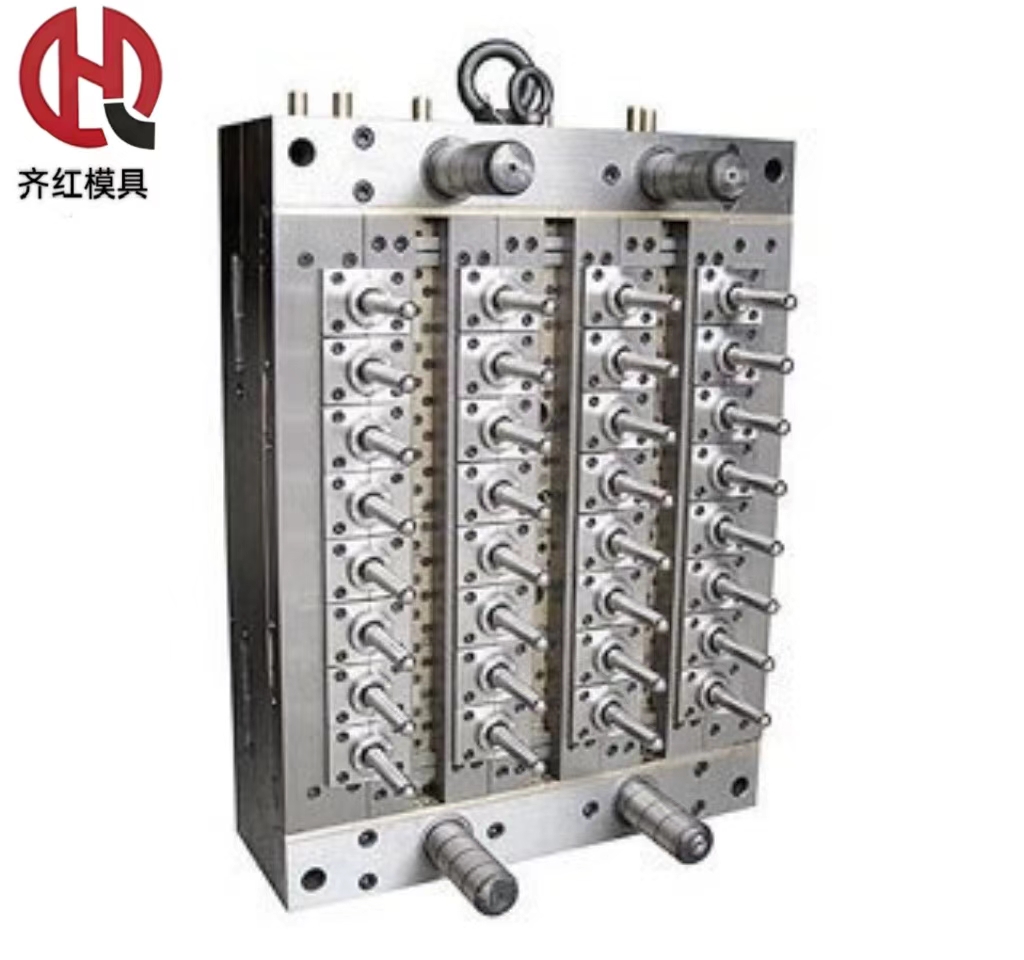
Custom Made Plastic Molds are designed for high precision and flexible plastic p...
See Details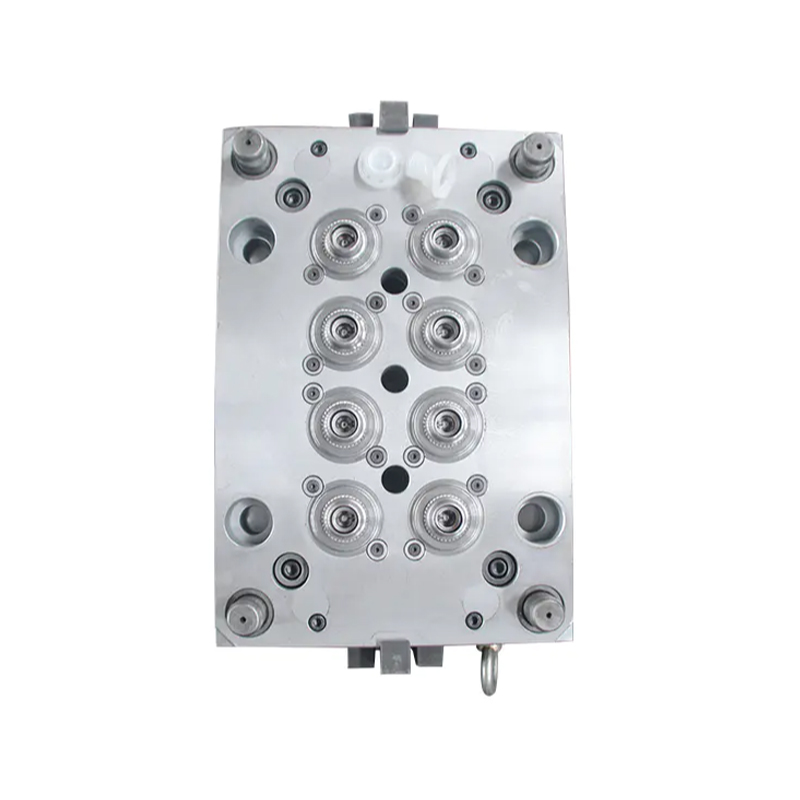
Spout Cap Mould is a EVA inner part of oil cap, match for 42mm pull out closure....
See Details
WhatsApp:+(86) 13957659071 / +(86) 18158637057 / +(86) 15395760157


ADD:Baige Science and Technology Park, Huangyan District, Taizhou City, Zhejiang Province, China.