English
 русский
 عربى
عربى

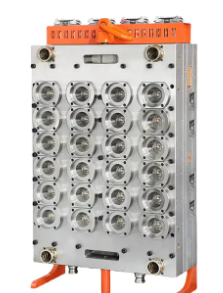
24-Cavity Preform Mold(Mould)
The 24-cavity preform mold is a handy tool for turning out PET bottle preforms. ...
See Details


In manufacturing, Handle Mold have a big say in how comfortable a product feels when someone picks it up. Every curve, thickness, and surface detail affects the user experience. A well-designed handle can make a bottle, container, or tool much easier and less tiring to hold, while a poor one quickly becomes annoying. At the same time, a smart mold design helps the factory run better by reducing defects and keeping production steady.
When factories work with a Handle Mold Supplier, they want more than just a shape — they need a mold that balances good ergonomics with reliable day-to-day performance. The mold has to survive thousands of cycles without losing accuracy, and the internal channels must guide material evenly. At Taizhou Qihong Mold Co., Ltd. , we've made many Handle Molds that produce comfortable, strong parts while running smoothly on the production floor.
A Handle Mold is built from several key parts that work together:
We select steels with good heat transfer and strong wear resistance so the mold stays accurate over long runs. When these parts are properly fitted and aligned, material flows well and the mold operates consistently with fewer stoppages.
Ergonomics makes or breaks a handle. It has to feel natural in the hand right away.
Slight curves that match the palm usually work much better than straight designs. Small finger recesses or rounded edges help reduce pressure points and hand fatigue. Ring-style or angled handles need special care in the mold design to keep strength in the right areas without creating weak spots.
The best approach we've found is to run sample shots, let people actually hold and use the handles, and then fine-tune the cavity shape based on real feedback.
Uniform wall thickness is critical for both feel and durability. Thin areas feel weak and floppy, while thick spots make the handle heavy and uncomfortable.
Good mold design directs material flow so extra thickness goes exactly where strength is needed — usually at the joint or attachment points — and keeps other areas lighter to reduce weight.
| Handle Section | Typical Wall Thickness | Purpose |
|---|---|---|
| Grip Area | Moderate | Comfortable and natural feel |
| Joint Area | Slightly Thicker | Strength and structural support |
| Tip / End | Moderate | Ease of handling and finishing |
Small changes in the mold channels and cavity design often make a noticeable improvement in how solid and comfortable the final handle feels.
Surface finish has a big impact on user experience. A polished cavity gives a smooth, pleasant touch, but it can feel slippery in some situations. Adding texture in the mold improves grip, especially for wet hands or frequent use.
Many good designs mix both: smooth surfaces where the palm rests for comfort, and textured areas in the finger zones for secure holding. The key is keeping the surface quality consistent from the first shot to the last so every handle feels the same.
Even material flow and proper venting are essential for quality handles. The runners and channels must carry plastic evenly into every part of the cavity. Vents need to release air quickly so there are no bubbles, voids, or rough patches.
When everything is balanced well, handles come out with consistent thickness and smooth surfaces. Poor flow or bad venting often creates thin spots, weak areas, or uncomfortable surfaces that only show up once the customer starts using the product.
Focusing on these details early in the mold design leads to handles that look good and, more importantly, feel right in daily use.
It's often the tiny details in the mold that decide whether a finished handle feels good in the hand or just okay. Even a small shift in the cavity can cause the handle to twist slightly or feel uneven when someone picks it up. In a running factory, holding dimensions steady from one shot to the next is what makes every handle feel similar and behave the same way. Tight tolerances help keep wall thickness consistent, weight balanced, and surfaces smooth, so the handle simply feels right without any surprises.
Tolerances aren't just numbers. They also cover how flat the surfaces are, how well the moving parts line up, and how snugly the core and cavity fit together. When those pieces are done carefully, handles come out looking and feeling the same every time, which means less fiddling and fewer rejects later on the line. Handle Mold Suppliers who've worked with lots of different designs usually have good advice on what tolerance levels are realistic and useful for a given shape, helping factories hit the right balance between comfort and reliable production.
A mold's success depends on more than its steel and drawings. The machine it runs on, the material being used, and the daily routines in the factory all play a big part. One mold might cycle perfectly on one press but need small changes on another. Things like pressure, timing, and temperature affect how the plastic flows into the cavity and settles.
Because of that, most factories stay in close touch with their Handle Mold Suppliers. Suppliers who understand real production conditions can recommend adjustments that make the mold work better with the equipment and the workflow. Modular designs and interchangeable parts make switching between different handle styles quicker and easier, cutting down on downtime. Molds that are simple to set up and maintain help keep the line moving smoothly while still delivering consistent, comfortable handles.
Even a carefully built mold needs ongoing care if you want it to keep producing good handles. Regular cleaning of the cavities removes any leftover material that could slowly change the shape or finish. Checking alignment, lubricating moving parts, and watching high-stress areas all help maintain quality over time.
Good design makes this upkeep easier. Features like accessible inserts, clear labeling, and replaceable components let operators fix small issues quickly without pulling the whole mold apart. When maintenance is straightforward, the team spends more time running production and less time troubleshooting.
A few important habits include:
Handle Molds keep evolving in practical ways as factories look to improve both output and the feel of the final part. Modular molds have become more common, allowing different handle styles to be produced using the same base with swap-out inserts. This saves time and makes changeovers much smoother.
Improvements in how material flows through the mold and how it cools also make a noticeable difference. Well-placed channels help the plastic fill evenly, reducing thin spots or air traps. Consistent cooling keeps temperatures steady across the cavity, which leads to more uniform walls and better surface quality. These changes don't usually change the basic look of the handle, but they help it feel more balanced and comfortable in use.
Suppliers often take input from the factory floor—how the handles perform in customers' hands, how the mold holds up after many cycles, and which maintenance tasks take the most time. Small adjustments to cavity shape, vents, or inserts can improve grip, weight distribution, and overall consistency without redesigning the entire handle.
Here are a few real-world examples:
A quick summary:
| Handle Type | Design Focus | Mold Feature Highlight |
|---|---|---|
| Bottle Handle | Comfort and grip | Curved cavity and controlled flow channels |
| Container Handle | Grip stability | Textured surfaces and core inserts for hollow areas |
| Ergonomic Grip | Finger guidance and weight balance | Curved inserts and evenly distributed wall thickness |
Suppliers do more than deliver the tool. They bring practical knowledge about tolerances, venting, cooling, and material behavior that helps factories avoid problems and improve the final handle. Their recommendations on insert materials, surface treatments, and wear-prone areas often extend mold life and keep quality high over long runs.
When factories and suppliers collaborate early, many issues get solved during design instead of showing up during production. That teamwork leads to molds that are easier to run, maintain, and rely on for consistent, comfortable handles.
Handle Molds might look straightforward, but they quietly shape both how easily handles are made and how they feel when someone picks them up. The cavity shape, material flow, surface finish, and precise fit of the core and cavity all combine to create a part that feels natural and reliable. When factories pay attention to tolerances, maintenance, and small design details—and work closely with experienced suppliers—the result is handles that perform well in everyday use while keeping production steady and efficient.
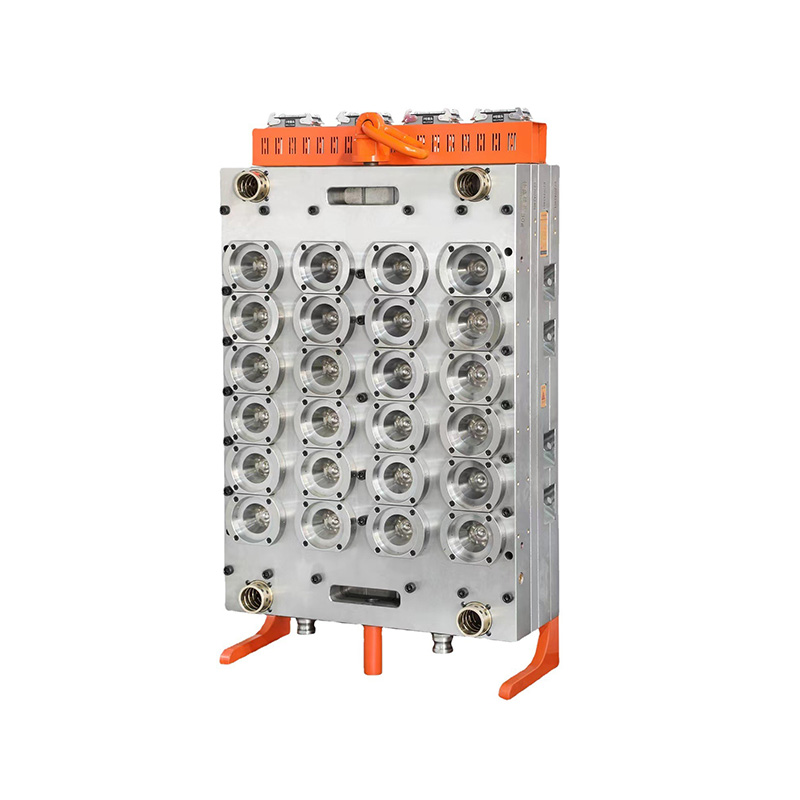
The 24-cavity preform mold is a handy tool for turning out PET bottle preforms. ...
See Details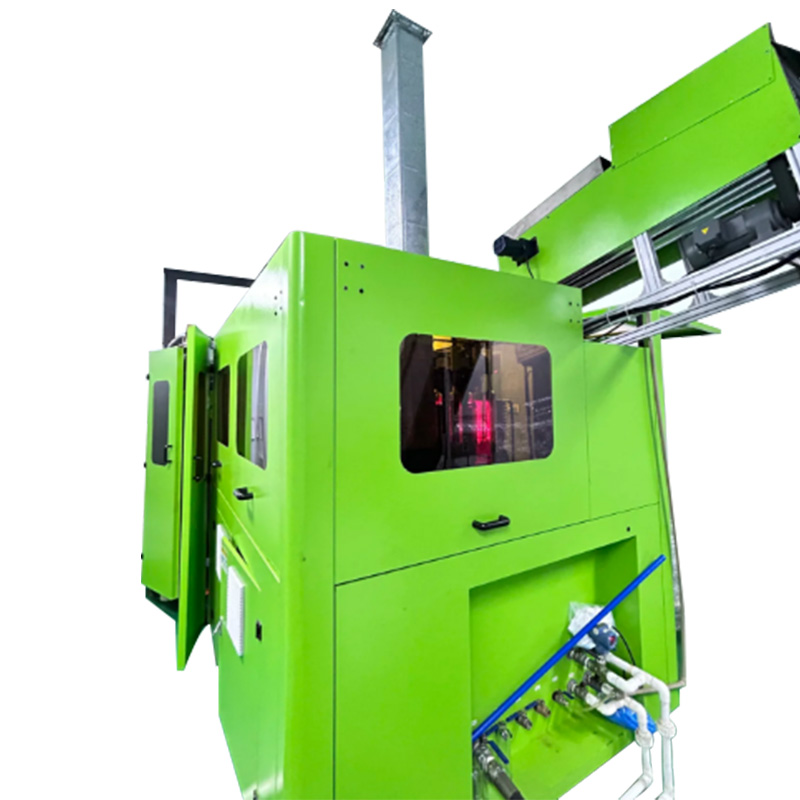
Automatic blowing machines are essential equipment in modern bottle manufacturin...
See Details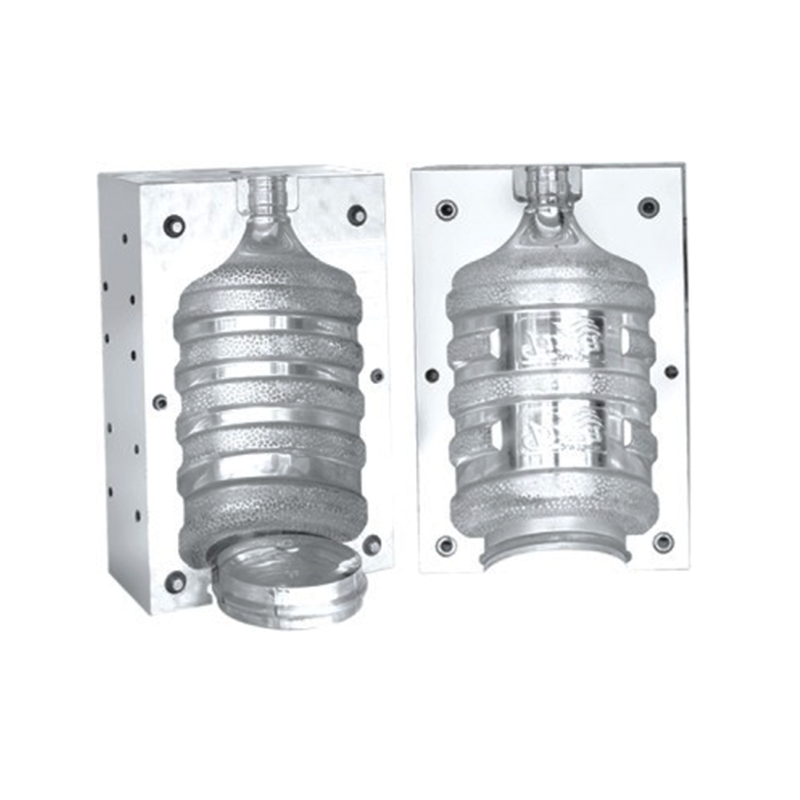
This Five Gallons Bottle Mold(Mould) comes straight out of Taizhou, Zhejiang—bui...
See Details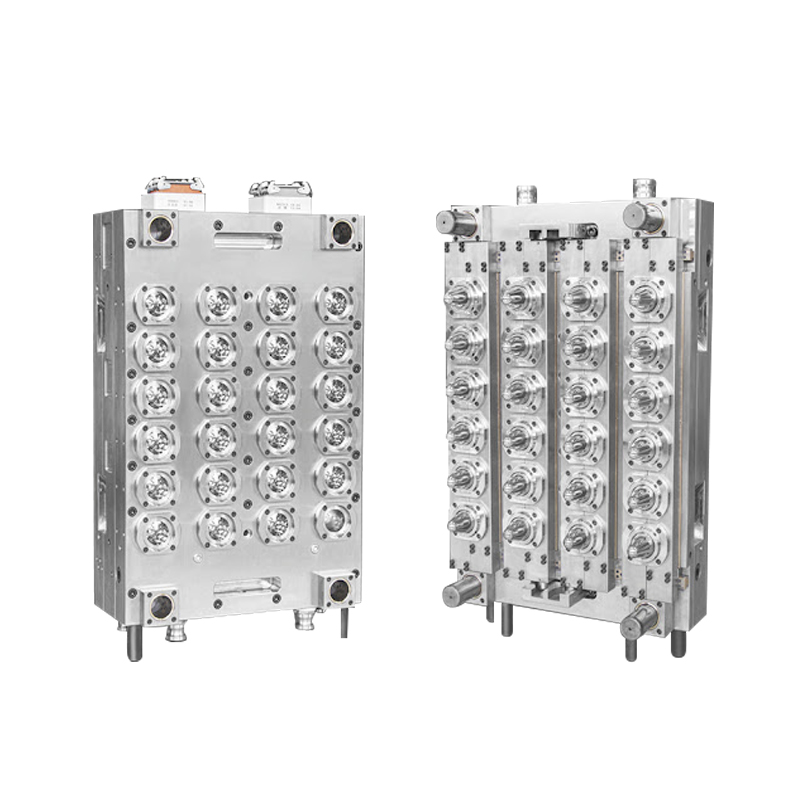
The 24-cavity wide-mouth mold is a precision tool designed for producing wide-mo...
See Details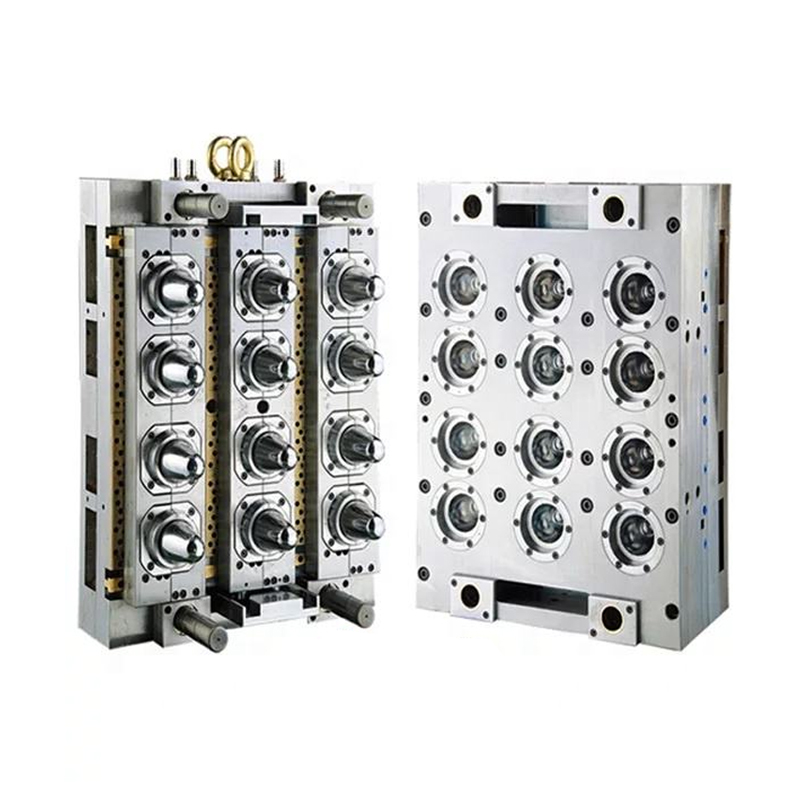
The 12-Cavity Wide-Mouth Mold(Mould) is made for manufacturers running wide-mout...
See Details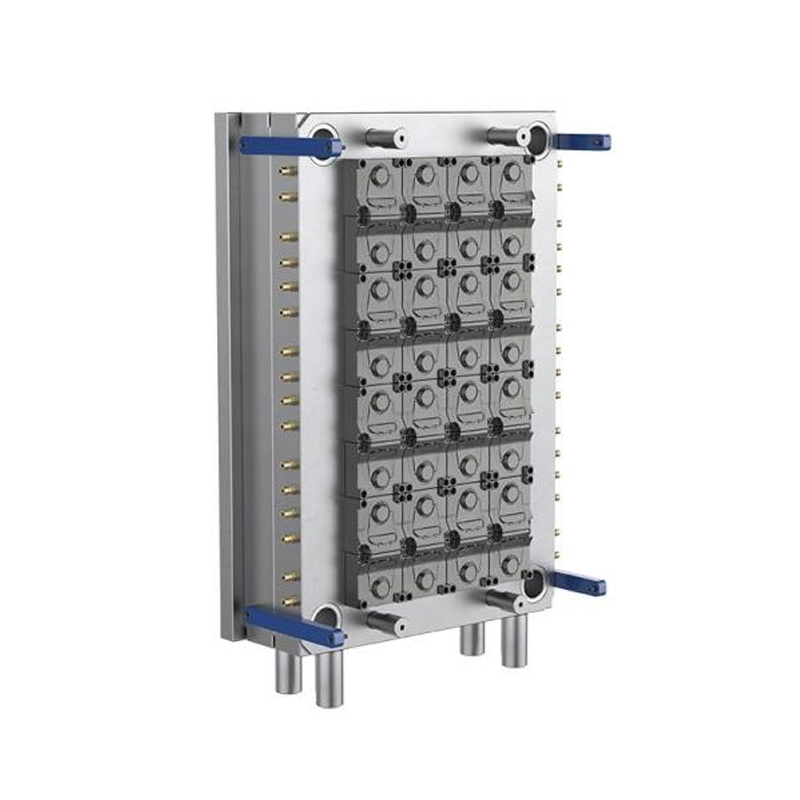
A Handle Mold is a specialized mold used in the manufacturing of plastic handles...
See Details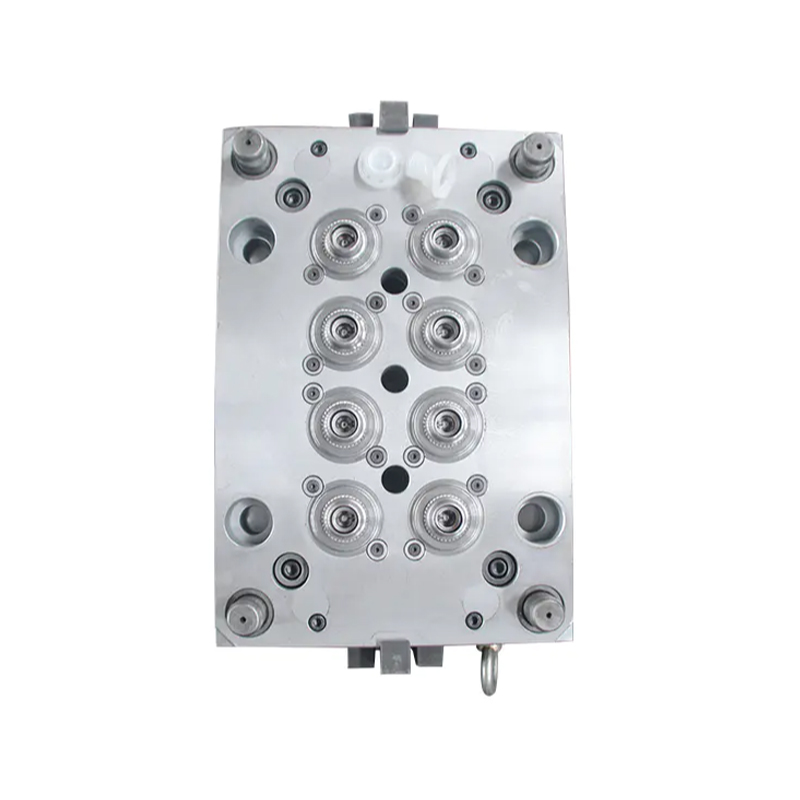
Spout Cap Mould is a EVA inner part of oil cap, match for 42mm pull out closure....
See Details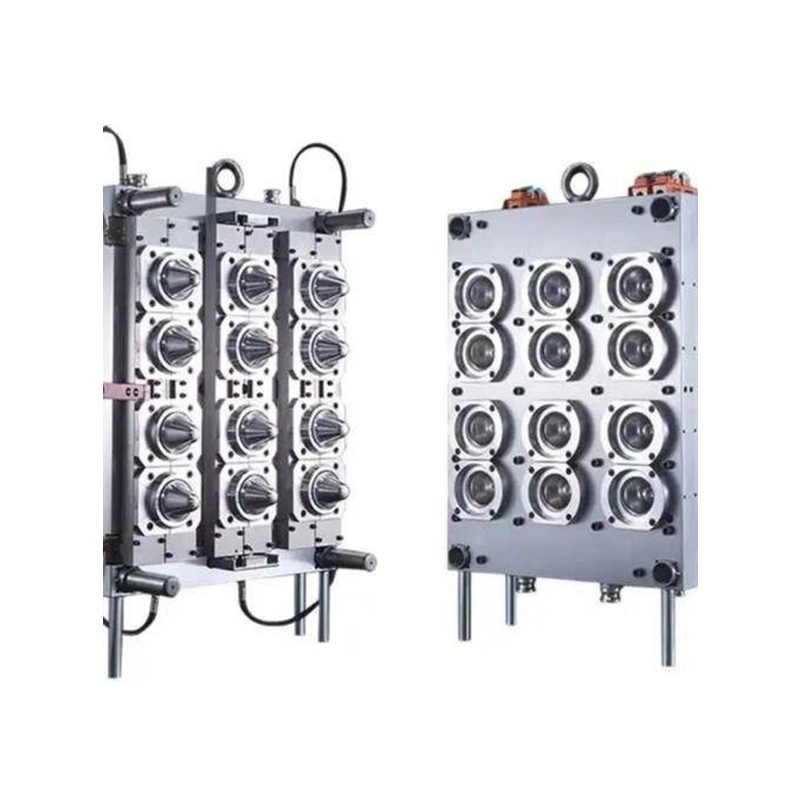
The 12 Cavities Wide Mouth Preform Moulds from Qihong are practical tools for pr...
See Details
WhatsApp:+ (86) 13957659071 / + (86) 18158637057

E-Mail:[email protected]

ADD:Baige Science and Technology Park, Huangyan District, Taizhou City, Zhejiang Province, China.