English
 русский
 عربى
عربى

48-Cavity Preform Mold(Mould)
The Qihong 48-Cavity Preform Mold(Mould) is the ideal choice for high-volume PET...
See Details


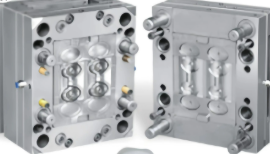
From the first stretch of the preform to the final ejection, everything hinges on the mould's design and how it interacts with the plastic. Small design choices can create big differences in efficiency, bottle quality, and day-to-day operation in the factory. A thoughtfully designed mould makes life easier for operators and keeps production running smoothly, while shortcuts or oversights often lead to defects, slower cycles, and extra headaches.
Even as factories adopt new materials and higher levels of automation, the mould remains the heart of the process. Its geometry, component fit, and subtle design details directly affect how bottles form, cool, and release. Details that might seem minor — like cavity spacing, cooling layout, or vent placement — end up influencing output, scrap rates, and long-term mould life. At Taizhou Qihong Mold Co., Ltd. , we have seen time and again that careful attention to these design elements delivers more consistent results and smoother factory workflows.
A Bottle Blowing Mould is a precision assembly rather than a single block. The main parts — cavity, core, neck ring, and base — each play a distinct role in shaping the bottle and maintaining its dimensional accuracy.
The steel grade, heat treatment, and surface treatment of these components also matter greatly. They influence heat transfer, wear resistance, and how cleanly the bottle releases from the mould after each cycle.
Cavity configuration is one of the most important design decisions. Whether you choose single-cavity or multi-cavity moulds changes the entire production dynamic.
Beyond the number of cavities, their physical layout, spacing, and individual shaping also play a big role. Good cavity design improves material flow, helps maintain uniform wall thickness, and reduces weak points in the bottle.
| Feature | Single Cavity | Multiple Cavities |
|---|---|---|
| Production Flexibility | High | Moderate |
| Maintenance Ease | High | Moderate |
| Output Volume | Lower | Higher |
| Uniformity Challenge | Lower | Higher |
| Cooling Management | Simpler | Requires More Precision |
Cooling is often underestimated, yet it has one of the strongest influences on cycle time and bottle quality. The way cooling channels are routed, their diameter, and their proximity to the moulding surface determine how quickly and evenly heat is removed.
Poorly placed or unbalanced channels create hot spots that lead to uneven wall thickness, warping, or longer cooling times. A well-designed cooling system brings the mould to stable temperature quickly, shortens cycle times, reduces energy consumption, and helps bottles release cleanly without distortion. In practice, good thermal balance also extends mould life by minimizing thermal stress on the steel.
The inside surface of the mould directly affects how the plastic behaves during blowing and ejection.
Highly polished surfaces usually give the cleanest release and best visual clarity on the bottle. Textured areas can be used deliberately for grip or branding, but they require careful design so they do not trap air or disrupt material flow. Fine details such as logos, textured panels, or complex neck geometries need special attention because they can become stress concentration points if not properly vented and cooled.
Successful blowing depends on controlled material flow and perfectly balanced air pressure. The design of air inlets, vents, and exhaust channels determines whether the plastic stretches evenly or develops thin spots and weak areas.
Good mould design ensures air pushes the material uniformly against the cavity walls while allowing trapped air to escape quickly. Poor venting or unbalanced air paths often cause bubbles, folds, or inconsistent wall thickness. When these elements are optimized together, manufacturers enjoy fewer defects, lighter bottle weights, and more repeatable production runs.
Precision is what separates a mould that runs smoothly for years from one that causes constant trouble on the shop floor. Every part — cavity, core, neck ring, and base — has to be machined and fitted with tight tolerances. A deviation of just a few microns can change how the plastic flows, how uniform the bottle walls end up, and whether the bottles consistently pass quality inspection.
Precision isn't something you set once and forget. Heat, pressure, and constant material flow slowly shift things over time. Moulds engineered with real foresight hold their accuracy much longer and need far less frequent fixing.
The way a mould is designed has a huge effect on how easy and affordable it is to keep running.
Factories that think about maintenance right from the design stage enjoy much less unplanned downtime and longer runs between major repairs.
Mould design influences the whole factory operation, not just the shape of the bottle.
The strongest mould designs always balance high production volume with quick changeovers and day-to-day reliability.
As production needs keep changing, mould makers are focusing on practical upgrades rather than flashy overhauls.
These steady improvements, based on real experience from the production floor, are quietly raising the performance level of Bottle Blowing Moulds across the industry.
Design differences in Bottle Blowing Moulds affect almost every aspect of production. From precision tolerances and cavity layout to cooling, surface finish, and maintenance access, each detail plays a part in overall efficiency, bottle quality, and factory performance.
When mould design is developed with a deep understanding of how plastic behaves, what operators actually need, and how the mould will be used long-term, the payoff is clear: smoother running, fewer defects, and much better value over time. In the end, it's the small, thoughtful choices made during design that decide whether a mould becomes a reliable asset or an ongoing headache for the factory.
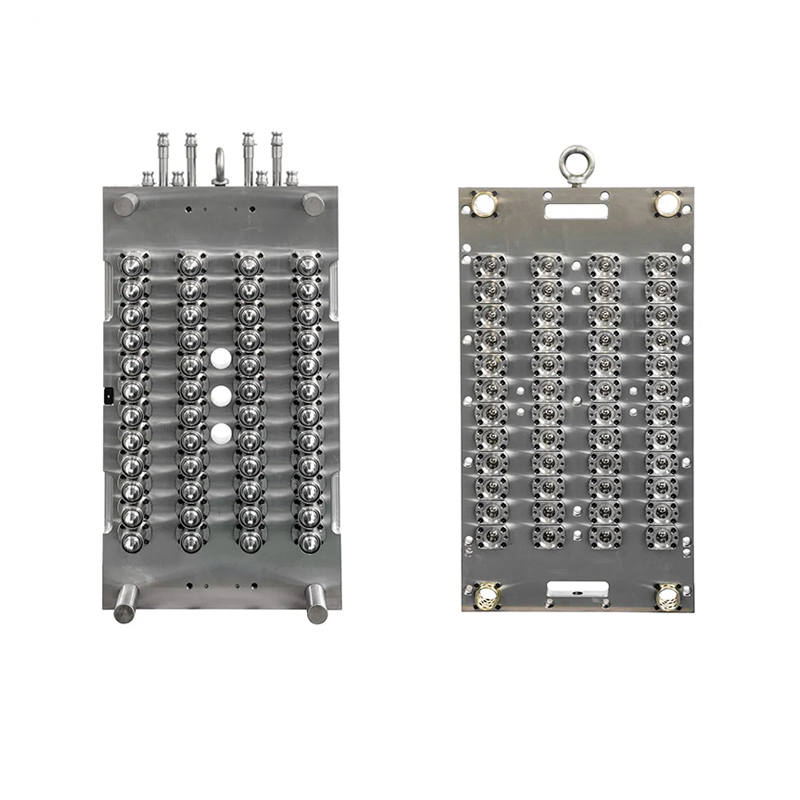
The Qihong 48-Cavity Preform Mold(Mould) is the ideal choice for high-volume PET...
See Details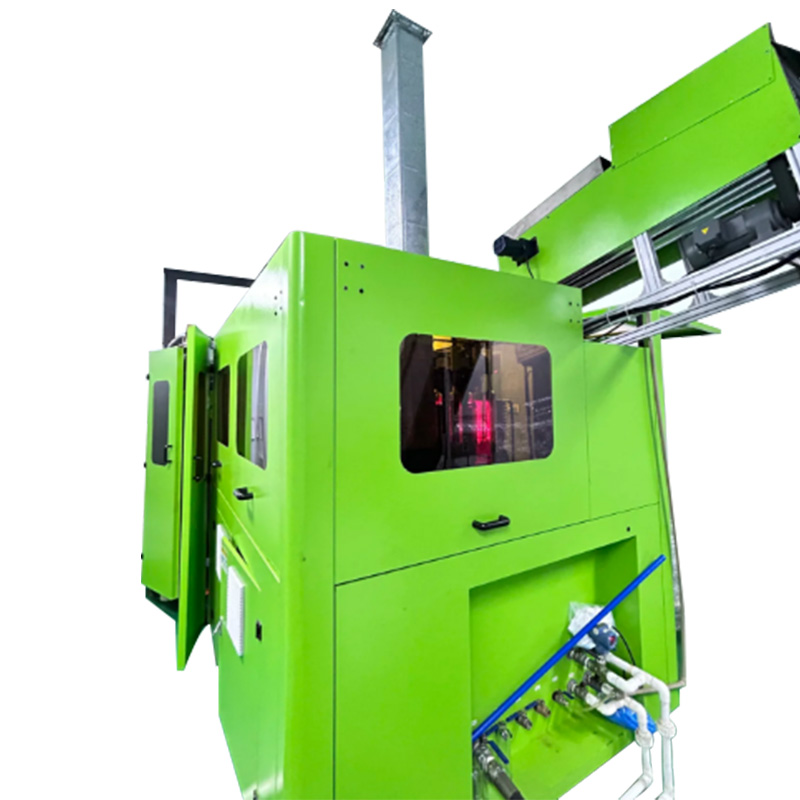
Automatic blowing machines are essential equipment in modern bottle manufacturin...
See Details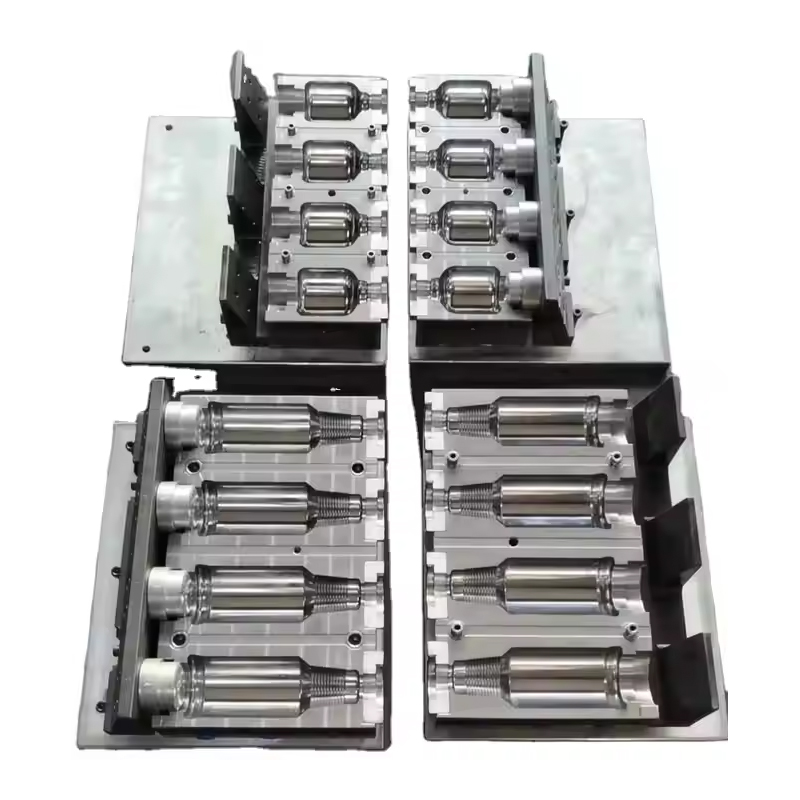
Our Cosmetic Bottle Mold is engineered for precision, reliability, and durabilit...
See Details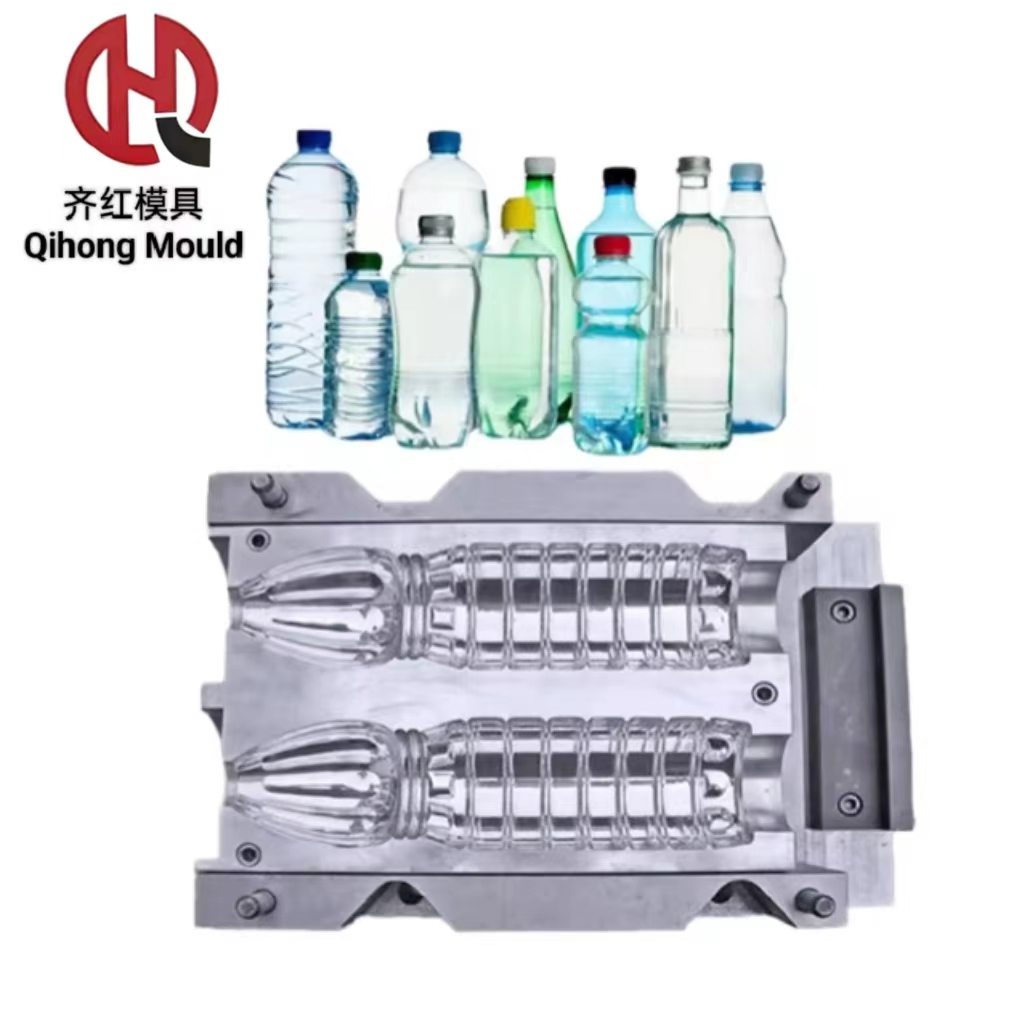
Mould Specifications Product : Blowing Mould Brand : Taizhou QihongMould C...
See Details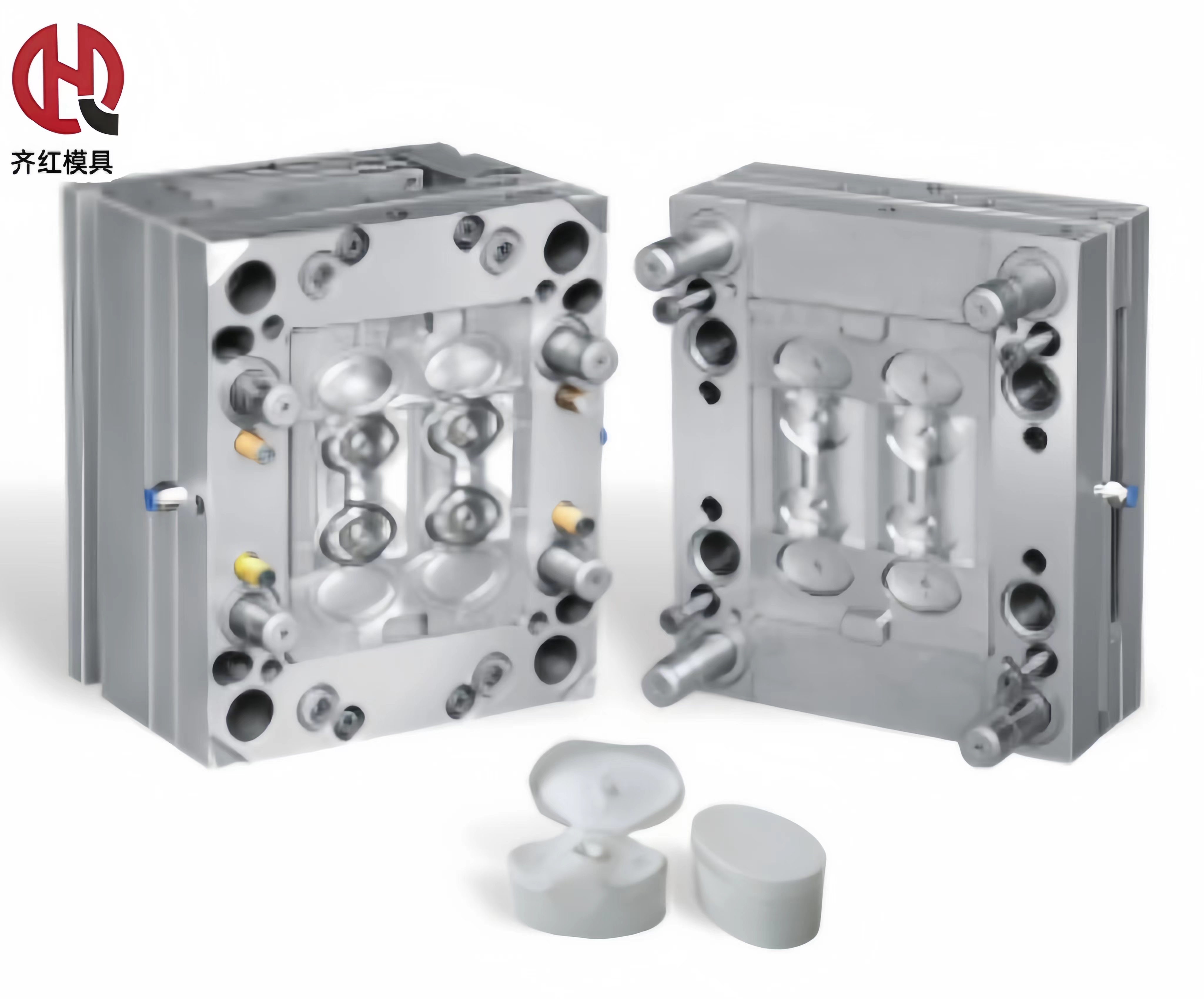
Plastic Cap Mould is designed for high precision plastic cap production. The Chi...
See Details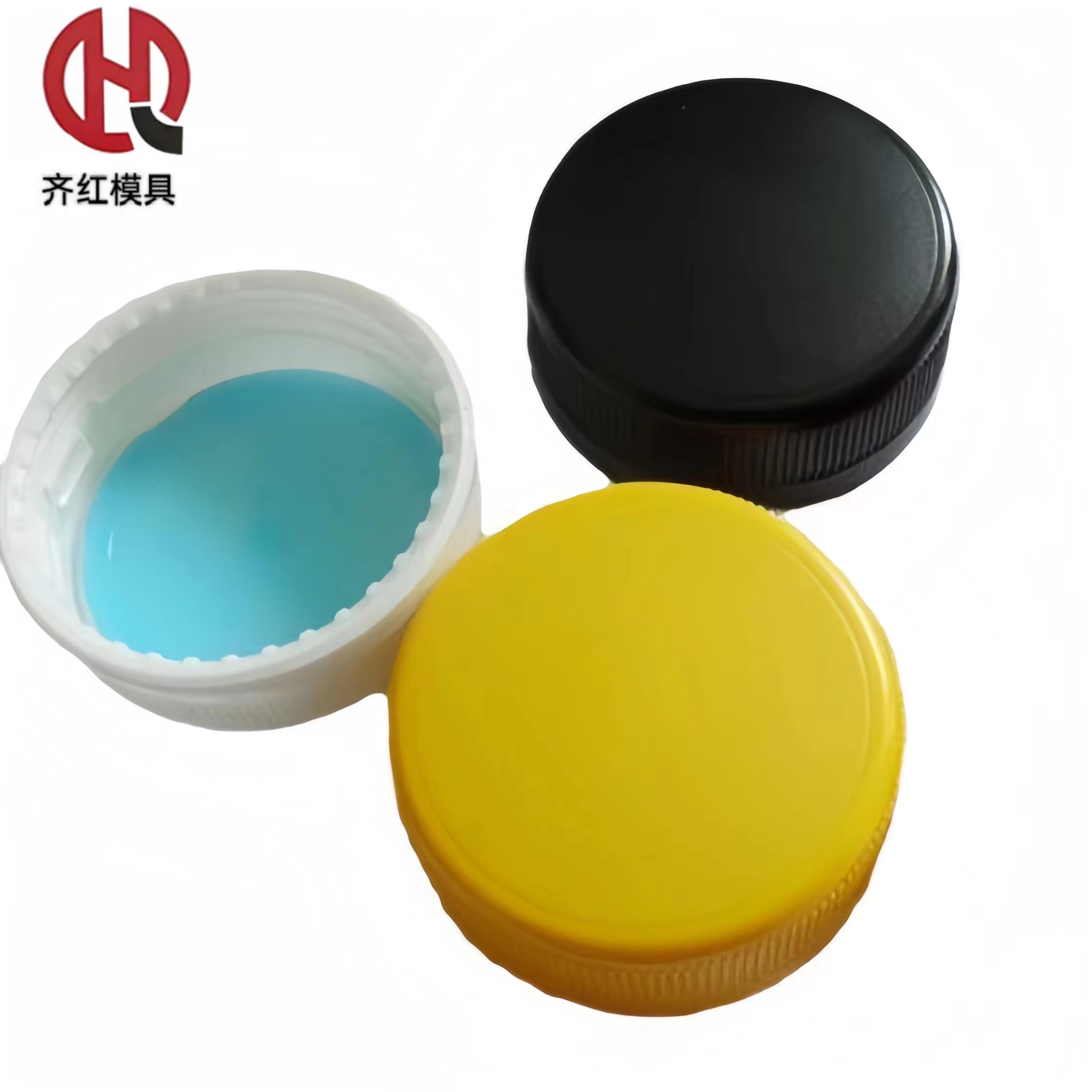
Mould Specifications Product : Cap Mould Brand : Taizhou QihongMould Co.,L...
See Details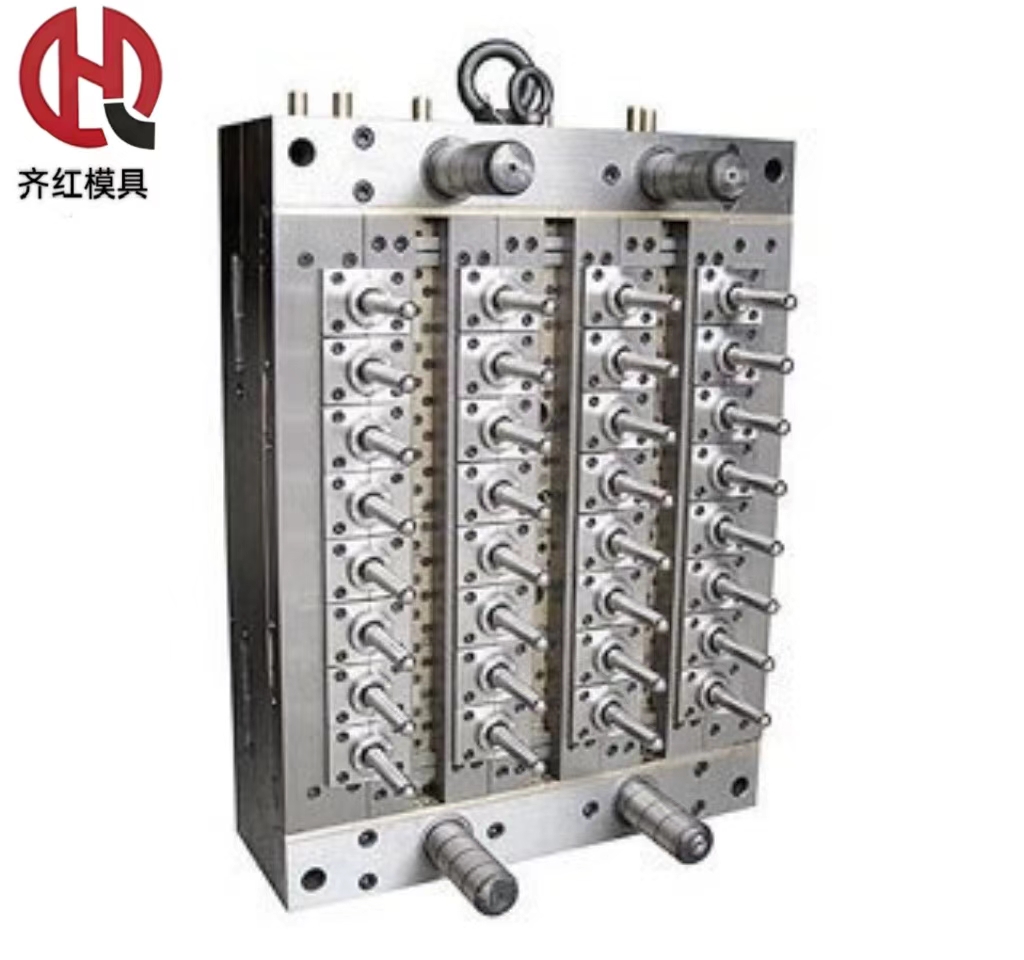
Custom Made Plastic Molds are designed for high precision and flexible plastic p...
See Details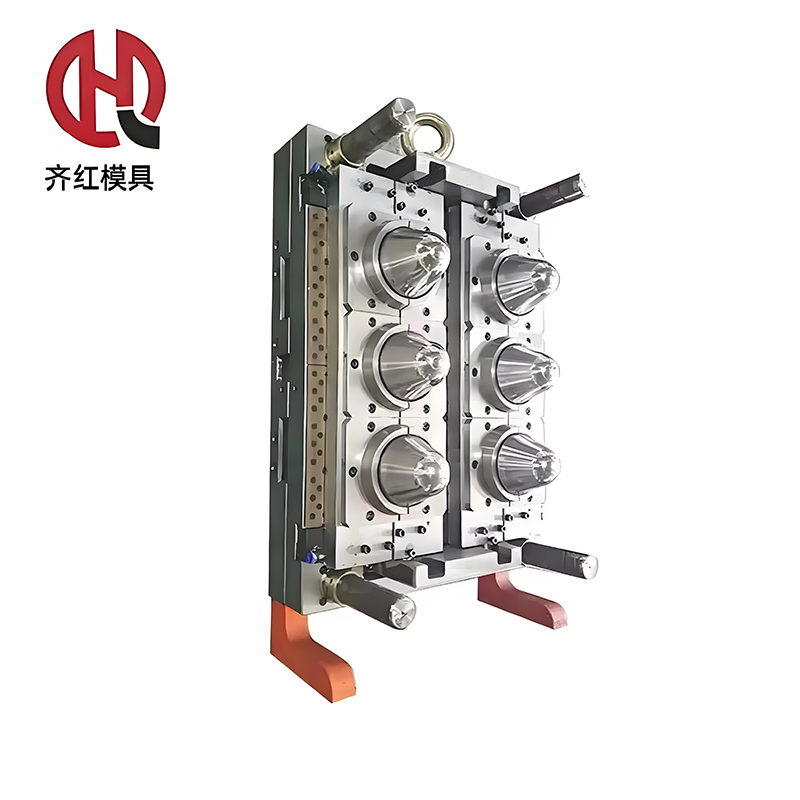
Water and beverage preform mold, Edible oil preform mold, Preform Mold for cosme...
See Details
WhatsApp:+ (86) 13957659071 / + (86) 18158637057

E-Mail:[email protected]

ADD:Baige Science and Technology Park, Huangyan District, Taizhou City, Zhejiang Province, China.