English
 русский
 عربى
عربى


48-Cavity Preform Mold(Mould)
The Qihong 48-Cavity Preform Mold(Mould) is the ideal choice for high-volume PET...
See Details



Moulds are an important part of many manufacturing processes. They shape raw materials into the forms we see in everyday products. It might look simple at first, but mould design involves many considerations. One of the main points is the number of cavities. A Various Cavity Numbers Moulds produces one item at a time. Multi-cavity moulds produce several items in a single cycle, which can change how production runs and how consistent the products are.
The type of material used for the mould affects how many cavities can be included. Some materials handle heat and pressure well, allowing for multiple cavities. Others are softer or more flexible, which may limit the number of cavities without risking the shape or quality of the product. Working with a Various Cavity Numbers Moulds Manufacturer helps avoid problems that might not be obvious at first, like uneven cooling, warping, or slight differences between items.
Good material selection makes the production process smoother and reduces waste. It also means the mould lasts longer and needs less frequent repair. Even small changes in design or material can make a noticeable difference when running daily operations.
Thermal Characteristics
Heat management is more important than it may seem. When molten material is injected into a mould, the mould has to cool before the product can be removed. Materials that conduct heat evenly help each cavity cool at the same pace. Uneven cooling can cause warping, surface irregularities, or slight size differences between items.
Thermal expansion matters too. Some materials expand more when hot and shrink more when cooling. In multi-cavity moulds, even a small difference can make cavities slightly out of shape. Designers need to consider how the material reacts to heat and whether it stays stable over repeated cycles.
Other points to keep in mind:
Mechanical Strength
A mould has to handle the pressure of filling all its cavities. In single-cavity moulds, the pressure is easier to manage. Multi-cavity moulds spread pressure across all cavities, which can be more challenging. Softer materials may bend or warp, causing uneven thickness or small defects in products.
Signs that the material may be too weak include:
Stronger materials can support more cavities without these issues. They also last longer over many cycles, reducing the need for repairs or adjustments.
Surface Finish and Wear Resistance
The surface of the mould matters for product release and durability. A smooth surface allows items to come out without sticking or damage. In multi-cavity moulds, surface quality affects every cavity. Rough spots or wear can create friction and slow down production.
Practical points:
Some plastics or resins might be more likely to stick or scratch. Choosing a compatible material can prevent these issues naturally.
Chemical Compatibility
Some mould materials can react with chemicals in the production material. Materials that resist chemical reactions stay intact longer, keeping cavities in shape. Materials that aren't resistant may gradually wear or pit, affecting product quality.
Things to consider:
Experienced Various Cavity Numbers Moulds Manufacturer can suggest materials that resist these reactions, avoiding potential issues before production starts.
Single vs. Multi-Cavity Moulds
Material choice affects how many cavities a mould can safely contain. Single-cavity moulds are simpler, so most materials can handle them. Multi-cavity moulds need materials that withstand pressure across all cavities and keep their shape.
Some practical points:
Materials that expand less or are more rigid can support higher cavity numbers. Softer materials might need to be limited to fewer cavities to avoid problems.
Cooling and Cycle Time Considerations
Cooling is often what sets the pace for production. Mould materials determine how fast cavities cool and whether they cool evenly. Slow or uneven cooling can cause one cavity to finish before another, creating slight differences between products.
Considerations:
Dimensional Stability
Materials must keep their shape under pressure and temperature changes. Even minor shifts in cavity size can make products slightly off. In multi-cavity moulds, stability is even more important.
Factors include:
Stable materials make it easier to produce consistent items from each cavity.
| Material Property | Single-Cavity Moulds | Multi-Cavity Moulds | Notes |
|---|---|---|---|
| Thermal Conductivity | Moderate impact; cooling manageable | Important for even cavity cooling | Heat distribution affects uniformity |
| Mechanical Strength | Handles simple designs | Needed for multi-cavity stability | Stronger materials allow more cavities |
| Surface Finish | Affects product release | Maintains consistency across cavities | Smooth surfaces reduce maintenance |
| Chemical Resistance | Protects against minor reactions | Prevents degradation in complex designs | Match material to production substances |
Designing moulds with multiple cavities is never just about arranging the layout on paper. In real workshops, the material you pick for the mould often ends up deciding what's actually possible once the machine starts running. One thing that keeps causing headaches is how the injection pressure spreads out across all those cavities. If it's not balanced right, you'll see some cavities filling slower than others, maybe ending up with slightly thicker walls or a bit of warping here and there. After running thousands of cycles, those tiny inconsistencies have a way of adding up and showing up in the final parts.
Then there's the tricky balance between making the mould really stiff and letting it have just enough flex. A super rigid material does a great job holding cavity dimensions steady under high pressure, but it can make ejecting the parts a real pain and sometimes create stress spots that crack over time. On the flip side, something with a little more give can soak up those sudden stresses during filling, though you have to watch it doesn't start losing the tight tolerances you need. In practice, we often play around with cavity wall thickness or the gaps between them until we find something that works decently for both the material and the way the machine is set up.
Maintenance is another area you can't ignore if you want the mould to last. Materials that stand up well to wear and don't react badly with the plastics usually need less babysitting. But even the best ones will slowly pick up small surface scratches or roughness after repeated heating and cooling. These little changes can quietly affect how uniform the cavities stay. Building in some thought for future upkeep right at the drawing stage helps keep production from grinding to a halt unexpectedly.
Teaming up with a manufacturer who has handled all sorts of Various Cavity Numbers Moulds is usually the quickest way to avoid nasty surprises down the line. They've seen what actually works (and what doesn't) across different cavity counts and production runs, so they can point you toward materials that fit your layout and cycle times. Prototype testing turns out to be one of the most useful steps — it shows how the material really holds up when it's getting heated, pressurized, and cooled over and over in actual conditions.
More often than not, the tests uncover things the specs don't mention. A material might look solid in the datasheet, but once it's in the mould it expands a bit unevenly with temperature swings, throwing off cavity sizes from one side to the other. That kind of feedback lets you make small but useful tweaks — maybe shifting the cavity spacing a touch, beefing up certain plate areas, or rerouting the cooling lines so temperatures even out better. Changes like these don't always look dramatic on the drawing, yet they can smooth out part quality and keep the line running steadier.
From what manufacturers usually recommend based on past jobs, a few adjustments come up again and again:
They might seem like minor details, but in day-to-day production they often make a noticeable difference in how reliably the mould performs and how consistent the parts come out.
When you look at actual production floors, the mix of material and cavity numbers shows clear patterns pretty quickly. Take household containers or packaging components — multi-cavity tools built with materials that don't shift much dimensionally tend to spit out parts that are remarkably alike, so you don't have to do much touching up afterward. But if the material expands more with heat, you usually end up needing stronger cooling setups or tighter control over cycle timing just to keep things uniform.
A few things keep showing up across different shops:
From experience, it's clear that what looks like a tiny difference in material behavior on paper can turn into something you feel in the reject rate or maintenance schedule. That's why talking to people who've built dozens of these tools is often more helpful than running purely theoretical numbers.
Mould materials keep improving bit by bit, which opens the door to packing in more cavities without immediately running into quality or lifespan issues. New treatments and processing methods are helping with better heat handling, steadier dimensions during thermal cycling, and tougher resistance to the mechanical pounding that comes with high-volume runs.
On the sustainability side, there's quiet but growing interest in options that use fewer resources upfront while still delivering the toughness needed. These days, material choices get judged on several fronts at once — how well they move heat, how little they distort, how they resist wear, and how they get along with the resins. It makes it easier to pick something that matches the real demands of a multi-cavity job without ignoring maintenance or the bigger environmental picture.
The material you settle on for the mould ends up touching pretty much everything once production starts. Good thermal conductivity and stable dimensions let cycles run smoother and cut down on the amount of parts that need fixing or scrapping. When cavities stay consistent shot after shot, you get the kind of uniform product that matters most in jobs with tight tolerances.
Longer-lasting materials also mean the mould keeps its shape and surface finish through more cycles, so you're not constantly pulling it for polishing or repairs. In the end, even fairly small upgrades in material or layout choices can translate into fewer stops on the line and better overall cost control.
Picking the right material for different cavity numbers starts with understanding how it behaves when temperatures and pressures swing. Some materials move around more than others when heated, which can limit how many cavities you can realistically run or force you to design around it.
Getting input from an experienced Various Cavity Numbers Moulds Manufacturer early on helps catch problems before they become expensive. Prototype runs are still one of the best reality checks — you get to see what actually happens instead of guessing from data sheets. Results from those tests often suggest practical fixes like adjusting cavity gaps, thickening certain sections, or improving cooling layout.
Don't forget the maintenance side either. Some materials are simply kinder when it comes time to clean or repair minor wear. Weighing the material's real-world behavior, your production needs, and how easy it will be to keep the tool running lets you aim for a setup that stays efficient and reliable over the long haul.
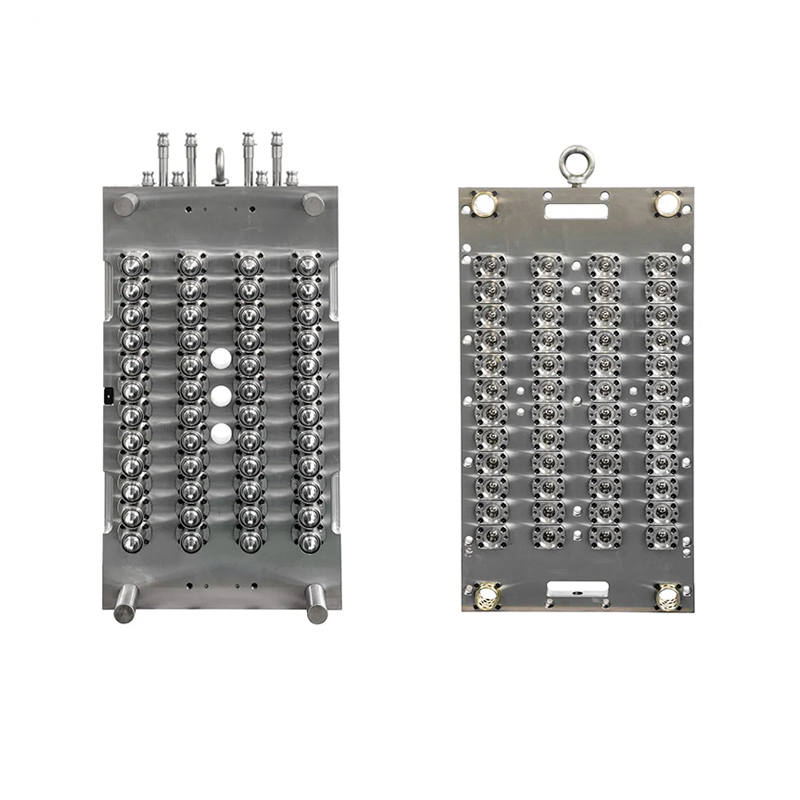
The Qihong 48-Cavity Preform Mold(Mould) is the ideal choice for high-volume PET...
See Details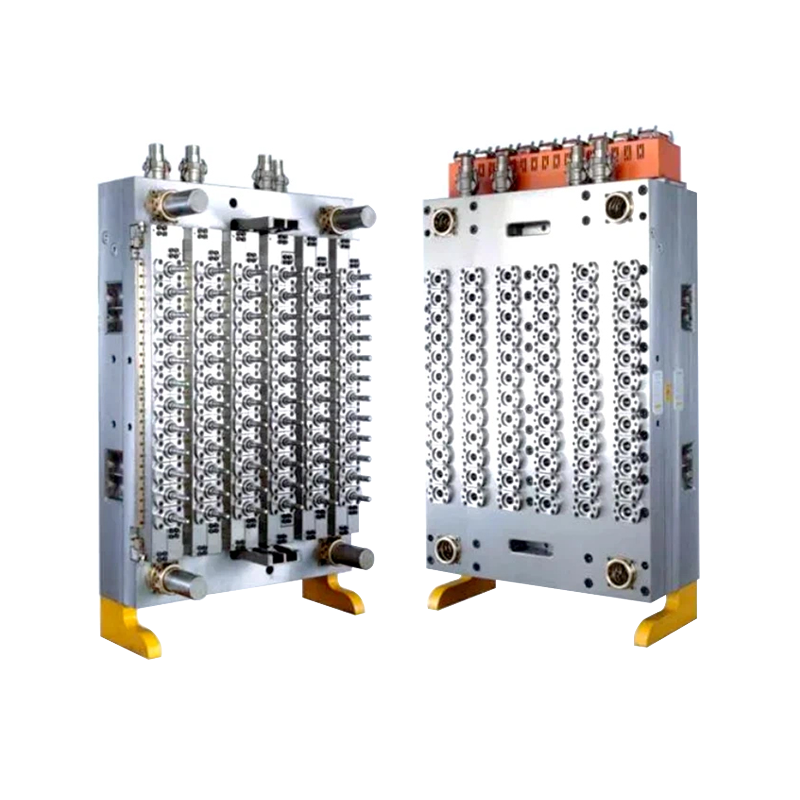
The 72-Cavity Preform Mold(Mould) is a solid, no-nonsense choice when you need t...
See Details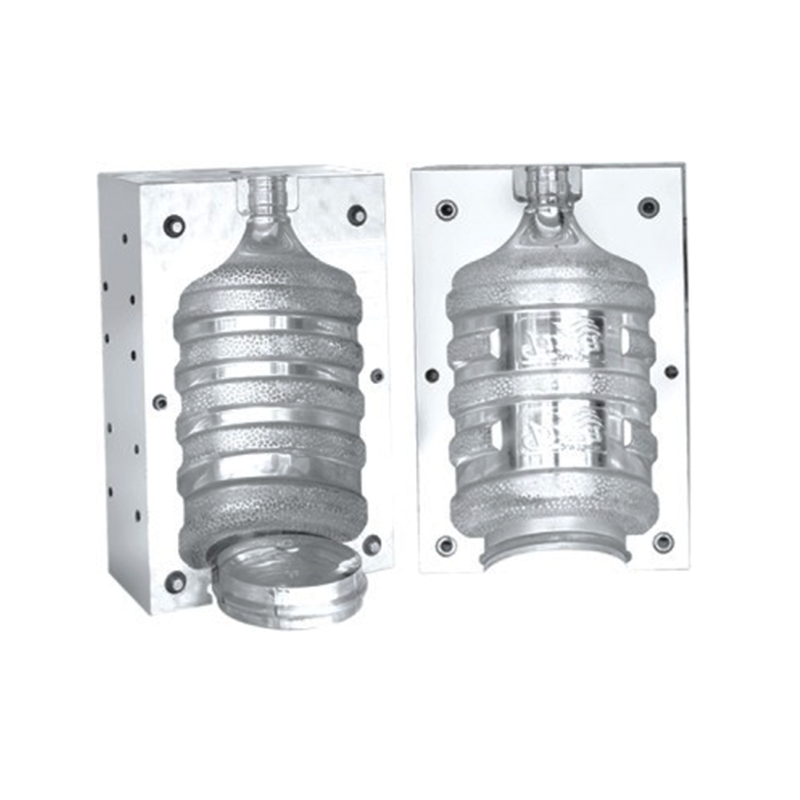
This Five Gallons Bottle Mold(Mould) comes straight out of Taizhou, Zhejiang—bui...
See Details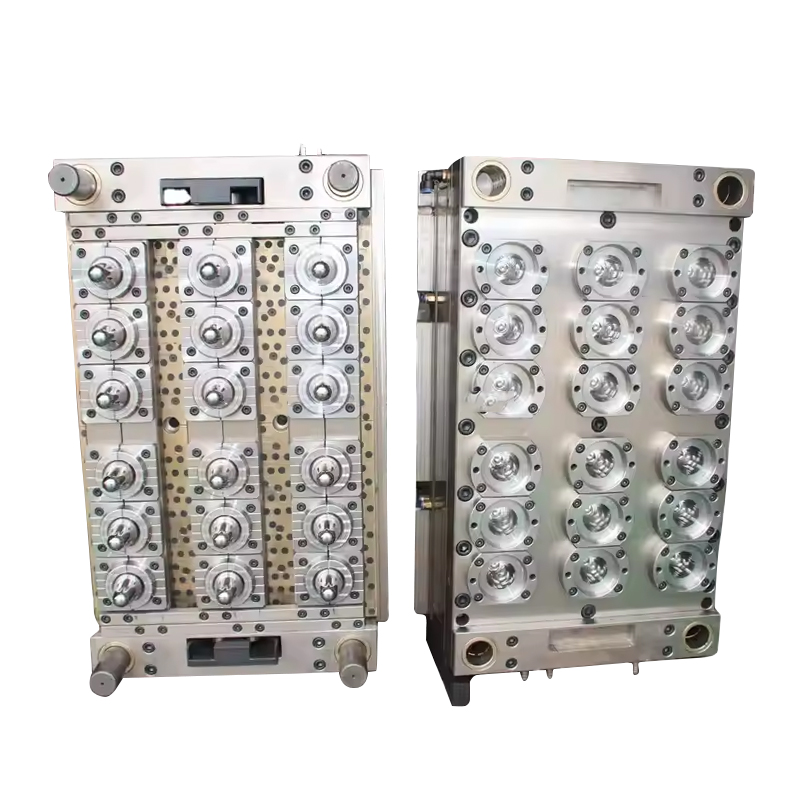
The 18-cavity wide-mouth mold is a high-efficiency tool specifically designed fo...
See Details
The 12-Cavity Wide-Mouth Mold(Mould) is made for manufacturers running wide-mout...
See Details
The 8-cavity wide-mouth mold is designed to produce plastic containers with larg...
See Details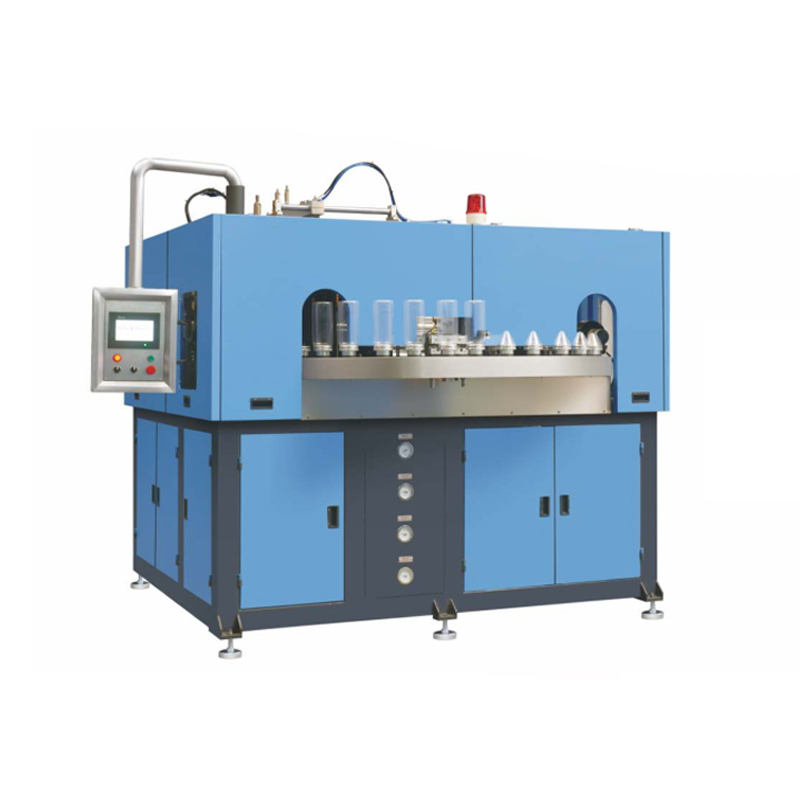
The hand-feeding blowing machine is an efficient tool designed for producing hig...
See Details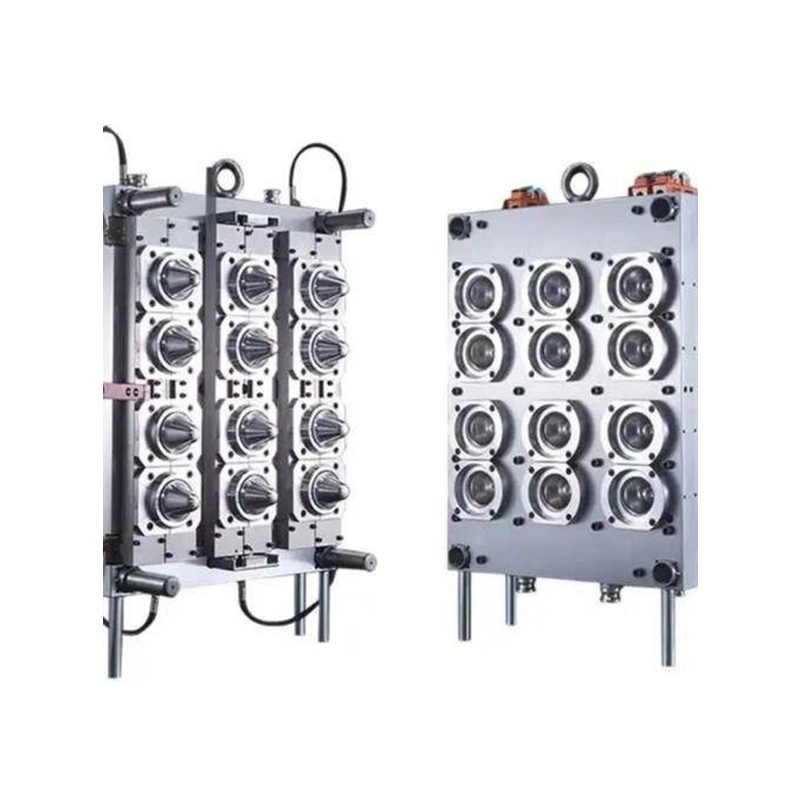
The 12 Cavities Wide Mouth Preform Moulds from Qihong are practical tools for pr...
See Details
WhatsApp:+(86) 13957659071 / +(86) 18158637057 / +(86) 15395760157


ADD:Baige Science and Technology Park, Huangyan District, Taizhou City, Zhejiang Province, China.