English
 русский
 عربى
عربى

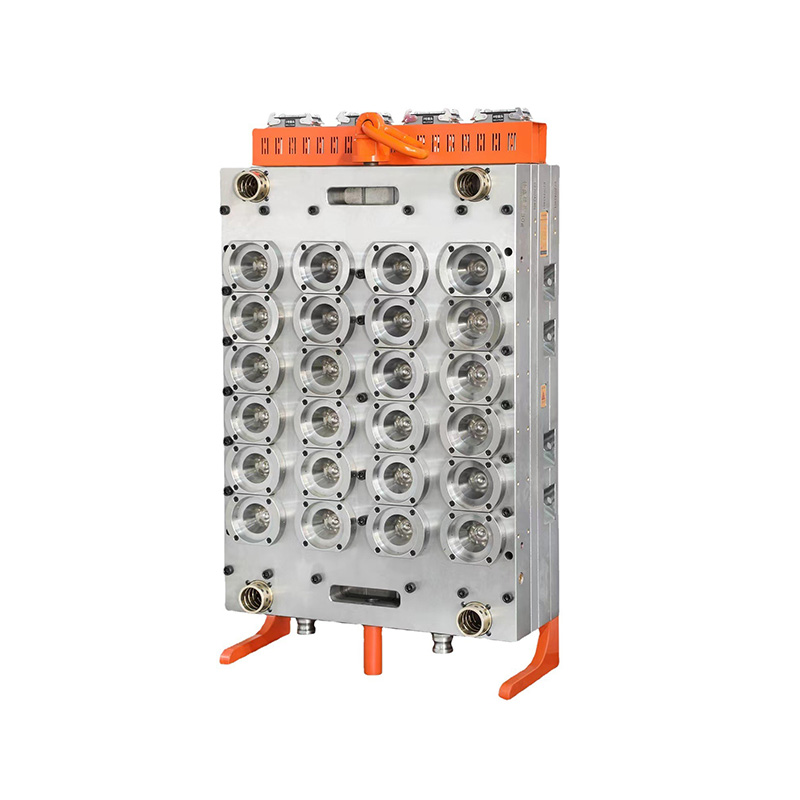
24-Cavity Preform Mold(Mould)
The 24-cavity preform mold is a handy tool for turning out PET bottle preforms. ...
See Details


Cosmetic packaging often shapes the first impression of a product. Before a label is read or a formula is tested, the container already communicates style, function, and intention. Behind every bottle shape sits a cosmetic bottle mold, quietly guiding how that container comes into form.
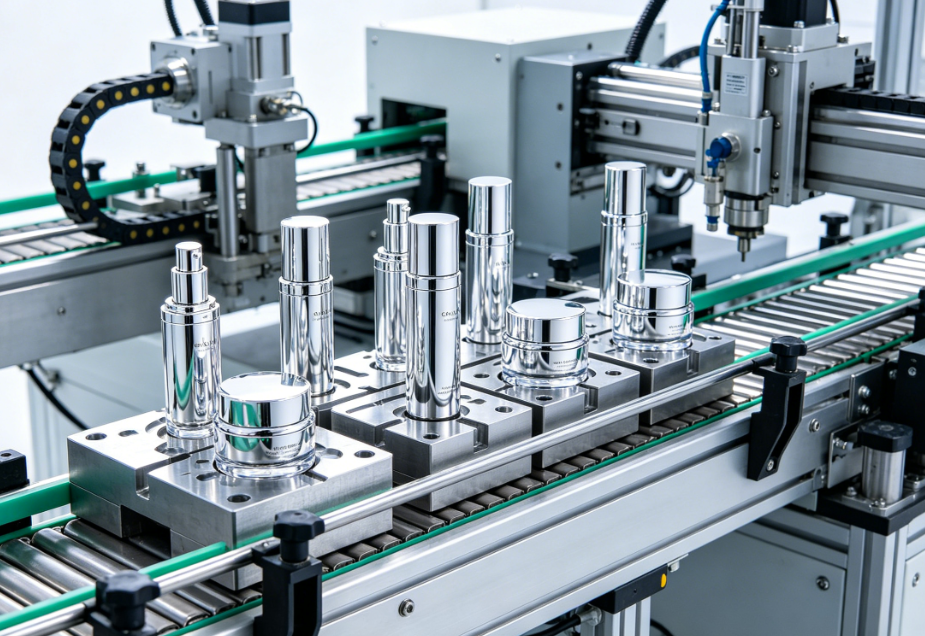
In packaging production, molds are not just tools. They influence structure, appearance, usability, and production rhythm. Their role extends far beyond shaping plastic or glass. They help define how a product is perceived and how smoothly it can be produced at scale.
A cosmetic mold provides the internal shape that determines the final container. It acts as a framework where material is formed and stabilized during production.
Without a mold, consistent bottle shapes would be difficult to achieve. Each unit might vary slightly, leading to uneven appearance and inconsistent handling.
Molds help maintain uniformity across large production runs. This consistency supports branding, stacking, transport, and consumer experience.
Even small changes in mold design can influence how a bottle feels in hand or how it behaves during filling and sealing.
Different mold characteristics can affect how smoothly production runs. The following table shows how key mold aspects connect to packaging outcomes:
| Mold Aspect | Production Influence | Packaging Result |
|---|---|---|
| Shape design | Controls forming behavior | Visual identity consistency |
| Surface condition | Affects release smoothness | Cleaner bottle appearance |
| Structural balance | Supports stable cycles | Reduced variation in output |
| Material selection | Impacts durability | Longer usable lifespan |
| Precision alignment | Ensures repeat accuracy | Uniform product batches |
Each factor works together rather than independently. When balanced, production becomes more stable and predictable.
Consistency is one of the core expectations in packaging production. Consumers expect products that look and feel the same every time they purchase them.
Cosmetic molds help achieve this consistency by controlling shape repetition. Each cycle produces a container that closely matches the previous one.
This reduces variation in size, shape, and surface behavior. It also supports downstream processes such as filling, sealing, and packaging alignment.
When consistency is maintained, production flows more smoothly. Equipment adjustments become less frequent, and handling becomes more predictable.
Efficiency in packaging production is often linked to stability. When molds perform consistently, the production line experiences fewer interruptions.
A stable mold allows materials to form in a controlled way. This reduces the need for repeated adjustments during operation.
It also supports smoother workflow between different stages of production. Bottles move from forming to filling without unexpected variation.
Efficiency is not only about speed. It is also about reducing unnecessary correction and maintaining a steady rhythm in production.
Cosmetic molds are influenced by the materials used in their construction. These materials must support repeated use while maintaining structural stability.
Common material considerations include:
Each material contributes to a different aspect of performance. Some focus on strength. Others focus on surface smoothness or long-term stability.
The balance between these materials affects how the mold behaves during repeated use.
Surface condition inside the mold plays a direct role in final bottle appearance. A smooth internal surface helps create cleaner external results.
If the mold surface develops irregularities, those patterns may appear on the bottle. This can affect visual quality and touch feel.
Surface condition also influences how easily the product separates from the mold after formation. Smooth release reduces stress on both the bottle and the mold itself.
Maintaining surface quality is part of preserving long-term production stability.
Even with careful design, challenges can appear during production use. These challenges often develop gradually rather than suddenly.
Common issues include:
These issues may not stop production immediately. However, they can influence consistency if not observed early.
Small variations tend to accumulate, which makes regular attention important.
Cosmetic packaging often changes based on product type, branding direction, or market preference. Molds play a central role in enabling this flexibility.
By adjusting mold design, different bottle shapes can be produced without changing the entire production system.
This allows variation in size, contour, and surface style while maintaining a stable production process.
Customization depends heavily on how adaptable the mold structure is. A flexible design approach supports a wider range of packaging outcomes.
Production environments can influence how molds behave over time. Temperature variation, humidity, and operational rhythm all contribute to long-term condition.
Stable environments help maintain consistent performance. Unstable conditions may increase wear or affect surface behavior.
Even storage conditions matter when molds are not in use. Exposure to moisture or dust can gradually affect surface quality.
Environmental awareness is part of maintaining long-term usability.
Maintenance supports mold stability by managing gradual change. It is not about fixing sudden problems, but about preventing slow accumulation of issues.
Key maintenance focus areas often include:
Regular attention helps maintain smoother performance over time. It also reduces unexpected variation during production.
Packaging value is not only visual. It includes usability, consistency, and production reliability.
Cosmetic molds influence all of these areas indirectly. A stable mold supports predictable production. A well-designed mold supports better user experience.
Even though the mold itself is not visible in the final product, its influence remains present in every bottle produced.
Its role sits between design intention and physical output, shaping how ideas become tangible packaging.
The 24-cavity preform mold is a handy tool for turning out PET bottle preforms. ...
See Details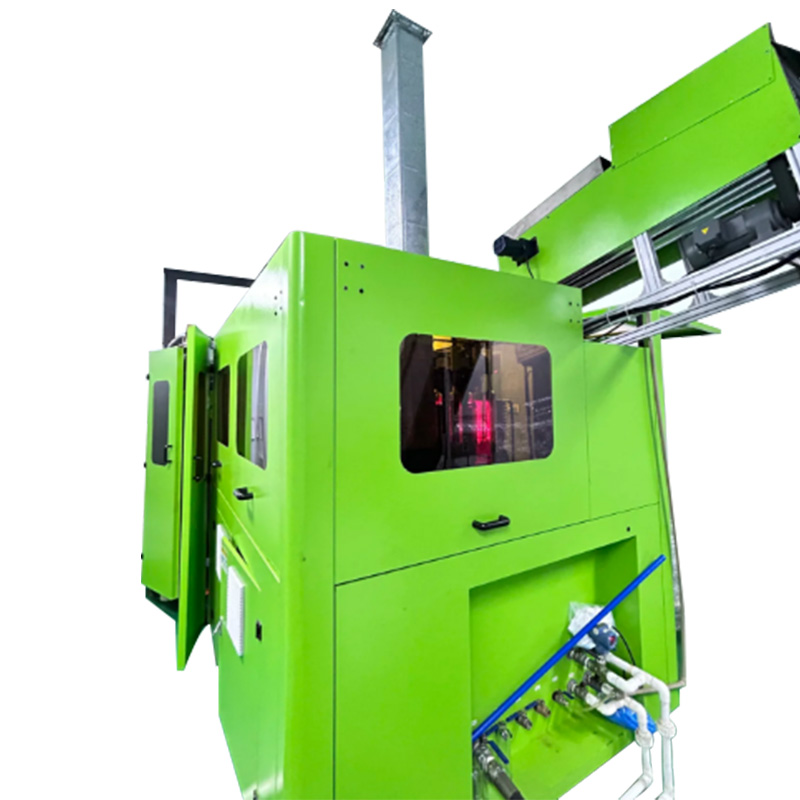
Automatic blowing machines are essential equipment in modern bottle manufacturin...
See Details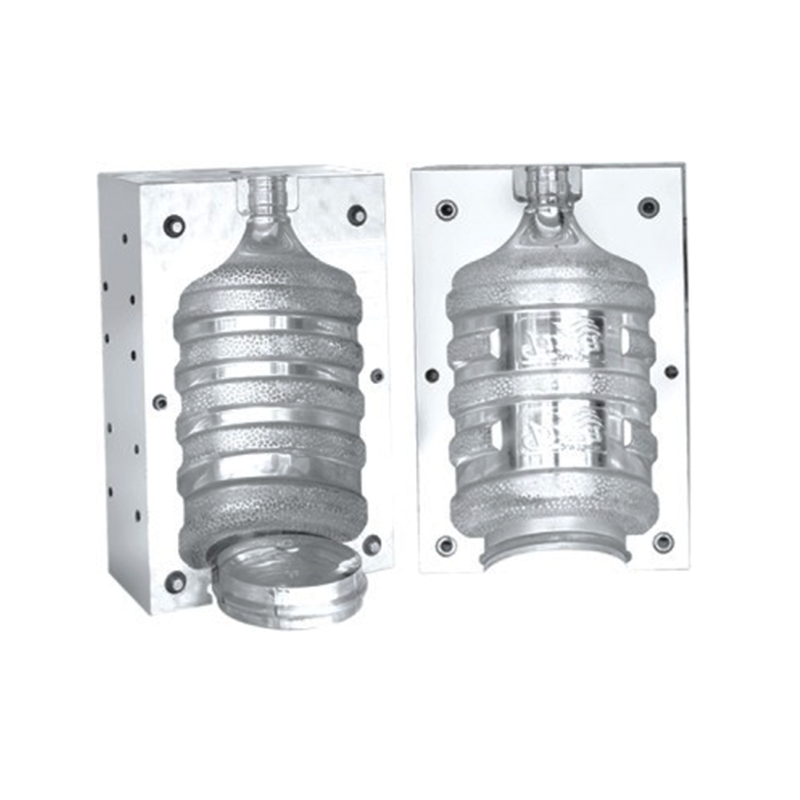
This Five Gallons Bottle Mold(Mould) comes straight out of Taizhou, Zhejiang—bui...
See Details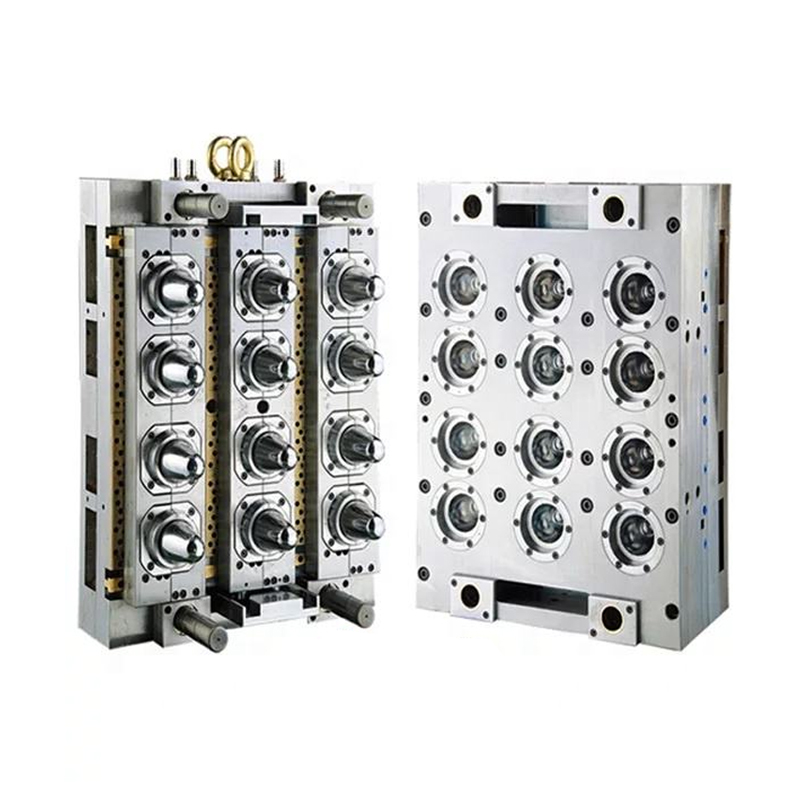
The 12-Cavity Wide-Mouth Mold(Mould) is made for manufacturers running wide-mout...
See Details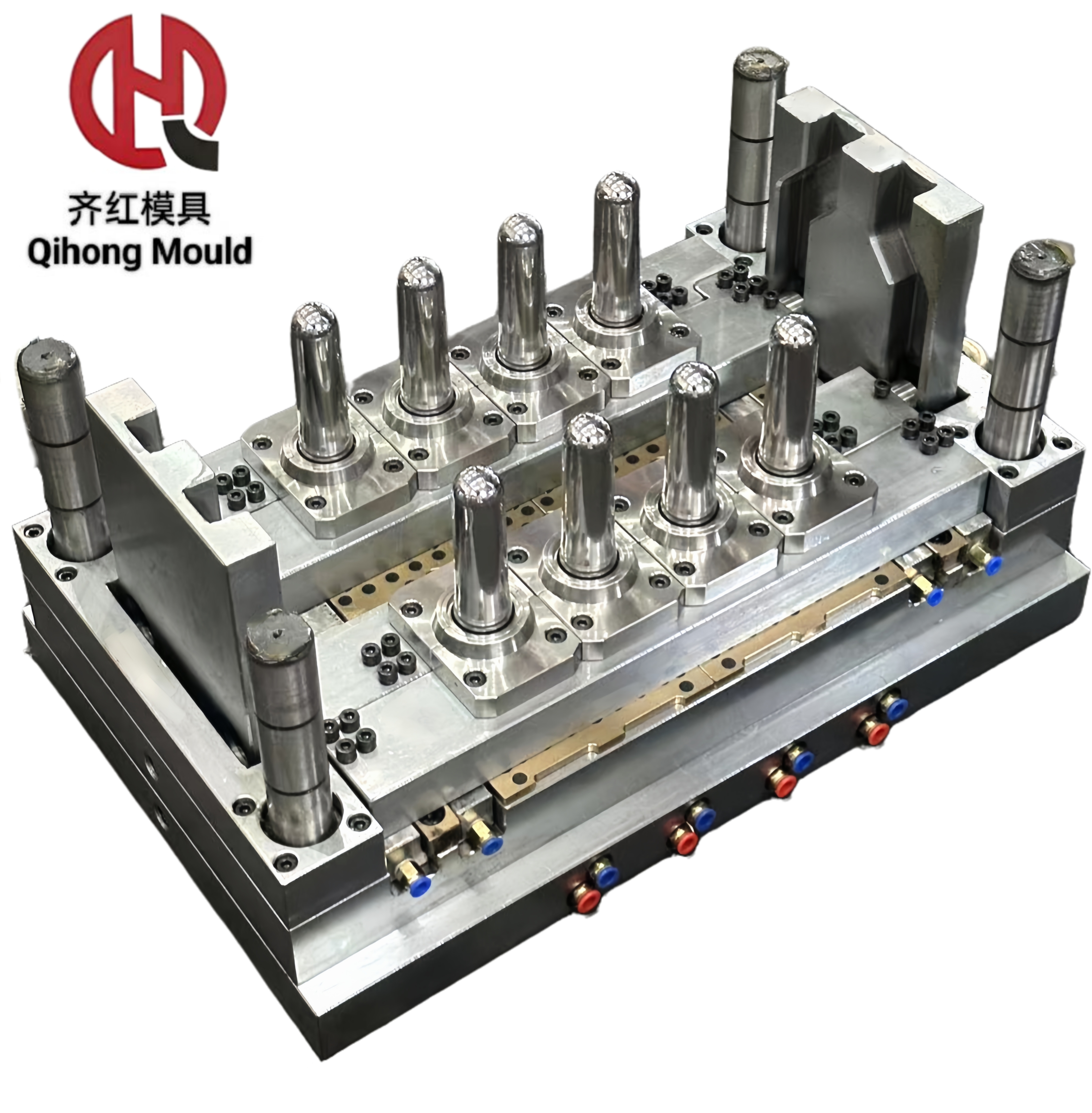
Jar Preform Mold is designed for accurate and efficient production of plastic pr...
See Details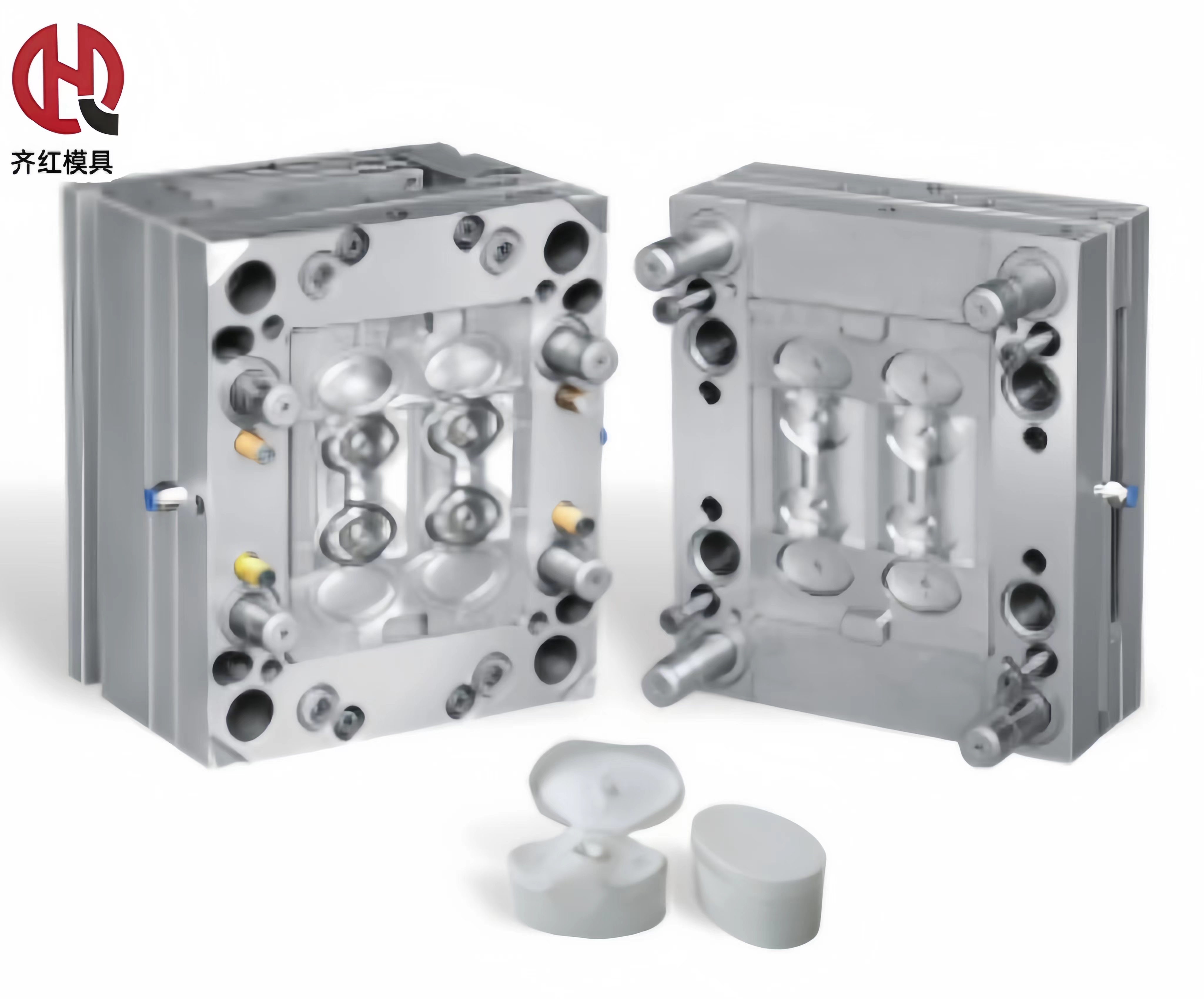
Plastic Cap Mould is designed for high precision plastic cap production. The Chi...
See Details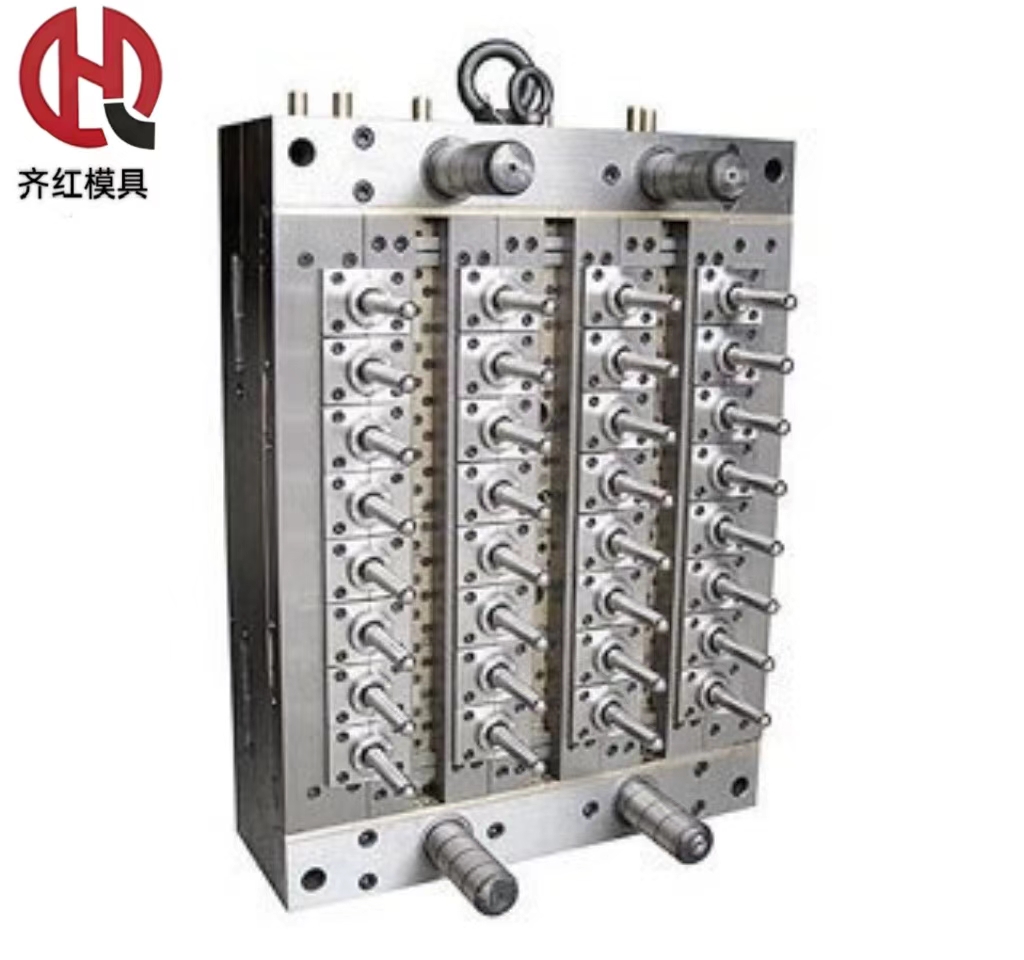
Custom Made Plastic Molds are designed for high precision and flexible plastic p...
See Details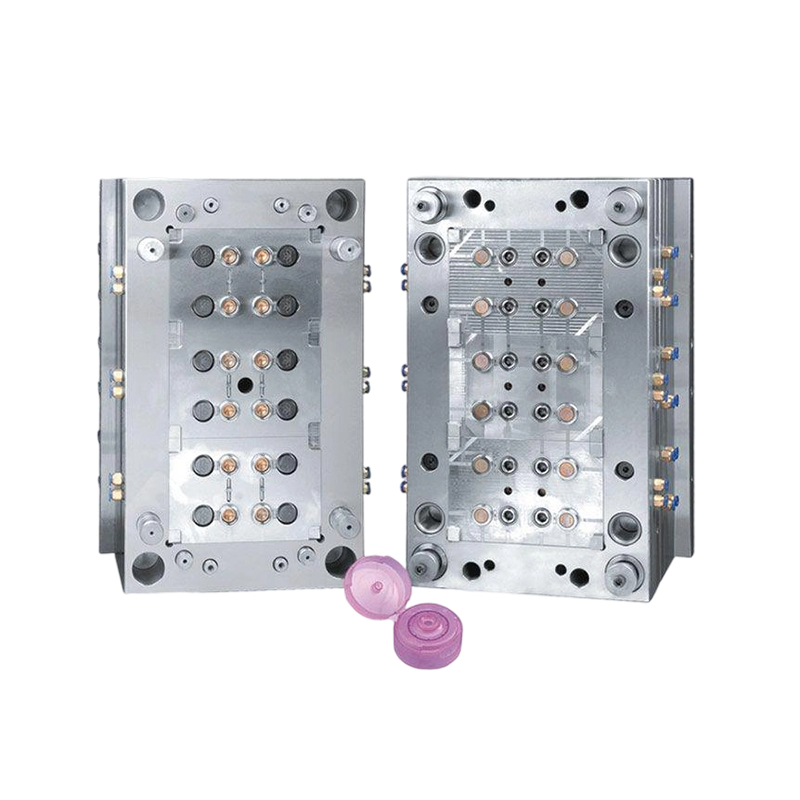
Flip Top Cap also know as Flip Top Caps & Cap mould Stopper Cap is one of ty...
See Details
WhatsApp:+ (86) 13957659071 / + (86) 18158637057

E-Mail:[email protected]

ADD:Baige Science and Technology Park, Huangyan District, Taizhou City, Zhejiang Province, China.