English
 русский
 عربى
عربى


24-Cavity Preform Mold(Mould)
The 24-cavity preform mold is a handy tool for turning out PET bottle preforms. ...
See Details


A preform mould manufacturer is involved in the early stage of plastic container production. The work is not about making finished bottles. It is about creating the moulds that shape the initial form, known as a preform. This small component later becomes the base of many types of bottles after further processing.
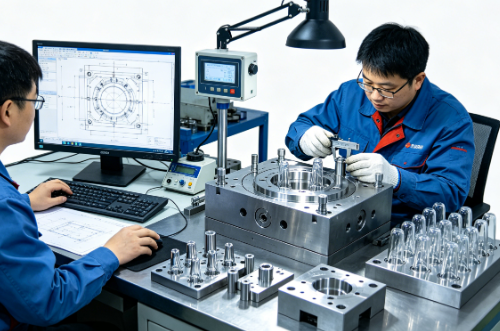
The importance of this role is often underestimated because the mould itself is not the final product. Yet every detail inside it affects how stable and consistent the production line will be later on. When the mould performs well, the forming process becomes smoother and more predictable. When it does not, variation can appear in shape and structure.
In simple terms, the manufacturer is responsible for turning design intent into a physical system that can repeatedly produce identical results under continuous operation.
The preform mould sits at the beginning of a long production chain. Even though it is only one part of the system, it influences everything that follows. A stable mould helps ensure that each preform maintains a consistent shape, which later supports uniform bottle formation.
If the mould has small inconsistencies, those differences can be repeated in every cycle. Over time, this can affect material distribution, product strength, and overall appearance of the final container. That is why manufacturers focus heavily on stability rather than only initial performance.
The role is less about creating something visible and more about controlling repeatable behavior. It becomes a foundation that supports continuous production without interruption.
The design stage is where most of the structure is defined. It is not a visual design process. It is more about shape logic, material flow, and functional balance.
A preform mould must guide material into a controlled shape. The internal structure determines how the molten material behaves during formation.
Instead of focusing on appearance, the design focuses on:
Each decision in the design stage affects how the mould performs during repeated use.
A simple breakdown of design focus areas:
| Mould condition | Resulting effect |
|---|---|
| Stable and aligned | Consistent preforms |
| Uneven or unstable | Variation in final product |
| Smooth internal surface | Better forming behavior |
The goal is not complexity. It is controlled repetition.
Material selection plays a quiet but important role in mould manufacturing. The mould must endure repeated cycles of pressure and temperature changes while maintaining its shape and surface quality.
Durability is important, but it is not the only factor. The material must also remain stable over time without significant deformation. If the internal surfaces change, even slightly, it can affect the shape of every preform produced.
A stable surface helps the material inside the mould behave consistently. It also reduces unwanted variation during forming. Over time, this stability contributes to more predictable production behavior.
Material choice is not only about strength. It is about long-term reliability under repeated use.
Precision in preform mould manufacturing is not a single step. It is built through continuous alignment across design, assembly, and finishing stages. Each part of the mould must connect smoothly with the others, forming a unified structure rather than separate components.
Small misalignments can affect how the material flows and settles inside the mould. Because of this, careful attention is given to how each section fits together. The internal surfaces must also remain consistent so that every cycle produces similar results.
Instead of focusing on strict numerical definitions, precision here is more about stability over time. A mould that maintains its shape and behavior after repeated use is considered well-controlled in its performance.
The manufacturing process brings design into physical form. It involves shaping, assembling, and adjusting multiple parts so they work together as a system.
The process can be understood as a sequence of controlled stages:
Each stage contributes to the final behavior of the mould. Small adjustments can influence long-term performance.
A key point is that the process is not rushed. Stability and alignment matter more than speed.
Although the mould only produces the preform, its influence extends to the final bottle. The shape and consistency of the preform determine how evenly it can be expanded later. If the preform is stable, the final container is more likely to maintain uniform structure.
When the mould produces uneven results, those differences can become more visible after expansion. This may affect thickness distribution or shape balance. As a result, the quality of the mould directly affects downstream performance.
A stable mould does not guarantee perfection in every final product, but it reduces variation and supports a more controlled production outcome.
Over time, repeated use can gradually affect any mechanical system. In mould manufacturing, consistency depends on how well the structure resists small changes during operation.
Manufacturers focus on reducing wear in key areas and maintaining alignment across the system. Even slight shifts can influence how the material behaves inside the mould. Because of this, long-term stability is as important as initial accuracy.
Maintenance also plays a role here. Regular inspection helps identify small changes before they become larger issues. Adjustments are often made to restore alignment and maintain steady performance.
Consistency is not achieved once. It is maintained through continuous attention to structure and behavior.
Different production environments may require different shaping behaviors. Some may prioritize uniform output, while others may focus on specific design variations. Manufacturers adjust mould structures to match these requirements without changing the fundamental working principle.
These adjustments may involve changes in internal layout, flow balance, or surface finishing approach. Even small modifications can influence how the material behaves during each cycle.
Despite these variations, the core responsibility remains the same. The mould must produce stable and repeatable preforms that support the next stage of production.
The work of a preform mould manufacturer sits quietly behind many everyday products. It is not always visible, but it shapes the foundation of consistency in large-scale production systems, where repeatable behavior matters more than appearance or complexity.
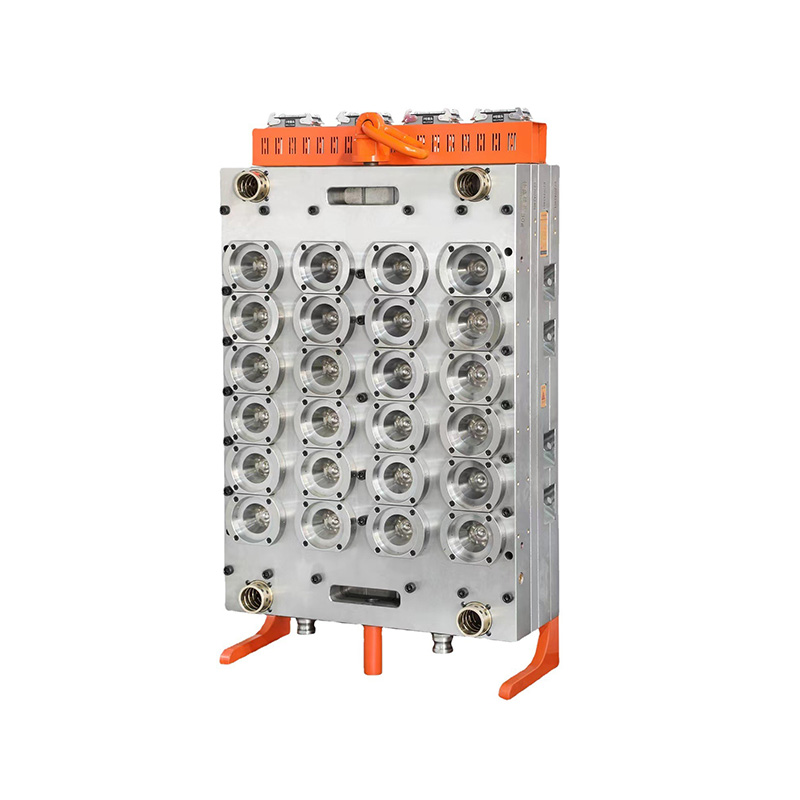
The 24-cavity preform mold is a handy tool for turning out PET bottle preforms. ...
See Details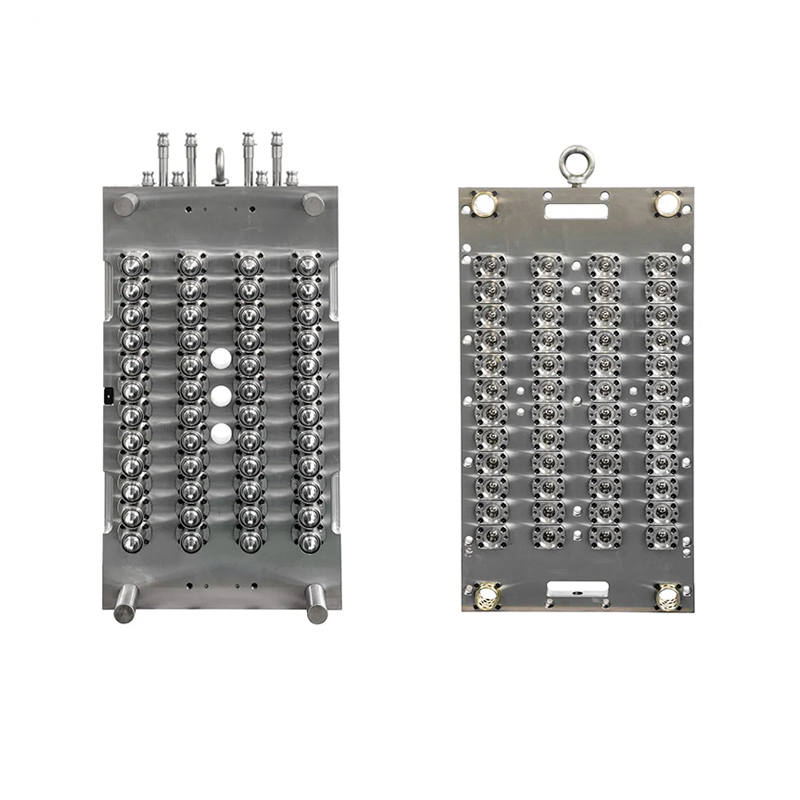
The Qihong 48-Cavity Preform Mold(Mould) is the ideal choice for high-volume PET...
See Details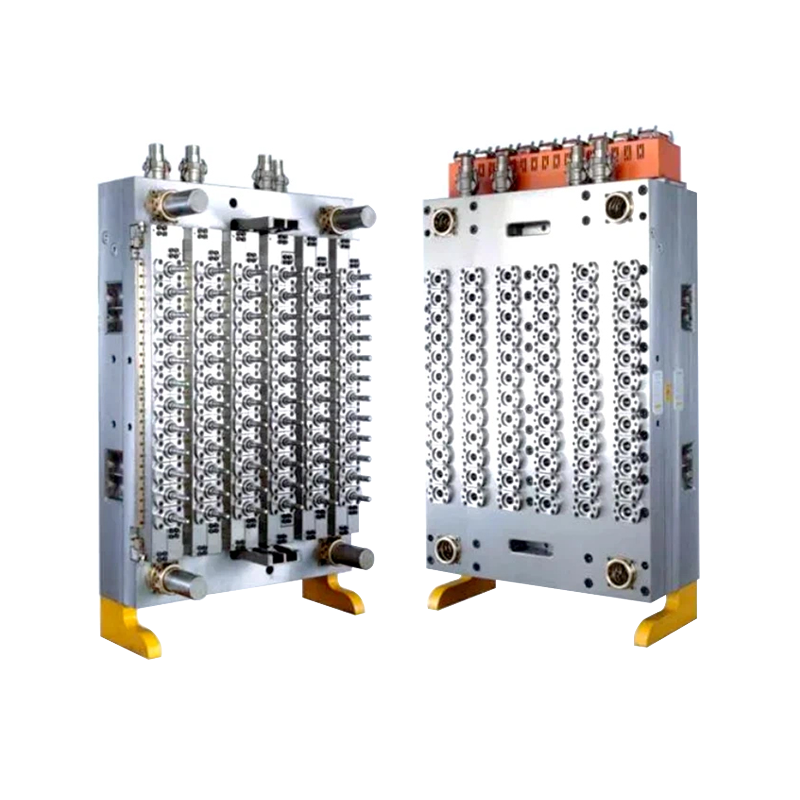
The 72-Cavity Preform Mold(Mould) is a solid, no-nonsense choice when you need t...
See Details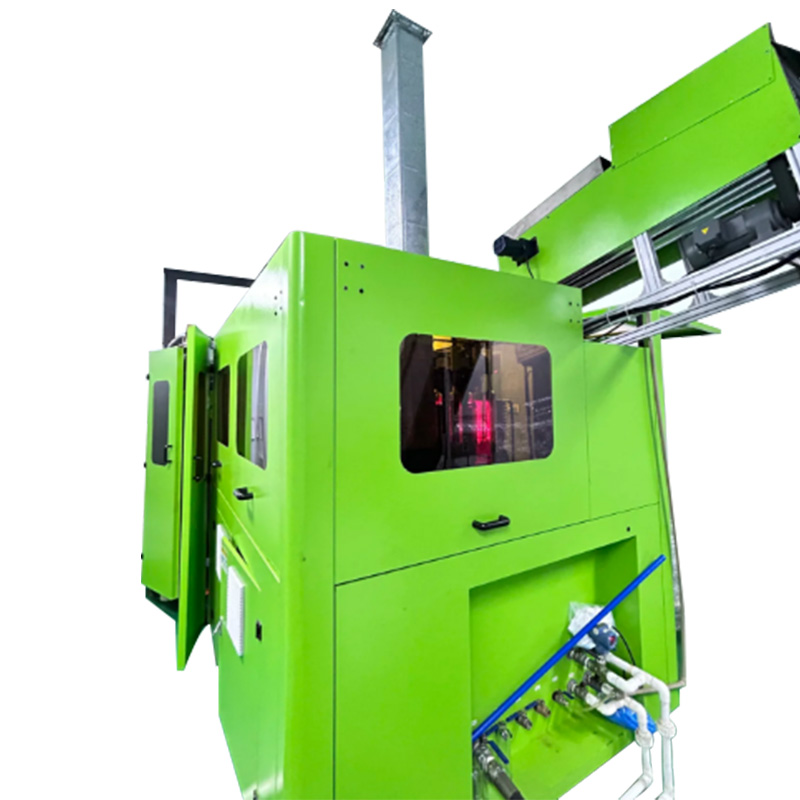
Automatic blowing machines are essential equipment in modern bottle manufacturin...
See Details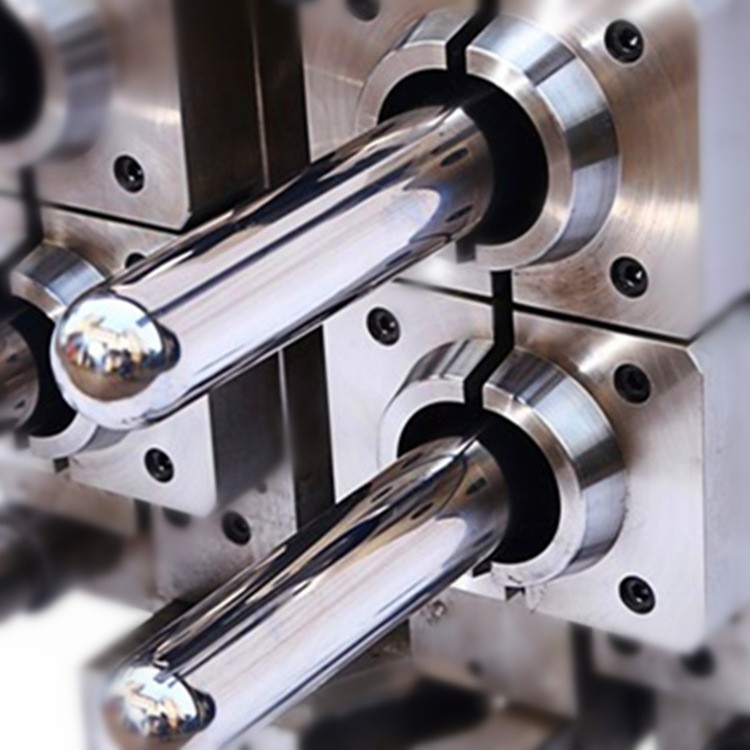
Mould Specifications Product : Preform Mould Brand : Taizhou QihongMould C...
See Details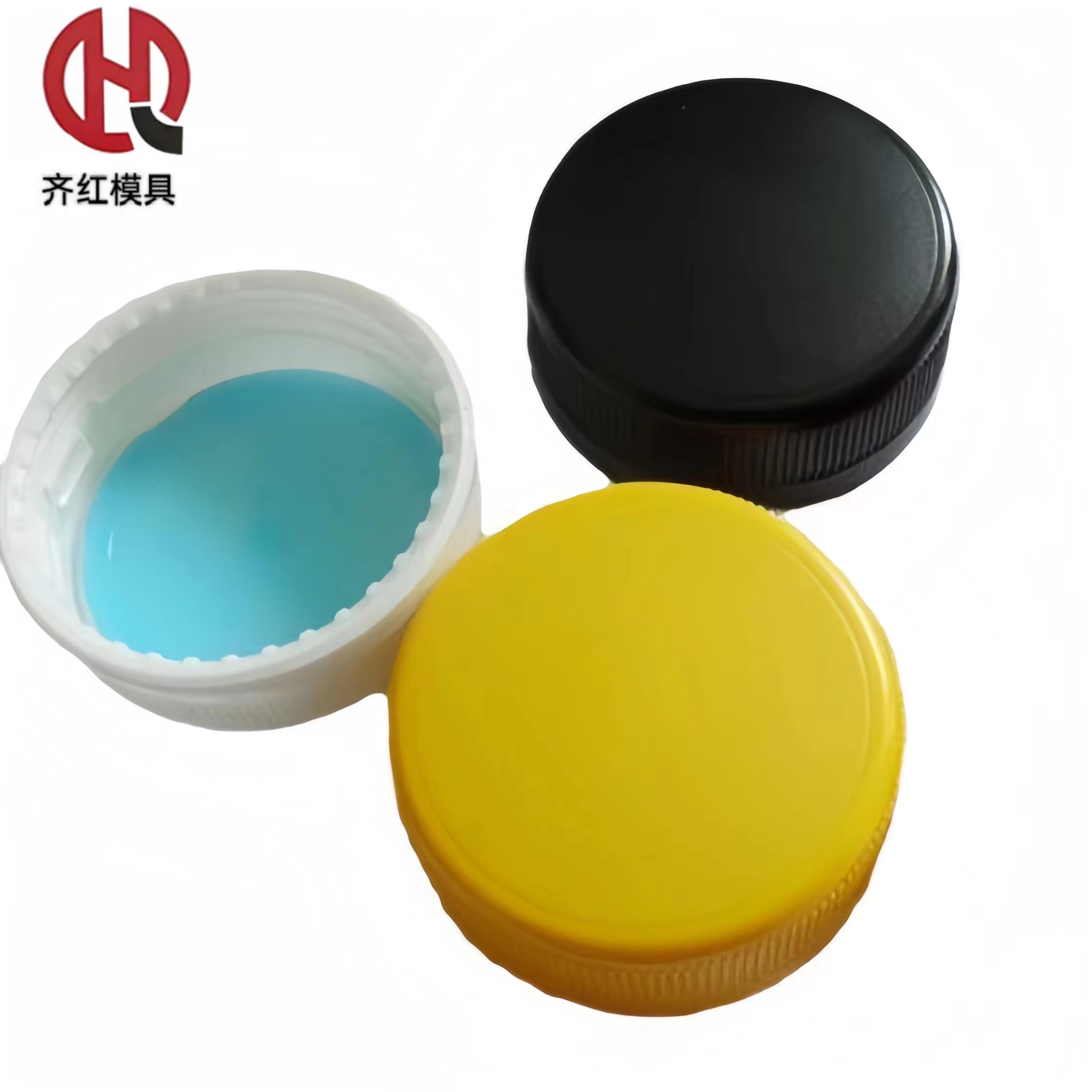
Mould Specifications Product : Cap Mould Brand : Taizhou QihongMould Co.,L...
See Details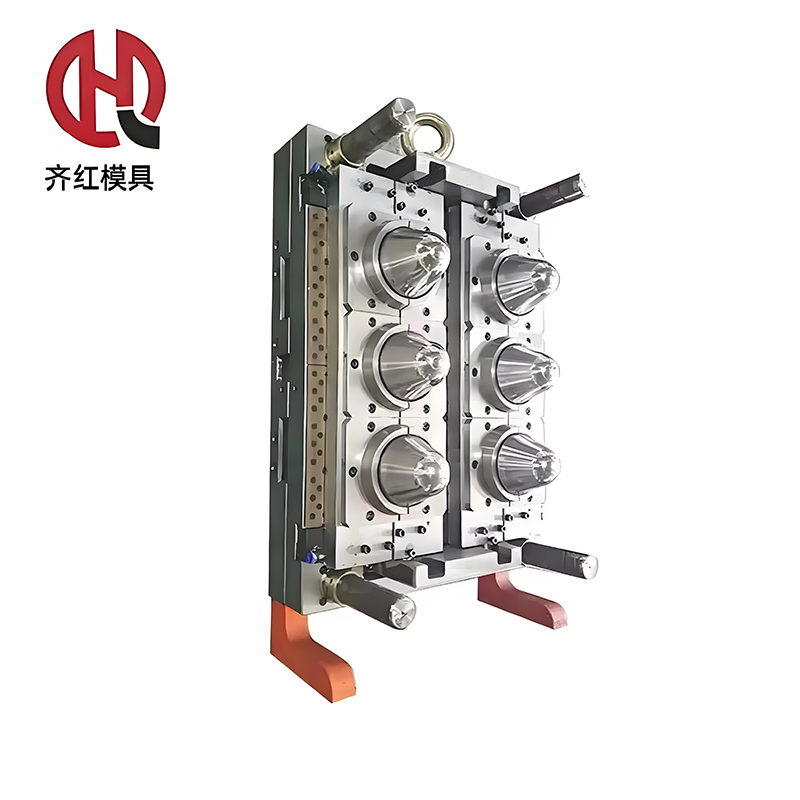
Water and beverage preform mold, Edible oil preform mold, Preform Mold for cosme...
See Details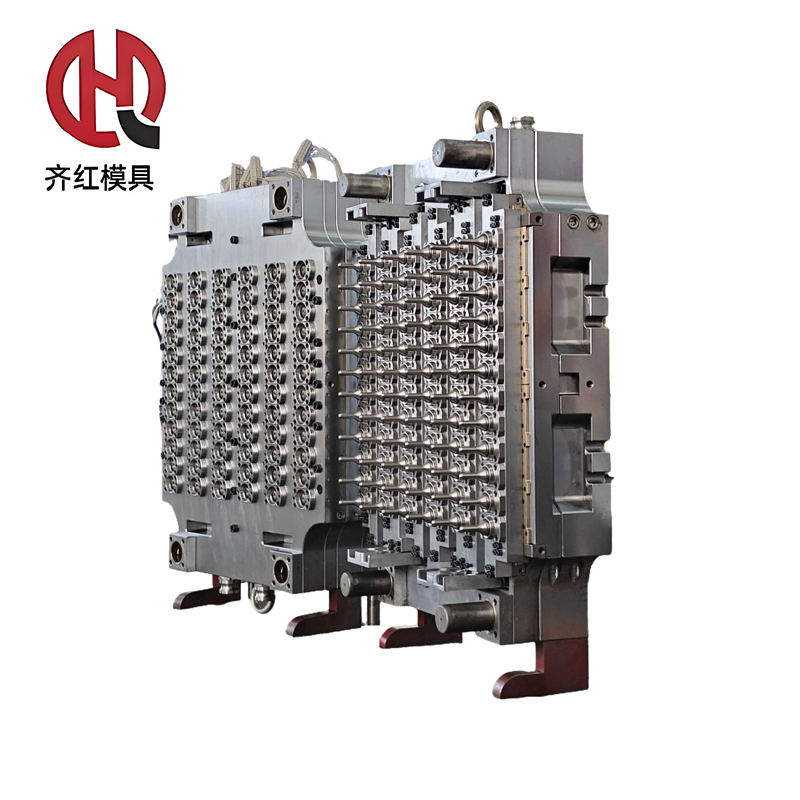
Standardization of mold partsHigh-precision processing equipment is used to ensu...
See Details
WhatsApp:+(86) 13957659071 / +(86) 18158637057 / +(86) 15395760157


ADD:Baige Science and Technology Park, Huangyan District, Taizhou City, Zhejiang Province, China.