English
 русский
 عربى
عربى

Semi-Automatic Blowing Machine
Semi-Automatic Blowing Machines are specialized machines used in the production ...
See Details


Plastic handle molds sit at a small but important point in many manufacturing lines. Handles may look simple, yet they are used in a wide range of products, from containers to tools and packaging systems. When production volumes are high, even small improvements in molding efficiency can change the overall flow of operations.
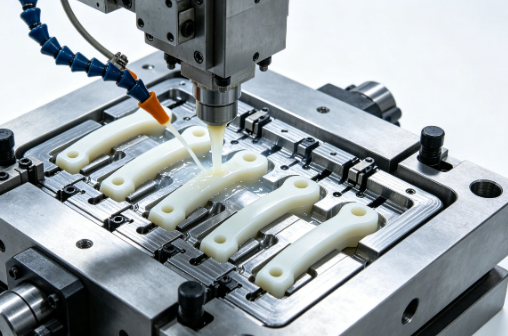
A well-designed mold does more than shape a handle. It helps keep production steady, reduces interruptions, and supports consistent output over long periods of use.
Production speed is often influenced by how smoothly a mold performs during repeated cycles. A plastic mold is expected to work continuously without frequent adjustments. If the design is stable, the production line can maintain a steady rhythm.
The internal structure of the mold guides how material fills the shape. When this flow is balanced, each cycle becomes more predictable. This reduces waiting time between stages and helps avoid unnecessary pauses.
A simple comparison helps explain the impact:
| Mold behavior | Production impact |
|---|---|
| Stable material flow | Consistent cycle rhythm |
| Uneven filling | Irregular output and delays |
| Smooth release | Faster continuous operation |
Efficiency is not created by speed alone. It comes from reducing interruptions in the process.
In continuous manufacturing, interruptions are often more costly than slow movement. A plastic mold that maintains structural balance helps reduce unexpected stops.
When parts of the mold are aligned correctly, the material behaves in a predictable way. This means fewer adjustments are needed during operation. Over time, this stability supports a smoother production flow.
Structural balance also reduces stress on the system. If one section of the mold experiences uneven pressure, it may affect performance across multiple cycles. Balanced design helps distribute that pressure more evenly.
The result is a more stable working rhythm, where the system does not require constant correction.
Material flow inside the mold is one of the key factors that influence efficiency. If the material moves smoothly into the intended shape, the cycle becomes more reliable.
Plastic molds are designed to guide material into a controlled space. This reduces variation between products and helps maintain consistent output.
Flow behavior depends on internal shape design. Even small changes in geometry can affect how material spreads inside the mold. When the flow is stable, less time is spent correcting uneven results.
In practical terms, good flow design supports:
Efficiency improves when the system behaves the same way each time it operates.
Some plastic molds are designed to produce more than one item in a single cycle. This approach allows multiple handles to be formed at the same time, improving output without increasing machine activity.
The idea is not about increasing speed per cycle, but about increasing output per operation. When several cavities are balanced correctly, the production line can achieve higher efficiency without extra complexity in movement.
However, balance is important. If cavities are not evenly matched, some products may form differently from others. This can lead to additional sorting or correction later in the process.
A simplified view:
| Structure type | Output behavior |
|---|---|
| Single cavity | One output per cycle |
| Multi-cavity balanced | Multiple consistent outputs |
| Multi-cavity unbalanced | Variation in product shape |
The goal is consistent output across all cavities, not just increased quantity.
Cycle stability refers to how consistently a mold completes each production step. In plastic handle manufacturing, this stability directly affects how smooth the overall process feels.
When each cycle follows a similar pattern, the production line becomes easier to manage. Operators can predict output timing, and downstream processes can stay aligned.
If cycle behavior changes frequently, adjustments may be needed more often. This can slow down the entire system.
Stable cycles support:
In many cases, efficiency is achieved by reducing uncertainty rather than increasing speed.
Efficiency is not only measured in short-term output. Long-term performance matters just as much. A plastic mold must maintain its behavior over repeated use.
As the mold is used continuously, small changes can occur in surface condition or alignment. If these changes are controlled, the system remains stable. If not, production may gradually become less consistent.
Durability supports efficiency by reducing downtime. When a mold requires fewer adjustments or replacements, the production line can continue operating without interruption.
Durability is supported through:
A stable mold reduces the need for frequent intervention.
The surface inside the mold affects how easily the finished handle is released. If the surface is smooth and consistent, the release process becomes more predictable.
When release is smooth, cycle time becomes more stable. If release is inconsistent, additional time may be needed to complete each cycle.
Surface quality also influences cleaning and maintenance routines. A stable surface is easier to maintain, which helps keep production running without frequent pauses.
Surface behavior affects:
Even small surface changes can influence overall efficiency.
Many production environments rely on coordinated systems where different machines work together. Plastic molds must fit into this structure without disrupting flow.
When the mold operates smoothly, it supports automation by reducing the need for manual adjustment. The system can continue running in a more continuous pattern.
This alignment with automated systems helps reduce delays between stages. Each part of the production line can move at a consistent pace.
A well-integrated mold contributes to:
The mold becomes part of a larger rhythm rather than an isolated tool.
Efficiency is not always about complexity. In many cases, simpler design leads to more stable performance. A plastic mold with clear structure and balanced function is often easier to maintain and operate.
Simple design reduces the number of variables that can affect production. When fewer adjustments are needed, the system becomes more predictable.
This simplicity also supports maintenance. When parts are easy to access and understand, inspection becomes quicker. This reduces downtime and helps keep production moving.
Design simplicity often leads to:
In manufacturing, predictability is closely linked to efficiency.
Plastic molds improve production efficiency through a combination of stable structure, controlled material flow, balanced design, and consistent cycle behavior. Each element contributes to a system where repetition becomes reliable and production remains steady across long periods of operation.
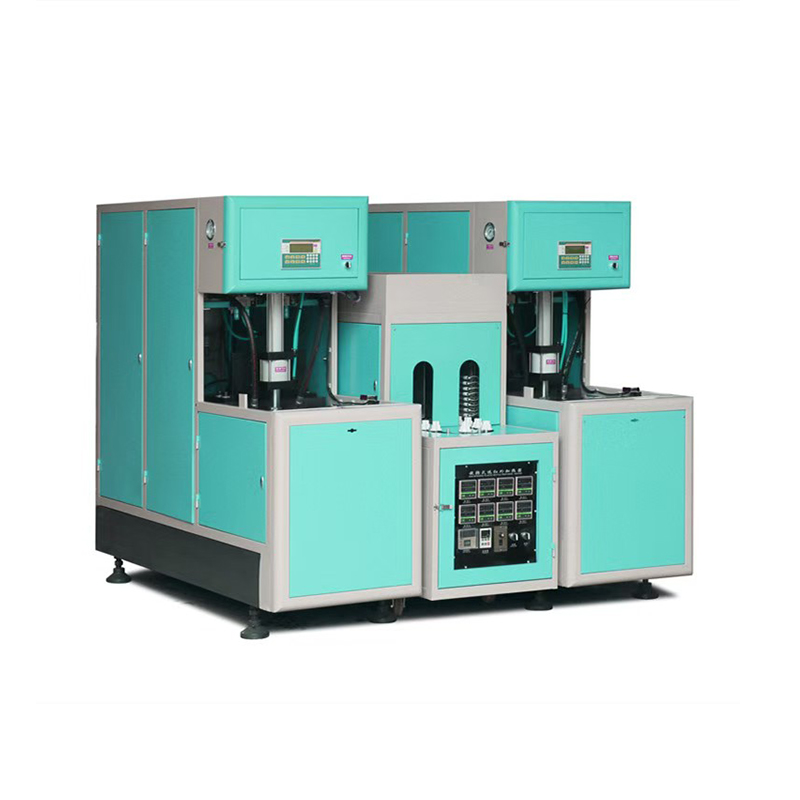
Semi-Automatic Blowing Machines are specialized machines used in the production ...
See Details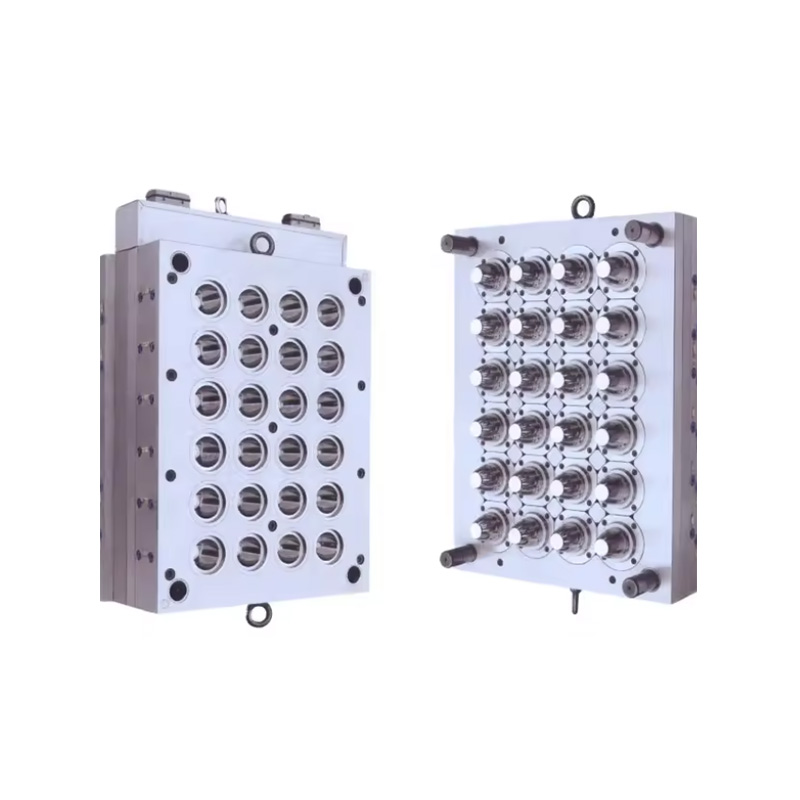
A Bottle Cap Mold is a precision tool used in the manufacturing of bottle caps. ...
See Details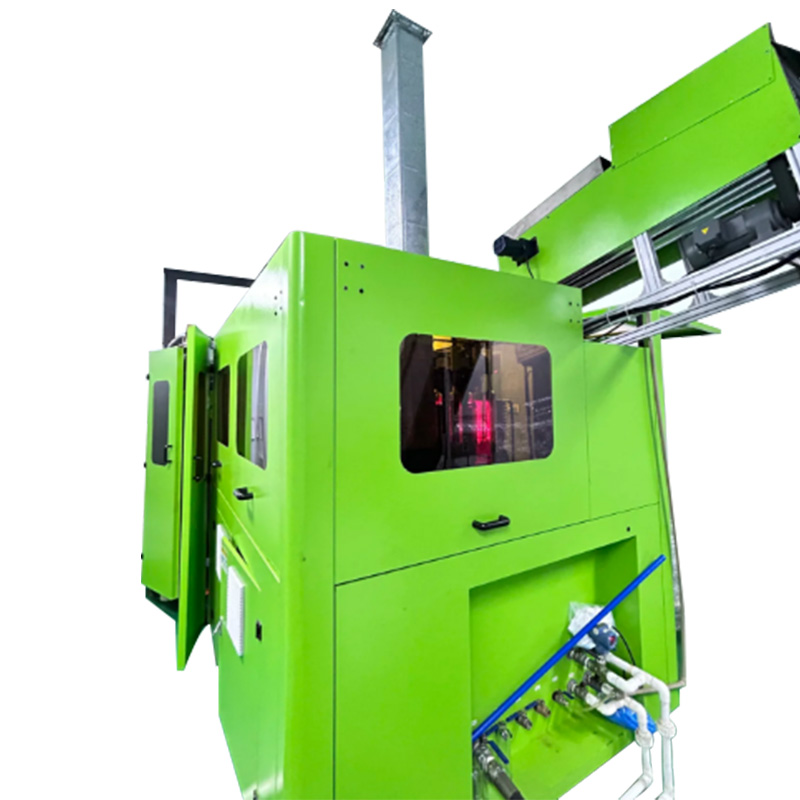
Automatic blowing machines are essential equipment in modern bottle manufacturin...
See Details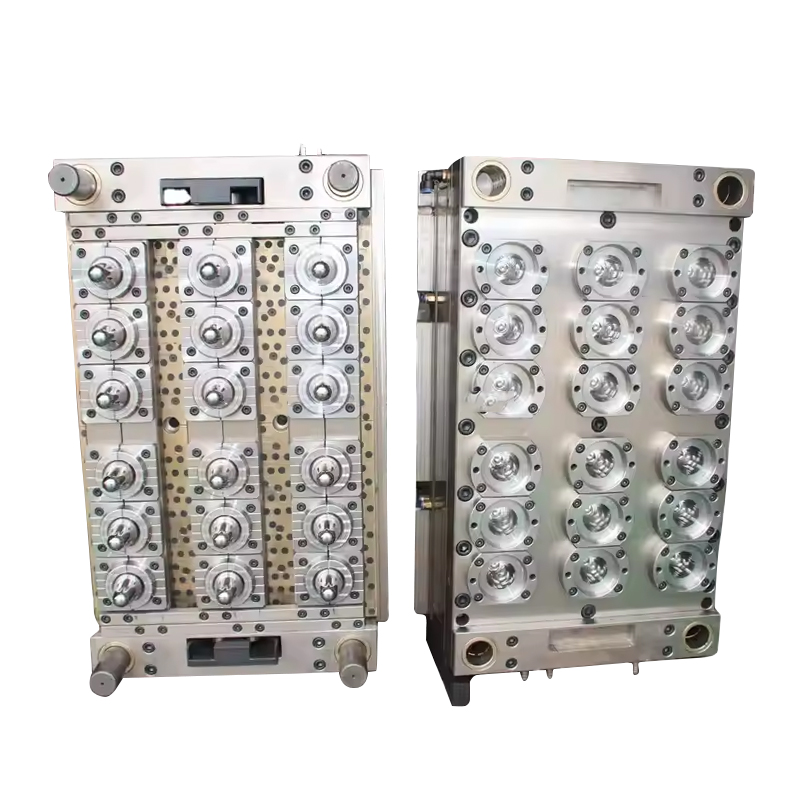
The 18-cavity wide-mouth mold is a high-efficiency tool specifically designed fo...
See Details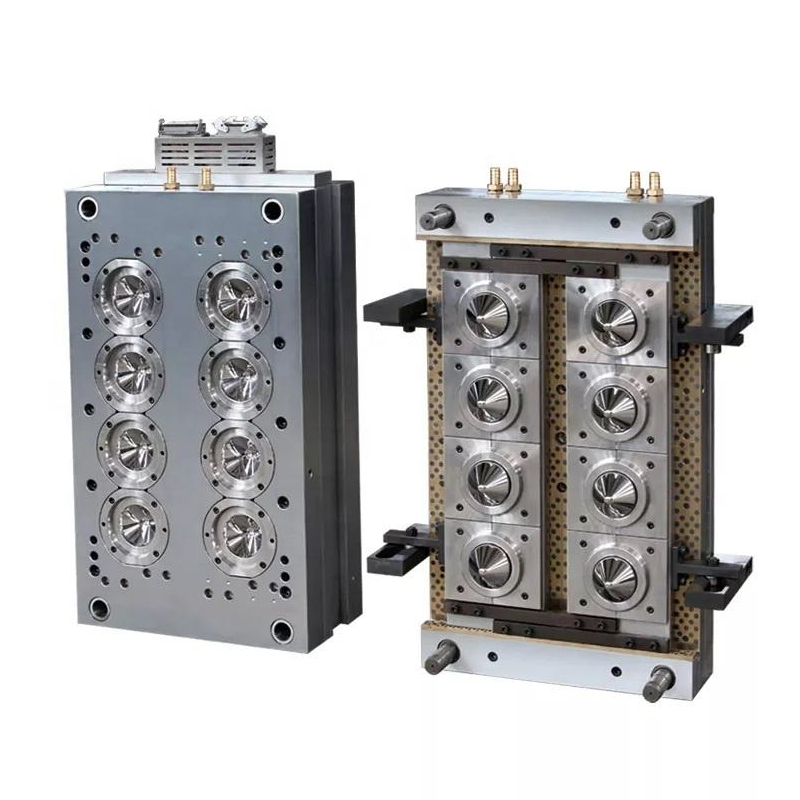
The 8-cavity wide-mouth mold is designed to produce plastic containers with larg...
See Details
Custom Made Plastic Molds are designed for high precision and flexible plastic p...
See Details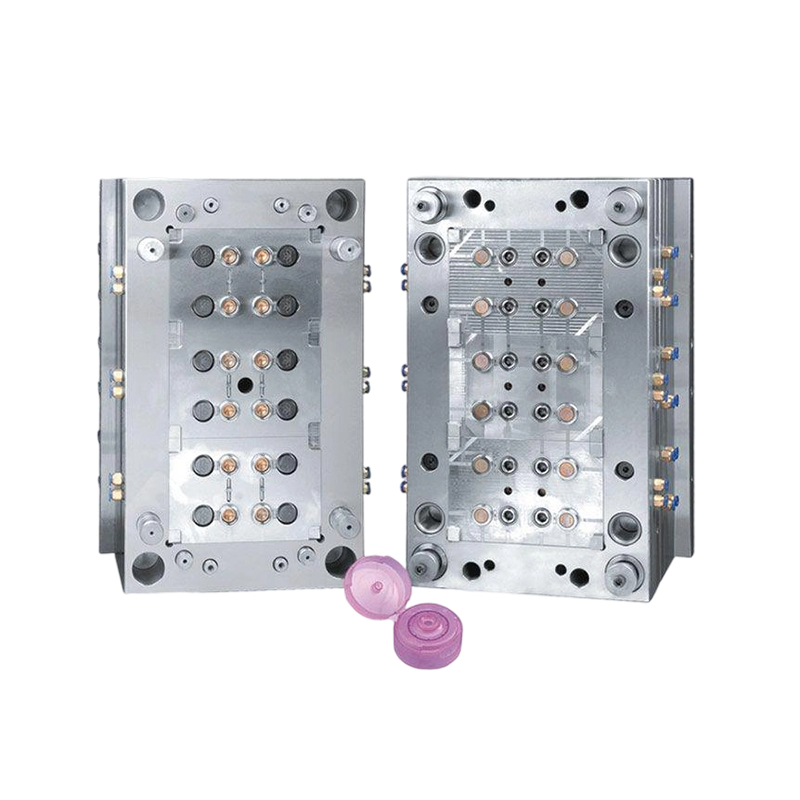
Flip Top Cap also know as Flip Top Caps & Cap mould Stopper Cap is one of ty...
See Details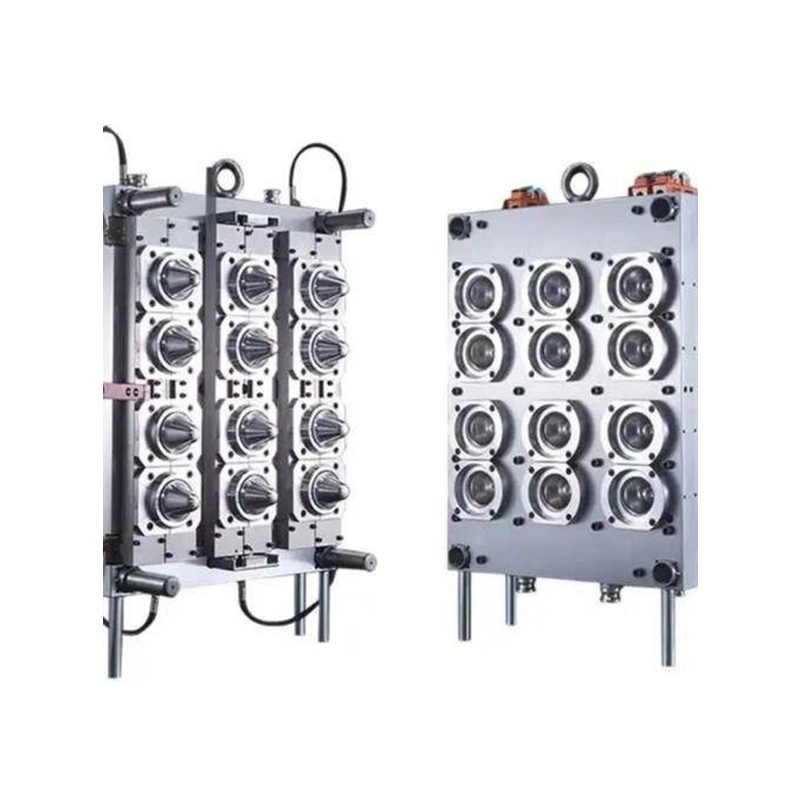
The 12 Cavities Wide Mouth Preform Moulds from Qihong are practical tools for pr...
See Details
WhatsApp:+ (86) 13957659071 / + (86) 18158637057

E-Mail:[email protected]

ADD:Baige Science and Technology Park, Huangyan District, Taizhou City, Zhejiang Province, China.