English
 русский
 عربى
عربى


48-Cavity Preform Mold(Mould)
The Qihong 48-Cavity Preform Mold(Mould) is the ideal choice for high-volume PET...
See Details


Walk into a plastic container factory and one thing becomes obvious very quickly. Almost everything is moving.
Containers move across belts. Raw material moves into equipment. Finished products travel toward packing areas. Workers move between stations checking output, adjusting settings, and watching for interruptions.
Years ago, much of this depended on manual coordination. Operators handled large parts of the workflow themselves. Production still worked, but the pace often changed from one shift to another. Small differences in handling could slowly affect the overall line.
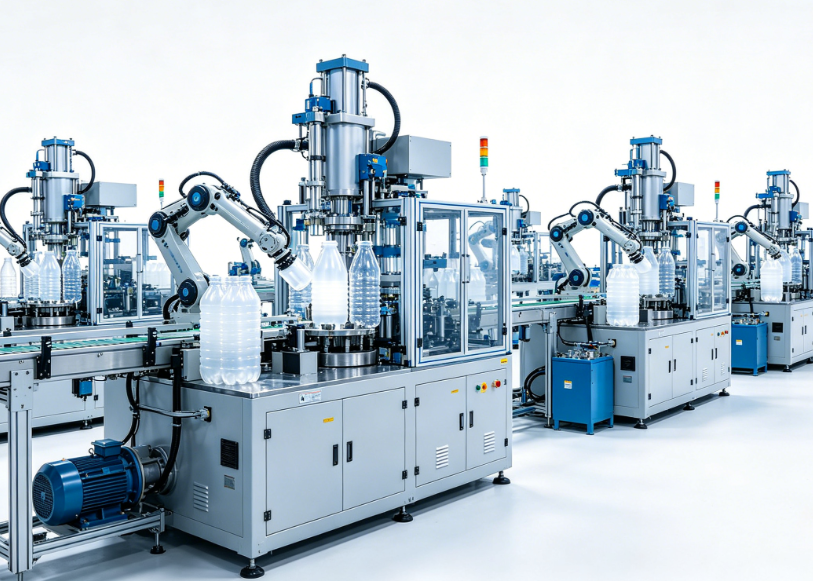
Automation changed that environment little by little.
Not every factory became fully automated overnight. In many places, the process happened gradually. One machine was upgraded. Then transport systems were added. Later, inspection equipment became connected to the line. Over time, separate work areas started behaving more like one linked production system.
Today, automation is part of daily operation in many container factories, not because it looks advanced, but because production has become harder to manage without it.
Plastic container production is repetitive by nature.
The same actions happen again and again through long operating hours:
When people repeat the same motion continuously for hours, small inconsistencies naturally appear. Timing changes. Handling pressure shifts. Fatigue affects pace.
Automation helps reduce those variations.
In many factories, managers are not only trying to increase output. They are trying to keep production stable from morning to night without constant interruption.
That is where automation becomes useful.
Factories often talk about speed, but rhythm matters just as much.
A production line that stops frequently creates problems beyond the machine itself. Delays spread into packaging, storage, scheduling, and shipment planning.
Automation helps create a steadier flow.
Instead of depending on repeated manual movement, systems continue operating at a more even pace. Containers move through the same path over and over with fewer sudden changes.
People working near automated lines often notice something simple: the factory feels calmer when movement is predictable.
There is less rushing between stations. Less product buildup. Fewer sudden pauses.
The operation becomes easier to organize.
A plastic container may look simple from the outside, but during Automatic Blowing Machine Factory , small inconsistencies can create larger workflow problems later.
If products move unevenly through the line, packaging becomes slower. If containers are not handled consistently, stacking and transport may become less stable.
Automation helps by repeating the same movement many times with very little variation.
This affects:
| Production area | Common effect |
|---|---|
| Product transfer | Smoother movement |
| Material feeding | More even workflow |
| Container positioning | Reduced handling variation |
| Line coordination | Fewer interruptions |
Factories usually notice these improvements over time rather than immediately.
A line that runs smoothly for weeks creates less pressure than one that constantly needs adjustment.
One common misunderstanding is that automation removes people completely from production environments.
In reality, workers are still heavily involved.
The difference is that their role changes.
Instead of carrying products continuously or manually transferring materials between stations, workers often focus more on:
Physical repetition decreases in many areas, while observation and coordination become more important.
In some factories, experienced operators are valued even more after automation is introduced because they understand how the whole line behaves during long production periods.
Factories sometimes discover that production problems are not caused by the main equipment itself. The issue comes from how materials move around it.
If products arrive too slowly, machines wait.
If products arrive too quickly, areas become congested.
Automation helps organize this movement more carefully.
Materials are guided through connected paths instead of relying entirely on manual timing.
That includes:
When movement becomes smoother, the entire factory usually feels more stable.
Long production hours create pressure on both people and equipment.
Manual work naturally changes during extended operation. Workers become tired. Timing shifts slightly. Attention moves between tasks.
Automation helps maintain similar operating patterns even during long runs.
This does not mean machines never stop or require adjustment. They still do.
But the overall pace remains more controlled compared with heavily manual environments.
Factories that run continuous schedules often depend on this stability because repeated interruptions can affect the entire production plan.
As factories add more automated equipment, another challenge appears.
Machines must work together properly.
One section may move faster than another. Containers may accumulate between stations. Packaging areas may struggle to keep up with production output.
So automation creates a different kind of management task.
Factories begin focusing on questions like:
Automation works more effectively when the entire workflow is coordinated, not just individual machines.
Inspection used to depend heavily on manual checking alone.
Workers observed products directly as they passed through the line. That still happens today, but automation now supports parts of the process.
In many factories, systems help organize products for inspection by:
This makes inspection easier to manage during busy production periods.
Human observation still matters. Workers often notice subtle problems that automated systems may not fully recognize.
The two approaches usually work together rather than replacing one another completely.
A factory with more automated systems depends heavily on uninterrupted operation.
If one section stops unexpectedly, nearby areas may also slow down or stop entirely.
Because of this, maintenance becomes closely connected to production planning.
Factories often pay attention to:
In highly connected production lines, even a small interruption can affect movement across several stages.
That is why maintenance teams often work alongside production planning departments rather than separately.
The production process continues after containers are formed.
Products still need to be grouped, packed, moved, and prepared for storage or shipment.
Automation now appears in these areas too.
Factories use automated systems to help with:
This helps prevent congestion near the end of the line, which used to be a common issue in many busy factories.
Full automation can change how an entire factory operates. Because of that, many manufacturers introduce it step by step.
One department may upgrade transport systems. Another may automate packaging later.
This gradual approach helps factories:
In practice, many factories operate with a mix of automated and manual processes for long periods.
The balance depends on production needs, factory layout, and daily operating conditions.
Older production environments were often noisier, more crowded, and more physically demanding.
As automation increases, the atmosphere inside some factories changes noticeably.
Movement becomes more organized. Product flow becomes easier to predict. Workers spend less time rushing materials between stations.
The factory still stays busy, but the pace feels more controlled.
That change affects not only production efficiency, but also how people experience the workplace during long shifts.
Demand for stable production has grown steadily across manufacturing industries.
Factories are expected to maintain organized workflows, reduce interruptions, and keep output moving consistently for long periods.
Automation supports those goals because it helps production behave more predictably.
The shift is usually practical rather than dramatic.
Factories adopt systems that reduce daily friction:
Over time, these smaller improvements reshape how plastic container factories operate from one end of the line to the other.
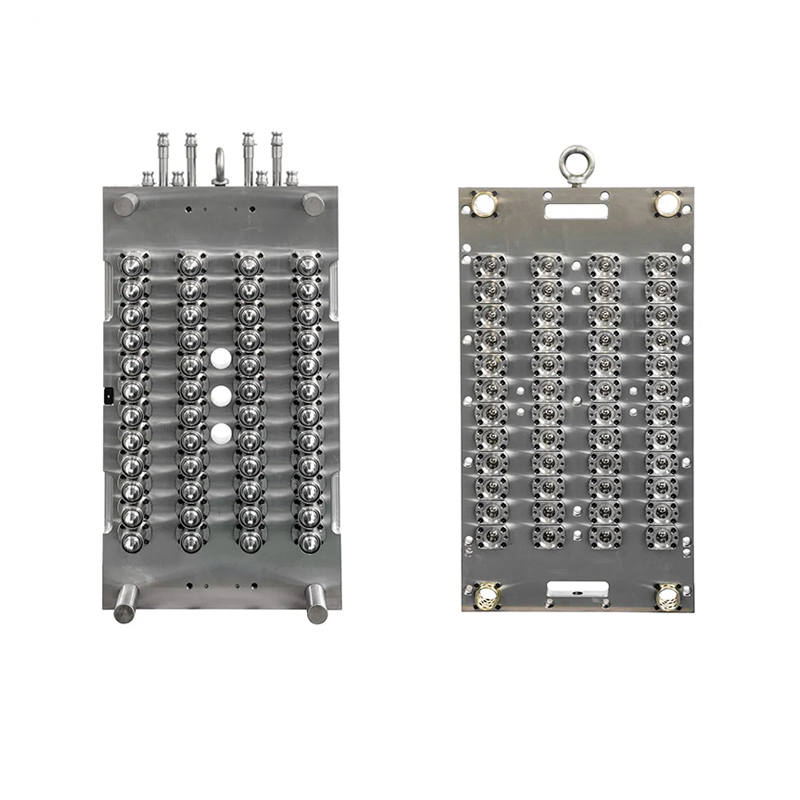
The Qihong 48-Cavity Preform Mold(Mould) is the ideal choice for high-volume PET...
See Details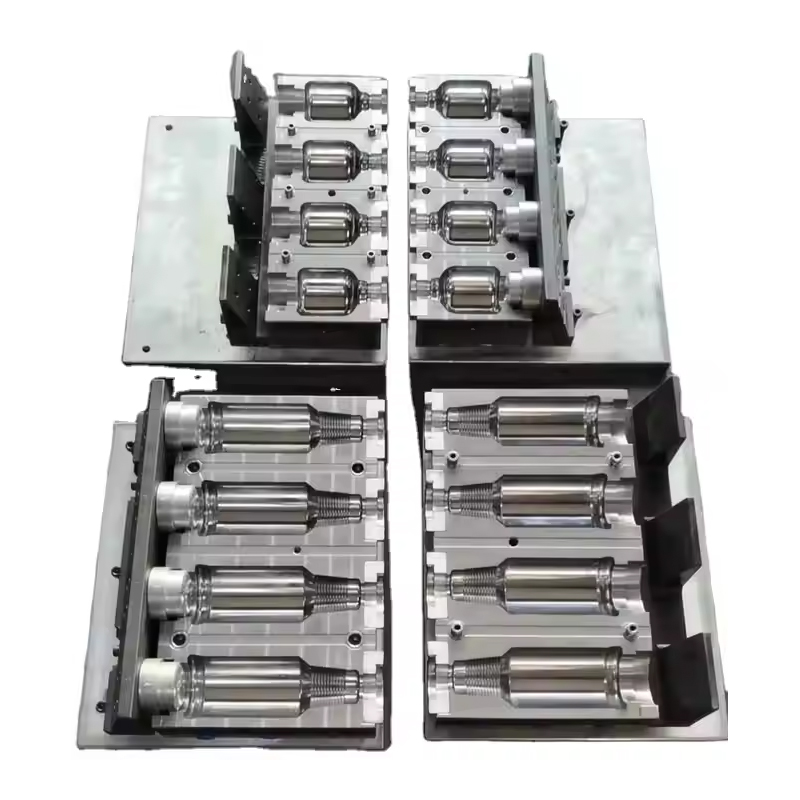
Our Cosmetic Bottle Mold is engineered for precision, reliability, and durabilit...
See Details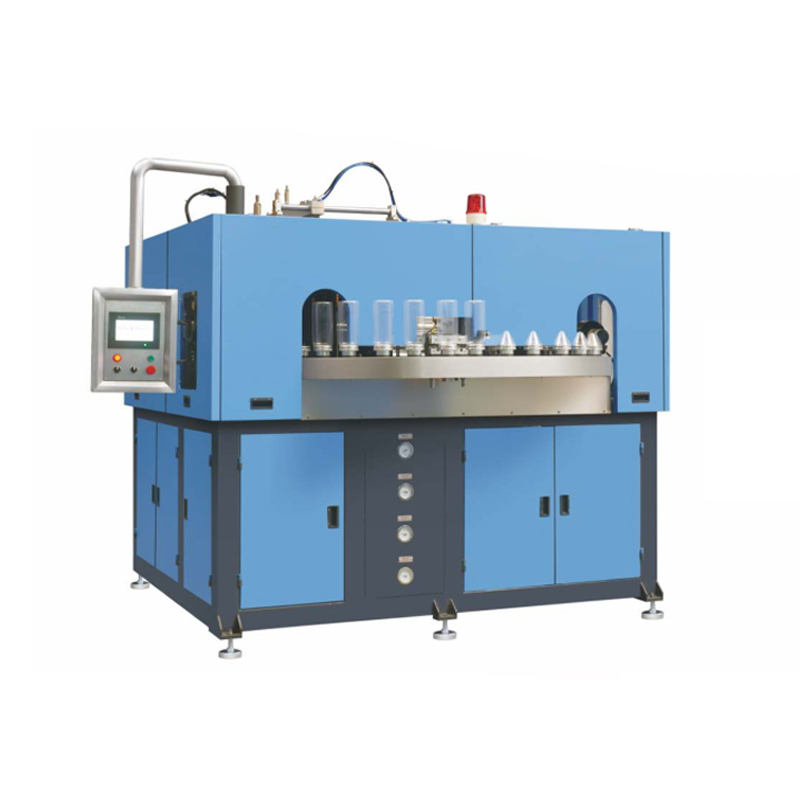
The hand-feeding blowing machine is an efficient tool designed for producing hig...
See Details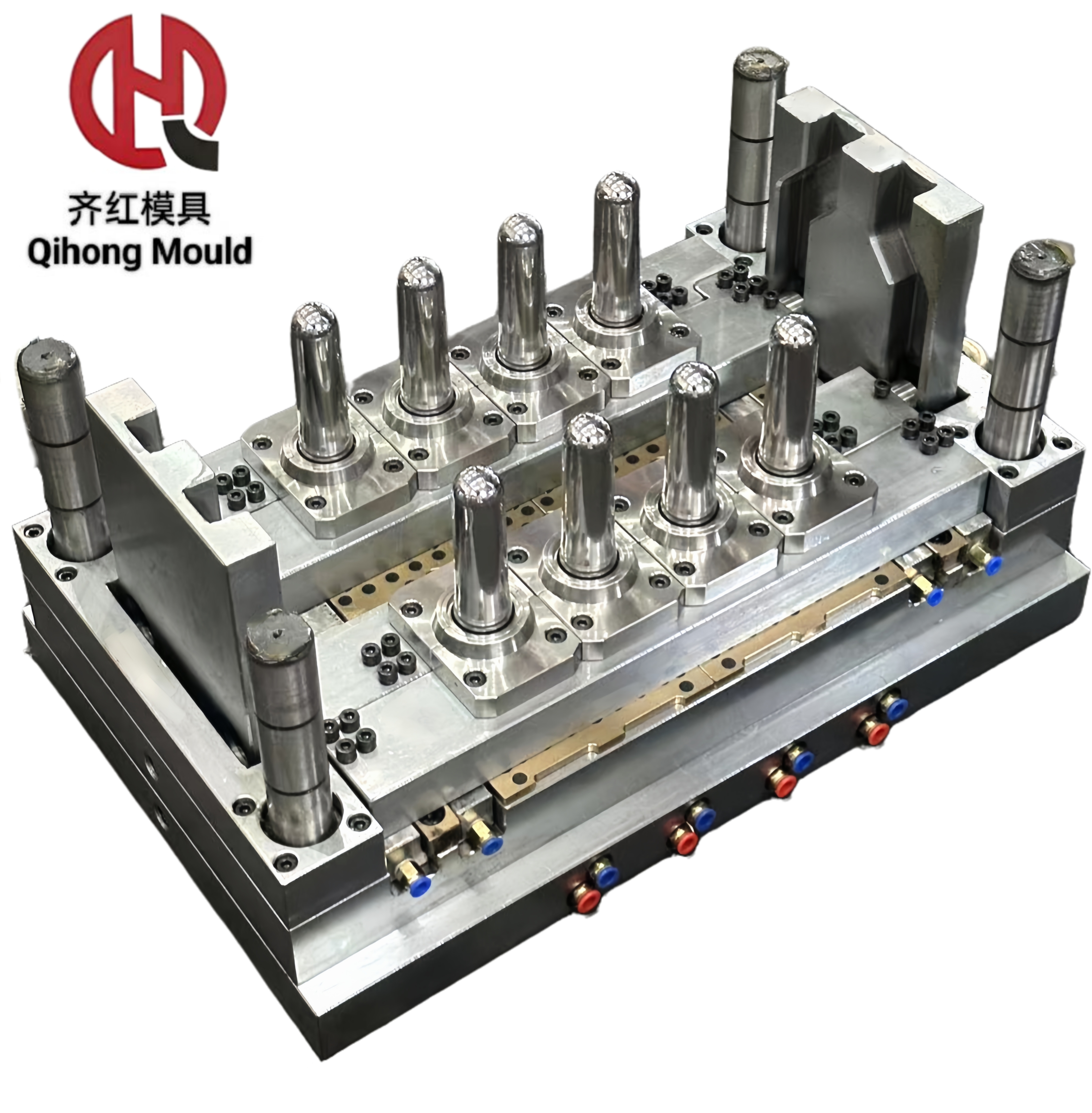
Jar Preform Mold is designed for accurate and efficient production of plastic pr...
See Details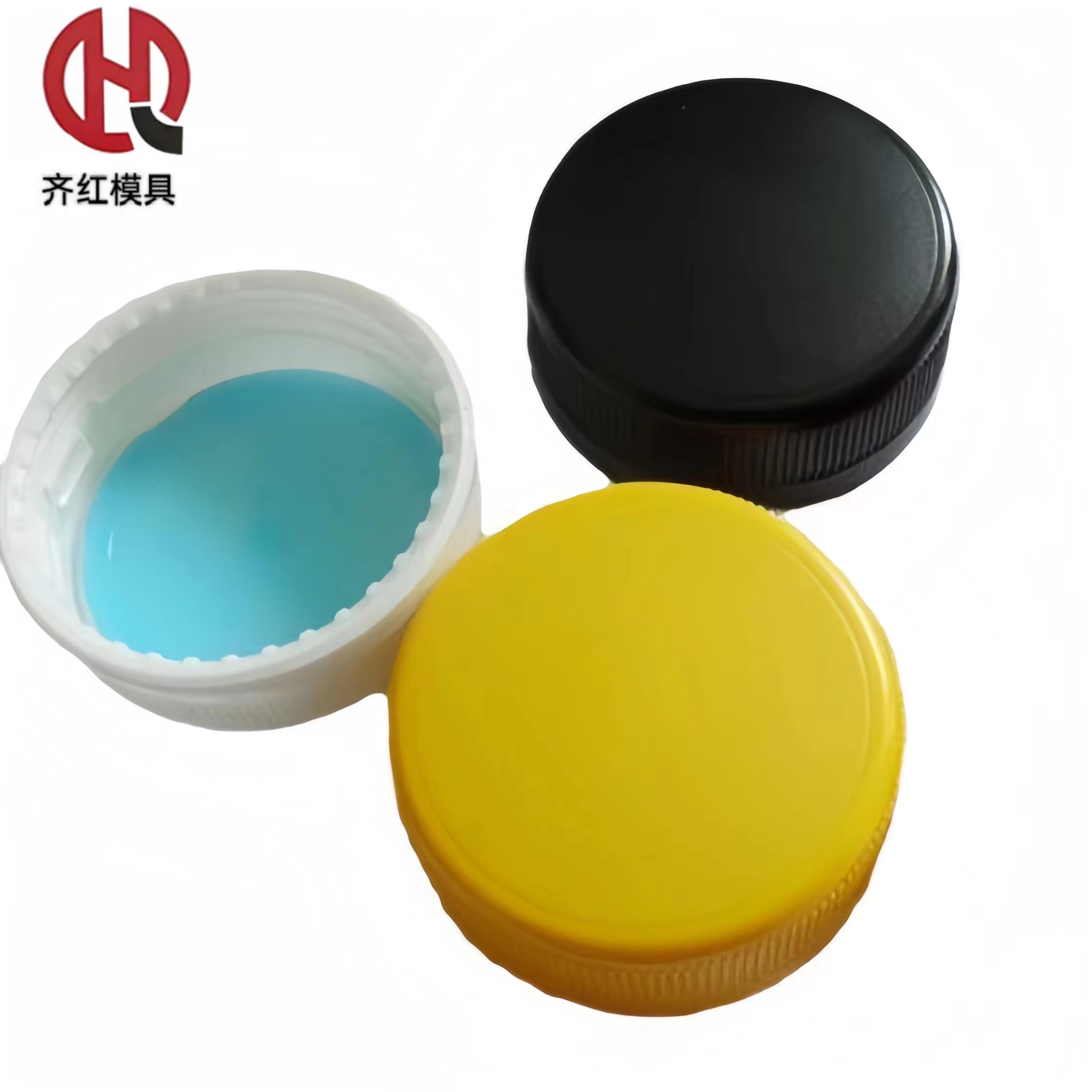
Mould Specifications Product : Cap Mould Brand : Taizhou QihongMould Co.,L...
See Details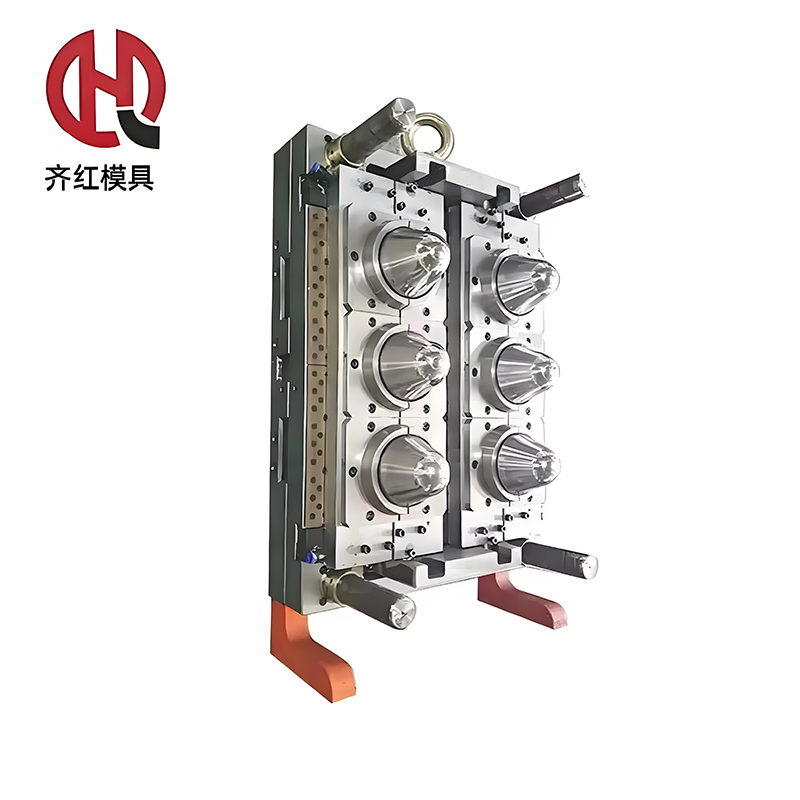
Water and beverage preform mold, Edible oil preform mold, Preform Mold for cosme...
See Details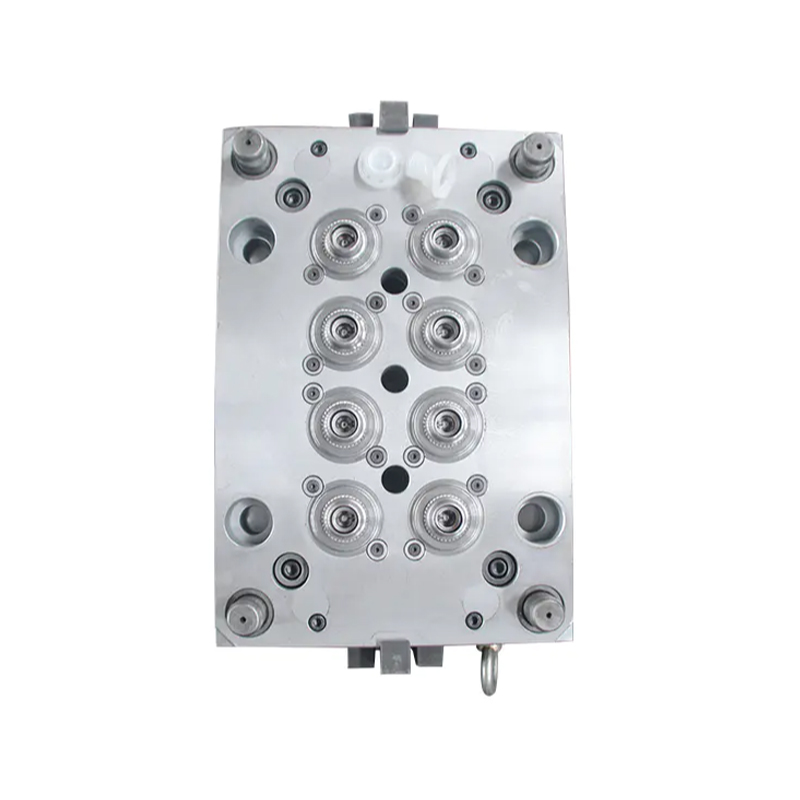
Spout Cap Mould is a EVA inner part of oil cap, match for 42mm pull out closure....
See Details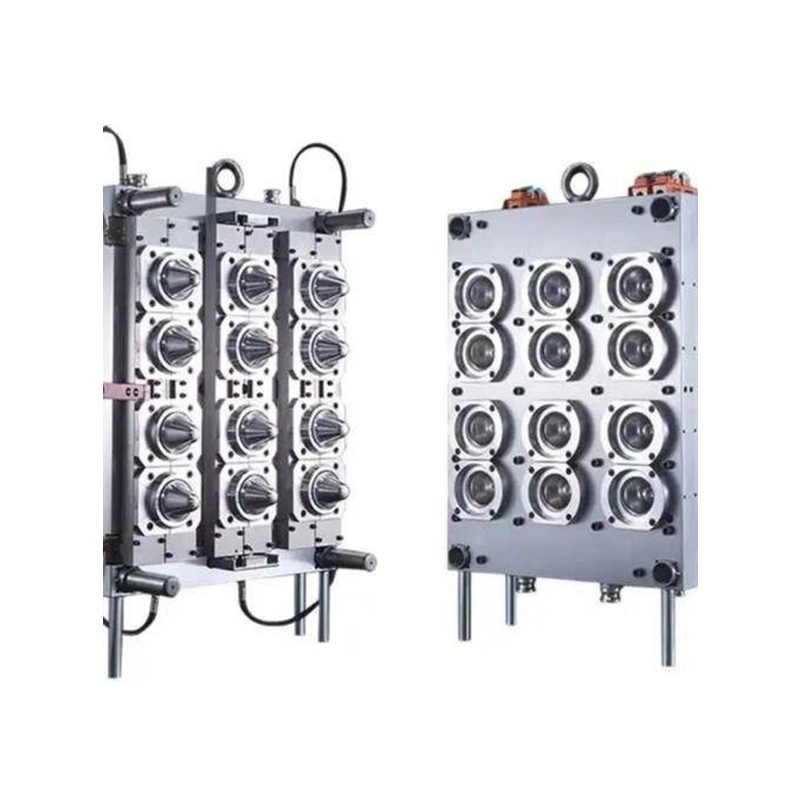
The 12 Cavities Wide Mouth Preform Moulds from Qihong are practical tools for pr...
See Details
WhatsApp:+(86) 13957659071 / +(86) 18158637057 / +(86) 15395760157


ADD:Baige Science and Technology Park, Huangyan District, Taizhou City, Zhejiang Province, China.