English
 русский
 عربى
عربى


24-Cavity Preform Mold(Mould)
The 24-cavity preform mold is a handy tool for turning out PET bottle preforms. ...
See Details


In manufacturing, a handle looks like a small component. It is easy to overlook. Yet in real production lines, this small part often decides how a finished product feels in the hand, how it holds up during use, and how consistent the final batch appears.
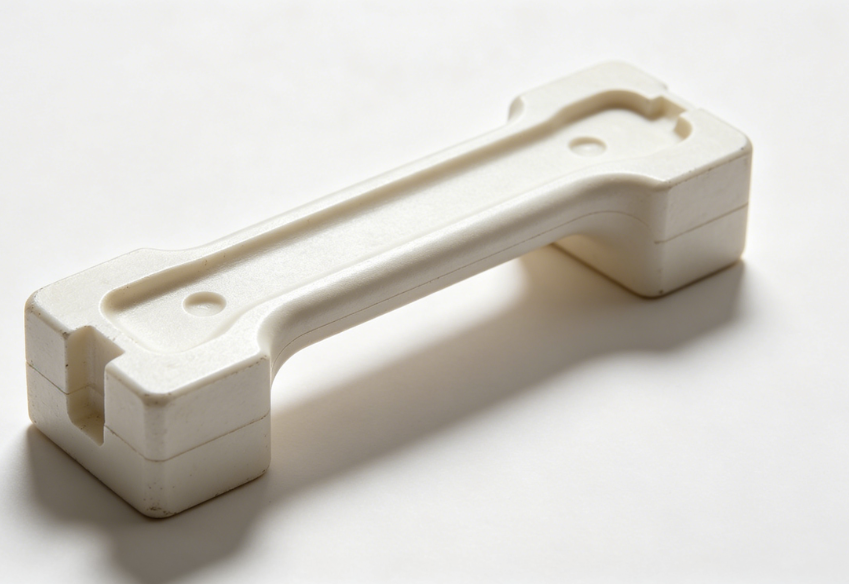
Because of that, choosing a handle mold manufacturer is rarely a quick decision. It usually involves looking beyond samples and price, and paying attention to how the manufacturer works day to day.
Handle molds are not only about shaping plastic or metal. They are about repeat behavior. The same shape needs to appear again and again without drifting too far between batches.
Manufacturers with more experience tend to notice small issues earlier. For example, a slight change in balance or surface flow might not be obvious at first glance, but it can affect how the handle feels after assembly.
In practice, experience often shows up in simple ways:
It is not always about advanced equipment. Sometimes it is just familiarity with how things behave under repeated production.
A handle mold is not just a shaping tool. It decides how a user interacts with the product.
A small shift in curve or thickness can change grip comfort. A slightly uneven connection area can affect how the handle attaches to the main body. These details are not always visible in drawings, but they show up in real use.
Good design usually considers:
Design is less about appearance and more about behavior after thousands of uses.
Material selection affects how the mold behaves over time. Some materials hold shape better after long use. Others may slowly shift under repeated cycles.
In factory environments, this difference becomes noticeable only after production runs for a while.
Key points usually include:
| Material factor | Real-world effect |
|---|---|
| Wear resistance | Longer stable use |
| Shape stability | Consistent output |
| Surface condition | Better finish quality |
| Durability | Fewer interruptions |
These factors matter more in long-term production than in early testing.
Precision is often mentioned, but its impact is very practical.
When a mold is consistent, parts fit together without extra adjustment. Assembly becomes smoother, and workers spend less time correcting small misalignments.
When precision shifts, even slightly, problems start to appear:
These issues rarely happen all at once. They usually build up slowly across repeated cycles.
Fast production sounds appealing, but unstable output creates more work later.
If a mold produces parts quickly but requires frequent correction, the overall workflow slows down. Time is then spent fixing issues instead of continuing production.
Stable production is usually easier to manage:
In many factories, stability becomes more valuable than short bursts of speed.
Surface quality is often the first thing people notice when they hold a product. Even if the structure is strong, a rough or uneven surface can affect perception and comfort.
In molds, finishing influences:
Small finishing differences can change how a product is judged in real use, even if the structure underneath is identical.
A handle mold project rarely stays unchanged from start to finish. Adjustments happen along the way. A small change in product design or usage requirement can shift the mold structure.
Clear communication helps avoid misunderstandings early.
Useful discussions often include:
Without this exchange, small assumptions can turn into production issues later.
Not all manufacturers operate at the same scale. Some handle smaller batches with flexible adjustments. Others focus on continuous large-volume production.
The key is matching capacity with actual need.
Important points include:
Capacity is not only about size. It is also about how smoothly production can continue without disruption.
A mold is not a one-time tool. Over time, it needs cleaning, inspection, and occasional adjustment.
Manufacturers who provide support during this stage help reduce downtime and keep production running more smoothly.
Maintenance support usually affects:
In real factories, maintenance often becomes just as important as initial production quality.
Early samples often look good because they are carefully produced. The real test comes later, when production continues for longer periods.
Consistency means:
Factories often care more about how a mold performs after repeated use than how it looks in the first sample.
Handle molds may look simple, but small details often decide long-term performance.
Even slight differences in:
can affect how the final product behaves after repeated use.
These details do not always show up immediately. They often become visible only after production has been running for a while.
In real manufacturing environments, short-term results are not enough. A mold needs to behave the same way not just today, but over many production cycles.
Reliability shows itself through:
When a mold stays steady over long periods, it reduces pressure on the entire production line. That is usually what manufacturers are really looking for when choosing a supplier.
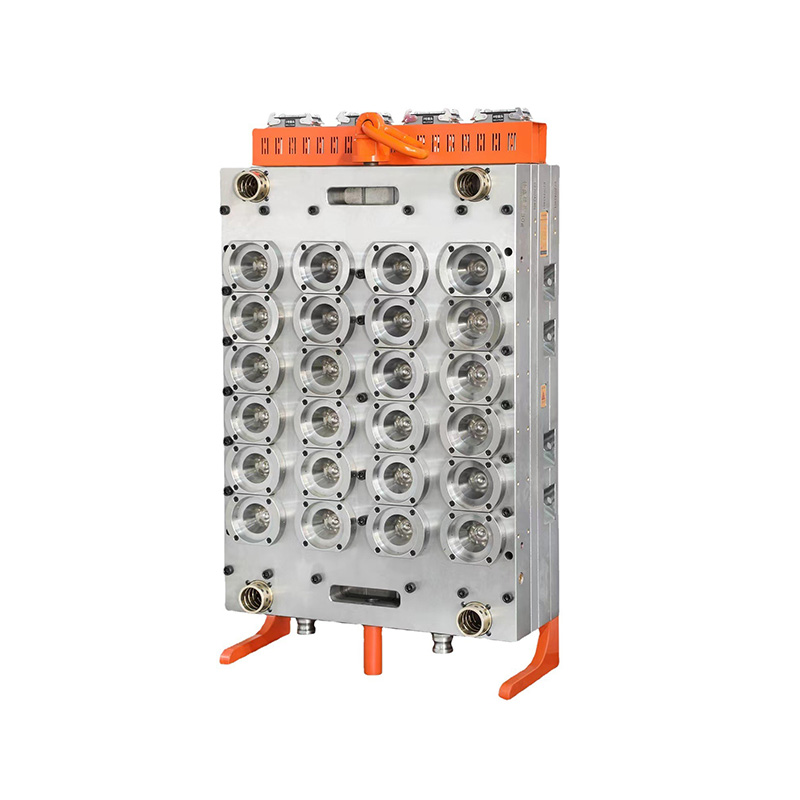
The 24-cavity preform mold is a handy tool for turning out PET bottle preforms. ...
See Details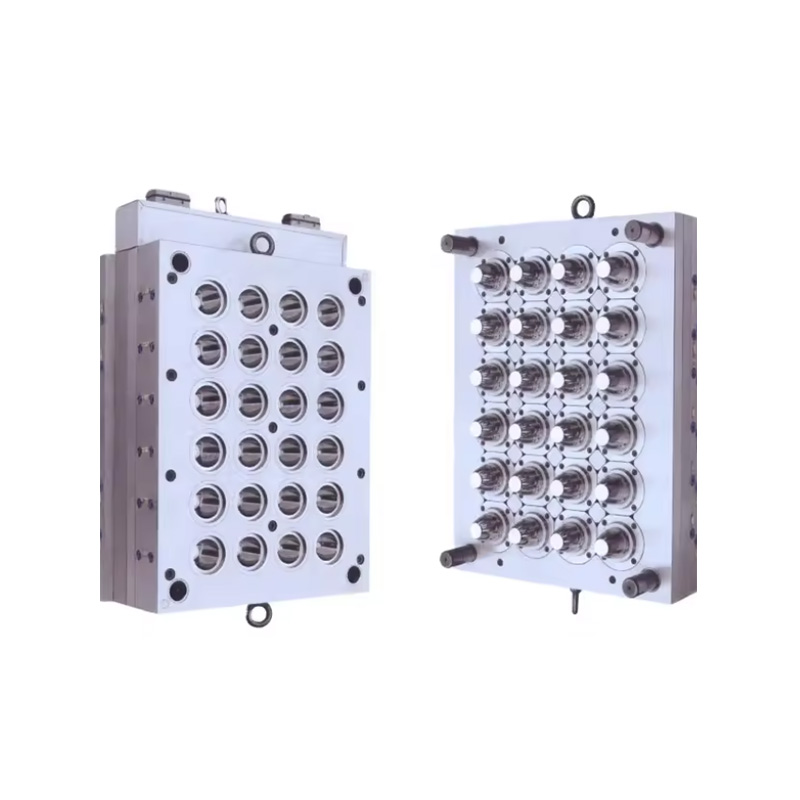
A Bottle Cap Mold is a precision tool used in the manufacturing of bottle caps. ...
See Details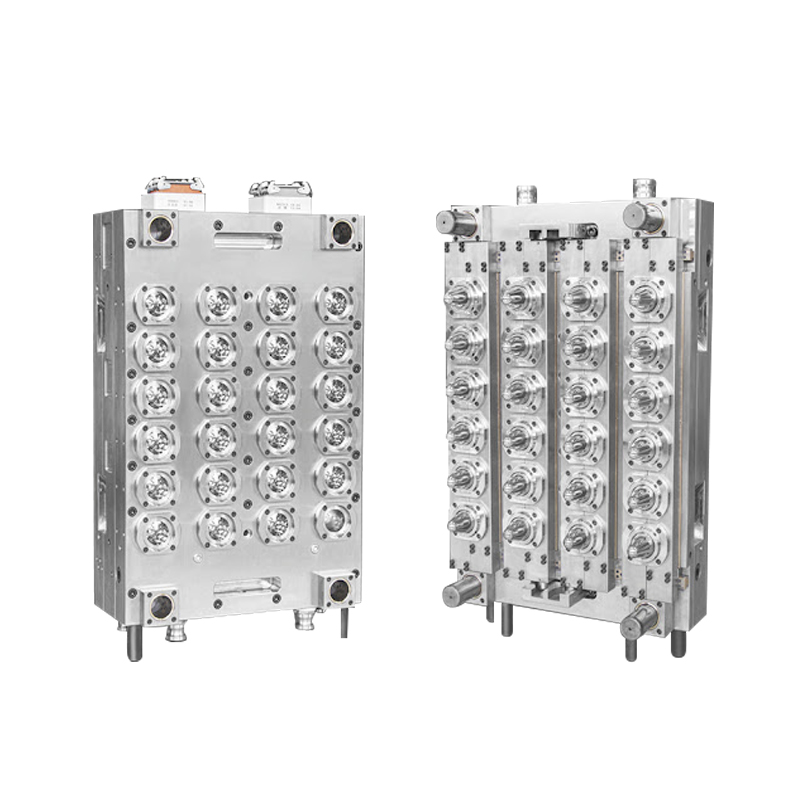
The 24-cavity wide-mouth mold is a precision tool designed for producing wide-mo...
See Details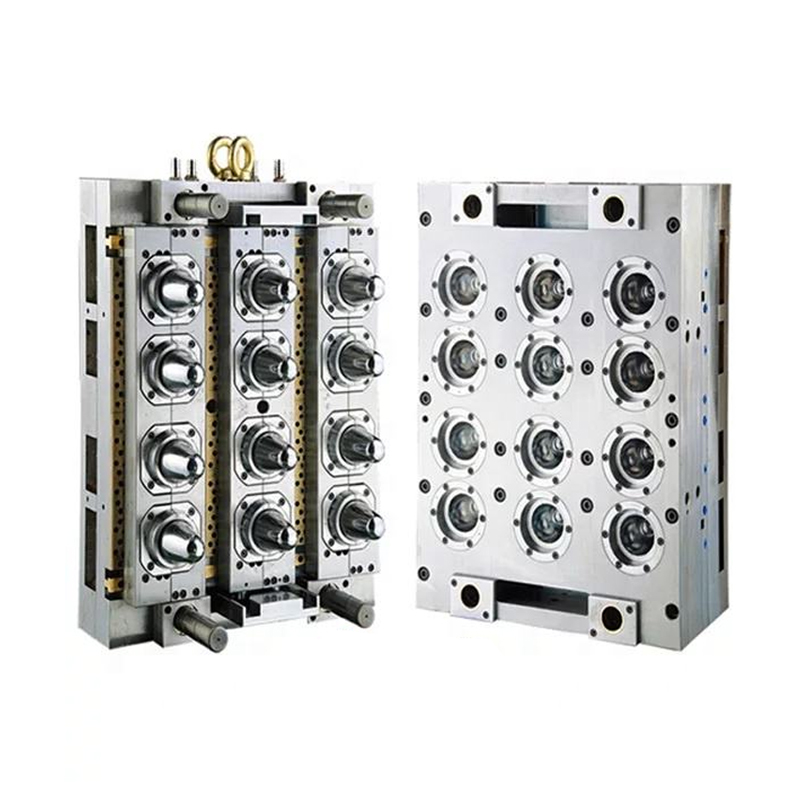
The 12-Cavity Wide-Mouth Mold(Mould) is made for manufacturers running wide-mout...
See Details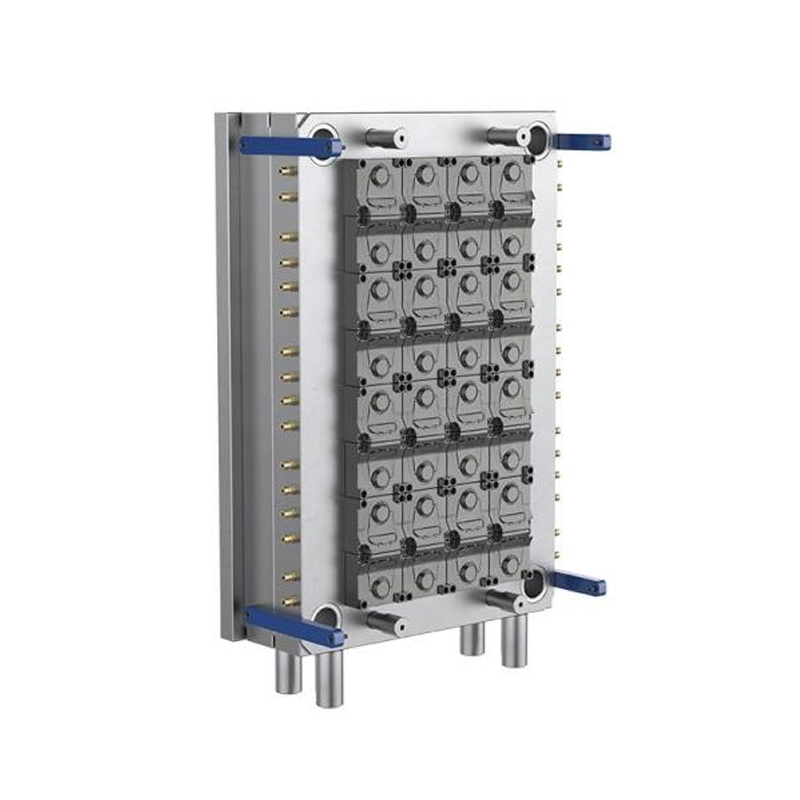
A Handle Mold is a specialized mold used in the manufacturing of plastic handles...
See Details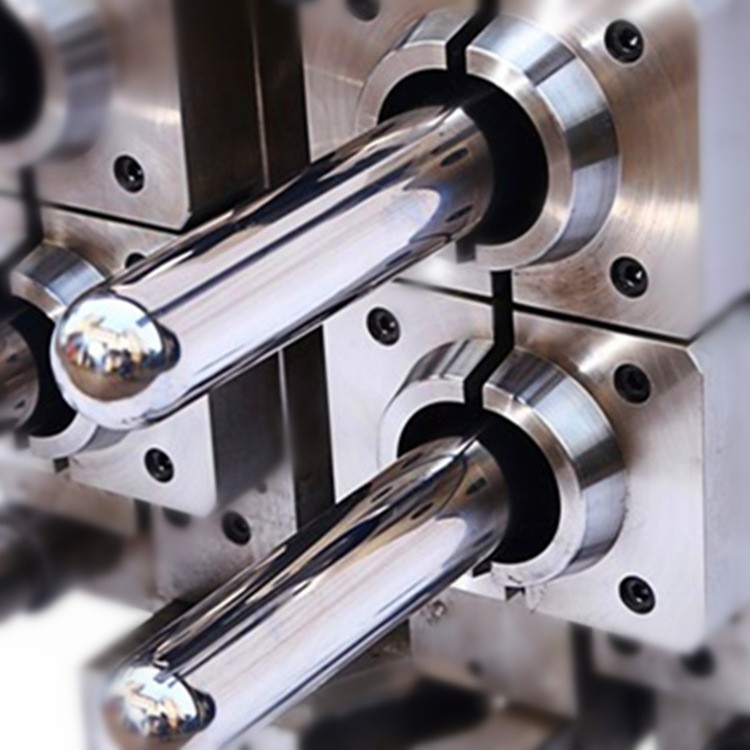
Mould Specifications Product : Preform Mould Brand : Taizhou QihongMould C...
See Details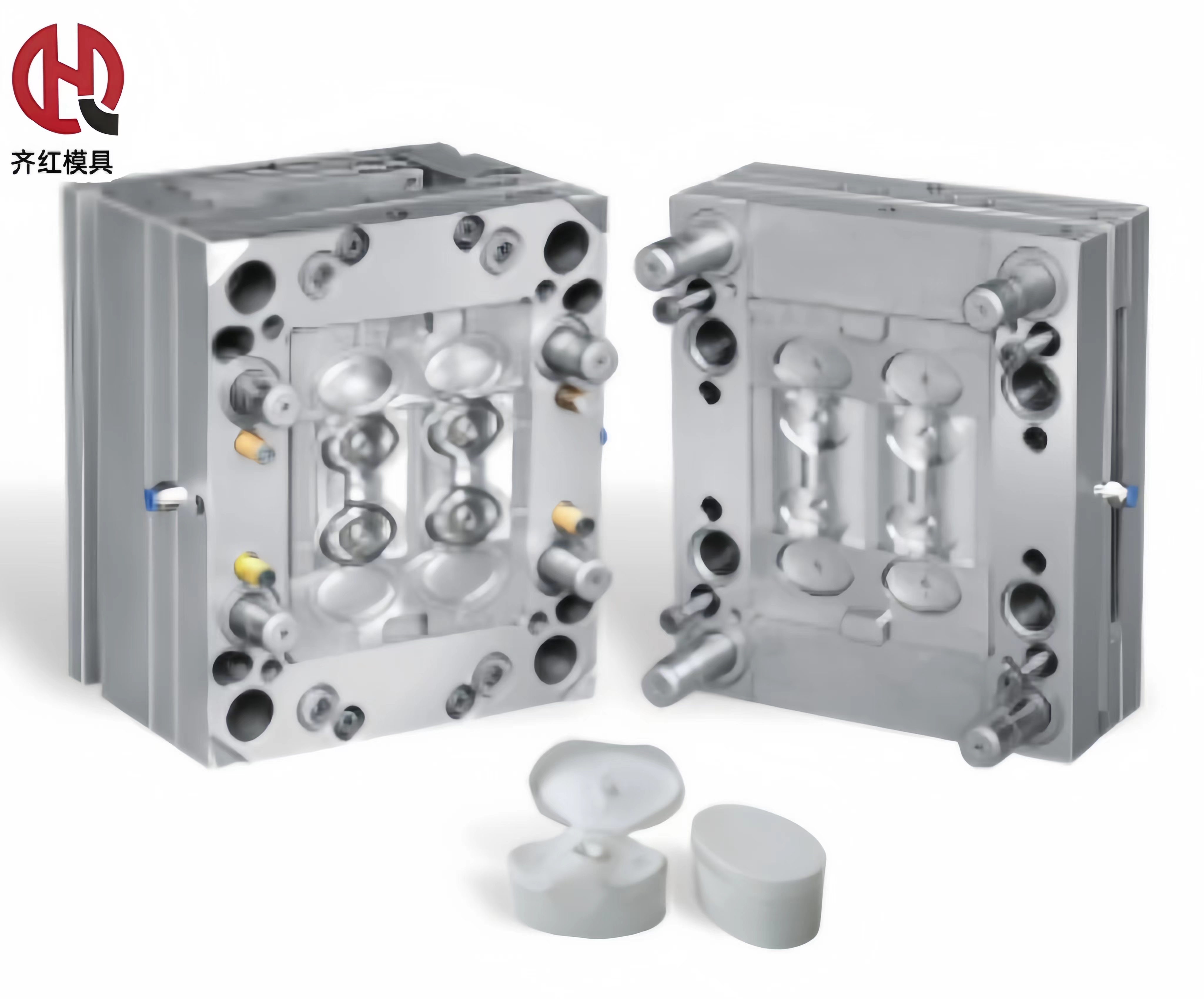
Plastic Cap Mould is designed for high precision plastic cap production. The Chi...
See Details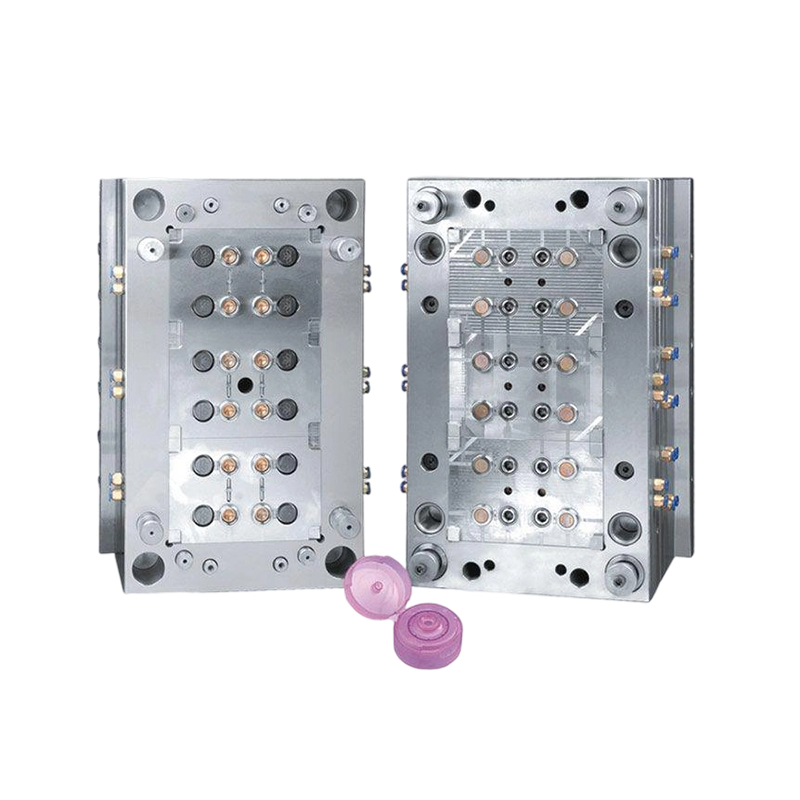
Flip Top Cap also know as Flip Top Caps & Cap mould Stopper Cap is one of ty...
See Details
WhatsApp:+(86) 13957659071 / +(86) 18158637057 / +(86) 15395760157


ADD:Baige Science and Technology Park, Huangyan District, Taizhou City, Zhejiang Province, China.