English
 русский
 عربى
عربى


72-Cavity Preform Mold(Mould)
The 72-Cavity Preform Mold(Mould) is a solid, no-nonsense choice when you need t...
See Details


Wide-mouth moulds play a quiet but important role in packaging production. They shape containers with larger openings, which are widely used in food storage, chemical packaging, and daily-use products. While the mould itself is often hidden inside production systems, its condition directly affects output stability and product appearance.
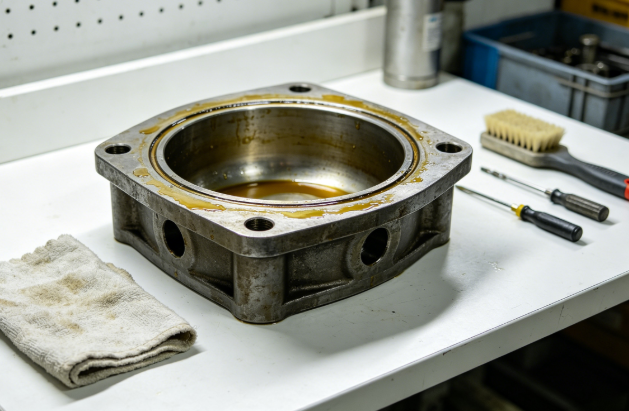
Over time, even well-designed moulds begin to show subtle changes. These changes are not always sudden. They develop gradually through repeated cycles, contact, and environmental influence.
Maintenance is not a single task. It is a continuous process that helps keep the mould in a steady working condition over a long period of use.
A mould is not a static tool. It works under repeated pressure, heat variation, and constant movement. Each cycle leaves a small imprint on its internal condition.
Without regular attention, small changes can build up. Surfaces may lose smoothness. Alignment may shift slightly. These changes do not always stop production, but they can affect consistency.
In wide-mouth moulds, the opening structure makes precision especially important. Even slight variation can influence the final shape of the product. That is why maintenance is closely tied to long-term stability.
Daily care is often simple, but it sets the foundation for long-term performance. It is not about complex procedures. It is about consistency.
After each production cycle, the mould surface is usually checked for residue. Any remaining material is gently removed to avoid buildup. Even thin layers can influence how the next cycle behaves.
Movement points are also observed. If anything feels less smooth than usual, it may indicate early wear or minor obstruction.
The goal of daily care is not correction. It is observation and prevention.
Cleaning is more than surface maintenance. It directly affects how the mould interacts with material during operation.
If residue is left inside the mould, it may alter flow behavior in later cycles. This can lead to uneven shaping or inconsistent surface quality.
Cleaning methods vary depending on usage conditions, but the principle remains the same: remove buildup without affecting the mould surface.
A gentle and consistent approach helps preserve internal smoothness. Harsh or irregular cleaning may create new issues instead of solving existing ones.
Inspection is often where small issues are first noticed. It involves looking at the mould with attention rather than assumption.
Instead of focusing only on visible damage, inspection includes checking alignment, surface condition, and movement stability.
Some changes are subtle. A slight difference in contact points or movement resistance may indicate early wear. These signals are easy to overlook if inspection is rushed.
Regular inspection helps create a clearer understanding of how the mould is changing over time.
Movement parts in a wide-mouth rely on smooth interaction. Without proper lubrication, friction increases gradually.
This friction does not always cause immediate problems. Instead, it slowly influences how components move against each other. Over time, this can affect alignment and smoothness.
Lubrication helps maintain balance in these moving areas. It reduces resistance and supports more stable operation during repeated cycles.
However, the key is not excess. Too much can attract unwanted buildup. The focus is steady and controlled application.
Long-term use introduces gradual changes that are not always visible at the beginning.
Some common challenges include:
These issues do not usually appear all at once. They develop slowly through continued operation.
What makes them important is not their size, but their accumulation. Small variations, when repeated, can influence overall performance.
When a mould is not in use, its condition still needs attention. Storage is part of maintenance, even if it is often overlooked.
A stable environment helps reduce unnecessary exposure to moisture and dust. These elements may not cause immediate damage, but they can influence surface condition over time.
Proper positioning during storage also matters. A stable resting position helps avoid pressure on specific areas.
Storage is not passive. It is part of preserving the mould's working condition between production periods.
Maintenance is not only about the mould itself. It is also shaped by how it is used.
Consistent operation tends to produce more predictable wear patterns. Irregular handling may create uneven stress.
Smooth transitions between cycles help reduce sudden pressure changes. This allows the mould to work in a more stable rhythm.
Operator awareness also plays a role. Small adjustments during use can reduce strain and extend working condition.
While maintenance approaches vary, certain points are commonly observed:
| Area of Focus | What Is Checked | Purpose in Long-Term Use |
|---|---|---|
| Surface condition | Smoothness and residue | Maintain consistent shaping |
| Movement points | Resistance and alignment | Support stable operation |
| Cleaning state | Presence of buildup | Prevent flow disruption |
| Wear patterns | Uneven changes over time | Detect early variation |
| Storage condition | Environment and positioning | Reduce idle deterioration |
This kind of structure helps keep maintenance organized without making it overly complicated.
Most mould issues do not appear suddenly. They start as small variations.
A slight change in surface behavior. A minor difference in movement. A small delay in response.
Individually, these signs may seem unimportant. Over time, they can influence production consistency.
Early detection allows adjustments before these changes become harder to manage. It shifts maintenance from reaction to awareness.
Maintenance does not rely on large actions. It relies on steady attention.
A mould that receives regular light care often performs more stably than one that is only checked occasionally.
Consistency helps prevent buildup of small issues. It keeps the system closer to its intended condition over time.
This approach reduces unexpected changes and supports smoother long-term operation.
As time passes, maintenance habits begin to influence overall system behavior.
A well-maintained mould tends to show fewer fluctuations. Its output remains more predictable. Adjustments become less frequent.
A neglected mould may still operate, but with increasing variation. Small inconsistencies can appear more often.
Long-term stability is not only a result of design. It is also a reflection of how the mould is treated throughout its working life.
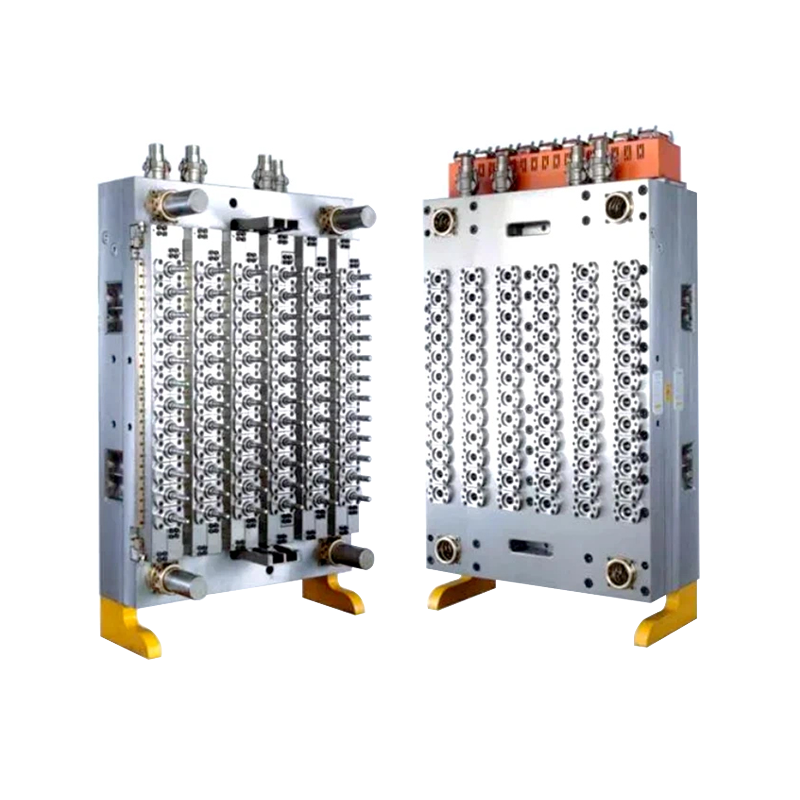
The 72-Cavity Preform Mold(Mould) is a solid, no-nonsense choice when you need t...
See Details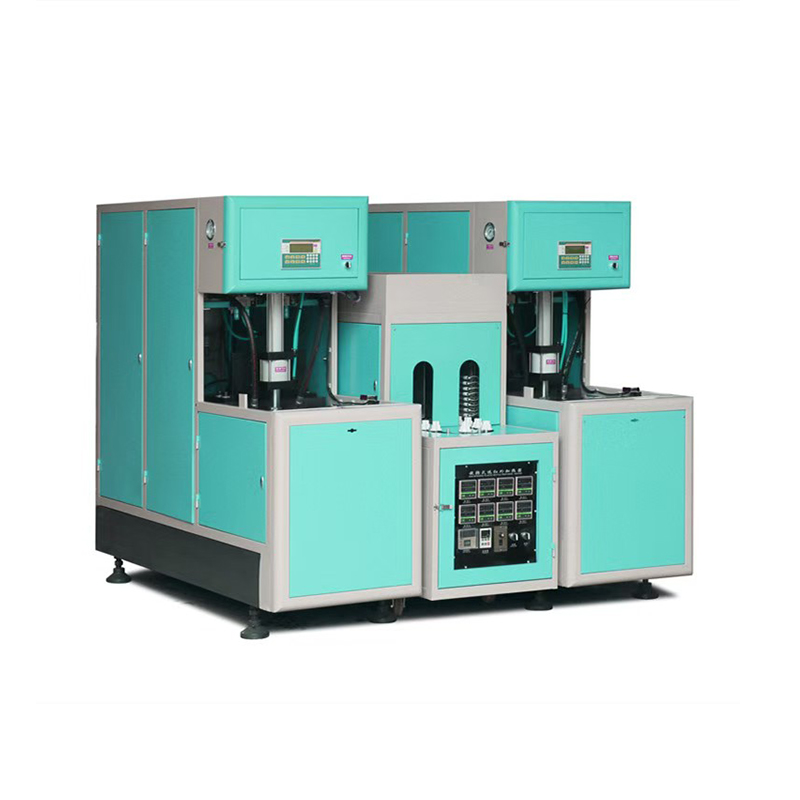
Semi-Automatic Blowing Machines are specialized machines used in the production ...
See Details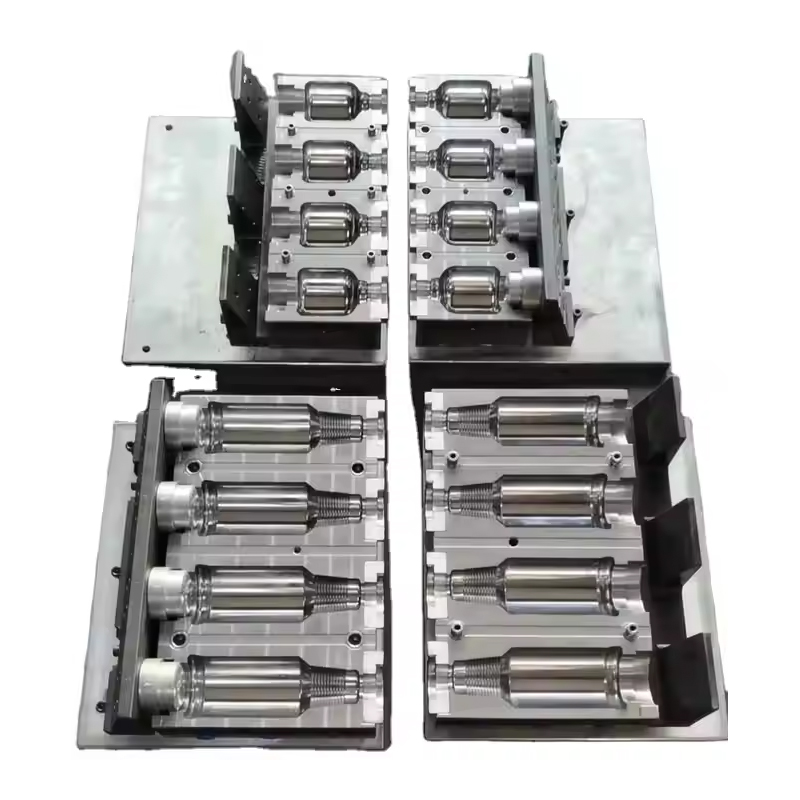
Our Cosmetic Bottle Mold is engineered for precision, reliability, and durabilit...
See Details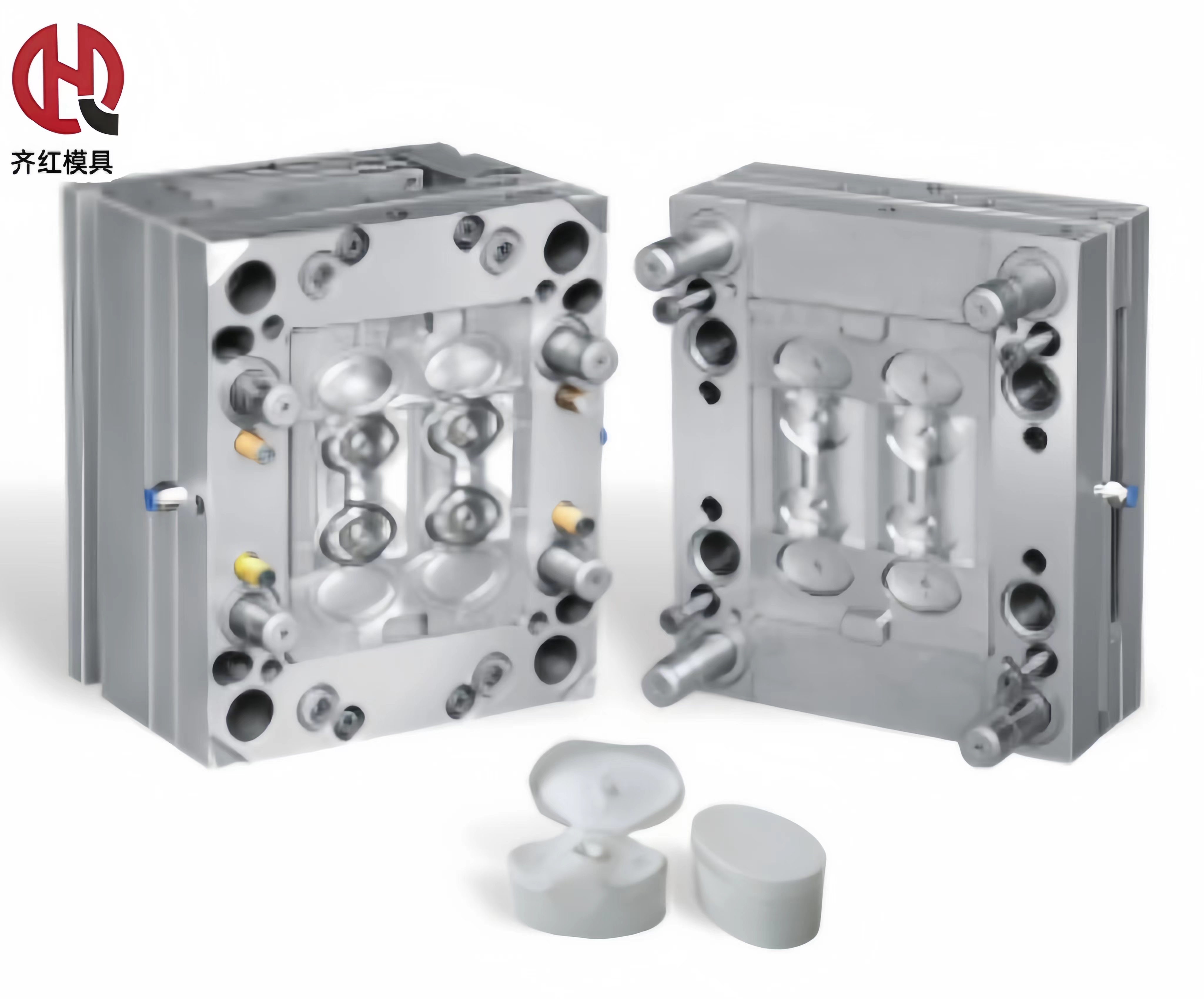
Plastic Cap Mould is designed for high precision plastic cap production. The Chi...
See Details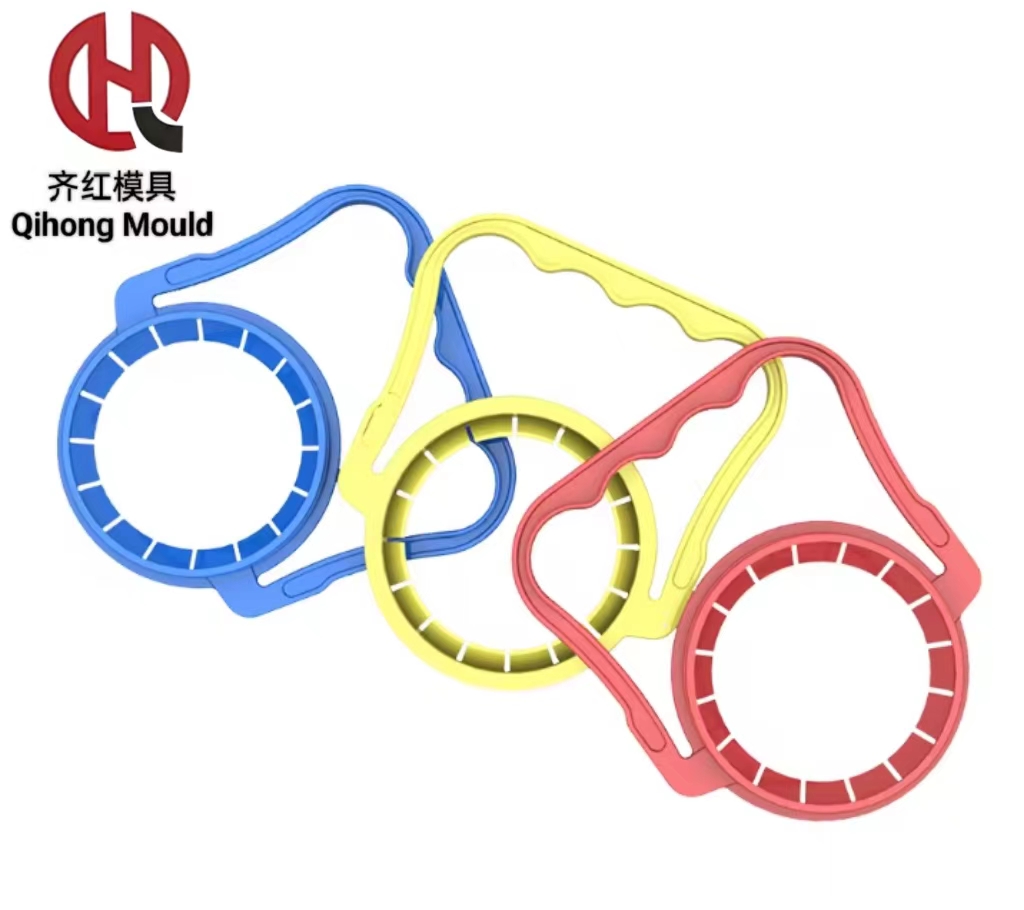
Mould Specifications Product : Plastic Handle Mould Brand : Taizhou Qihong...
See Details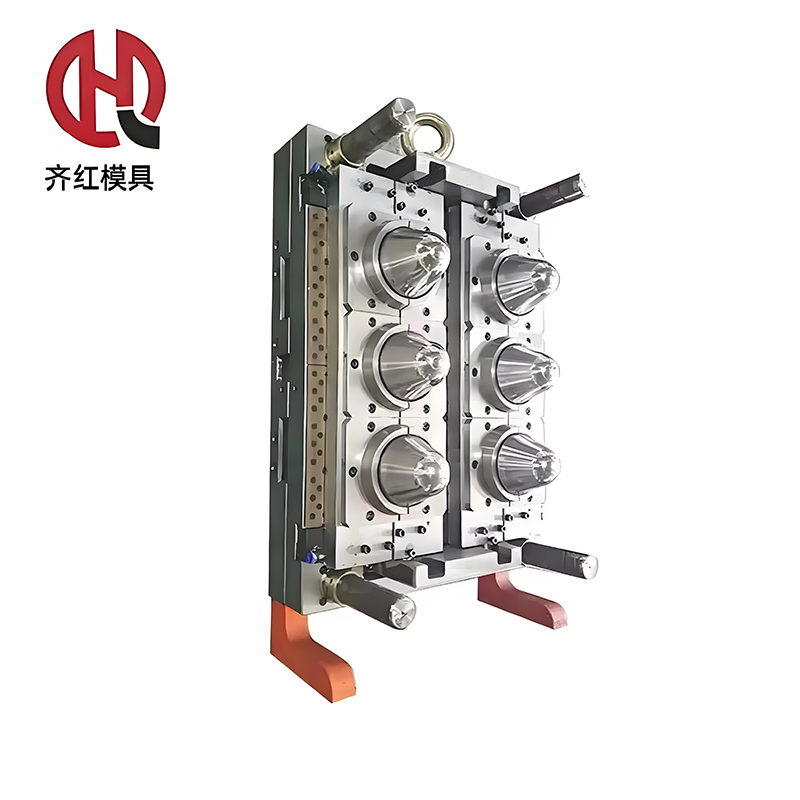
Water and beverage preform mold, Edible oil preform mold, Preform Mold for cosme...
See Details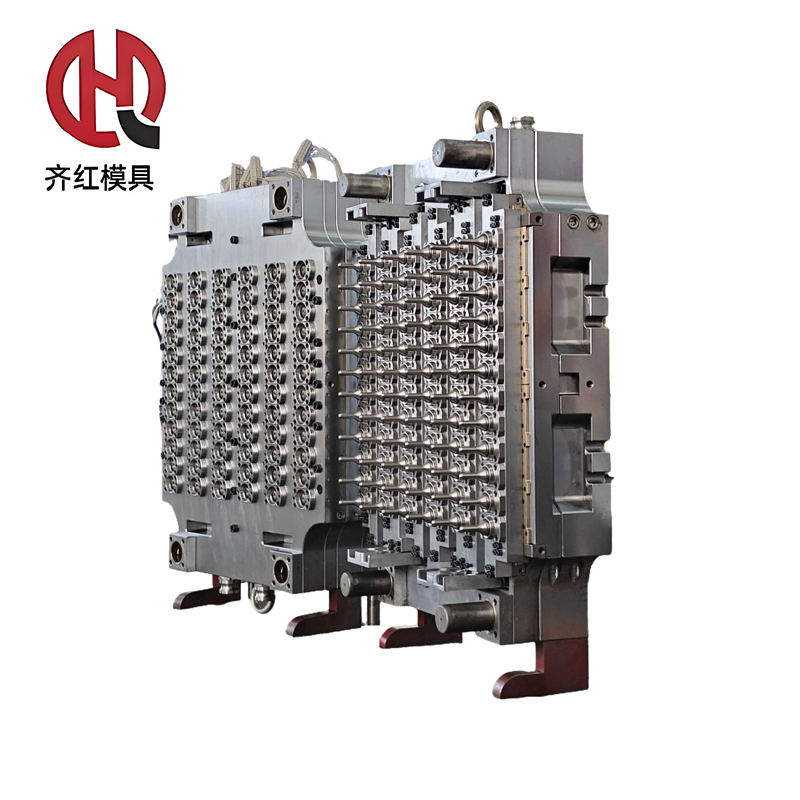
Standardization of mold partsHigh-precision processing equipment is used to ensu...
See Details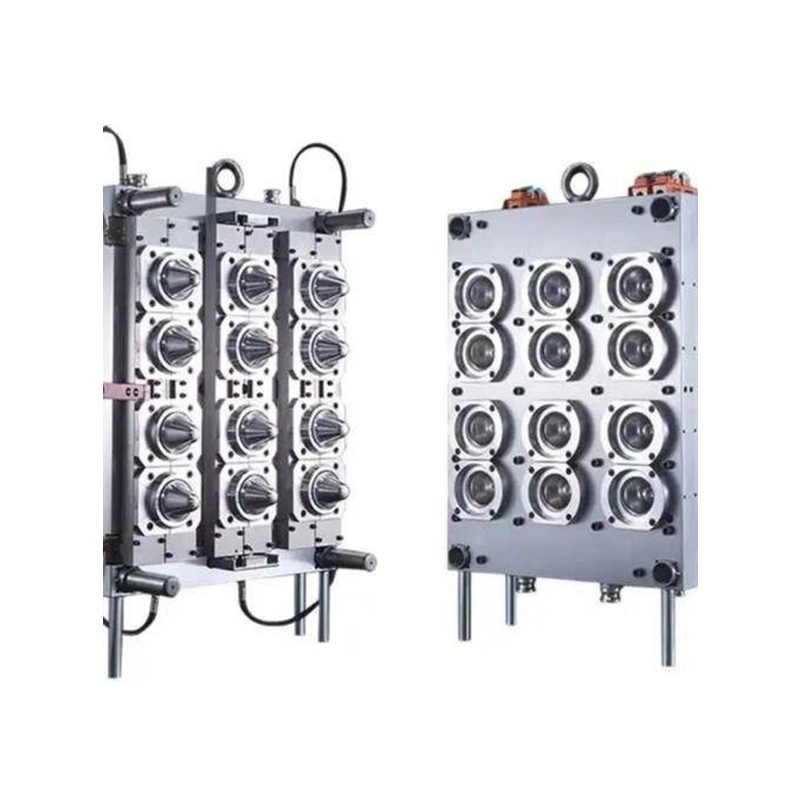
The 12 Cavities Wide Mouth Preform Moulds from Qihong are practical tools for pr...
See Details
WhatsApp:+(86) 13957659071 / +(86) 18158637057 / +(86) 15395760157


ADD:Baige Science and Technology Park, Huangyan District, Taizhou City, Zhejiang Province, China.