English
 русский
 عربى
عربى


48-Cavity Preform Mold(Mould)
The Qihong 48-Cavity Preform Mold(Mould) is the ideal choice for high-volume PET...
See Details


In packaging production, Plastic Preform Moulds often pass through many hands before they become finished containers. Yet their shape, clarity, and consistency are largely defined much earlier, inside the mould. The mould does not only give form. It also influences how smoothly production runs, how stable the output remains, and how often adjustments are needed.
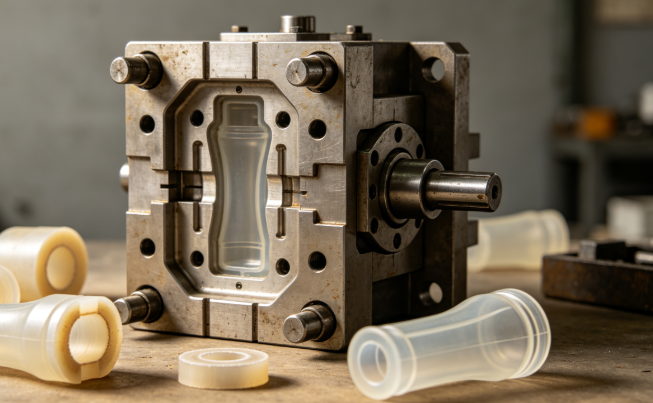
When performance begins to shift, the cause is rarely a single issue. It is usually a mix of small factors that interact over time. Some relate to design. Others come from daily operation. Many develop quietly and only become visible after repeated cycles.
Looking at these factors one by one helps reveal how performance is shaped, and why maintaining it requires more than a fixed setup.
The starting point is always design. Even before production begins, the structure of the mould sets the tone for everything that follows.
A well-thought-out layout supports even distribution. It allows material to move in a balanced way. It also helps reduce stress during forming. When the design lacks balance, small inconsistencies can appear early and persist throughout use.
Shape details matter as well. Smooth transitions tend to support steady flow, while abrupt changes may create uneven behavior. Over time, these differences influence how each preform looks and feels.
Design is not just about geometry. It also reflects decisions about spacing, alignment, and how different sections interact. Once the mould enters production, these decisions are not easy to change. That is why early planning carries long-term weight.
Material flow is often described as a moving process, but inside the mould it behaves more like a guided path. The way it travels affects how evenly each cavity fills.
If flow paths are balanced, the result tends to be more uniform. If one area receives material faster than another, differences begin to form. These may appear as slight variations in shape or surface.
Flow is sensitive to small changes. Even a minor shift in direction or resistance can alter how material spreads. Over time, repeated cycles can amplify these effects.
Controlling flow is less about forcing it into place and more about guiding it through a stable path. When that path is clear and consistent, performance becomes easier to maintain.
Temperature influences nearly every stage of the moulding process. It affects how material moves, how it settles, and how it holds its shape after forming.
If temperature is uneven across the mould, some areas may cool faster than others. This can lead to slight differences between preforms. While these differences may seem small, they can affect later stages of production.
Maintaining a stable temperature is not only about setting a value. It involves keeping conditions consistent over time. External factors, such as surrounding environment or continuous operation, can shift that balance.
When temperature remains steady, the mould behaves more predictably. When it fluctuates, performance tends to follow the same pattern.
Many moulds contain multiple cavities, each producing a preform at the same time. In theory, all cavities should behave in the same way. In practice, small differences often appear.
The arrangement of cavities plays a role here. If spacing or alignment varies slightly, it may influence how material reaches each cavity. Over time, this can lead to uneven output.
Balancing multiple cavities requires careful attention. It is not enough to design them identically. Their interaction within the mould must also be considered.
Even when the system appears stable, monitoring remains important. Subtle changes can develop gradually, making early detection valuable.
Once the mould is in use, daily operation begins to shape its behavior. Each cycle adds a small amount of wear. Each adjustment introduces a slight variation.
Operators often develop a feel for how the system responds. They may notice patterns that are not immediately visible in data or measurements. This human observation plays a quiet but important role.
Consistency in operation helps maintain stability. When conditions change frequently, the mould may take time to settle into a steady rhythm.
Routine handling also matters. Careful opening, closing, and cleaning can extend the mould's working condition. Rough handling, even if unintentional, may lead to gradual decline.
Maintenance is often seen as a scheduled task, but in practice it is a continuous process. It involves watching for small signs and acting before they grow.
Surface wear is one example. Over time, repeated use can affect how smoothly material moves within the mould. Even slight changes in surface condition may influence the final result.
Cleaning is another factor. Residue or buildup can interfere with normal operation. Regular attention helps keep the system running in a predictable way.
Inspection goes beyond looking for obvious damage. It includes checking alignment, ensuring components remain secure, and noticing early signs of variation.
When maintenance becomes part of daily awareness, performance tends to remain more stable.
The mould does not operate in isolation. Its surroundings also play a role.
Changes in ambient conditions can influence temperature stability. Movement or vibration from nearby equipment may affect alignment over time. Even small shifts in the working environment can have subtle effects.
These influences are often gradual. They may not cause immediate issues, but they can alter how the mould behaves across many cycles.
Being aware of the environment helps in understanding why performance may change without any direct modification to the mould itself.
Over time, even a well-designed mould begins to change. Wear develops. Surfaces lose their original condition. Small differences become more noticeable.
These changes do not always appear suddenly. They build slowly, often going unnoticed at first. As they grow, they can affect consistency and require more frequent adjustments.
Long-term use also reveals how well the original design adapts to real conditions. Some designs remain stable with minimal intervention. Others require ongoing attention to maintain performance.
Recognizing these patterns helps in planning maintenance and deciding when adjustments are needed.
One of the more complex aspects of mould performance is how different factors influence each other.
A slight temperature shift may affect material flow. A change in flow may highlight differences between cavities. Wear in one area may alter how the system balances overall.
These interactions mean that performance issues rarely have a single cause. Instead, they emerge from a combination of influences.
Understanding this interconnected nature helps avoid oversimplified solutions. It encourages a broader view, where adjustments consider the system as a whole.
A balanced system does not mean everything is identical at all times. Instead, it means variations remain within a range that does not disrupt production.
The following table outlines how different factors relate to performance:
| Factor | Influence on Performance | Typical Challenge |
|---|---|---|
| Design structure | Sets initial balance | Hard to adjust after production |
| Material flow | Affects uniform filling | Sensitive to small changes |
| Temperature control | Shapes stability and form | Can fluctuate over time |
| Cavity arrangement | Impacts consistency across output | Requires ongoing monitoring |
| Daily operation | Influences repeatability | Depends on handling practices |
| Maintenance | Preserves working condition | Needs continuous attention |
| Environment | Affects external stability | Often overlooked |
| Long-term use | Gradually changes behavior | Leads to wear-related variation |
This overview shows how performance is built from multiple layers rather than a single element.
Maintaining mould performance is not about reaching a fixed point and staying there. It is about adapting to small changes as they appear.
Each cycle, each adjustment, and each external influence adds to the system's behavior. Over time, these factors shape how stable or variable the output becomes.
Operators, technicians, and designers all contribute to this process. Their combined attention helps keep the system aligned with production needs.
Rather than viewing performance as a static result, it is more useful to see it as something that evolves. Understanding the factors behind it makes that evolution easier to manage.
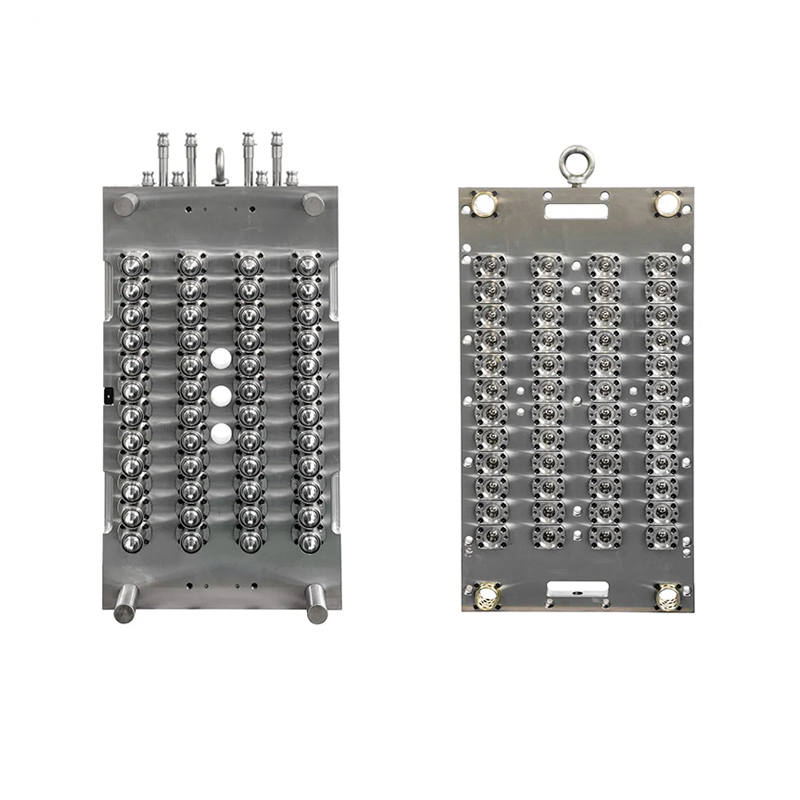
The Qihong 48-Cavity Preform Mold(Mould) is the ideal choice for high-volume PET...
See Details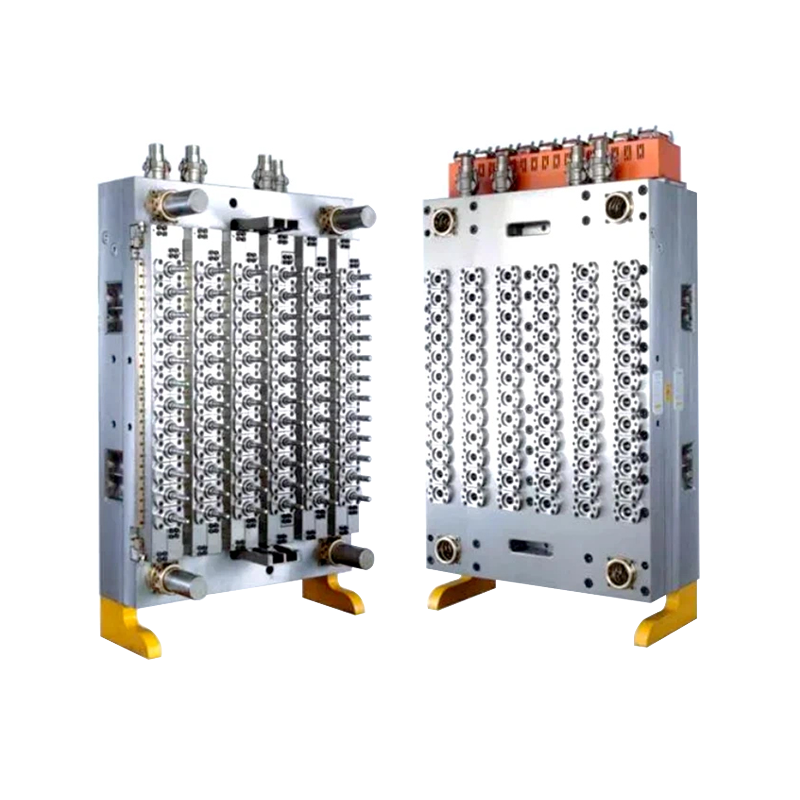
The 72-Cavity Preform Mold(Mould) is a solid, no-nonsense choice when you need t...
See Details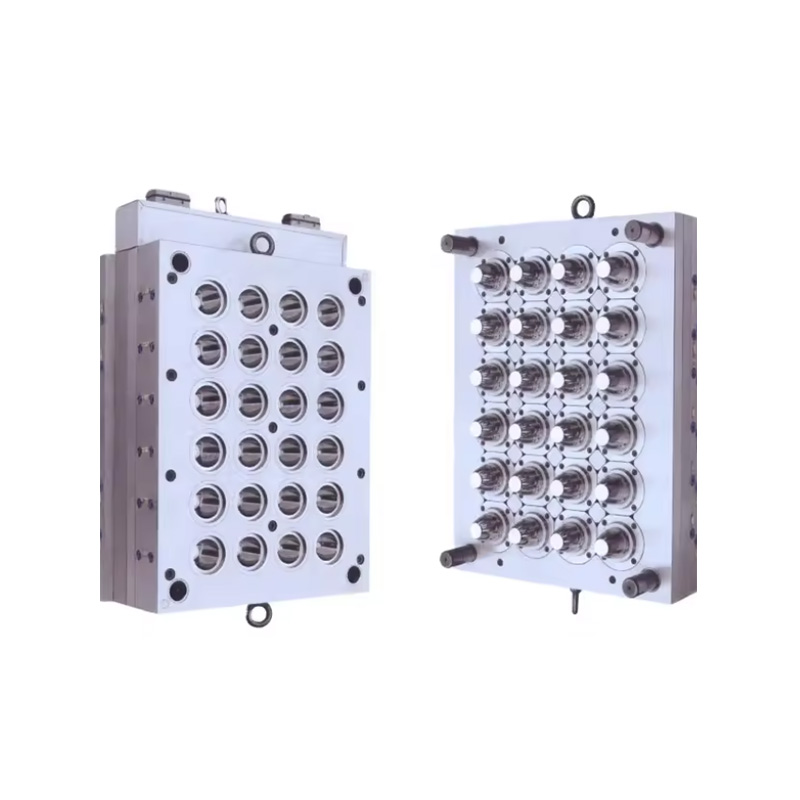
A Bottle Cap Mold is a precision tool used in the manufacturing of bottle caps. ...
See Details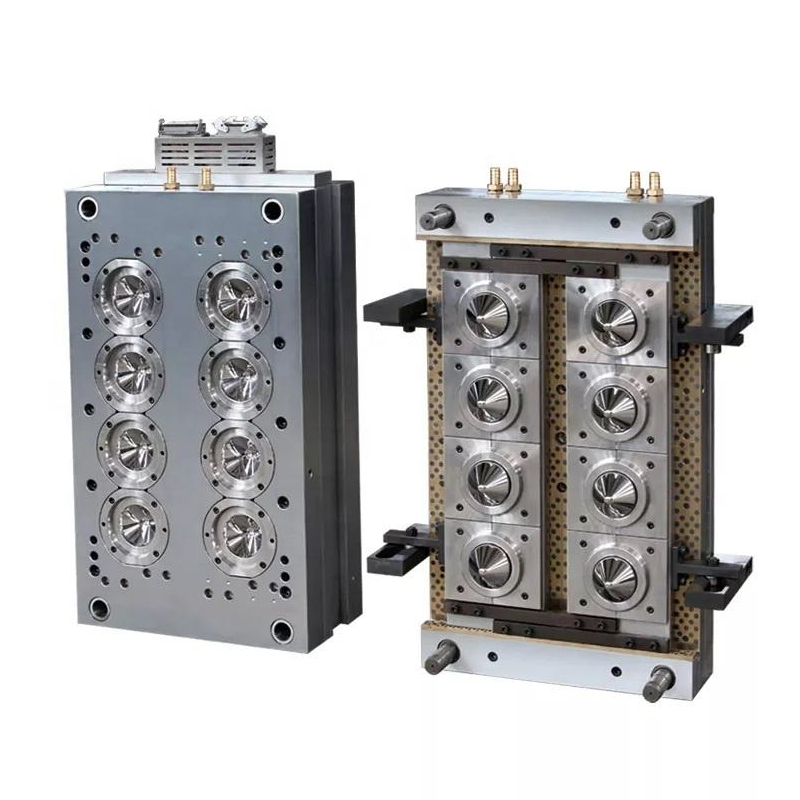
The 8-cavity wide-mouth mold is designed to produce plastic containers with larg...
See Details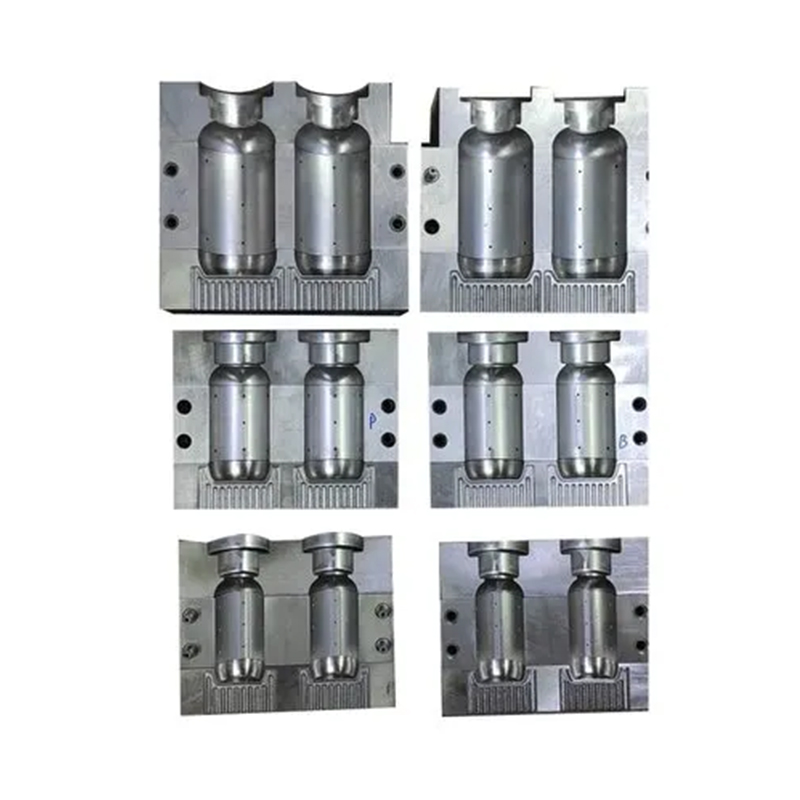
Medicine bottle molds are specialized tools designed for the efficient productio...
See Details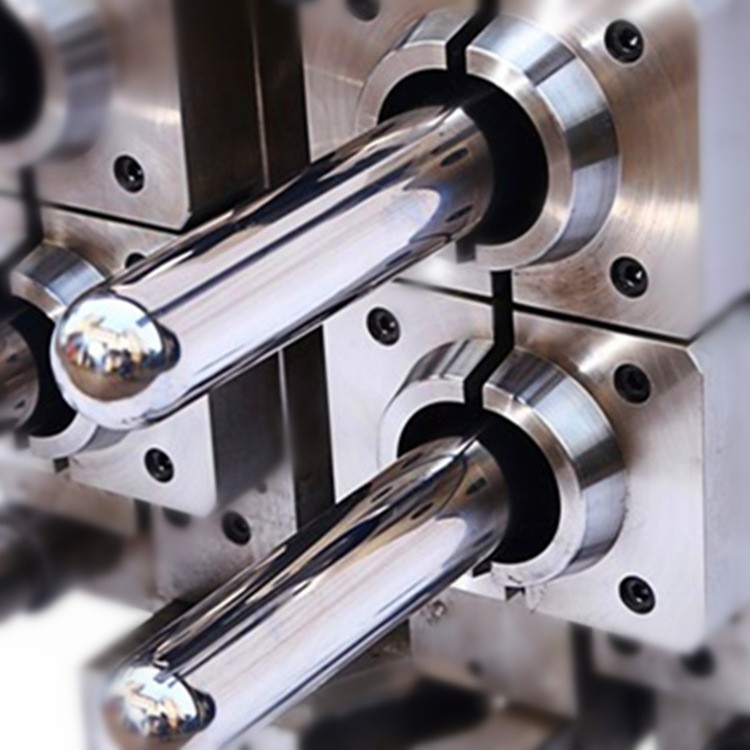
Mould Specifications Product : Preform Mould Brand : Taizhou QihongMould C...
See Details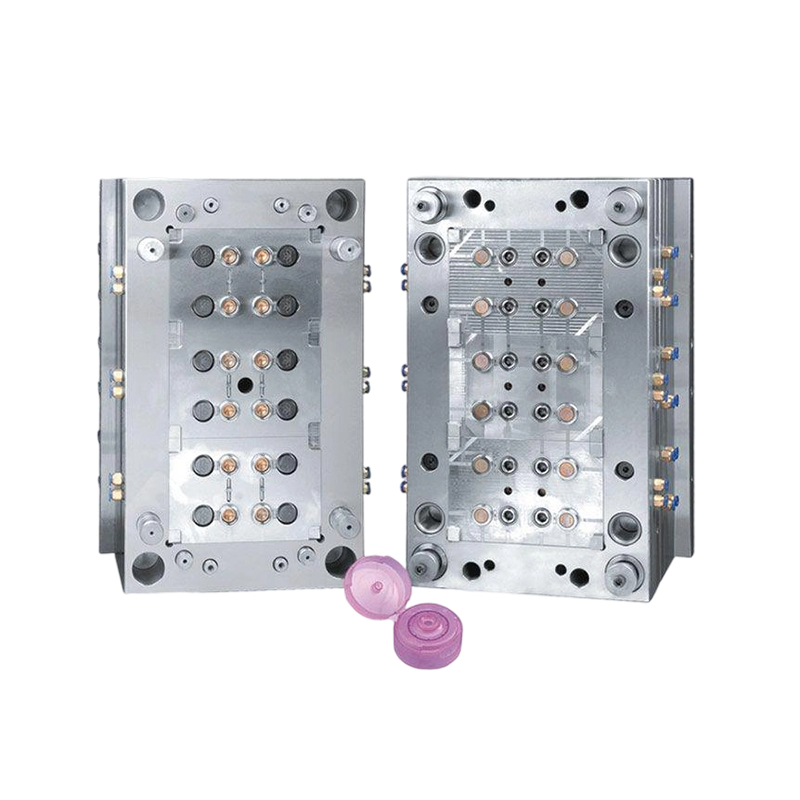
Flip Top Cap also know as Flip Top Caps & Cap mould Stopper Cap is one of ty...
See Details
Spout Cap Mould is a EVA inner part of oil cap, match for 42mm pull out closure....
See Details
WhatsApp:+(86) 13957659071 / +(86) 18158637057 / +(86) 15395760157


ADD:Baige Science and Technology Park, Huangyan District, Taizhou City, Zhejiang Province, China.