English
 русский
 عربى
عربى


72-Cavity Preform Mold(Mould)
The 72-Cavity Preform Mold(Mould) is a solid, no-nonsense choice when you need t...
See Details


In modern manufacturing, mould design is rarely a fixed formula. Production needs shift. Product shapes change. Output expectations rise and fall. In this moving environment, moulds with different cavity numbers have become a common choice.
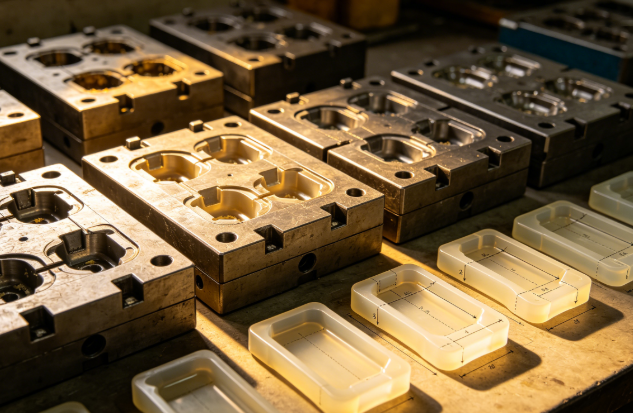
At a glance, increasing or reducing cavity numbers seems like a straightforward adjustment. More cavities suggest higher output. Fewer cavities suggest tighter control. Yet the reality is more layered. Each choice brings a set of trade-offs that affect workflow, consistency, and long-term use.
The challenges do not always appear at once. Some surface during setup. Others become visible only after extended operation. Understanding these issues helps explain why cavity selection is often treated as a careful balancing act rather than a simple decision.
On paper, cavity number sounds like a clear variable. Add more cavities, produce more parts per cycle. Reduce cavities, simplify the process.
In practice, each added cavity introduces new interactions within the mould. Flow paths become more distributed. Small differences between cavities begin to matter. Even slight variations can influence how evenly parts are formed.
This complexity makes it harder to predict outcomes based only on design intent. What works well in a small setup may behave differently when scaled. The relationship between cavity count and performance is not always linear.
Designers often find themselves adjusting multiple elements just to support a single change in cavity number. This creates a chain effect, where one decision leads to several others.
When a mould contains several cavities, each one must perform in a similar way. That sounds simple, but maintaining that balance is not always easy.
Material needs to reach each cavity under similar conditions. If one path offers less resistance than another, it may fill faster. Over time, this can lead to uneven results. Some parts may show slight differences, even though they come from the same mould.
Balancing is not only about initial setup. Conditions shift during operation. Temperature changes, wear develops, and small deviations grow. These shifts can disturb the balance that once seemed stable.
Keeping all cavities aligned in performance requires ongoing attention. It is less about achieving perfect balance and more about managing small differences before they become noticeable.
Consistency is one of the main goals in any production process. With multiple cavities, maintaining that consistency becomes more demanding.
Each cavity is part of a shared system, but it also behaves like an individual unit. Slight differences in surface condition, alignment, or wear can affect the final result.
When output increases, monitoring each cavity becomes more difficult. Inspecting one part may not reveal issues present in another. This makes quality control more complex.
Operators often rely on patterns rather than isolated checks. If one cavity begins to produce slightly different parts, it may take time before the pattern becomes clear. By then, a number of parts may already be affected.
Stability is not always visible at the start. A system may run smoothly during early cycles, then show variation later.
With fewer cavities, the process tends to be easier to manage. There are fewer variables interacting at once. When the number increases, the system becomes more sensitive to small changes.
A minor shift in one area can influence the entire mould. For example, if one cavity behaves differently, it may alter how material flows through the rest of the system.
This interconnected behavior can make troubleshooting more challenging. Instead of focusing on a single point, operators often need to consider how multiple elements interact.
It is tempting to assume that more cavities always lead to higher efficiency. In some cases, that holds true. In others, the gains are less clear.
Higher cavity counts can increase output per cycle, but they may also introduce delays in setup and adjustment. If balancing takes longer or requires frequent intervention, overall efficiency may not improve as expected.
There is also the question of downtime. When a mould with many cavities requires maintenance, the impact can be wider. A single issue may affect multiple outputs at once.
Efficiency, in this sense, is not just about speed. It includes stability, ease of operation, and how often the process needs correction.
Maintenance becomes more involved as cavity numbers increase. Each cavity adds another surface that may wear over time.
Cleaning takes longer. Inspection requires more attention. Small defects may appear in one cavity while others remain unaffected. This creates uneven wear patterns that need to be managed carefully.
Access can also become an issue. In compact designs, reaching certain areas may be difficult without partial disassembly. This adds time to routine checks and adjustments.
Over time, maintenance is not just about fixing visible problems. It is about preventing small variations from spreading across the system.
Cost is often discussed in simple terms, but with varying cavity numbers, it becomes more layered.
A mould with more cavities may require more effort during design and setup. Adjustments may take longer. Monitoring may require more time and attention.
At the same time, fewer cavities may reduce complexity but also limit output. This creates a tension between simplicity and productivity.
The real challenge lies in understanding how these factors interact over time. Short-term savings may lead to longer-term adjustments, while higher initial effort may reduce future interruptions.
Experience shapes how effectively these challenges are managed.
An experienced operator may notice subtle changes early. They may adjust conditions before differences become visible in the final product.
Less experienced teams may rely more on trial and error. This can lead to longer adjustment periods and less predictable results.
Training and familiarity with the system can make a noticeable difference. Even with the same mould, outcomes can vary depending on how it is handled.
Different setups bring different strengths and limitations. The following table offers a simple comparison:
| Cavity Configuration | General Advantage | Common Challenge |
|---|---|---|
| Low cavity count | Easier control | Lower output per cycle |
| Medium cavity count | Balanced approach | Requires careful adjustment |
| High cavity count | Higher output potential | Increased complexity and monitoring |
This comparison highlights a recurring theme. There is no single configuration that fits every situation. Each option reflects a compromise between control and scale.
In a single-cavity mould, a small variation may affect only one part at a time. In a multi-cavity setup, that same variation can repeat across multiple outputs.
This amplifies its impact. What might seem like a minor issue becomes more visible when it appears in several parts within the same cycle.
Because of this, small differences are taken more seriously in multi-cavity environments. Early detection becomes more important, and adjustments need to be more precise.
Adaptation often happens gradually. Teams develop routines that help them manage complexity without overthinking each step.
They learn which signs indicate imbalance. They become familiar with how the system responds to small changes.
Over time, the process becomes less about reacting to problems and more about anticipating them. This does not remove the challenges, but it makes them easier to handle.
Even then, changes in product design or production goals can bring new variables into play. Each adjustment may require a fresh look at how cavity numbers are used.
Cavity number is not a one-time decision. It evolves along with production needs.
As demand changes, as designs shift, and as equipment ages, the original setup may no longer fit perfectly. Adjustments become part of the process.
Some teams choose to redesign moulds. Others adapt their workflow around existing setups. Both approaches reflect the same idea: flexibility matters.
The challenge is not just choosing a cavity number, but knowing when that choice needs to be revisited.
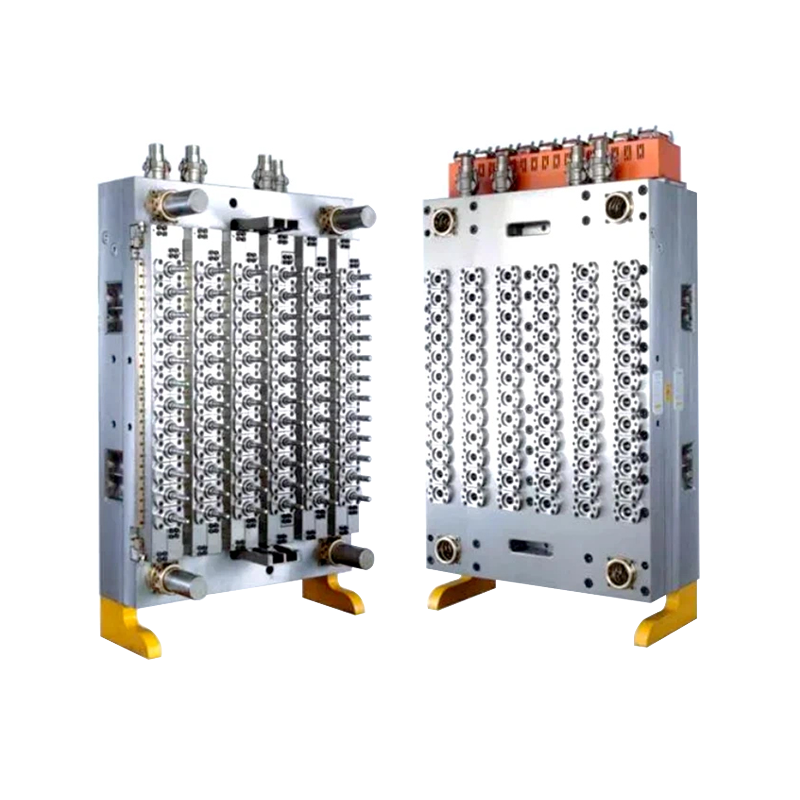
The 72-Cavity Preform Mold(Mould) is a solid, no-nonsense choice when you need t...
See Details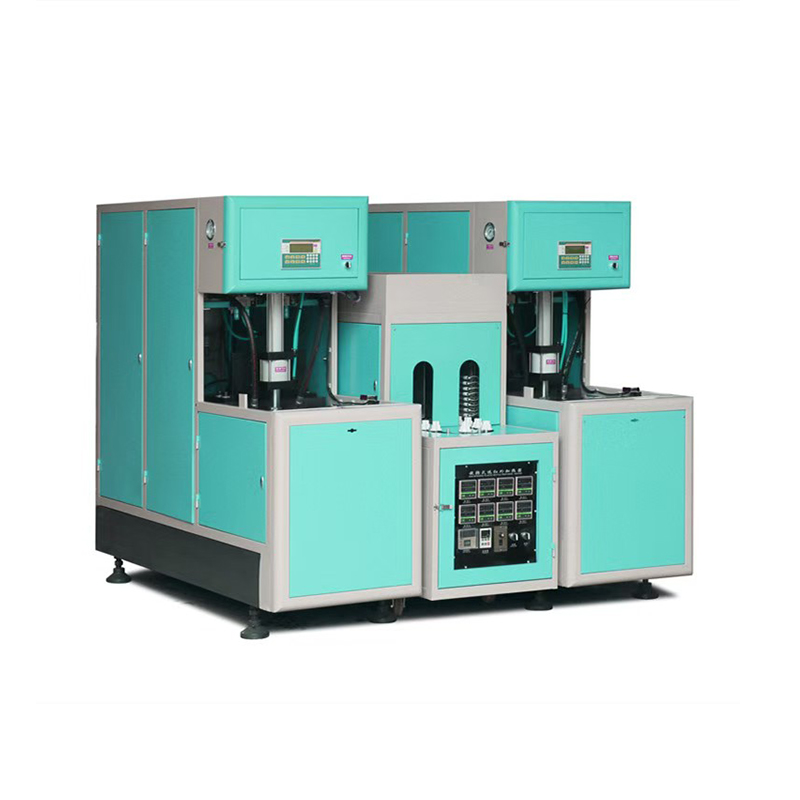
Semi-Automatic Blowing Machines are specialized machines used in the production ...
See Details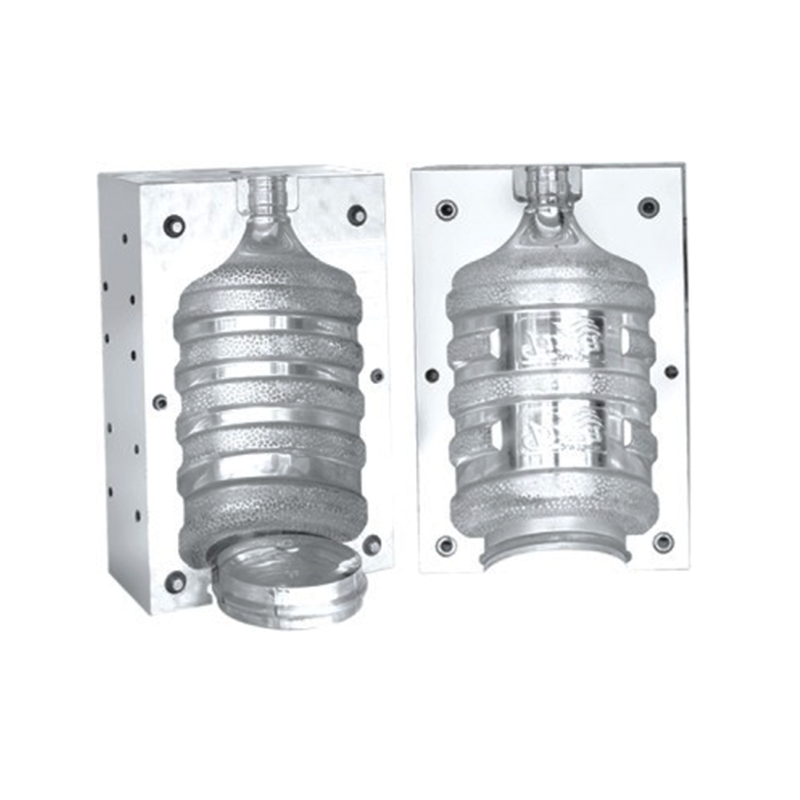
This Five Gallons Bottle Mold(Mould) comes straight out of Taizhou, Zhejiang—bui...
See Details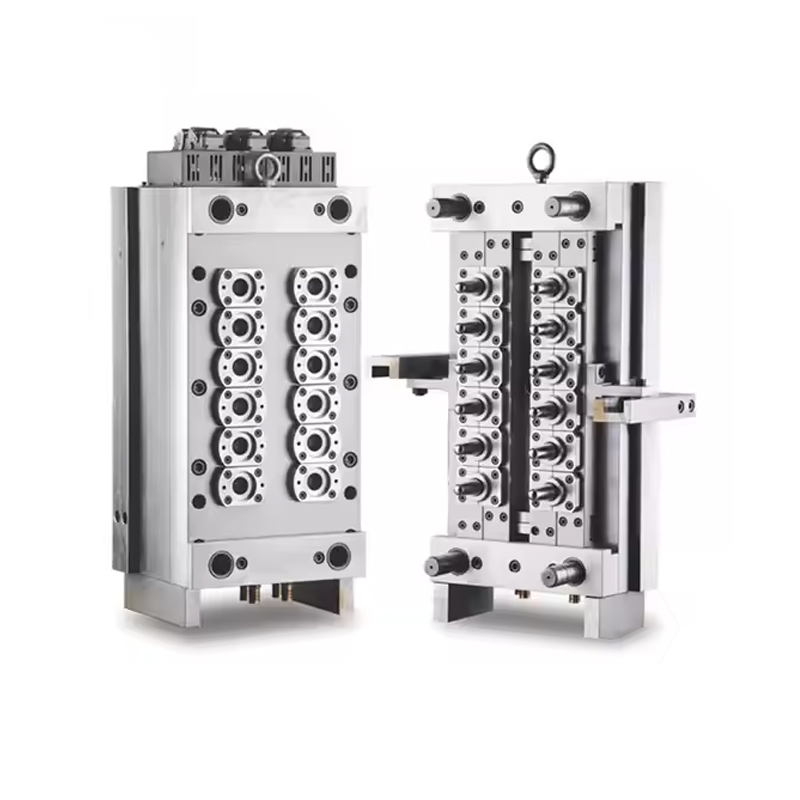
The 12-Cavity PET Preform Mold is a high-quality, durable solution designed to m...
See Details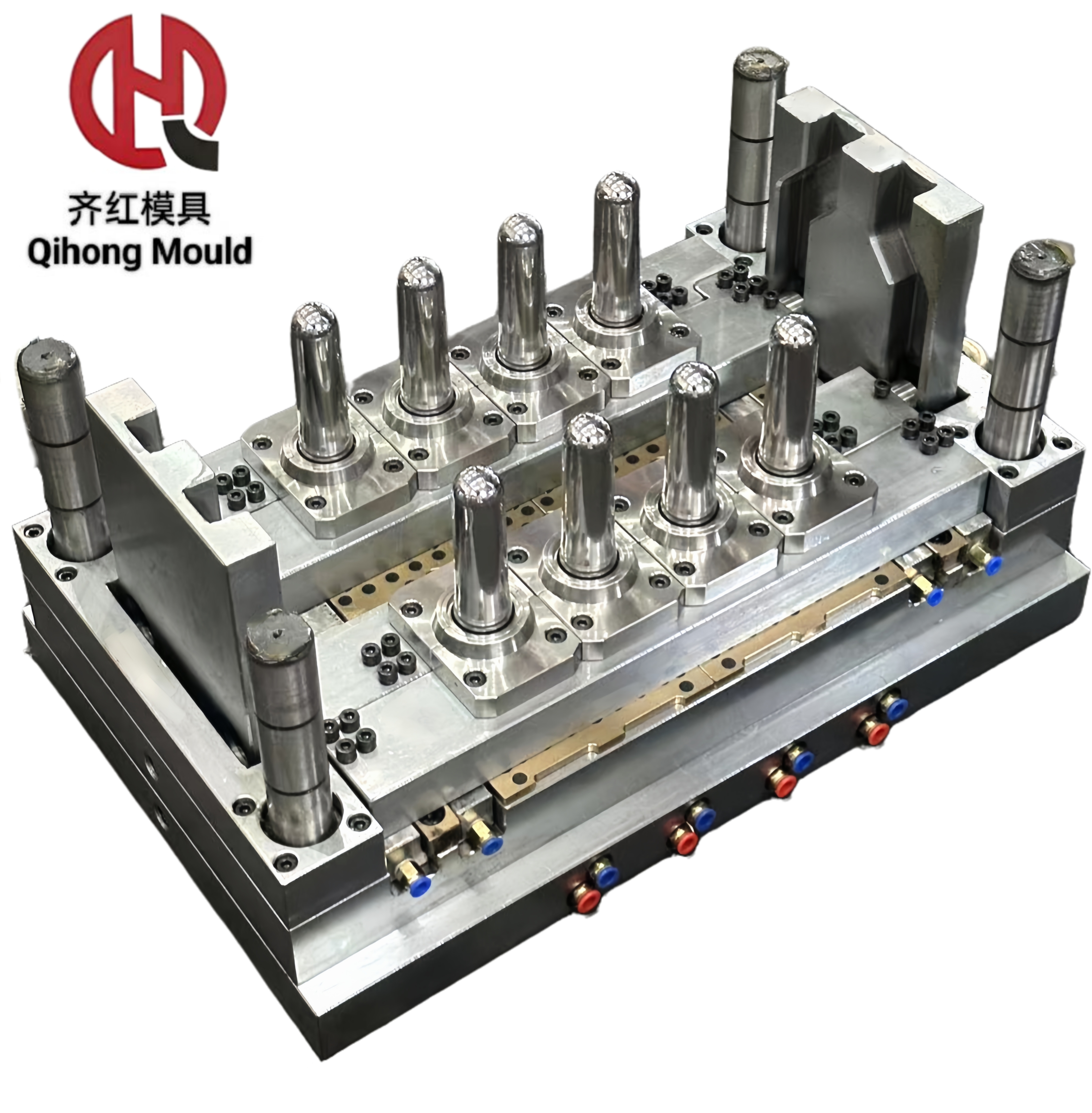
Jar Preform Mold is designed for accurate and efficient production of plastic pr...
See Details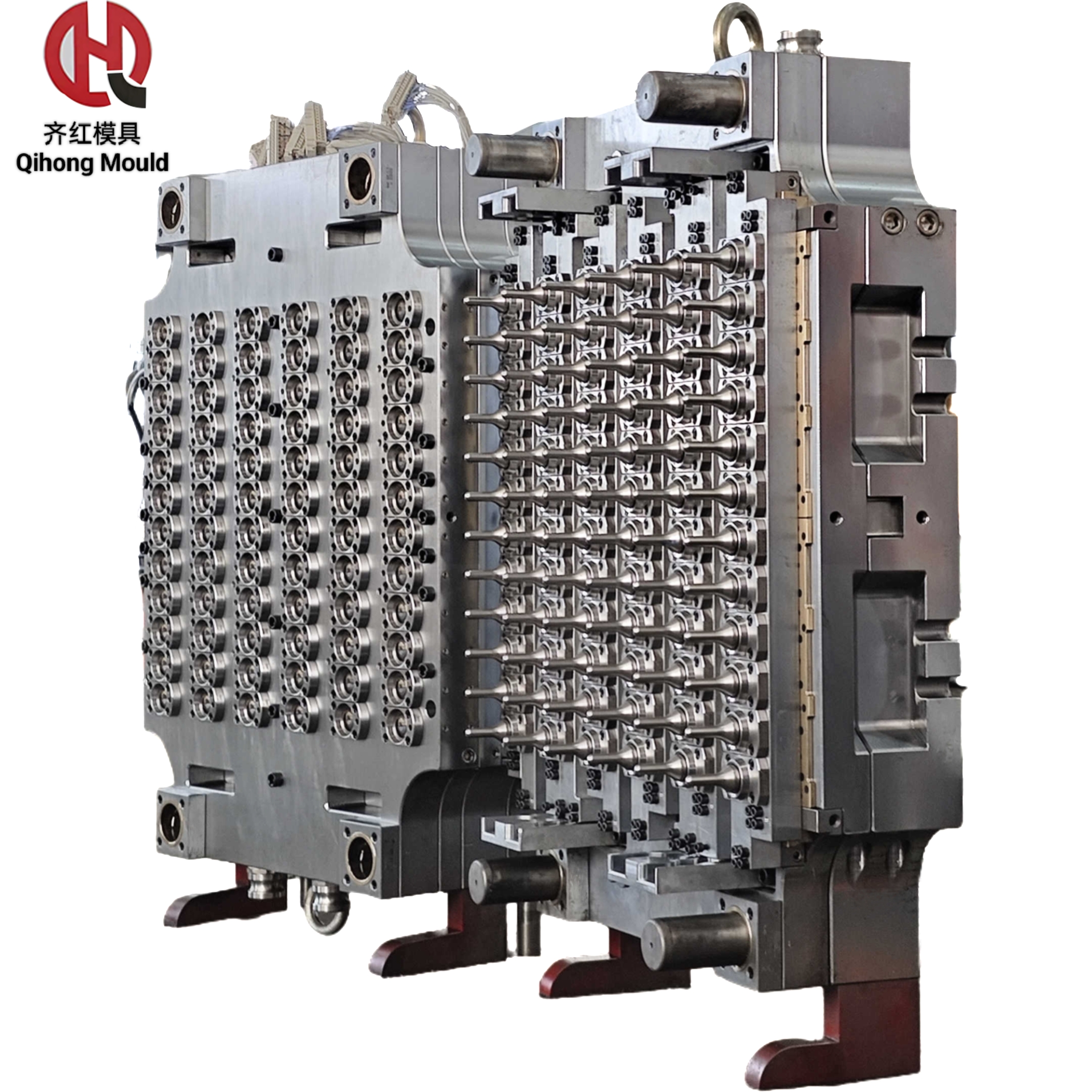
PET Preform Mold Design focuses on high precision structure and stable productio...
See Details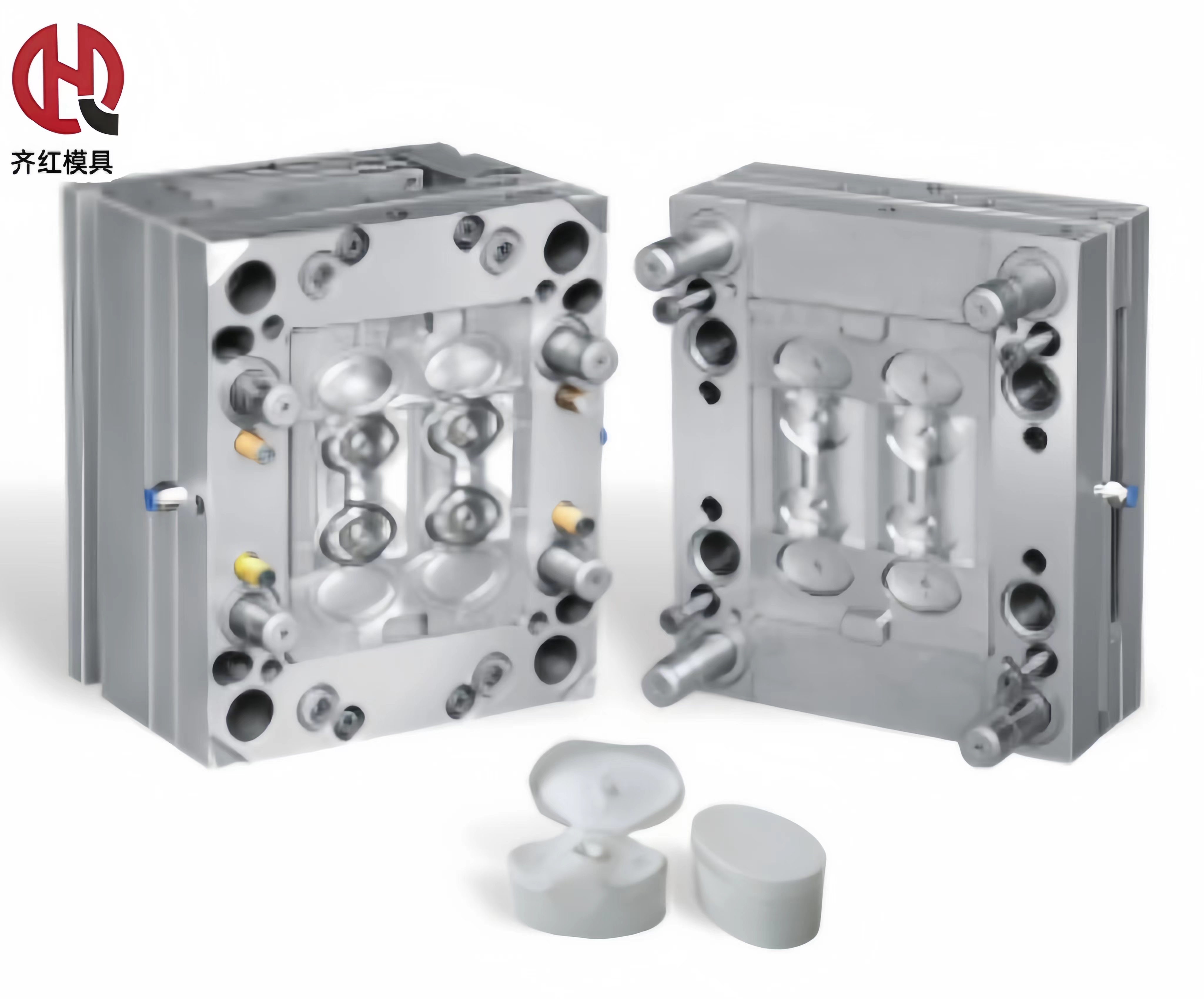
Plastic Cap Mould is designed for high precision plastic cap production. The Chi...
See Details
Mould Specifications Product : Cap Mould Brand : Taizhou QihongMould Co.,L...
See Details
WhatsApp:+(86) 13957659071 / +(86) 18158637057 / +(86) 15395760157


ADD:Baige Science and Technology Park, Huangyan District, Taizhou City, Zhejiang Province, China.