English
 русский
 عربى
عربى


12-Cavity Wide-Mouth Mold(Mould)
The 12-Cavity Wide-Mouth Mold(Mould) is made for manufacturers running wide-mout...
See Details


Choosing the right plastic preform mould is a critical step in ensuring consistent bottle quality, efficient production, and long-term cost savings. The right mould not only affects the precision and uniformity of each preform but also determines cycle times, durability, and overall manufacturing efficiency. With a wide variety of mould designs, materials, and technical features available, making the correct choice can be challenging for any production facility. So, how do you determine which plastic preform mould is the perfect fit for your bottle production needs?
A plastic preform mould is a precision-engineered tool used in the injection molding process to produce preforms—the intermediate shapes of plastic bottles. These preforms are later expanded into final bottles using blow molding. The mould determines critical features such as the bottle's wall thickness, neck finish, clarity, and overall structural integrity, making it essential for ensuring consistent product quality. High-quality moulds also optimize production efficiency by enabling faster cycle times and minimizing defects.
A high-performance plastic preform mould typically consists of the following components:
Materials used in mould construction are critical for durability and precision:
Advanced heat treatment and surface polishing enhance the mould's lifespan and ensure preforms are consistently uniform in weight, clarity, and dimension.
Choosing the right plastic preform mould is essential to ensure high-quality preforms, efficient production, and long-term operational reliability.
Bottle Design and Size Requirements
The design and dimensions of the bottle directly influence the mould selection. Preform moulds must accommodate:
Selecting a mould that aligns with your bottle design ensures consistent preform quality and reduces the risk of production defects.
Material Compatibility and Resin Types
Different resins have unique flow, cooling, and shrinkage characteristics. When selecting a mould, consider:
Proper alignment between the mould and the resin type ensures uniform wall thickness, optimal clarity, and structural integrity.
Production Volume and Cycle Time Needs
High-volume manufacturing demands efficiency without compromising quality:
Assessing your production goals helps determine the optimal mould configuration to meet output targets while maintaining preform quality.
Durability, Maintenance, and Lifespan
A mould's longevity and maintenance requirements directly affect operational cost and production stability:
Investing in a durable, low-maintenance mould ensures long-term efficiency, reduces operational risks, and improves return on investment.
|
Factor |
Key Points |
|
Bottle Design & Size |
• Volume: From small cosmetics to large beverage bottles • Neck & Cap: Accurate threads for sealing • Shape: Custom designs, ergonomic grips, branding features |
|
Material Compatibility & Resin Types |
• PET: Virgin, recycled (rPET), high-viscosity • Other plastics: PP, PC, specialty polymers • Thermal tolerance: Mould must handle injection temperatures |
|
Production Volume & Cycle Time |
• Single vs. Multi-cavity: Balance throughput & consistency • Cycle optimization: Efficient cooling, faster production • Scalability: Supports higher output without quality loss |
|
Durability, Maintenance & Lifespan |
• Material strength: High-grade steels & alloys • Maintenance: Easy to service, reduce downtime • Surface treatment: Polishing & heat treatment for long-term precision |
The performance of a plastic preform mould is determined by its technical design and engineering precision. These features directly influence preform quality, production efficiency, and long-term reliability.
Cavity Precision and Uniformity
The cavity design is critical to producing preforms with consistent dimensions, wall thickness, and structural integrity. High-precision machining ensures:
Uniform cavities are especially important for multi-cavity moulds, where any slight variation can affect multiple preforms simultaneously. Advanced CNC machining, polishing, and inspection techniques are used to achieve tight tolerances and high repeatability.
Cooling System Design for Optimal Efficiency
An effective cooling system is essential for reducing cycle times and maintaining preform quality. Key considerations include:
Well-designed cooling systems improve production efficiency while maintaining dimensional stability and optical quality, making them a critical factor in high-volume manufacturing.
Injection and Ejection Mechanisms
The injection and ejection systems ensure smooth mould operation and protect preform integrity:
Optimized injection and ejection mechanisms directly enhance mould performance, reduce production errors, and support consistent output over millions of cycles.
Plastic preform moulds are a cornerstone of modern manufacturing across multiple industries. Their precision, durability, and versatility make them essential for producing high-quality bottles and containers that meet strict performance and aesthetic standards.
Beverage Bottles: Water, Soda, Juice
Plastic preform moulds are widely used in the beverage industry to produce PET bottles for water, soda, juice, and other beverages. Key benefits include:
Efficient moulds reduce cycle time while maintaining structural integrity, making them ideal for the fast-paced demands of beverage production.
Cosmetic and Pharmaceutical Packaging
Precision-engineered preform moulds are critical for cosmetic and pharmaceutical containers, which require exact dimensions and high-quality finishes:
By using high-quality preform moulds, manufacturers ensure product safety, visual appeal, and reliability across every unit.
Specialty and Eco-Friendly Bottle Solutions
Plastic preform moulds are increasingly applied in specialty markets and sustainable packaging initiatives:
These moulds enable manufacturers to meet emerging market demands while maintaining production efficiency and product consistency.
Selecting the right plastic preform mould is not only a technical decision but also a financial one.
Initial Investment vs. Long-Term Value
Investing in a high-quality preform mould may require a higher upfront cost, but it delivers significant long-term benefits:
When evaluating mould options, it is important to consider lifecycle value rather than just initial cost, as a well-designed mould pays for itself through consistent performance and reduced operational expenses.
Maintenance, Downtime, and Replacement Costs
Ongoing costs can significantly impact overall ROI:
A mould that balances durability, precision, and maintainability maximizes ROI by maintaining high-quality output while minimizing operational disruptions and maintenance costs.
Selecting the right plastic preform mould is more than just a technical decision—it directly impacts production efficiency, product quality, and long-term operational costs. By carefully considering factors such as cavity design, material selection, cooling efficiency, and production volume, manufacturers can ensure consistent, high-quality preforms that meet market demands. For companies seeking reliable, durable, and precision-engineered moulds, Taizhou Qihong Mold Co., Ltd. offers a proven solution. With extensive experience in custom and standard plastic preform moulds, Qihong supports efficient production, reduces downtime, and helps you achieve optimal results. Is your production line ready to benefit from the expertise and quality that Taizhou Qihong Mold Co., Ltd. can provide?
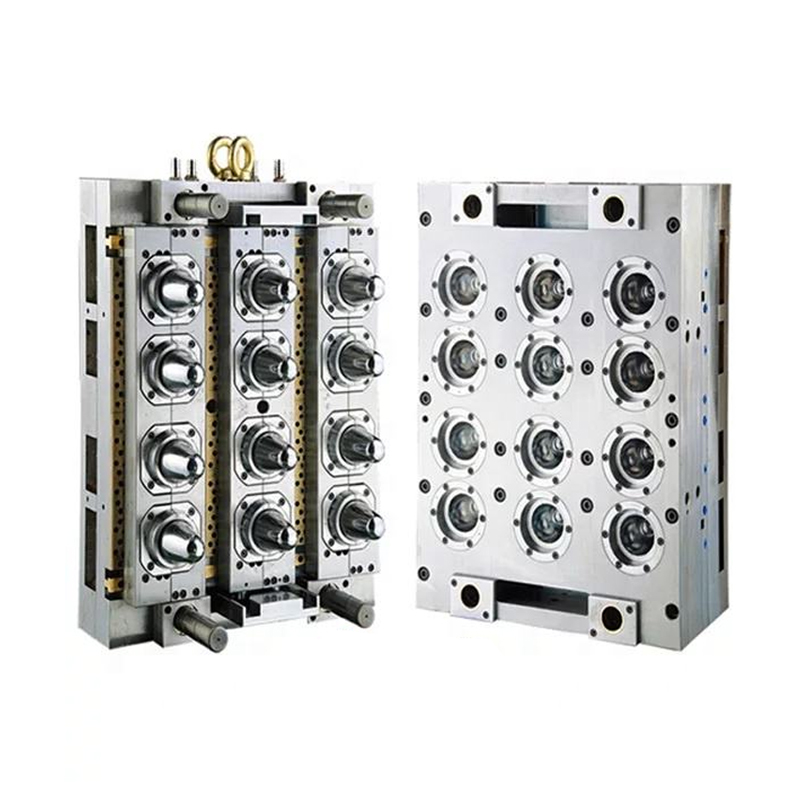
The 12-Cavity Wide-Mouth Mold(Mould) is made for manufacturers running wide-mout...
See Details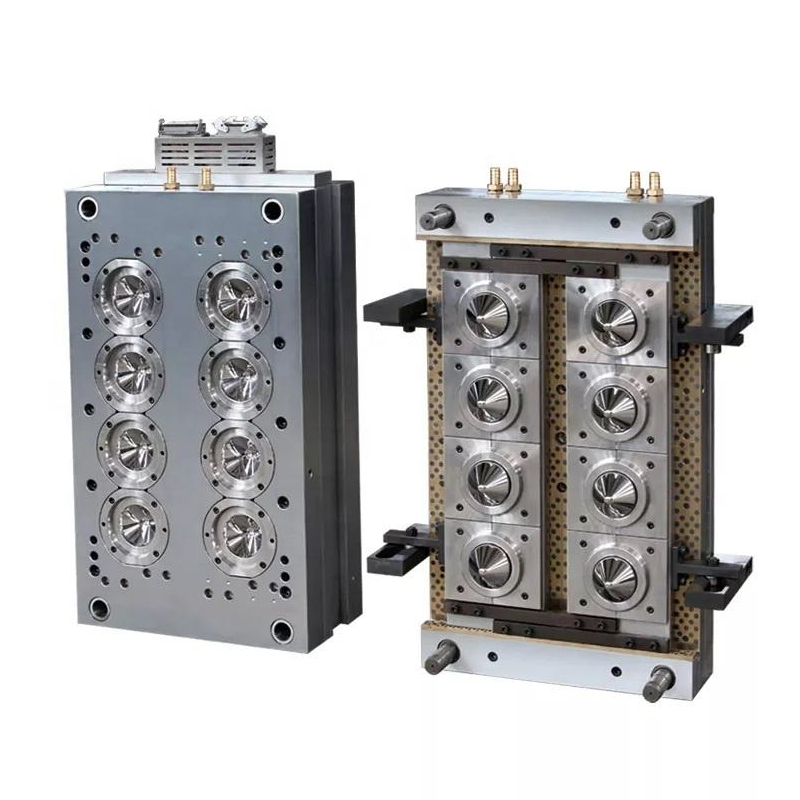
The 8-cavity wide-mouth mold is designed to produce plastic containers with larg...
See Details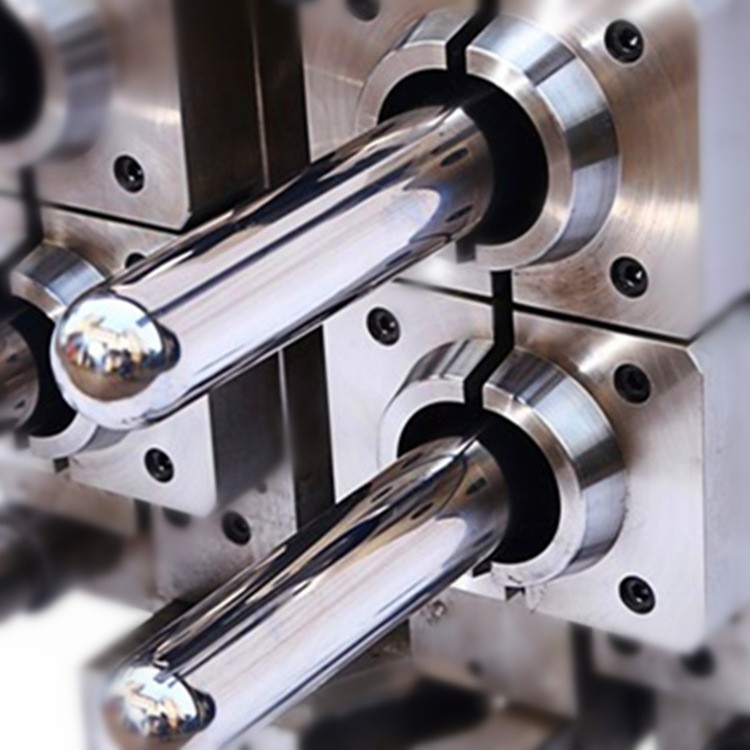
Mould Specifications Product : Preform Mould Brand : Taizhou QihongMould C...
See Details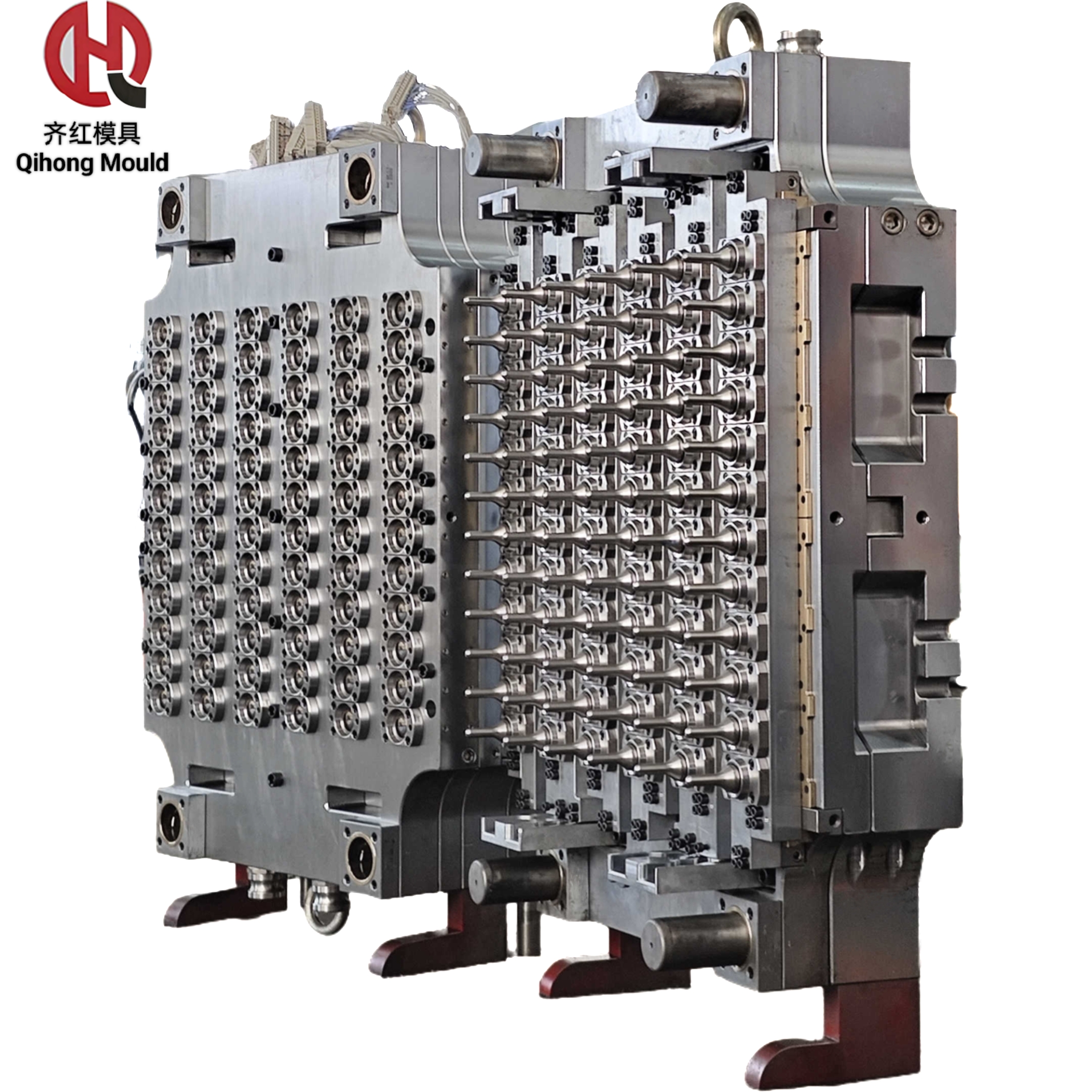
PET Preform Mold Design focuses on high precision structure and stable productio...
See Details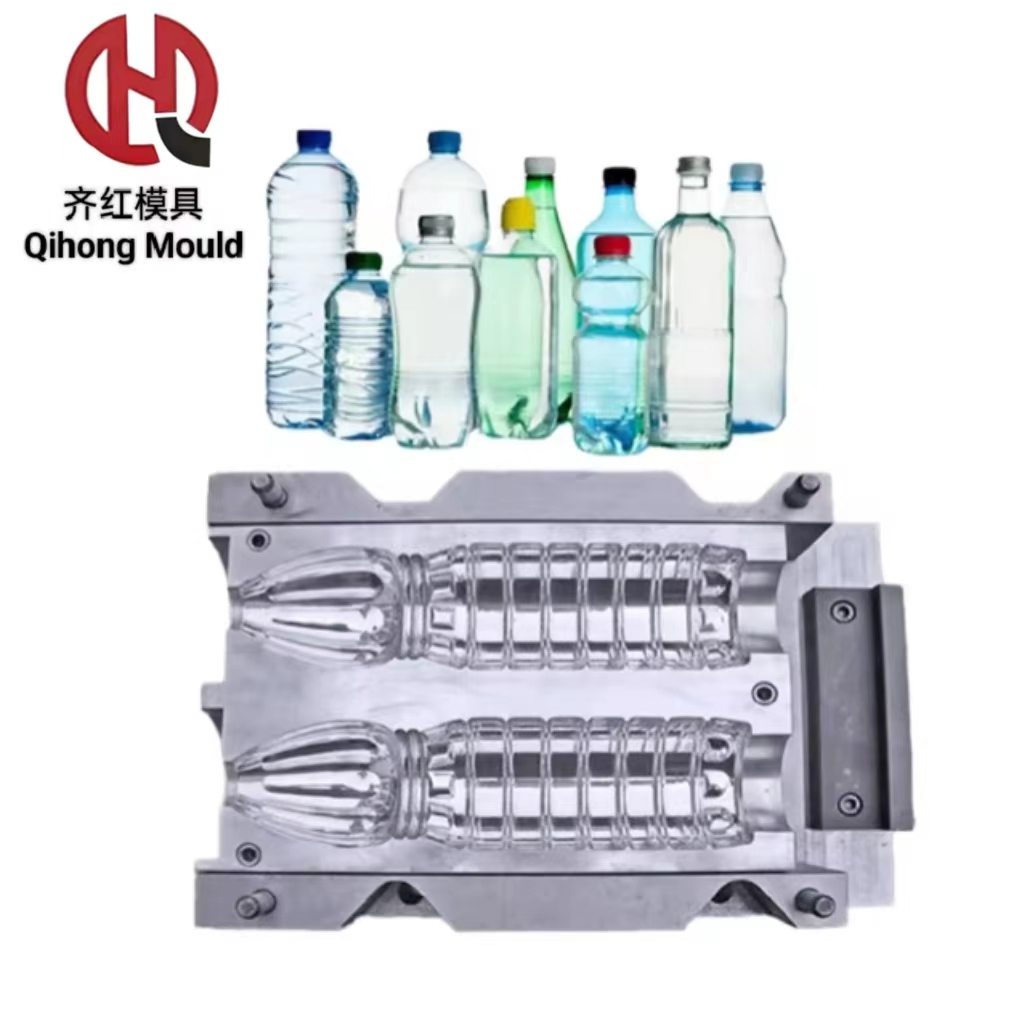
Mould Specifications Product : Blowing Mould Brand : Taizhou QihongMould C...
See Details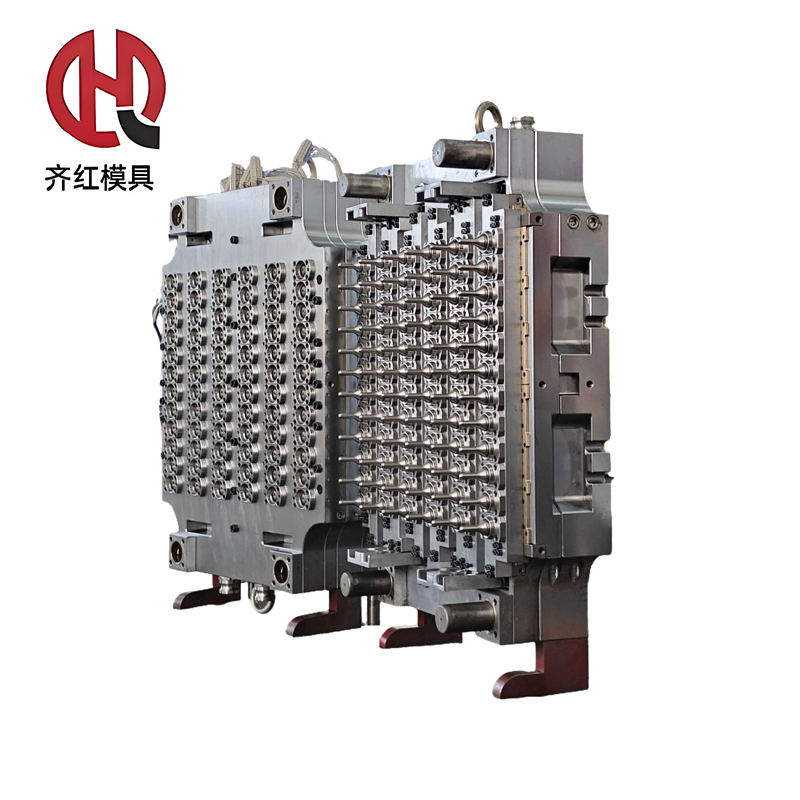
Standardization of mold partsHigh-precision processing equipment is used to ensu...
See Details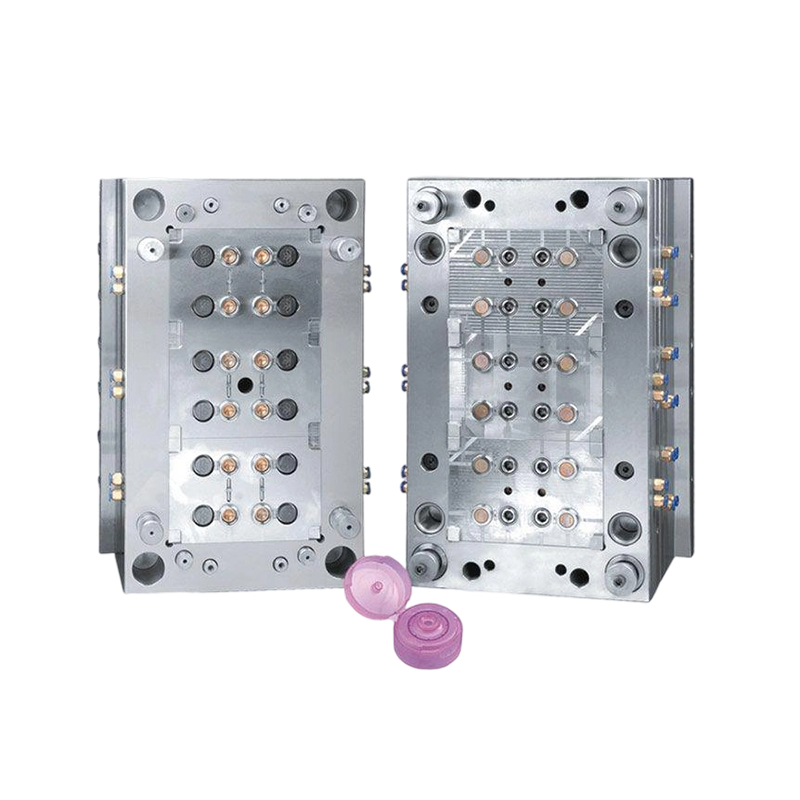
Flip Top Cap also know as Flip Top Caps & Cap mould Stopper Cap is one of ty...
See Details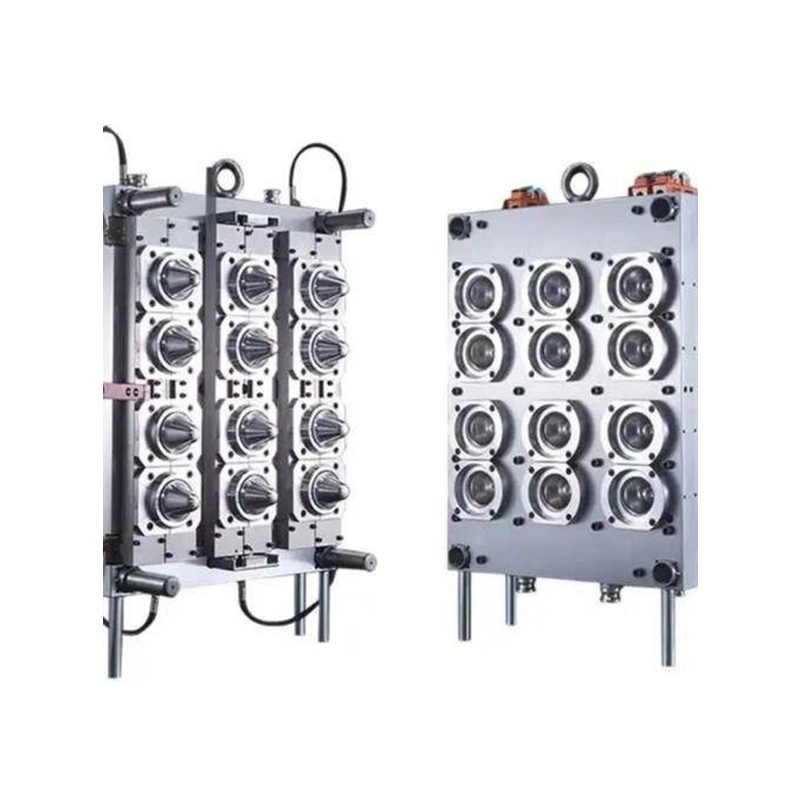
The 12 Cavities Wide Mouth Preform Moulds from Qihong are practical tools for pr...
See Details
WhatsApp:+(86) 13957659071 / +(86) 18158637057 / +(86) 15395760157


ADD:Baige Science and Technology Park, Huangyan District, Taizhou City, Zhejiang Province, China.