English
 русский
 عربى
عربى


24-Cavity Preform Mold(Mould)
The 24-cavity preform mold is a handy tool for turning out PET bottle preforms. ...
See Details


Plastic manufacturing relies heavily on precise moulding techniques to achieve consistent quality and efficiency. Among these, preform moulds and injection moulds are two essential types, each engineered for specific tasks and offering distinct advantages. Although they might look similar, their design, function, and applications vary greatly, influencing production speed, product durability, and overall cost.But what truly distinguishes a preform mould from an injection mould, and how do these differences impact manufacturing outcomes?
A preform mould is a specialized tool used to create preforms, which are the intermediate products later blown into bottles or containers. Preform moulds are designed to deliver high precision, uniform wall thickness, and repeatable production quality. They typically feature:
Preform moulds are crucial for industries like beverage, cosmetic, and pharmaceutical packaging, where dimensional accuracy and consistent quality are paramount.
Preform moulds are typically fabricated from high-grade tool steels or stainless steels, selected for their hardness, wear resistance, and ability to maintain precision over time. Common manufacturing techniques include:
These methods ensure that preform moulds deliver high-quality preforms consistently, minimize defects, and maximize production efficiency.
Preform moulds are widely used in PET bottle and container production across multiple industries. They enable manufacturers to:
Common applications include: beverage bottles, cosmetic containers, water bottles, and pharmaceutical packaging. The reliability of preform moulds directly impacts final product performance, safety, and aesthetics, making them an essential component in modern plastic manufacturing.
An injection mould is a precision tool used to produce finished plastic components by injecting molten polymer into a mould cavity. These moulds are designed to deliver high accuracy, consistent quality, and efficient mass production. Key features include:
Injection moulds are essential for industries that require complex shapes, high-volume output, and durable plastic parts.
Injection moulds are typically made from tool steels, aluminum alloys, or hardened stainless steel, selected based on the required durability and production volume. Common manufacturing techniques include:
These processes ensure injection moulds can handle various polymer types, from standard plastics to high-performance engineering resins, while maintaining consistent quality over long production runs.
Injection moulds are widely used in automotive, electronics, medical, and consumer goods industries. They enable manufacturers to:
The reliability and precision of injection moulds make them a cornerstone of modern plastic manufacturing, supporting both functional and aesthetic requirements in diverse industries.
Preform Mould vs Injection Mould – Key Differences at a Glance
|
Type |
Key Features |
Materials & Production |
Applications |
|
Preform Mould |
Shapes preforms; uniform thickness; high-speed; multi-cavity; cooling channels |
Tool/stainless steel; CNC, EDM, polishing |
PET bottles, cosmetic containers; high-volume production |
|
Injection Mould |
Produces plastic parts; versatile; precise; multi-cavity |
Tool steel/aluminum; CNC, EDM, coating |
Automotive, electronics, medical devices; complex shapes; mass production |
The primary distinction between preform moulds and injection moulds lies in their design and structure.
These structural differences directly influence the type of products each mould can produce and their manufacturing efficiency.
Functionally, preform moulds and injection moulds serve distinct purposes within the production workflow:
Understanding these functional differences is essential for optimizing production lines and resource allocation.
The choice between a preform mould and an injection mould has a significant impact on product quality and precision:
Selecting the right mould type ensures product reliability, efficiency, and cost-effectiveness, aligning production with quality standards and industry requirements.
Preform moulds offer several advantages, especially in the bottle and container production industry:
Injection moulds excel in producing finished plastic components and offer distinct benefits:
While both mould types are essential, they also present some limitations:
Understanding these advantages and limitations is key to selecting the right mould type, optimizing production efficiency, and ensuring product quality across diverse industries.
Preform Mould vs Injection Mould – Key Benefits and Challenges
|
Type |
Advantages |
Limitations |
|
Preform Mould |
High-volume efficiency; material optimization; ideal for blow molding; lower cost for mass production |
Only produces preforms; costly design changes; precision critical to avoid defects |
|
Injection Mould |
Design flexibility; high precision; ready-to-use parts; compatible with various polymers |
Higher upfront cost; expensive multi-cavity setups; longer development; requires maintenance |
When selecting between preform moulds and injection moulds, production volume is a key factor.
Selecting the right mould based on production needs ensures cost-effectiveness and consistent quality.
Material choice is critical when designing moulds:
Evaluating material compatibility early prevents defects, material waste, and costly redesigns.
Long-term mould performance is influenced by maintenance practices and design quality:
Balancing initial investment, maintenance, and production efficiency is critical for sustainable manufacturing.
Partnering with an experienced mould manufacturer is essential to achieve consistent quality, timely delivery, and technical guidance. Professional manufacturers provide:
A reliable manufacturer ensures your investment delivers maximum efficiency and product quality.
Taizhou Qihong Mold Co., Ltd. specializes in producing high-quality preform and injection moulds for diverse industries. Their expertise includes:
Working with a trusted partner like Taizhou Qihong Mold Co., Ltd. ensures reliable mould performance, consistent quality, and cost-effective production.
Understanding the distinctions between preform moulds and injection moulds is crucial for manufacturers aiming to optimize production efficiency, maintain consistent product quality, and reduce operational costs. By selecting the appropriate mould type for each application, businesses can ensure that their products meet performance standards while minimizing waste and downtime.
For companies seeking reliable, high-quality mould solutions, Taizhou Qihong Mold Co., Ltd. offers expertly engineered preform and injection moulds designed to meet diverse manufacturing needs and deliver long-lasting performance.
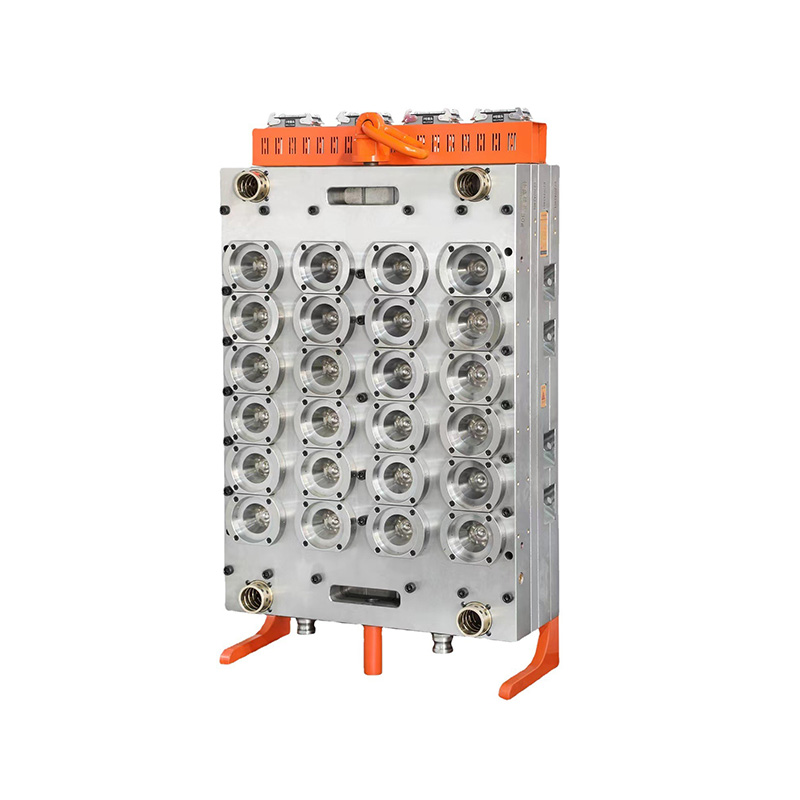
The 24-cavity preform mold is a handy tool for turning out PET bottle preforms. ...
See Details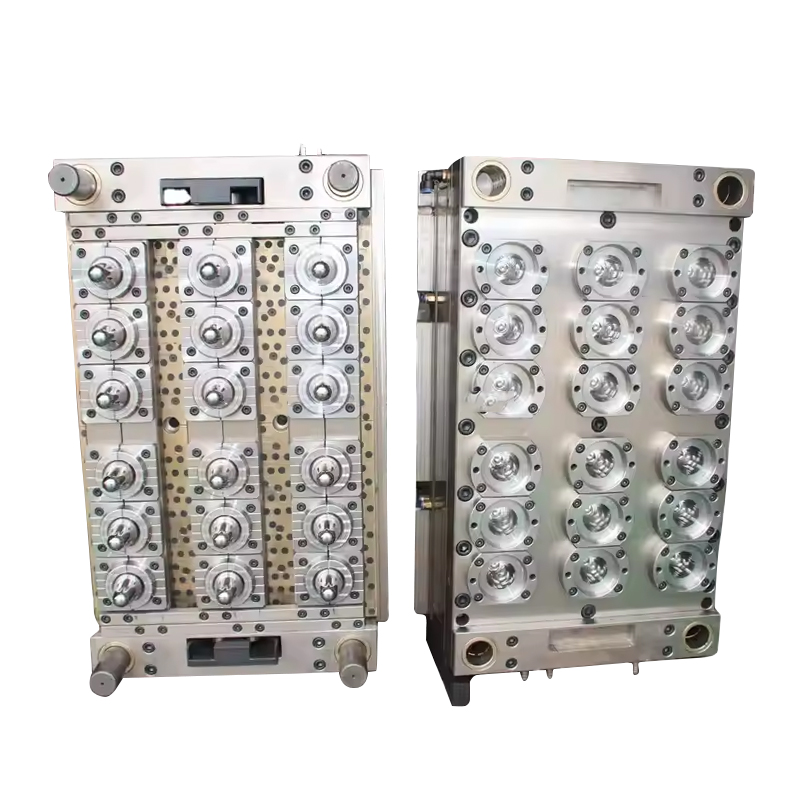
The 18-cavity wide-mouth mold is a high-efficiency tool specifically designed fo...
See Details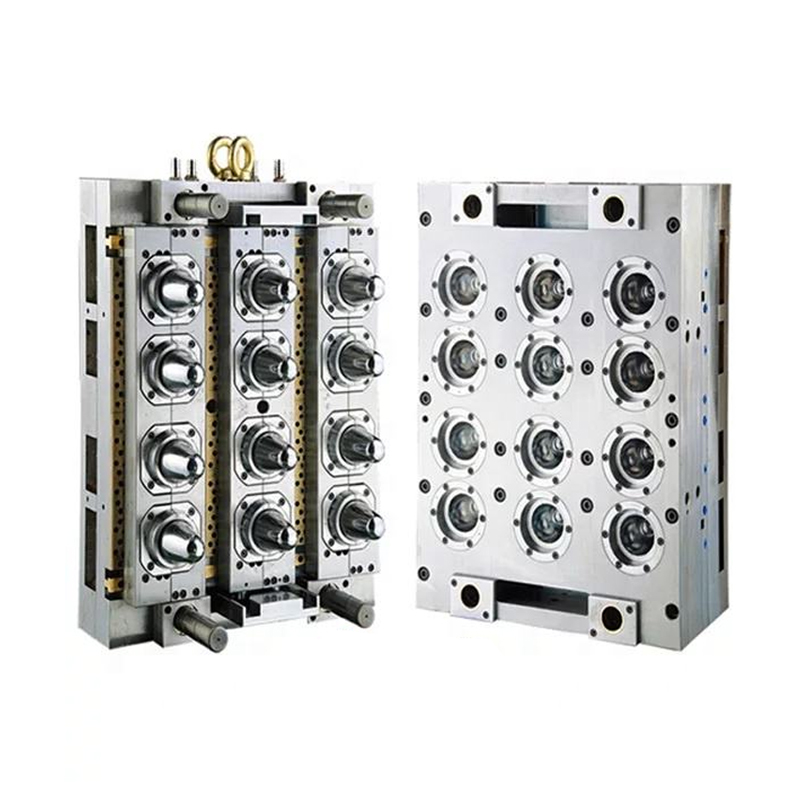
The 12-Cavity Wide-Mouth Mold(Mould) is made for manufacturers running wide-mout...
See Details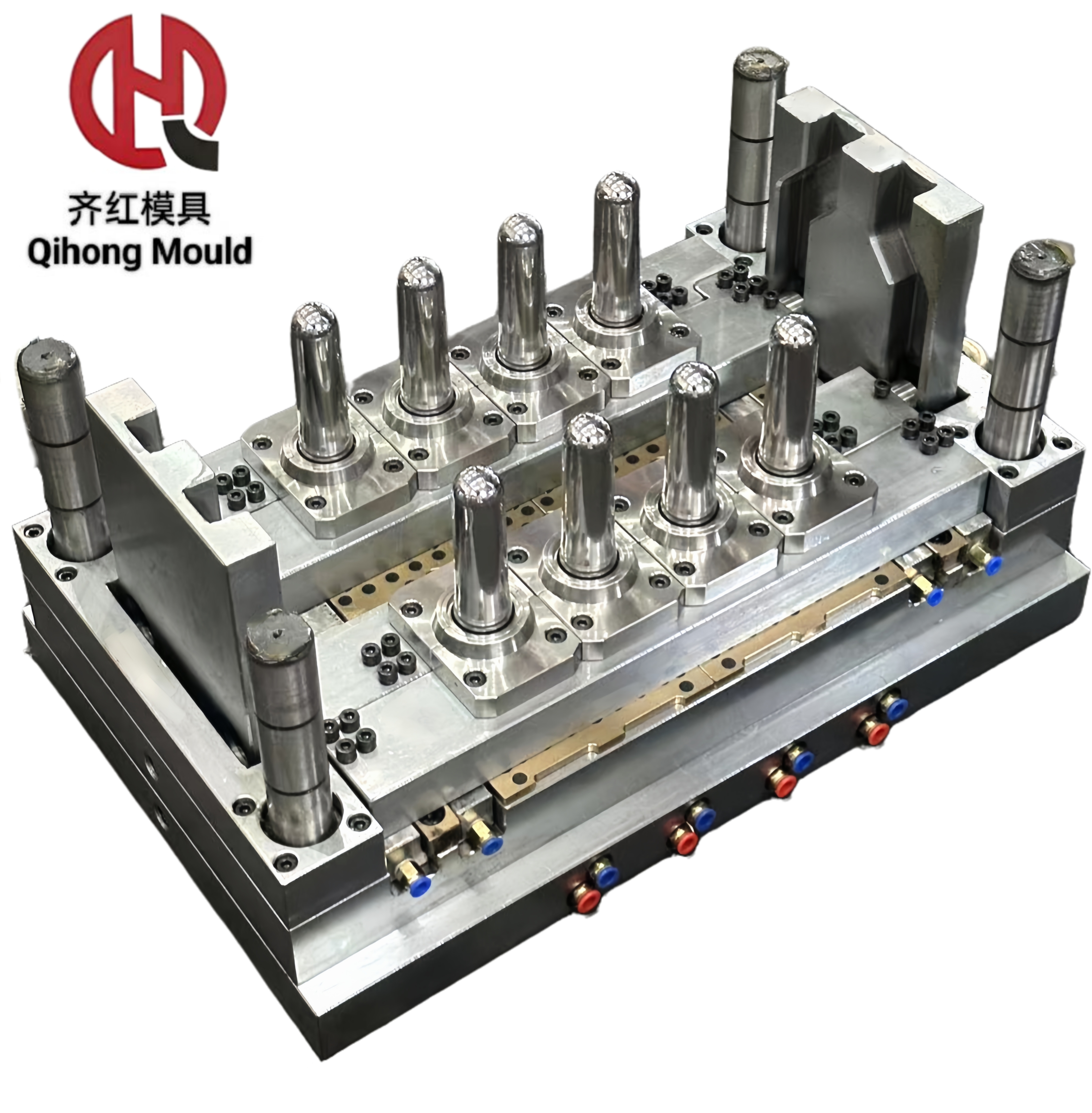
Jar Preform Mold is designed for accurate and efficient production of plastic pr...
See Details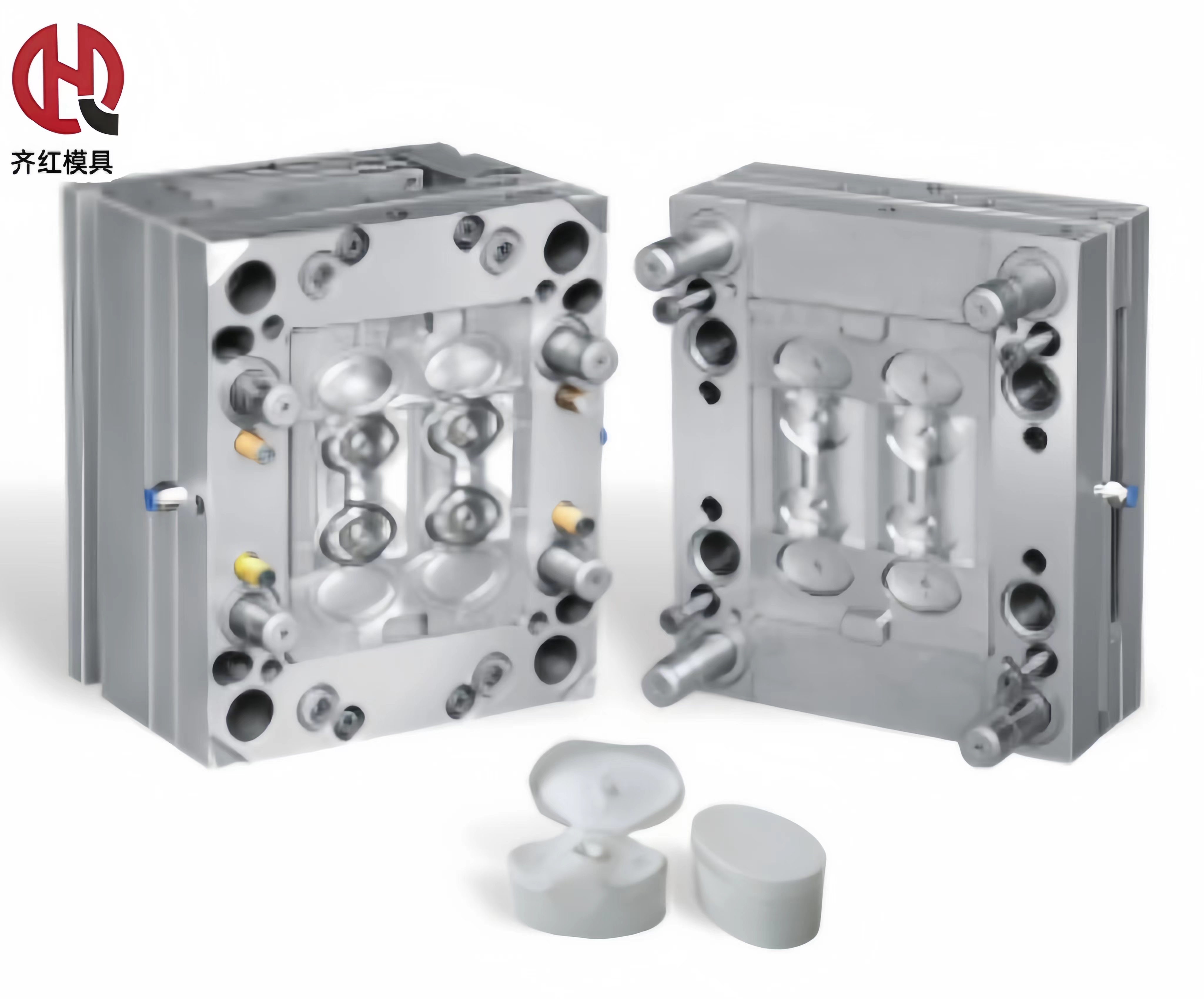
Plastic Cap Mould is designed for high precision plastic cap production. The Chi...
See Details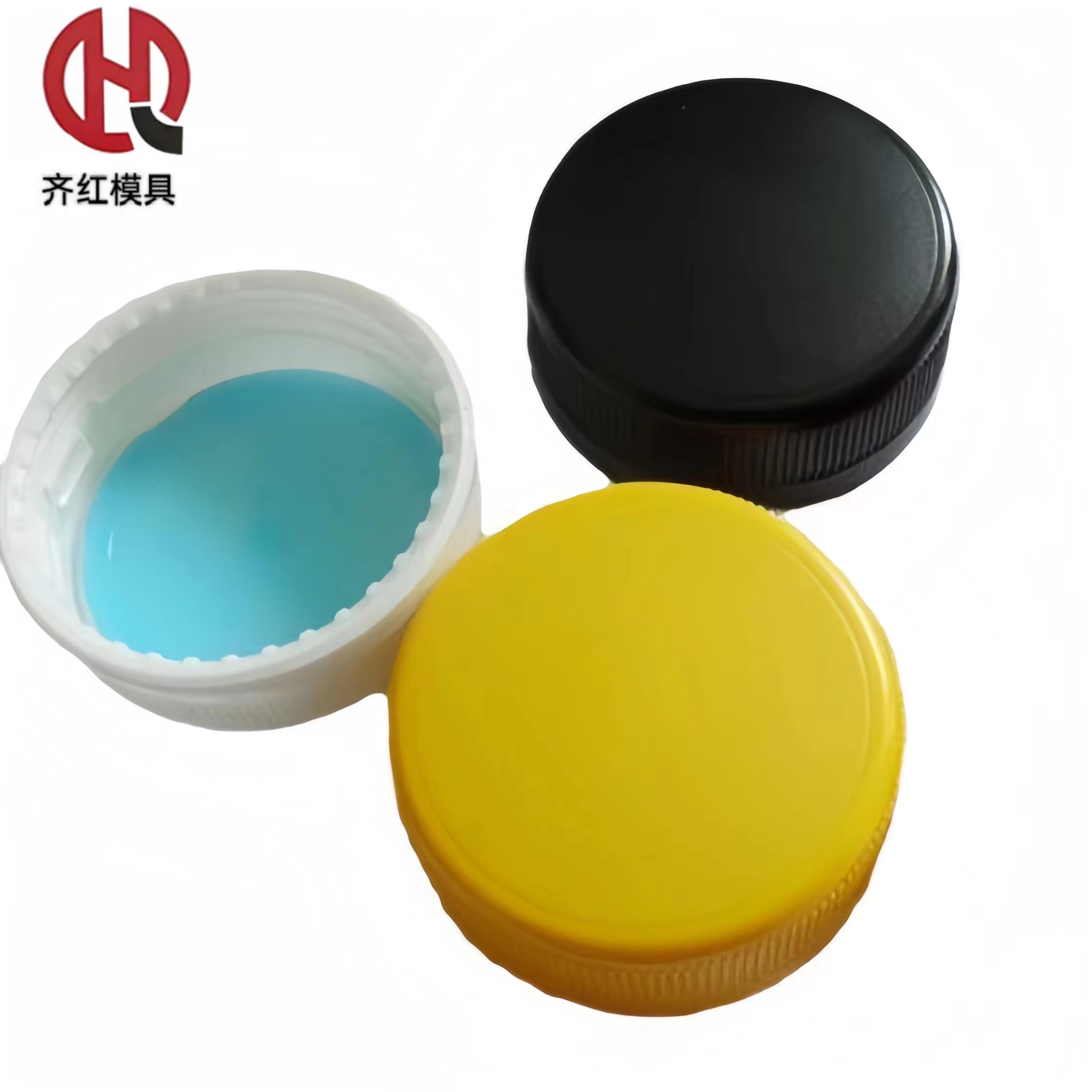
Mould Specifications Product : Cap Mould Brand : Taizhou QihongMould Co.,L...
See Details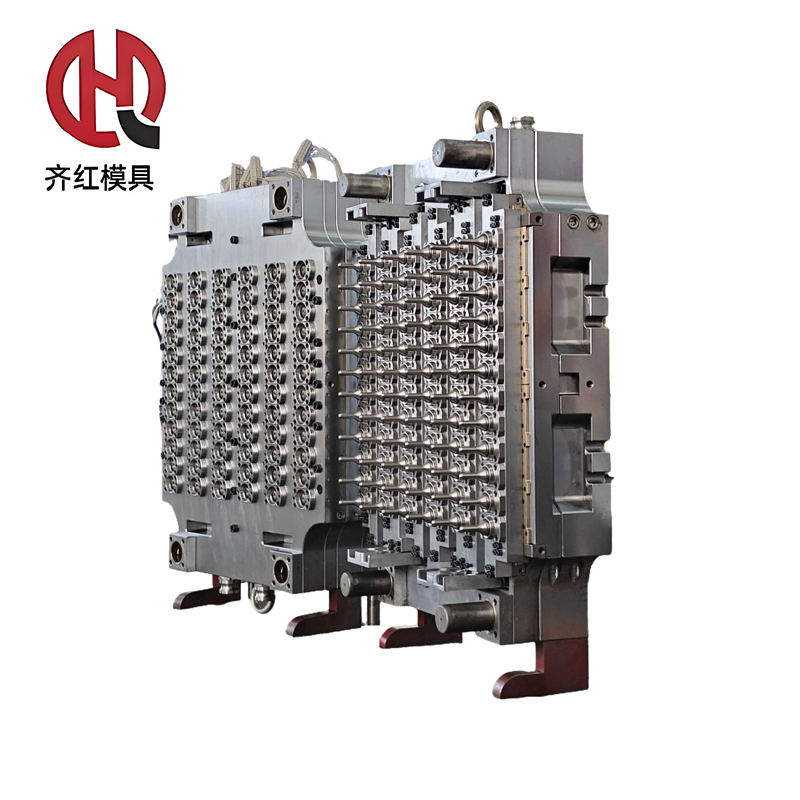
Standardization of mold partsHigh-precision processing equipment is used to ensu...
See Details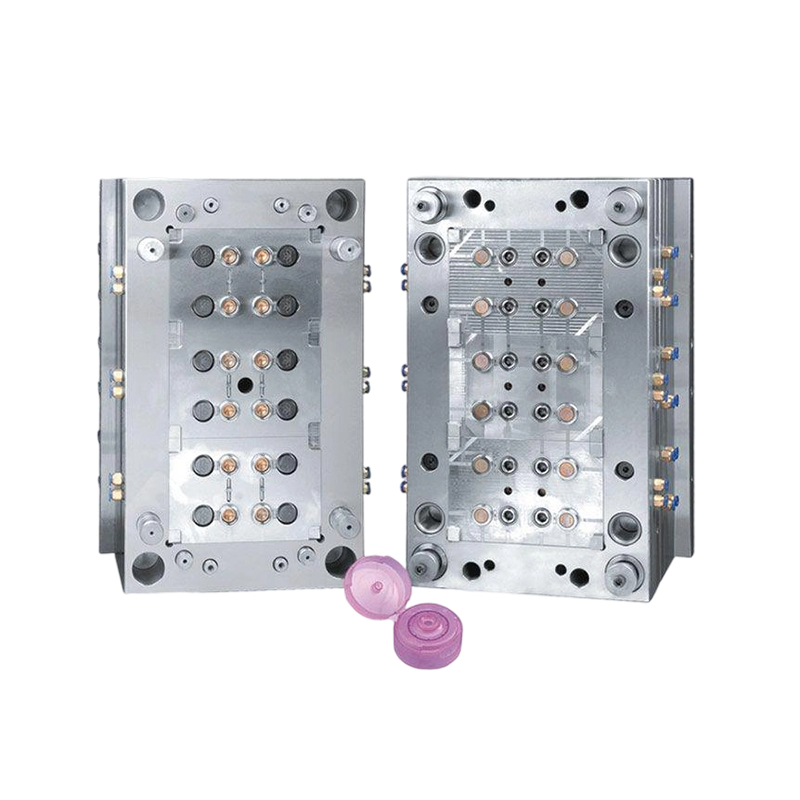
Flip Top Cap also know as Flip Top Caps & Cap mould Stopper Cap is one of ty...
See Details
WhatsApp:+(86) 13957659071 / +(86) 18158637057 / +(86) 15395760157


ADD:Baige Science and Technology Park, Huangyan District, Taizhou City, Zhejiang Province, China.