English
 русский
 عربى
عربى


48-Cavity Preform Mold(Mould)
The Qihong 48-Cavity Preform Mold(Mould) is the ideal choice for high-volume PET...
See Details


Handle molds are the unsung heroes behind everyday products—from the sleek handles on kitchen drawers to the robust grips on industrial machinery. These molds define not just the shape but also the durability and ergonomics of handles we touch every day. As global manufacturing evolves, the handle mold industry is witnessing rapid innovation, with factories incorporating cutting-edge technology to improve precision, efficiency, and worker safety. Understanding the world of handle molds is essential for anyone interested in modern manufacturing, whether it's in furniture, automotive, or consumer goods.
Handle molds are specialized tools designed to transform raw materials—such as plastic, metal, or composite—into functional, durable handles. These molds are essential in ensuring that every handle produced meets strict standards of shape, ergonomics, and strength. Among the most common types are injection molds, which allow manufacturers to produce thousands of identical handles with exceptional precision, and compression molds, which are preferred for sturdier designs that must withstand heavy use.
Beyond these, there are also blow molds, die-cast molds, and multi-cavity molds, each tailored for specific materials and production requirements. Even molds within the same category can differ dramatically in complexity, size, and construction materials, reflecting the intricate engineering that goes into every handle mold. In essence, each mold is a small but vital piece of industrial ingenuity, blending mechanical precision with material science.
Handle molds are integral to countless industries, often in ways that go unnoticed. In home and office furniture, handle molds create drawers, cabinets, and doors with smooth, ergonomic designs that enhance user comfort. In the automotive sector, they produce handles capable of enduring years of repetitive use, exposure to extreme temperatures, and high mechanical stress. Meanwhile, industrial equipment and machinery rely on heavy-duty handles molded for reliability, safety, and strength in demanding work environments.
From kitchen drawers to vehicle doors, from office furniture to industrial machines, nearly every handle we touch is the product of a carefully crafted mold. This universality highlights the central role of handle molds in both everyday life and advanced industrial applications.
| Industry | Typical Handle Applications | Requirements/Considerations |
|---|---|---|
| Furniture | Drawers, cabinet doors | Ergonomics, aesthetics, durability |
| Automotive | Car door handles, interior grips | High durability, temperature resistance |
| Industrial Machinery | Heavy-duty machine handles | Strength, safety, chemical resistance |
| Consumer Goods | Kitchenware, appliances handles | Smooth surface, comfort, lightweight |
The lifecycle of a handle mold begins long before production, in the digital realm. Engineers use advanced CAD (Computer-Aided Design) software to meticulously plan every curve, angle, and grip, ensuring optimal ergonomics and functionality. Following design, molds are prototyped and tested for precision, durability, and efficiency.
Once a mold enters full-scale production in a handle mold factory, regular maintenance becomes critical. Proper cleaning, inspection, and minor repairs ensure that molds continue to produce high-quality handles consistently. A well-maintained mold can generate hundreds of thousands of handles without degradation, making it both a major capital investment and a testament to industrial engineering excellence.
The lifecycle of a handle mold also reflects the evolving demands of modern manufacturing: as materials, ergonomics, and consumer expectations advance, molds must adapt through design improvements and technological upgrades. In this way, handle molds are not static tools—they are dynamic assets at the heart of manufacturing innovation.
When most people hear the word "mold," they think of biological hazards—black mold in damp walls or mold spores that cause allergies. In the industrial world, however, handle molds present a very different set of safety risks. While these molds do not carry spores or toxins, they can still pose serious hazards if mishandled.
Metal, composite, or coated molds can become extremely hot during production, creating the risk of burns. Sharp edges or small protrusions can cause pinching or lacerations, while residues from mold release agents, lubricants, or chemical coatings may irritate skin or eyes. Even experienced factory workers need to remain vigilant, as repeated exposure or minor injuries can accumulate into significant health issues over time. Awareness and adherence to safety protocols are therefore essential in every handle mold factory.
| Potential Hazard | Risk Description | Recommended Safety Measures |
|---|---|---|
| Hot mold surfaces | Burns | Heat-resistant gloves, PPE |
| Sharp edges or protrusions | Cuts or lacerations | Protective gloves, careful handling |
| Residual chemicals | Skin/eye irritation | Masks, safety glasses, proper ventilation |
| Heavy/awkward molds | Musculoskeletal injuries | Hoists, trolleys, forklifts, team lifting |
Modern handle mold factories prioritize worker safety through a combination of personal protective equipment (PPE) and well-designed handling procedures. Standard protective gear includes heat-resistant gloves, safety glasses, and masks to prevent chemical inhalation or contact.
Beyond PPE, ergonomic tools such as hoists, cranes, and trolleys are widely used to minimize physical strain and reduce the risk of accidents during mold lifting, transportation, or installation. Staff are routinely trained not only on how to handle molds properly but also on recognizing potential hazards, such as unstable mold placement or residual chemicals on surfaces. A culture of safety, reinforced by training and proper equipment, is one of the most effective ways to prevent workplace injuries.
It may seem harmless to touch a handle mold directly, especially when it appears cool or clean. However, direct contact with bare hands is strongly discouraged. Industrial molds may retain heat, be coated with chemicals, or contain sharp edges that are not immediately visible. Even brief or occasional contact can lead to cuts, abrasions, or chemical irritation, which may escalate if repeated over time.
This simple precaution—using gloves or handling tools—can prevent minor accidents from turning into serious injuries. In many factories, enforcing strict “no bare-hand contact” policies is a critical part of maintaining a safe and efficient production environment. Ultimately, respecting the physical and chemical hazards of handle molds protects both workers and the production process itself.
Handling handle molds safely is a critical part of ensuring both worker safety and product quality. The most effective approach combines mechanical aids with well-trained personnel. Common equipment includes forklifts, lifting hooks, cranes, and custom-designed carts, all of which reduce physical strain and minimize the risk of accidents during transport or installation.
Equally important is human coordination. Workers must maintain correct posture, communicate clearly, and plan movements carefully when transferring molds. Even a slight misalignment can lead to dropped molds, damage to expensive equipment, or serious injuries. In many factories, standardized handling protocols are enforced, ensuring that every employee understands the safest way to maneuver these heavy and often delicate industrial tools.
Regular maintenance and cleaning are essential to preserve the integrity and precision of handle molds. Residues from production—such as plastic or metal shavings, mold release agents, and lubricants—must be removed promptly to prevent corrosion, surface defects, or contamination that could affect final products.
Non-abrasive cleaning agents and soft brushes are used to avoid scratching or damaging the mold surface, while specialized inspection tools help detect even minor wear or deformation. Scheduled maintenance not only prolongs mold lifespan but also ensures consistent production quality. In high-volume factories, a dedicated maintenance team often tracks each mold's usage, performing preventative care to reduce downtime and extend operational life.
Modern handle mold factories are increasingly integrating automation and smart technologies to improve safety, efficiency, and consistency. Robotic arms, automated conveyors, and precision hoists can handle molds with minimal human contact, reducing the risk of injuries and repetitive strain.
Advanced factories also employ IoT sensors and monitoring systems to track mold temperature, wear, and performance in real-time. Alerts can notify engineers of potential issues before they affect production, enabling proactive maintenance and reducing costly downtime. These technologies not only enhance workplace safety but also maximize productivity and extend the useful life of molds, demonstrating how innovation and best practices intersect in today's handle mold industry.
The handle mold industry is undergoing a remarkable transformation thanks to advanced materials and innovative coatings. High-strength steel and aluminum alloys are now commonly used to create molds that are both durable and lightweight, improving efficiency in handling and installation. Composite coatings and specialized surface treatments further enhance mold performance by reducing wear, preventing corrosion, and improving the release of molded handles during production.
These innovations also open the door for more complex and ergonomic handle designs. By using materials with higher strength-to-weight ratios and advanced surface properties, manufacturers can produce intricate shapes and textures without compromising durability. As a result, handle mold factories are now capable of delivering both aesthetic appeal and long-lasting functionality, meeting the evolving demands of consumers and industrial clients alike.
Sustainability has become a key focus in modern handle mold factories. Manufacturers are implementing practices that minimize material waste, recycle old molds, and optimize energy usage, reflecting a broader commitment to environmental responsibility.
Even seemingly small steps—like using water-based lubricants instead of chemical alternatives or designing modular mold components for easier refurbishment—can significantly reduce environmental impact. Some factories have also adopted energy-efficient heating and cooling systems for molds, cutting electricity consumption while maintaining precision. These eco-conscious practices not only benefit the planet but also enhance brand reputation and reduce long-term operational costs.
The rise of Industry 4.0 and smart factory technology is transforming handle mold production. Digital twins—virtual replicas of molds—allow engineers to simulate production processes, test new designs, and predict potential defects before physical molds are manufactured. This reduces trial-and-error costs, shortens development cycles, and improves overall production quality.
IoT sensors and data analytics further enhance factory operations. Real-time monitoring of mold temperature, wear, and performance enables predictive maintenance, preventing costly downtime and extending mold lifespan. Automated systems, including robotic arms and conveyors, minimize manual handling while maintaining precision, safety, and productivity.
These technological trends signify a new era in the handle mold industry, where innovation, efficiency, and safety converge. Factories that adopt smart manufacturing practices are not only improving output but also redefining what is possible in the design and production of high-quality handles.
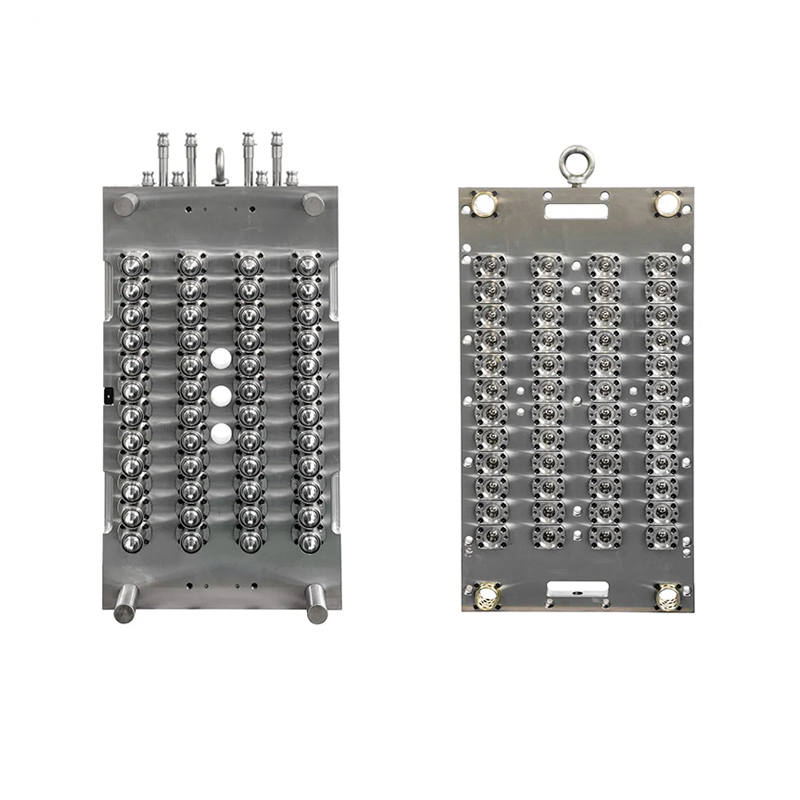
The Qihong 48-Cavity Preform Mold(Mould) is the ideal choice for high-volume PET...
See Details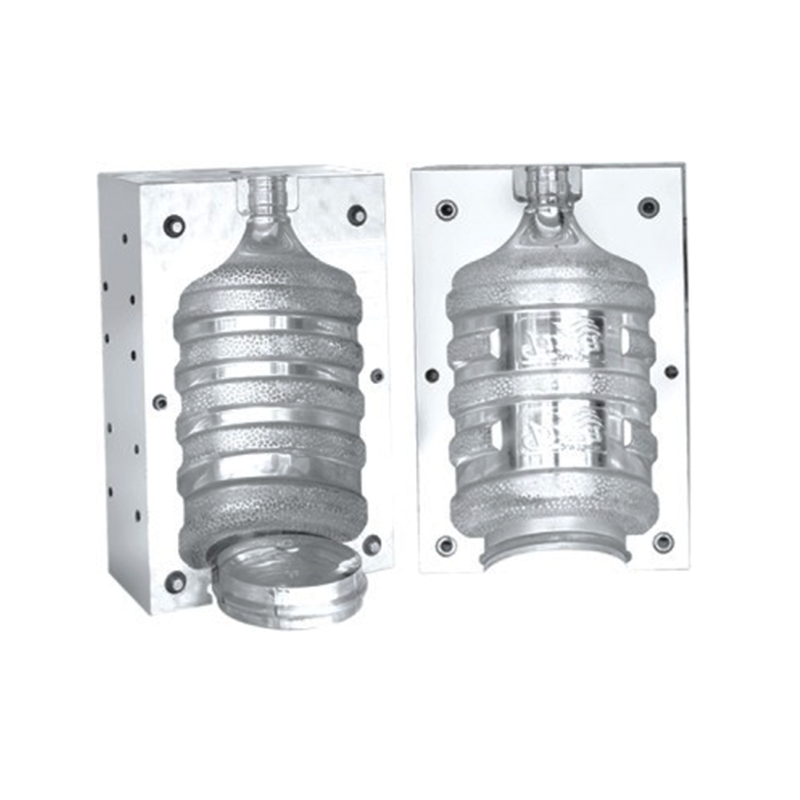
This Five Gallons Bottle Mold(Mould) comes straight out of Taizhou, Zhejiang—bui...
See Details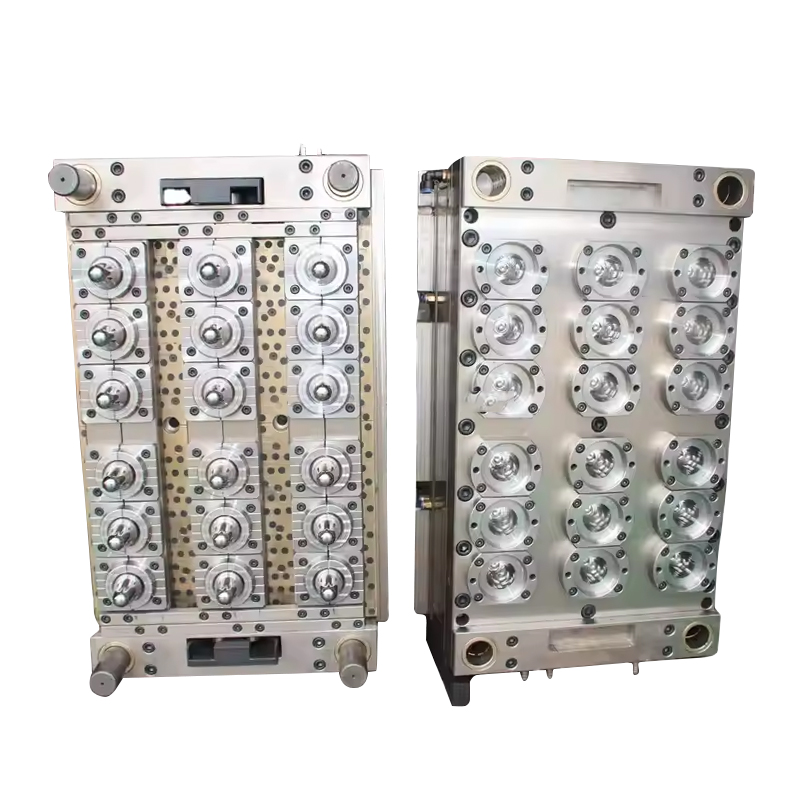
The 18-cavity wide-mouth mold is a high-efficiency tool specifically designed fo...
See Details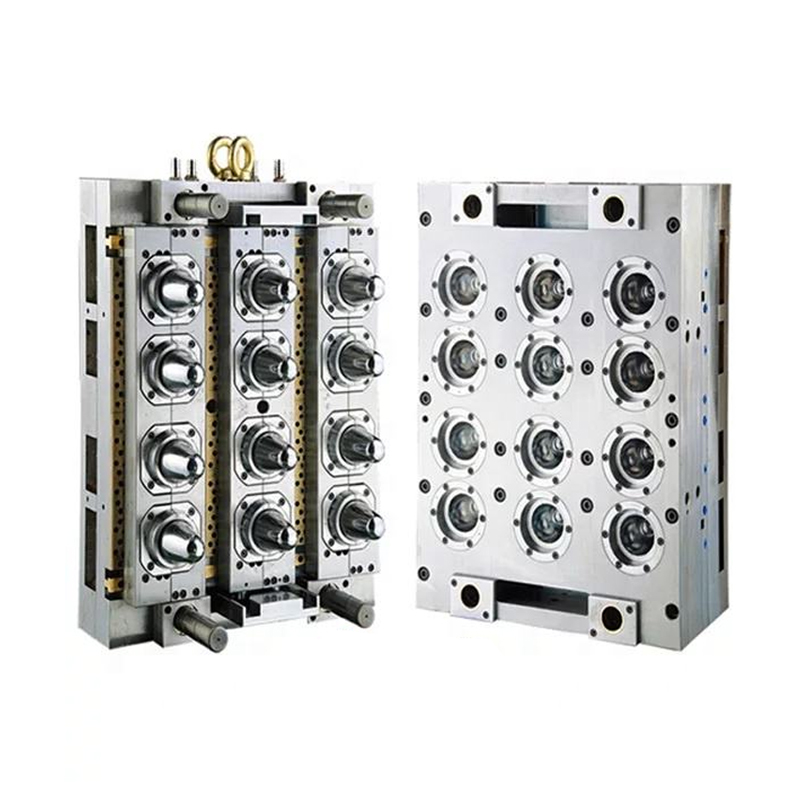
The 12-Cavity Wide-Mouth Mold(Mould) is made for manufacturers running wide-mout...
See Details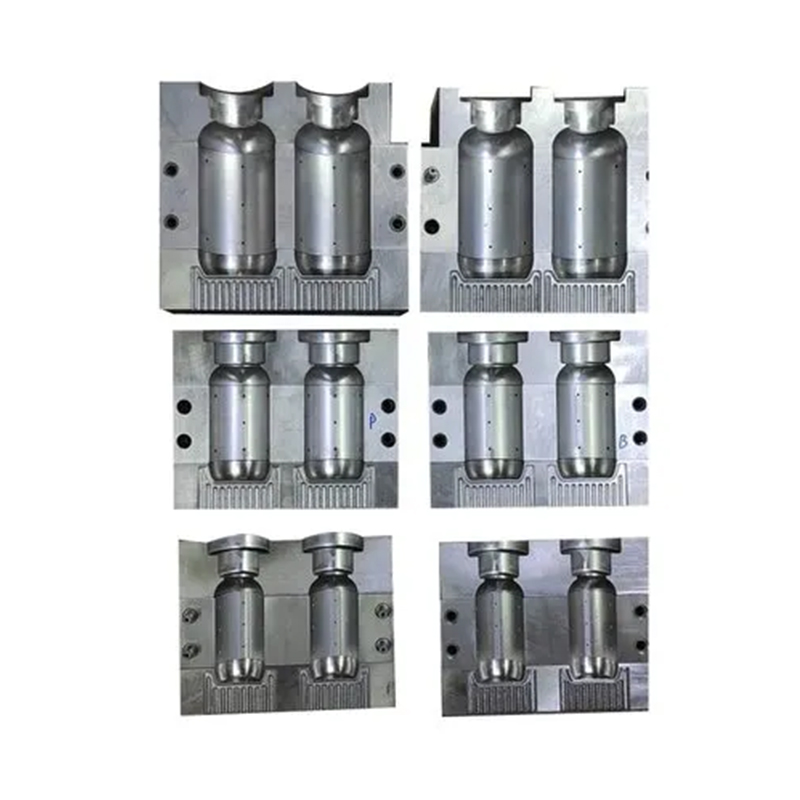
Medicine bottle molds are specialized tools designed for the efficient productio...
See Details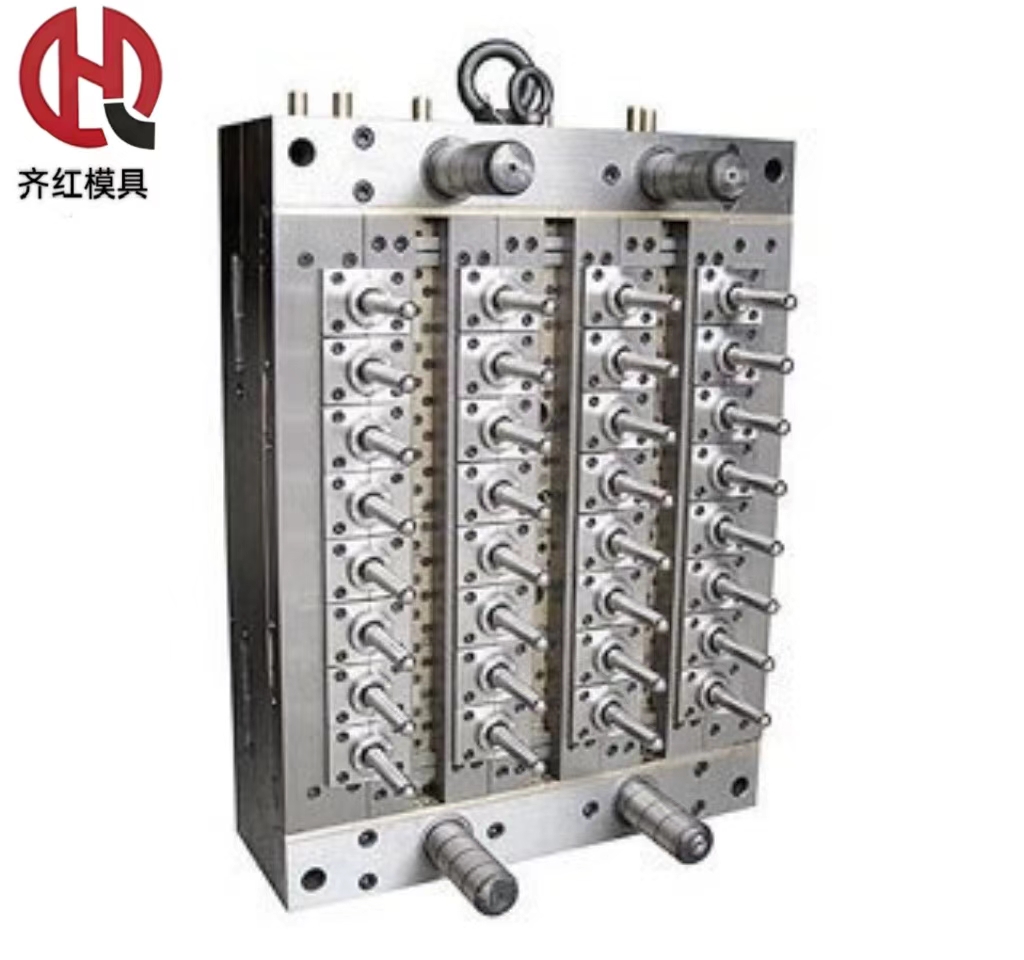
Custom Made Plastic Molds are designed for high precision and flexible plastic p...
See Details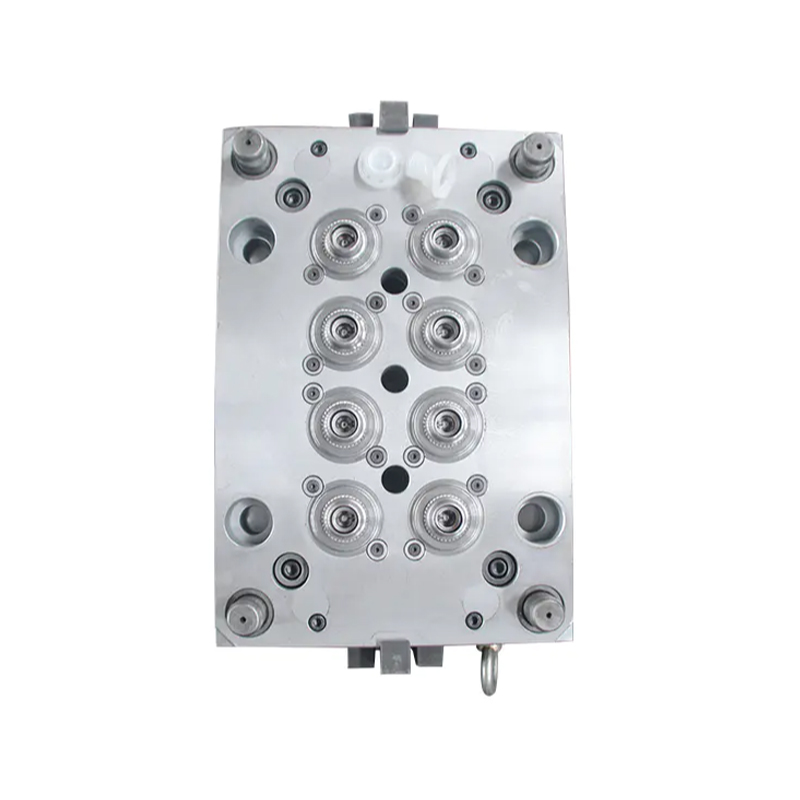
Spout Cap Mould is a EVA inner part of oil cap, match for 42mm pull out closure....
See Details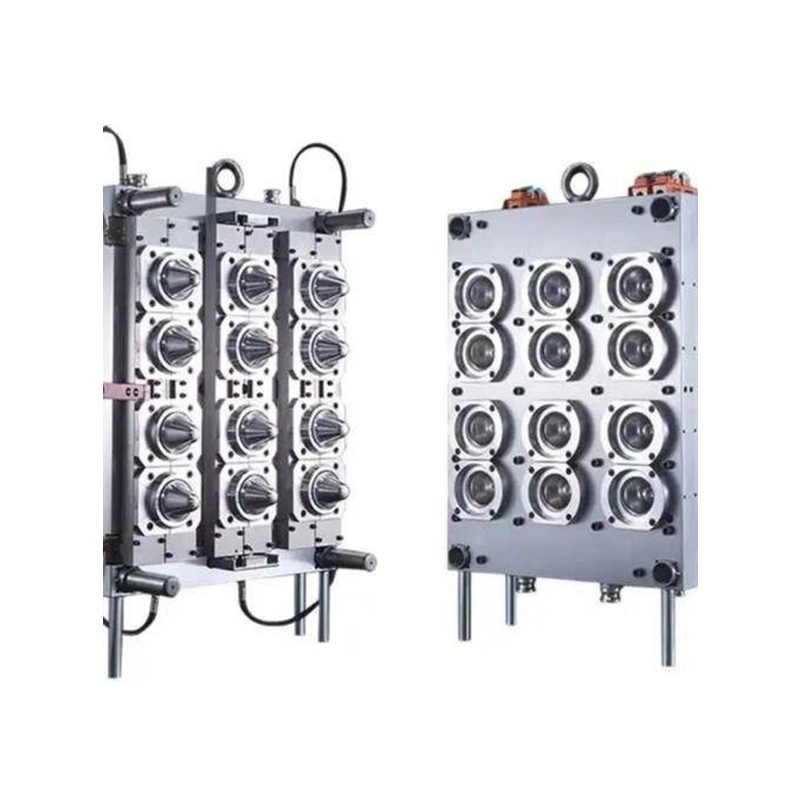
The 12 Cavities Wide Mouth Preform Moulds from Qihong are practical tools for pr...
See Details
WhatsApp:+(86) 13957659071 / +(86) 18158637057 / +(86) 15395760157


ADD:Baige Science and Technology Park, Huangyan District, Taizhou City, Zhejiang Province, China.