English
 русский
 عربى
عربى


24-Cavity Wide-Mouth Mold(Mould)
The 24-cavity wide-mouth mold is a precision tool designed for producing wide-mo...
See Details


Plastic preform moulds form the foundation of many global packaging systems, particularly within industries that depend on polyethylene terephthalate (PET) containers. These precision-engineered tools shape molten plastic into preforms — the compact, test-tube-like intermediates that are later stretched and blown into finished bottles. The design and performance of each mould directly influence the clarity, strength, and weight of every final container, making them indispensable to high-volume, high-precision manufacturing.
In global production chains, plastic preform moulds serve as a critical intersection of materials science, mechanical engineering, and process control. Their ability to maintain micron-level accuracy across millions of cycles defines not only product quality but also overall manufacturing efficiency. From beverage packaging to pharmaceuticals and cosmetics, preform moulds ensure that containers meet strict dimensional and visual standards while enabling producers to operate at industrial scale.
Their continued relevance in modern packaging lies in a balance of precision and sustainability. As industries shift toward recycled materials, lightweighting strategies, and reduced energy consumption, mould technology has evolved to support these goals. Modern preform moulds are no longer static tools but integrated components of sustainable production — shaping the next generation of packaging where efficiency, recyclability, and resource conservation converge.
At its core, the preform moulding process transforms plastic resin into a precise, semi-finished shape that defines the geometry and performance of the final container. In injection moulding, dried PET granules are melted, injected under pressure into a set of polished cavities, rapidly cooled, and ejected as solid preforms. Each step must be precisely controlled to achieve consistent results across every production cycle.
The mould itself functions as both a shaping and cooling system. Inside its multiple cavities, molten resin fills the space, replicating every detail of the cavity surface. Once the material cools and solidifies, ejector mechanisms release each preform for the next stage of production. Temperature uniformity, pressure balance, and cavity alignment all determine the quality of the preform's walls, neck finish, and weight distribution.
Consistency between the tooling and material flow is crucial. Even minor variations in temperature or cooling rate can affect the molecular orientation of the resin, leading to differences in transparency or mechanical strength. A finely tuned relationship between the mould design, processing parameters, and resin characteristics ensures that each preform meets exact specifications.
Mechanically, the process relies on controlled pressure to fill multiple cavities evenly, while thermally, it depends on efficient heat transfer. The interaction of heat and pressure defines how the polymer crystallises and sets, which ultimately dictates the clarity, rigidity, and blowability of the container. The precision of these interactions is what turns a simple molten resin into a reliable foundation for millions of finished bottles.
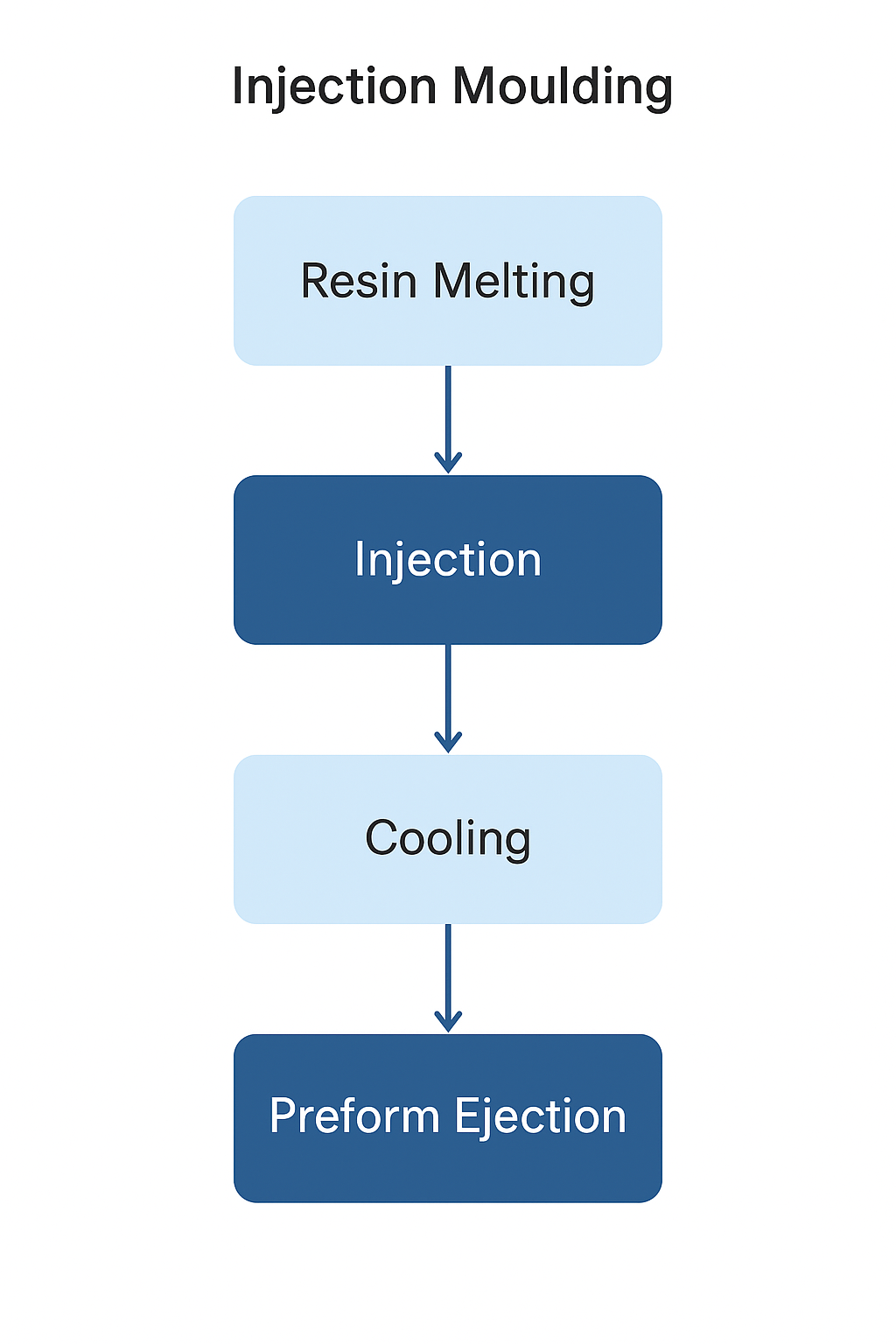
Primary Moulding Methods
In this process, molten resin is injected into a closed mould under high pressure. Once cooled and solidified, the formed part (the preform) is ejected. This method ensures exceptional dimensional accuracy and consistency, essential for producing uniform preforms across multiple cavities.
Blow moulding shapes hollow containers by inflating a heated preform or parison inside a closed mould. For PET bottles, this step typically follows injection moulding in a two-stage production system. It allows the preform to expand into its final container shape with precise wall distribution.
Here, preheated plastic material is placed directly into an open, heated mould cavity. When the mould closes, pressure shapes the material. While efficient for thermoset materials or simple caps, it is less suitable for high-precision preforms.
This technique involves heating powdered plastic within a rotating mould, allowing the resin to coat internal surfaces evenly. It's ideal for large hollow products, not precision parts like preforms.
Molten resin is pushed continuously through a die to form long, uniform profiles such as pipes or films. The continuous nature makes it incompatible with discrete, high-precision parts like preforms.
Why Injection Moulding Dominates
Preform moulds rely on injection moulding because it offers superior control, repeatability, and efficiency. Each cavity produces an identical preform, maintaining consistent neck finish, wall thickness, and material distribution — all crucial for subsequent blow moulding. The process also allows for rapid cycles, automated handling, and minimal material waste when combined with hot-runner systems.
Integration in PET Production
Modern PET packaging lines often integrate injection and stretch-blow moulding into a seamless system. In the two-stage process, preforms are injection-moulded, cooled, stored, then reheated and blown into bottles. In the single-stage process, both steps occur within one machine, improving efficiency for smaller runs or specialty packaging.
Comparative Efficiency and Cost
| Moulding Type | Precision | Material Use Efficiency | Cycle Speed | Typical Application |
|---|---|---|---|---|
| Injection Moulding | Very High | High (minimal waste) | Fast | PET Preforms, Caps |
| Blow Moulding | High | Moderate | Medium | Bottles, Containers |
| Compression Moulding | Medium | Moderate | Medium | Lids, Thick Parts |
| Rotational Moulding | Low | High (no waste) | Slow | Tanks, Large Hollow Parts |
| Extrusion Moulding | Low | High (continuous) | Very Fast | Tubes, Sheets |
The production of plastic preforms relies on two material pillars: the resin that forms the preform itself and the tooling material used to manufacture the mould. Together, they define the mechanical stability, clarity, and sustainability of the final container. Understanding their interaction is crucial to optimizing performance and production efficiency.
Materials Used for Preforms
Tooling Materials for Preform Moulds
Material Interactions and Process Impact
Influence of Recycled Resins on Mould Design
The structural design of a preform mould determines not only the precision of each preform but also the overall production efficiency, energy consumption, and mould longevity. Each feature — from the number of cavities to the cooling configuration — must work in harmony to ensure dimensional accuracy, clarity, and repeatability across millions of cycles.
Cavity Design: Single vs. Multi-Cavity Systems
Cavity configuration defines the mould's output and operational strategy.
Designed for low-volume production, prototyping, or specialized preform designs. These moulds offer simple maintenance, reduced setup complexity, and high control over process variables, making them ideal for pilot runs or new resin testing.
Standard in large-scale PET preform production, with configurations ranging from 24 up to 144 cavities or more. The challenge lies in maintaining uniform filling, pressure, and cooling across all cavities. Precision in alignment and balanced flow distribution ensures identical preforms throughout the mould.
Runner Systems: Cold vs. Hot Runner Mechanisms
The runner system determines how molten resin travels from the injection unit to each cavity.
The simplest configuration, where the resin solidifies in the runner after each cycle. While cost-effective and easy to maintain, this approach generates material waste and limits cycle efficiency.
The industry standard for PET preforms, maintaining molten resin within heated channels and eliminating waste. Hot runners deliver consistent pressure, shorter cycle times, and superior part quality. Temperature-controlled manifolds also improve color uniformity and reduce energy losses.
Cooling Systems, Venting, and Ejection Balance
Efficient thermal management is fundamental to cycle time reduction and preform quality.
Cooling channels are strategically placed around the cavity and core to remove heat evenly. Modern designs employ conformal cooling, where channels follow the part's contour for maximum heat exchange efficiency. This results in reduced cycle times and improved wall uniformity.
Proper venting ensures that trapped air escapes during injection. Micron-level vent grooves prevent burn marks, incomplete filling, and surface imperfections.
Ejector pins or sleeves release the cooled preform without deformation. Balanced ejection avoids internal stress or warping, preserving the preform's structural integrity for downstream blow moulding.
Surface Finishing and Dimensional Accuracy
Surface quality directly affects resin flow and the optical clarity of the preform. A mirror-polished cavity promotes smooth injection and reduces shear stress on the resin, preventing haze or surface streaks.
Dimensional accuracy — measured in microns — depends on precise machining, stable steel properties, and accurate temperature control. Each core and cavity must align perfectly, especially in multi-cavity configurations, to maintain uniform neck finish, thread dimensions, and weight distribution.
Periodic maintenance, polishing, and inspection ensure the mould's repeatability over millions of cycles.
Technological Updates and Innovations
Recent developments in preform mould design emphasize efficiency, modularity, and digital integration:
Key Cost Factors
Typical Cost Range and ROI Drivers
While costs vary by design and capacity, preform moulds are among the most capital-intensive assets in plastic packaging production.
ROI is primarily driven by output volume, cycle time, and mould longevity. Shorter cycles and fewer maintenance interruptions directly translate into lower cost per part.
Investment justification often depends on:
Automation, Cycle Time, and Energy Efficiency
Automation plays a defining role in reducing variability and operational cost.
Servo-controlled injection systems, robotic take-out units, and smart temperature regulation have transformed cycle time optimization.
Advanced moulds equipped with sensor networks or process analytics allow continuous monitoring of temperature gradients, injection pressure, and ejection timing—reducing human error and downtime.
Energy efficiency is another essential metric. Modern cooling systems, optimized hot-runner heaters, and digital control loops reduce energy per shot, aligning with sustainability and cost objectives simultaneously.
Automation not only improves speed but also enhances process repeatability, maintaining consistent quality across large-scale production runs.
Correlation Between Production Scale and Mould Economics
Economic efficiency improves with scale, yet optimal returns depend on balancing capacity with maintenance and quality assurance.
High-cavity, automated systems achieve superior economies of scale but require high initial investment and technical support.
Small or medium producers may adopt modular or semi-automated systems to balance flexibility and cost.
Plastic preform moulds support a wide range of packaging sectors, serving as the core tooling in PET container production. Their flexibility in geometry, precision, and throughput makes them essential across global manufacturing networks.
Primary Use Sectors
Emerging Packaging Formats
Logistics and Supply Chain Advantages
Preform-based systems enable decentralized production—preforms are moulded in one location and shipped efficiently to multiple blowing or filling sites.
Their compact size reduces transport volume, storage costs, and carbon emissions compared with finished bottles.
This modular approach provides manufacturers with supply chain resilience, especially valuable for global beverage and FMCG operations.
Distributed Manufacturing Integration
In modern production ecosystems, preform moulding is often integrated into regional or multi-plant networks.
Such systems balance central tooling investment with localized bottle production, supporting demand variability and minimizing logistics risks.
Product integrity in PET packaging is determined by the precision of the preform mould and the consistency of its operating parameters. Rigorous quality control ensures repeatable performance across millions of production cycles.
Dimensional and Optical Quality Parameters
Inspection Systems and Measurement Benchmarks
Process Consistency and Maintenance
Cooling Uniformity and Gate Design Influence
Cooling efficiency and gate configuration directly affect quality outcomes.
Uneven temperature distribution can cause warping, haze, or crystallisation defects.
Optimised gate geometry and balanced runner systems maintain steady resin flow, ensuring identical preforms across cavities.
Profitability in PET preform manufacturing relies on a precise balance between material cost, energy consumption, equipment efficiency, and market pricing.
Overview of PET Preform Margins
Margins in the PET preform sector are typically moderate but stable, reflecting its high-volume, efficiency-driven nature.
Producers gain advantage through throughput, automation, and resin sourcing strategies rather than pricing premiums.
Profitability improves significantly when tooling efficiency and maintenance are optimized for longer, uninterrupted production runs.
Cost Components
Trends in Margin Optimization
Impact of Resin Pricing and Demand Elasticity
Fluctuations in resin prices remain the most significant variable affecting profitability.
Demand elasticity in beverage and food packaging offers stability, yet shifts in consumer preference or raw material supply can impact short-term margins.
Manufacturers mitigate these risks through long-term supply contracts, diversified product lines, and improved process automation.
Sustainability has become an operational and design imperative within plastic preform moulding. The shift toward resource efficiency, reduced carbon impact, and responsible material use continues to reshape how tooling, resins, and production systems are engineered.
Role of rPET and Recycled Materials
Recycled polyethylene terephthalate (rPET) is now a mainstream feedstock in preform production. The use of rPET reduces dependence on virgin resin and decreases lifecycle emissions, aligning with global sustainability objectives.
Modern plastic preform moulds are engineered to accommodate the unique processing characteristics of rPET, which include variations in melt viscosity, crystallisation behaviour, and colour tone.
To maintain consistent performance, moulds integrate enhanced gating, filtration, and cooling control. These adjustments ensure preforms produced from high-recycled-content resins retain clarity, strength, and dimensional accuracy comparable to those from virgin PET.
Lightweighting and Material Reduction Strategies
Lightweighting has evolved from a cost-saving initiative into a sustainability benchmark.
Reducing the resin content per container directly lowers resource consumption and carbon footprint across the value chain—from resin production to transportation and end-of-life recycling.
Advancements in preform mould design enable thinner walls, optimized base structures, and uniform material distribution without compromising bottle integrity or filling performance.
Through cavity balance, cooling uniformity, and gate precision, modern systems achieve up to double-digit reductions in material use while maintaining mechanical durability and shelf-life stability.
Lightweighting also contributes to energy efficiency. Lower shot weight reduces injection pressure and cycle energy demand, amplifying sustainability benefits beyond raw material savings.
Energy Optimization in Tooling and Production
Integration of Circular Economy Principles
Circular economy thinking reshapes packaging systems by emphasizing reuse, recyclability, and material recovery. Plastic preform moulds play a critical enabling role in this transition by ensuring the manufacturability of containers designed for closed-loop recycling.
Design-for-recycling principles—such as mono-material construction, label compatibility, and simplified geometries—are increasingly considered during mould engineering.
Manufacturers now integrate sustainability checkpoints into the design phase, evaluating each preform for recyclability, material flow, and end-of-life performance.
The market for plastic preform moulds continues to expand alongside global consumption of packaged beverages, personal care products, and household chemicals. As packaging evolves toward higher efficiency, traceability, and sustainability, the moulding segment remains a critical technological foundation within the value chain.
Key Growth Regions and Industry Concentration
Production capacity and demand are geographically concentrated, with Asia–Pacific maintaining its position as the primary hub for both preform mould manufacturing and consumption. Countries such as China, India, and emerging Southeast Asian economies account for a substantial share of new mould installations due to growing beverage markets, infrastructure expansion, and localised resin supply.
Europe and North America remain technology leaders, driving high-precision tooling innovation, automation integration, and advanced mould refurbishment services. Meanwhile, the Middle East, Latin America, and parts of Africa are experiencing gradual market expansion driven by bottled water demand, population growth, and investment in regional packaging production facilities.
Industry concentration is moderate, with several global players dominating high-volume mould supply while regional specialists address niche applications and cost-sensitive segments. Consolidation trends continue, as tooling manufacturers pursue vertical integration—offering not only moulds but also process monitoring systems and after-sales support.
Demand Drivers Across Beverage and Consumer Goods Sectors
The beverage industry remains the primary driver of preform mould demand. Water, carbonated drinks, juices, and ready-to-drink products account for the majority of PET container production worldwide.
In parallel, the personal care, cosmetics, and pharmaceutical sectors are increasingly adopting PET and rPET packaging for lightweight, durable, and recyclable container formats.
Consumer lifestyle shifts toward portability, hygiene, and convenience reinforce this momentum. Packaging diversification—such as single-serve, on-the-go, and e-commerce-friendly formats—further expands the application range for preform-based packaging systems.
Each of these sectors requires precision tooling to achieve uniform wall thickness, clarity, and mechanical stability across millions of preforms, strengthening the strategic role of high-quality plastic preform moulds in global production lines.
Impact of Automation, Digitalization, and Smart Manufacturing
Automation and digital technologies are reshaping the economics of preform moulding. Smart manufacturing systems equipped with sensors, real-time monitoring, and predictive maintenance enable higher uptime and consistent part quality.
Digital twins and simulation tools optimize cavity balance, cooling flow, and material usage before production begins, reducing setup time and waste.
Energy-efficient servo injection machines, automated preform handling, and integrated quality inspection modules contribute to lower operational costs and reduced environmental footprint.
The result is a more agile and data-driven production environment, where preform mould performance is continuously measured and improved through feedback loops and intelligent control.
Long-Term Trends in Tooling Innovation and Sustainability Alignment
The long-term trajectory of the preform mould industry aligns with two major forces: technological precision and sustainability integration.
Tooling innovation continues to advance toward:
Plastic preform moulds remain a cornerstone of modern packaging production, bridging material science, mechanical precision, and sustainable manufacturing. Their role extends far beyond shaping preforms; they define the quality, efficiency, and recyclability of millions of PET containers produced across the globe.
Through decades of technological refinement, preform moulding has evolved into a highly specialized field that combines advanced tooling materials, digital process control, and intelligent cooling and runner systems. Each innovation—from conformal cooling channels to hot runner balancing—translates into faster cycles, lower material waste, and consistent part integrity.
Today, the industry is defined by three converging priorities: efficiency, precision, and sustainability. Efficiency determines competitiveness through reduced cycle times and energy optimization. Precision ensures every preform meets exacting dimensional and optical standards, supporting flawless downstream blow-moulding. Sustainability drives the integration of rPET, lightweight designs, and closed-loop manufacturing systems aligned with global environmental objectives.
As packaging ecosystems become more circular and resource-conscious, the preform mould stands as both a technical foundation and a strategic instrument. Its continuous improvement reflects the direction of global manufacturing itself—toward smarter, cleaner, and more adaptable production. In this sense, preform moulding is not merely a process step but a defining capability for the next generation of sustainable packaging.
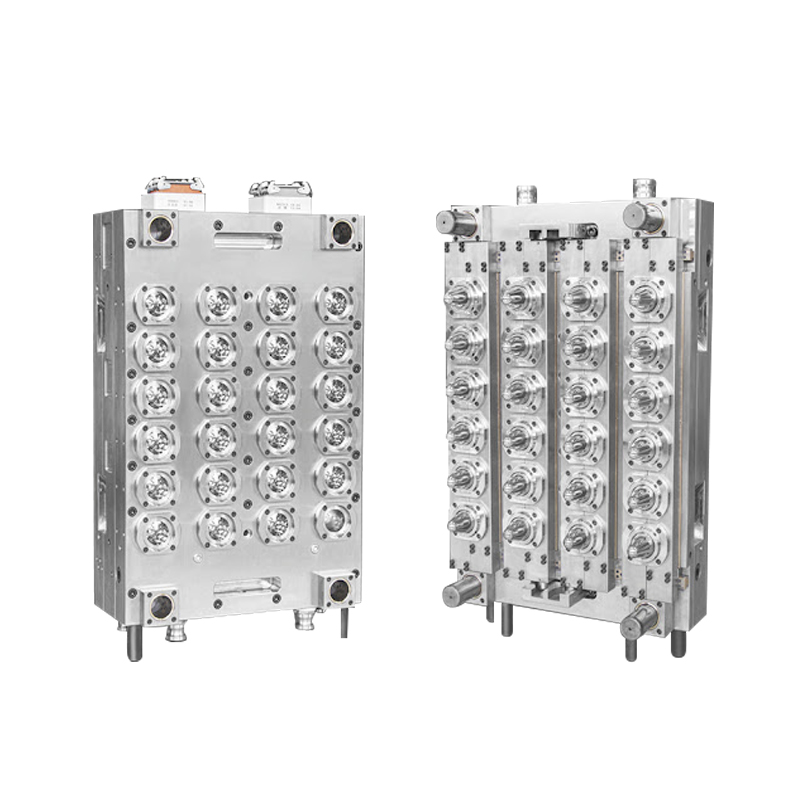
The 24-cavity wide-mouth mold is a precision tool designed for producing wide-mo...
See Details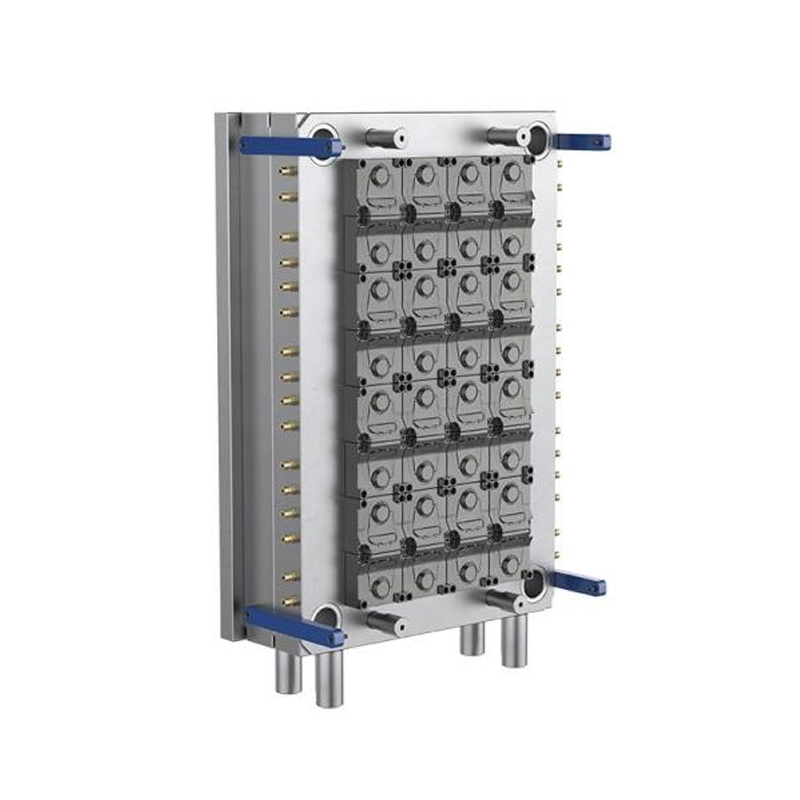
A Handle Mold is a specialized mold used in the manufacturing of plastic handles...
See Details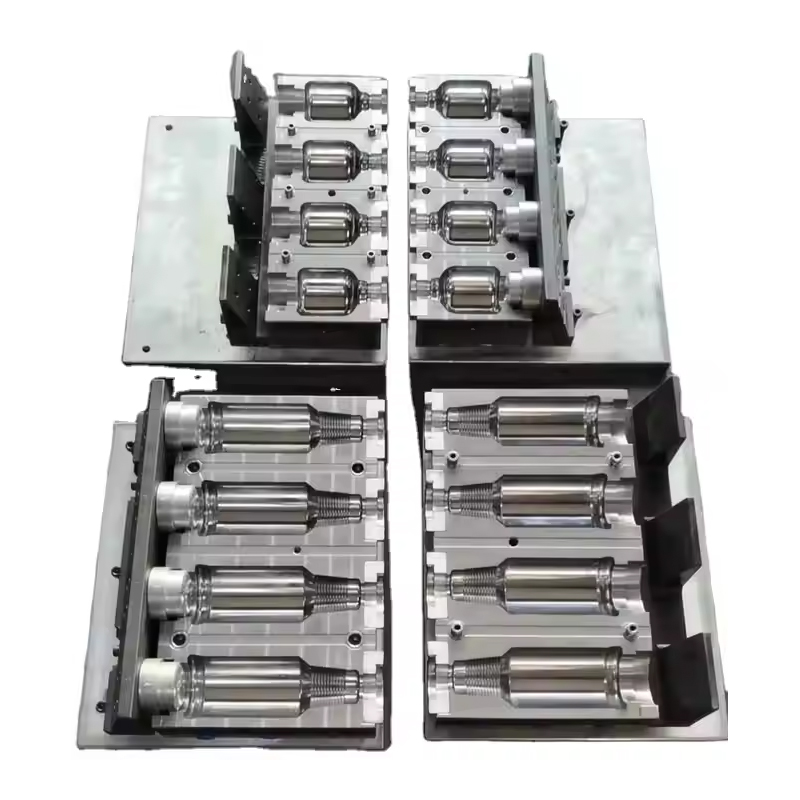
Our Cosmetic Bottle Mold is engineered for precision, reliability, and durabilit...
See Details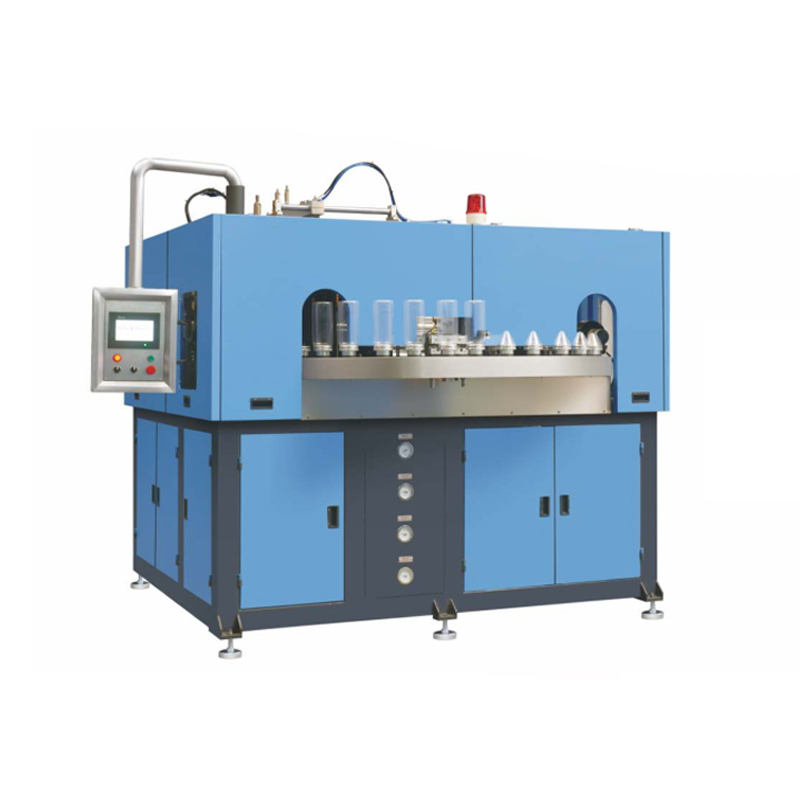
The hand-feeding blowing machine is an efficient tool designed for producing hig...
See Details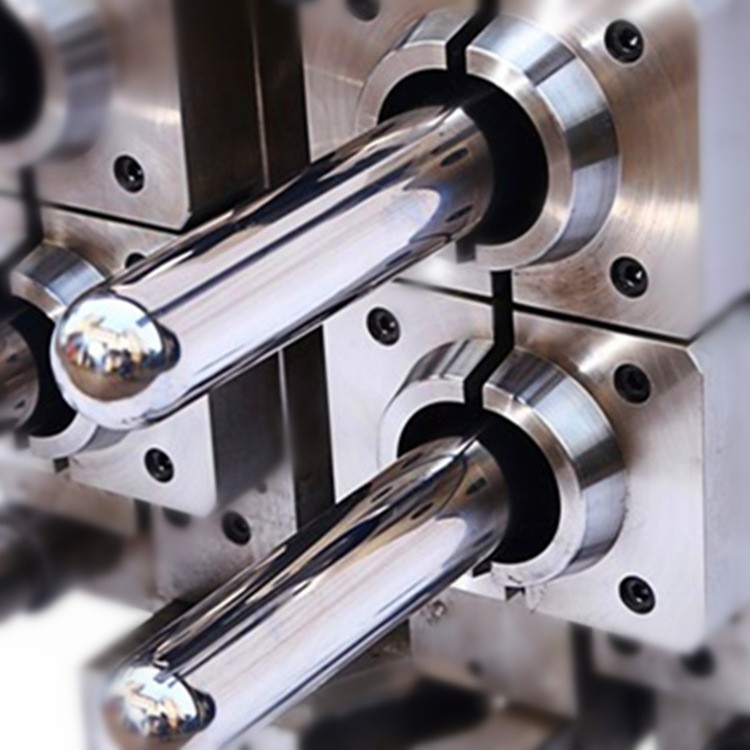
Mould Specifications Product : Preform Mould Brand : Taizhou QihongMould C...
See Details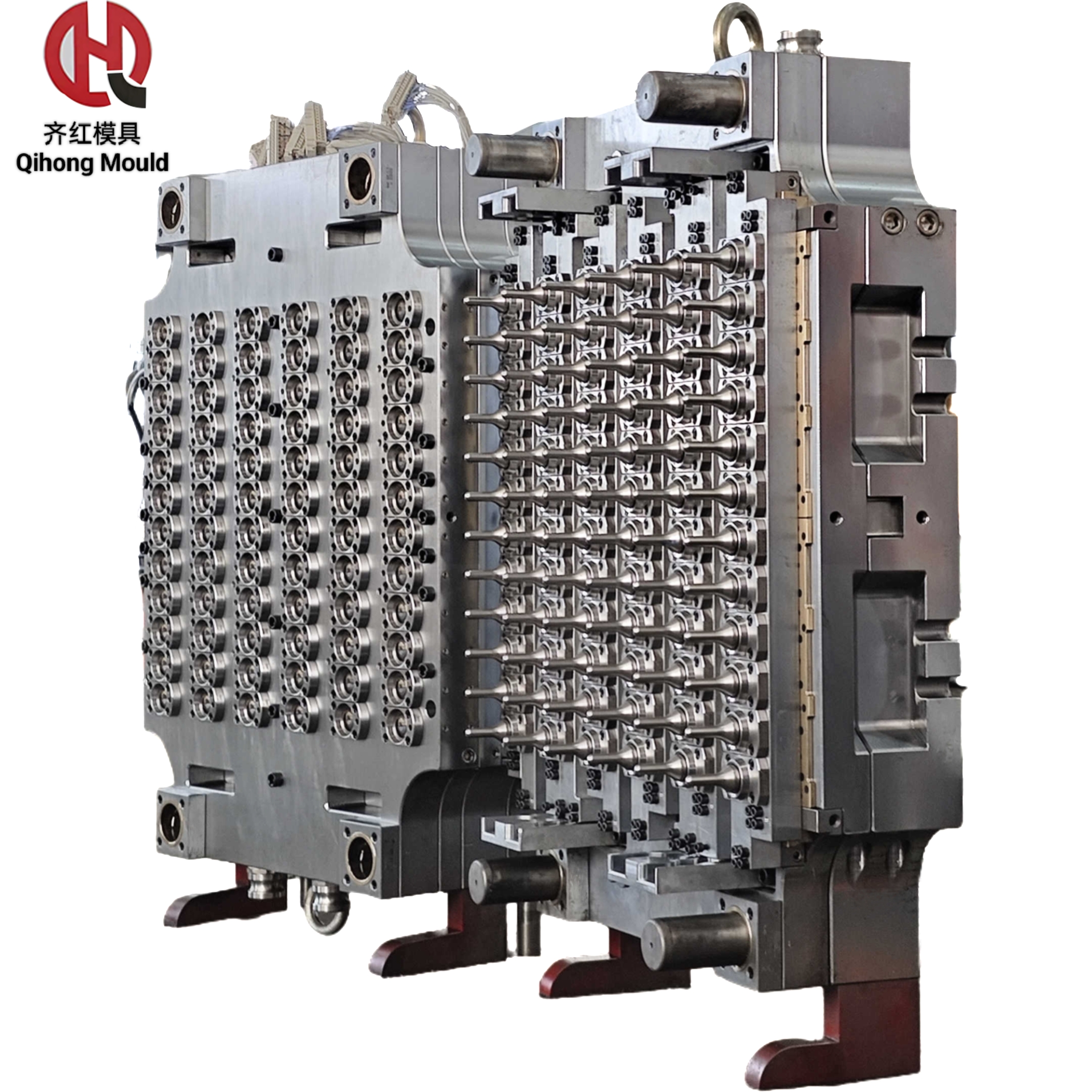
PET Preform Mold Design focuses on high precision structure and stable productio...
See Details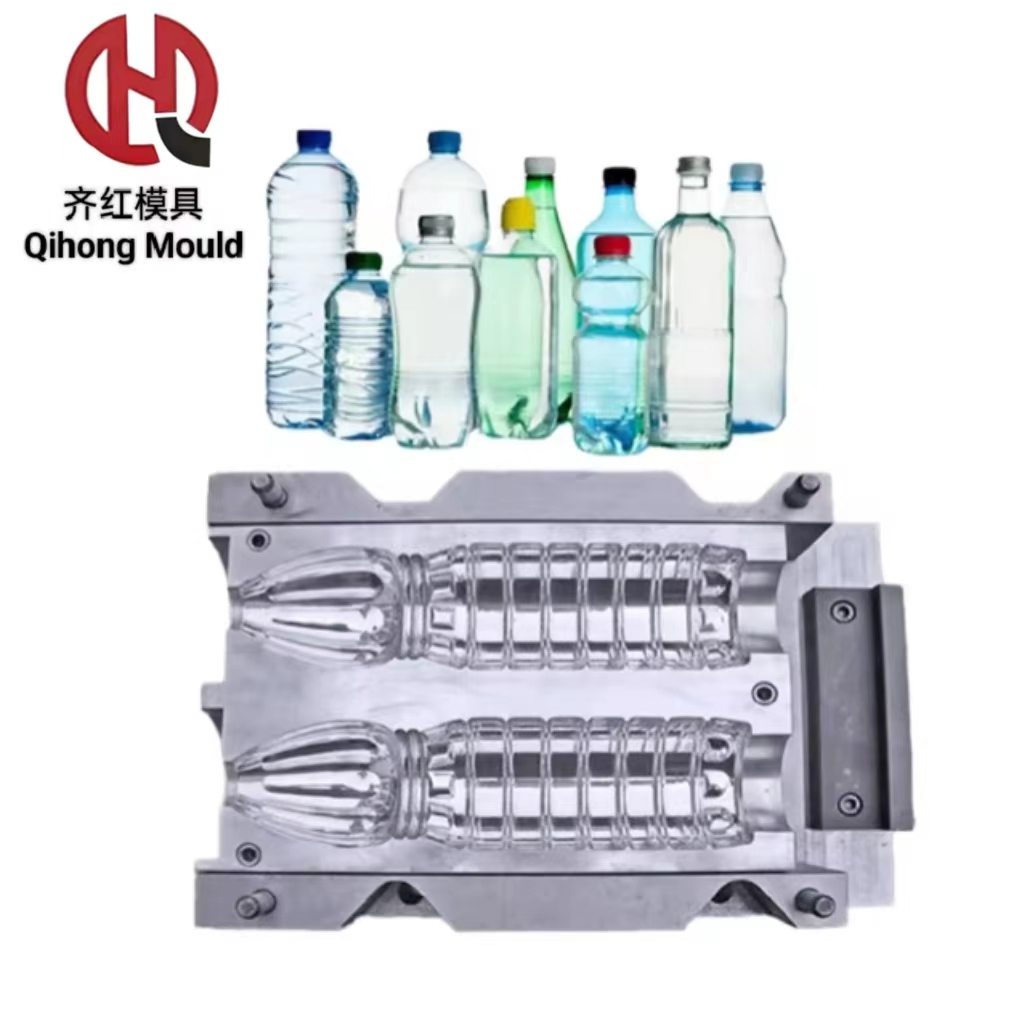
Mould Specifications Product : Blowing Mould Brand : Taizhou QihongMould C...
See Details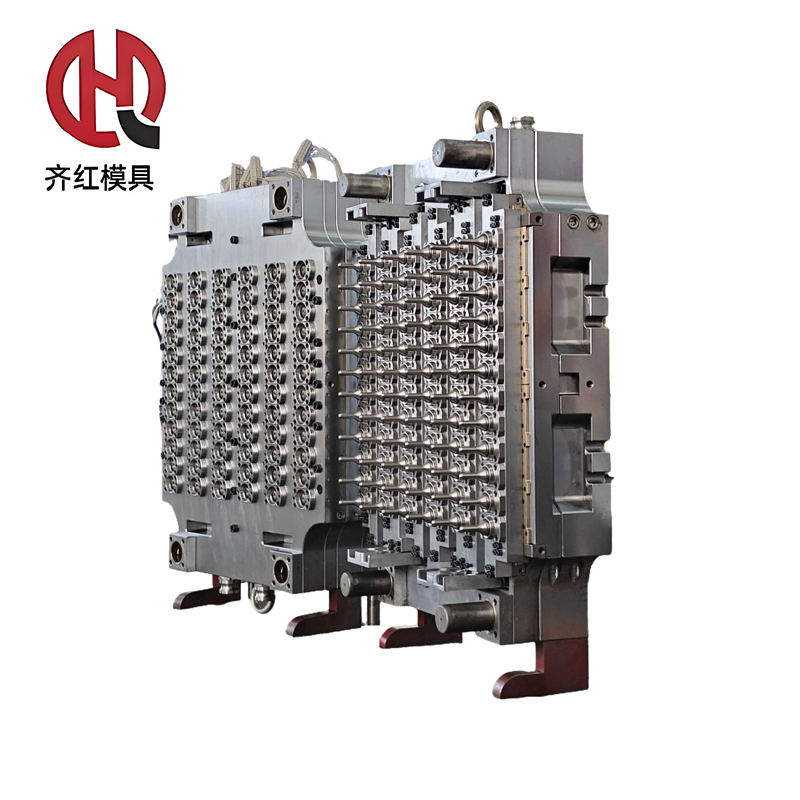
Standardization of mold partsHigh-precision processing equipment is used to ensu...
See Details
WhatsApp:+(86) 13957659071 / +(86) 18158637057 / +(86) 15395760157


ADD:Baige Science and Technology Park, Huangyan District, Taizhou City, Zhejiang Province, China.