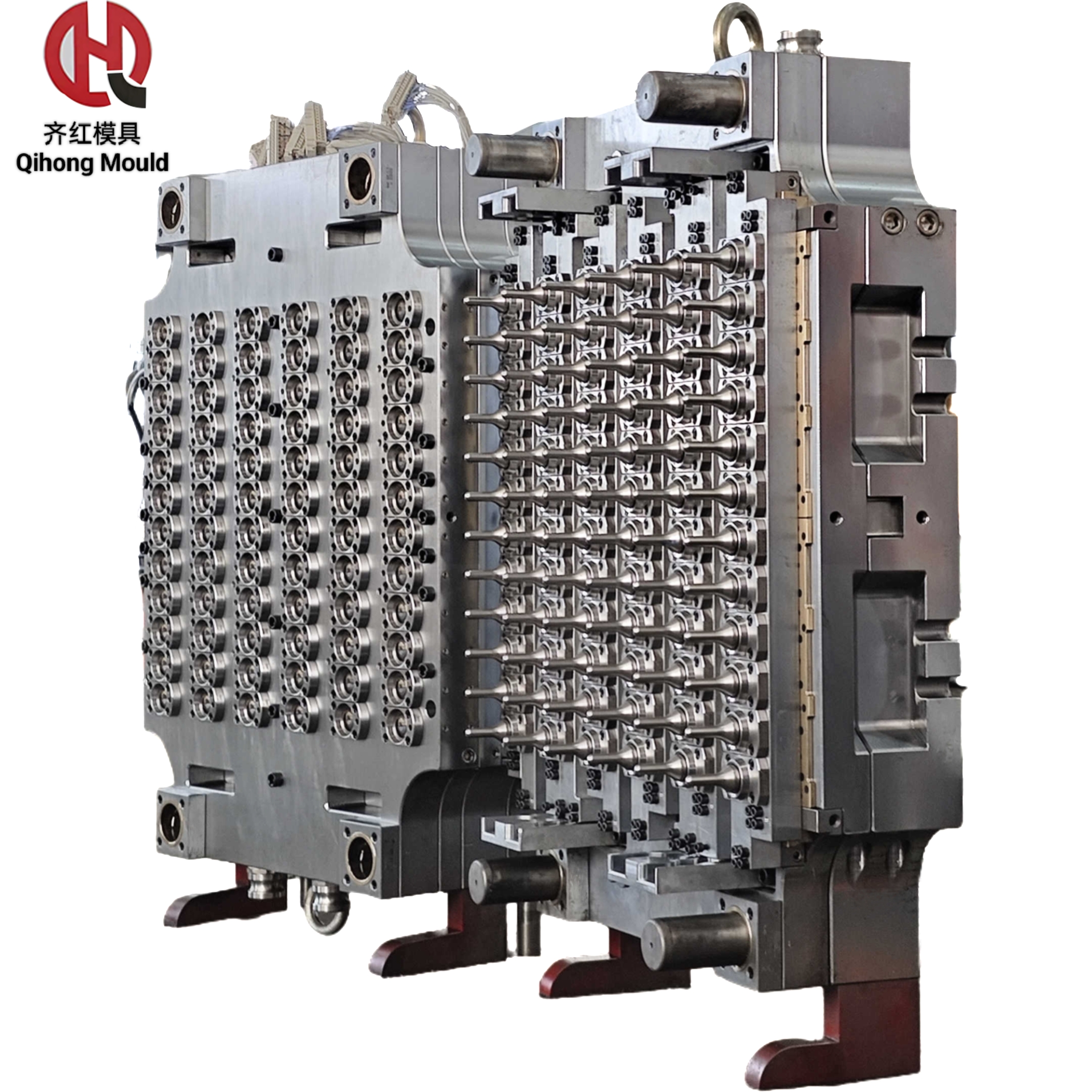
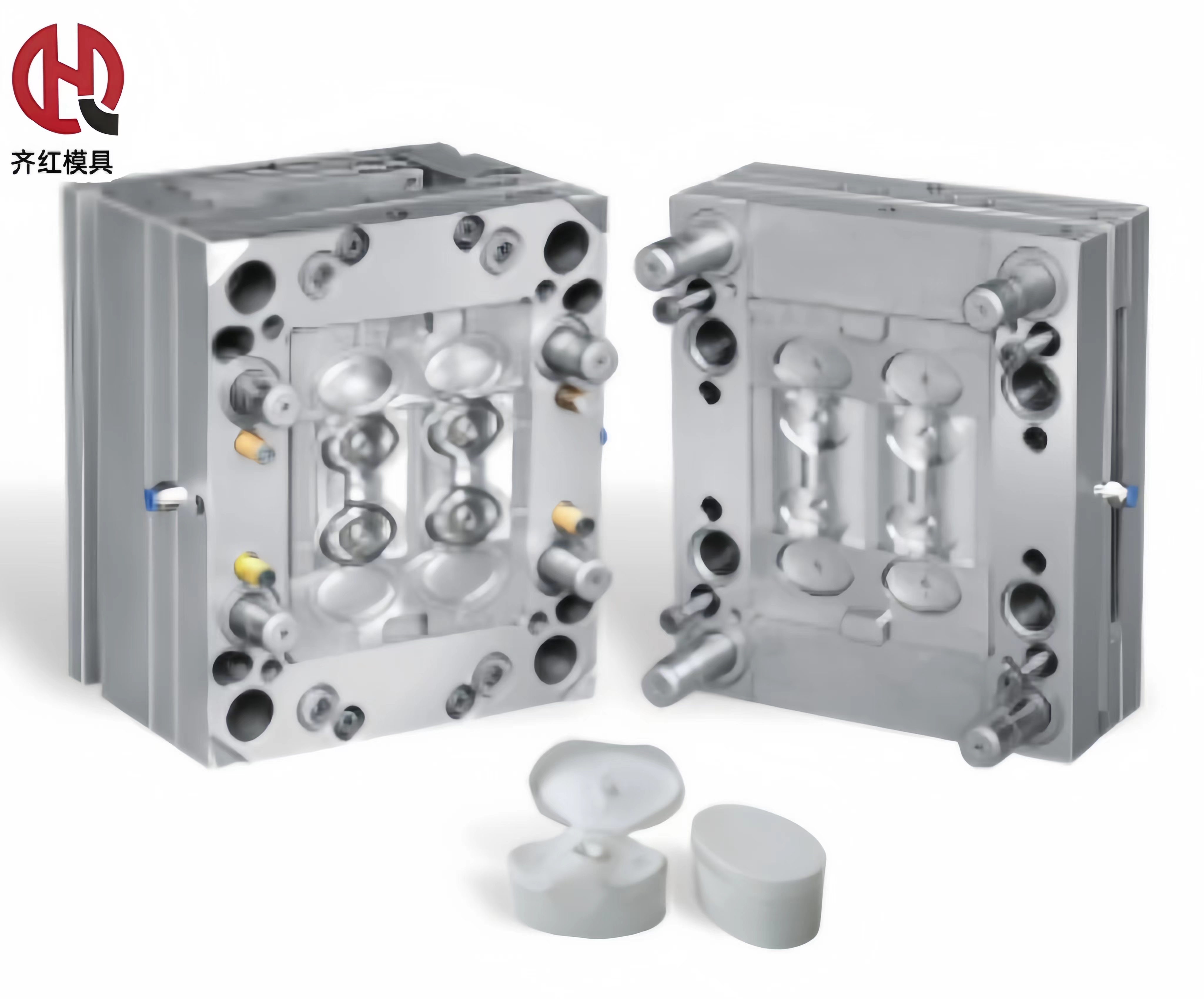
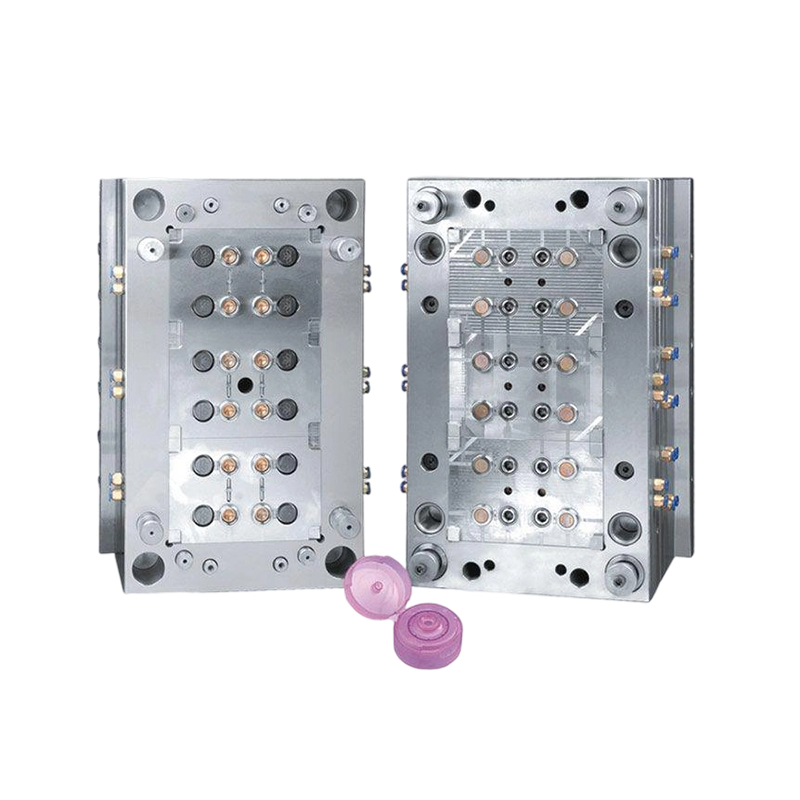
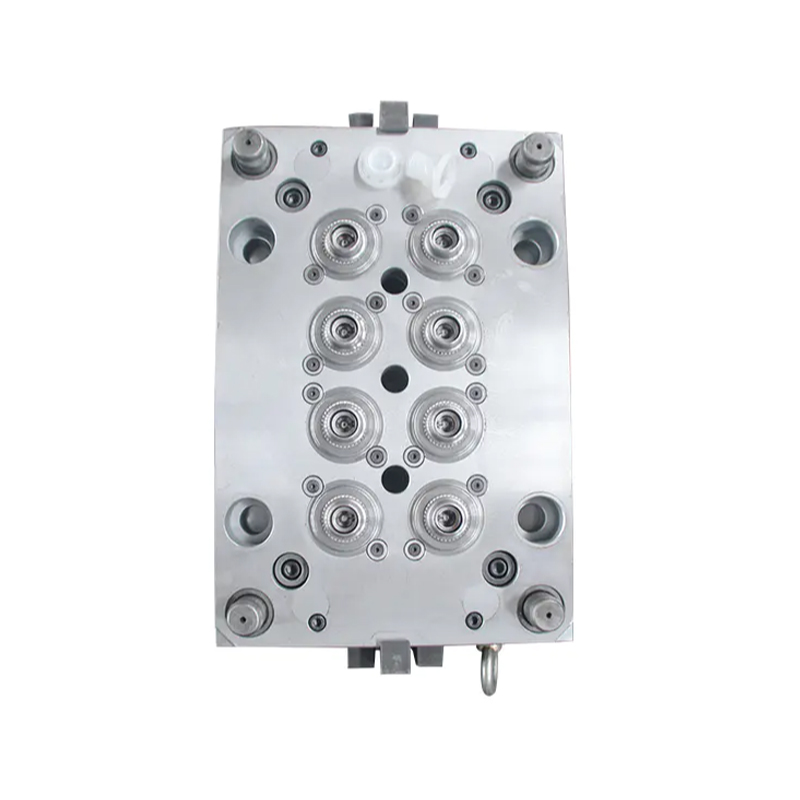
Plastic preform moulding and traditional moulding methods, such as injection moulding and compression moulding, are both widely used in the manufacturing industry. However, each method offers distinct advantages based on factors such as production volume, material requirements, and the desired end product. Understanding the differences between these two methods is crucial for choosing the right one for specific production needs.
What is Plastic Preform Moulding?
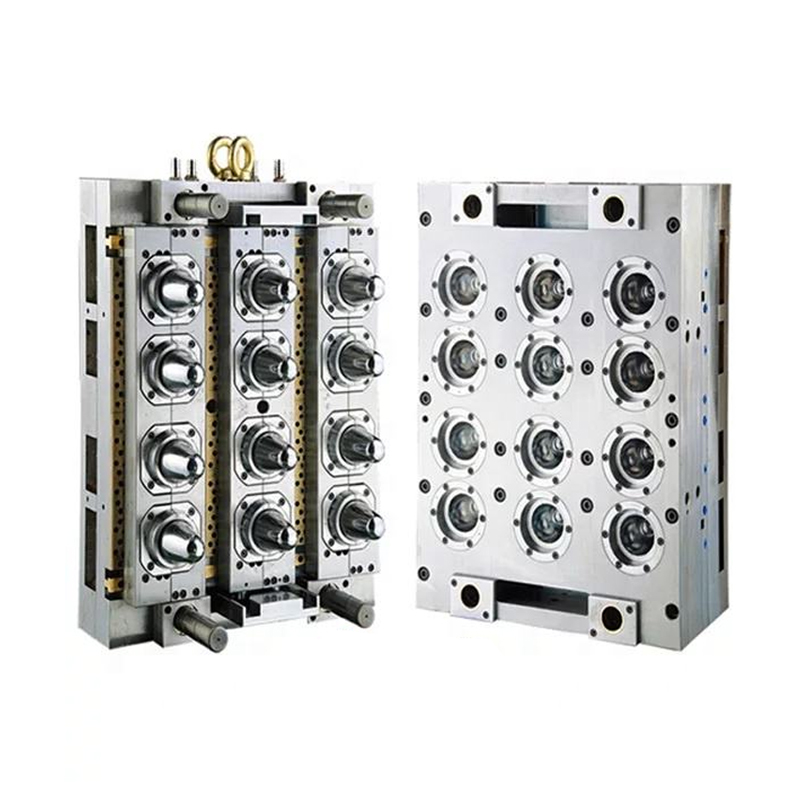
- Plastic preform moulding is a two-step process used primarily to produce plastic preforms that are later blow-moulded into finished products such as bottles, containers, and jars. The preform moulding process typically uses materials like polyethylene terephthalate (PET), although other plastics like polypropylene (PP) and polycarbonate (PC) can also be used, depending on the end application.
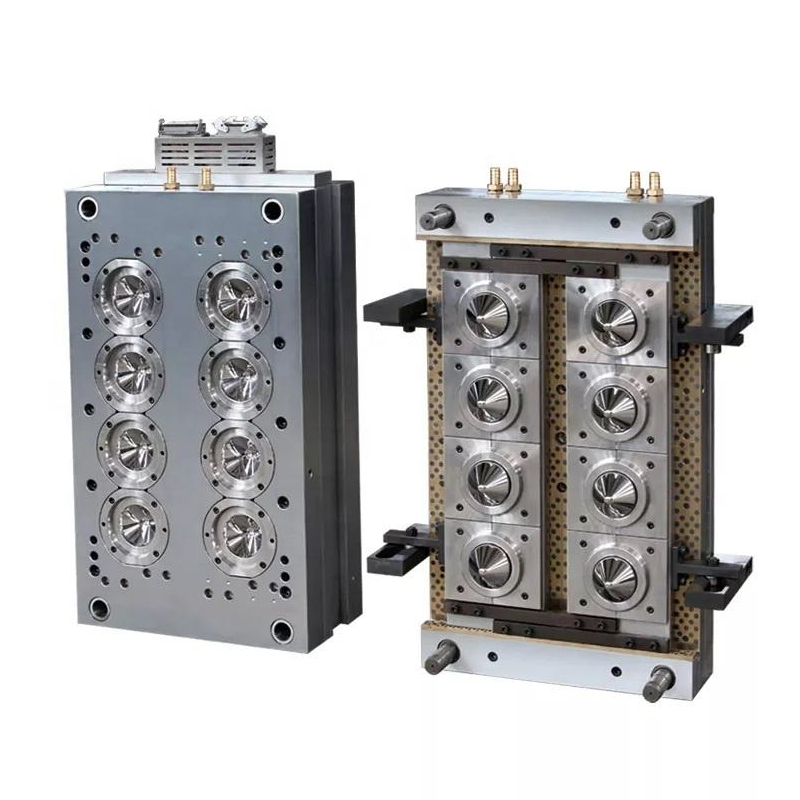
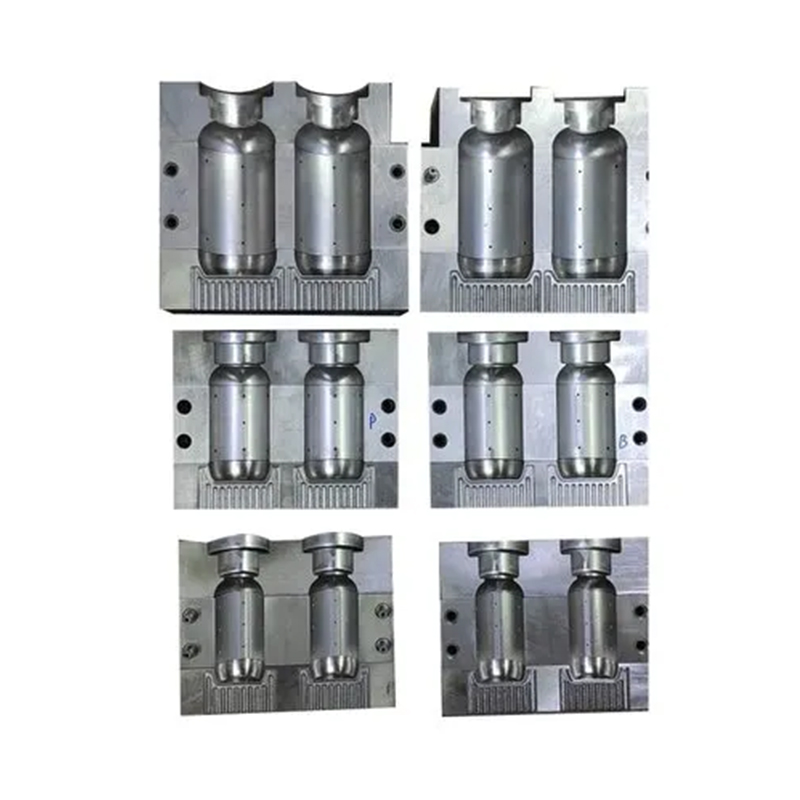
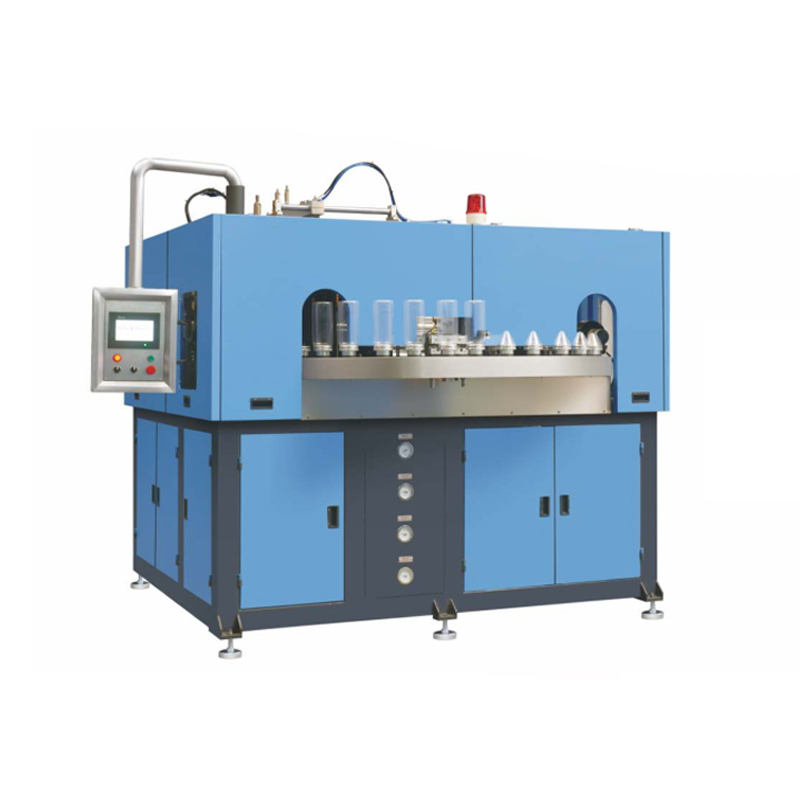
- The process begins with injection moulding, where molten plastic is injected into a preform mould to create a small, thick-walled preform. After cooling and solidification, the preform is then heated and inflated in a blow moulding process to form the final shape of the container or bottle. The precision and efficiency of the preform moulding process make it ideal for mass production, especially in industries like beverage packaging, pharmaceuticals, and cosmetics.
What is Traditional Moulding?
- Traditional moulding methods typically include techniques such as injection moulding, compression moulding, and extrusion moulding, which are used to create a variety of plastic products. In injection moulding, molten plastic is injected into a single cavity or multi-cavity mould, where it cools and solidifies to form a finished product. This method is suitable for producing complex parts with precise dimensions and high-volume output.
- Compression moulding involves placing a preheated material (often thermosetting plastics) into an open mould cavity, where it is compressed to take the shape of the mould under high pressure. Extrusion moulding, on the other hand, forces molten plastic through a die to create continuous shapes like pipes, sheets, or profiles.
- Traditional moulding methods are highly versatile and can be used for a broad range of materials, including plastics, metals, and composites. These methods are suitable for producing various products such as automotive parts, electronic components, and household goods.
Key Differences Between Plastic Preform Moulding and Traditional Moulding Methods
Process Type:
- Plastic Preform Moulding: Consists of two steps—injection moulding followed by blow moulding.
- Traditional Moulding: Includes single-step processes like injection moulding, compression moulding, and extrusion moulding.
Production Focus:
- Plastic Preform Moulding: Specializes in producing preforms that are then further processed into bottles, containers, and jars.
- Traditional Moulding: Suitable for producing a wide variety of products in one step, such as automotive parts, home appliances, and packaging.
Material Type:
- Plastic Preform Moulding: Primarily uses PET and other plastics suitable for blow moulding.
- Traditional Moulding: Can handle a broader range of materials, including thermoplastics, thermosets, metals, and composites.
Efficiency:
- Plastic Preform Moulding: Highly efficient for mass production of containers and bottles with high precision and uniformity.
- Traditional Moulding: More flexible for producing custom shapes and sizes, but may not be as efficient for high-volume production as preform moulding.
Cost Considerations:
- Plastic Preform Moulding: Typically requires a higher initial investment due to the complexity of the moulding system, but the cost per unit decreases in large production runs.
- Traditional Moulding: Lower initial setup cost for simpler designs, but can be more expensive per unit for large production due to longer cycle times and material waste.
|
Aspect
|
Plastic Preform Moulding
|
Traditional Moulding
|
|
Process Type
|
Injection + Blow Moulding
|
Injection, Compression, Extrusion
|
|
Production Focus
|
Preforms for bottles, containers
|
Variety of products: automotive, appliances
|
|
Material Type
|
Primarily PET and plastics
|
Thermoplastics, thermosets, metals
|
|
Efficiency
|
High efficiency for mass production
|
Flexible, less efficient for high volume
|
|
Cost Considerations
|
Higher setup, lower per-unit in large runs
|
Lower setup, higher per-unit cost
|
Benefits of Plastic Preform Moulding
- Precision: Provides highly accurate wall thickness and uniformity in preform production, making it ideal for blow moulding.
- Material Savings: Minimizes material waste due to the controlled injection process, which is more efficient for plastic usage.
- High Efficiency: The two-step process allows for high production rates, making it the preferred choice for high-volume products like beverage bottles.
- Design Flexibility: While preform moulding is often used for standard bottle shapes, it offers flexibility in producing various bottle sizes and designs through customised preform moulds.
Benefits of Traditional Moulding
- Versatility: Traditional moulding methods are more adaptable, offering a wide range of shapes and materials for different applications.
- Simplicity for Low-Volume Production: More cost-effective for low-volume or one-off productions, such as prototypes and custom parts.
- Material Flexibility: Can work with a wider variety of materials, including more advanced composites, metals, and plastics.
- Faster Cycle Time for Certain Products: For certain designs, traditional moulding techniques may offer faster cycle times compared to the two-step preform moulding process.
Environmental Considerations
Sustainability of Plastic Preform Moulding
- Plastic preform moulding, particularly when using PET (polyethylene terephthalate), offers several sustainability benefits. PET is a highly recyclable material, which makes it a popular choice for producing bottles and containers in industries like beverages and food packaging. Recycling rates for PET products are growing globally, contributing to a circular economy where used bottles can be repurposed into new preforms or other products. Additionally, preform moulding processes themselves are more efficient compared to some traditional moulding methods, leading to less material waste during production. The controlled nature of the injection moulding process ensures that material usage is optimized, with minimal scrap or leftover materials, making it an environmentally friendly choice for high-volume production.
Environmental Impact of Traditional Moulding
- While traditional moulding methods, such as injection moulding and compression moulding, are widely used across industries, they often have a greater environmental impact in certain cases. Traditional moulding processes, especially in injection moulding, can result in higher material waste due to imperfect moulding cycles or inefficiencies in material distribution. Additionally, some methods require more energy-intensive processes, particularly when dealing with thermoplastic materials that need to be heated to high temperatures. These factors contribute to a higher carbon footprint compared to more efficient techniques like preform moulding. However, the environmental impact can vary depending on the complexity of the mould, material used, and production volume.
Applications of Plastic Preform Moulding vs. Traditional Moulding Methods
Plastic Preform Moulding
Plastic preform moulding is primarily used in industries that require high-volume production of containers and bottles, particularly those that need to be blow-moulded into their final shape. Some key industries that rely on preform moulding include:
- Beverages: PET preforms are commonly used for water, soft drinks, and juice bottles. The high recyclability of PET is a key consideration for the beverage industry, which is focused on reducing plastic waste.
- Food Packaging: Preforms are used for packaging a wide variety of food products, including sauces, oils, and dairy products. The ability to produce airtight, tamper-proof containers is a critical factor in the food industry.
- Cosmetics: Many cosmetic packaging products, such as lotion bottles, perfume containers, and cosmetic jars, are made using PET preforms due to their durability and ability to maintain the product's integrity over time.
- Pharmaceutical Containers: Preform moulding is also common in the pharmaceutical industry, where containers must meet strict regulatory standards for safety and hygiene.
Traditional Moulding Methods
Traditional moulding methods, including injection moulding, compression moulding, and extrusion moulding, are versatile techniques used across a wide variety of industries. These methods are commonly used for products that require more customization in shape or material and are ideal for both low-volume and high-volume production. Key industries that use traditional moulding include:
- Automotive: Injection moulding is widely used in the production of automotive parts, such as dashboards, bumpers, and electrical components, which require high precision and strength.
- Consumer Goods: Products like household items, toys, and kitchen utensils are often made using traditional moulding methods. These products require diverse materials such as plastics, rubbers, and metals.
- Electronics: Injection moulding and compression moulding are used to create electronic components such as connectors, enclosures, and smartphone casings, which require precise designs and high durability.
- Construction Materials: Traditional moulding methods are essential for producing construction materials such as pipes, fittings, and insulation panels. These products require specific material properties and the ability to withstand harsh conditions.
Key Considerations When Choosing Between Plastic Preform Moulds and Traditional Moulding
1. Production Volume
Plastic Preform Moulding:
- Plastic preform moulding is best suited for large-scale production. The process is highly efficient for mass production of containers, such as bottles, jars, and other blow-moulded products. The use of multi-cavity moulds allows manufacturers to produce multiple preforms in a single cycle, making it an ideal choice for industries with high-volume production needs, such as the beverage and food packaging industries. The efficiency of preform moulding becomes more apparent as production volumes increase, with costs per unit decreasing with larger runs.
Traditional Moulding Methods:
- In contrast, traditional moulding methods, including injection moulding and compression moulding, are more adaptable for smaller, more specialized production runs. These methods are often chosen for low to medium-volume production, where customization and flexibility are essential. For industries that require unique shapes, low-volume prototypes, or limited-edition products, traditional moulding offers greater flexibility and can be a more cost-effective solution. It is also preferable for products that require more complex designs or varied materials, which might not be suitable for preform moulding.
Key Takeaway:
- Choose preform moulding for large-scale, high-volume production where uniformity and efficiency are crucial.
- Opt for traditional moulding when dealing with low-volume or custom production needs.
2. Cost Analysis
Initial Investment Costs:
- The initial investment for setting up a plastic preform moulding system can be higher due to the need for specialized equipment, such as injection moulding machines and blow moulding systems. Additionally, the development of custom preform moulds can require significant upfront capital. However, this cost is often offset over time with lower per-unit costs in high-volume production, as the system is optimized for efficiency.
Operational Costs:
- The operational costs of plastic preform moulding are generally lower in large runs due to the optimized material usage and higher cycle rates. The use of multi-cavity moulds allows for simultaneous production, maximizing output while minimizing energy consumption and waste. However, for lower-volume production, these machines may not be as cost-efficient, as the set-up and operation costs are spread over fewer units.
- In comparison, traditional moulding methods such as injection moulding may involve lower initial investment for smaller-scale production. The machinery required is less complex, and the process tends to be simpler. However, the cost per unit can be higher for smaller runs due to longer cycle times, more material waste, and the need for frequent machine adjustments, especially when producing intricate parts with varying geometries.
Key Takeaway:
- Preform moulding is cost-effective for large-scale production where economies of scale can significantly reduce per-unit costs.
- Traditional moulding methods are generally more cost-effective for smaller runs, especially if the product design requires less complexity or customization.
3. Product Requirements
Complexity of Product Design:
- The design complexity is another critical factor in determining which moulding method to use. Plastic preform moulding is ideal for producing standardized shapes, such as bottles and containers, where the primary focus is on achieving uniformity and precision in wall thickness. However, it is less flexible when it comes to producing more complex geometries or parts that require intricate features. The process is highly efficient for products with a simple design that will later be blown into the final form.
- Traditional moulding methods offer greater design flexibility, making them suitable for products with complex shapes, detailed features, or parts that require multiple materials. For instance, injection moulding is widely used to produce automotive parts, electronic enclosures, or products with embedded features such as threads, snaps, or inserts. Compression moulding allows for the production of larger, heavier items or parts made from thermosetting plastics that can withstand high temperatures or demanding conditions.
Material Properties and Performance:
- Another factor to consider is the material requirements of the final product. Preform moulding typically uses PET or other materials that are specifically designed for blow moulding. PET is ideal for applications like beverage bottles and food containers due to its lightweight and highly durable properties. If the product requires more specialized material properties—such as heat resistance, strength, or flexibility—traditional moulding methods may offer a better solution, as they can accommodate a wider range of materials, including thermoplastics, thermosets, metals, and composites.
Key Takeaway:
- Choose preform moulding for simple, standardized products that require high-volume production and uniformity.
- Opt for traditional moulding methods when dealing with complex designs, multi-materials, or specialized material properties.
The Future of Moulding Technologies
Trends in Plastic Preform Moulding
The landscape of plastic preform moulding is undergoing significant transformation, driven by continuous advancements in technology. Key trends include:
1. Advances in Material Science
- One of the most exciting developments in the field of preform moulding is the improvement in materials used for production. Recycled PET (rPET) is becoming increasingly popular in the production of preforms, driven by the growing demand for more sustainable packaging solutions. Additionally, innovations in bio-based polymers and other environmentally friendly materials are gaining traction, allowing manufacturers to produce preforms that are both eco-friendly and high-performance. These advancements are pushing the boundaries of what can be achieved in terms of material properties, including durability, strength, and heat resistance.
2. Faster Cycle Times
- The need for faster production cycles is increasing in order to meet global demand for cost-effective manufacturing. Advances in multi-cavity moulding systems, better mould design, and improved cooling technologies are allowing manufacturers to reduce cycle times and increase output. Shorter cycle times not only improve production efficiency but also lower per-unit costs, making preform moulding an even more attractive option for high-volume applications such as beverage packaging and consumer goods.
3. Automation and Smart Manufacturing
- Automation is playing a pivotal role in revolutionizing plastic preform moulding. Robotic systems and intelligent control systems are increasingly integrated into the production process, reducing human error and enhancing precision. Automated processes allow for 24/7 production cycles, minimize downtime, and enable real-time monitoring of product quality. Furthermore, AI-driven analytics and machine learning are being used to optimize production runs, forecast material needs, and predict equipment failures, all contributing to higher efficiency and lower operational costs.
Evolving Role of Traditional Moulding
While plastic preform moulding is advancing rapidly, traditional moulding methods are also adapting to meet the challenges of a changing manufacturing landscape. As product designs become more complex and material demands evolve, traditional methods are incorporating new technologies and approaches to stay competitive.
1. Adapting to New Materials
- Traditional moulding techniques such as injection moulding, compression moulding, and die-casting are expanding to accommodate a broader range of materials. The growing demand for advanced composites, high-performance thermoplastics, and sustainable materials like bio-based polymers has led to the evolution of traditional moulding systems. Manufacturers are now able to mould materials that require higher processing temperatures or more intricate material properties, such as enhanced strength, flexibility, or environmental resistance.
2. Integration of Advanced Technologies
- To stay relevant, traditional moulding methods are integrating newer technologies like 3D printing for rapid prototyping and robotic automation for increased precision and speed. These technologies enhance the versatility of traditional moulding by allowing for more complex geometries and quicker production cycles. For instance, injection moulding machines are increasingly incorporating electronic sensors to monitor temperature and pressure, leading to improved quality control and reduced waste.
3. Sustainability Adaptation
- In response to increasing environmental regulations and consumer demand for sustainable products, traditional moulding methods are being modified to reduce energy consumption and material waste. This includes the use of energy-efficient machines, closed-loop recycling systems, and zero-waste production methods. The adaptation of traditional moulding techniques to support more sustainable practices is helping companies meet environmental goals while maintaining product quality and cost efficiency.
Emerging Hybrid Moulding Solutions
As industries face growing pressure to innovate while optimizing cost-efficiency and sustainability, hybrid moulding solutions are becoming more common. These solutions combine the best features of both preform moulding and traditional moulding methods to create new, innovative approaches that meet the needs of modern manufacturing.
1. Integration of Preform Moulding and Injection Moulding
- One of the most promising hybrid approaches involves combining the efficiency of preform moulding with the versatility of injection moulding. For example, a product could be made using preform moulding for the initial container or bottle, followed by injection moulding for complex parts such as handles, caps, or lids. This hybrid method not only streamlines the production process but also allows manufacturers to create more complex and multi-functional products with fewer steps.
2. Multi-Material Moulding
- Another hybrid solution is the integration of multi-material moulding techniques, where both preform moulding and traditional moulding methods are used to combine different materials within a single product. For example, overmoulding can be employed to add soft-touch or ergonomic features to products made from preforms. By combining plastics, rubbers, metals, and other materials, manufacturers can produce products that offer both durability and enhanced functionality.
3. Sustainable Hybrid Solutions
- Hybrid moulding solutions are also pushing the envelope on sustainability. The combination of recycled materials in preform moulding and eco-friendly additives in traditional moulding methods allows for the creation of products that are not only functional but also environmentally responsible. These solutions meet the growing demand for green manufacturing and contribute to the circular economy by using recyclable and renewable resources.
The future of moulding technologies is being driven by advanced material science, automation, and hybrid approaches, which enhance efficiency, flexibility, and sustainability. At Taizhou Qihong Mold Co., Ltd., we are adapting to these innovations in plastic preform moulding, focusing on faster cycle times, smarter automation, and sustainable materials. While traditional moulding methods continue to evolve by embracing new materials and enhancing precision, hybrid solutions that combine both preform and traditional moulding are strengthening the manufacturing landscape. Taizhou Qihong Mold Co., Ltd. is committed to leading these advancements to meet the evolving demands of modern production.
 English
 русский
 عربى
عربى