English
 русский
 عربى
عربى


Bottle Cap Mold(Mould)
A Bottle Cap Mold is a precision tool used in the manufacturing of bottle caps. ...
See Details


Plastic injection moulding is a cornerstone of modern manufacturing, enabling mass production of bottles, containers, and other plastic components. Among the most commonly used mould, Preform Mould and Bottle Blowing Mould are essential in beverage production, while Handle Mould caters to ergonomic designs. Plastics Mould serves a wide range of industries for diverse applications. Understanding how the number of cavities impacts these mould is crucial for efficiency, product quality, and operational reliability.
A "cavity" refers to the hollow section of a mould that shapes molten plastic into the final component. Increasing cavity count improves production throughput but introduces mechanical, thermal, and operational challenges. Proper design, material selection, and process control are essential to balance efficiency with product quality, particularly for high-volume manufacturers such as Preform Mould Manufacturer or Plastics Mould Factory.
| Aspect / Mould Type | Preform Mould | Plastics Mould | Handle Mould | Bottle Blowing Mould |
|---|---|---|---|---|
| Purpose / Function | Produce PET or other plastic preforms for bottles | General plastic component production | Create ergonomic handles for bottles or jugs | Stretch and blow preforms into final bottles |
| Key Characteristics | Small, thick-walled preforms; precision affects final bottle integrity | Wide range of shapes and sizes; cooling and injection pressure critical | Complex geometries requiring slides, lifters, or collapsible cores | Quality of preform directly affects final bottle dimensions |
| Impact of Multiple Cavities | Increases throughput; adds mechanical and thermal complexity | Achieving uniform material flow becomes more challenging | Synchronization critical; uneven fill or deformation more likely | Variations in preforms cause inconsistent wall thickness and structural weakness |
| Mechanical Impact | Additional cavities increase base stress; alignment is critical | Uneven load distribution may accelerate wear | Moving components face higher mechanical stress | Preform inconsistencies affect the blowing process |
| Thermal / Cooling | Complex cooling channels are needed; temperature consistency is essential | Preventing hot spots is key to maintaining quality | Uneven cooling may deform handles | Uniform preform heating ensures consistent bottle blowing |
| Material Flow / Injection | Higher injection pressure required; short shots are possible | Balanced flow prevents warping or incomplete filling | Complex geometries increase resistance | Non-uniform preforms can compromise wall thickness |
| Maintenance & Durability | Frequent inspections needed; wear accumulates faster | Multi-cavity design requires more maintenance | Moving parts demand regular monitoring | Preform variation indirectly impacts mould lifespan |
| Economic Implications | Higher upfront cost; better throughput lowers per-part cost | Trade-off between cost, energy, and efficiency | Complex design increases initial investment | Production efficiency depends on consistent preforms |
| Optimization Solutions | Advanced cooling, precision machining, flow simulation | Simulation, material optimization, cooling design | High-precision slides/lifters, thermal management, sensors | Preform monitoring, cavity optimization, automated defect detection |
Preform Mould
High-cavity configurations in this mould elevate stress on the base and core components. Temperature variations between cavities can lead to uneven wall thickness or warping. Optimized cooling channels, accurate injection pressure, and proper material selection are critical to ensure high-quality preforms. Preform Mould Manufacturer often adopt advanced simulation tools to maintain consistency across all cavities.
Plastics Mould
In multi-cavity designs used by Plastics Mould Factory, ensuring uniform material flow is increasingly challenging. Uneven filling or thermal gradients can cause warping or incomplete parts. Using advanced simulation software and optimized runner systems, along with carefully designed cooling channels, helps maintain product quality while increasing throughput.
Handle Mould
Producing multiple handles in a single mould requires precise synchronization of slides, lifters, and collapsible cores. Thermal inconsistencies can lead to deformation or misalignment. Cap Mould Supplier frequently integrates real-time monitoring and high-precision machining to prevent defects and maintain dimensional accuracy.
Bottle Blowing Mould
The quality of preforms directly affects bottle stretching and wall thickness. Slight differences in preform dimensions from multi-cavity mould can lead to uneven wall distribution and structural weakness. Automated preform monitoring and consistent heating protocols help mitigate these risks, ensuring uniform final bottles.
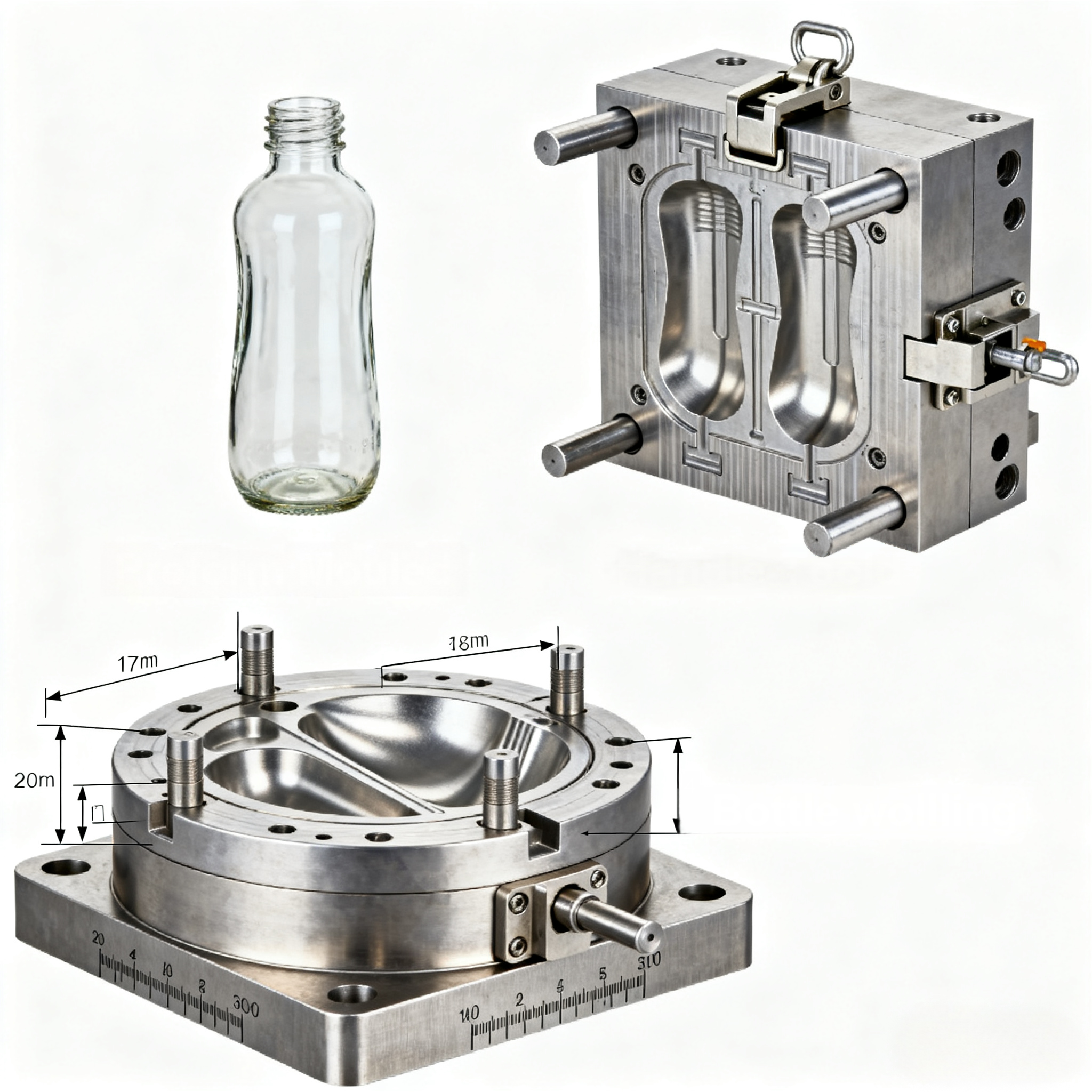
The number of cavities in a mold has a direct influence on its mechanical and structural design. In Preform Molds, increasing cavity numbers means the mold base and support plates must withstand higher cumulative injection pressures. Each cavity introduces additional stress points, particularly around core pins and cavity inserts. Misalignment of cores or cavities can result in defects in the preform, including uneven wall thickness or dimensional inconsistencies. High-cavity molds therefore require precise machining tolerances and robust mold materials to maintain stability under repeated cycles.
For Plastics Molds, the structural impact is often compounded by the size and complexity of the molded parts. More cavities create uneven load distribution across the mold plate, which can accelerate wear and tear and reduce mold lifespan if not properly engineered. Multi-cavity designs often necessitate thicker mold bases or reinforced inserts to prevent deflection during injection, which can otherwise cause misaligned parts or flashes.
Handle Molds face even greater mechanical challenges. The use of slides, lifters, and collapsible cores introduces moving components that must operate in perfect synchronization. With multiple cavities, the complexity of coordinating these moving elements increases exponentially. Any deviation in timing can result in incomplete fills, flashing, or deformation of handles. As a result, high-cavity handle molds are more prone to mechanical failures and require frequent inspection and maintenance.
In Bottle Blowing Molds, the structural integrity of the mold is indirectly affected by preform quality. High-cavity preform molds can produce preforms with slight dimensional differences. These inconsistencies translate into uneven stretching during the blowing process, which can stress the mold unevenly, potentially leading to wear on critical areas or minor fractures over time. Reinforced mold structures and high-precision machining are essential to mitigate these effects.
Thermal Management and Cooling Performance in Multi-Cavity Mould Design
Thermal regulation plays a decisive role in determining the performance, stability, and service life of a mould, and its importance becomes more pronounced as the number of cavities increases. The interaction between heat generation, heat dissipation, and cycle stability directly affects product consistency and overall production efficiency.
Thermal Control in Preform Mould
In a Preform Mould, each cavity undergoes repeated heating and cooling cycles, creating localized heat accumulation. As cavity quantity increases, the mould requires a more sophisticated cooling channel architecture to ensure uniform temperature distribution across all cavity regions. Insufficient thermal balance can lead to deformation phenomena such as warping, sink marks, and uneven wall thickness, all of which negatively influence the structural integrity and clarity of the final bottle.
Thermal Considerations in Plastics Mould
In a Plastics Mould, thermal behavior varies according to the geometry, mass distribution, and polymer flow characteristics of the molded part. As the number of cavities increases, the complexity of achieving thermal uniformity likewise intensifies. Poorly balanced cooling may result in hot spots, leading to incomplete filling, visible surface defects, or internal stresses that compromise mechanical performance over time.
Thermal Challenges in Handle Mould
Handle Mould exhibit unique thermal characteristics due to the presence of slides, lifters, and collapsible core mechanisms. These components obstruct direct cooling pathways and create zones with delayed heat dissipation. When cavity counts increase, maintaining synchronized thermal balance becomes significantly more demanding.
Uneven cooling in this mould type can result in distortion, dimensional drift, or compromised ergonomic geometry of the handle. As such, precise temperature control systems and localized cooling inserts are often necessary to stabilize mould temperature profiles.
Thermal Influence in Bottle Blowing Mould
In Bottle Blowing Mould, the effects of thermal variation originate earlier in the process—specifically during preform formation. Preforms must be reheated to a precise temperature range to enable uniform stretching during the blowing stage. Even slight temperature differences among preforms—often caused by uneven cooling in the Preform Mould—translate into non-uniform wall thickness and reduced bottle strength.
Consistent preform temperature is therefore fundamental to ensuring structural stability, transparency, and material distribution in the final bottle. Reinforced temperature-control protocols and cavity-to-cavity monitoring systems are commonly used to maintain uniform thermal conditioning.
High-cavity designs require higher injection pressures and optimized runner systems. In preform production, inadequate pressure can cause short shots or voids. Balanced flow in plastics mould is essential to avoid warping, and complex handle mould geometries increase flow resistance. In bottle blowing, non-uniform preforms affect the stretching process. Simulation tools help predict flow behavior and optimize injection parameters.
Wear increases with the number of cavities. Preform mould need frequent inspection, while multi-cavity plastics mould requires additional maintenance. Handle mould require monitoring of moving parts, and variations in preforms indirectly affect the durability of bottle blowing mould. Preventive maintenance and monitoring are key to extending mould lifespan.
High-cavity designs reduce per-part cost but raise upfront investment. Preform Mould Manufacturer benefit from increased throughput, while Plastics Mould Factory balance energy, maintenance, and productivity. Cap Mould Supplier faces higher costs due to complex design but gains efficiency when molds are optimized. For bottle blowing, consistent preforms are critical to minimize scrap and maintain production efficiency.
Solutions for high-cavity mould include:
These practices are widely adopted by Preform Mould Manufacturer, Plastics Mould Factory, and Cap Mould Supplier to enhance efficiency, reduce defects, and maintain product quality.
Cavity count significantly affects mechanical stress, thermal behavior, material flow, and maintenance requirements of mould. Multi-cavity designs offer higher throughput but require careful monitoring and design optimization. Preform production demands precise temperature and flow control, plastics mould requires balanced injection and wear management, handle mould need synchronization of complex components, and bottle blowing mould relies on consistent preforms.
By integrating advanced technology and careful process control, manufacturers—including Preform Mould Manufacturer, Plastics Mould Factory, and Cap Mould Supplier—can achieve high efficiency, low defect rates, and prolonged mould lifespan while ensuring high-quality products.
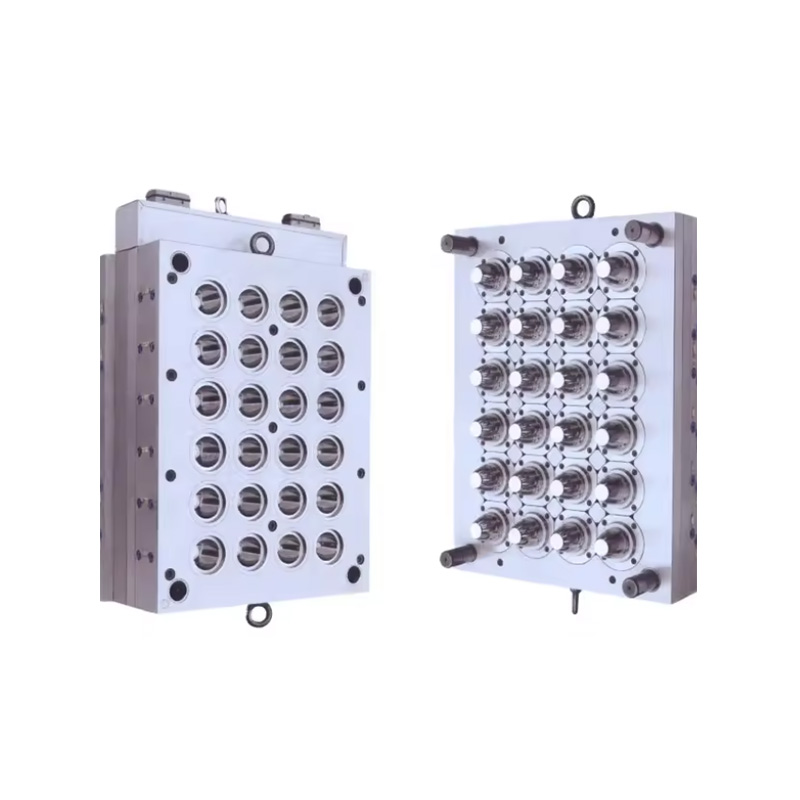
A Bottle Cap Mold is a precision tool used in the manufacturing of bottle caps. ...
See Details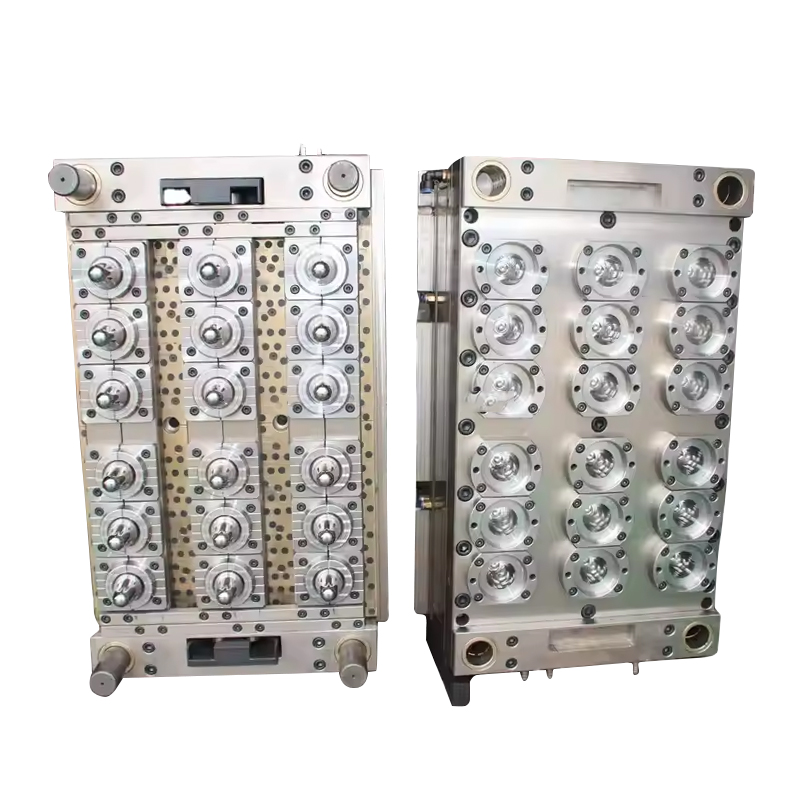
The 18-cavity wide-mouth mold is a high-efficiency tool specifically designed fo...
See Details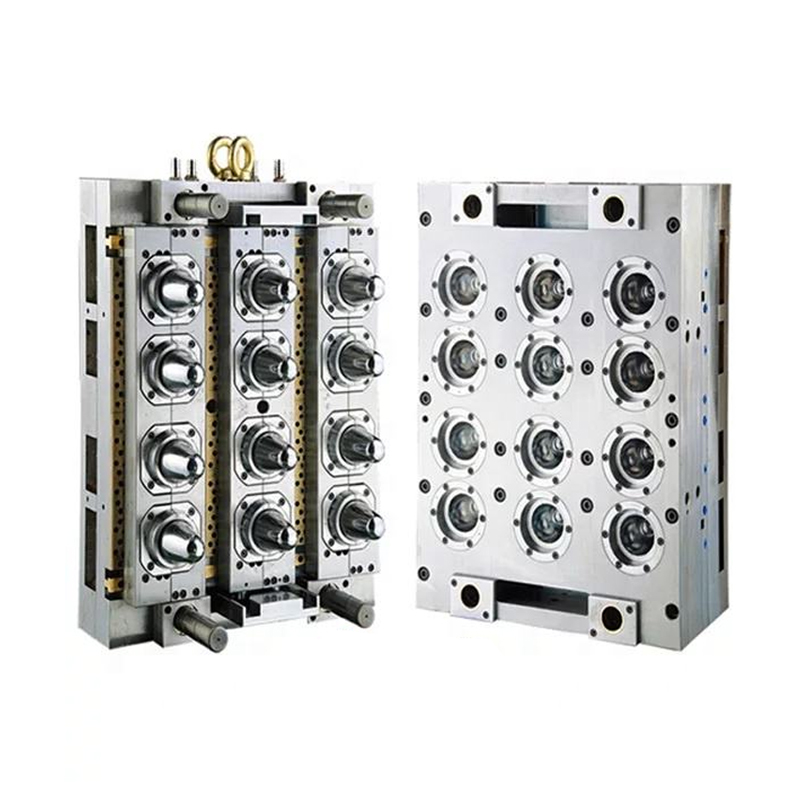
The 12-Cavity Wide-Mouth Mold(Mould) is made for manufacturers running wide-mout...
See Details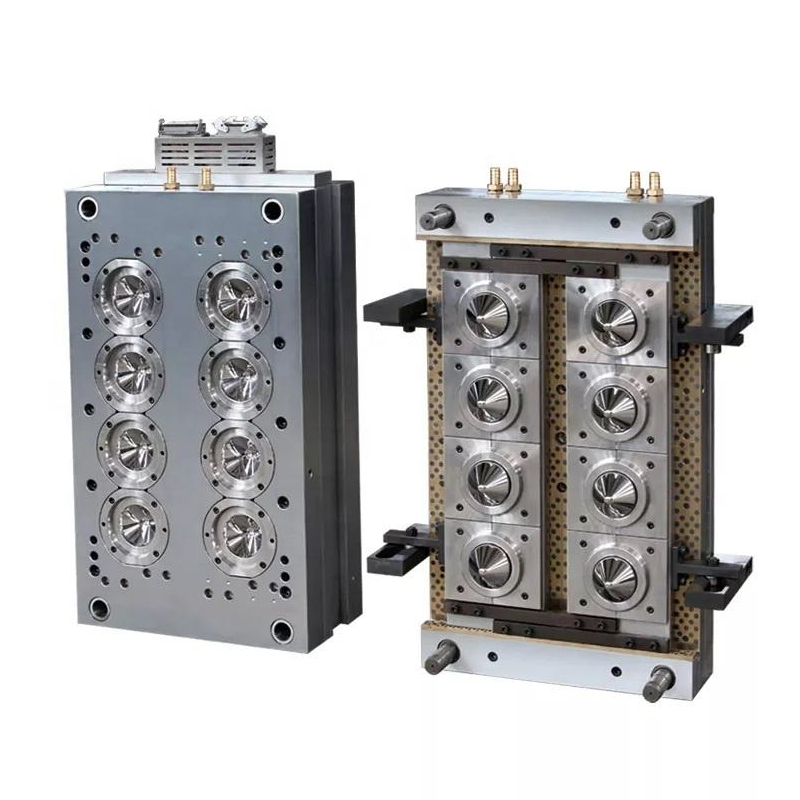
The 8-cavity wide-mouth mold is designed to produce plastic containers with larg...
See Details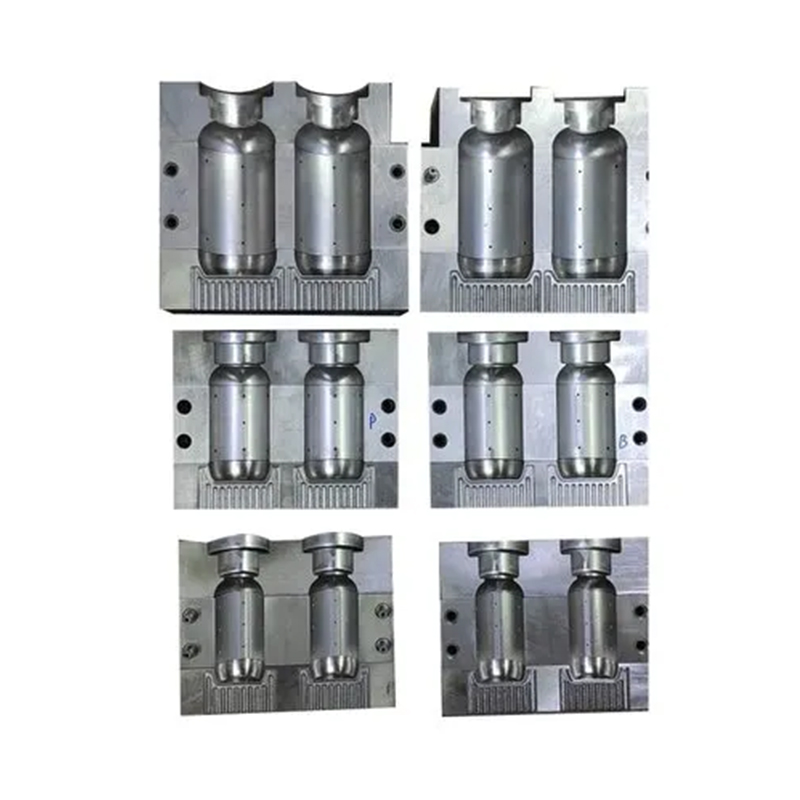
Medicine bottle molds are specialized tools designed for the efficient productio...
See Details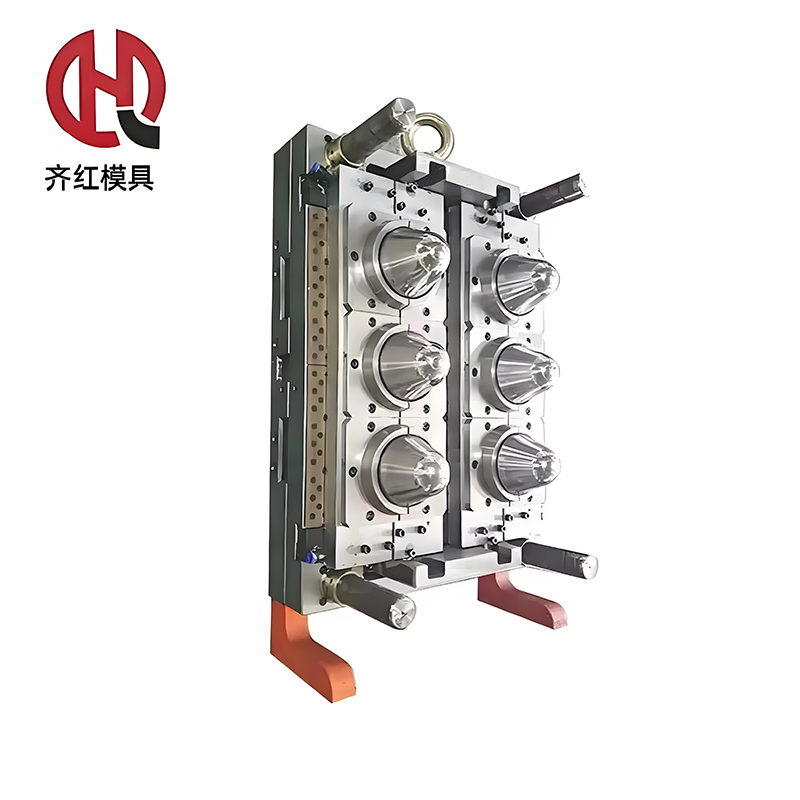
Water and beverage preform mold, Edible oil preform mold, Preform Mold for cosme...
See Details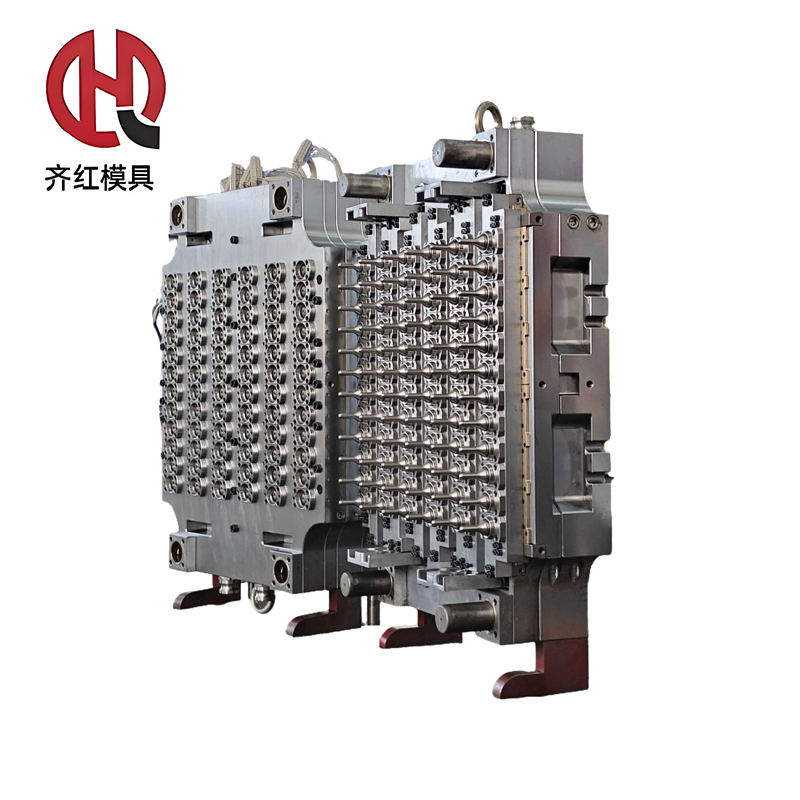
Standardization of mold partsHigh-precision processing equipment is used to ensu...
See Details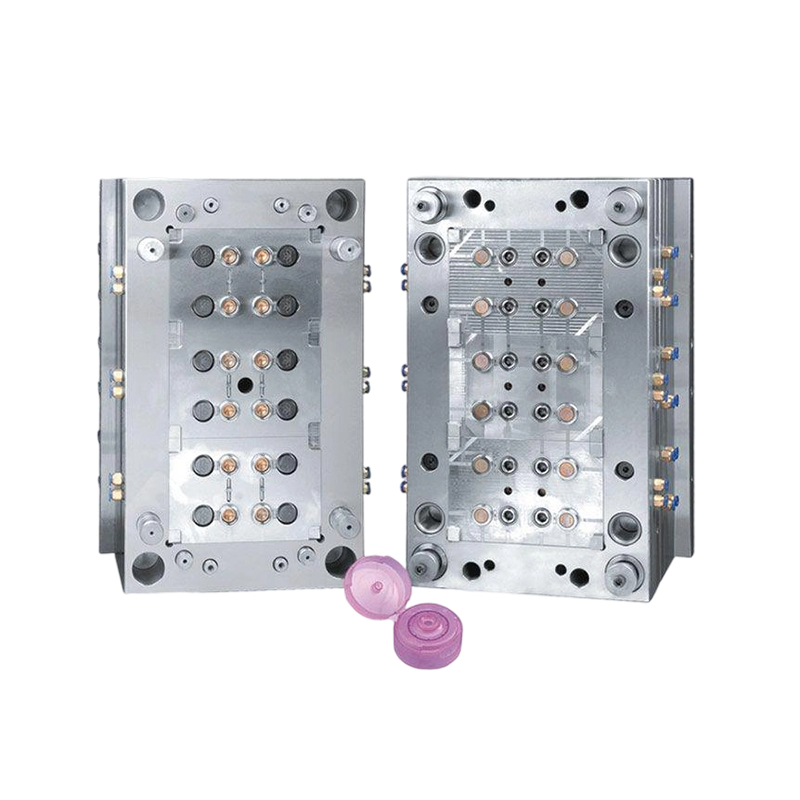
Flip Top Cap also know as Flip Top Caps & Cap mould Stopper Cap is one of ty...
See Details
WhatsApp:+(86) 13957659071 / +(86) 18158637057 / +(86) 15395760157


ADD:Baige Science and Technology Park, Huangyan District, Taizhou City, Zhejiang Province, China.