English
 русский
 عربى
عربى


Semi-Automatic Blowing Machine
Semi-Automatic Blowing Machines are specialized machines used in the production ...
See Details


In the fast-paced world of packaging, consistency and precision define success.
Behind every crystal-clear PET bottle sits a quiet piece of engineering brilliance — the preform mould.
Think of it as the core of bottle manufacturing. This highly engineered injection tool shapes molten PET into a compact, test-tube-like form called a preform. Later, this preform is reheated and stretched into the familiar bottles we see every day — for water, soft drinks, cosmetics, and countless other products.
It's more than just tooling — it's craftsmanship guided by science. Every surface finish, cooling channel, and steel grade decision affects how clearly a bottle shines, how well it seals, and how efficiently it's made.
Simply put: no great preform mould, no great bottle.
For modern manufacturers, a preform mould is the foundation of repeatable, high-quality production. Built with precision and endurance in mind, it defines not only productivity but also brand consistency.
Preform Mould come in various configurations to meet different production and performance goals. Understanding these categories helps producers choose the right system for their needs.
Produce one preform per injection cycle. These are simple, affordable, and ideal for small-scale or custom production runs.
Can produce dozens or even hundreds of preforms per cycle (up to 144+ cavities). They deliver higher throughput and lower per-unit costs, but demand greater precision in cooling, alignment, and flow balance.
In large-scale PET packaging lines, multi-cavity hot-runner moulds dominate due to their efficiency and consistency.
The molten PET flows through unheated channels that solidify after each cycle. While cost-effective and simple to maintain, they create more material waste and have longer cycle times.
Keep resin molten throughout the system via heated manifolds, reducing waste and improving cycle speed and preform consistency. Though they require higher investment, they deliver greater productivity and are the preferred choice for continuous, high-volume operations.
| Category | Type | Description | Ideal For | Key Advantages |
|---|---|---|---|---|
| Cavity Design | Single-Cavity | Produces one preform per cycle | Small-scale, custom, or testing | Low cost, quick setup |
| Multi-Cavity | Produces multiple preforms per cycle (up to 144+) | High-volume operations | Efficiency, uniformity, lower unit cost | |
| Runner System | Cold Runner | Resin solidifies in runner each cycle | Entry-level production | Simple, affordable |
| Hot Runner | Keeps PET molten throughout cycle | Continuous, industrial production | Less waste, faster cycles, consistent quality |
Modern mould design integrates advanced engineering for speed, precision, and durability:
Each design element aims to improve cycle efficiency, lower energy use, and extend tool life — critical factors for competitive PET packaging production.
Different applications demand specialized tooling:
A preform is a semi-finished plastic component produced by injection moulding before it becomes a finished container through stretch blow moulding.
It typically resembles a thick-walled test tube with a fully formed neck and base — the "blueprint" of the final bottle.
In formula form:
Molten PET + Precision Mould = Reliable Preform.
The two-stage method — preform injection followed by blow moulding — offers key advantages:
Preform Resins
PET (Polyethylene Terephthalate) remains the gold standard due to its clarity, strength, and recyclability.
Other resin types include:
A good preform must demonstrate:
Tooling Materials for Preform Mould
If resin gives life to the preform, the mould gives it precision.
Key engineering principles:
Top-tier moulds combine rigidity, polishability, and heat control — producing flawless preforms consistently.
Resin–Mould Interaction
Material science meets precision engineering here.
The mould defines how the resin crystallizes and cools; the resin determines how the mould performs.
In essence, resin and mould form a partnership — one defines potential, the other perfects it.
Preform Mould are the cornerstone of the injection stage in PET packaging production — the point where molten resin becomes structured material.
Production Sequence
This first injection stage defines the geometry, clarity, and consistency of the final product.
Why Manufacturers Use Preform Mould
Where They're Most Critical
1.Market Growth
Industry analyses project continued steady growth for Preform Mould, fueled by expanding bottled beverage markets and sustainability mandates.
The global market is expected to grow at around 6–7% CAGR through 2033, with the tooling segment valued in the multi-billion-dollar range.
2.Key Growth Drivers
Rising demand for bottled beverages and on-the-go packaging.
Lightweighting and material cost reduction initiatives.
Sustainability goals pushing rPET adoption.
Technological innovation in mould cooling, sensors, and automation.
Regional expansion across Asia-Pacific and emerging economies.
1.Trends
2.Challenges
3.Regional Outlook
4.Preform Mould and Sustainable Packaging
Preform Mould now play a vital role in sustainability strategies:
In short, precision tooling directly enables greener, more circular packaging.
From material science to market strategy, the preform mould is more than an industrial component — it's a technological enabler.
It defines how efficiently resin becomes packaging, how brands achieve sustainability goals, and how production lines stay competitive.
Modern Preform Mould integrate smart systems, sustainable materials, and advanced cooling — making them not only tools of precision but engines of progress.
As the global packaging sector continues to evolve, those who invest in precision, data-driven design, and sustainable engineering will shape the next generation of packaging — one preform at a time.
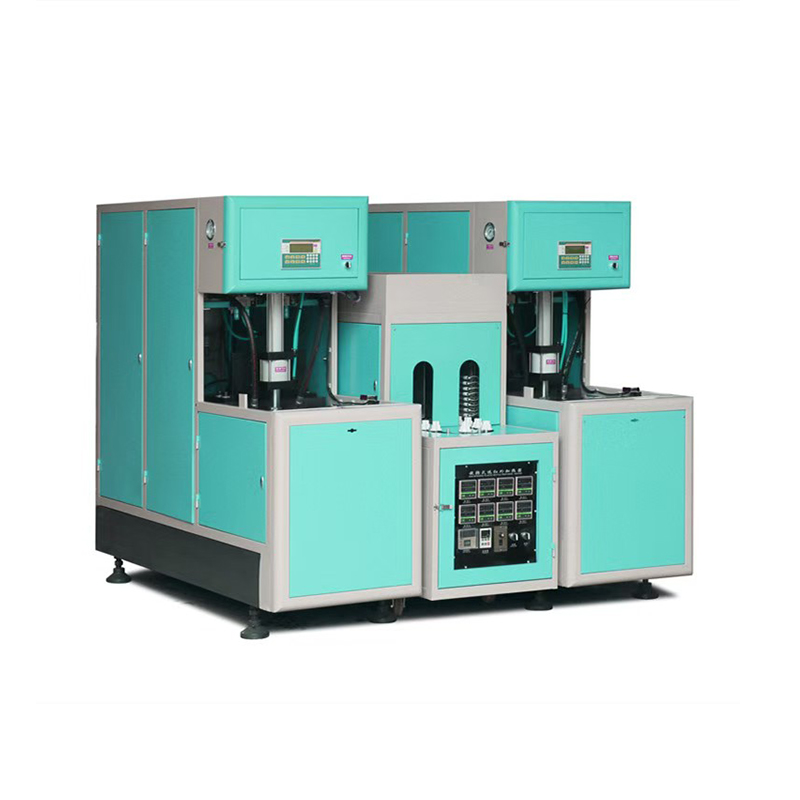
Semi-Automatic Blowing Machines are specialized machines used in the production ...
See Details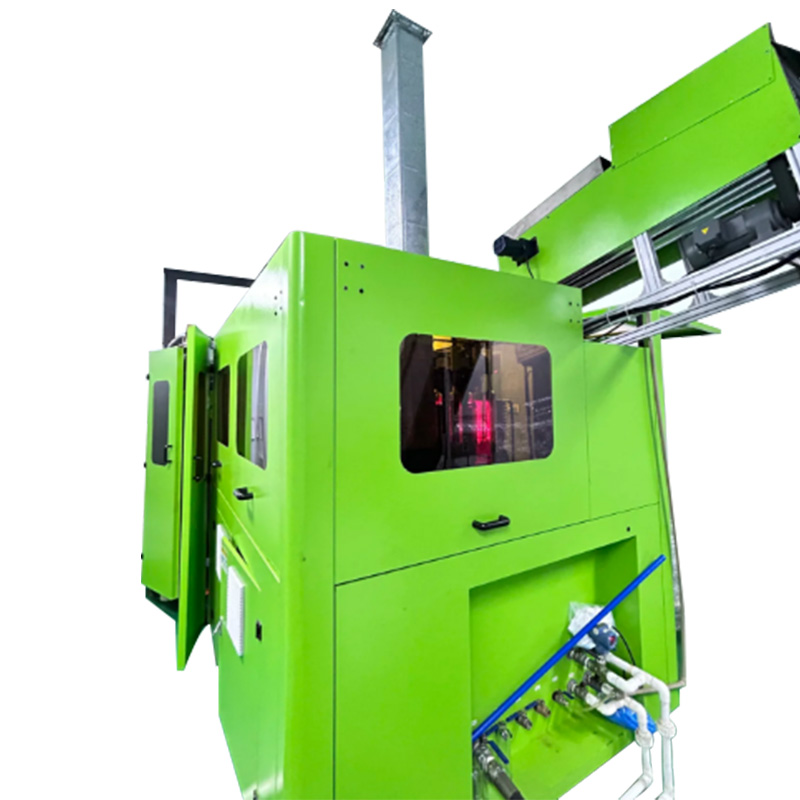
Automatic blowing machines are essential equipment in modern bottle manufacturin...
See Details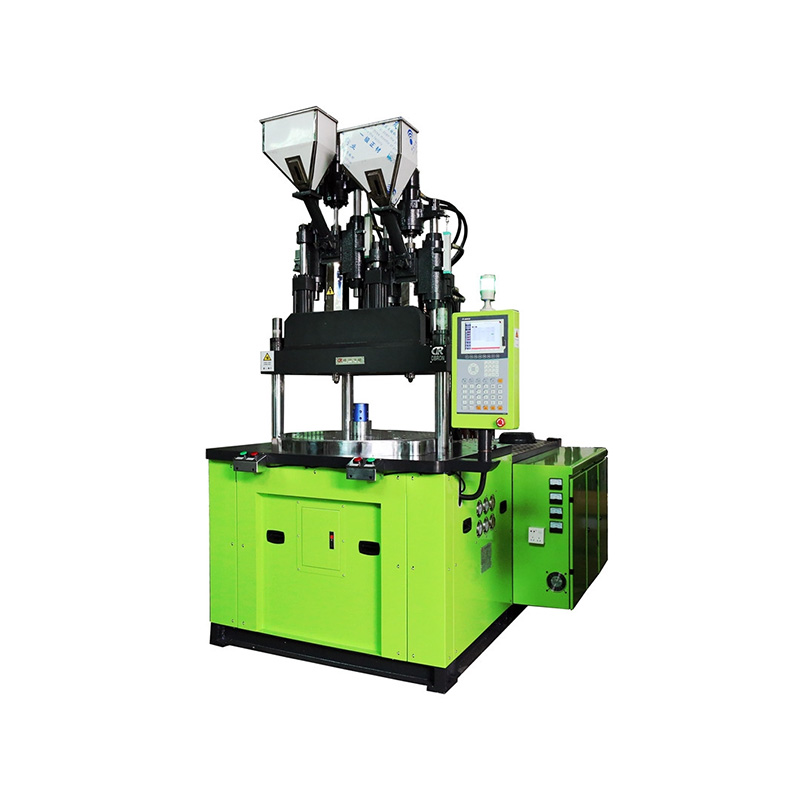
An Injection Molding Machine is an essential industrial tool used for producing ...
See Details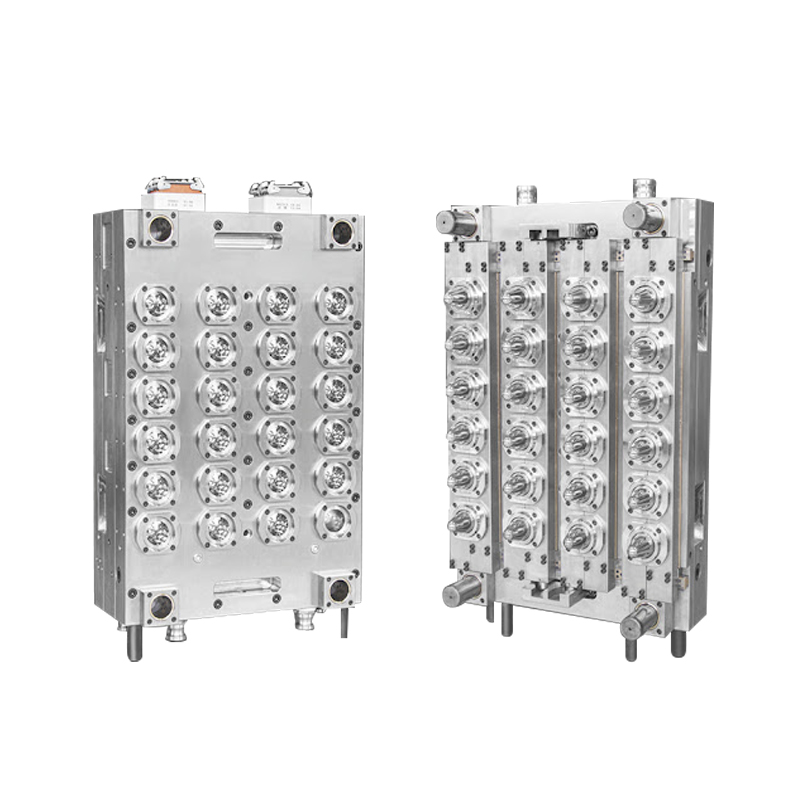
The 24-cavity wide-mouth mold is a precision tool designed for producing wide-mo...
See Details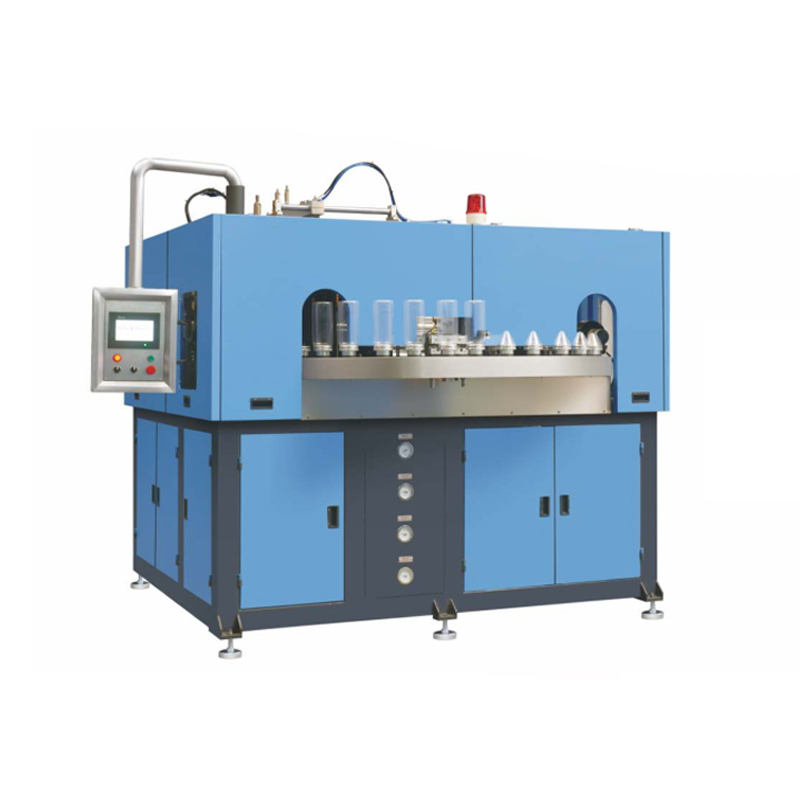
The hand-feeding blowing machine is an efficient tool designed for producing hig...
See Details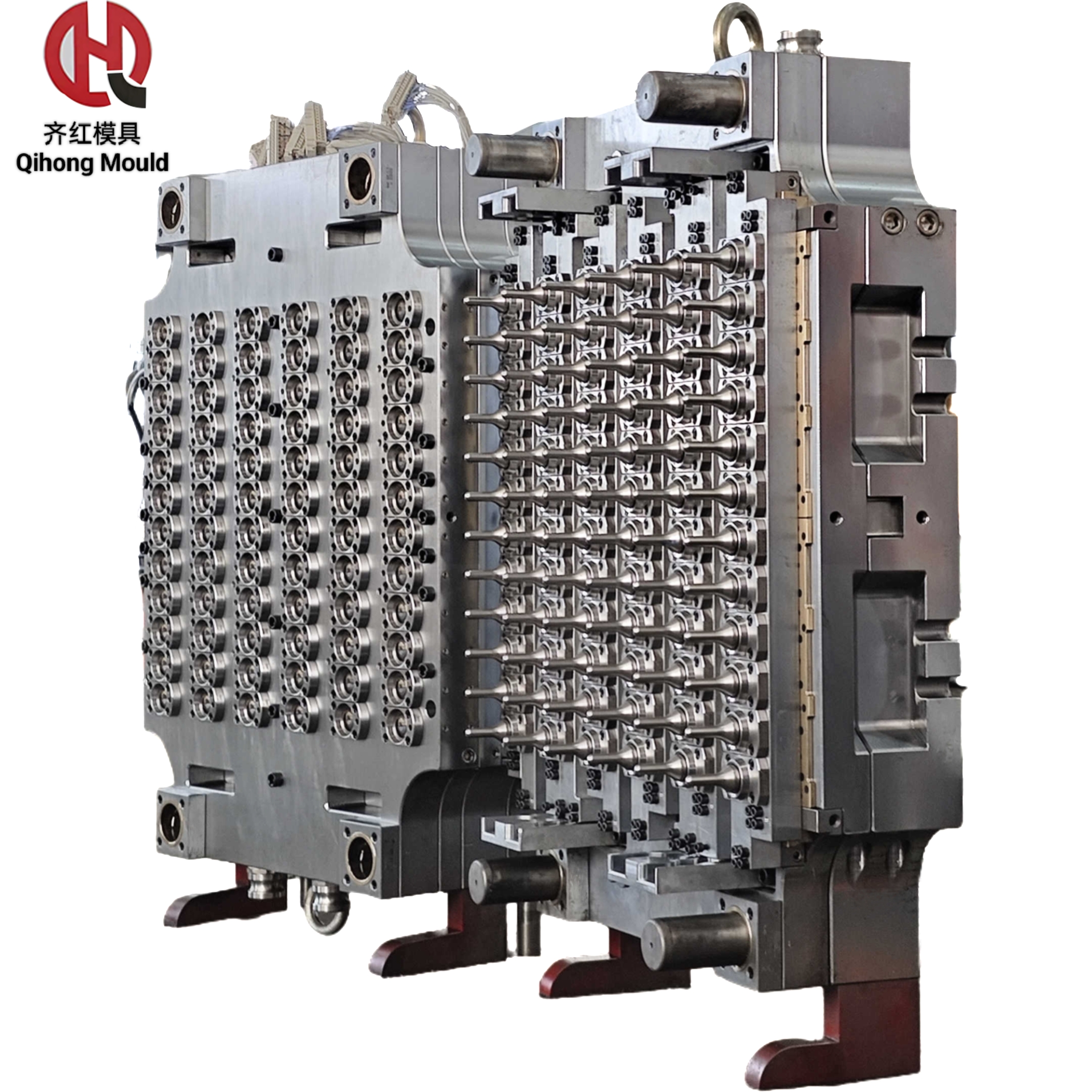
PET Preform Mold Design focuses on high precision structure and stable productio...
See Details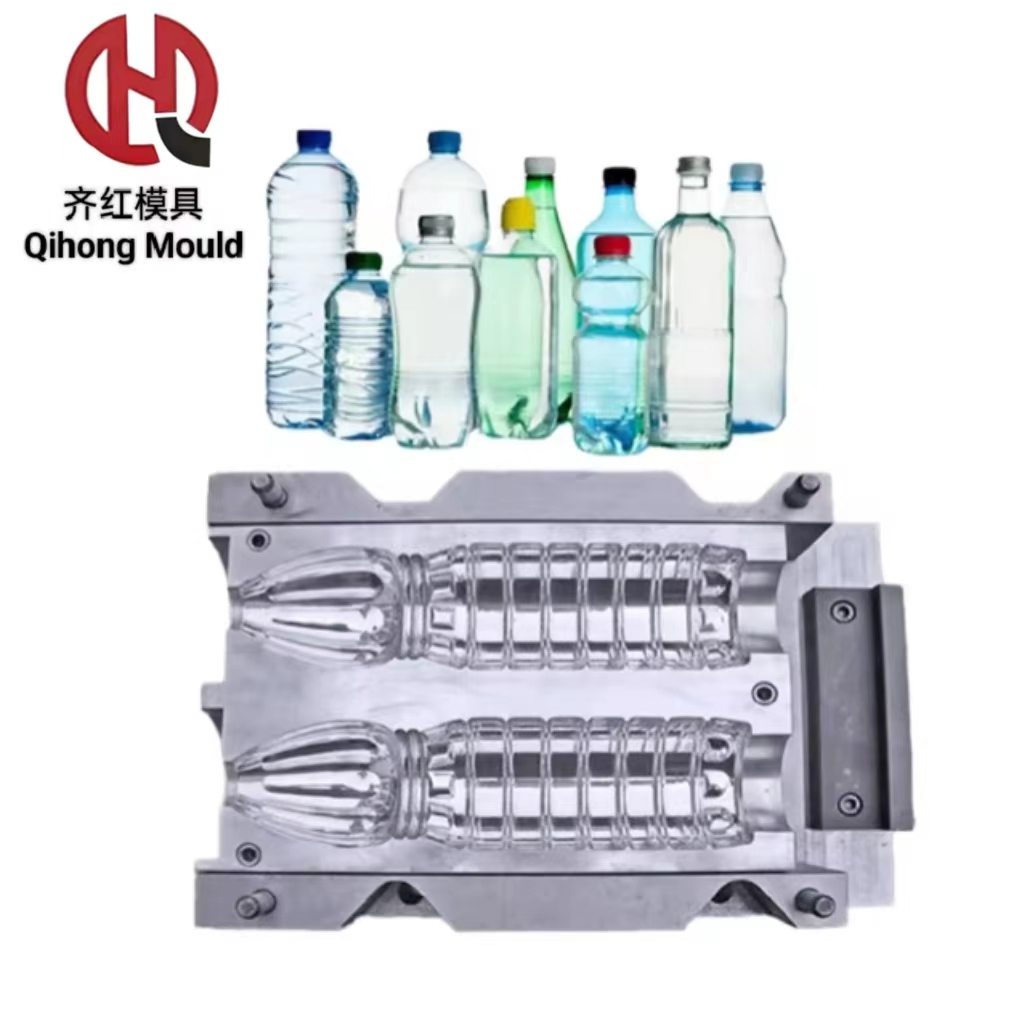
Mould Specifications Product : Blowing Mould Brand : Taizhou QihongMould C...
See Details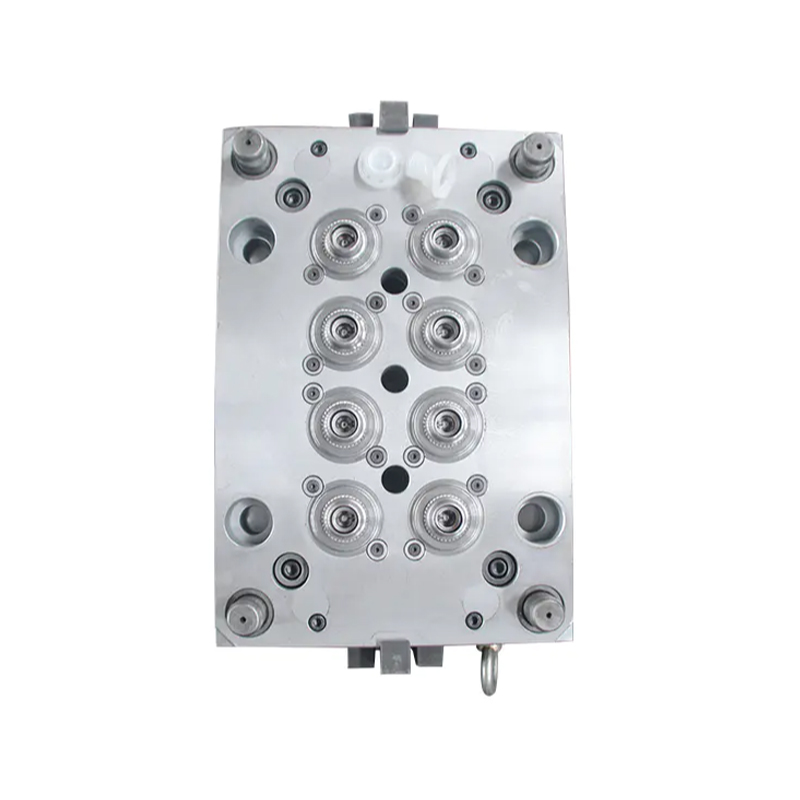
Spout Cap Mould is a EVA inner part of oil cap, match for 42mm pull out closure....
See Details
WhatsApp:+(86) 13957659071 / +(86) 18158637057 / +(86) 15395760157


ADD:Baige Science and Technology Park, Huangyan District, Taizhou City, Zhejiang Province, China.