English
 русский
 عربى
عربى


Bottle Cap Mold(Mould)
A Bottle Cap Mold is a precision tool used in the manufacturing of bottle caps. ...
See Details


In cosmetics, packaging usually comes first. Not the formula. Not the scent. The bottle. People pick it up, turn it slightly, feel the weight. Even before they know what's inside, they already form an opinion. Whether it feels solid, whether it looks stable on the shelf.
Behind that kind of consistency, there is always a Cosmetic Bottle Mold doing most of the work. It does not attract attention, and it usually isn't discussed in marketing. But in production, it decides almost everything.
From real factory experience, including cases seen at Taizhou Qihong Mold Co., Ltd. , mold stability tends to matter far more than short-term visual tweaks. A mold that runs smoothly over time reduces rework, lowers scrap, and keeps production predictable. That stability quietly supports brand growth, even if customers never notice it directly.
As brands expand and product lines multiply, priorities shift. Appearance still matters, of course. But it is no longer enough. Reliability, repeatability, and how well a mold fits into existing production systems start to take the lead. At that point, understanding structure, materials, and actual manufacturing capability becomes unavoidable.
A Cosmetic Bottle Mold is where packaging really begins. It defines the outer shape, controls wall thickness, and affects how easily the bottle releases after forming. These are not design details. They are production realities. If something goes wrong here, everything downstream feels it.
In daily use, cosmetic molds are not so different from a Plastic Water Bottle Mold. Both rely on stable cavities, balanced material flow, and surfaces that can handle repeated cycles. The difference is mostly in focus. Cosmetic bottles usually demand better surface finish and tighter shape control. Water bottle molds, by comparison, are often built for speed and volume.
Knowing this difference early helps avoid unrealistic expectations later.
Material choice shows its impact over time, not on day one. The right material helps a mold hold its shape, slows down wear, and keeps surfaces usable after thousands of cycles. For Cosmetic Bottle Mold applications, this matters more than many people expect. Cosmetic packaging does not hide defects well.
Material considerations often come down to:
A lot of experience here comes from Plastic Water Bottle Mold projects. Heat resistance, wear behavior, long-term stability. Different products, same basic lessons.
Brand consistency depends heavily on shape accuracy. Even small changes in height or curvature can be obvious when bottles are lined up together. A stable Cosmetic Bottle Mold keeps those details under control, batch after batch.
Accurate mold design helps maintain:
When precision is ignored early, problems tend to show up slowly. A slight distortion here, a misalignment there. By the time it becomes visible on the shelf, fixing it is no longer simple. Experience from Plastic Water Bottle Mold work shows that early alignment decisions often determine long-term results.
A mold drawing is only part of the story. How that drawing is turned into steel matters just as much. Machining accuracy, assembly method, surface finishing. All of these affect how the mold behaves in real production.
For Cosmetic Bottle Mold manufacturing, surface handling usually requires more attention. Water bottle molds often focus more on cycle stability and speed. Different priorities, same need for control.
A stable manufacturing process usually leads to:
When technical capability is limited, even a good design can struggle. This is why experienced buyers often ask about past projects, not just specifications.
Durability decides how long a mold stays useful. Cosmetic packaging often involves shorter runs, but frequent changes. That kind of use stresses a mold in subtle ways. Wear builds slowly. Alignment shifts slightly. Output quality follows.
Factors that influence durability include:
Lessons from Plastic Water Bottle Mold usage are clear here. Simpler, well-balanced structures tend to last longer. Even when cosmetic designs are complex, internal stability still matters.
A mold never works alone. It has to fit into an existing production line. When compatibility is good, setup is quicker and adjustments are fewer. A Cosmetic Bottle Mold that matches the equipment allows operators to focus on quality, not constant correction.
Compatibility usually shows up in:
Across cosmetic and water bottle applications, better compatibility almost always means smoother production.
Quality control starts early. Long before full production. Careful inspection during preparation and trial runs helps catch issues while they are still manageable. For Cosmetic Bottle Mold use, attention is often on surface condition, alignment, and cavity consistency.
Typical inspection steps include:
| Inspection Aspect | Cosmetic Bottle Mold Focus | Plastic Water Bottle Mold Focus |
|---|---|---|
| Surface condition | Smooth and even appearance | Stable and consistent texture |
| Structural balance | Accurate alignment | Simple and stable structure |
| Release behavior | Clean demolding | Fast and reliable release |
| Long-term stability | Visual consistency | Production continuity |
Choosing a suitable partner plays a quiet but lasting role in mold performance. A reliable Cosmetic Bottle Mold supplier is not defined only by production ability, but also by how clearly ideas can be exchanged during development. Smooth communication reduces misunderstandings and helps ensure that design intentions are reflected accurately in the final mold.
Important points when evaluating cooperation include:
Experience from Plastic Water Bottle Mold projects often shows that long-term cooperation leads to better results. Familiarity with expectations allows suppliers to anticipate potential issues before they affect production.
Cost is often one of the first factors considered, but it rarely tells the full story. A Cosmetic Bottle Mold that appears economical at the beginning may introduce hidden challenges later, such as frequent adjustments or inconsistent output. Value should be viewed in terms of stability, lifespan, and ease of use.
When assessing value, brands often consider:
Lessons from Plastic Water Bottle Mold usage reinforce the idea that steady performance often outweighs short-term savings. A balanced approach helps avoid unnecessary interruptions and long-term frustration.
Cosmetic packaging comes in many forms, from daily care containers to specialized personal items. Each application places different demands on the mold. A well-developed Cosmetic Bottle Mold adapts to these variations without compromising consistency.
In comparison, Plastic Water Bottle Mold applications usually focus on simpler shapes and high repetition. Despite this difference, shared principles such as structural balance and smooth release apply across both fields.
Cross-industry experience supports:
This shared foundation allows manufacturers to refine cosmetic molds using insights gained from broader packaging experience.
As cosmetic brands continue to evolve, expectations for packaging flexibility and surface quality grow. Mold development is gradually shifting toward greater adaptability rather than fixed designs. Cosmetic Bottle Mold structures are increasingly shaped to support updates without complete redesign.
Observed development directions include:
Ideas drawn from Plastic Water Bottle Mold development continue to influence this direction, especially in terms of durability and efficiency. The future of cosmetic mold design lies in quiet improvements that support creativity without disrupting production.
Through careful material selection, thoughtful design, stable manufacturing, and clear cooperation, a Cosmetic Bottle Mold becomes more than a production tool. It supports brand consistency, reduces uncertainty, and allows packaging to evolve naturally. By learning from related fields such as Plastic Water Bottle Mold manufacturing, cosmetic brands can make informed choices that align daily production with long-term goals.
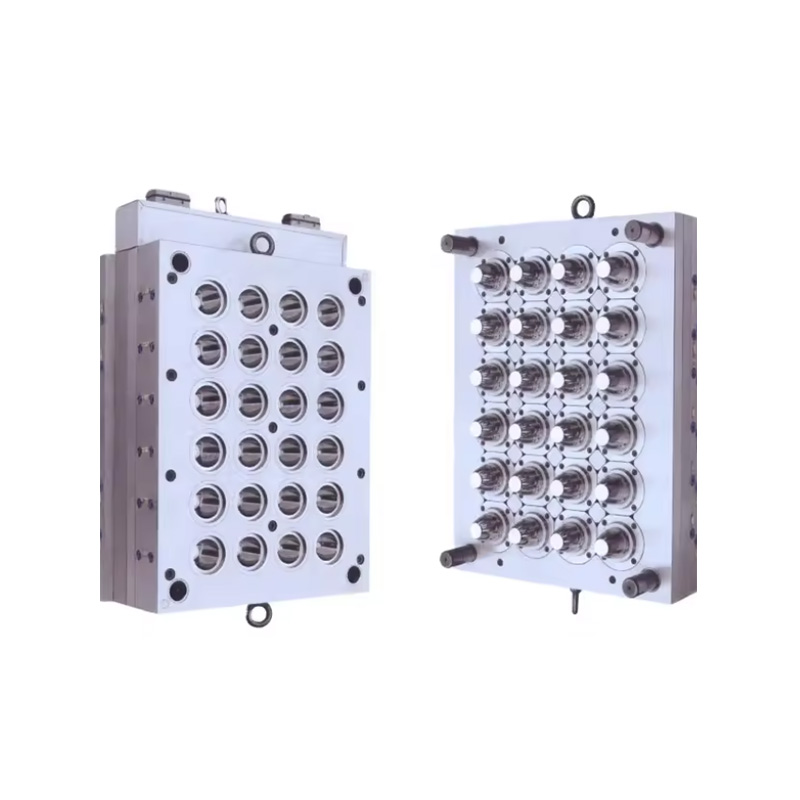
A Bottle Cap Mold is a precision tool used in the manufacturing of bottle caps. ...
See Details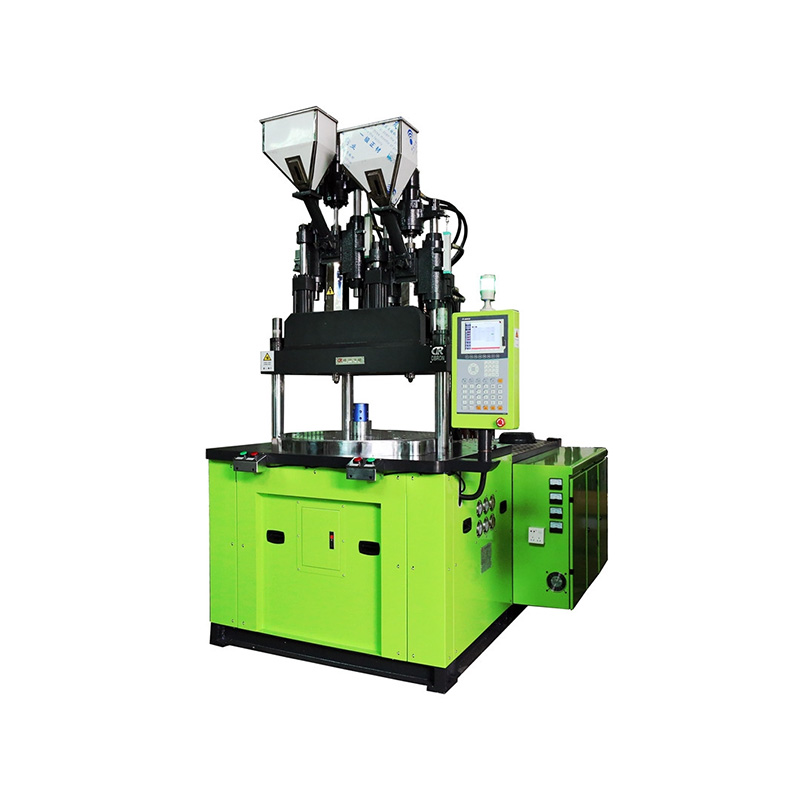
An Injection Molding Machine is an essential industrial tool used for producing ...
See Details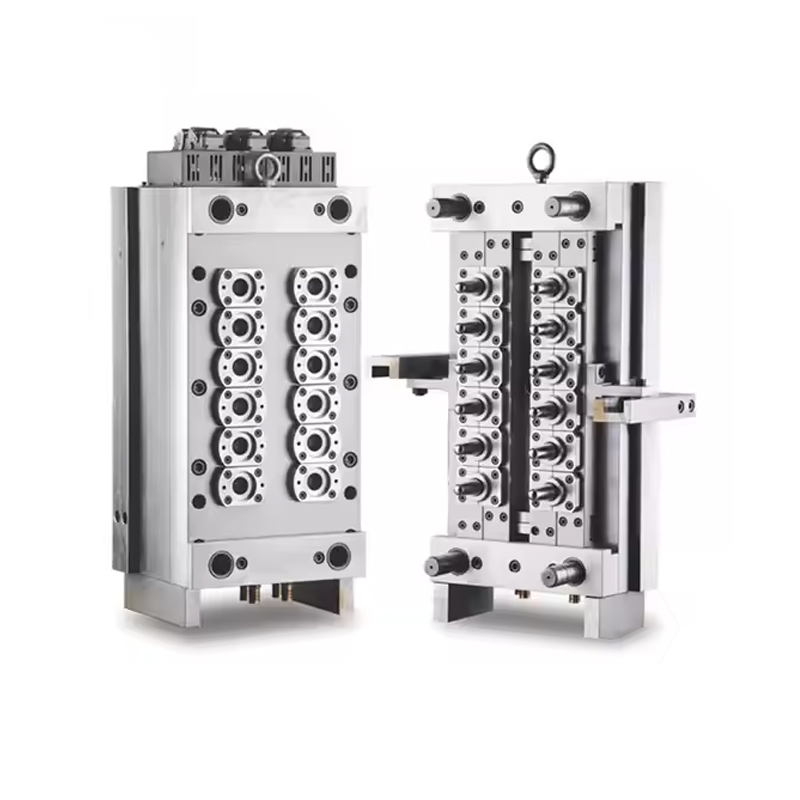
The 12-Cavity PET Preform Mold is a high-quality, durable solution designed to m...
See Details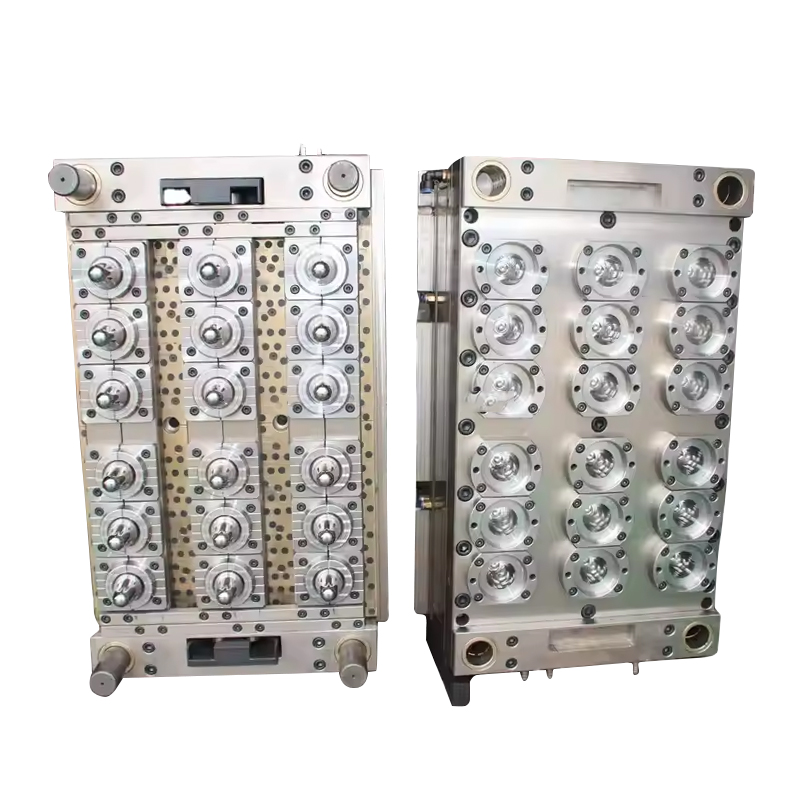
The 18-cavity wide-mouth mold is a high-efficiency tool specifically designed fo...
See Details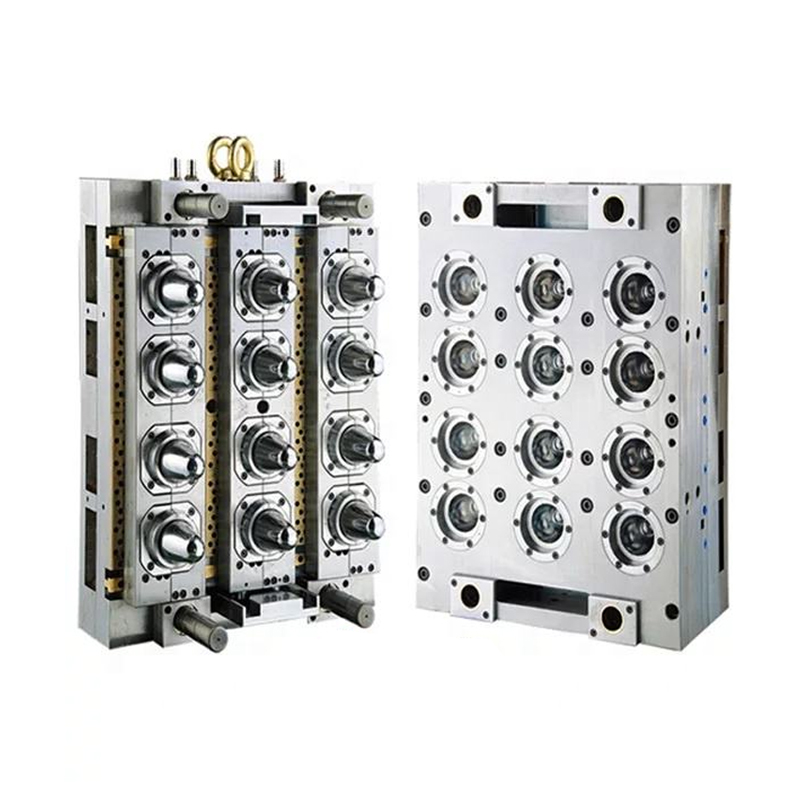
The 12-Cavity Wide-Mouth Mold(Mould) is made for manufacturers running wide-mout...
See Details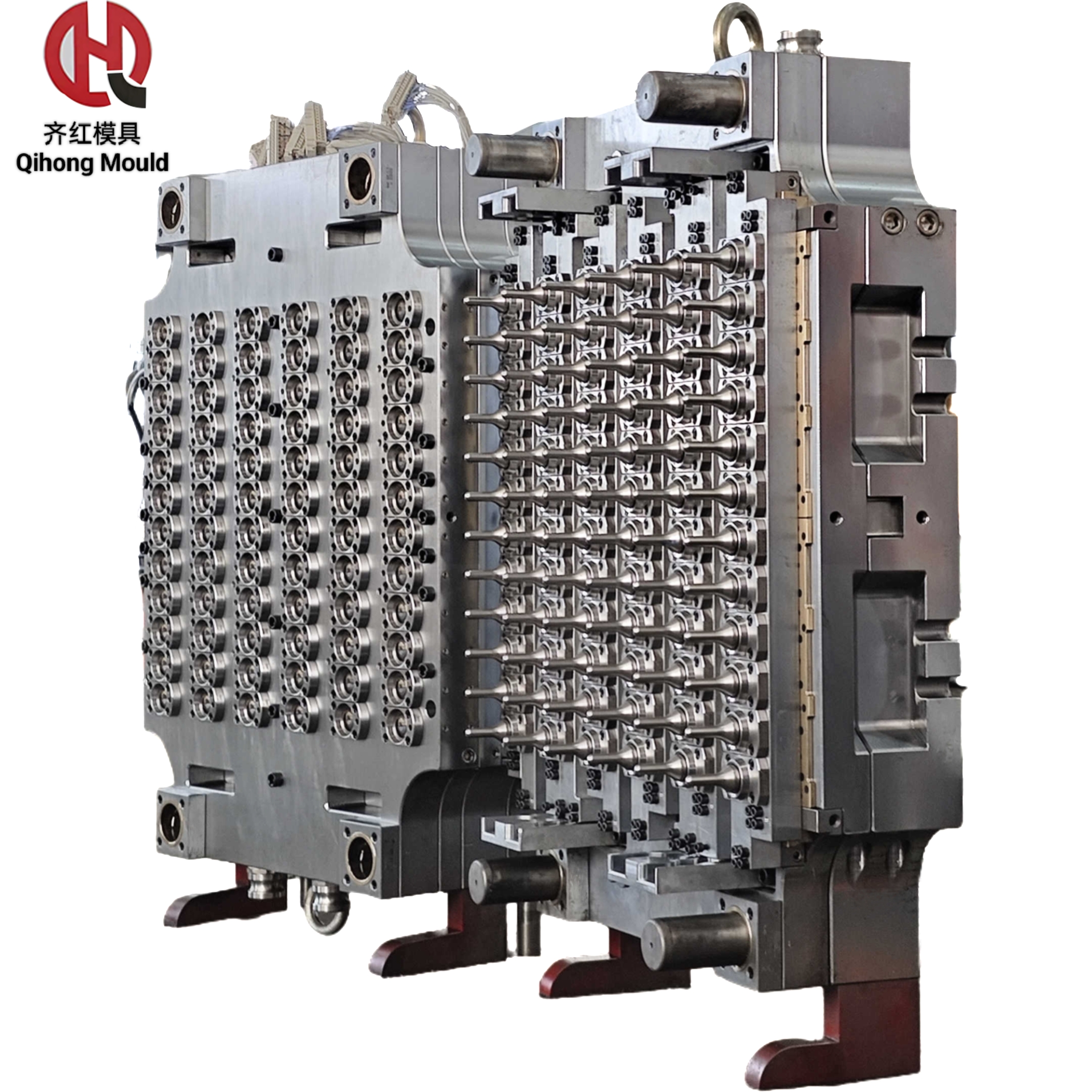
PET Preform Mold Design focuses on high precision structure and stable productio...
See Details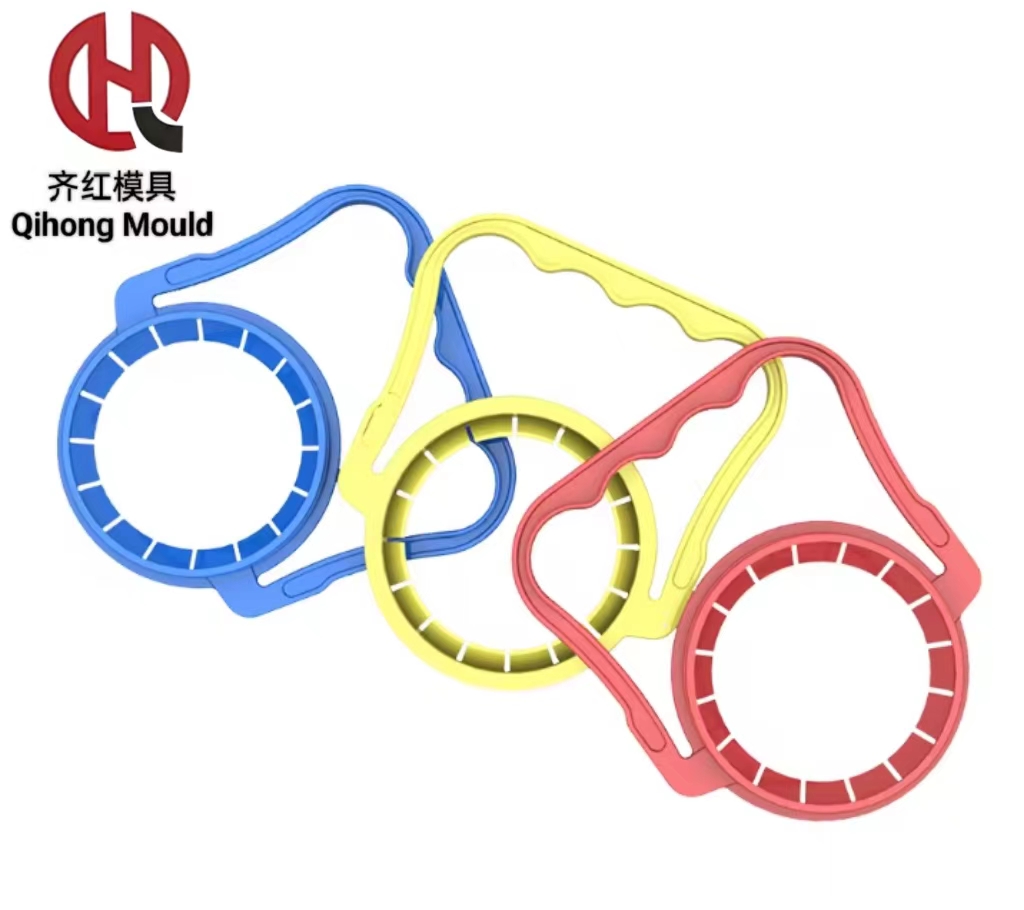
Mould Specifications Product : Plastic Handle Mould Brand : Taizhou Qihong...
See Details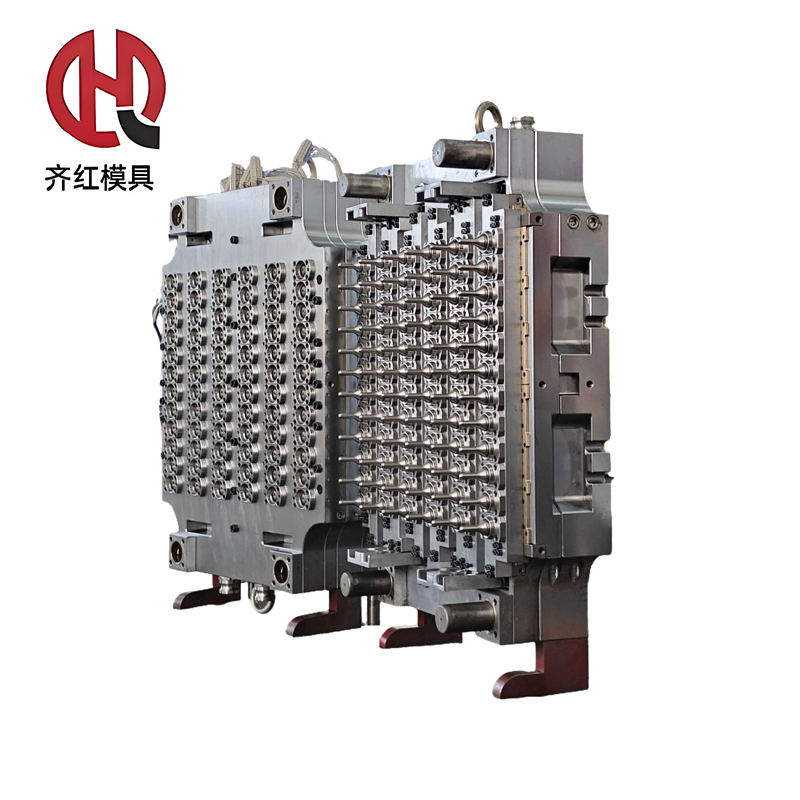
Standardization of mold partsHigh-precision processing equipment is used to ensu...
See Details
WhatsApp:+(86) 13957659071 / +(86) 18158637057 / +(86) 15395760157


ADD:Baige Science and Technology Park, Huangyan District, Taizhou City, Zhejiang Province, China.