English
 русский
 عربى
عربى


Semi-Automatic Blowing Machine
Semi-Automatic Blowing Machines are specialized machines used in the production ...
See Details


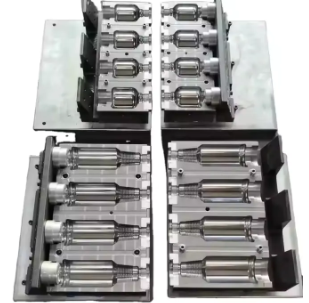
Cosmetic packaging might look simple, but it's rarely that easy. A bottle isn't just a shape—it's a mix of design, usability, and production realities. One small mistake in the mold, and everything else becomes a headache.
The mold is the heart of the process. It decides the bottle's form, its feel in the hand, and whether it will last through production. Get this right, and everything else falls into place. Miss something, and problems pop up—sometimes weeks later on the line.
With custom designs, things get trickier. A tiny curve, a raised logo, or an unusual silhouette can create all sorts of headaches in the mold. Finding the sweet spot between what looks cool and what actually molds reliably is key.
Choosing the material isn't just a checkbox. It's one of the first big decisions—and it affects every step after that. Pick the right one, and the mold performs consistently and the bottle looks great. Pick the wrong one, and you'll feel it during production.
Here's what we usually check:
Getting clear on these points early saves a ton of headache down the road.
Aluminum and steel are still our go-to choices. They're precise, durable, and handle long runs without fuss. For fancy bottles or spray bottles, aluminum works great. High-volume, heavy-duty runs? Steel is hard to beat.
But the market's shifting. Recycled plastics, bio-based materials, and composites are getting more popular. They're great for sustainability but need extra care in molding—they can shrink differently, or not hold fine details as well.
For creams and serums, chemical stability is key. You don't want your packaging degrading or reacting over time. Picking the right material upfront avoids headaches later.
Some problems only show up after a few production runs:
With personalized bottles, these small issues become very visible. A scratch or blurred detail is immediately noticeable on a premium product.
Sustainability is non-negotiable for many brands now. Recycled plastics and bio-based materials are great, but they come with quirks:
The trick is small adjustments: wall thickness tweaks, slightly simpler patterns, or flow path tweaks. You rarely can do a full swap without touching the design.
| Material | Pros | Cons | Typical Use |
|---|---|---|---|
| Aluminum | Lightweight, precise | Costs more | Premium bottles, sprays |
| Steel | Strong, long-lasting | Heavy | Large-volume production |
| Glass | High-end look | Fragile | Perfumes, luxury |
| PET | Clear, cheap | Scratches easily | Standard cosmetics |
| Biodegradable Plastic | Eco-friendly | Less durable | Sustainable brands |
| PP | Cheap, chemical-resistant | Limited rigidity | Everyday products |
We've found a few approaches work really well on the floor:
Personalized cosmetic packaging usually starts with a spark—a quirky shape, a swooping curve, an embossed pattern, or a clever opening. Looks good on paper, right? But as soon as you try to make it real, things get tricky. Cosmetic Bottle Mold design isn't just about following a drawing; it's about making something that works every single time.
A bottle can be stunning in a sketch but a nightmare in production.
Common pitfalls:
Workarounds that actually help:
The goal: a mold that respects both form and function. Smooth material flow, consistent shape, fewer headaches.
Changes happen. Always. Brands tweak logos, QC spots a minor flaw, or the first sample just doesn't “feel right.”
Details matter, but obsessing over them can backfire.
Consistency > complexity. A clean, repeatable bottle beats a fragile, over-engineered one every time.
Once the mold is approved, reality hits. Prototype looks great—but scale it up, and the challenges start multiplying.
Small batches can hide problems. Bigger runs expose them.
Tips from the floor:
Every mold takes a beating. Edges soften, details blur, alignment drifts. And even small changes affect the look and usability of the bottle.
Too many rejections = wasted material. Too few = compromised quality.
Personalization is the reason brands spend on custom molds. Unique packaging sells. But with uniqueness comes risk.
Decorative doesn't mean disruptive.
Solution: define functional zones first. Then add decoration where it won't get in the way. A mold isn't just art—it has to survive daily use.
Variation is a killer for brand image. Small differences in color, texture, or detail stick out.
The packaging world keeps changing. New tools, automation, materials—all affect how molds perform. Adapting is key.
Sustainability is no longer optional. Mold design can make a difference.
Even minor tweaks in wall thickness or material choice can reduce waste significantly.
Personalized cosmetic packaging is about balancing creativity with practicality. Every stage—from material choice to mold longevity—presents challenges.
A Cosmetic Bottle Mold is more than a shape—it's a tool for consistency, a bridge between design imagination and real-world production. Insights from experience, including Taizhou Qihong Mold Co., Ltd. , show steady progress toward smarter, practical, and adaptable mold design.
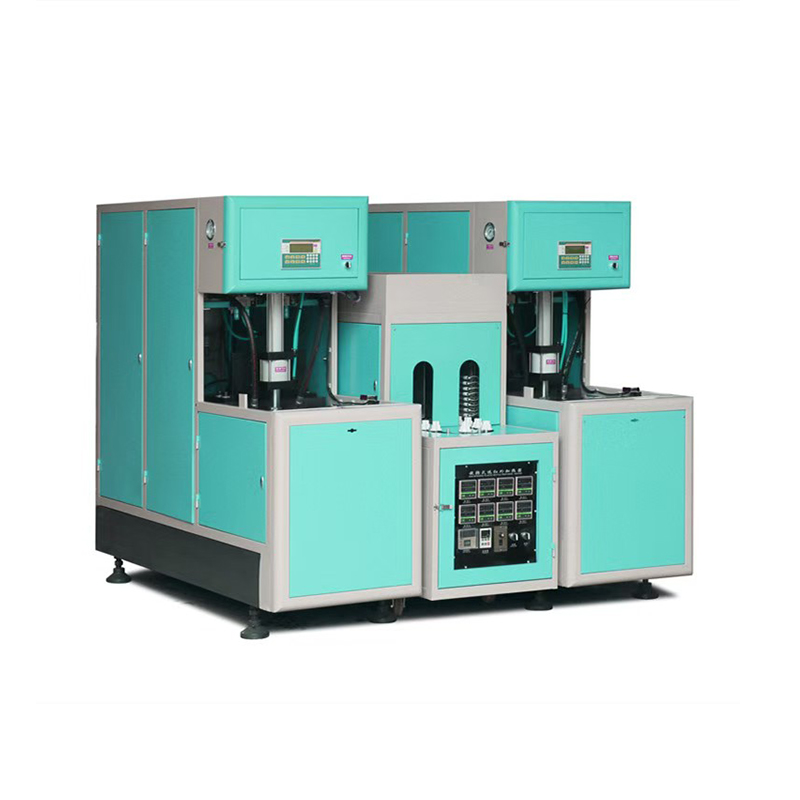
Semi-Automatic Blowing Machines are specialized machines used in the production ...
See Details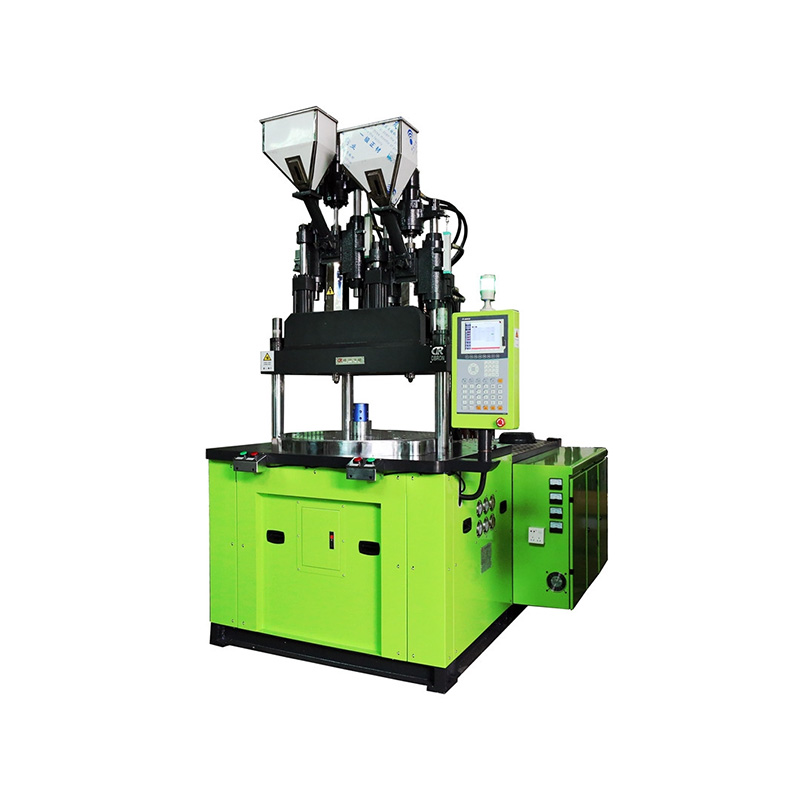
An Injection Molding Machine is an essential industrial tool used for producing ...
See Details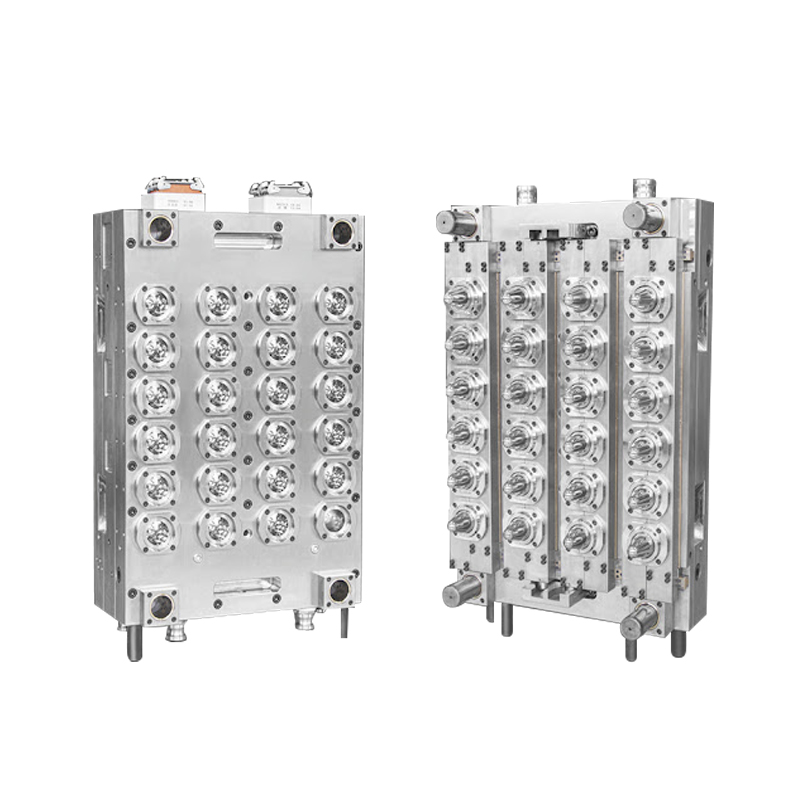
The 24-cavity wide-mouth mold is a precision tool designed for producing wide-mo...
See Details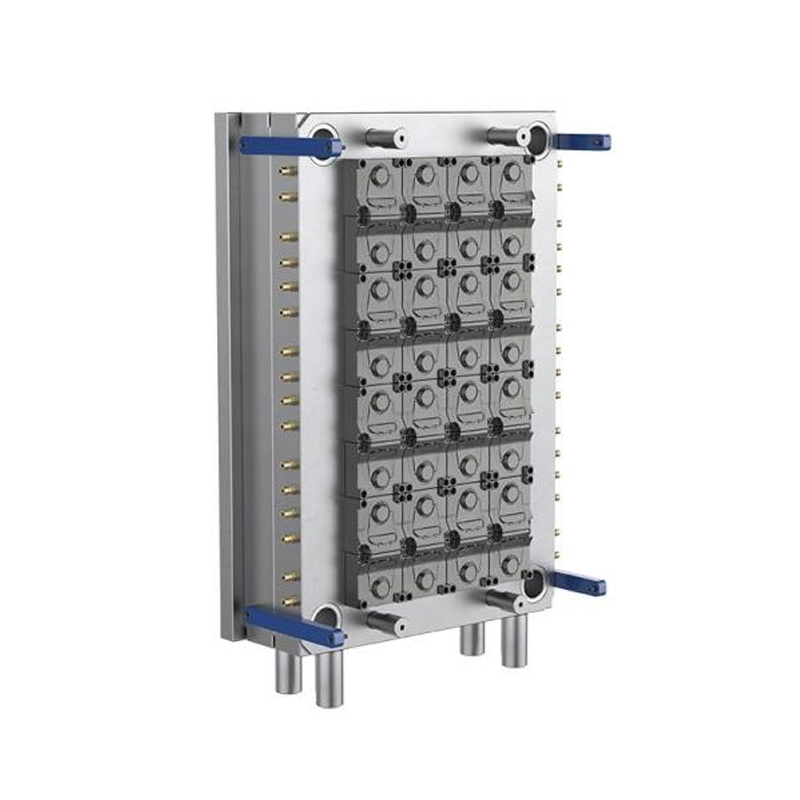
A Handle Mold is a specialized mold used in the manufacturing of plastic handles...
See Details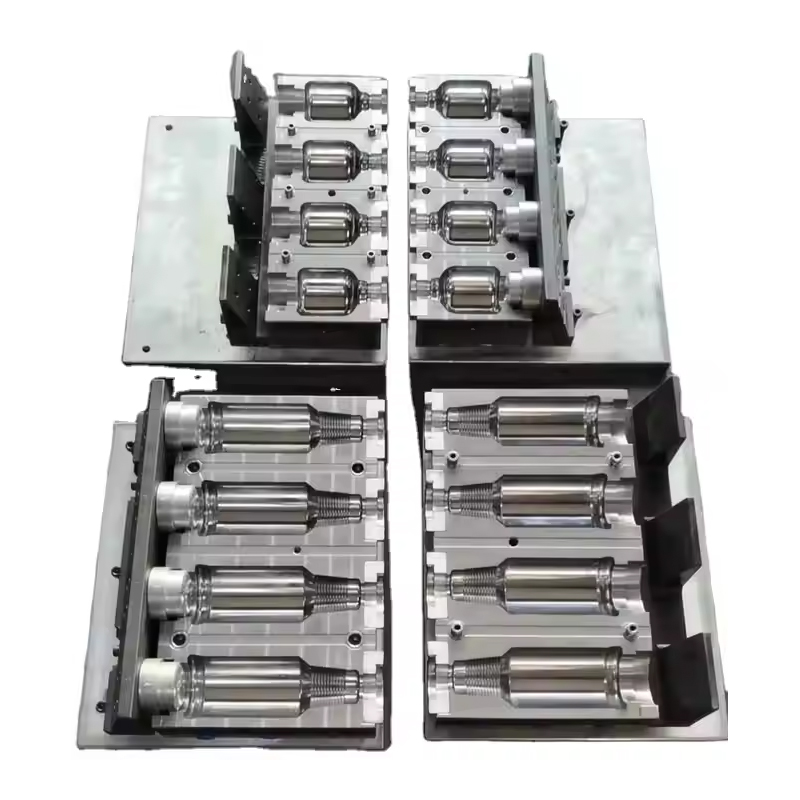
Our Cosmetic Bottle Mold is engineered for precision, reliability, and durabilit...
See Details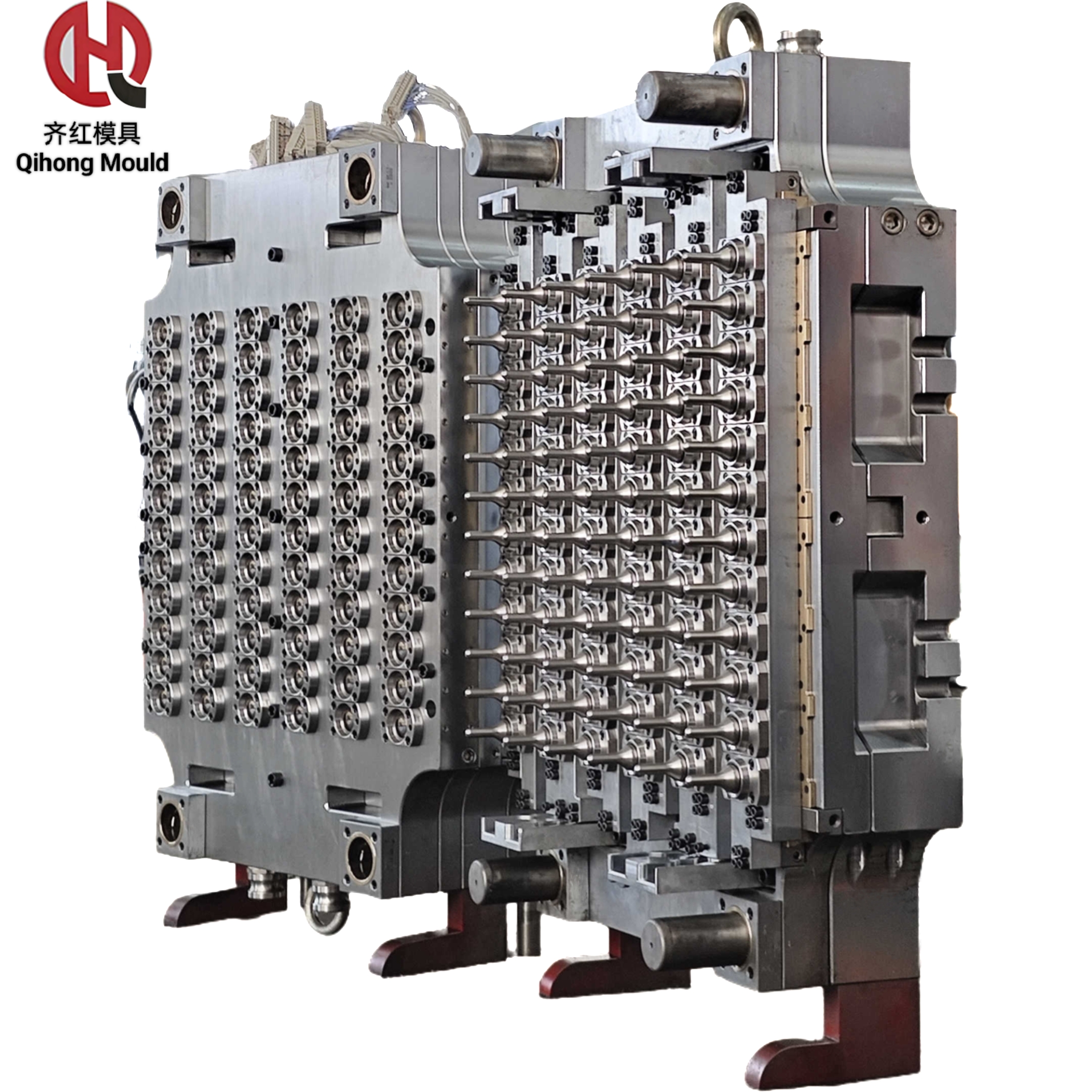
PET Preform Mold Design focuses on high precision structure and stable productio...
See Details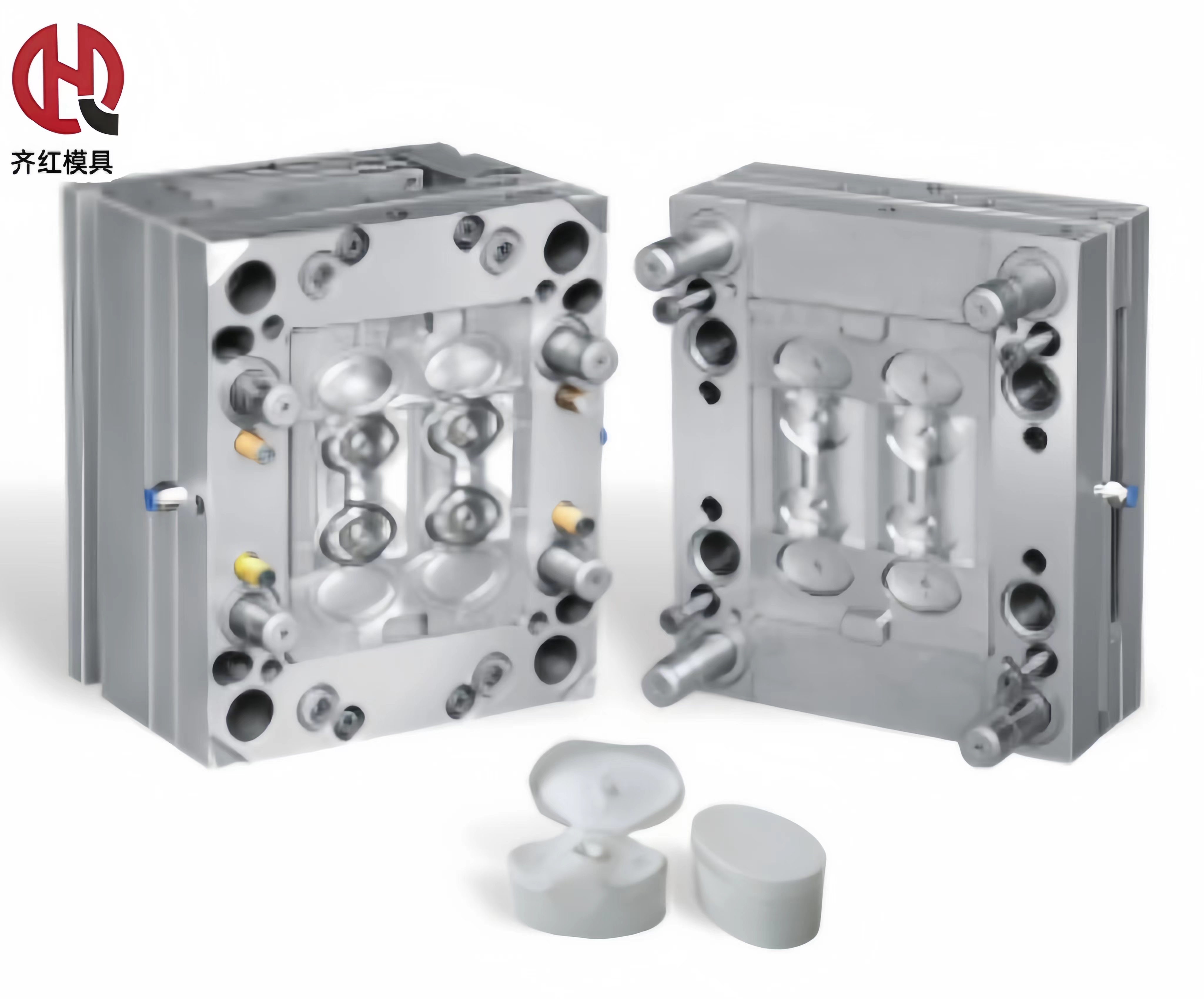
Plastic Cap Mould is designed for high precision plastic cap production. The Chi...
See Details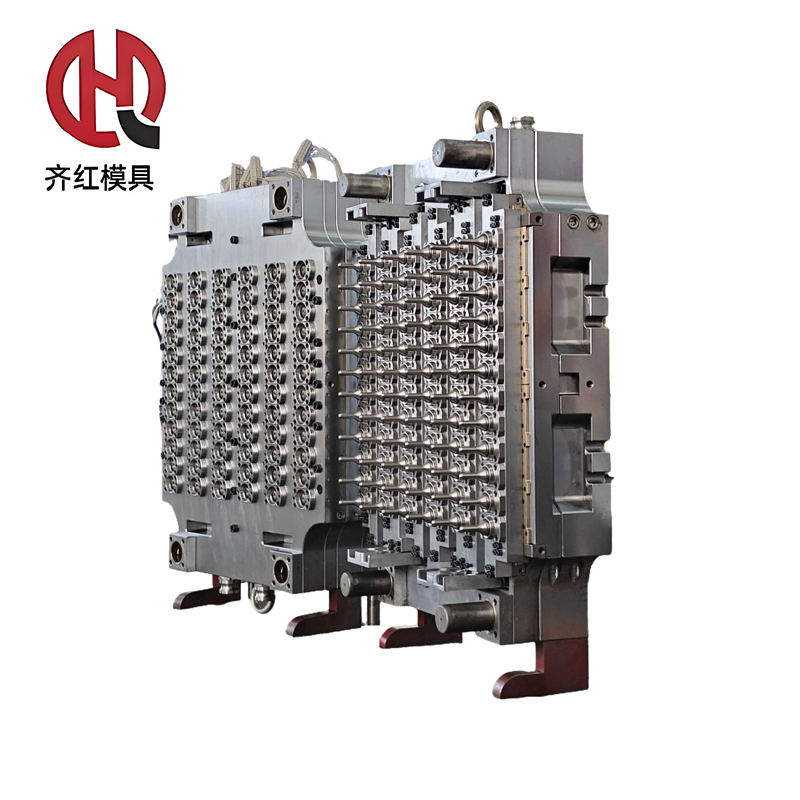
Standardization of mold partsHigh-precision processing equipment is used to ensu...
See Details
WhatsApp:+(86) 13957659071 / +(86) 18158637057 / +(86) 15395760157


ADD:Baige Science and Technology Park, Huangyan District, Taizhou City, Zhejiang Province, China.