English
 русский
 عربى
عربى

72-Cavity Preform Mold(Mould)
The 72-Cavity Preform Mold(Mould) is a solid, no-nonsense choice when you need t...
See Details


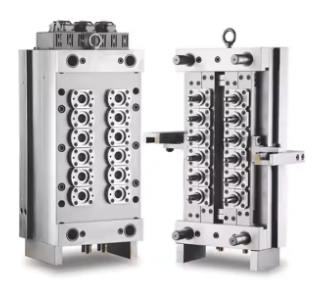
PET preforms look like small, tube-shaped pieces with a threaded top and a rounded bottom. They act as the basic shape that later gets blown into full bottles. Think of them as unfinished blanks waiting for the next step in making containers for drinks or other liquids. Without these preforms, the whole bottle-making process would grind to a halt.
The Pet Preform Mould plays the central part here. It shapes hot, melted plastic into those exact tube forms. Made from sturdy metal, the mould opens and closes during production. When it clamps shut, plastic flows in and hardens to match the inner spaces. This happens fast, cycle after cycle, turning raw material into ready preforms.
Injection moulding handles this task. The machine heats plastic pellets until they turn liquid, then pushes the melt into the mould under pressure. Once inside, the plastic cools and sets. The mould opens, and out come the preforms. Simple as that, but each part must work just right to avoid flaws.
A Pet Preform Mould breaks down into several main pieces that fit together like a puzzle. The core forms the inside of the preform, giving it that hollow tube shape. It slides into place when the mould closes. The cavity surrounds the core, shaping the outer surface. Together, they define the wall thickness.
Neck rings handle the threaded part at the top. These rings create the screw-on area for caps. They must be precise to ensure a tight seal later. Often, they come as separate inserts that can swap out if needed.
The hot runner system runs through the mould like veins. It carries melted plastic from the machine to each forming spot. Heated channels keep the material flowing without freezing up. Nozzles at the end direct the melt right into the cavities. This setup cuts down on extra bits that would otherwise need trimming.
Cooling channels weave around the core and cavity. Water flows through them to pull heat away fast. Without good cooling, the plastic might cool unevenly, leading to cloudy spots or weak areas. The channels loop close to the surfaces for even temperature drop.
All these parts mount onto base plates. The plates attach to the injection machine, holding everything steady under force. Pins and guides keep alignment spot on during opening and closing. It's a solid build, designed to handle repeat cycles without wearing down quickly.
Some moulds include extra features:
Raw plastic comes in small pellets, easy to store and handle. But these pellets pick up moisture from the air, which can cause problems when heated. So, drying comes first. Hoppers with warm air blow through the pellets, pulling out any dampness. This step prevents bubbles or streaks in the final preform.
Once dry, the pellets move to the injection machine. A feeder pulls them into the barrel. Inside, a screw turns slowly, mixing and pushing the material forward. Heaters along the barrel melt the pellets into a smooth liquid. The screw builds pressure, ready for the push.
Operators check the material flow here. If it's too thick or thin, adjustments happen. Sometimes, color additives mix in for tinted preforms. The goal is a consistent melt that fills the Pet Preform Mould evenly every time.
With the mould closed tight, injection starts. The machine's screw plunges forward like a piston. It forces the hot melt through a nozzle into the mould's entry point. From there, the hot runner takes over, splitting the flow to reach each cavity.
Pressure builds to pack the plastic fully. It fills every corner, including the threads on the neck. The process happens in seconds to capture details sharply. If pressure drops too soon, parts might come out short or uneven.
The hot runner keeps things hot along the way. Without it, plastic could cool and clog paths. Valves in some systems control flow to balance multiple cavities. This ensures each preform gets the same amount.
As filling wraps up, a hold pressure kicks in. It keeps pushing lightly to compensate for shrinkage as the plastic cools a bit. Then, the screw pulls back, readying for the next shot.
Once the plastic packs the cavities, cooling takes over. Water, kept chilly, rushes through those narrow channels carved into the metal. It draws heat away from the hot melt in a hurry. The outside layer hardens first, forming a skin that holds everything in place. Heat keeps moving outward until the whole wall sets firm.
Cores get special attention because they sit right in the middle of the thickest plastic. Extra channels wrap around them to speed things along. Even cooling prevents warping or thick-thin spots that could cause trouble later when blowing bottles.
If cooling drags, the preform might turn milky instead of staying crystal clear. Too quick, and stress builds inside the material. Operators find the sweet spot through trial runs and small tweaks to water temperature or flow.
Cooling done, the mould cracks open. Plates pull apart slowly at first, then wider. The cores stay put while the cavities move away. Preforms cling to the cores because the inside cools slower and shrinks onto them.
Ejector pins or a stripper plate nudge the pieces forward gently. Air blasts sometimes help release stubborn ones. The preforms drop onto a conveyor or into waiting bins. Robotic arms grab them in some lines for smoother handling.
Care matters here. Rough ejection can scratch necks or bend thin walls. The threaded tops must stay perfect for caps to screw on later.
After leaving the mould, preforms cool more in open air. Some setups blow cold air over them to finish the job faster. This shortens the overall cycle without risking deformation.
Workers watch the drop zone. Any stuck pieces signal a need for cleaning or slight polish on the metal surfaces.
Not all moulds look alike. Some run just a few cavities for special shapes or smaller runs. Others pack in many more for higher output. The choice depends on the bottle size and production needs.
Neck finishes come in different styles to match various caps. Moulds swap inserts to change from one type to another quickly. This flexibility helps lines switch products without long downtime.
Hot runner systems rule most modern setups. They keep plastic melted right up to the gate, leaving almost no waste. Older cold runner styles let material cool in channels, creating sprues that need cutting off later.
| Configuration Type | Main Feature | Typical Use Case |
|---|---|---|
| Low-cavity | Fewer forming spots | Specialty or short runs |
| High-cavity | Many forming spots | Large-volume standard bottles |
| Standard neck | Common thread styles | Everyday beverage containers |
| Custom neck | Unique or wider finishes | Oil, sauce, or household product bottles |
| Hot runner | Heated distribution paths | Efficient, low-waste production |
Pet mould manufacturers build these variations to fit different machines and outputs.
Fresh preforms get a close look right away. Operators pick samples to check for clear walls, no bubbles, and smooth surfaces. Necks must measure true for caps to fit snug.
Wall thickness gets measured in spots. Even distribution means strong bottles later. Too thin in places weakens the final product; too thick wastes material.
The gate area, where plastic entered, should shear clean. Rough remnants might snag during handling. Color consistency matters if tint was added.
Checks happen in-process too. Machines monitor pressure and temperature. Sudden shifts trigger alerts so fixes come quick.
Rejected pieces go aside for review. Finding patterns in flaws points to mould wear or setting drifts.
Keeping a Pet Preform Mould in shape takes regular care. Cooling channels build up scale over time from water minerals. Flushing them clean restores fast heat pull. Some shops use special solutions to dissolve deposits without harming metal.
Surfaces need polishing now and then. Fine scratches can make preforms stick or leave marks. A smooth finish lets pieces release easy every cycle.
Worn parts swap out. Cores and cavities take the most abuse. Pet Mould Manufacturer supply replacements cut to match the original.
Storage matters when a mould sits idle. Light oil protects against rust. Covers keep dust off polished areas.
A clean mould runs cooler and longer. Neglect leads to cloudy preforms or slow cycles. Simple routines prevent big problems down the line.
Different regions have unique demands for Pet Preform Mould. Some markets focus on high-volume beverage production, requiring multi-cavity moulds and high-speed injection lines. Other markets may demand specialized bottle shapes for cosmetics, sauces, or medical applications.Companies like Taizhou Qihong Mold Co., Ltd. contribute to these steady improvements across the field.
Pet Mould Manufacturer facilities often balance standard mould designs with custom solutions. Standard moulds allow for quicker production and lower cost, while custom moulds provide flexibility for new product lines. This balance is important for maintaining competitiveness in an evolving market.
Collaboration between manufacturers and end-users is a key aspect. Feedback from bottlers or packaging companies informs mould design adjustments. Even minor changes, such as adjusting neck threads or wall thickness, can improve bottle performance and reduce downstream issues.
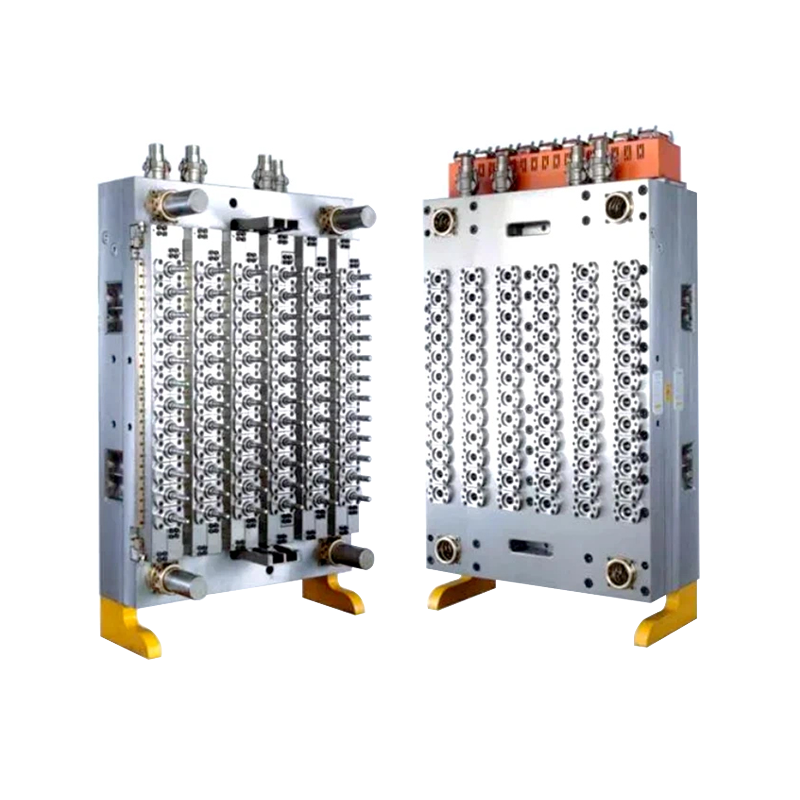
The 72-Cavity Preform Mold(Mould) is a solid, no-nonsense choice when you need t...
See Details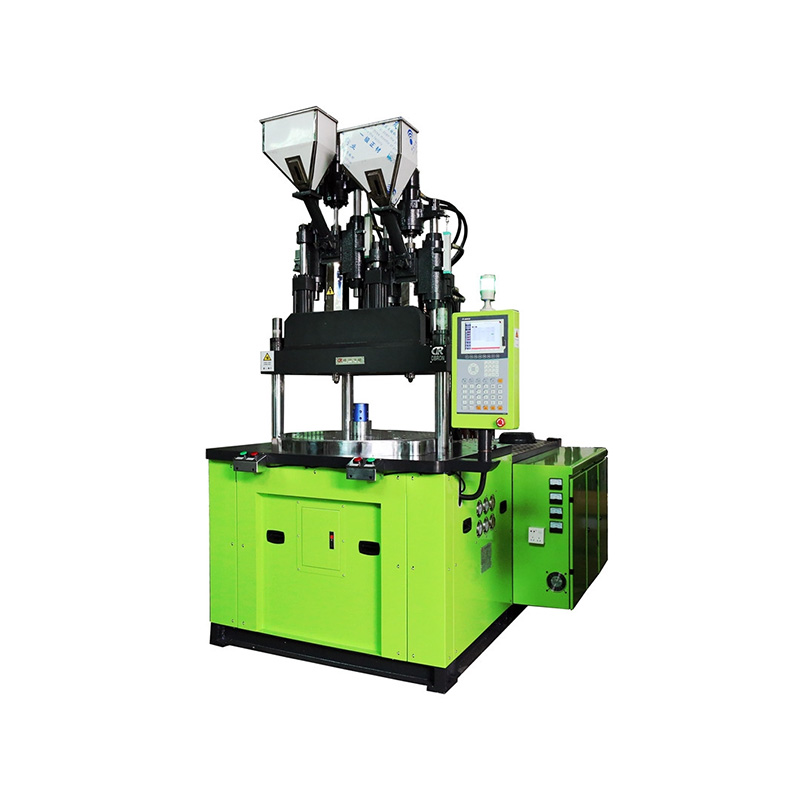
An Injection Molding Machine is an essential industrial tool used for producing ...
See Details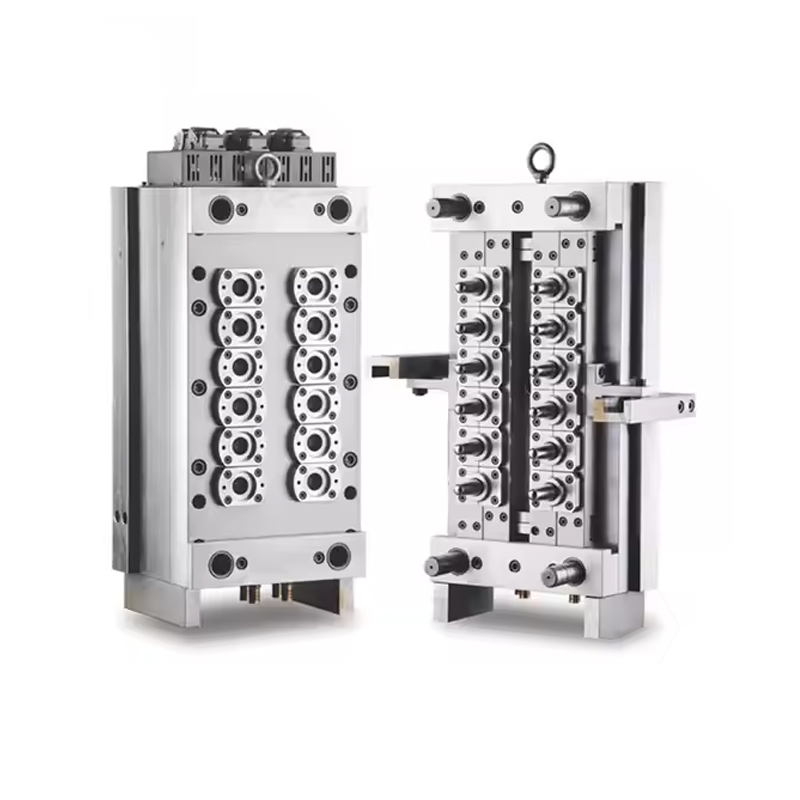
The 12-Cavity PET Preform Mold is a high-quality, durable solution designed to m...
See Details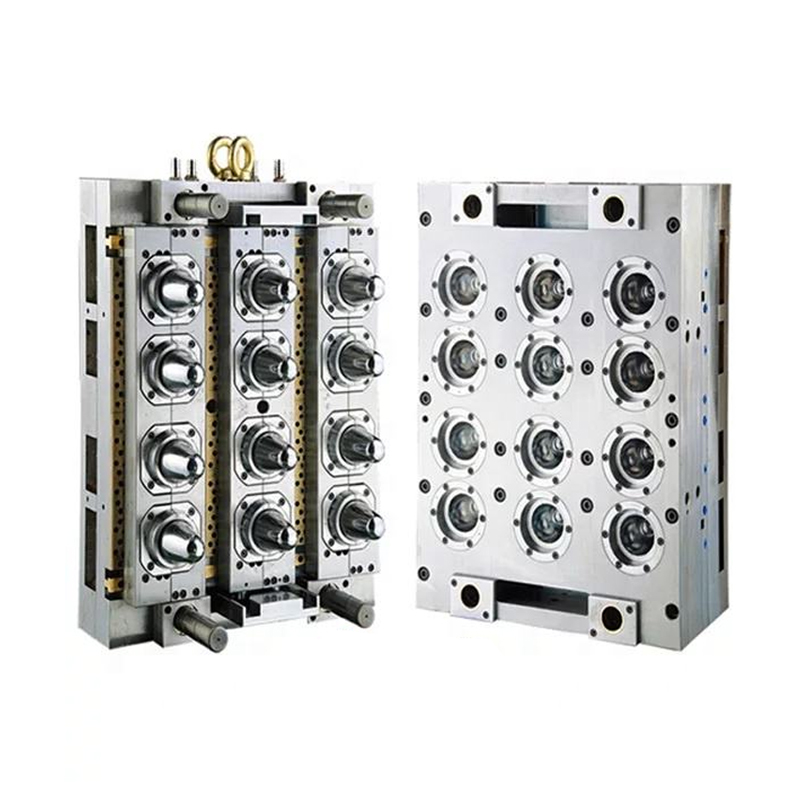
The 12-Cavity Wide-Mouth Mold(Mould) is made for manufacturers running wide-mout...
See Details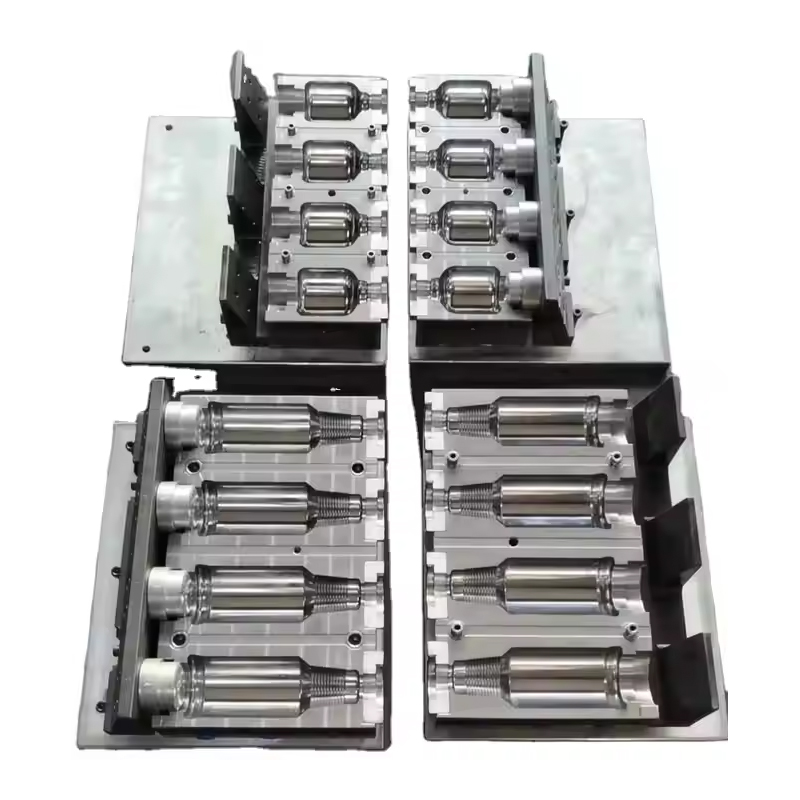
Our Cosmetic Bottle Mold is engineered for precision, reliability, and durabilit...
See Details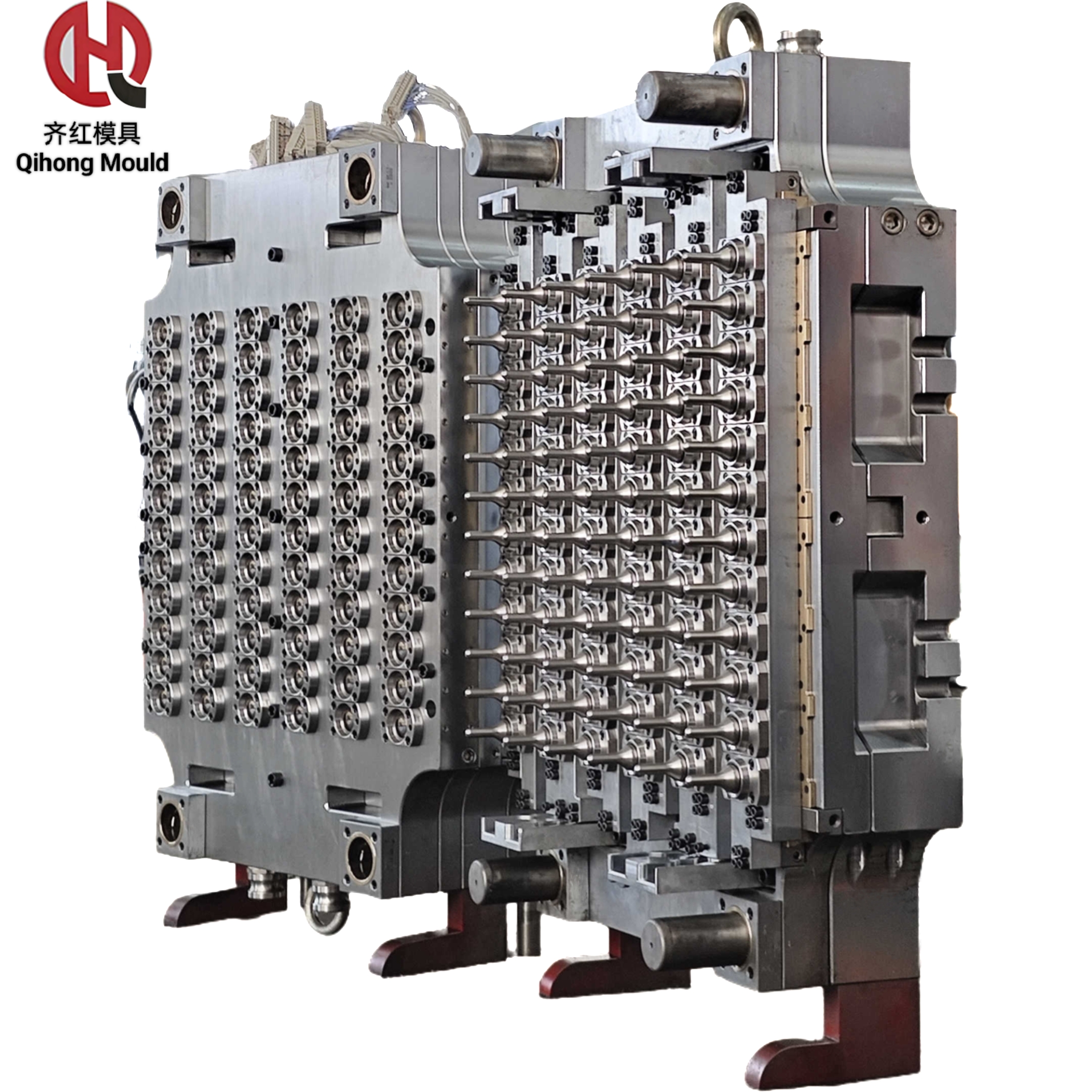
PET Preform Mold Design focuses on high precision structure and stable productio...
See Details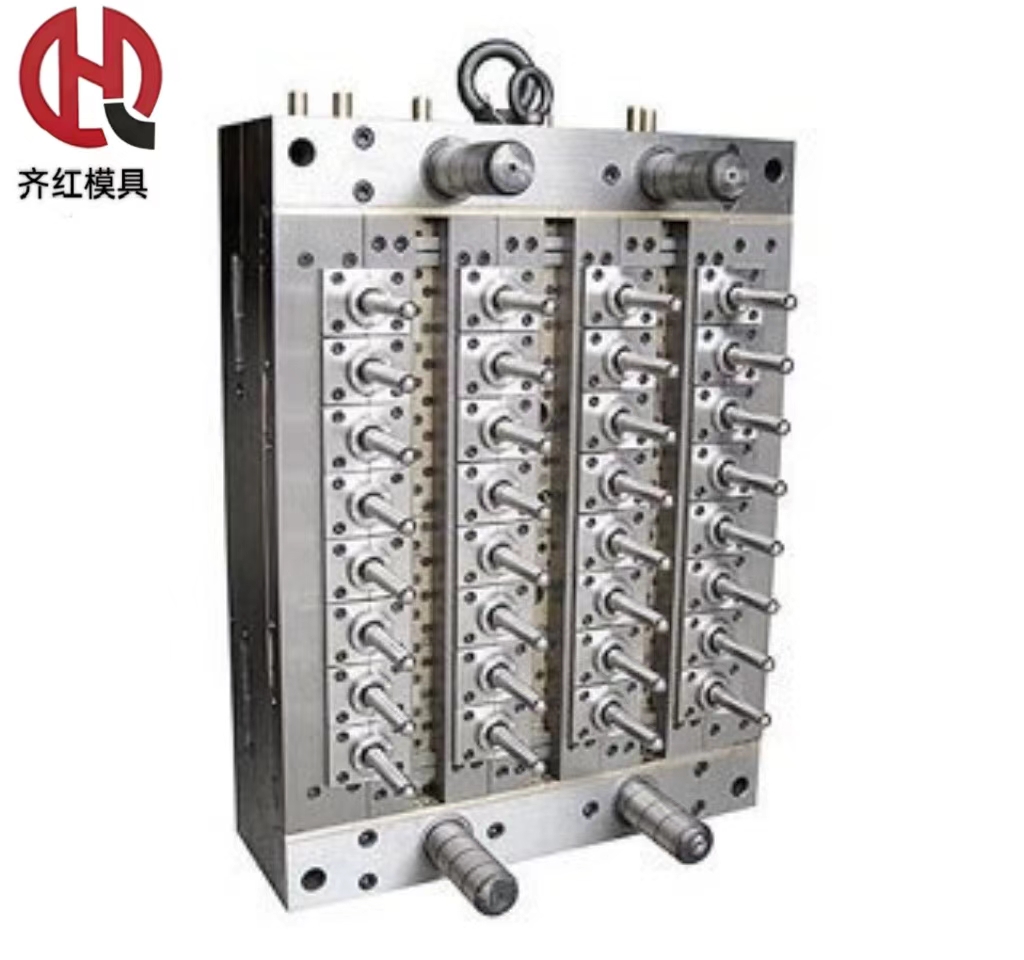
Custom Made Plastic Molds are designed for high precision and flexible plastic p...
See Details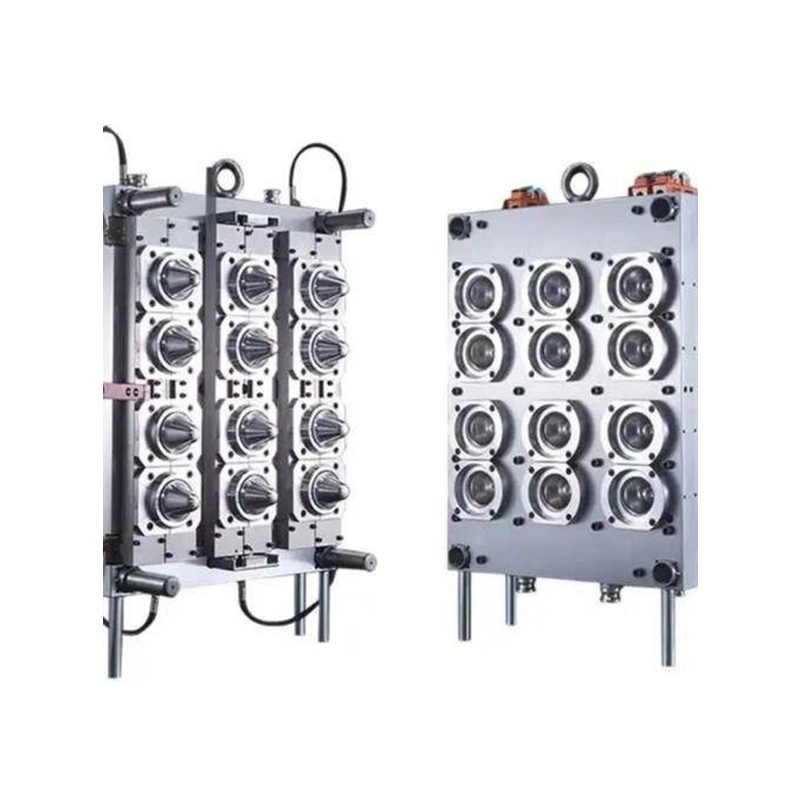
The 12 Cavities Wide Mouth Preform Moulds from Qihong are practical tools for pr...
See Details
WhatsApp:+ (86) 13957659071 / + (86) 18158637057

E-Mail:[email protected]

ADD:Baige Science and Technology Park, Huangyan District, Taizhou City, Zhejiang Province, China.