English
 русский
 عربى
عربى


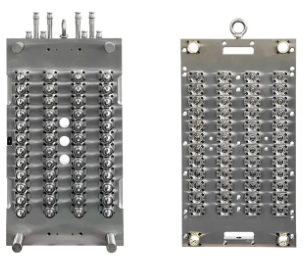
72-Cavity Preform Mold(Mould)
The 72-Cavity Preform Mold(Mould) is a solid, no-nonsense choice when you need t...
See Details


Handling a Handle Mold safely starts with knowing the risks involved. These tools have sharp edges, heavy weight, and hot surfaces during use. A small slip can lead to cuts or burns. Always stay aware of your surroundings when moving or working on one.
Basic safety comes down to common sense. Wear thick gloves to protect hands from rough spots. Use eye protection if chipping away residue. Keep the workspace clear of clutter so nothing trips you up. In shops like those run by Taizhou Qihong Mold Co., Ltd. , workers follow rules that keep everyone out of harm's way.
Think about posture too. Lift with legs, not the back, when shifting a heavy mold. Never rush. Take your time positioning it on a machine. Good lighting helps spot potential hazards. These small habits build a safer routine around every Handle Mold.
Secure interaction with a Handle Mold calls for a few key precautions. Always cool it down fully before touching bare skin. Hot parts stay dangerous long after a run ends. Check temperature with a quick hand wave from a distance first.
Protective gear matters:
Keep hands dry. Moisture makes tools slippery. Wipe sweat away often. Stand steady—plant feet shoulder-width apart when lifting or adjusting. If the mold feels off-balance, stop and reposition. Team lifts work best for bigger pieces. Call for help instead of straining alone.
Ventilation counts too. Fumes from residues can build up. Open windows or run fans. These steps turn risky moments into controlled ones, keeping the Handle Mold manageable for everyone involved.
Proper management of a Handle Mold follows clear steps. Begin by inspecting it before mounting. Look for cracks or loose parts. Clean off old material gently with a soft brush. This prevents flaws in the next piece.
Mounting comes next:
During runs, watch pressure and flow. Listen for unusual sounds. Stop right away if something seems wrong. After finishing, let it cool slowly. Remove leftover plastic while still warm but safe to touch. Wipe surfaces clean.
Storage wraps it up. Place on a flat, supported rack. Cover lightly to block dust. These steady steps keep the Handle Mold in good shape cycle after cycle.
Certain tools make safe practices around a Handle Mold much easier. A sturdy lifting strap or hoist takes the weight off your back. Soft mallets tap parts into place without damage. Long-handled brushes reach inside cavities safely.
Everyday helpers include:
A Handle Mold Manufacturer often suggests simple add-ons like padded clamps or alignment pins. These keep fingers away from pinch points. Anti-slip mats under the mold stop sliding on benches.
Keep tools organized. A rolling cart nearby means less walking with heavy items in hand. Good equipment turns tricky tasks into smooth ones, cutting down on accidents and effort.
Common challenges pop up when working with a Handle Mold. Residue sticks hard in corners. Warm it slightly, then scrape gently with plastic tools. Avoid metal scrapers that leave marks.
Warping happens from uneven cooling. Let it rest longer on the machine before removal. Store flat and supported. Flash rust appears in damp shops. Wipe dry and apply a thin oil film after cleaning.
Sticking parts frustrate mounting:
Team up when a mold binds in the machine. Gentle prying from two sides often frees it. Patience beats force every time. Facing these head-on keeps the Handle Mold running smoothly.
Producers play a big part in making a Handle Mold reliable from the start. They choose materials that stand up to daily stress. Smooth finishes come from careful polishing during creation. Thoughtful layouts reduce weak spots where cracks might form.
A Handle Mold Manufacturer often builds in features like easy-release angles or stronger corners. These choices cut down on sticking issues later. Ventilation paths help cooling happen evenly, avoiding warps. Reinforcement in high-wear zones adds strength without extra weight.
Workers benefit when designs consider real use. Clear markings for alignment speed up setup. Accessible bolt points make adjustments simple. Good producers listen to feedback from shops, tweaking future runs accordingly. This partnership turns a basic tool into one that handles tough jobs with less trouble.
Several factors shape the expenses tied to production tools like a Handle Mold. Material quality tops the list—tougher alloys cost more upfront but hold up longer. Complexity adds to the tally. Intricate shapes with fine details need extra machining time.
Size matters too. Larger molds require bigger blocks and heavier equipment. Cooling systems built inside raise the outlay yet improve cycle times. Surface treatments for smoothness or release also figure in.
Other elements include:
A Handle Mold Manufacturer balances these to fit different needs. Simpler versions keep costs lower for basic jobs. More advanced ones justify higher spending through better performance. Weighing these helps decide what fits the workshop best.
Evaluating value in a Handle Mold goes beyond the first payment. Look at how long it lasts with proper care. Fewer repairs mean savings over time. Smooth runs produce cleaner parts, cutting waste.
Ease of use counts heavily. Quick setup reduces downtime. Less sticking lowers cleanup effort. Consistent output builds trust in the process.
Consider these points:
Long-term value shows in steady results. A well-made Handle Mold pays back through reliable service. Compare options by thinking ahead—cheaper starts might lead to higher fixes later. Solid choices keep operations running without constant worry.
Maintenance routines keep a Handle Mold going strong. Wipe it down after every shift. Remove residue while still warm for easier cleaning. Check bolts for tightness weekly.
Polish surfaces lightly when they lose shine. Apply a thin protective oil to fight moisture. Store covered in a dry spot.
| Task | When to Do It | Why It Helps |
|---|---|---|
| Wipe surfaces | After each use | Prevents buildup |
| Check alignment | Weekly | Ensures accurate parts |
| Apply light oil | Monthly | Guards against rust |
| Deep clean cavities | Every few cycles | Keeps flow smooth |
| Inspect for wear | Regularly | Catches issues early |
Integrating best approaches makes working with a Handle Mold second nature. Train everyone on safe lifts and checks. Post clear steps near machines. Build cleaning into shift end.
Encourage quick reports of odd sounds or sticks. Rotate tasks so all gain experience. Keep spare gloves and tools handy.
Daily flow improves when:
This weave of habits boosts safety and output. Teams that share tips refine methods together. Over time, the Handle Mold becomes a trusted part of the line, handled with confidence and care.
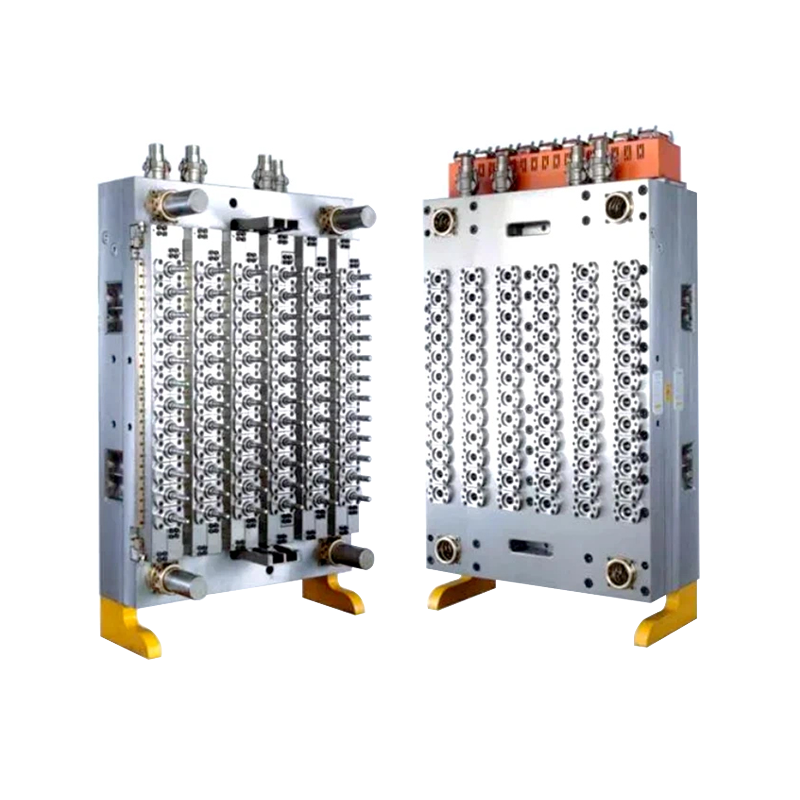
The 72-Cavity Preform Mold(Mould) is a solid, no-nonsense choice when you need t...
See Details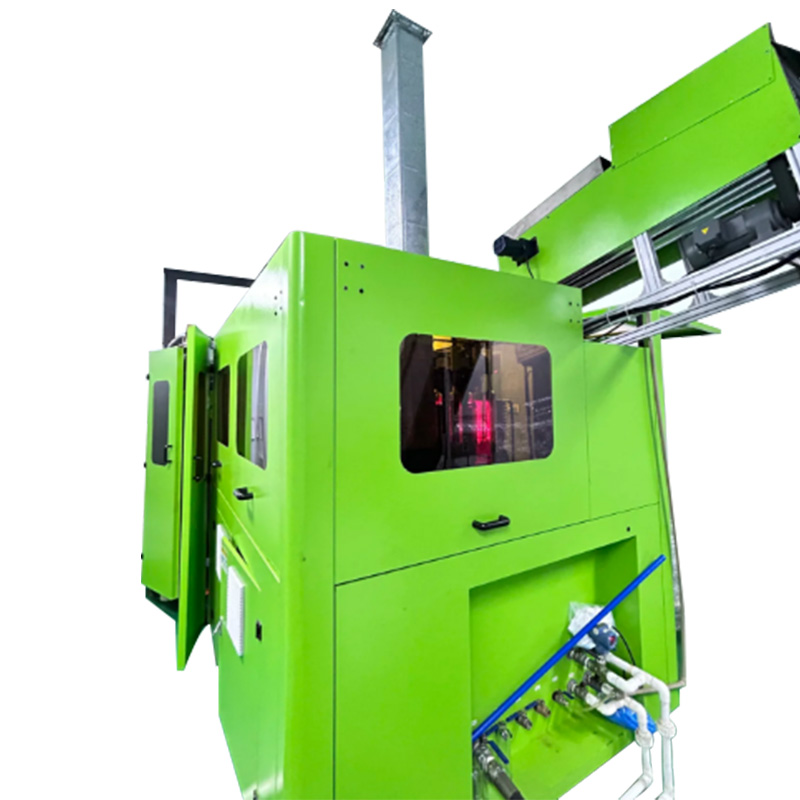
Automatic blowing machines are essential equipment in modern bottle manufacturin...
See Details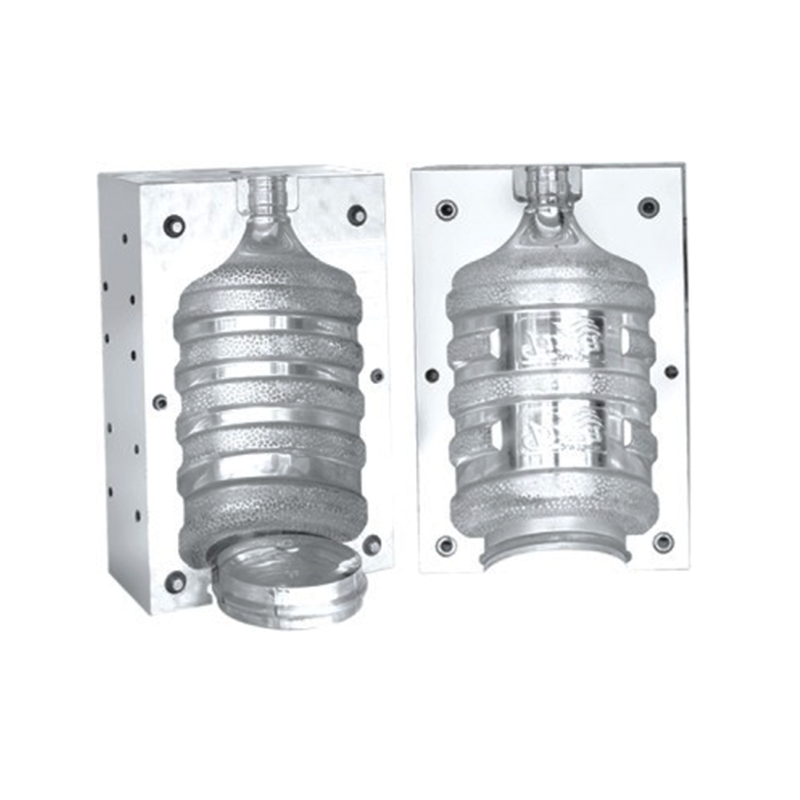
This Five Gallons Bottle Mold(Mould) comes straight out of Taizhou, Zhejiang—bui...
See Details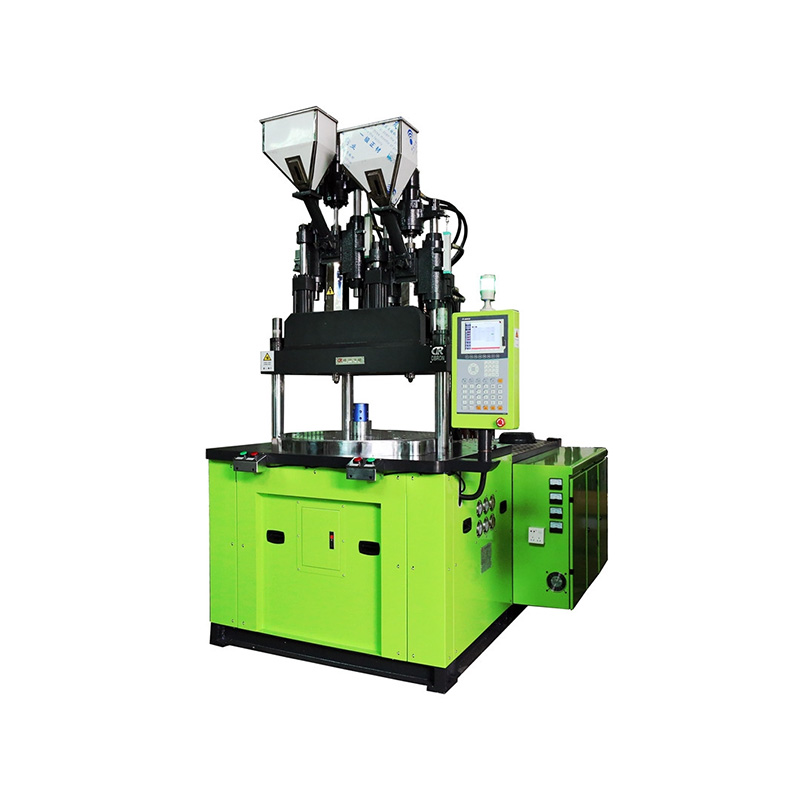
An Injection Molding Machine is an essential industrial tool used for producing ...
See Details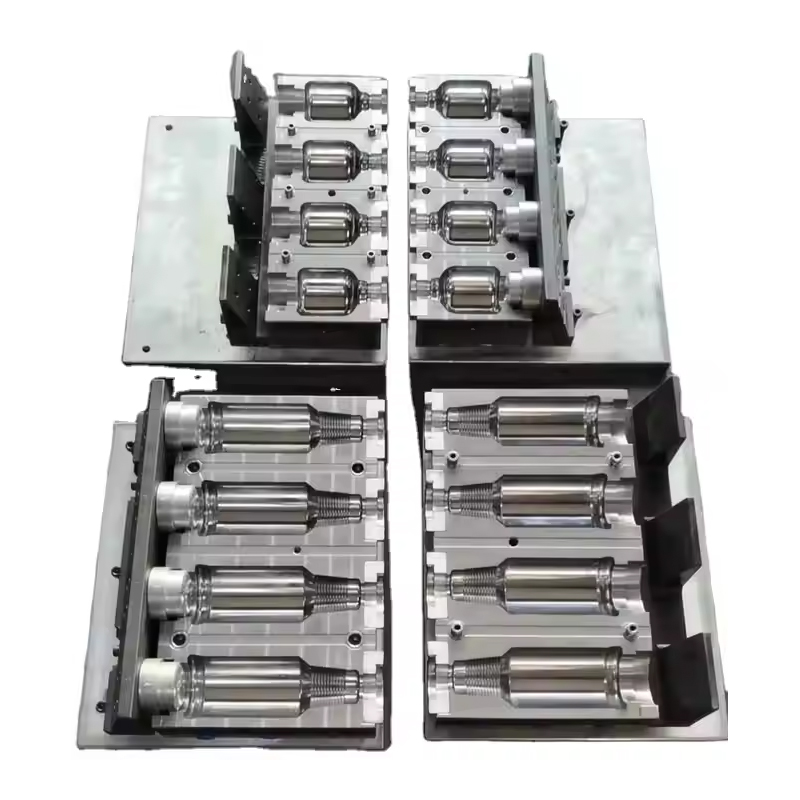
Our Cosmetic Bottle Mold is engineered for precision, reliability, and durabilit...
See Details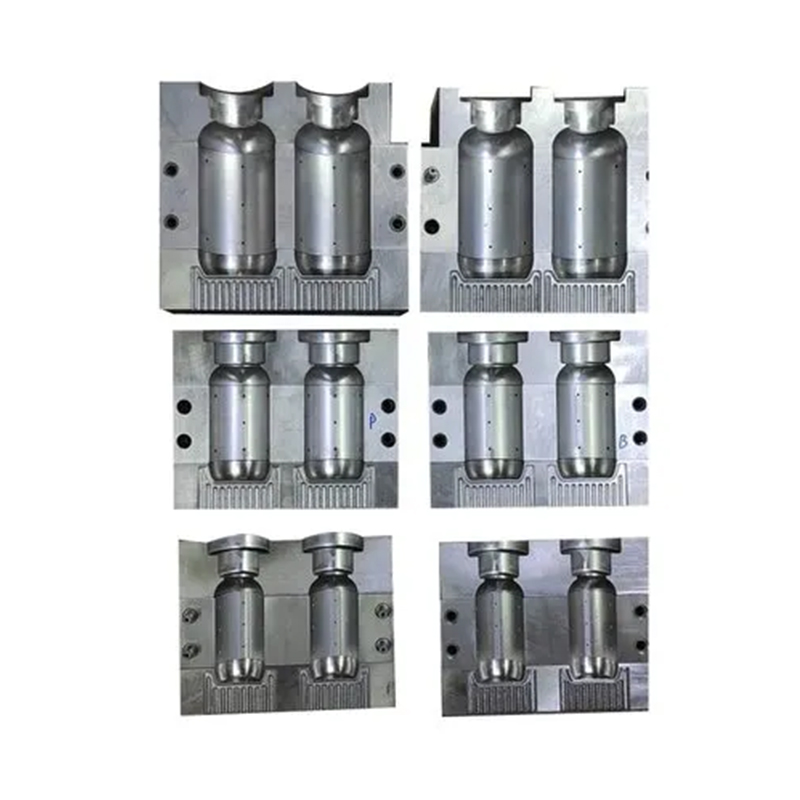
Medicine bottle molds are specialized tools designed for the efficient productio...
See Details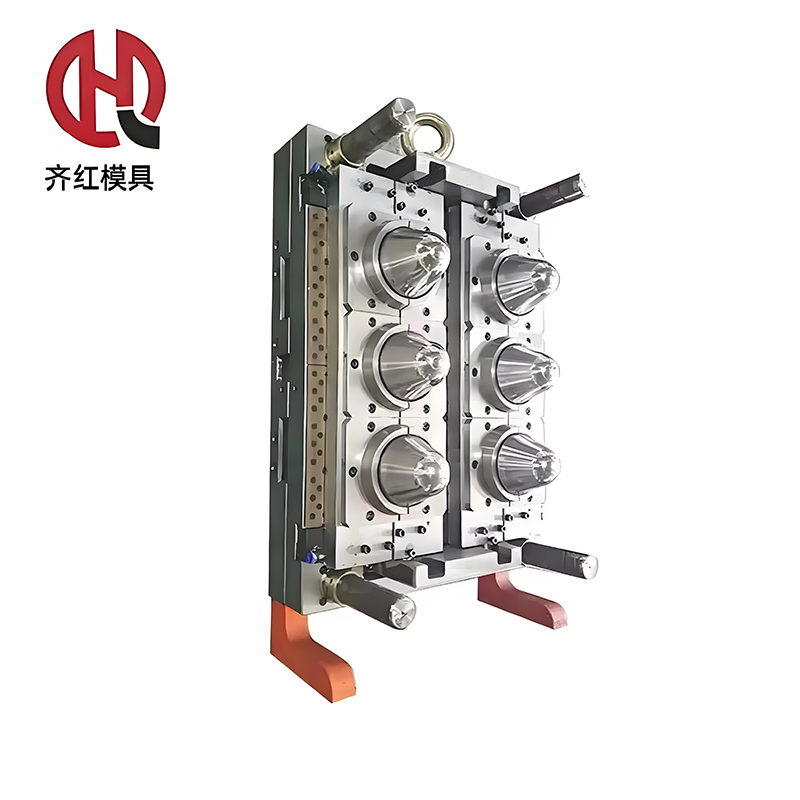
Water and beverage preform mold, Edible oil preform mold, Preform Mold for cosme...
See Details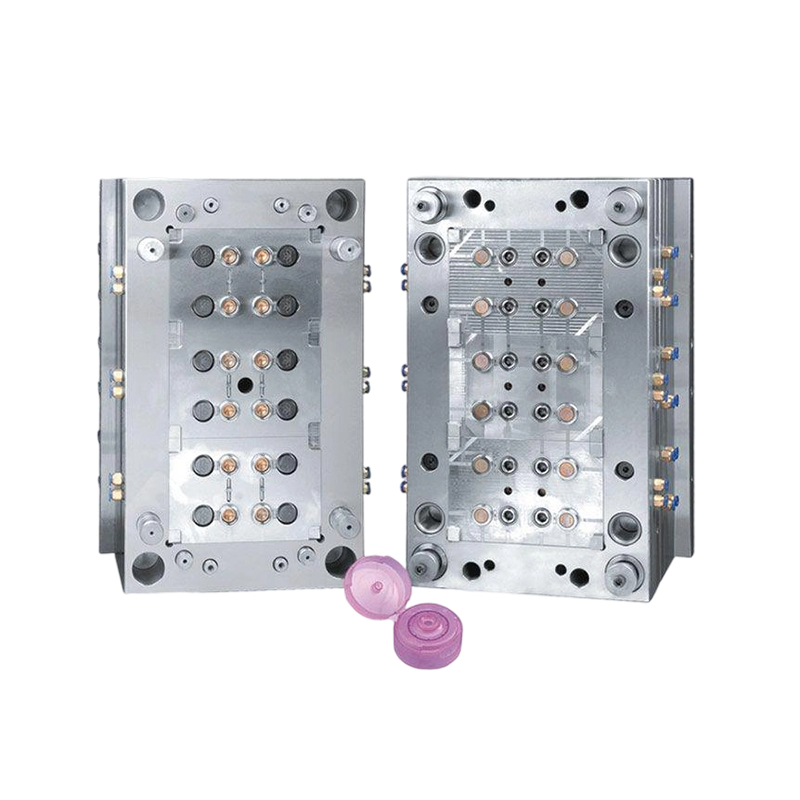
Flip Top Cap also know as Flip Top Caps & Cap mould Stopper Cap is one of ty...
See Details
WhatsApp:+(86) 13957659071 / +(86) 18158637057 / +(86) 15395760157


ADD:Baige Science and Technology Park, Huangyan District, Taizhou City, Zhejiang Province, China.