English
 русский
 عربى
عربى


24-Cavity Preform Mold(Mould)
The 24-cavity preform mold is a handy tool for turning out PET bottle preforms. ...
See Details


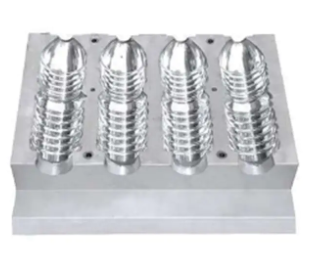
In daily production environments, a Water Bottle Mold is rarely treated as something delicate. It opens and closes repeatedly, endures pressure, and stays in motion for long periods of time. Because of this, its condition often feels stable by default. Yet long-term usability depends less on strength and more on consistency in care.
Consistent care does not mean frequent intervention. It means steady attention. Small habits repeated over time shape how a mold ages. When surfaces are cleaned regularly, when contact areas are checked without delay, and when storage follows the same pattern each time, the mold tends to remain predictable. Predictability, in this sense, becomes a form of durability.
Without consistent routines, wear rarely shows up all at once. It develops quietly. A slight change in surface feel. A minor shift in alignment. These changes are easy to overlook when daily output appears normal. Over time, however, these small variations begin to influence overall performance.
In Plastic Water Bottle Mold applications, where repetition is constant, routine care helps keep forming behavior stable. It also reduces the need for sudden corrective action. Instead of reacting to visible damage, operators are able to respond early, often with minimal effort.
Consistency across shifts matters as well. When handling practices vary from one operator to another, mold condition becomes uneven. Standard habits help maintain balance, even when usage patterns change.
Understanding how a Water Bottle Mold is built helps explain why certain areas demand more attention than others. Most molds share a similar internal logic. Some sections shape the product directly. Others guide movement, alignment, or support.
The surfaces that come into direct contact with material experience the most frequent stress. Over time, these areas show the earliest signs of change. Even when the mold looks intact, subtle texture differences may appear. These do not always affect output immediately, but they signal gradual surface fatigue.
Supporting sections face a different kind of strain. Repeated opening and closing places stress on edges and contact points. When movement is smooth, wear spreads evenly. When friction increases, stress concentrates in smaller zones.
Vulnerabilities often follow predictable paths:
Plastic Water Bottle Mold designs are often optimized for repeated cycles, but no structure is immune to gradual change. Awareness of vulnerable zones helps guide inspection and cleaning efforts without requiring constant adjustment.
Knowing where wear usually begins also prevents unnecessary handling of stable sections. This balance reduces accidental damage caused by over-maintenance.
Daily cleaning plays a quiet but essential role in maintaining surface integrity. It is not meant to restore or correct. Its purpose is to prevent accumulation. When residue remains on a Water Bottle Mold surface, it does more than affect appearance. It alters how the surface interacts during each cycle.
Gentle cleaning removes material traces before they harden or spread. This preserves the original surface feel and reduces uneven contact. Harsh methods, by contrast, often create more problems than they solve.
Effective daily cleaning tends to follow simple principles:
Corners and fine details deserve extra attention. These spots often trap small amounts of residue that are easy to miss. Over time, buildup in these areas affects flow behavior and surface balance.
Cleaning frequency matters less than regularity. A light daily pass is usually more effective than occasional deep cleaning. This approach protects the mold while keeping intervention minimal.
| Cleaning Approach | Surface Impact | Long-Term Effect |
|---|---|---|
| Light daily wiping | Maintains original texture | Stable surface behavior |
| Infrequent heavy cleaning | Removes buildup quickly | Increased surface stress |
| Targeted spot cleaning | Preserves detailed areas | Reduced localized wear |
| Irregular cleaning | Uneven residue patterns | Inconsistent forming |
When a Water Bottle Mold is not in use, its condition continues to change. Storage periods, whether short or extended, influence alignment and surface stability. Improper positioning places unnecessary pressure on specific areas, even when the mold appears stationary.
Proper storage begins with support. Weight should be distributed evenly so that no section bears more load than intended. When molds rest unevenly, gradual distortion may occur. This distortion often goes unnoticed until the mold returns to operation.
Environmental exposure also plays a role. Storage areas with fluctuating conditions introduce stress over time. Even small variations contribute to material response. Consistent surroundings help preserve shape and alignment.
Good storage practices usually include:
Plastic Water Bottle Mold units that follow stable storage habits tend to return to production more smoothly. They require fewer adjustments and maintain predictable movement patterns.
The goal of storage is not isolation, but balance. When a mold rests correctly, it resumes work without resistance.
Routine examinations are most effective when they feel natural rather than scheduled. A brief visual check before operation often reveals more than detailed inspections done infrequently. Surface changes are easier to notice when familiarity is high.
Visual cues include shifts in color, uneven shine, or faint surface marks. These do not always indicate immediate issues. They serve as early signals that conditions are changing. Recognizing these signals early allows for simple responses.
Functional observation matters just as much. Movement should feel consistent. Opening and closing should remain smooth. Any hesitation, even slight, deserves attention.
Many operators rely on small checks woven into daily routines:
These habits require no special tools. They depend on awareness built through repetition. Over time, the Water Bottle Mold becomes familiar, making deviations easier to spot.
Routine examination does not interrupt workflow. Instead, it supports continuity by reducing unexpected interruptions.
Protective layers are often discussed as optional steps, yet in long-term use they quietly shape how a Water Bottle Mold responds to daily operation. The purpose of these coatings is not to change surface behavior, but to reduce unnecessary friction and slow gradual surface change.
Application works best when done lightly and evenly. Excess material tends to attract residue rather than protect against it. Thin layers allow surfaces to interact as designed, without creating imbalance. This is especially important in areas where movement repeats along the same path.
Lubrication follows similar principles. It supports smooth motion rather than masking underlying issues. When moving sections glide without resistance, stress spreads evenly. When lubrication is uneven or excessive, movement may feel smooth at first but become inconsistent over time.
Common practices often include:
Plastic Water Bottle Mold units benefit most when protection is treated as maintenance, not correction. Proper timing matters more than frequency. When applied as part of a routine, coatings help preserve original surface behavior without altering forming characteristics.
Environmental conditions influence mold behavior in ways that are easy to underestimate. Temperature and moisture do not cause immediate changes. Their effects accumulate gradually. Over time, this accumulation influences surface feel, alignment, and movement response.
A Water Bottle Mold exposed to frequent shifts tends to adapt unevenly. Some sections respond faster than others. This uneven response introduces subtle tension that may not be visible at first. Stable surroundings help minimize these effects.
Humidity introduces its own challenges. Moisture lingering on surfaces can alter surface interaction and encourage residue adhesion. During idle periods, this becomes more noticeable.
Managing exposure often involves simple adjustments:
Plastic Water Bottle Mold handling improves when environmental awareness becomes part of daily habits. Rather than reacting to changes, steady observation helps maintain balance.
Minor surface issues are part of long-term use. Small marks, light scratches, or slight alignment shifts do not signal failure. They indicate where attention is needed. Addressing these early helps prevent expansion into larger concerns.
Simple repairs work best when approached patiently. Aggressive correction often introduces new surface changes. Gentle methods preserve the original form while restoring usability.
Common responses include:
A Water Bottle Mold benefits when repairs aim to maintain continuity rather than create perfection. Each surface has adapted over time. Respecting that adaptation keeps changes controlled.
Plastic Water Bottle Mold repair practices tend to succeed when intervention remains proportional to the issue. Small corrections applied early often eliminate the need for more involved action later.
Monitoring mold condition is less about records and more about familiarity. When operators interact with the same Water Bottle Mold regularly, subtle changes become noticeable. This familiarity builds awareness that no checklist can replace.
Ongoing monitoring works best when spread naturally across daily use. Instead of scheduled inspections, observation becomes continuous. Movement feel, surface appearance, and sound patterns all provide information.
Helpful monitoring habits include:
Consistency across operators supports long-term stability. When observations are communicated informally, patterns emerge. These patterns guide care decisions without requiring formal systems.
Plastic Water Bottle Mold longevity often reflects how well these small observations are respected over time.
Care becomes sustainable only when it fits naturally into production workflows. When maintenance feels separate, it is often delayed. When it blends into daily routines, it becomes reliable.
Integration does not require new steps. It often involves adjusting existing ones. Cleaning during changeovers. Visual checks during startup. Light protection during pauses. These moments already exist within the workflow.
Effective integration usually relies on:
When care aligns with production rhythm, the Water Bottle Mold remains stable without frequent interruption. Instead of reacting to issues, teams maintain flow through awareness.
Plastic Water Bottle Mold performance reflects the balance between use and restraint. When care supports operation rather than interrupts it, long-term usability becomes a natural outcome.
At the close of the production chain, attention to detail often reflects habits formed through long-term, hands-on involvement. These habits develop gradually in real manufacturing settings, where routine checks and small corrective actions shape practical judgment. Experience drawn from such environments continues to influence how molds are maintained and evaluated, and similar practices observed across companies such as Taizhou Qihong Mold Co., Ltd. also support this understanding.
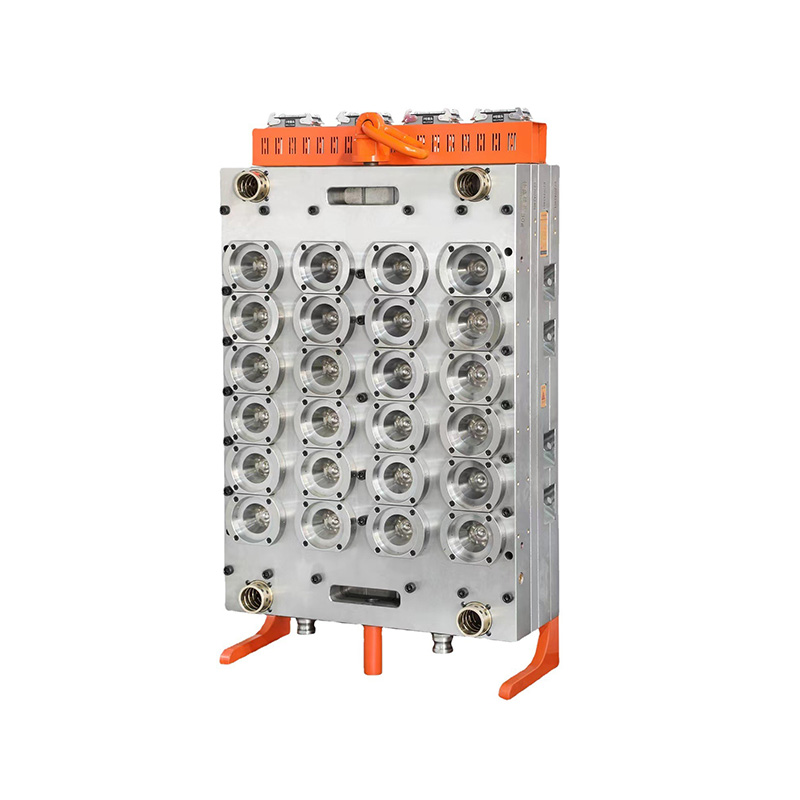
The 24-cavity preform mold is a handy tool for turning out PET bottle preforms. ...
See Details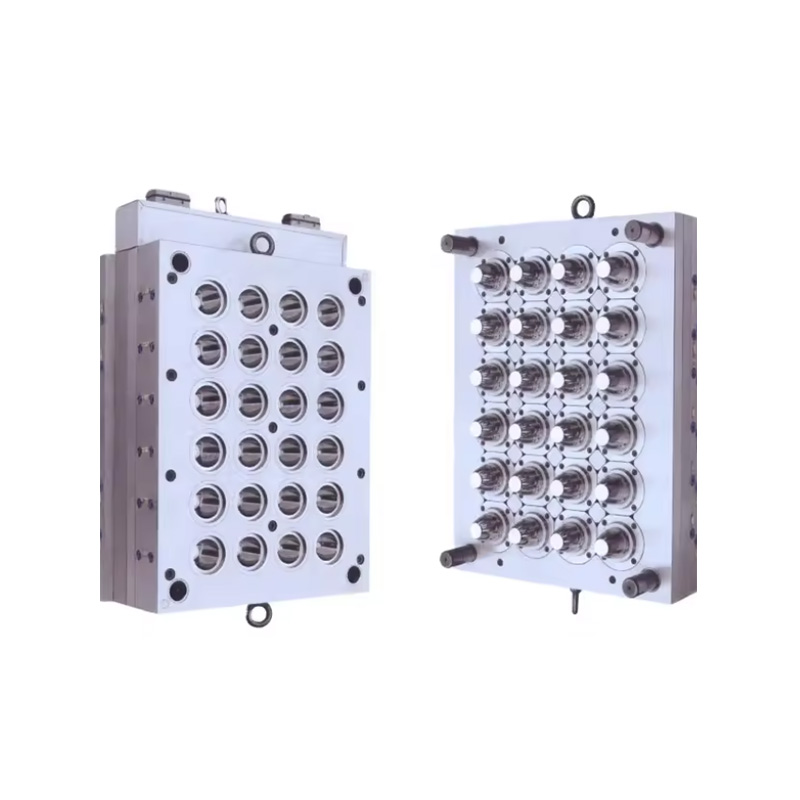
A Bottle Cap Mold is a precision tool used in the manufacturing of bottle caps. ...
See Details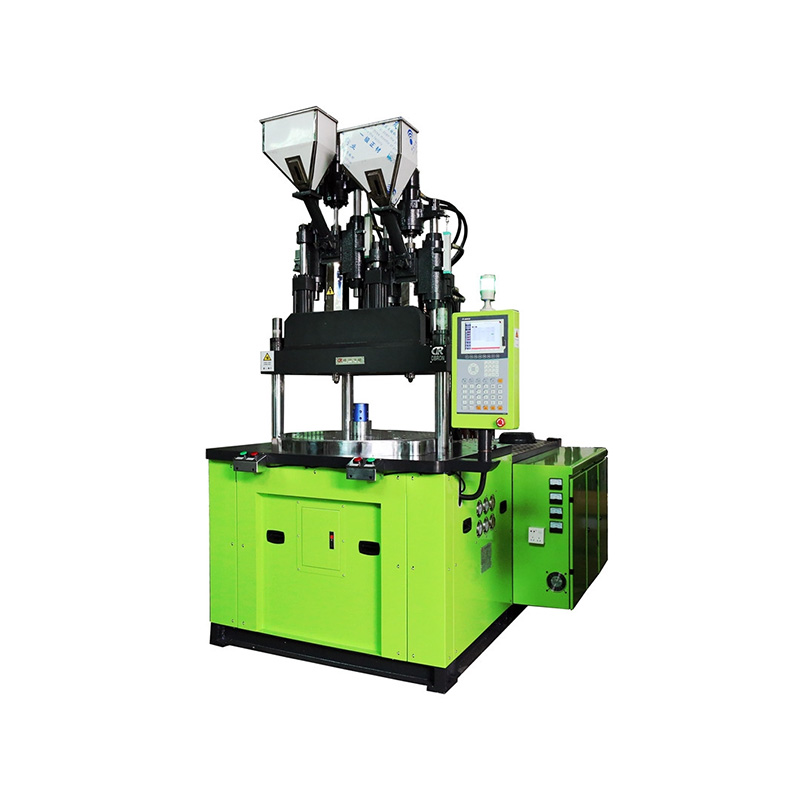
An Injection Molding Machine is an essential industrial tool used for producing ...
See Details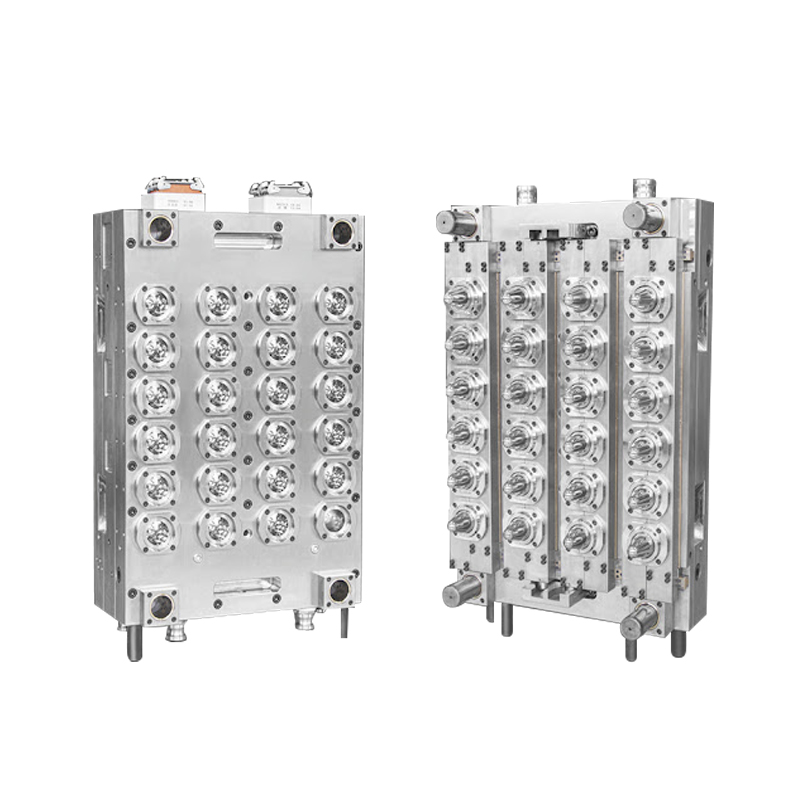
The 24-cavity wide-mouth mold is a precision tool designed for producing wide-mo...
See Details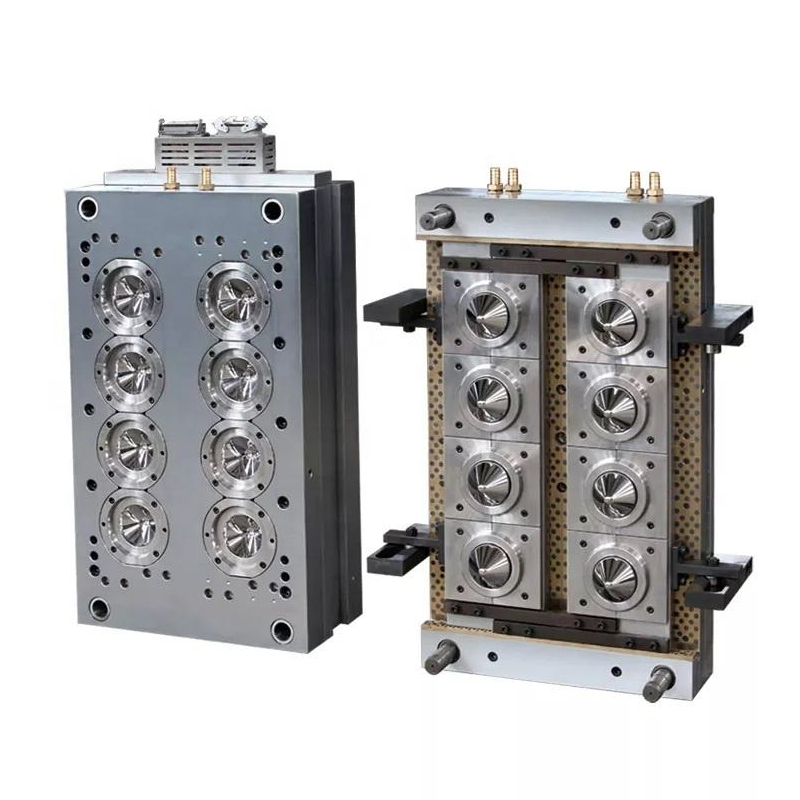
The 8-cavity wide-mouth mold is designed to produce plastic containers with larg...
See Details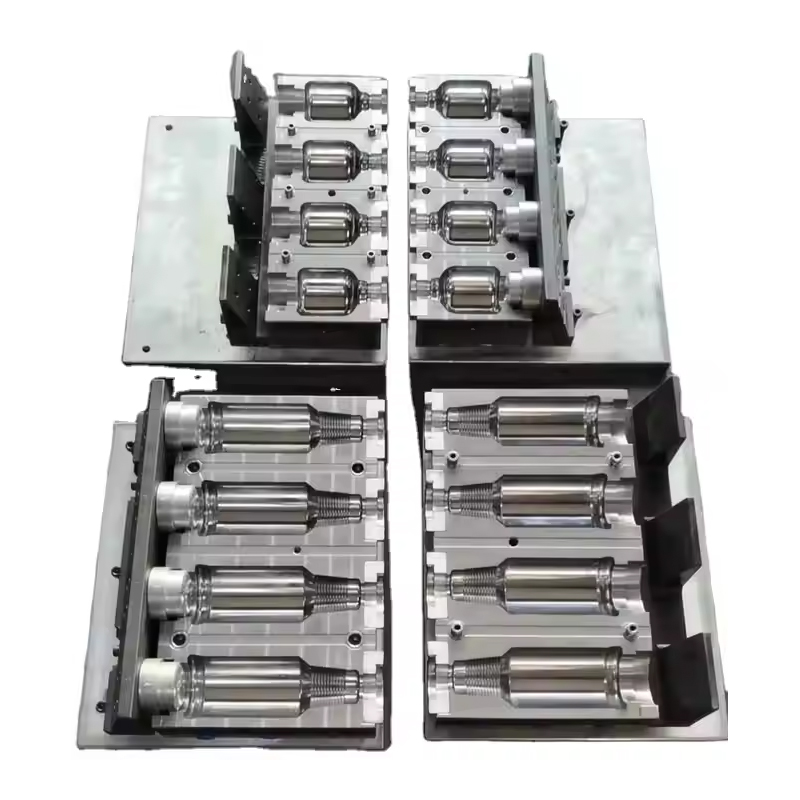
Our Cosmetic Bottle Mold is engineered for precision, reliability, and durabilit...
See Details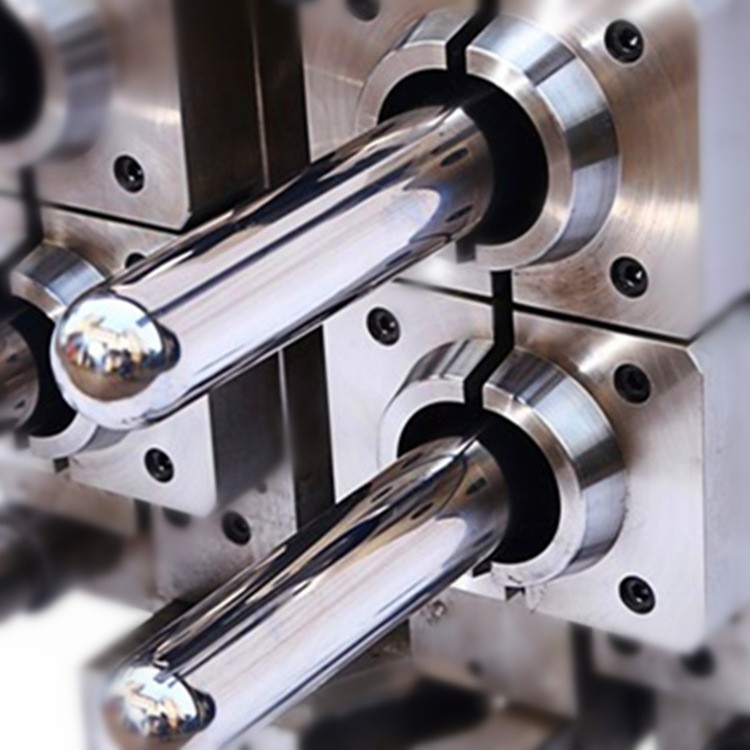
Mould Specifications Product : Preform Mould Brand : Taizhou QihongMould C...
See Details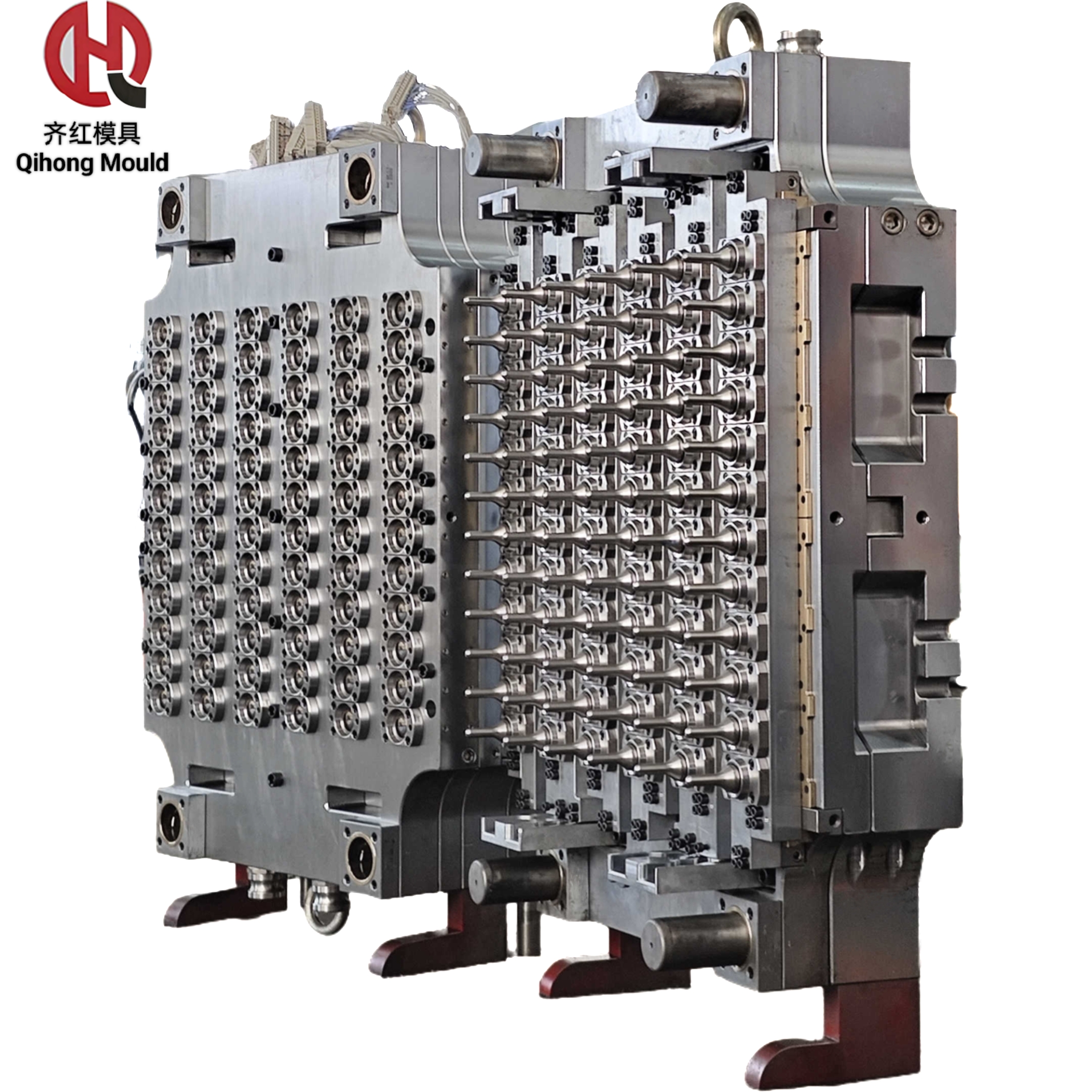
PET Preform Mold Design focuses on high precision structure and stable productio...
See Details
WhatsApp:+(86) 13957659071 / +(86) 18158637057 / +(86) 15395760157


ADD:Baige Science and Technology Park, Huangyan District, Taizhou City, Zhejiang Province, China.