English
 русский
 عربى
عربى


Water/Beverage Bottle Mold(Mould)
Product Name: Water/Beverage Bottle Mold A Water/Beverage Bottle Mold is a speci...
See Details


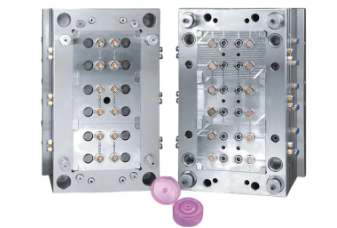
Across everyday packaging, caps appear simple at first glance. In practice, their structures vary in quiet but meaningful ways. Shape, edge form, inner space, and surface detail often change based on how the cap is used and how it interacts with the container. These variations have gradually shaped how a Cap Mould Supplier approaches design and planning work.
Cap structures are rarely created for appearance alone. They respond to handling habits, opening actions, and repeated use. Some are designed for quick removal, others for steady sealing. Over time, even small changes in use have influenced how caps are formed. This long-term variation explains why Cap Mould design remains a careful balance between structure and practicality rather than a fixed pattern.
In manufacturing environments such as those seen at Taizhou Qihong Mold Co., Ltd. , structural diversity is treated as a constant condition rather than a challenge to eliminate. Each structure brings its own considerations, and mould planning grows from those realities.
Cap forms can be grouped by how they function rather than how they look. This perspective helps reduce confusion during early mould discussions.
Some caps rely on straightforward outlines. Their shapes follow smooth curves and even walls, making them easier to plan within a Cap Mould. Others include added surface texture or grip areas, which introduce subtle changes to the mould cavity.
There are also caps made of more than one connected section. These structures may appear simple when assembled, but their internal arrangement requires careful attention during mould development. Another category includes caps meant for frequent opening and closing. Their structures must hold shape over time while remaining easy to handle.
Each category influences mould planning differently. A Cap Mould Supplier often studies how these forms behave during shaping before deciding how to divide or align mould components.
Cap structure directly shapes how a mould is planned. The outer form defines the cavity outline, while the inner structure influences separation and alignment. Even slight changes in wall shape can affect how smoothly a mould opens and closes.
Internal geometry plays a quiet role. Caps with deeper inner features require more attention to how mould sections meet. The goal is not complexity, but clarity. When a Cap Mould mirrors the structure clearly, forming becomes more stable.
Structural balance also matters. Caps that appear symmetrical may still carry uneven thickness. A Cap Mould Supplier often adjusts cavity layout to support even shaping across the whole form. These decisions are made early and influence every later step.
Different cap structures guide how material moves within a mould. While the material itself may stay consistent, its behavior changes with shape. Narrow sections respond differently than wider ones, and curved surfaces influence how evenly material settles.
Thickness variation is one of the most common structural factors. Thin areas require support from surrounding form, while thicker zones must remain balanced. A Cap Mould Supplier adapts internal paths and cavity surfaces to help maintain consistency across these variations.
Flexibility and firmness also influence design choices. Some structures allow slight movement during shaping, while others demand rigid support. These traits are reflected in how the Cap Mould is arranged and finished.
As cap structures grow more detailed, mould development becomes more about coordination than invention. Irregular outlines or layered features require mould parts to work together smoothly.
Rather than treating complexity as a single problem, a Cap Mould Supplier breaks it into smaller decisions. Each surface, corner, and edge is considered in relation to the whole form. Fine surface detail often demands extra attention, as it affects both appearance and separation.
Maintaining clarity of shape is a steady concern. When mould components align well, the final cap keeps its intended structure without distortion. This balance is achieved through careful planning rather than added steps.
Inside many caps, structure matters as much as the outer form. Internal patterns influence how the cap fits and moves. These features must align accurately within the Cap Mould to maintain consistency.
Internal elements affect mould alignment during repeated cycles. If these features are not positioned correctly, even small shifts can influence the final shape. A Cap Mould Supplier pays close attention to how inner forms connect with outer walls.
Functional features also influence how mould parts separate. Smooth separation helps protect internal shape and reduces unnecessary stress on mould surfaces. These considerations guide layout decisions long before shaping begins.
Handling different structures requires flexible thinking. Rather than relying on a single approach, a Cap Mould Supplier evaluates each structure on its own terms.
Key adaptation practices often include:
Quality control is closely tied to structure. Caps with clear and stable forms are easier to observe during inspection. Structural accuracy supports visual consistency and smooth function.
Complex structures can influence mould wear over time. Regular observation helps identify where surfaces experience greater contact. A Cap Mould Supplier monitors these areas to maintain alignment across different structures.
Consistency across repeated forming cycles reflects how well the mould supports the intended structure. When structure and mould design align, quality becomes easier to maintain.
Structural Considerations Overview
| Cap Structure Feature | Primary Mould Consideration | Handling Approach |
|---|---|---|
| Smooth outer form | Cavity surface clarity | Even layout planning |
| Textured surface | Detail preservation | Surface alignment focus |
| Multi-part form | Component coordination | Clear separation paths |
| Internal features | Alignment accuracy | Balanced internal layout |
Clear communication shapes how well different cap structures are handled. When structure concepts move from drawings to mould layouts, small misunderstandings can grow into visible issues. For this reason, discussion often begins with how the cap will be used rather than how it should look.
Design teams usually focus on shape intent, while manufacturing teams concentrate on how that shape can be formed repeatedly. A Cap Mould Supplier acts as the point where these views meet. By translating structure ideas into practical mould arrangements, the gap between concept and execution becomes smaller.
Early feedback plays an important role. When mould planning starts, questions arise about wall transitions, inner space, or surface detail. Addressing these topics early helps avoid later changes. Communication remains ongoing, with adjustments made as structure behavior becomes clearer during trial stages.
Cap structures continue to change as packaging styles evolve. Variation is no longer limited to surface appearance. Inner forms, grip zones, and opening behavior receive growing attention. This ongoing shift encourages Cap Mould Supplier teams to remain adaptable.
Shorter design cycles also influence how structures are handled. Instead of long preparation periods, mould planning often moves forward with partial information. This environment rewards experience-based judgment and flexible layout thinking.
Structural diversity is no longer viewed as temporary. It has become a steady condition within the industry. Cap Mould development reflects this reality by emphasizing modular thinking and adaptable mould arrangements.
Buyers often focus on the finished cap, but understanding structure helps guide better mould decisions. When discussing requirements with a Cap Mould Supplier, clarity around structure intent supports smoother planning.
Common points buyers may consider include:
Clear discussion at this stage reduces later revisions. Cap Mould planning benefits when structure expectations are well defined from the beginning.
Buyers also benefit from understanding that not all structures require the same mould approach. Some forms are tolerant of variation, while others rely on precise alignment. Recognizing this difference helps set realistic expectations.
Cap structures rarely remain fixed. Minor adjustments often appear as packaging updates or functional refinements. A Cap Mould Supplier prepares for this by designing moulds that allow measured flexibility.
Rather than rebuilding from the start, structural changes are often absorbed through controlled adjustments. This approach supports continuity while respecting new requirements. Mould layouts that anticipate possible variation tend to remain useful longer.
Handling change is not about speed alone. It involves maintaining structure clarity while adapting to new outlines or internal forms. Experience guides these decisions more than fixed rules.
Standard processes help maintain consistency, yet cap structures rarely fit into a single pattern. Balancing these two forces is part of daily mould work.
A Cap Mould Supplier may rely on familiar layout principles while adjusting details for each structure. This balance keeps development efficient without forcing uniform solutions onto varied forms.
Standardization provides a foundation, but structure-specific thinking completes the process. Together, they support stable outcomes across different cap designs.
Looking across multiple projects, structure handling becomes less about individual shapes and more about understanding patterns. Certain features tend to influence mould behavior in predictable ways.
This long-term view supports better decision-making. Rather than reacting to each new structure, a Cap Mould Supplier draws from accumulated experience. The result is a calmer, more deliberate approach to variation.
Cap structures will continue to evolve, but the principles guiding mould planning remain grounded in observation and adaptation. By focusing on how structures behave rather than how they appear, mould development stays aligned with real use conditions.
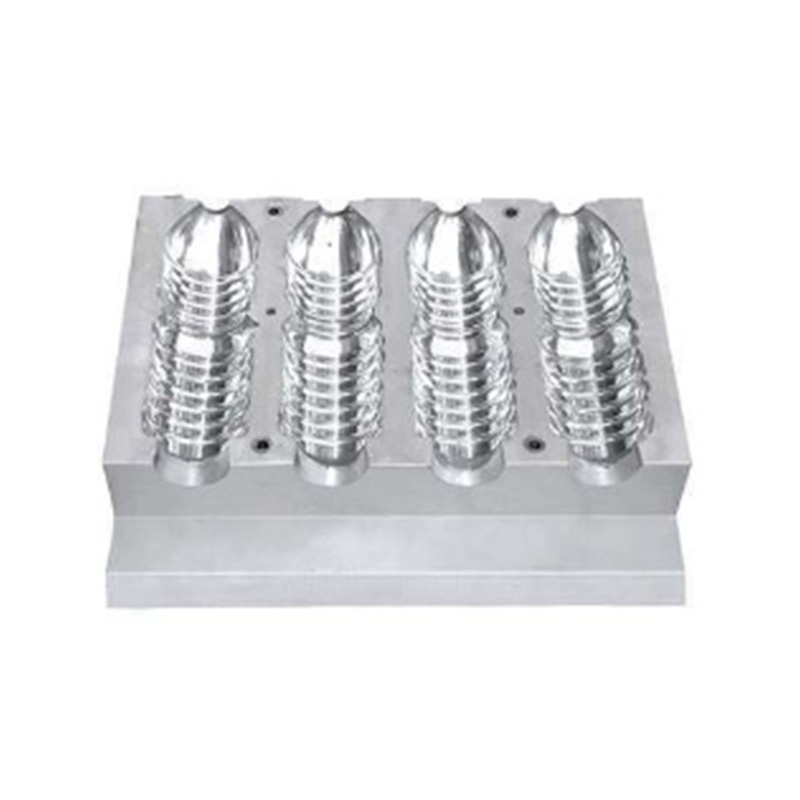
Product Name: Water/Beverage Bottle Mold A Water/Beverage Bottle Mold is a speci...
See Details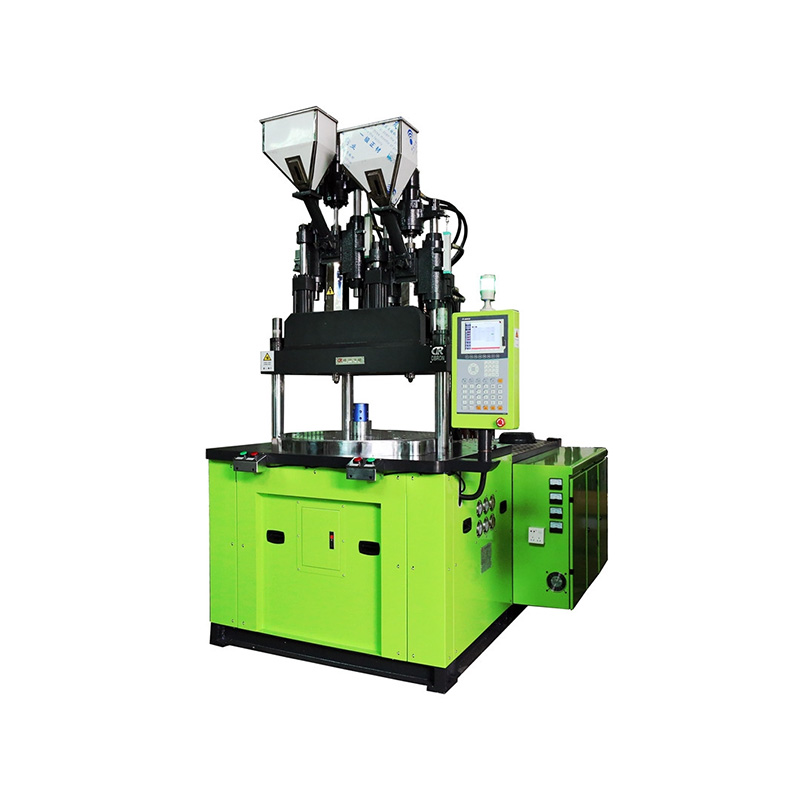
An Injection Molding Machine is an essential industrial tool used for producing ...
See Details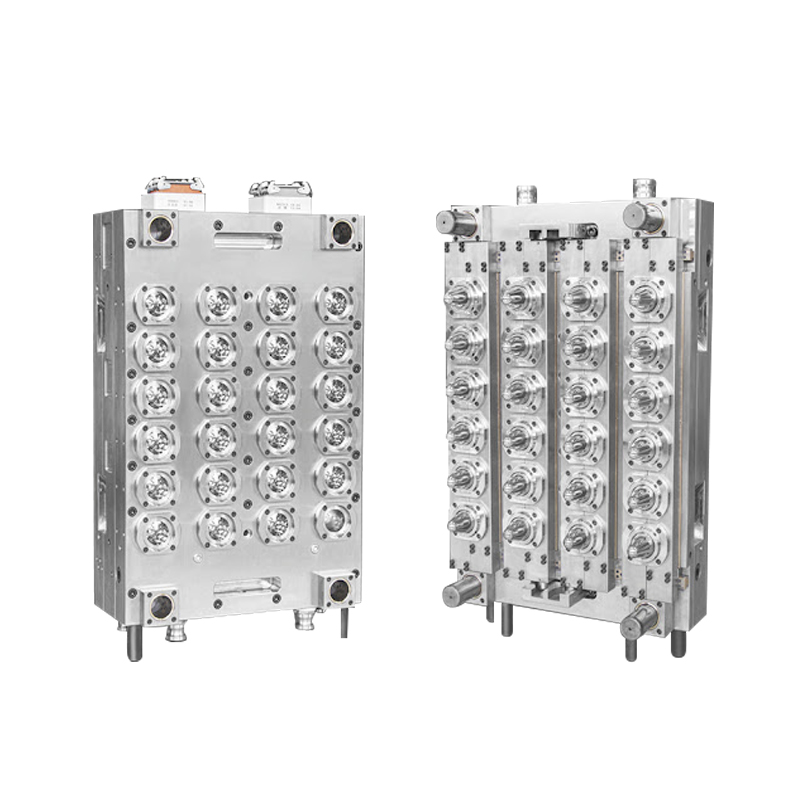
The 24-cavity wide-mouth mold is a precision tool designed for producing wide-mo...
See Details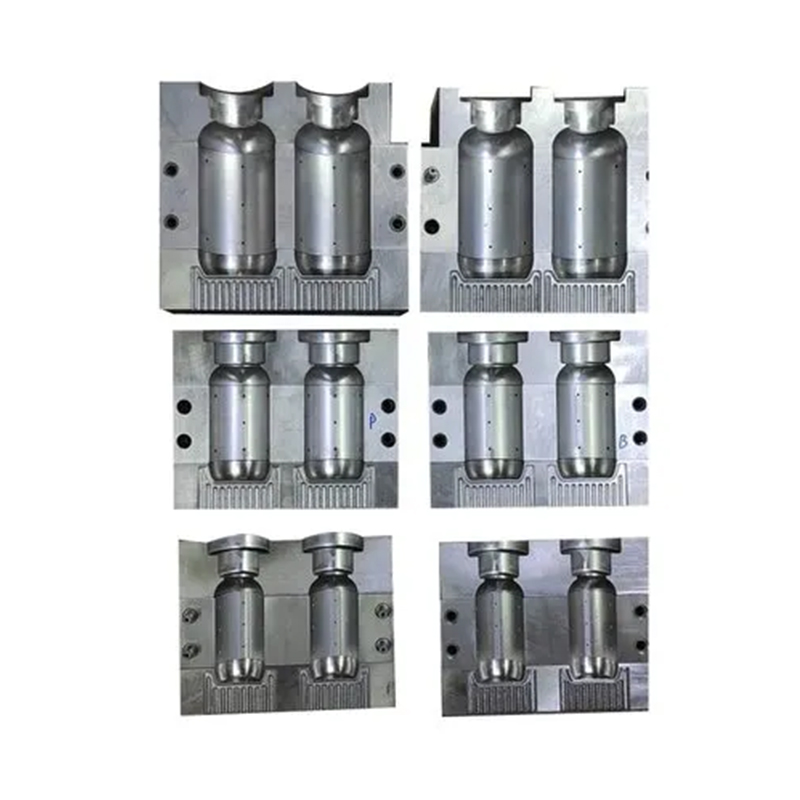
Medicine bottle molds are specialized tools designed for the efficient productio...
See Details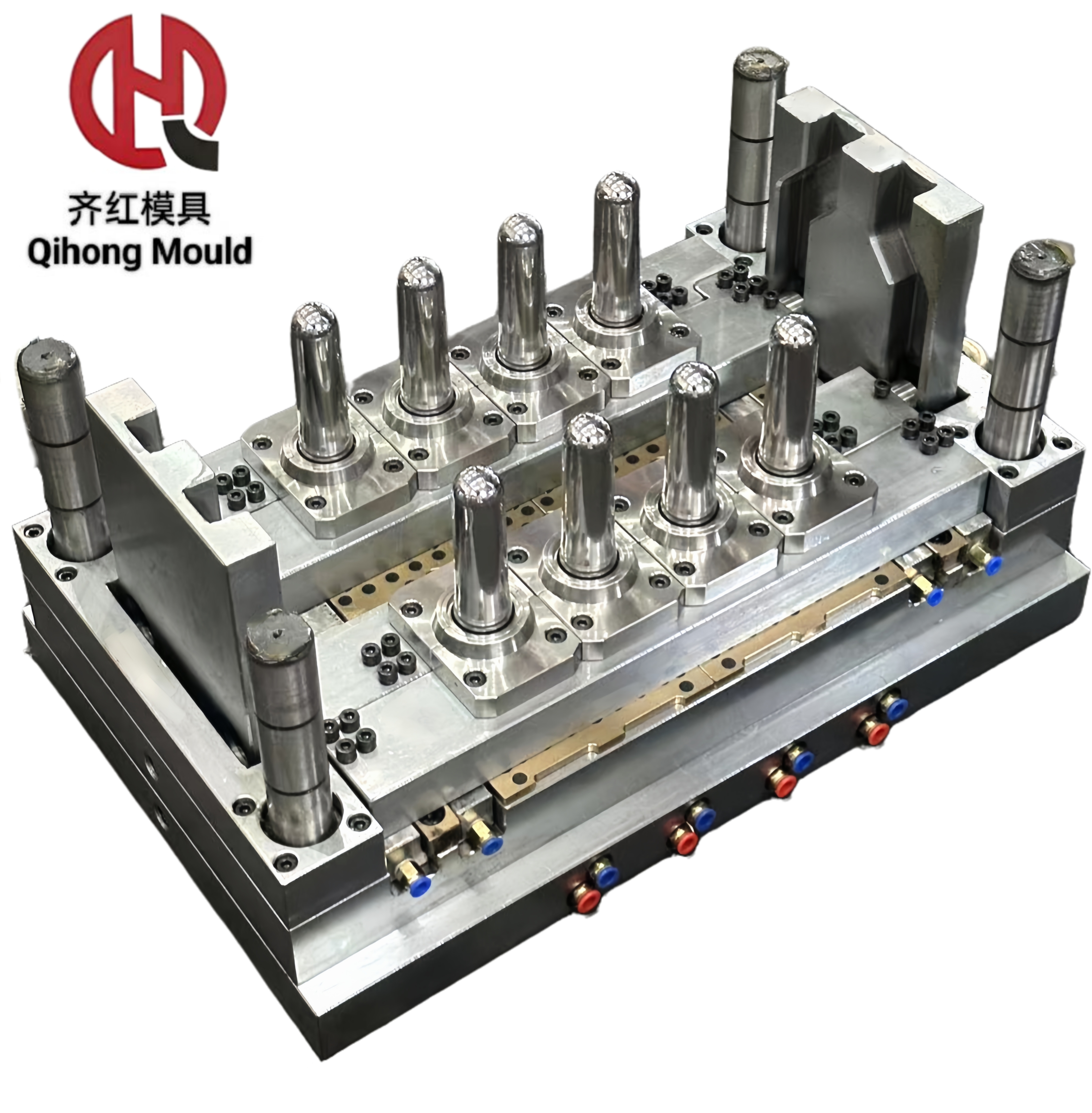
Jar Preform Mold is designed for accurate and efficient production of plastic pr...
See Details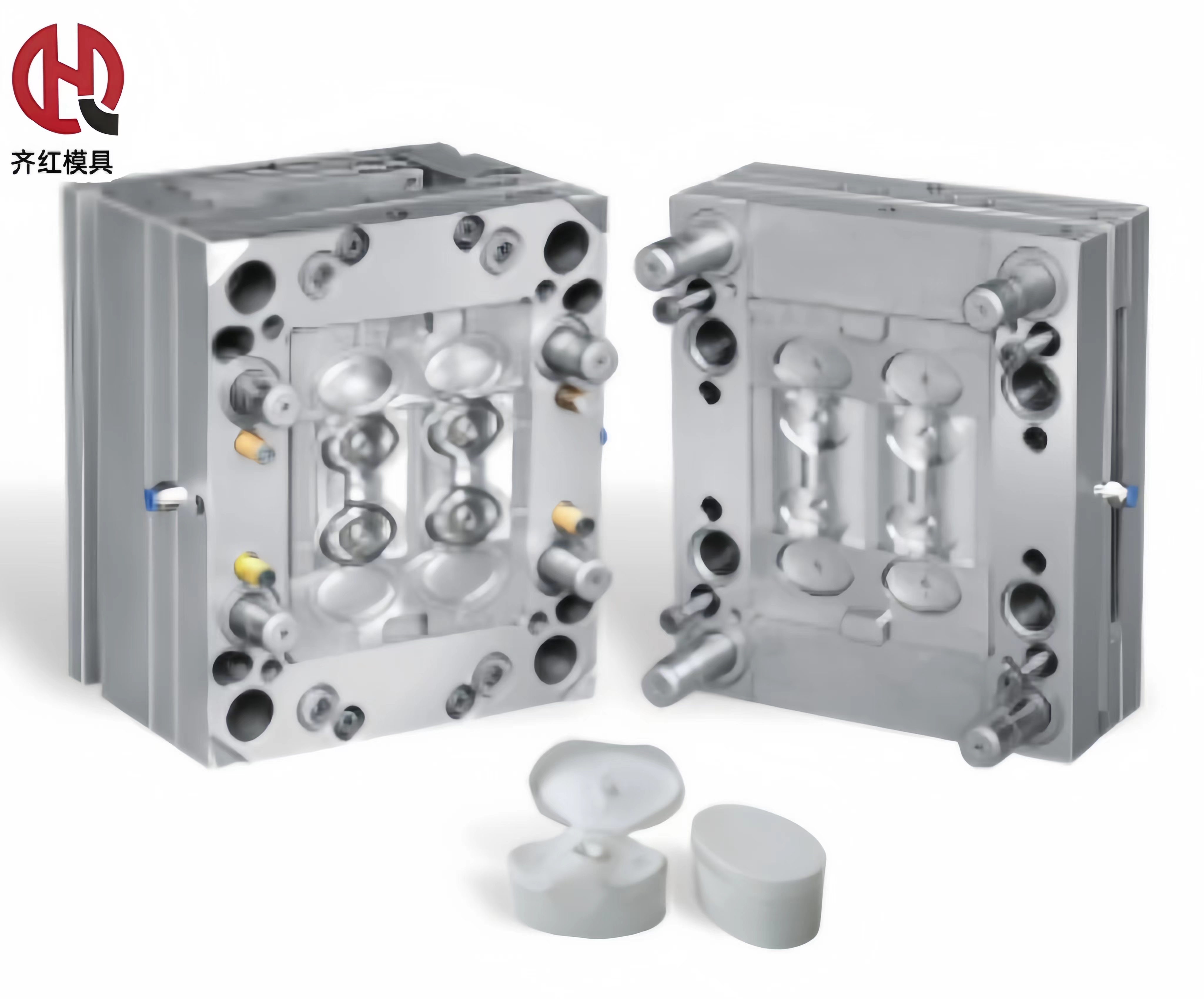
Plastic Cap Mould is designed for high precision plastic cap production. The Chi...
See Details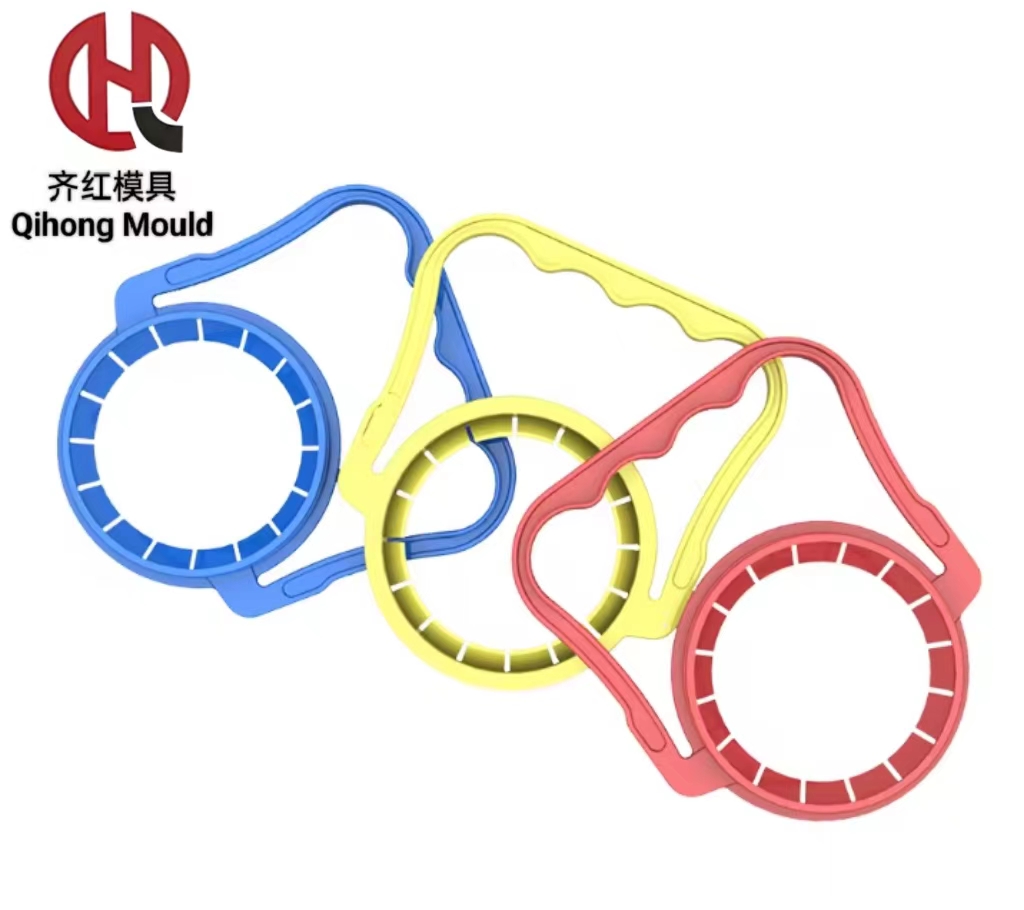
Mould Specifications Product : Plastic Handle Mould Brand : Taizhou Qihong...
See Details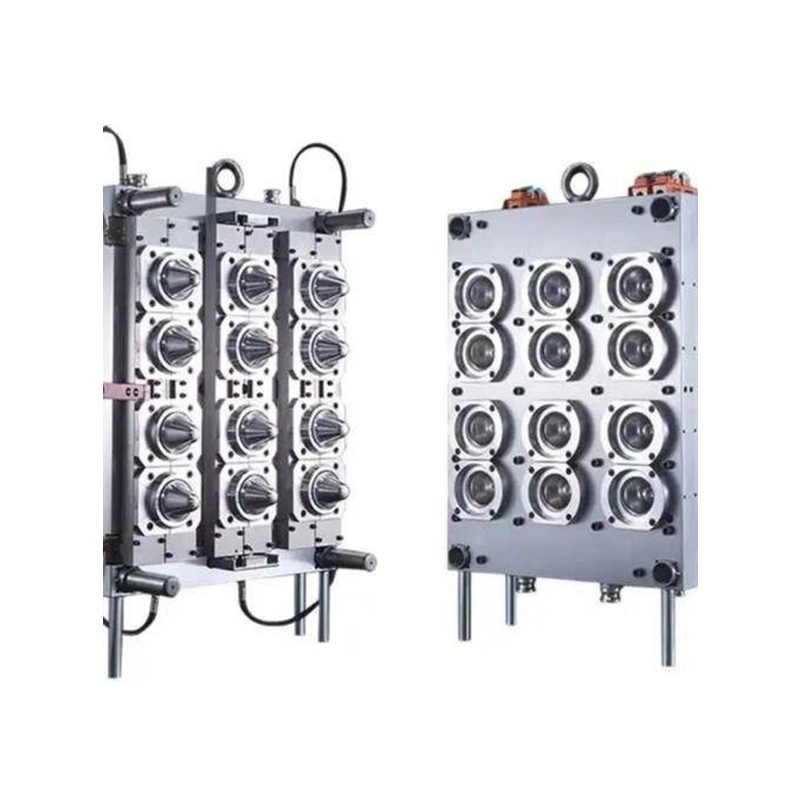
The 12 Cavities Wide Mouth Preform Moulds from Qihong are practical tools for pr...
See Details
WhatsApp:+(86) 13957659071 / +(86) 18158637057 / +(86) 15395760157


ADD:Baige Science and Technology Park, Huangyan District, Taizhou City, Zhejiang Province, China.