English
 русский
 عربى
عربى


Semi-Automatic Blowing Machine
Semi-Automatic Blowing Machines are specialized machines used in the production ...
See Details


Wide-Mouth Mould show up in many shaping tasks, where their open tops make filling a breeze. Think of them as sturdy forms that hold materials as they set into shape. In everyday production, these tools guide liquids or pastes into place without much fuss. The wider opening lets stuff flow in smoothly, cutting down on spills or clogs that might slow things. It's like pouring batter into a big pan instead of a narrow bottle – easier and less messy.
This design matters because it ties straight to how steady the whole filling goes. When materials enter without hitches, the end result turns out even and strong. Folks who work with these notice how a good setup keeps everything balanced from start to finish. Wide-Mouth Mould fit into various making processes, from simple crafts to bigger runs. Their role shines in keeping the pour reliable, which leads right into why checking the build makes sense.
At the heart of Wide-Mouth Mould lie a few key traits that shape how they work. The opening spreads broad, giving plenty of room for materials to slide in. This expanse means no tight squeezes, so things move freely. Inside, smooth curves guide the flow, like gentle slopes in a funnel. These paths keep the pour directed without sharp turns that could cause backups.
Channels for material run along the sides, often etched in to spread out the entry. They act as little roads, distributing the load evenly. Such features come together to make the tool user-friendly. Imagine holding one; the weight feels balanced, and the grip sits natural in hand.
These elements form the backbone, setting up Wide-Mouth Mould for steady performance in daily use.
Wide-Mouth Mould kick off the filling with a welcoming start. The open rim lets materials drop in without resistance, like rain into a wide bucket. This setup cuts down on splashes or overflows that happen with narrower types. Pressure builds gently as stuff settles, spreading out right away instead of piling up in one spot.
Even distribution from the get-go means fewer air pockets trapped inside. Bubbles can weaken the final piece, but here they rise and escape more easily. The flow feels natural, almost like the tool pulls in the material on its own. In practice, this leads to a calm beginning, where everything aligns without extra nudges.
Short bursts of pour work well too, as the design handles starts and stops smoothly. No sudden jams or leaks. Wide-Mouth Mould turn that first moment into a reliable step, paving the way for what follows.
Once inside, Wide-Mouth Mould help spread materials across every nook. The broad base encourages even layering, like butter on bread without lumps. Sections fill at a similar pace, avoiding thick spots here and thin ones there. This balance comes from how the opening feeds into the whole form.
In multi-part setups, the design keeps flows separate yet coordinated. Each area gets its share, reducing weak links. Think of it as dividing a pie fairly – everyone gets a piece. Such evenness strengthens the outcome, making it hold together better.
Wide-Mouth Mould shine in this phase, turning a simple pour into a well-spread fill that lasts.
Wide-Mouth Mould play a part in keeping heat in check during fills. Surfaces transfer warmth steadily, helping materials stay at the right warmth. Cooling spots built in draw away excess, like vents in a room. This keeps the inside from getting too hot or cold in patches.
Consistent warmth means the pour sets without cracks from sudden shifts. The open top aids airflow, letting steam or heat escape gently. In use, this leads to smoother hardening, where everything gels at once.
Heat moves through the walls evenly, supporting the process from all sides. Wide-Mouth Mould make this management feel effortless, blending into the routine without extra steps.
| Feature | How It Helps Heat Flow | Outcome in Filling |
|---|---|---|
| Surface Area | Spreads warmth widely | Even setting across |
| Built-in Vents | Releases buildup | No hot spots |
| Wall Thickness | Guides transfer | Steady cool-down |
| Open Rim | Allows escape | Balanced warmth |
Wide-Mouth Mould are made to stay steady once the process starts. When material goes in, pressure naturally follows. The mould doesn't really react much. It just holds its shape.
Walls stay where they should be. No bending. No pulling out of line. That matters, because even small movement during filling can change the final result. A firm structure keeps things on track from start to finish.
Inside supports help with that. They take pressure from the busy areas and spread it out. Instead of one spot carrying the load, everything shares it. During filling, this keeps the process calm. Nothing sudden. Nothing fighting back.
Fast fills or slow ones, the shape doesn't wander. No flexing sounds. No signs that something might fail later. Wide-Mouth Mould do this quietly. You don't notice them much, which is usually a good thing.
Wide-Mouth Mould are built differently depending on the job. Thicker materials usually need wider openings. Slow flow needs space. Without it, things back up.
Thinner materials don't need that much room. Shallower designs guide them in faster and more evenly. Less waiting. Less mess.
Size changes things too. Larger moulds carry more weight, so their edges are often reinforced. Smaller ones focus more on detail. Narrow paths. Controlled pours.
Some moulds are made with heat in mind. Extra vents help release warmth during filling. Others deal with sticky materials, using smoother inner surfaces so parts come out without a fight.
Wide-Mouth Mould Supplier sit between design and real use. They keep different options available and help match moulds to actual production needs.
They also pass along experience. After enough runs, small details start to matter. A slight edge change. A smoother corner. These suggestions usually come from what's been tested, not just planned.
Suppliers also help check fit. New moulds are made to slot into existing setups without causing delays. No one wants to stop a line just to rework tooling. In that sense, Wide-Mouth Mould Supplier help keep things moving, quietly and steadily.
The easiest way to judge a Wide-Mouth Mould is to use it. Start with a simple pour. Watch how the material enters. If it moves in smoothly, that's a good sign.
Run a few cycles. Change the pace. Fast fills show how the mould handles pressure. Slow fills show how evenly material settles. Afterward, feel the mould. Heat should spread evenly, not concentrate in one spot.
When the part comes out, look it over. Edges, surface, thickness. Air pockets or weak spots usually show themselves early.
Wide-Mouth Mould don't work alone. They affect the steps around them. When filling goes smoothly, everything else follows more easily.
Finished parts usually benefit too. Cleaner edges. Better structure. Less trimming. Less waste. Over time, that shows up in consistency and durability.
As production methods change, these moulds adapt. They're used in small setups and larger lines alike. Companies such as Taizhou Qihong Mold Co., Ltd. work within this space, providing Wide-Mouth Mould that fit into ongoing adjustments without forcing major changes.
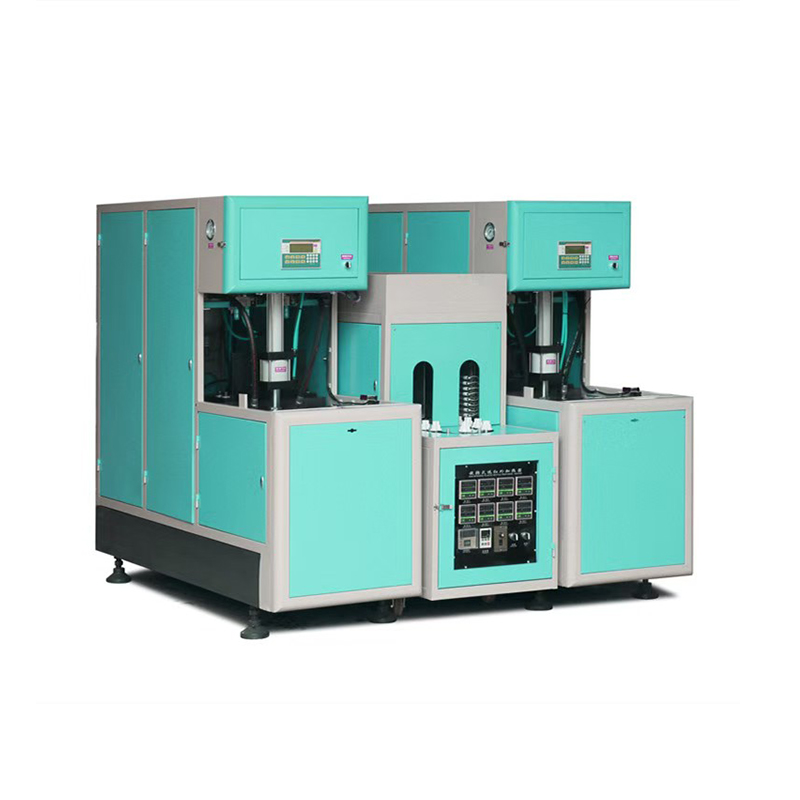
Semi-Automatic Blowing Machines are specialized machines used in the production ...
See Details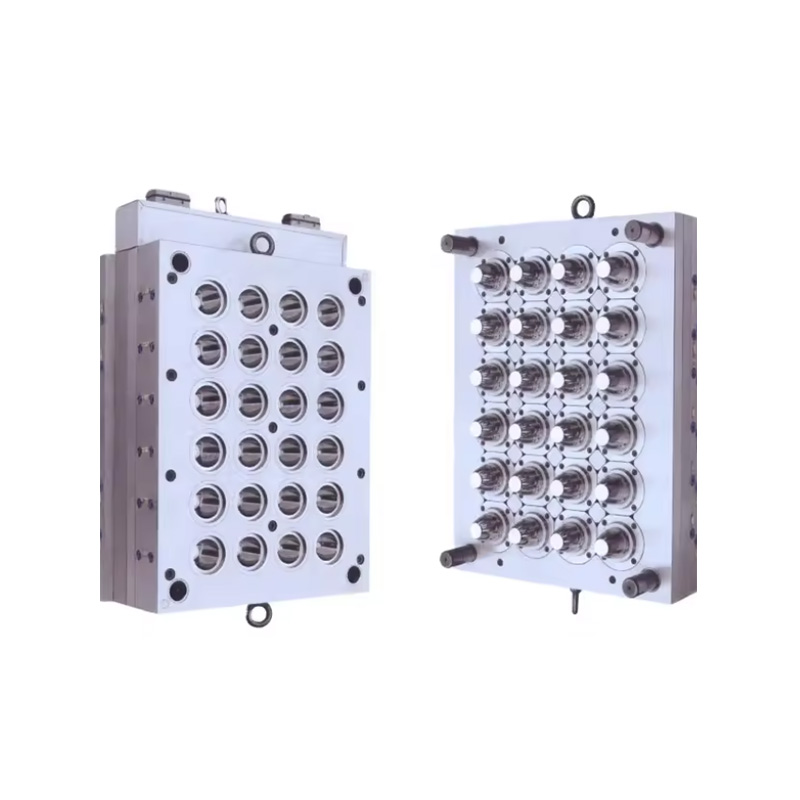
A Bottle Cap Mold is a precision tool used in the manufacturing of bottle caps. ...
See Details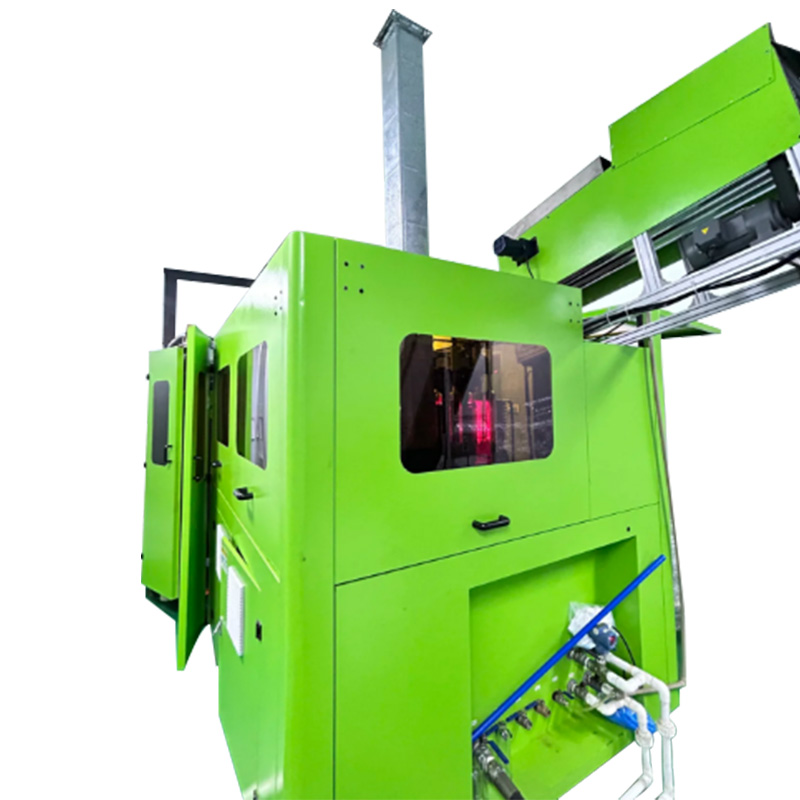
Automatic blowing machines are essential equipment in modern bottle manufacturin...
See Details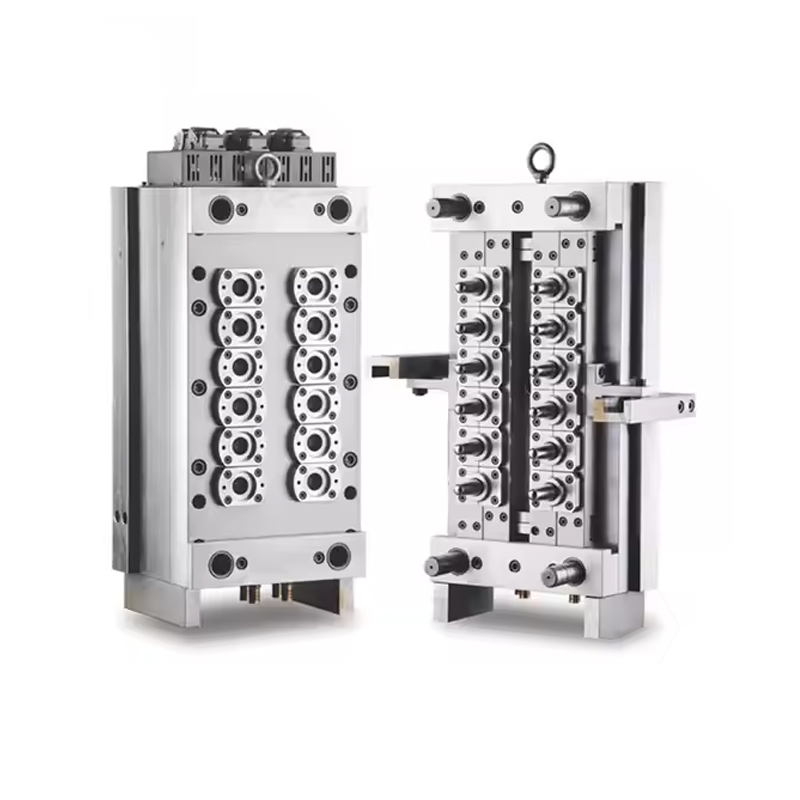
The 12-Cavity PET Preform Mold is a high-quality, durable solution designed to m...
See Details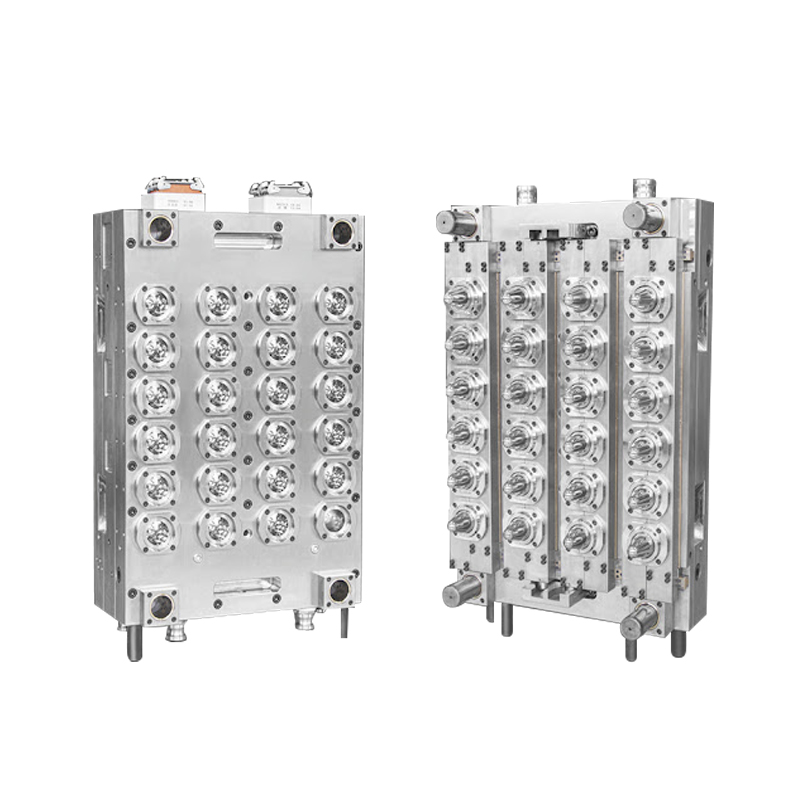
The 24-cavity wide-mouth mold is a precision tool designed for producing wide-mo...
See Details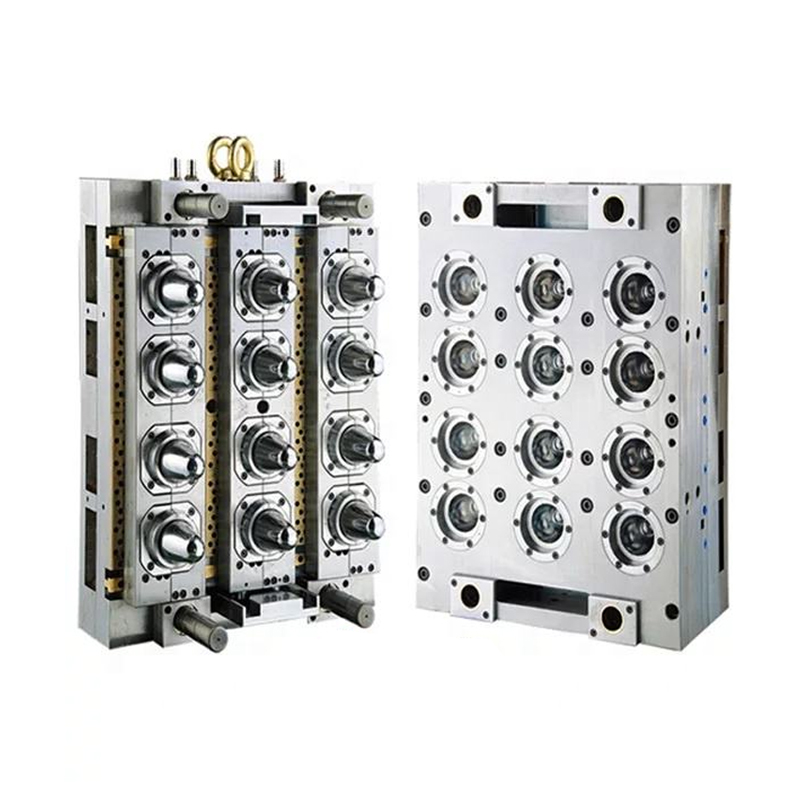
The 12-Cavity Wide-Mouth Mold(Mould) is made for manufacturers running wide-mout...
See Details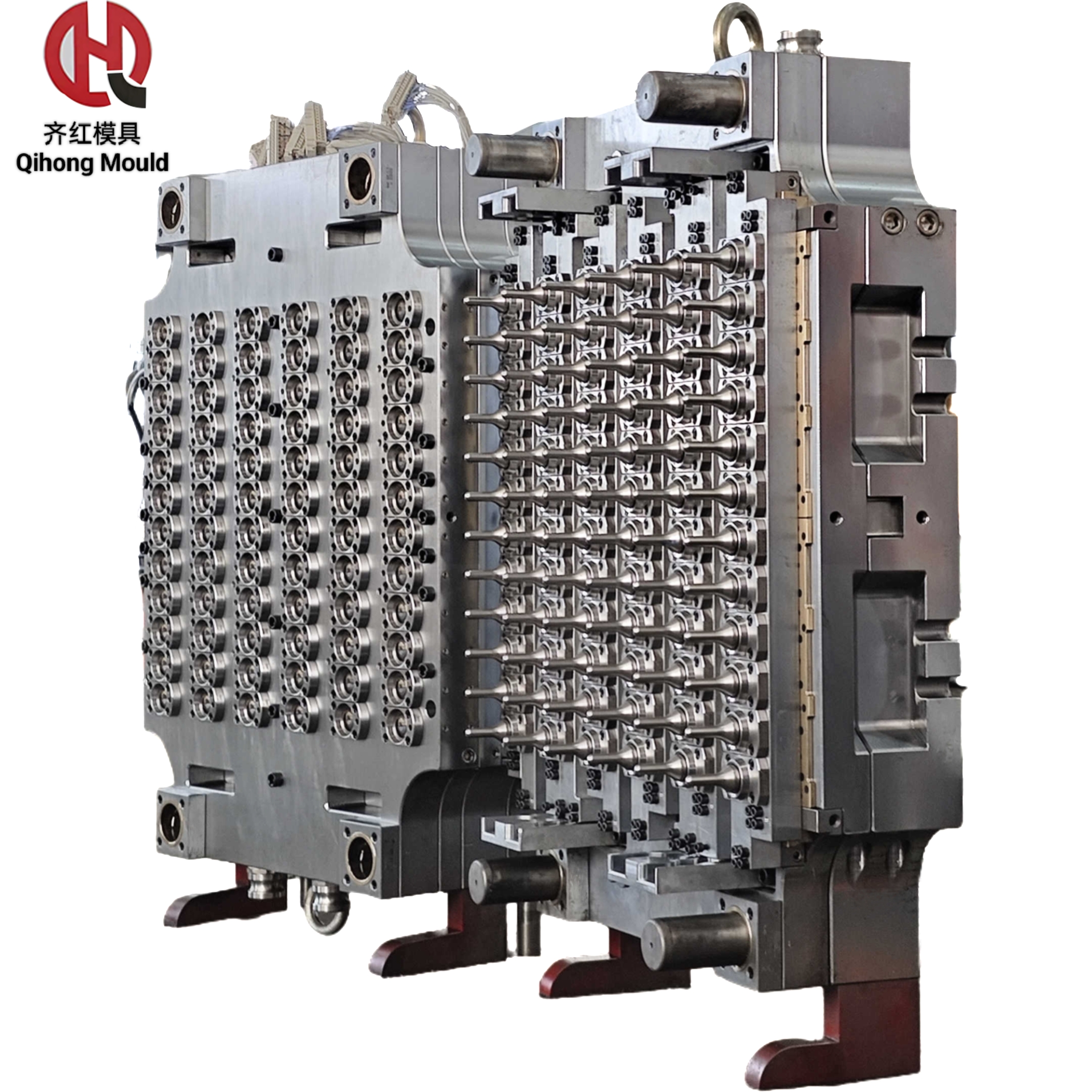
PET Preform Mold Design focuses on high precision structure and stable productio...
See Details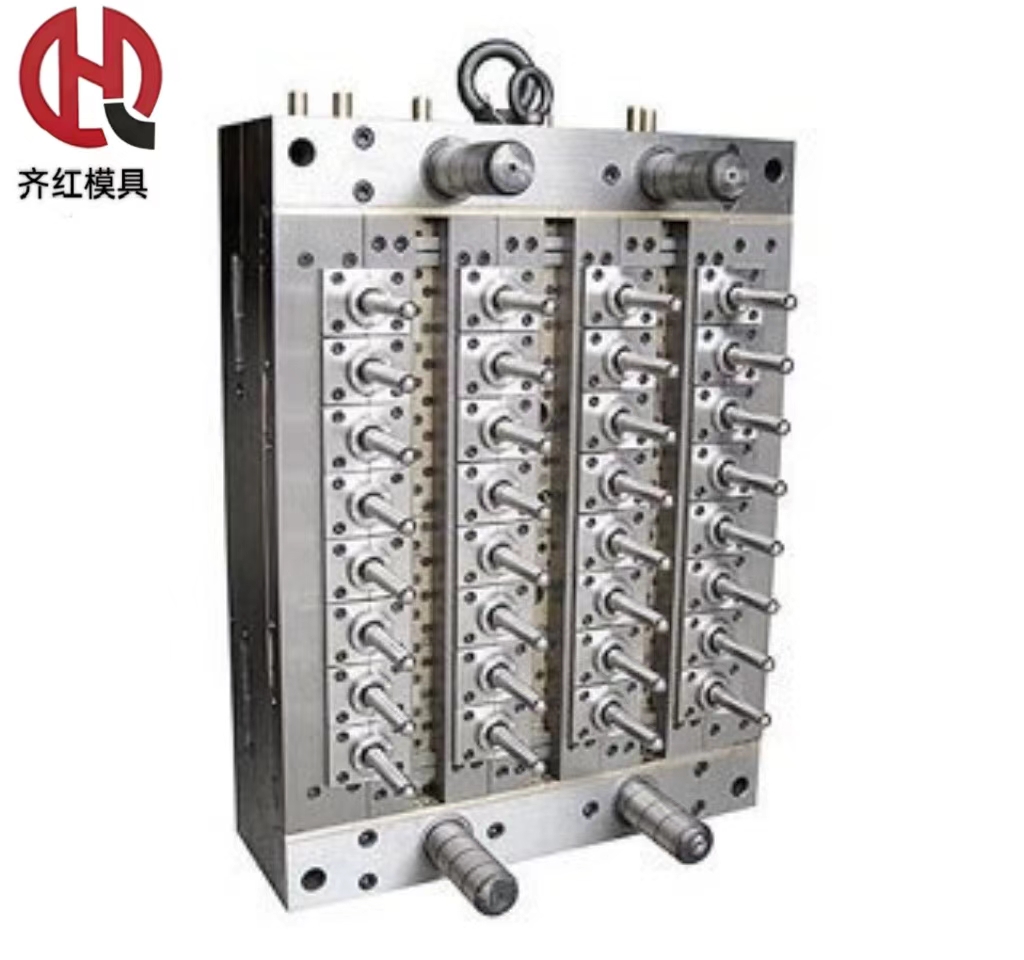
Custom Made Plastic Molds are designed for high precision and flexible plastic p...
See Details
WhatsApp:+(86) 13957659071 / +(86) 18158637057 / +(86) 15395760157


ADD:Baige Science and Technology Park, Huangyan District, Taizhou City, Zhejiang Province, China.