English
 русский
 عربى
عربى


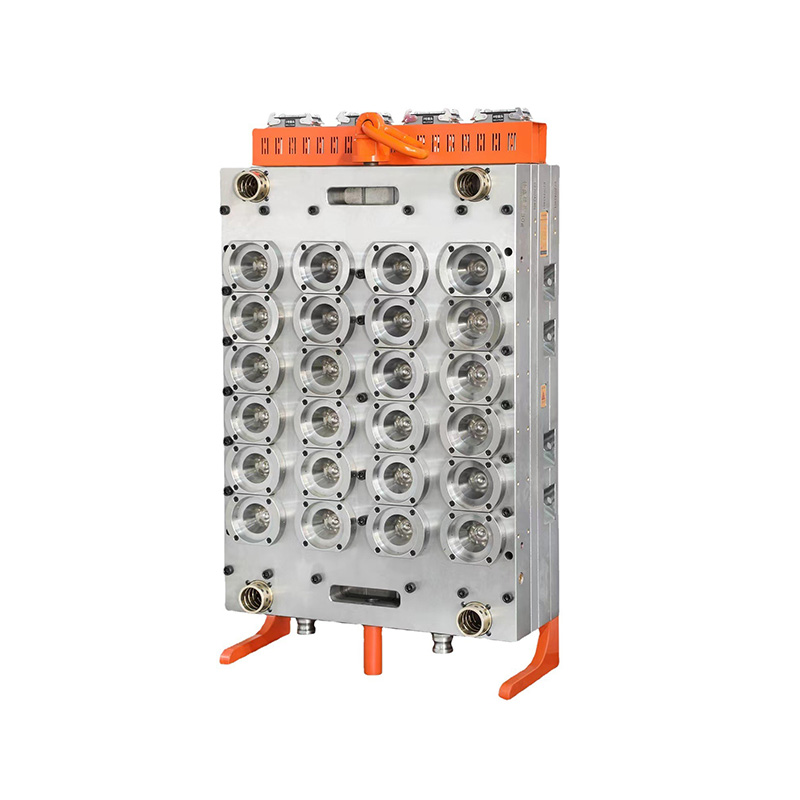
24-Cavity Preform Mold(Mould)
The 24-cavity preform mold is a handy tool for turning out PET bottle preforms. ...
See Details


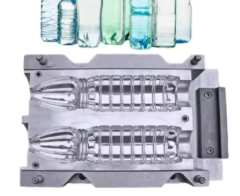
In bottle production, environmental impact is often discussed in terms of materials and recycling. Less attention is given to the tools that shape those materials day after day. A Water Bottle Mold sits at the center of this process, quietly determining how material is distributed, how stable production remains, and how much waste is created over time. Companies such as Taizhou Qihong Mold Co., Ltd. have observed that decisions made at the mould level influence not only efficiency, but also how realistic eco-friendly goals can be in everyday operation.
Eco-friendly bottles are no longer treated as special products made for limited markets. They have become part of regular production planning. This shift changes how bottle makers think about responsibility. The focus moves away from short-term appearance and toward long-term consistency.
In daily production, sustainability is closely tied to how smoothly processes run. When operation remains stable, fewer adjustments are required. Fewer adjustments often mean less material loss and less energy spent correcting problems. In this context, the Water Bottle Mold becomes one of the earliest points where environmental thinking turns into practical action.
Rather than asking how to make a bottle stand out, many teams now ask simpler questions. Can the bottle be formed with fewer interruptions? Can the same result be achieved without adding material? The answers often depend on mould behavior.
A Water Bottle Mold defines the basic structure of every bottle produced. Wall transitions, thickness balance, and overall form are established before production begins. These factors influence how material flows and settles during each cycle.
When a mould guides material evenly, excess buildup is avoided. Bottles reach the required strength without unnecessary weight. When guidance is uneven, material tends to collect in certain areas, leading to heavier products and higher resource use.
Eco-friendly performance often starts at the design stage. A balanced mould design reduces the need for later correction and supports consistent output. The result is not only a better-looking bottle, but one produced with fewer compromises.
Material efficiency is shaped by repeatability. A Water Bottle Mold that holds its form accurately over repeated cycles allows each bottle to follow the same path from start to finish. Predictable behavior limits trial adjustments and keeps material use under control.
Structural balance also plays a role. When pressure and shaping forces are evenly distributed, bottles achieve strength without relying on extra thickness. This balance supports lighter designs that remain practical for everyday use.
Design precision contributes to efficiency in several ways:
These outcomes are not dramatic on their own, but over time they form the basis of responsible production.
Comparison of Mould Design Approaches
| Aspect | Basic Mold Design | Advanced Mold Design |
|---|---|---|
| Material Distribution | Uneven, leading to thicker spots | Even, allowing for thinner walls |
| Waste During Production | Higher due to inconsistencies | Lower with precise control |
| Bottle Weight | Heavier overall | Lighter while maintaining strength |
| Resource Savings | Minimal | Noticeable in long runs |
Switching to greener materials often sounds simple, but in practice it brings new challenges. A plastic water bottle mold has to respond to how these materials behave during shaping. Some flow more slowly. Others react more strongly to temperature changes. Much like using an unfamiliar ingredient in the kitchen, adjustments become part of the process.
Mold design responds to these shifts through small but meaningful changes. Channel paths may be refined. Venting areas adjusted. The aim is to let material move smoothly, without trapping air or leaving gaps. When a mold works in sync with the material, production feels calmer and more predictable.
Compatibility matters. When mold structure and material flow support each other, the process stays steady. When they do not, problems appear. Blocked paths. Uneven walls. Weak sections that fail early. A good match reduces the need to restart or repeat steps, which in turn helps conserve resources.
In this way, the plastic water bottle mold becomes part of the sustainability effort. Not by making bold statements, but by quietly adapting to new expectations and helping materials behave as intended.
Stable mold performance plays a direct role in reducing waste. When a water bottle mold runs smoothly, each cycle tends to produce usable bottles. Fewer interruptions mean less discarded material and less rework.
Repeatability supports efficiency in a subtle way. Like a steady beat, it allows production teams to plan without overcompensating. When results stay consistent, there is less temptation to add extra material or adjust settings excessively.
Inconsistency works against eco-friendly goals. A mold that behaves unpredictably can lead to uneven shaping. Some bottles pass. Others do not. Scrapped pieces accumulate, and the effort spent making them goes to waste.
Simple habits often support stability:
Process rhythm influences material use more than it might appear. A water bottle mold that runs without frequent pauses tends to use only what is needed. When the flow stays steady, material fills as expected and finishes cleanly.
Interruptions disrupt more than timing. A stop can lead to partial fills. A restart may cause overcompensation. Each small correction uses extra energy and material. Over time, these small losses add up.
Keeping rhythm steady supports sustainability in a quiet way. There is no single moment where progress becomes obvious. Instead, consistency builds a foundation. One smooth cycle after another.
Much like maintaining a well-oiled machine, attention to rhythm keeps the entire operation moving efficiently. It reduces strain. It extends useful life. And it allows eco-friendly practices to remain practical rather than idealistic.
A Water Bottle Mold that lasts longer naturally uses fewer resources. Fewer replacements mean fewer materials consumed behind the scenes, and less interruption to normal production.
Durability is not only about hardness or strength. It often shows up in small ways. Even wear. Stable shape. No sudden drop in performance. Moulds like this do not demand attention every day, and that alone reduces waste.
When a mould stays usable for a long time, planning becomes easier. Production stays calm. There is less pressure to rush changes. In practice, this kind of longevity fits well with eco-friendly thinking, even without being labeled as such.
Maintenance Practices Supporting Eco-Friendly Bottle Production
Good maintenance is usually quiet. A Water Bottle Mold that is cleaned and checked regularly tends to behave as expected. No surprises. No sudden surface problems.
Too little care allows small issues to grow. Too much care can be just as disruptive. The balance matters. Most effective routines are simple and repeatable.
Common habits include:
These actions do not slow production. Over time, they help avoid unnecessary waste and extend mould usability.
Mould performance depends heavily on people. Operators who are familiar with a Water Bottle Mold usually notice when something feels different. A change in sound. A slower release. A surface that does not look the same.
Consistency matters here. When handling methods change from shift to shift, results change too. Stable routines help keep output steady.
Responsible use often comes down to daily choices. Taking time during setup. Not forcing adjustments. Shutting down properly. These habits support sustainability without needing extra rules.
Industry Observations on Mould Design and Eco-Friendly Direction
Many manufacturers now see mould design as part of environmental planning. Small changes in flow balance or structure often lead to less waste during daily runs.
Expectations for Plastic Water Bottle Mold performance have shifted. Adaptability is no longer optional. Moulds are expected to handle different materials while staying predictable.
Design priorities reflect this change. Longer service life. Easier adjustment. Fewer surprises. The direction is gradual, but clear.
Challenges in Aligning Eco-Friendly Goals with Production Reality
Eco-friendly ideas often meet real limits on the shop floor. New materials may behave differently. Existing moulds may react in unexpected ways.
Common issues include:
Most solutions are not immediate. Teams adjust step by step. The balance lies in improving without disrupting what already works.
The Continuing Role of Water Bottle Mold in Eco-Friendly Bottles
Every stage of bottle production is linked back to the Water Bott
Design choices, daily operation, and responsibility meet at this point. Decisions made around mould use quietly influence whether eco-friendly goals hold up in real production.
As bottle making continues to evolve, mould performance will remain a steady reference. Not dramatic. Not visible to consumers. But essential in shaping how sustainable ideas turn into everyday products.
The 24-cavity preform mold is a handy tool for turning out PET bottle preforms. ...
See Details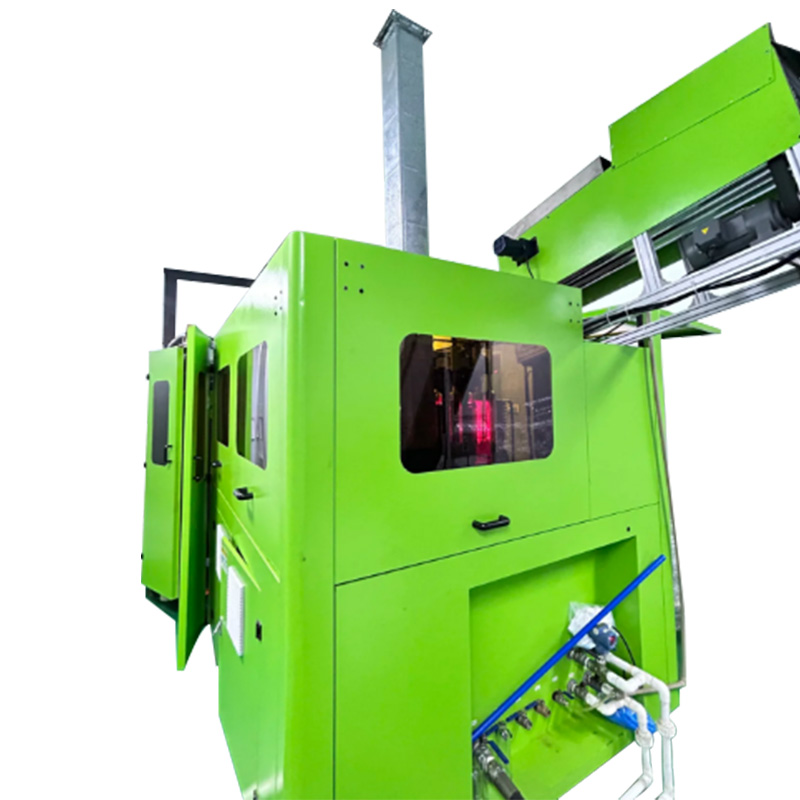
Automatic blowing machines are essential equipment in modern bottle manufacturin...
See Details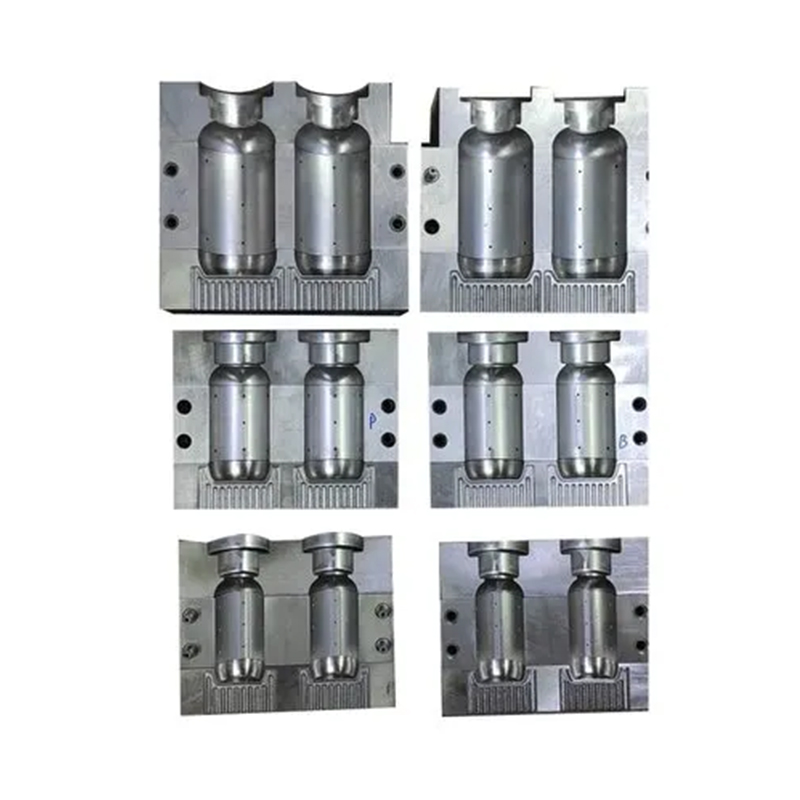
Medicine bottle molds are specialized tools designed for the efficient productio...
See Details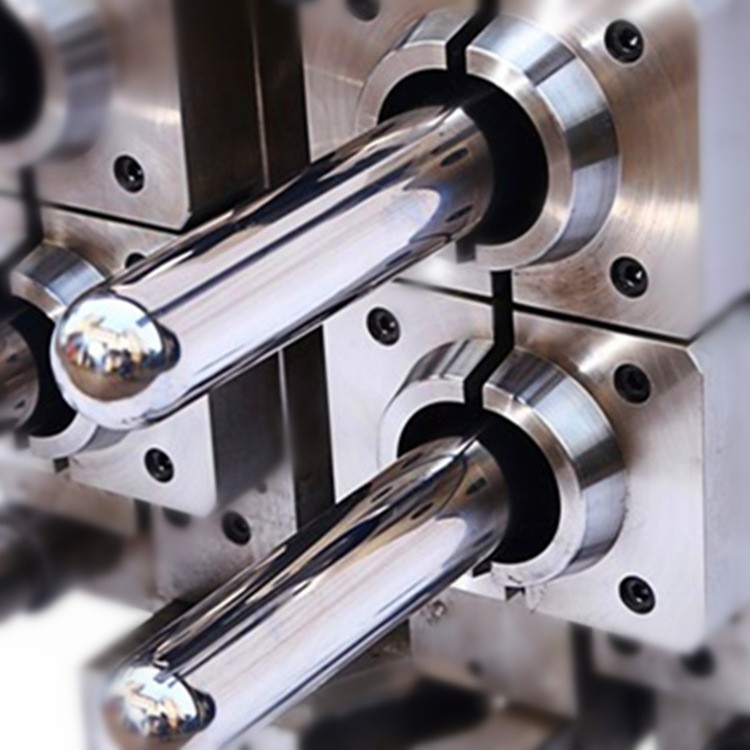
Mould Specifications Product : Preform Mould Brand : Taizhou QihongMould C...
See Details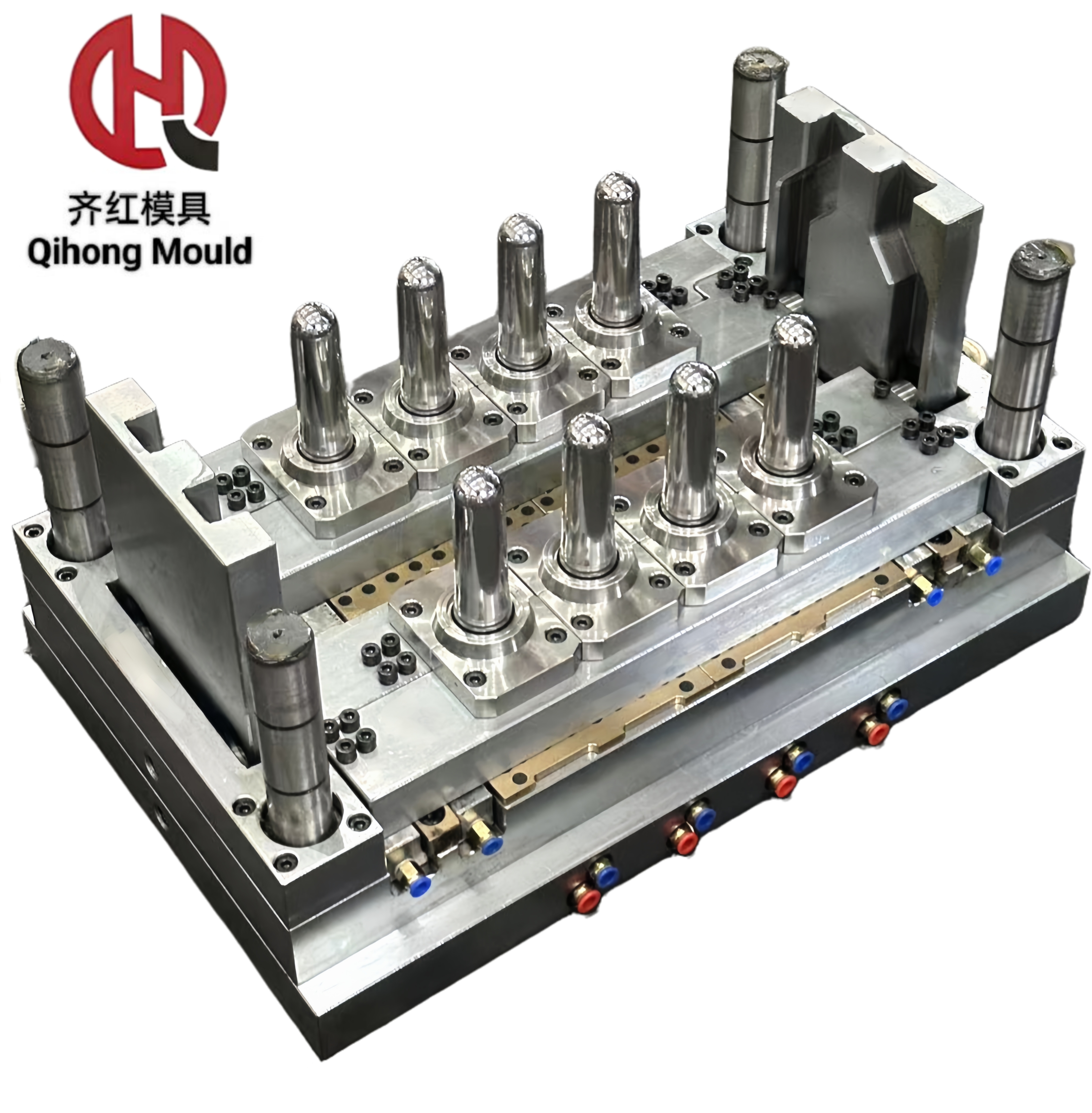
Jar Preform Mold is designed for accurate and efficient production of plastic pr...
See Details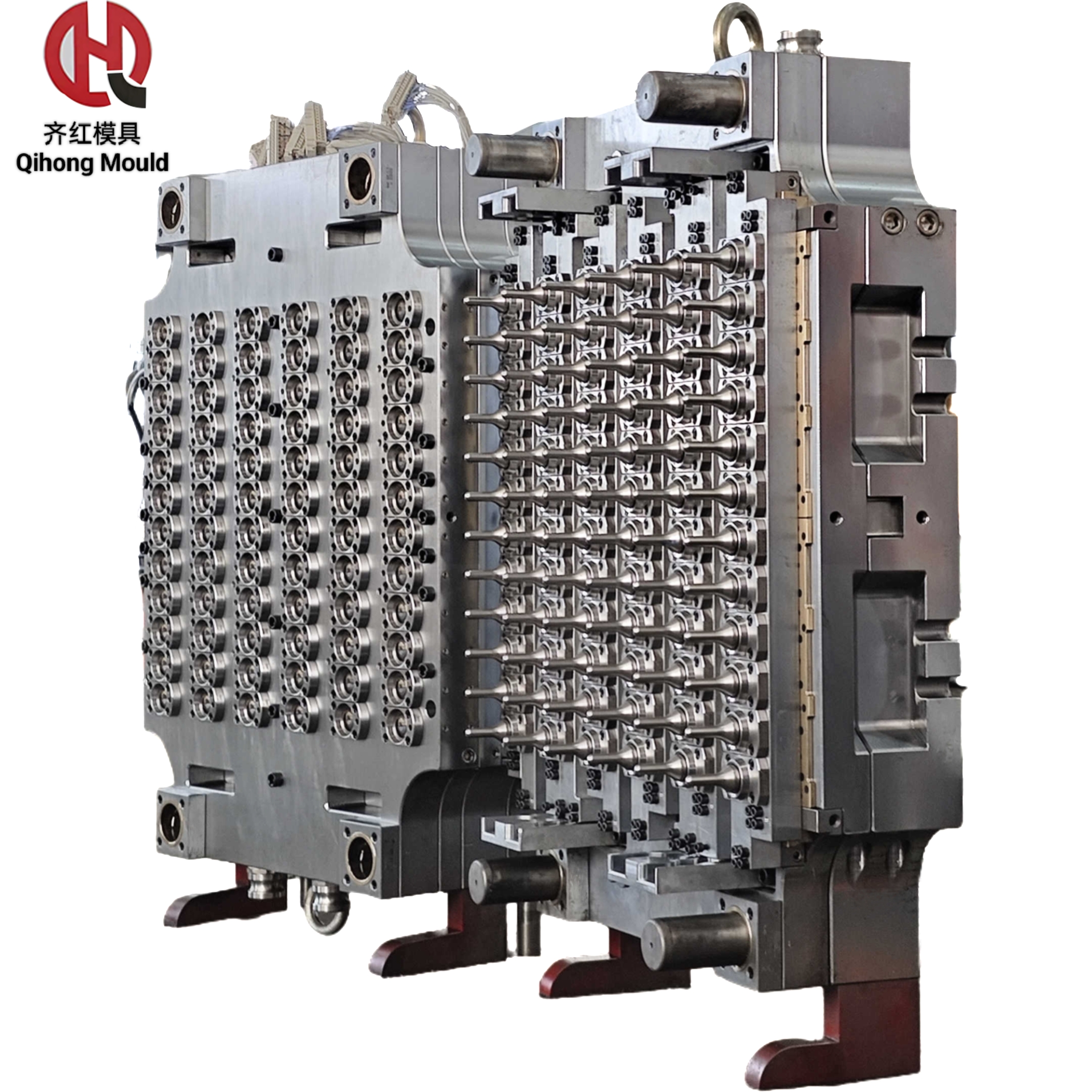
PET Preform Mold Design focuses on high precision structure and stable productio...
See Details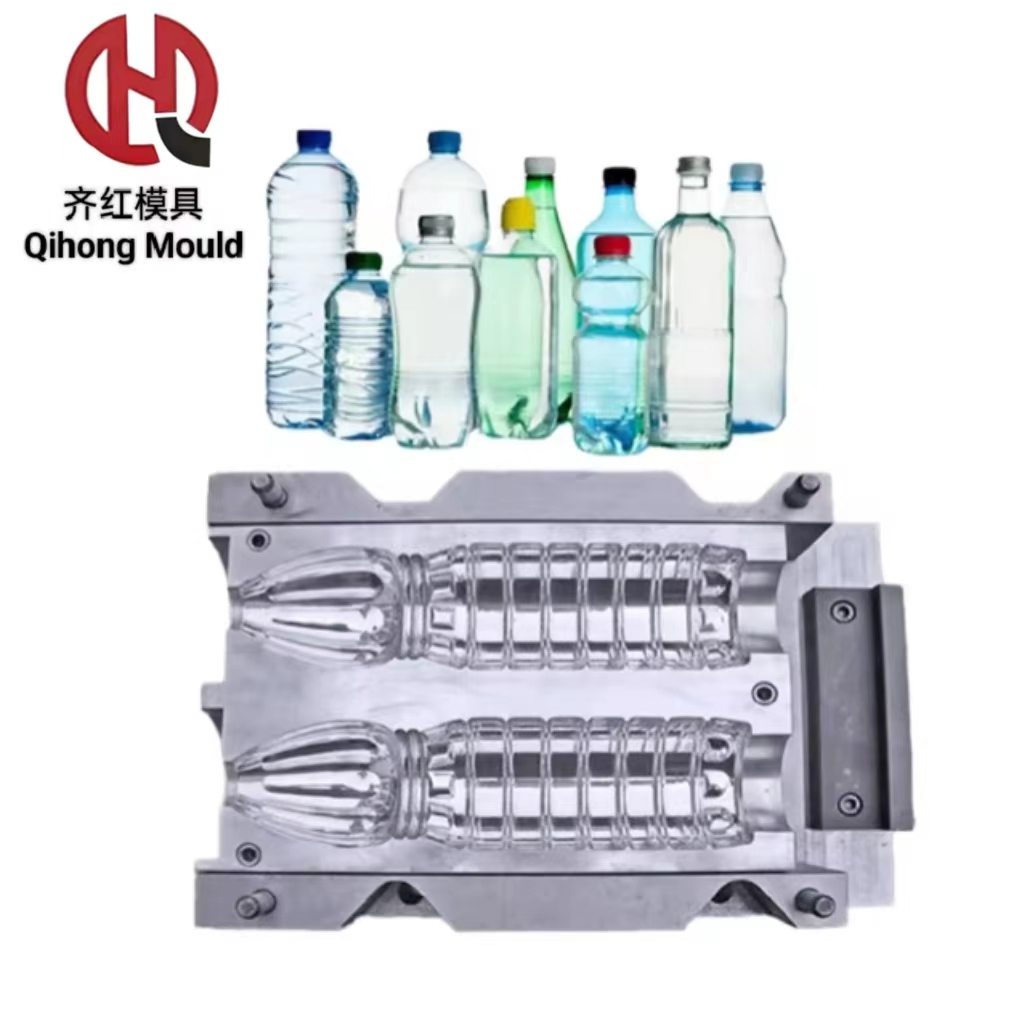
Mould Specifications Product : Blowing Mould Brand : Taizhou QihongMould C...
See Details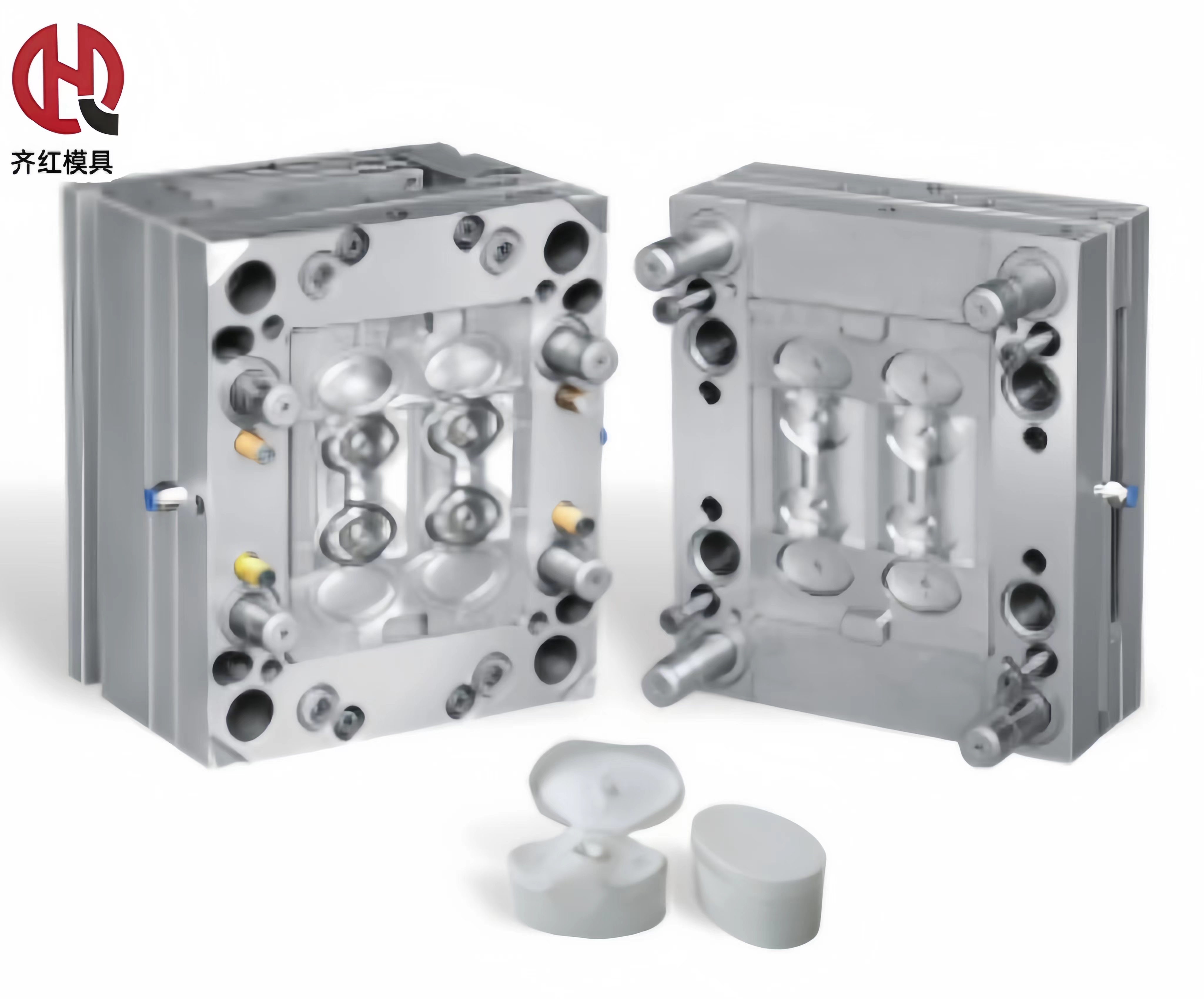
Plastic Cap Mould is designed for high precision plastic cap production. The Chi...
See Details
WhatsApp:+(86) 13957659071 / +(86) 18158637057 / +(86) 15395760157


ADD:Baige Science and Technology Park, Huangyan District, Taizhou City, Zhejiang Province, China.